Tajikistan is a country of two hotel worlds: polished lobbies on Dushanbe's Rudaki Avenue, and blanket-stacked guesthouse rooms where the teapot arrives before you've put your bag down. Plan your nights well and the reward is a journey from Sogdian ruins to a 4,655-metre pass, with a warm bed waiting at the end of every long drive.
Dushanbe: Your Capital Base and Its Landmarks
Dushanbe is the only city in the country where you can pick and choose. International-standard hotels cluster along and just off Rudaki Avenue, the capital's long, plane-tree-lined spine; Soviet-era blocks offer plain but spacious rooms at half the price; and a scattering of small guesthouses in the quiet streets behind the opera house suit travellers who want a courtyard and a home-cooked breakfast. Base yourself between Dusti Square and Rudaki Park and most of the city's sights are a walk apart.
From Dusti Square, where the golden-crowned statue of Ismoili Somoni stands beneath one of the world's tallest flagpoles, you can stroll to the National Museum of Tajikistan, the Gurminj Musical Instrument Museum with its room of lutes and drums, and the ornate Navruz Palace, built as a vast tiled teahouse. In the evening, the fountains in Rudaki Park come on and families drift past the statue of the poet himself. Give the city two nights, and use one of them for a half-day trip west to Hisor Fortress, whose reconstructed gate, madrasa and caravanserai sit above a small bazaar about half an hour from the centre.
Practically, Dushanbe is the easiest place in the country for cards, English-speaking reception staff and airport transfers — the terminal is only fifteen to twenty minutes from the centre. If you are heading onward to the mountains, buy your supplies here: sun cream, a decent head torch and any medication you might need are far harder to find once you leave the capital.
Khujand: Northern Hospitality and the Panjshanbe Bazaar
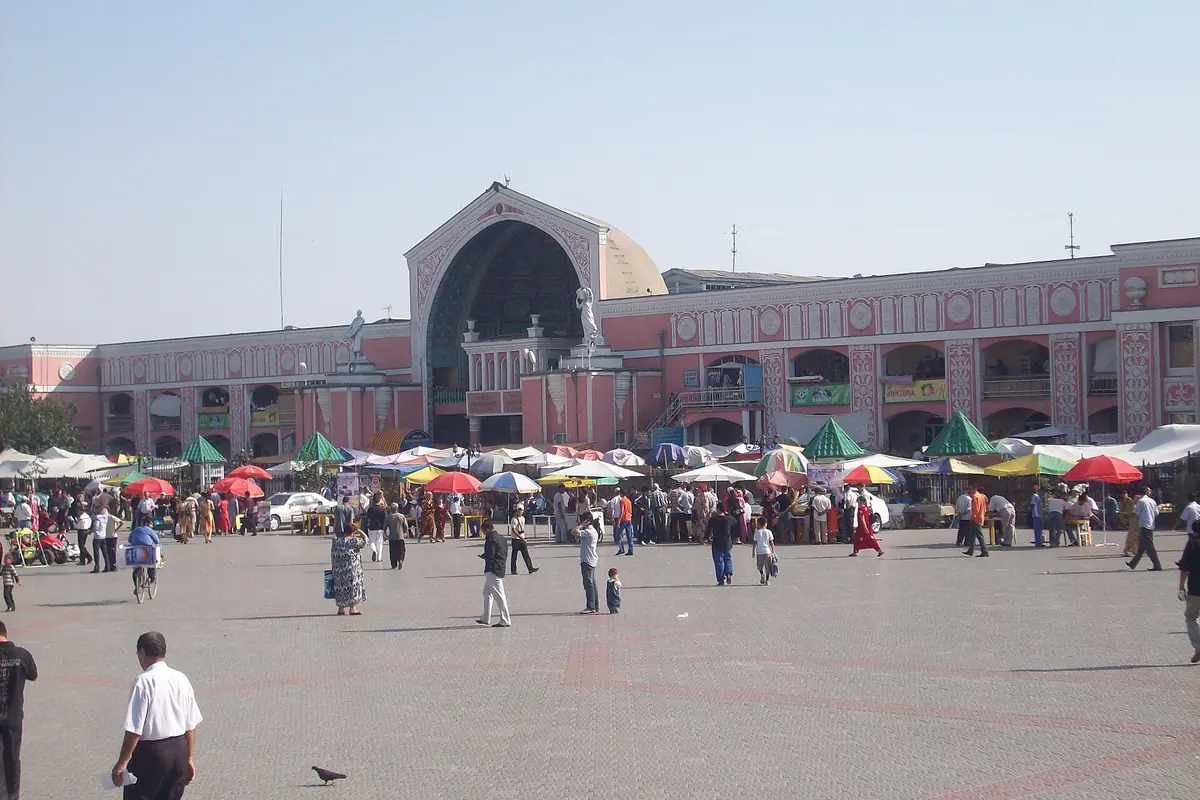
Tajikistan's second city sits on the Syr Darya in the hot, fertile Fergana Valley, and its accommodation reflects a place that has always looked both to Samarkand and to Tashkent. You will find refurbished Soviet-era hotels with wide corridors and balconies, a growing number of small mid-range places with air conditioning (essential from June to August, when afternoons push past 35°C), and family homestays on the leafy outskirts. Stay within walking distance of the Panjshanbe Bazaar if you can — the name means 'Thursday market', and the domed hall is the liveliest introduction to the city.
The bazaar itself is the main event: pyramids of dried apricots, pomegranates, flat rounds of non bread and vendors who will insist you taste before you buy. A short walk away, the rebuilt Khujand Fortress houses an archaeology museum behind its brick gate, and the riverside park named for the poet Kamoli Khujandi makes a cool place to sit at sunset. Fifteen kilometres out of town, Arbob Palace is worth the detour — a blue-tiled Soviet-era hall built by a collective farm, now used for weddings and concerts, with fountains and rose beds in front.
Spring and autumn are the sweet spots here, and Khujand is the natural first or last stop if you are crossing the land border from Uzbekistan — a short drive that puts you in the city within a couple of hours. Cards are accepted at some hotels but not reliably, so change somoni in the bazaar and keep cash for the road ahead.
Khorog and the Pamir Highway: Guesthouses at the Roof of the World
The M41 — the Pamir Highway — runs roughly 500 kilometres from Dushanbe to Khorog, a drive of twelve to sixteen hours that almost everyone splits with a night in Kalaikhum. In Khorog, at around 2,000 metres, the accommodation is a mix of straightforward guesthouses and small hotels, most of them family-run, with shared bathrooms, thick quilts and enormous dinners. Spend a day here before climbing higher: the Pamir Botanical Garden is planted on a slope above the river, and the green park where the Ghunt and Panj rivers meet is the town's social heart.
South of Khorog, the road follows the Panj River along the Afghan border into the Wakhan Valley, where the guesthouses become simpler still — a room, a mattress, a bucket of hot water — and the scenery becomes extraordinary. Yamchun Fortress perches on a ridge above the valley, Bibi Fatima hot springs send steaming water into a stone pool below it, and the Garm Chashma spring near Ishkashim is a local pilgrimage spot with a pool you can soak in. Guesthouses in Ishkashim, Langar and Yamchun are best arranged a day ahead by phone or through the community tourism offices in Khorog.
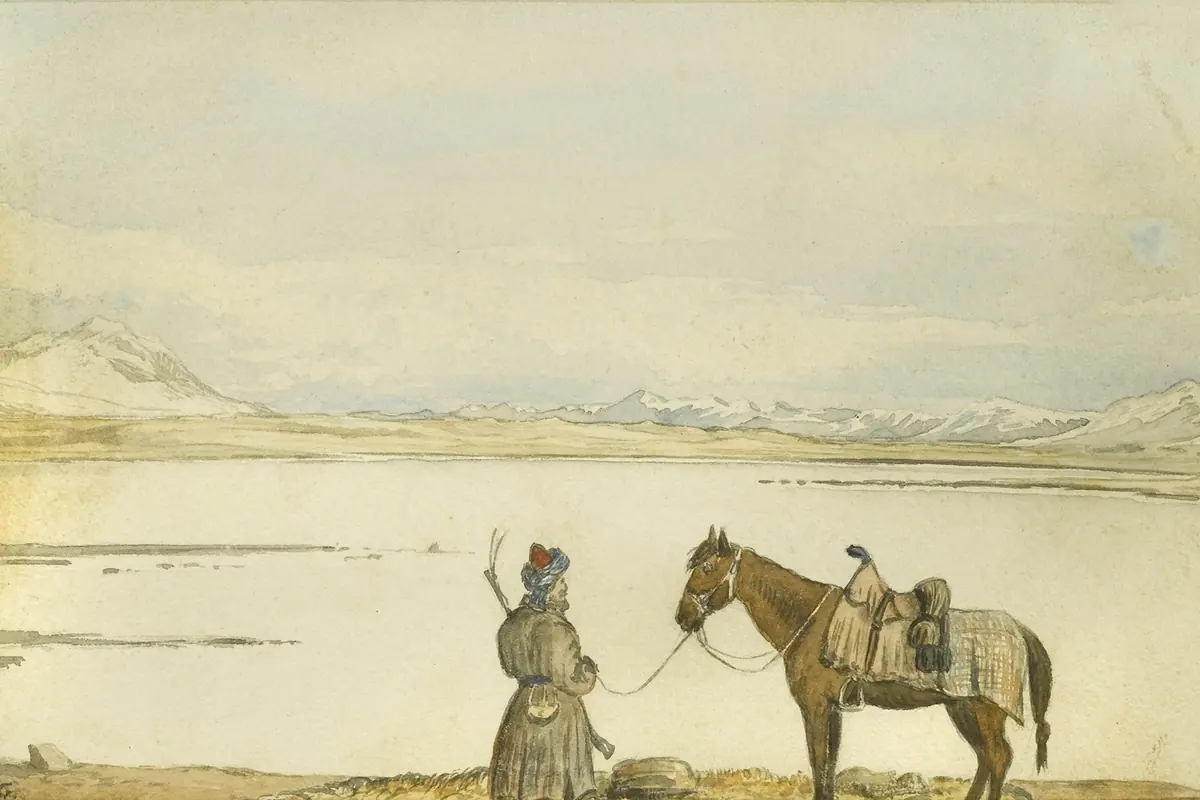
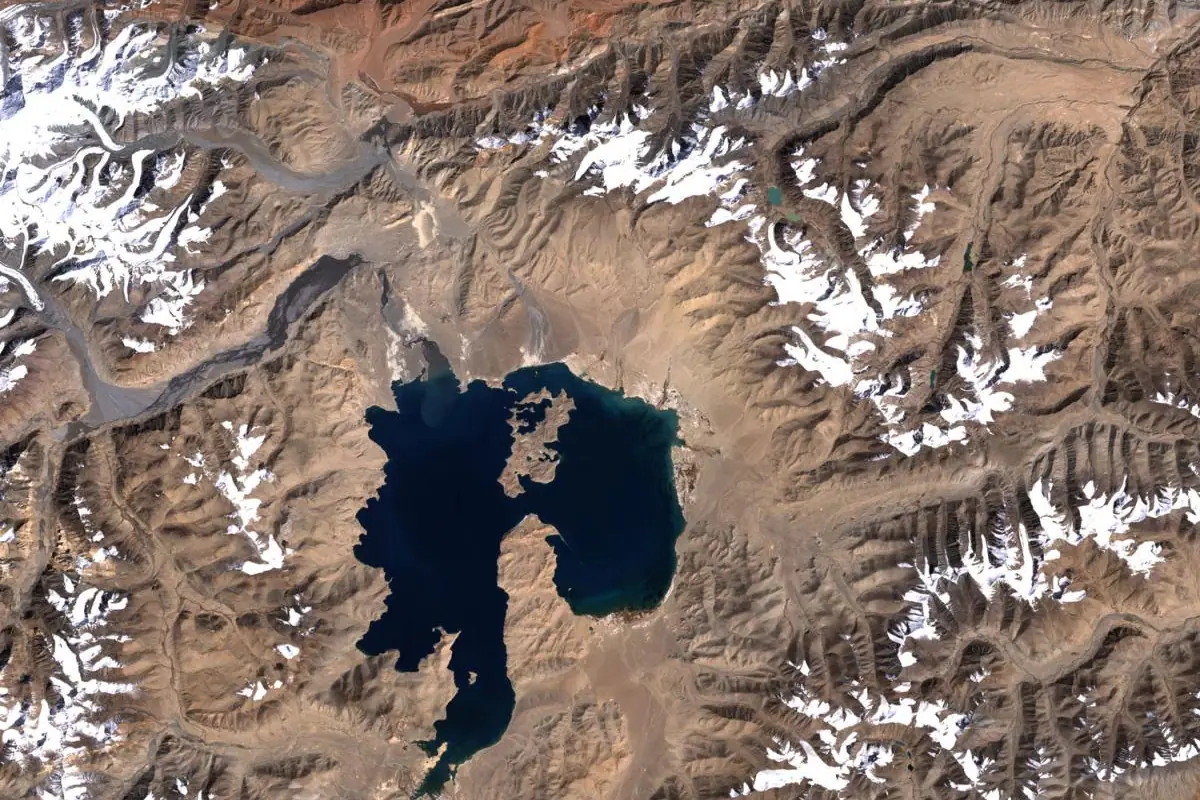
North of Khorog the landscape turns to high, treeless plateau. Murghab, at about 3,600 metres, has a handful of basic guesthouses and a bazaar that feels like the edge of the world. Beyond it the road climbs the Ak-Baital Pass at 4,655 metres before dropping to Lake Karakul, where Kyrgyz herding families run summer yurt camps on the shore — a genuinely memorable place to sleep, though only from roughly June to September. Take the altitude seriously: sleep low, drink constantly, and build in a night at Khorog before pushing higher.
Panjakent, Istaravshan and the Zeravshan Valley
The Zeravshan Valley is where Tajikistan's deepest history sits, and it is also the country's best-value region for accommodation. Panjakent, a short drive from the Uzbek border crossing at Jartepa, has a couple of proper hotels and a good spread of homestays. Use it as a base for Sarazm, one of the oldest proto-urban settlements in Central Asia, and for the ruins of the ancient Sogdian city across the river — the site museum holds reconstructions of its famous painted frescoes, while the originals are kept in Dushanbe.
East of Panjakent, the road climbs towards the Seven Lakes, or Haftkul, a chain of seven differently coloured lakes strung up a side valley, with the village of Marguzor beside the largest. Guesthouses here are simple and cheap, and waking up to still water and bare peaks is worth the bumpy track. Further east lies Istaravshan, an old caravan town with the Hazrati Shoh complex of tomb, mosque and courtyard, the grassy mound of Mug Teppe where an ancient citadel once stood, and a bazaar that has barely changed its rhythms in centuries. Accommodation is limited to small guesthouses and a couple of modest hotels, so book ahead in summer.
This is gentle, low-altitude country compared with the Pamirs, pleasant from April through October. Note that the drive between Panjakent and Istaravshan goes through the long Shahristan tunnel, which can close with snow in winter and is worth checking before you set off.
Iskanderkul, the Fann Mountains and Southern Fortresses
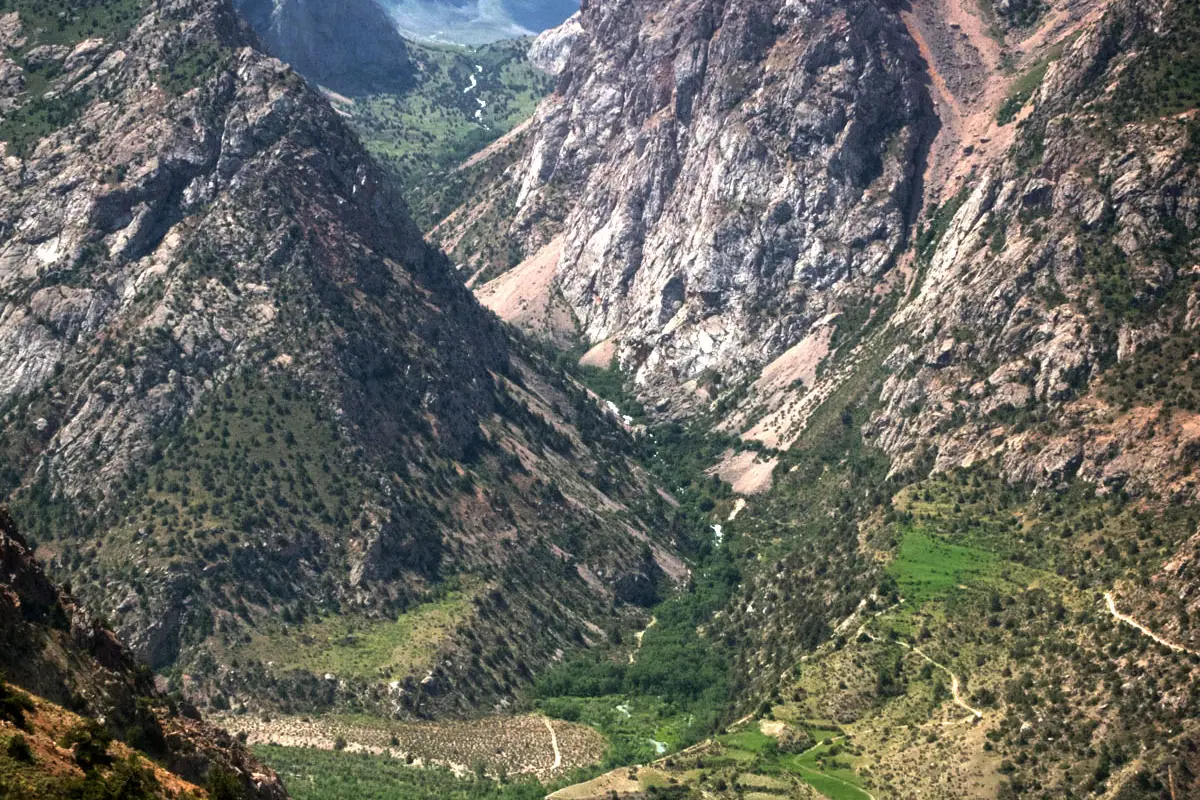
Three hours north of Dushanbe, up the Varzob gorge, Iskanderkul sits at around 2,200 metres in the Fann Mountains — a turquoise lake whose name links it to Alexander the Great, with a waterfall a short walk from the shore and a scatter of simple guesthouses and an old rest house for overnighters. It is the easiest taste of high mountain Tajikistan you can get from the capital, and a good place to test how you handle altitude before committing to the Pamirs.
The wider Fann range is trekking country: the Kulikalon lakes and the Alauddin Pass are classic multi-day walks, with yurt stays and basic trail guesthouses operating through the summer months. Go with a local guide if you are not confident navigating, and pack for sharp overnight cold even in July. Days here in June and September are close to perfect — clear, cool and quiet.
In the south, the route from Dushanbe towards the Pamirs passes near Kulob, where the restored Hulbuk Fortress, with its decorative brickwork and small museum, makes a worthwhile stop, and close to the confluence of the Vakhsh and Panj rivers lies Takht-i Sangin, the site of an ancient Oxus temple. Neither has much in the way of accommodation, so plan to sleep in Kulob or press on; both reward an hour or two of your time.
Practical Notes: Seasons, Cash and Booking Wisely
Timing shapes everything. May, June, September and October are the best months for the cities and valleys — warm days, cool nights, no baking heat. July and August are the only reliable window for the high passes and the full Pamir Highway, but they are also the busiest, so book Dushanbe and Khujand rooms well in advance. Winter closes many mountain guesthouses and makes the Khorog road unpredictable; spring can bring landslides, and the high plateau around Murghab and Karakul stays bitterly cold well into April.
Money matters more than you might expect. The currency is the somoni, and outside the capital it is a cash economy: ATMs exist in Dushanbe, Khujand and Khorog but are not always working or stocked, and cards are only dependable at the larger Dushanbe hotels. Change enough cash for a week at a bank or bazaar before heading east, and keep small notes for tea stops and yurt camps. Homestay rates usually include dinner and breakfast, which makes them remarkable value.
Finally, two things that catch people out. First, travel in the Gorno-Badakhshan region requires a permit on top of your visa or e-visa, checked at military posts along the highway. Second, many visitors are required to register their stay with the migration authorities; the larger hotels handle this automatically, but if you are moving between homestays, ask each host whether they have logged your stay. In guesthouses, remove your shoes at the door, accept the tea that is offered, dress modestly in villages and ask before photographing people — small courtesies that open far more doors than a big tip.
Frequently asked questions
Do I need a special permit to stay in the Pamirs?
Yes. Alongside your visa or e-visa you need a Gorno-Badakhshan (GBAO) permit, which can be added when you apply online or arranged in Dushanbe. Checkpoints along the Pamir Highway ask to see it, so keep a printed copy with your passport.
What is the best time of year to visit Tajikistan?
May, June, September and October are ideal for Dushanbe, Khujand and the Zeravshan Valley. July and August are the most reliable months for the Pamir Highway and its high passes, though they are also the busiest. Winter limits mountain travel, with snow closures and many guesthouses shut.
Can I pay for hotels by card in Tajikistan?
Only reliably at the larger hotels in Dushanbe, and sometimes in Khujand. Elsewhere it is cash, in somoni. ATMs exist in the main cities but can be empty or out of service, so bring enough hard currency to exchange and top up whenever you pass a bank.
How long does the Pamir Highway take, and where do you sleep?
Dushanbe to Khorog is usually split over two days with a night in Kalaikhum. Khorog to Murghab is a long single day, and Murghab to Lake Karakul is a half day over the Ak-Baital Pass. Nights are spent in family guesthouses, and in summer, in yurt camps run by herders on the lake shore.
Is altitude sickness a problem at Murghab and Lake Karakul?
It can be. Khorog sits around 2,000 metres, Murghab about 3,600 and Karakul close to 3,900, which is high enough to cause headaches and breathlessness. Ascend gradually, spend a night in Khorog, drink far more water than usual, avoid alcohol at first and descend if symptoms worsen.
Plan it — hotels in Tajikistan
Live search, booked directly with trusted providers.
Sort the rest of your trip
Everything for Tajikistan, in one place
Transfer in Tajikistan
Private driver waiting on arrival — no queues, no surprises.
Book a transfer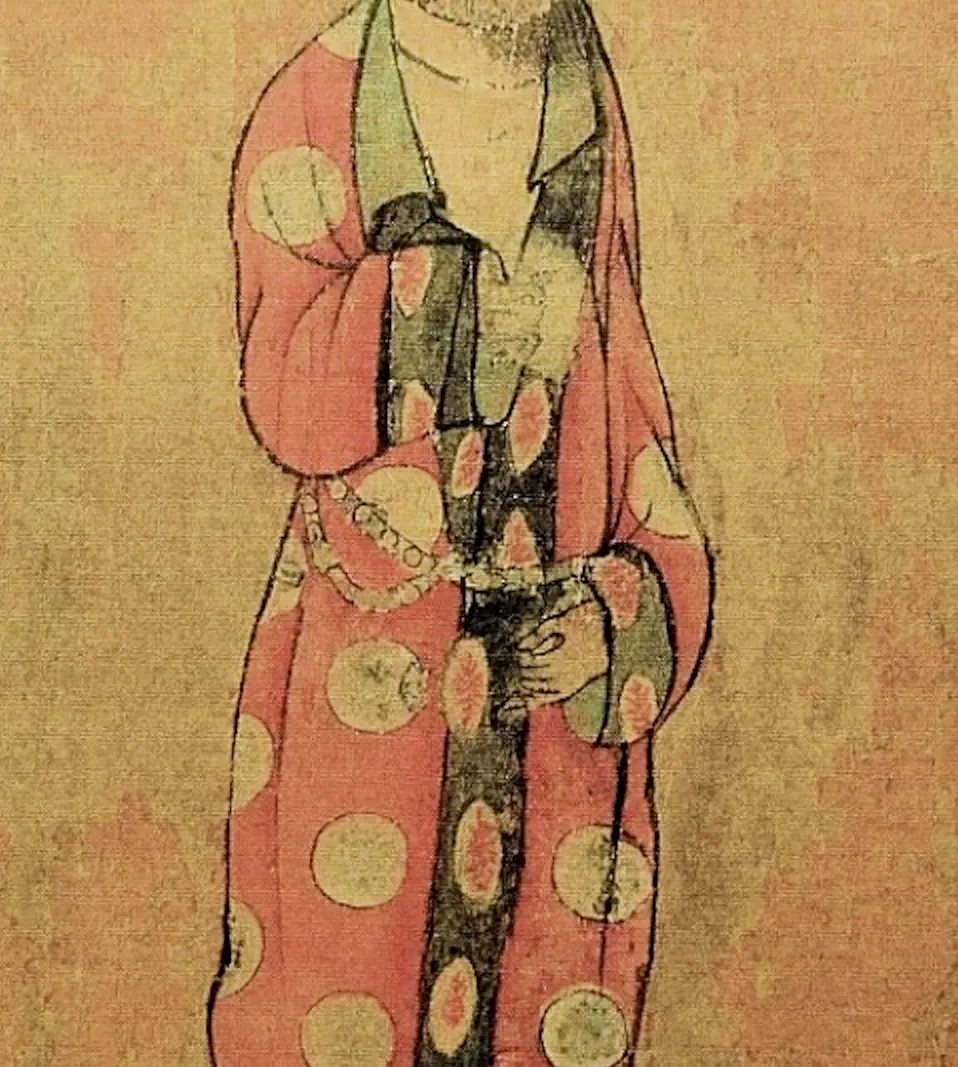
Things to do in Tajikistan
Skip-the-line tickets, guided tours and standout experiences.
See experiences
Stay online in Tajikistan
Travel eSIM — data the moment you land, no roaming bills.
Get an eSIM