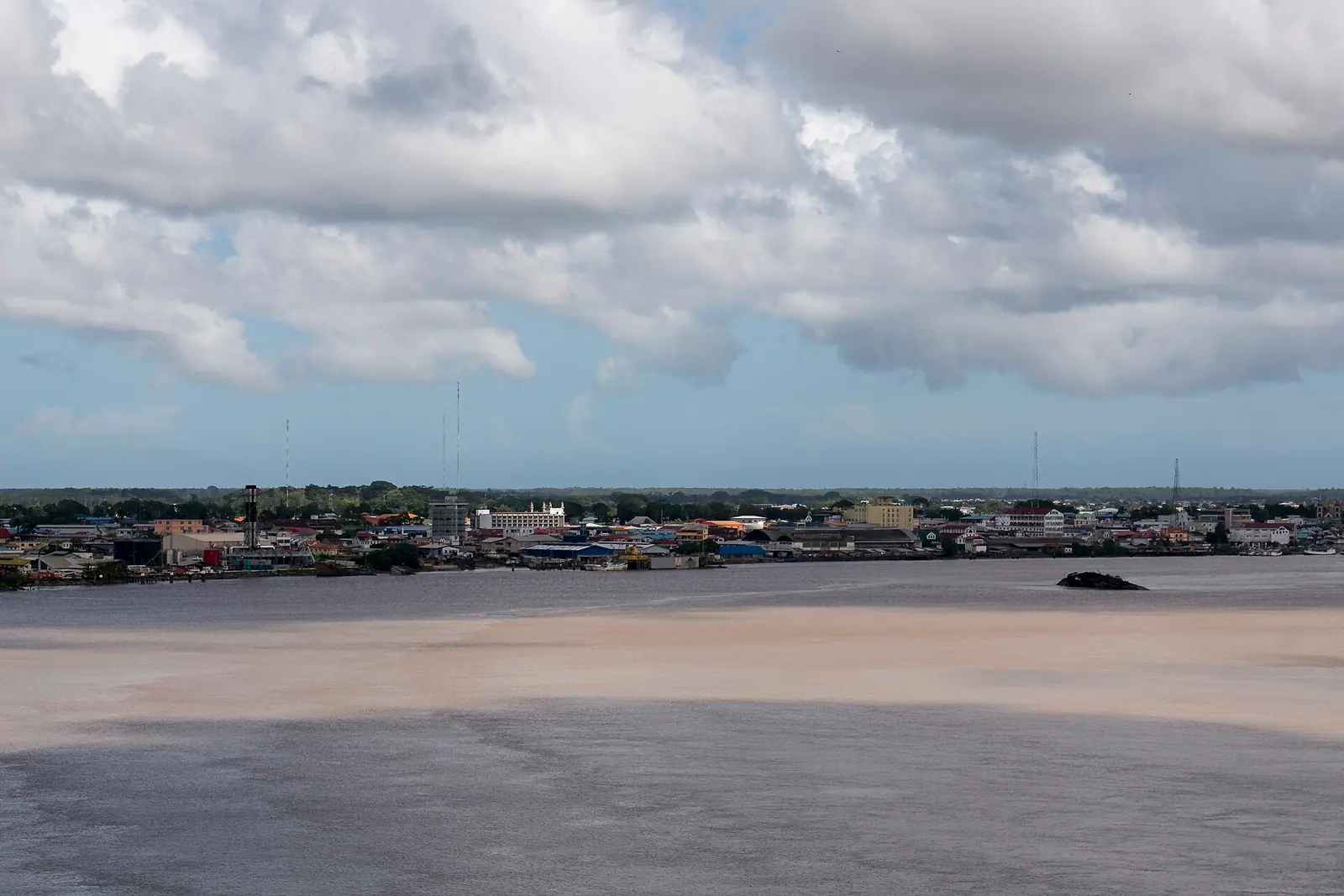
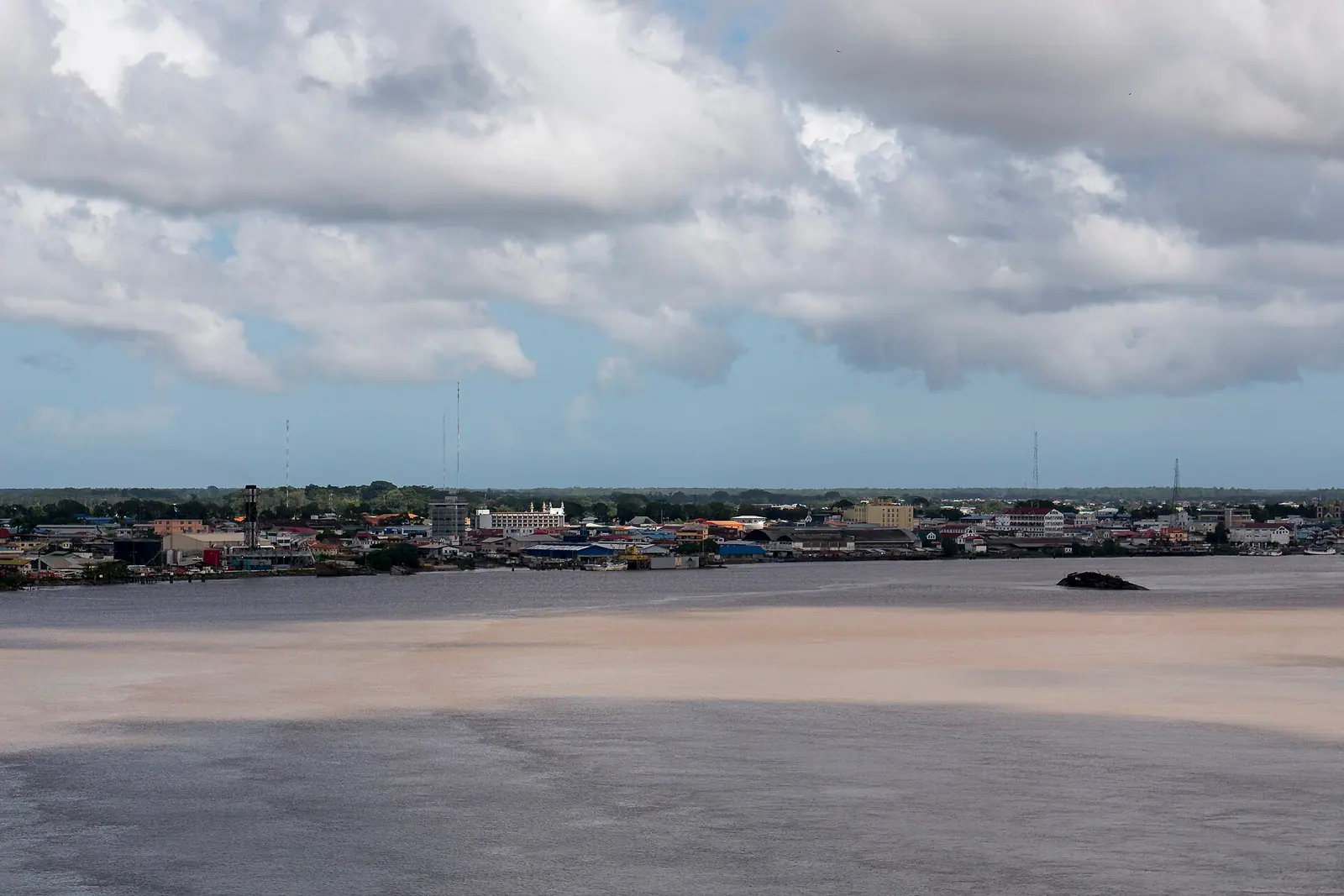
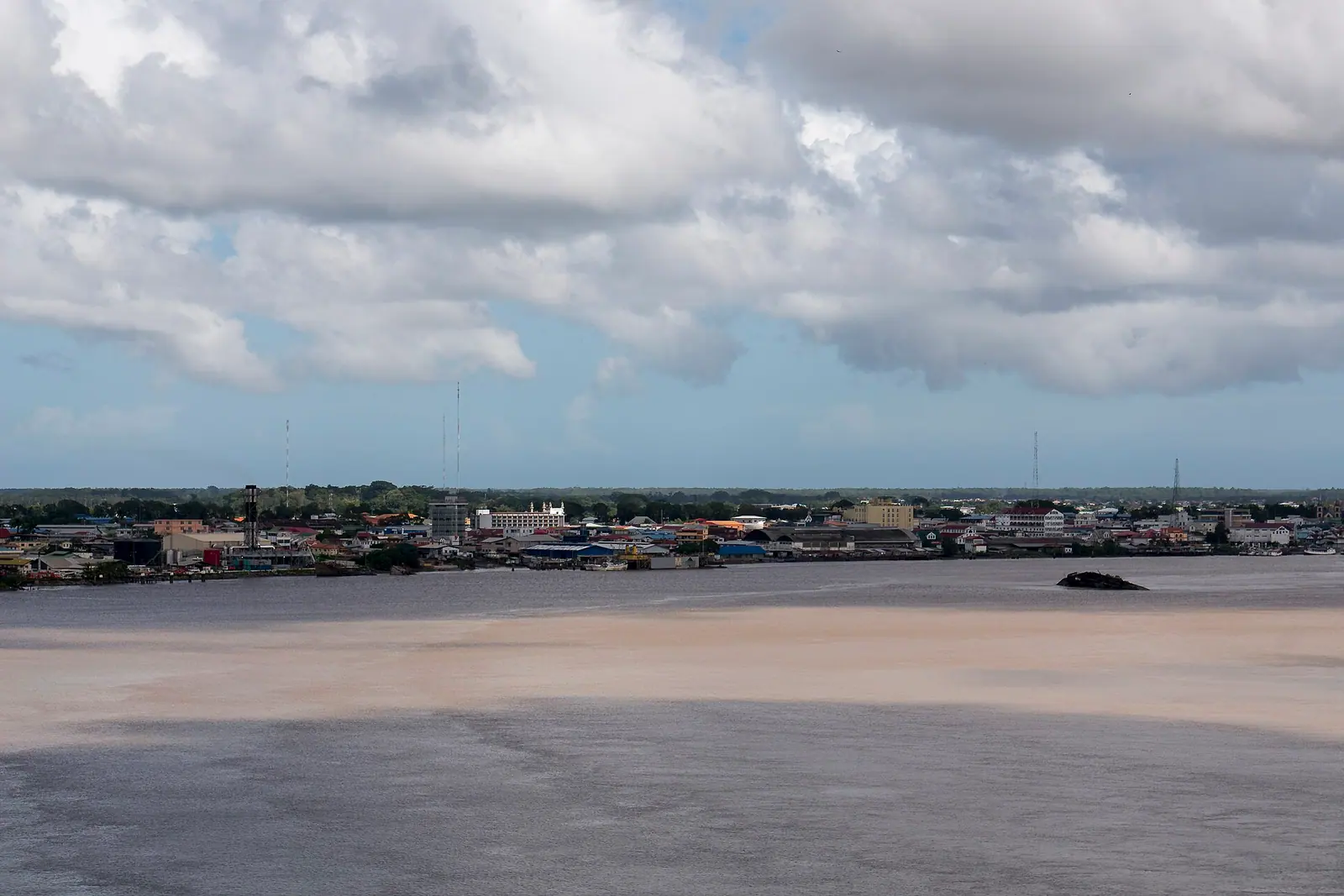
Suriname is the South American country that behaves like the Caribbean: a small, unhurried nation where white-shuttered colonial streets give way within hours to rivers, rapids and roadless rainforest. Almost everyone lives along the coast, which means the interior is still genuine wilderness — granite domes, turtle beaches and Maroon villages reachable only by boat or light aircraft. Here is what not to miss.
Paramaribo's Wooden Waterfront: Fort Zeelandia and the Old Town
Most trips begin and end in Paramaribo, and that is no hardship. The historic inner city is a tight grid of white-shuttered wooden houses, galleried shopfronts and palm-lined squares, inscribed on the World Heritage list for the way European colonial planning met tropical building traditions. Start at Independence Square, where the Presidential Palace — an 18th-century former governor's residence — faces a lawn of leaning palms, then slip behind it into the Palmentuin, a shaded royal-palm garden that stays remarkably cool at midday.
A few minutes north, Fort Zeelandia sits on the bank of the Suriname River, a brick stronghold begun in the 1640s and now a museum whose courtyards, cannons and old cells trace the country's layered colonial story. Nearby, the Saints Peter and Paul Cathedral is the city's showstopper: a neo-Gothic timber church with soaring spires, among the largest wooden churches anywhere in the Americas. Both are easily covered on foot in half a day — go early, because the heat between eleven and three is punishing.
Finish along the Waterkant, the riverside promenade where ferries dock and food stalls fire up at dusk. The Central Market a block inland is a full sensory assault: Maroon women selling cassava, bitter greens and bundles of herbal medicine, Hindustani spice stalls, Javanese snacks, and a floating section on the river where produce arrives by boat. It is the single best introduction to the country's Creole, Indian, Javanese, Chinese and Indigenous mix.
Jodensavanne and the Commewijne Plantation Belt
South of the city, up the Suriname River, lie the overgrown remains of Jodensavanne — a 17th-century settlement where Sephardic Jewish families were granted unusual religious autonomy and built a community around the Beraha Ve Shalom synagogue. Today you find brick walls, archways and a Portuguese-Jewish cemetery standing in the forest, half-swallowed by roots and vines. It is a haunting, little-visited place, reached by road and then boat, and best seen with a local guide who can explain what you are looking at.
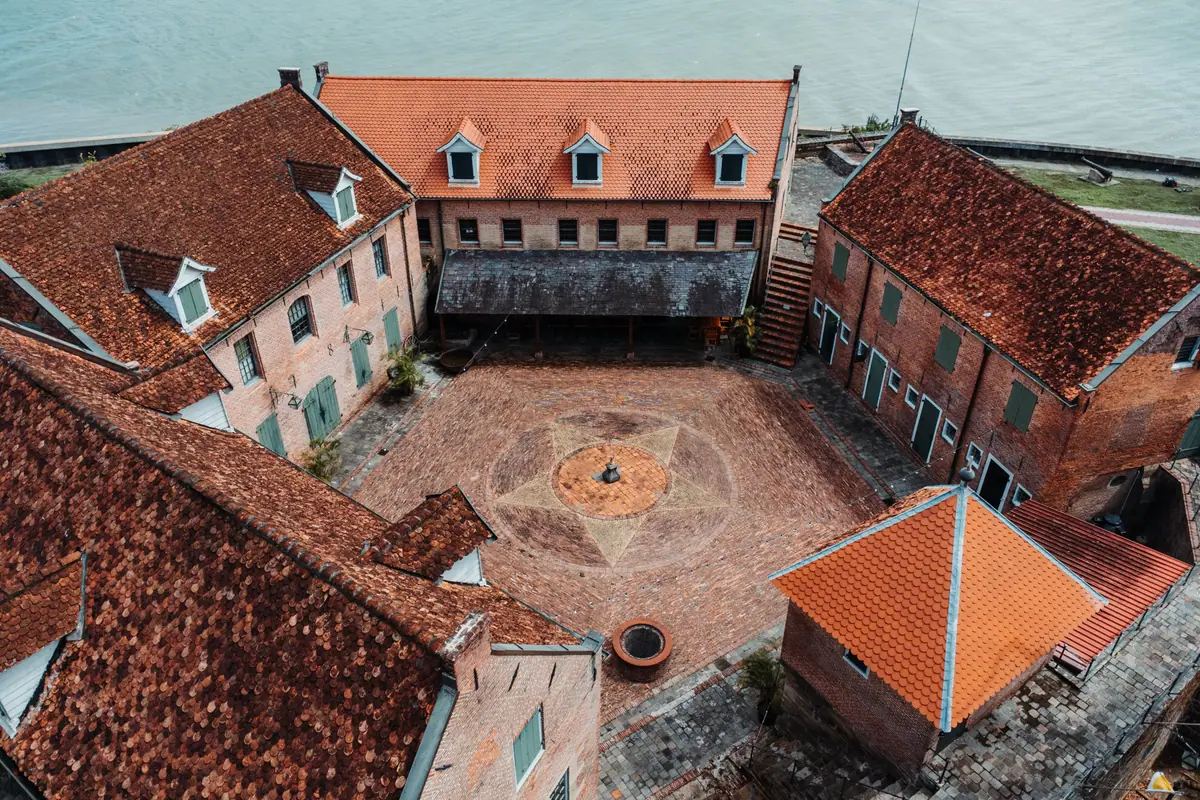
Across the water, the Commewijne district holds the same history in a more accessible form. A ferry from the Waterkant drops you at Nieuw Amsterdam, where Fort Nieuw-Amsterdam — an 18th-century bastion at the meeting of two rivers — has become an open-air museum of ramparts, cannons and old prison buildings overlooking the water. From there a flat road runs east through the old plantation belt, ideal for a rental car or a bicycle.
Two stops are worth building a day around. Peperpot Nature Park occupies a former coffee and cacao estate, its concrete drying floors and plantation house now ringed by trails where monkeys, sloths and toucans are regularly seen. Further along, the restored plantation at Frederiksdorp shows how these estates looked in their prime, with white timber buildings facing the river and a jetty that seems to belong to another century.
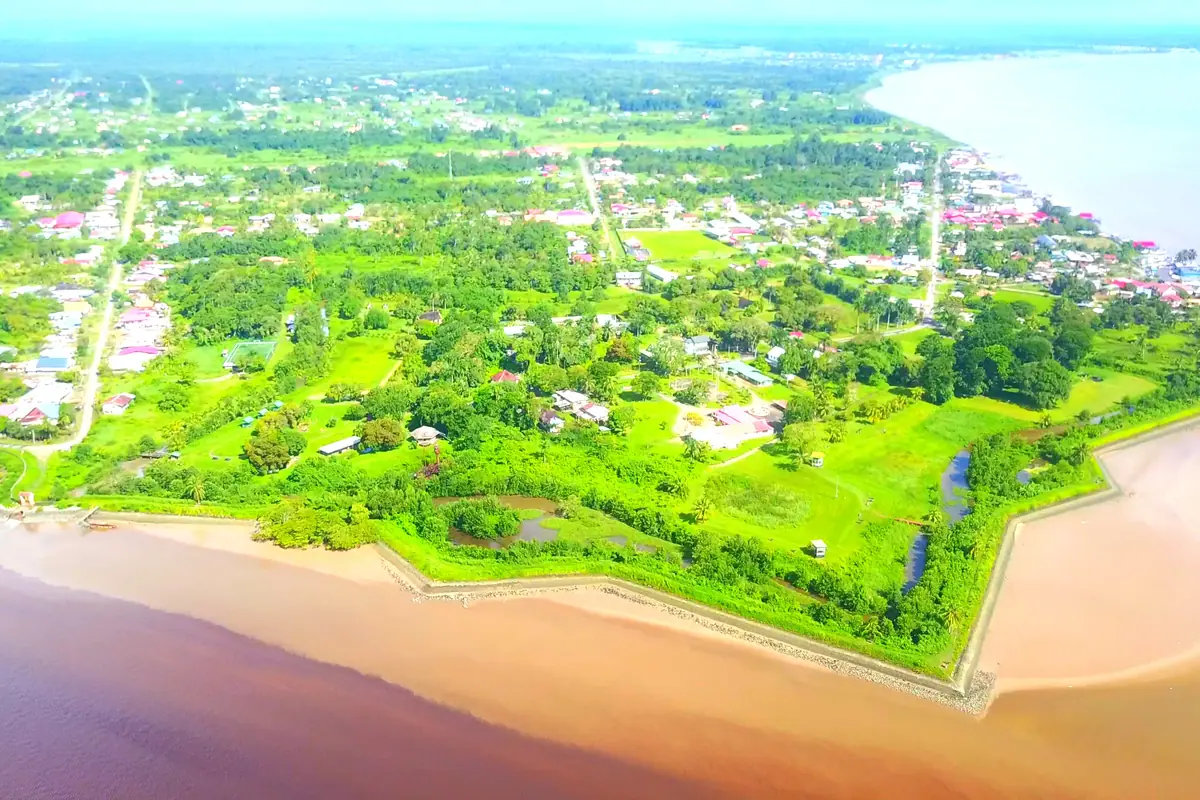
Galibi's Turtle Beaches and the Bigi Pan Wetlands
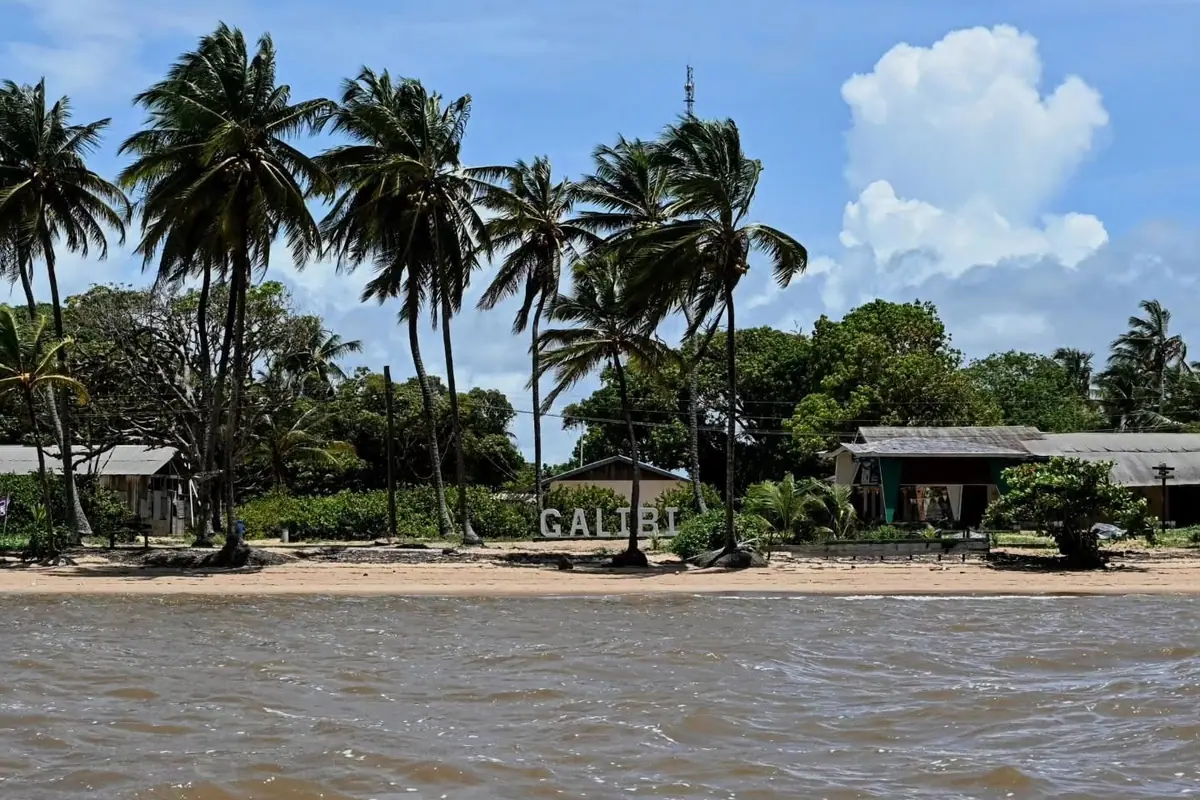
On the far eastern edge of the country, where the Maroni River meets the Atlantic, Galibi Nature Reserve protects a stretch of sand that is one of the most important sea-turtle nesting grounds in the western Atlantic. Leatherbacks — the largest of all turtles — come ashore from roughly February, followed by green turtles later in the season, with nesting running into August. Access is carefully managed: local Carib and Indigenous guides lead small groups along the beach at night, with no white light, no flash and no crowding.
Getting there means a three- to four-hour drive east to Albina on the border, then a boat ride to villages such as Christiaankondre and Langamankondre. Many visitors stay overnight in simple village guesthouses, which is the only realistic way to join both a night patrol and the early-morning return of hatchlings to the sea. Sightings are never guaranteed — these are wild animals and the season shifts year to year — but a good local guide gives you the best odds.
On the opposite, western coast, Bigi Pan Nature Reserve near Nieuw-Nickerie is a completely different landscape: a vast brackish lagoon fringed with mangroves, best explored by small boat at dawn or in the late afternoon. Herons, ibis, flamingos and dozens of other waterbirds feed in the shallows, and the sunsets over the water are spectacular. Pair it with a night in Nieuw-Nickerie, the country's second city and rice-growing heartland.
Into the Interior: Raleighvallen and the Voltzberg
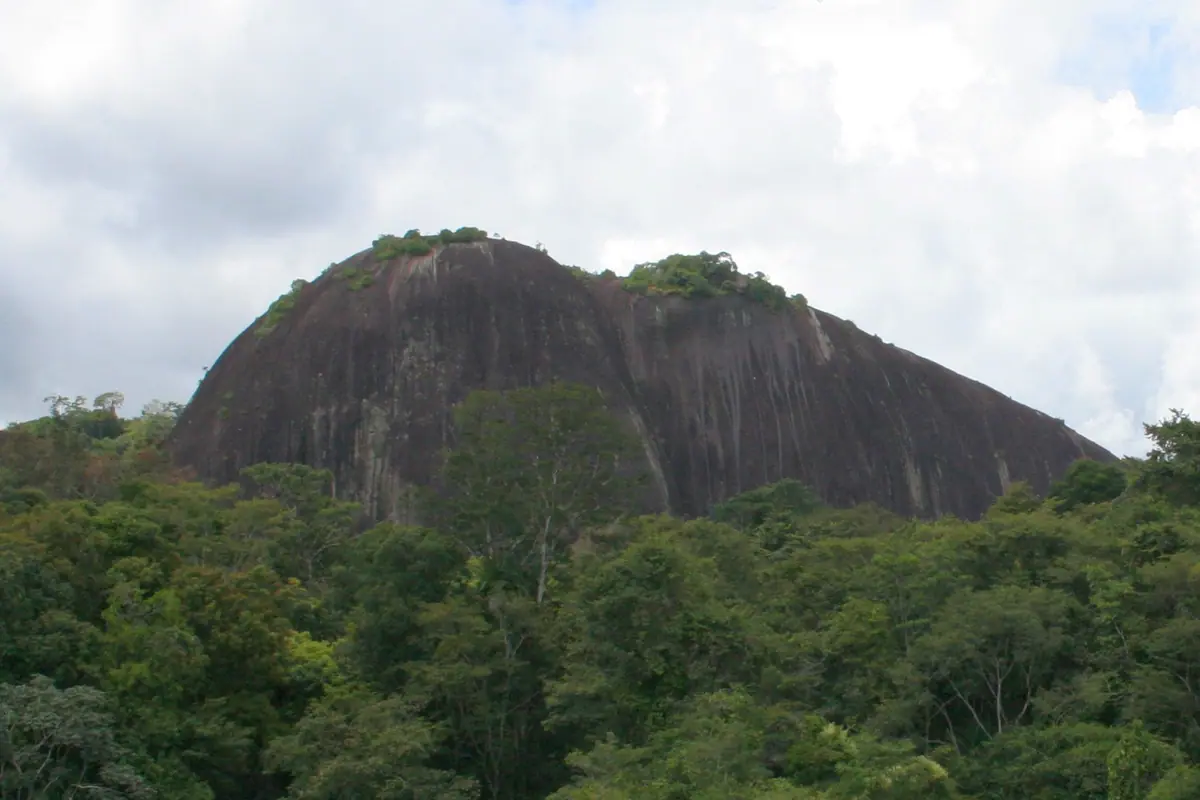
The Central Suriname Nature Reserve protects an enormous tract of untouched rainforest in the middle of the country, inscribed on the World Heritage list and reachable only by small charter aircraft to a river airstrip, then by boat. Its signature sights are Raleighvallen — a chain of rapids and wooded granite islands on the Coppename River — and the Voltzberg, a bare granite dome of roughly 240 metres that rears abruptly out of the canopy.
Climbing the Voltzberg takes an hour or two along a steep, root-tangled trail, and the reward is one of the great panoramas of the Guianas: an ocean of green running to the horizon with no roads, no settlements, nothing. Go at dawn if you can. The climb is cooler, and the early hours bring out howler monkeys, scarlet macaws, toucans and the chance of a cock-of-the-rock beside the path.
Simple island camps offer huts, meals and guided trails, plus boat trips to look for river turtles, caiman and otters. This is genuine expedition territory: expect mud, humidity, mosquitoes and flights delayed by weather, particularly in the wet months from roughly May to July and December to January. The dry seasons — February to April and August to November — are far easier going and the best window for serious trekking.
Brownsberg, Brokopondo and the River Lodges
If you want rainforest without a charter flight, Brownsberg Nature Park is the classic answer: a forested plateau around 500 metres high, roughly two hours south of Paramaribo. Trails lead down to the Irene and Leo waterfalls and out to viewpoints on the Mazaroni plateau, and the wildlife comes to you — howler monkeys roaring at first light, agoutis crossing the path, trogons and toucans in the canopy. Basic lodges allow overnight stays, though the access road turns rough in the rains.
Below the plateau spreads the vast Brokopondo reservoir, created in the 1960s when the river was dammed downstream. Its strangest feature is a drowned forest of thousands of bare, silvered trunks standing in the water like a flooded cathedral, and boat trips weave between them. Further south along the Suriname River and its tributaries, a string of river lodges sits in Maroon territory, where communities descended from escaped enslaved people keep their own languages, drumming and woodcarving traditions. Days there are slow and river-based: dugout canoes, rapids, village visits and night walks, reached by a drive plus a long boat ride or a short hop by light aircraft.
Eating, Planning and the Rhythm of a Suriname Trip
Surinamese food is a highlight in its own right, and Paramaribo is where to eat it. The country's Hindustani, Javanese, Creole, Chinese and Indigenous communities have produced a menu you will not find anywhere else: pom, a rich chicken or taro casserole served at every celebration; roti wrapped around curried chicken and potato; saoto, a fragrant Javanese soup; bakabana, fried plantain dunked in peanut sauce; and grilled river fish with more pepper than you expect. Eat where the lunchtime queues are longest.
Plan by season and by distance. A week covers Paramaribo's old town, the Commewijne plantations and one coastal or rainforest excursion; ten days to two weeks lets you add the interior or Galibi properly. The dry seasons from February to April and August to November are most comfortable, though showers fall in every month. Dutch is the official language, Sranan Tongo is the street language, and English is widely understood in the city and in tourism.
Distances look short on a map but roads and rivers are slow, so build in buffer time. Carry cash in Surinamese dollars outside Paramaribo, where card machines are scarce, and remember that interior travel by light aircraft or long boat is always weather-dependent. Pack insect repellent, a light rain shell, quick-drying clothes, sturdy shoes and a headlamp — and leave space in your bag for coffee, rum and local crafts.
Frequently asked questions
When is the best time to visit Suriname?
There are two drier windows: roughly February to April and August to November, with more comfortable heat, firmer trails and fewer flight delays to the interior. The wetter months of May to July and December to January bring heavy tropical downpours and can disrupt boat and small-plane schedules. Turtle nesting at Galibi runs from about February through August, with leatherbacks arriving earliest.
How many days do you need in Suriname?
Five to seven days is enough for Paramaribo's historic centre, the Commewijne plantation belt and one excursion such as Brownsberg or Bigi Pan. Allow ten to fourteen days if you want to add the Central Suriname Nature Reserve, the Galibi turtle beaches or a longer stay at a Maroon river lodge, since travel to the interior eats up the better part of a day each way.
Is Suriname easy to get around without a car?
In Paramaribo, yes — the old town is compact and walkable, and minibuses cover the wider city. Beyond the capital, guided trips, boats, ferries and small charter aircraft are the norm. Renting a car works well for the flat coastal districts such as Commewijne, but interior travel almost always means a local guide, a river boat or a light aircraft.
What should I pack for Suriname?
Light long sleeves and trousers for rainforest evenings, strong insect repellent, a compact rain shell, quick-drying clothing, broken-in walking shoes and a headlamp for night trails and unlit village paths. Bring cash in the local currency for markets, guesthouses and rural areas, plus a reusable water bottle and reef-safe sun protection for beach days.
Do I need a visa or vaccinations for Suriname?
Entry rules depend on your nationality: some travellers arrive visa-free, while others need a tourist card or an online visa arranged before departure. Proof of yellow fever vaccination may be requested depending on where you are arriving from. Requirements change, so confirm the current rules through official government channels well before you book flights.
Plan it — experiences in Suriname
Live search, booked directly with trusted providers.
Sort the rest of your trip
Everything for Suriname, in one place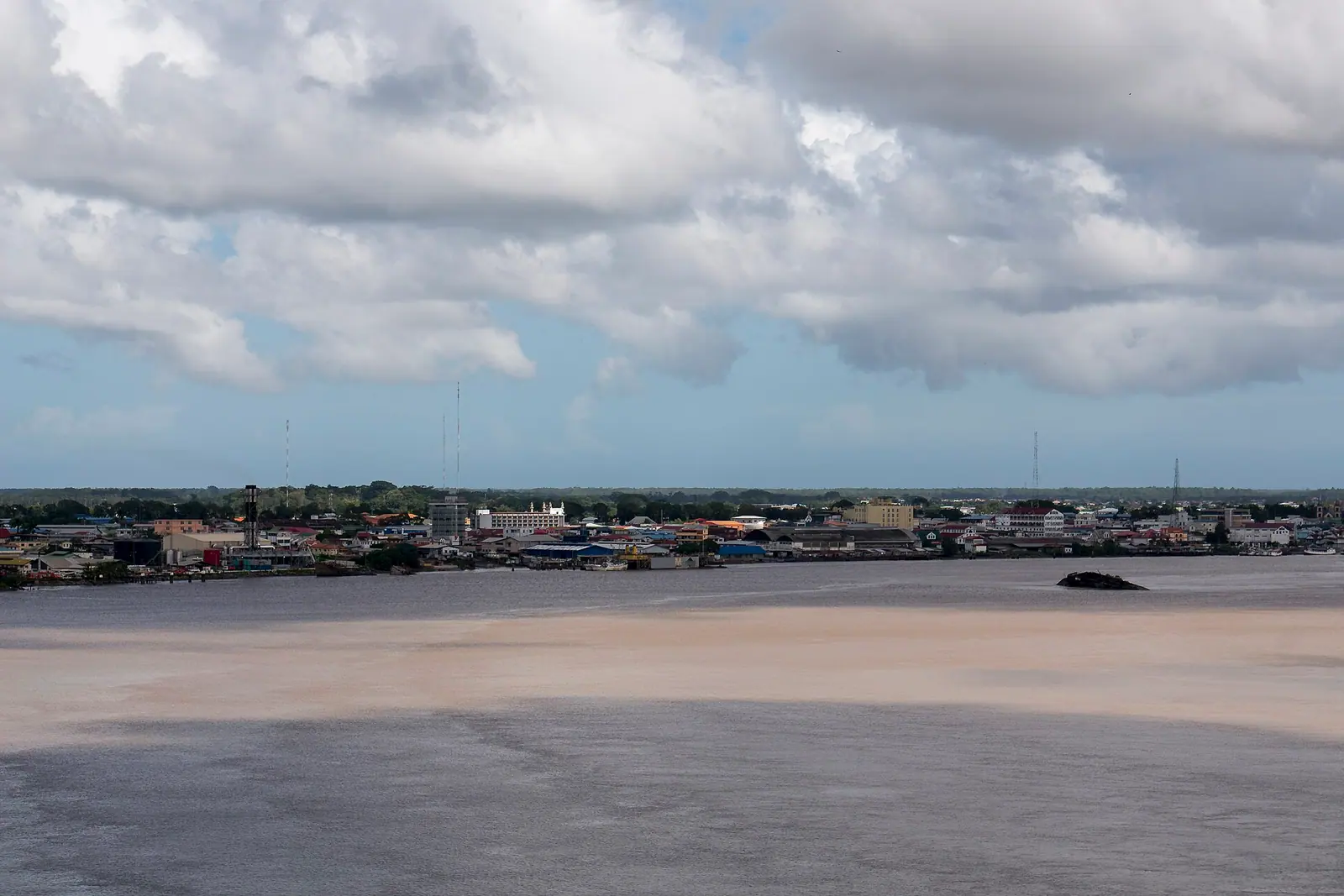
Stay in Suriname
Hotels, guesthouses and apartments — compared in one search.
Search hotels
Transfer in Suriname
Private driver waiting on arrival — no queues, no surprises.
Book a transfer
Stay online in Suriname
Travel eSIM — data the moment you land, no roaming bills.
Get an eSIM