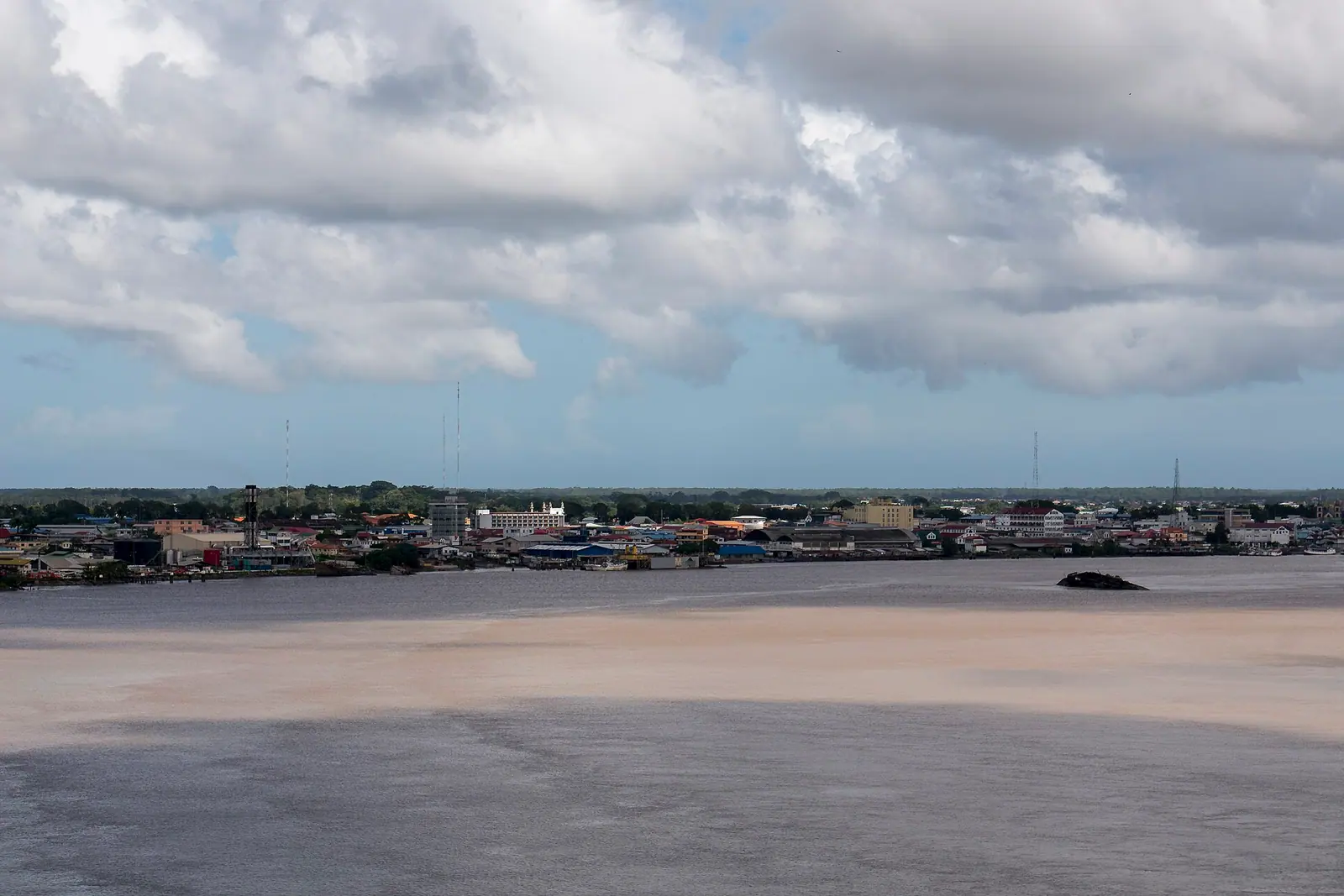
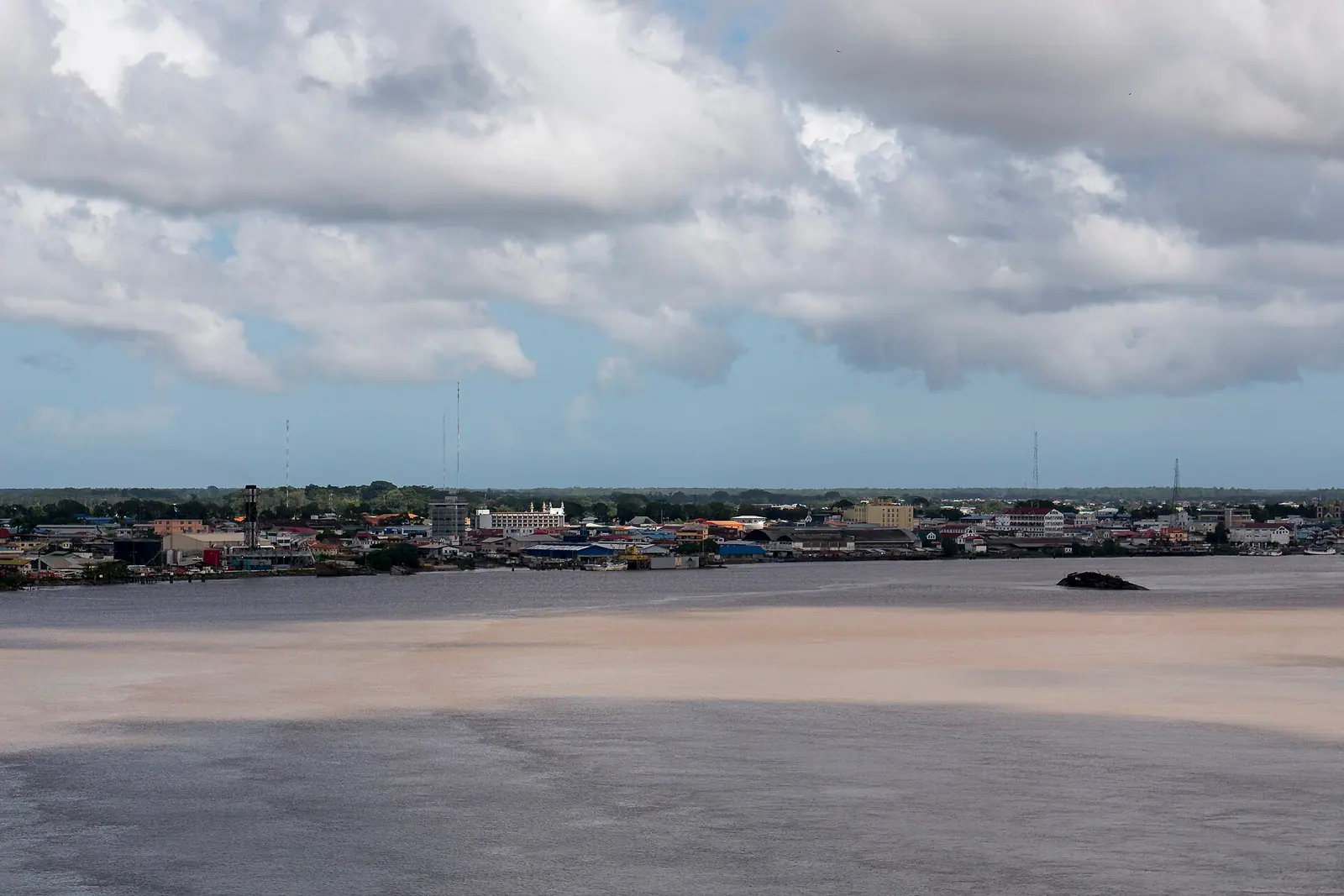
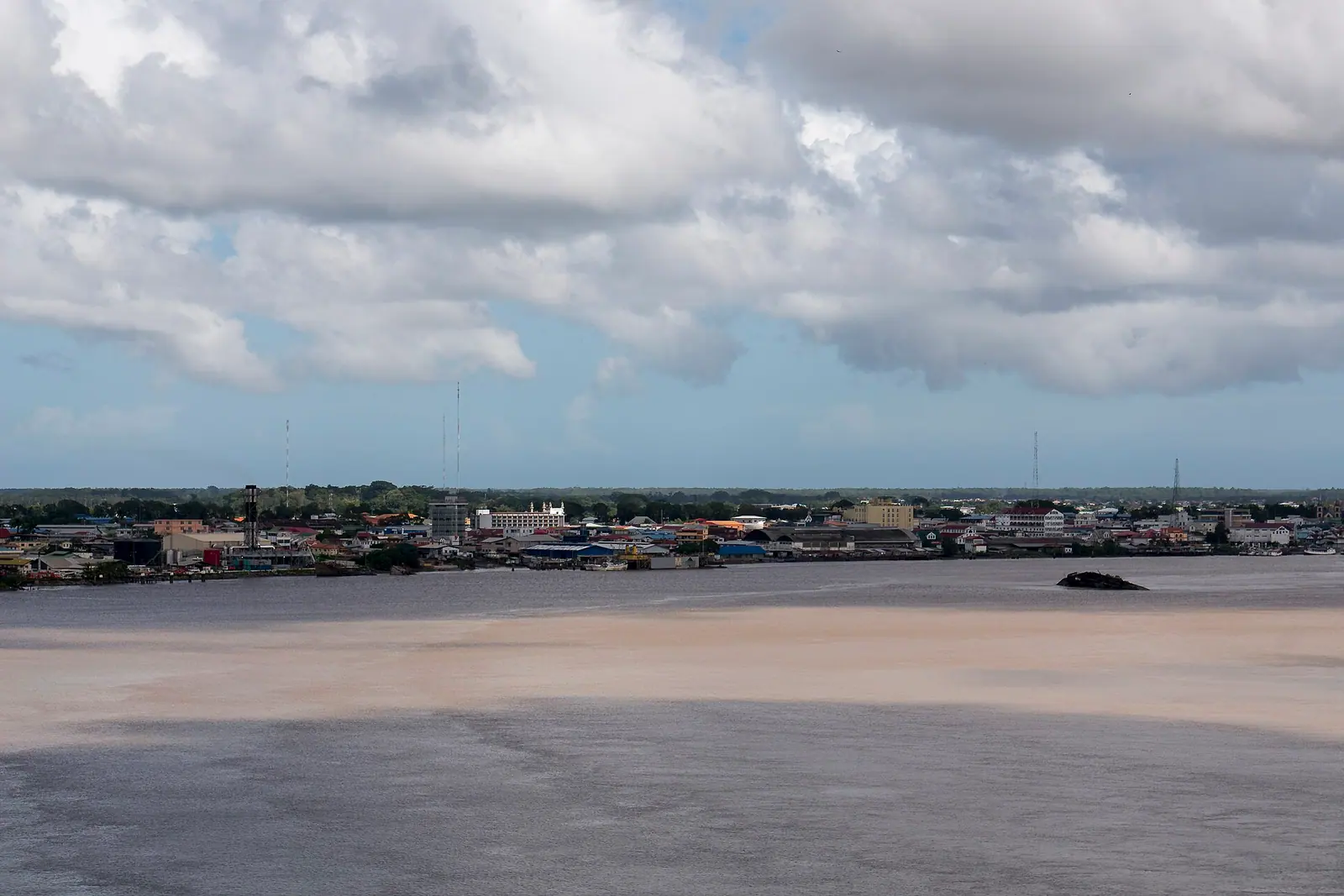
Suriname is the rare country where the calendar matters less than the rain gauge — this is a land of two dry seasons, two wet ones, and a rainforest that covers the vast majority of its map. Pick your window carefully and you get dry trails to Voltzberg, nesting leatherbacks at Galibi and a Paramaribo that glows in the evening heat. Pick it badly and you get river crossings, closed lodges and afternoon skies that open like a trapdoor.
How Suriname's Year Actually Works
Sitting just north of the equator on the Guiana Shield, Suriname has no winter, no summer and no real cold. Daytime temperatures hover between the mid-20s and low-30s Celsius all year, humidity sits high, and the sun is fierce whenever it appears. What changes is water: the country runs on a rhythm of two rainy seasons and two dry ones, and that rhythm decides whether forest roads are passable, whether rivers are low enough to expose rapids and beaches, and whether wildlife concentrates around shrinking water sources.
The long dry season stretches from roughly mid-August to early December, and the long rainy season runs from late April into mid-August. In between sit a short dry spell from February to late April and a short wet spell from December into early February. Even in the wettest weeks, rain rarely means a washed-out day — expect heavy, dramatic afternoon downpours that clear within an hour, followed by steam rising off the streets of Paramaribo.
That said, the difference between seasons is not about comfort so much as access. In the dry months you can plan multi-day interior trips with confidence. In the wet months you need a flexible itinerary, a tolerance for mud, and a willingness to let small aircraft and river boats dictate the schedule.
Mid-August to Early December: The Sweet Spot
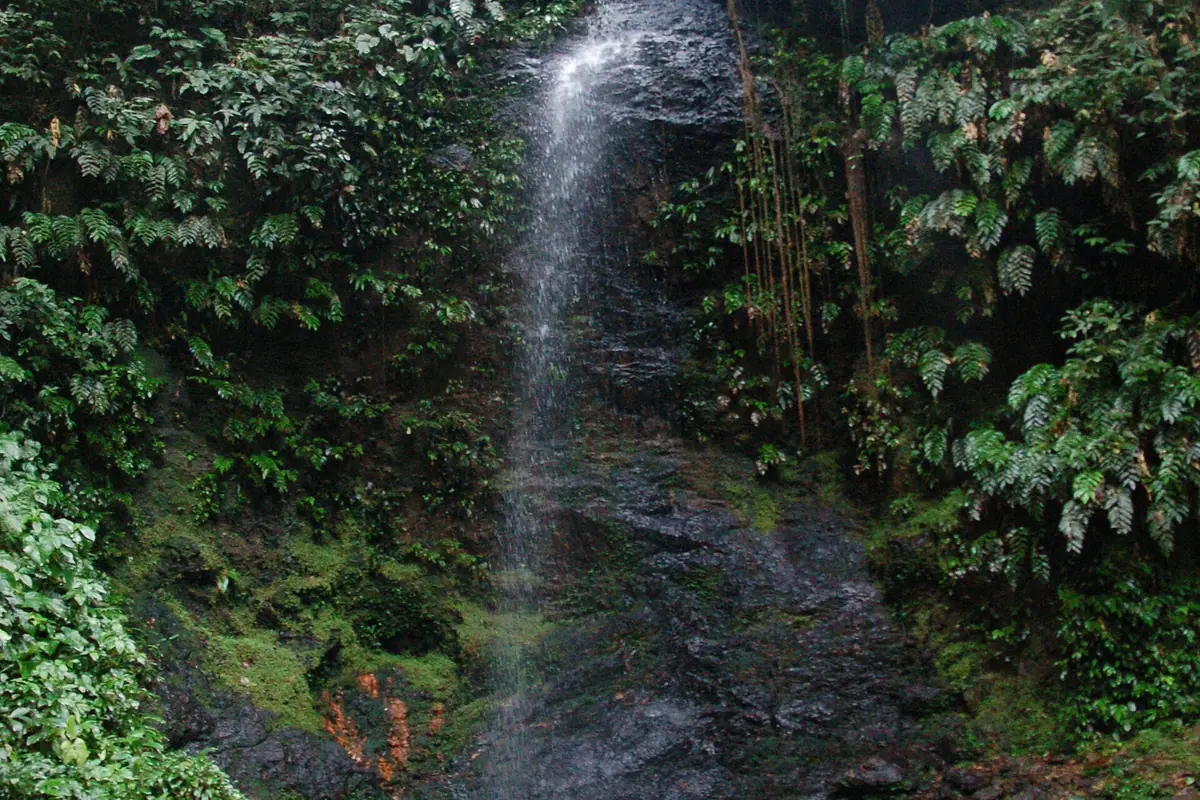
If you can only pick one window, this is it. The long dry season is when Suriname's greatest natural attractions are at their most reachable. Trails in Brownsberg Nature Park, perched on the Mazaroni plateau above the Brokopondo Reservoir, are firm underfoot and the viewpoints over the forest canopy are clearest in the mornings. Further south, the Raleighvallen–Voltzberg Nature Reserve becomes a realistic expedition, with lower water exposing granite domes and river beaches along the Coppename.
This is also the season for the Central Suriname Nature Reserve, a vast wilderness of pristine forest where you can climb the bare granite of Voltzberg for a 360-degree panorama, and for the savanna and wetland country of Bigi Pan, where low water pulls birds into concentrated flocks. Days are hot and bright, and nights in the interior are loud with insects and frogs.
One caution: this window coincides with some of the country's biggest public holidays. Independence Day on 25 November, Maroons Day in October and Divali in October or November bring celebrations, family travel and full guesthouses — especially in Paramaribo. Rates in the capital climb noticeably around these dates, so lock in your rooms well ahead if your trip overlaps them.
February to April: Carnival, Breezes and Turtle Season
The short dry season is the connoisseur's choice. Trade winds take the edge off the heat, the capital is at its most sociable, and the timing lines up with two of Suriname's signature experiences. Carnival sweeps through Paramaribo in February, with costumed parades, brass bands and street parties that turn the historic centre into one long open-air celebration. Hotel demand in the city peaks sharply, and rooms near the parade routes sell out first.
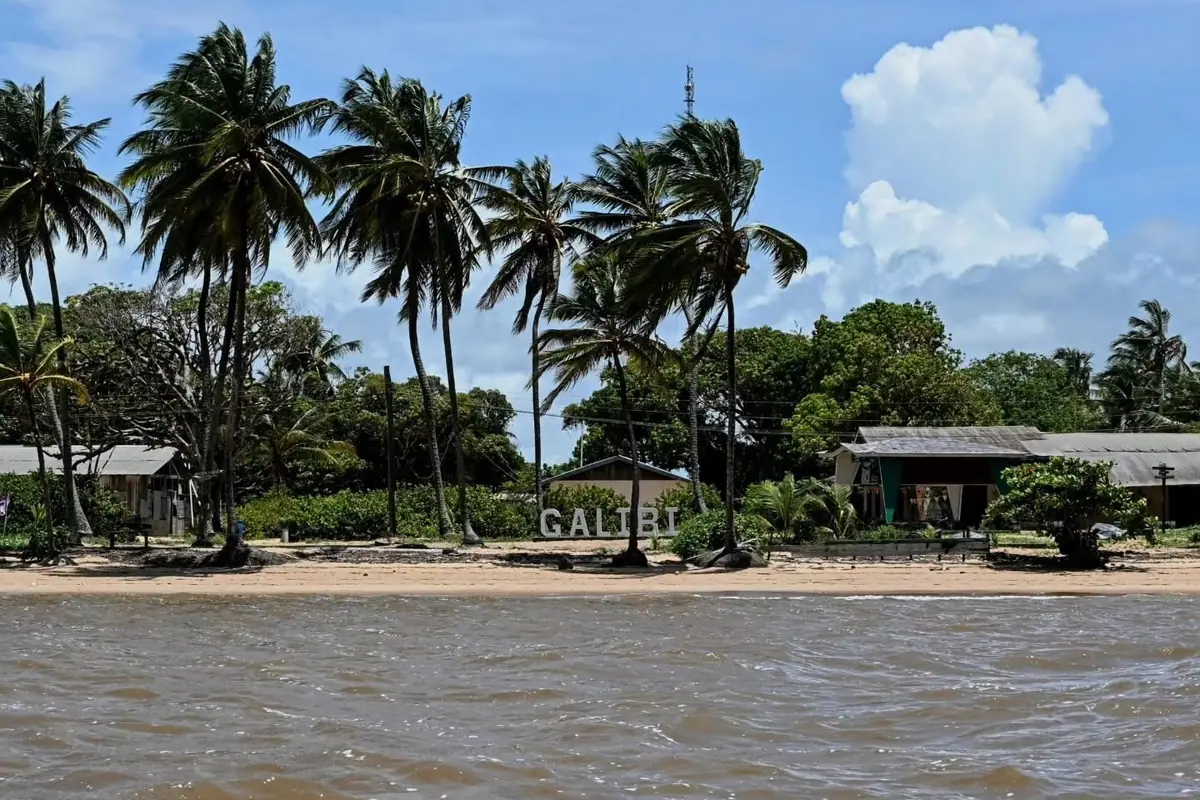
Meanwhile, on the wild Atlantic beaches of the Galibi Nature Reserve near the mouth of the Marowijne River, leatherback turtles haul themselves ashore to nest from roughly February through August, with March to June the peak. Green turtles arrive later in the season. Guided night walks from the nearby villages — usually reached by boat from Albina — put you within respectful distance of females laying eggs, an experience that ranks among the finest wildlife encounters in South America.
March also brings Phagwa, the Hindu festival of colours, and the weeks around Easter are busy with regional visitors. Book interior turtle lodges early: village accommodation is simple, capacity is tiny, and the season is short.
Paramaribo: A Year-Round Capital Worth Building a Trip Around
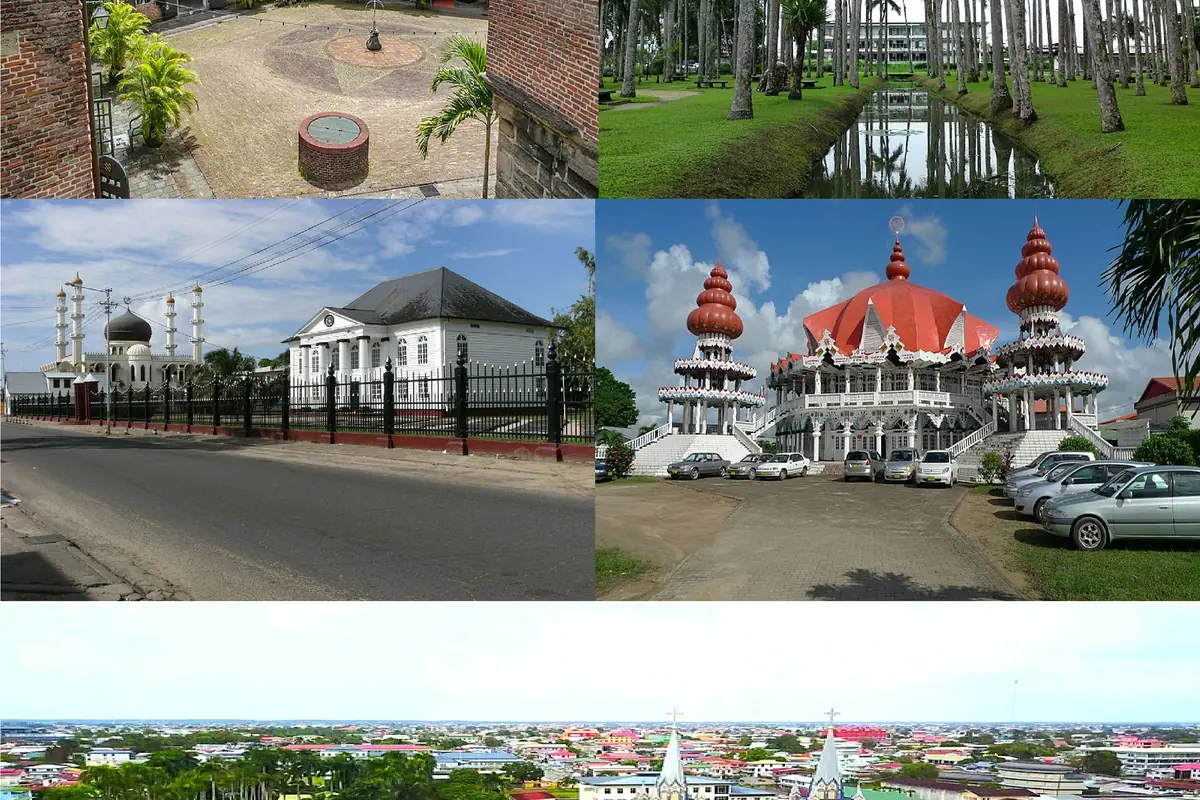
The good news is that the capital needs no particular season. Its historic inner city, a World Heritage-listed grid of white wooden colonial buildings, is walkable in any month, and its greatest sights are clustered within a few blocks. Start at Fort Zeelandia, the 17th-century riverside stronghold that now houses a museum of the country's complex colonial and independence history, then walk the short distance to Independence Square, framed by the Presidential Palace and the shaded avenues of the Palmentuin palm garden.
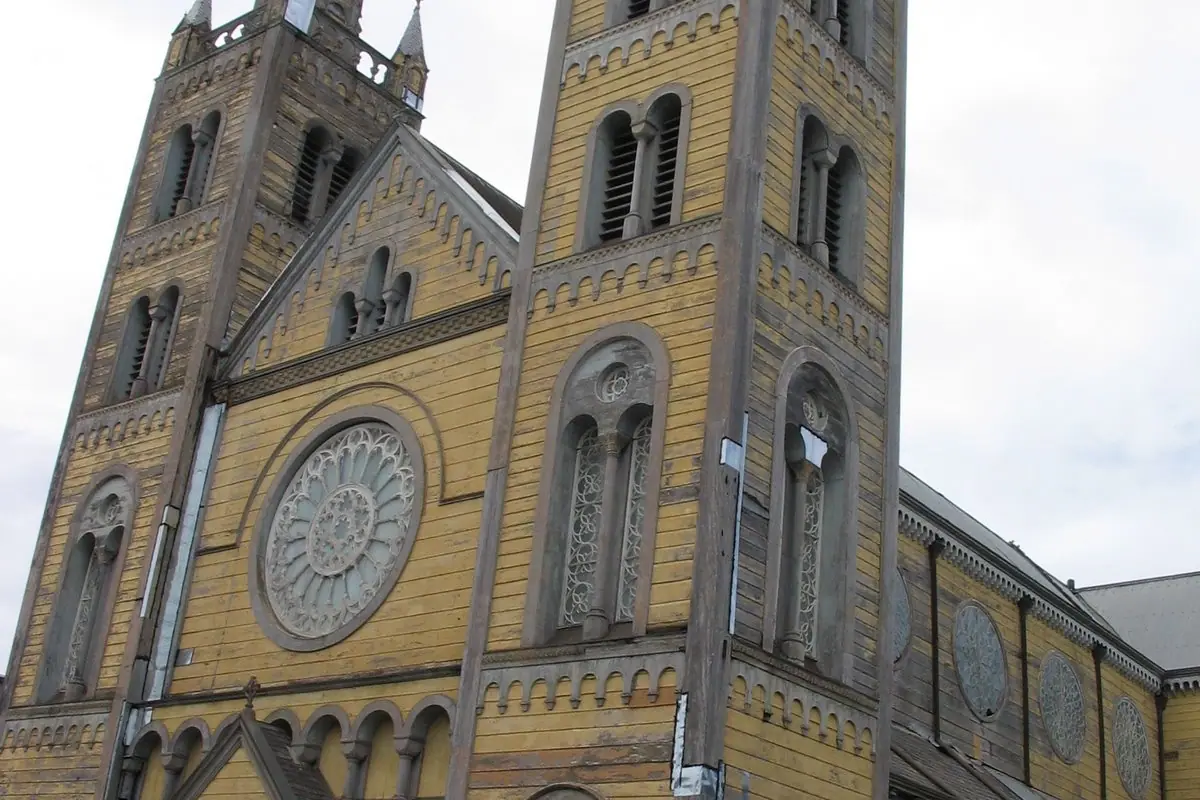
Along the Waterkant, the waterfront promenade, you get the classic view of the Suriname River, cargo boats and, on the far bank, the old plantation district of Commewijne. Inland, the neo-Gothic Saint Peter and Paul Cathedral is an extraordinary all-timber structure, one of the largest wooden churches in the region, and it is worth stepping inside to see the painted ceiling. Nearby Keizerstraat is famous for a synagogue and a mosque standing almost side by side, a quietly powerful symbol of the city's layered makeup.
Add the produce and fish stalls of the Central Market, the food culture that blends Javanese, Hindustani, Creole and Chinese influences, and you have two or three very full days. Rainy-season visits simply mean ducking into a warung or a coffee house for an hour and emerging into sunshine, and hotel rates in the capital are at their softest from May to July.
Beyond the Capital: Plantations, Rapids and Deep Forest
Suriname rewards travellers who leave the city. East across the river, the Commewijne plantation belt offers crumbling sugar estates, the bird-rich wetlands of Peperpot Nature Park, and the sleepy riverside village of Nieuw Amsterdam. South along the Suriname River lies Jodensavanne, the haunting remains of one of the oldest Jewish settlements in the Americas, set among forest and riverbank.
For serious rainforest, the options are extraordinary. Brownsberg Nature Park is the easiest taste of primary forest, with day hikes to waterfalls and monkey-filled canopy lookouts. Raleighvallen–Voltzberg and the Central Suriname Nature Reserve require a small charter flight or a long boat journey, but deliver the country at its most elemental: black-water creeks, granite domes and howler monkeys at dawn. Along the Upper Suriname River, Maroon villages offer stays in simple riverside lodges where the day is paced by boat transfers and the sound of rapids.
Everything in this section is season-sensitive. Dry-season months mean passable roads, lower rivers and open lodges. During the heaviest rains, some interior camps shut for maintenance and certain airstrips and forest tracks become unreliable, so build slack into your itinerary and keep your first and last nights in Paramaribo.
Hotel Timing: When to Book, What to Expect
Suriname's accommodation splits into four broad types: converted colonial guesthouses and small independent hotels in Paramaribo's historic centre; mid-range city hotels with pools and air conditioning; eco-lodges reached only by boat or light aircraft; and basic village guesthouses in the interior. Interior lodges are the tightest constraint — they have very few rooms, they often close during the rainiest stretch, and they fill months ahead for turtle season and the dry-season peak.
For the long dry season, Carnival in February and the New Year period around Owru Yari, aim to reserve two to four months ahead; for a Galibi turtle stay, be prepared to commit even earlier. The softest months for city rates and last-minute availability are May, June and July, when afternoon downpours are frequent but the capital remains perfectly enjoyable. If you are heading to the interior, always confirm in writing that boats, airstrips and trails are operating in your chosen week.
A few practical notes that shape where you sleep: air conditioning is standard in city hotels but rare in the forest, where fans and screened windows do the work. Mosquito nets matter year-round, and repellent matters more in the wet months. Bring cash in local currency — card acceptance is patchy outside Paramaribo and ATMs are scarce — and remember that Dutch is the official language, Sranan Tongo the street lingua franca, and English widely understood in the city but far less so upriver.
Frequently asked questions
What is the best month to visit Suriname?
Mid-August to early December, during the long dry season, is the best overall window. Trails to Brownsberg and Raleighvallen–Voltzberg are firm, rivers are lower, and rainforest wildlife concentrates around water. February to April is the strong second choice, with trade winds, Carnival and nesting sea turtles at Galibi.
When should I book a hotel in Paramaribo?
For the long dry season, Carnival in February and the New Year period, reserve two to four months ahead — city hotels and historic guesthouses fill quickly. May to July offers the best last-minute availability and the softest rates, at the cost of frequent afternoon downpours.
Can I visit the Suriname rainforest during the rainy season?
Yes, but with caveats. Some interior lodges close during the heaviest rains, forest roads and airstrips can become unreliable, and boat transfers take longer. Check that your lodge, guide and transport are operating before committing, and keep a spare night in Paramaribo at each end of the trip.
When can I see sea turtles in Suriname?
The Galibi Nature Reserve near the Marowijne River mouth hosts nesting leatherbacks from roughly February to August, peaking between March and June, with green turtles arriving later. Access is by boat, usually from Albina, and visits are made at night with local guides.
How many days do I need in Suriname?
Allow seven to ten days: two to three for Paramaribo's historic centre, Fort Zeelandia and the Saint Peter and Paul Cathedral, a day for the Commewijne plantations or Jodensavanne, and three to four for an interior lodge such as Brownsberg, Raleighvallen or a Maroon village on the Upper Suriname River.
Sort the rest of your trip
Everything for Suriname, in one place
Transfer in Suriname
Private driver waiting on arrival — no queues, no surprises.
Book a transfer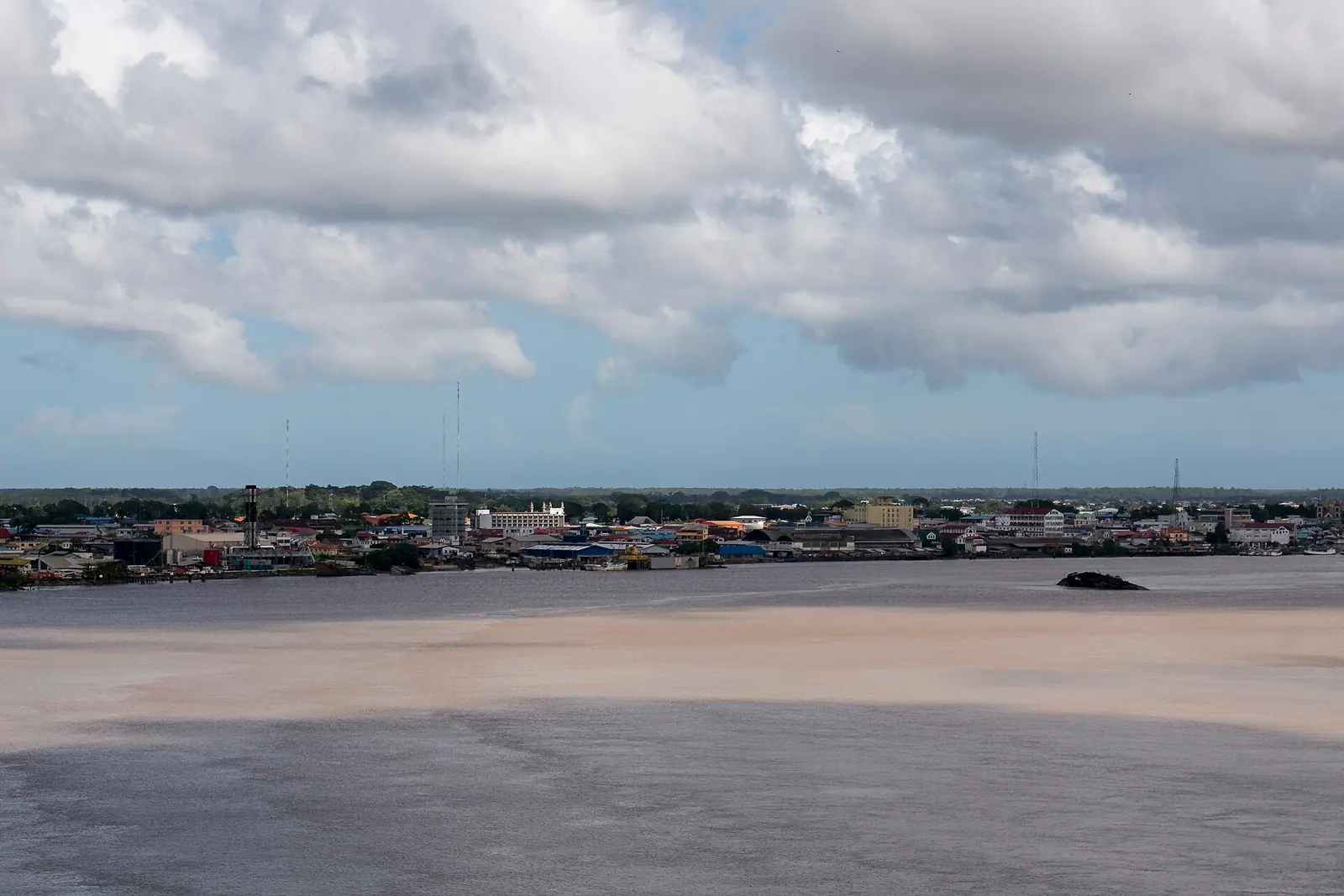
Things to do in Suriname
Skip-the-line tickets, guided tours and standout experiences.
See experiences
Stay online in Suriname
Travel eSIM — data the moment you land, no roaming bills.
Get an eSIM