Suriname is the smallest country in South America and quietly the most mixed — a Dutch-speaking, Caribbean-feeling nation where Hindustani roti shops, Javanese warungs, Maroon river villages and Chinese-Surinamese kitchens share the same small streets. This guide walks you through what to eat, which landmarks matter, and how to travel beyond Paramaribo without missing the point of the place.
Paramaribo: A Wooden City Where Five Kitchens Meet
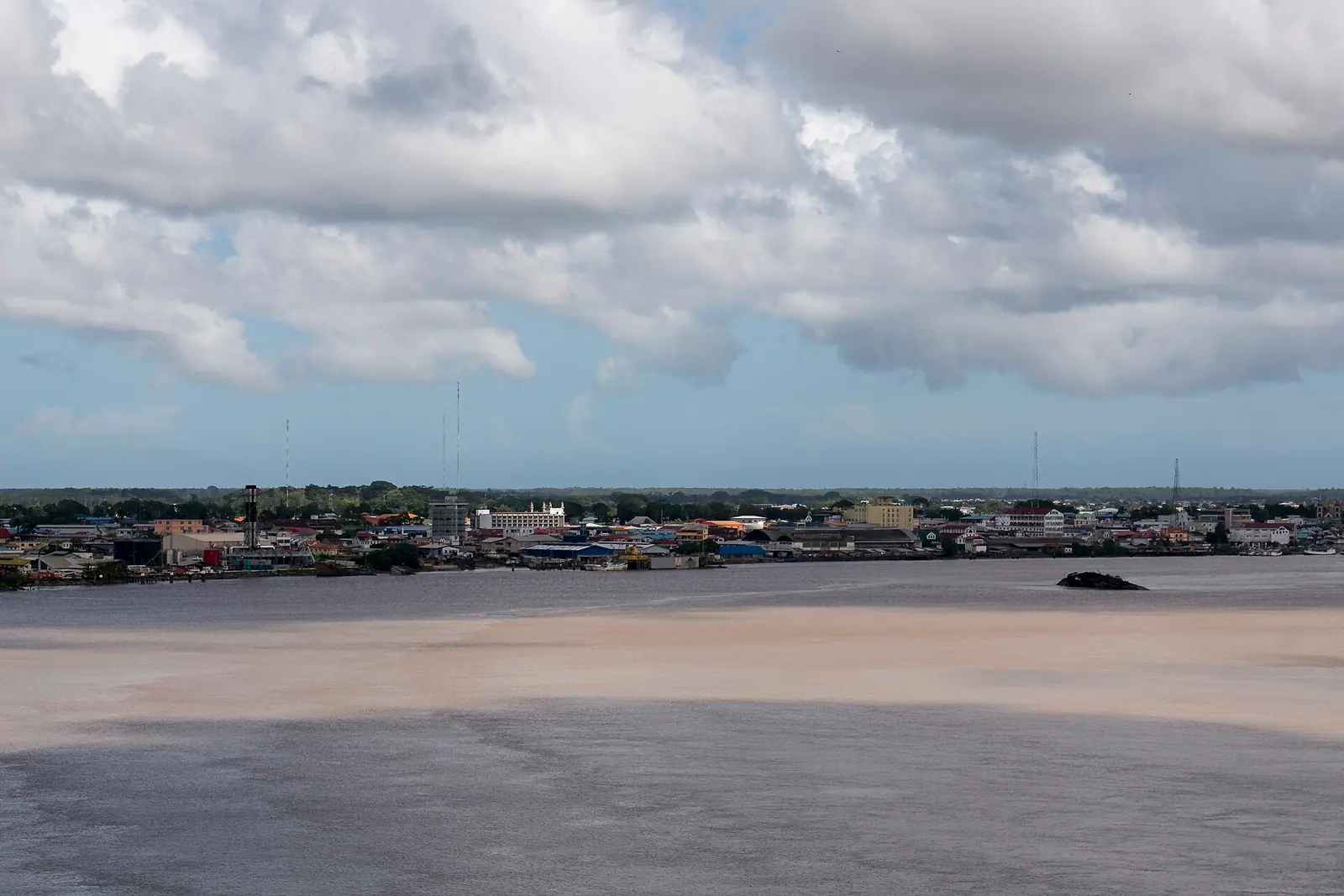
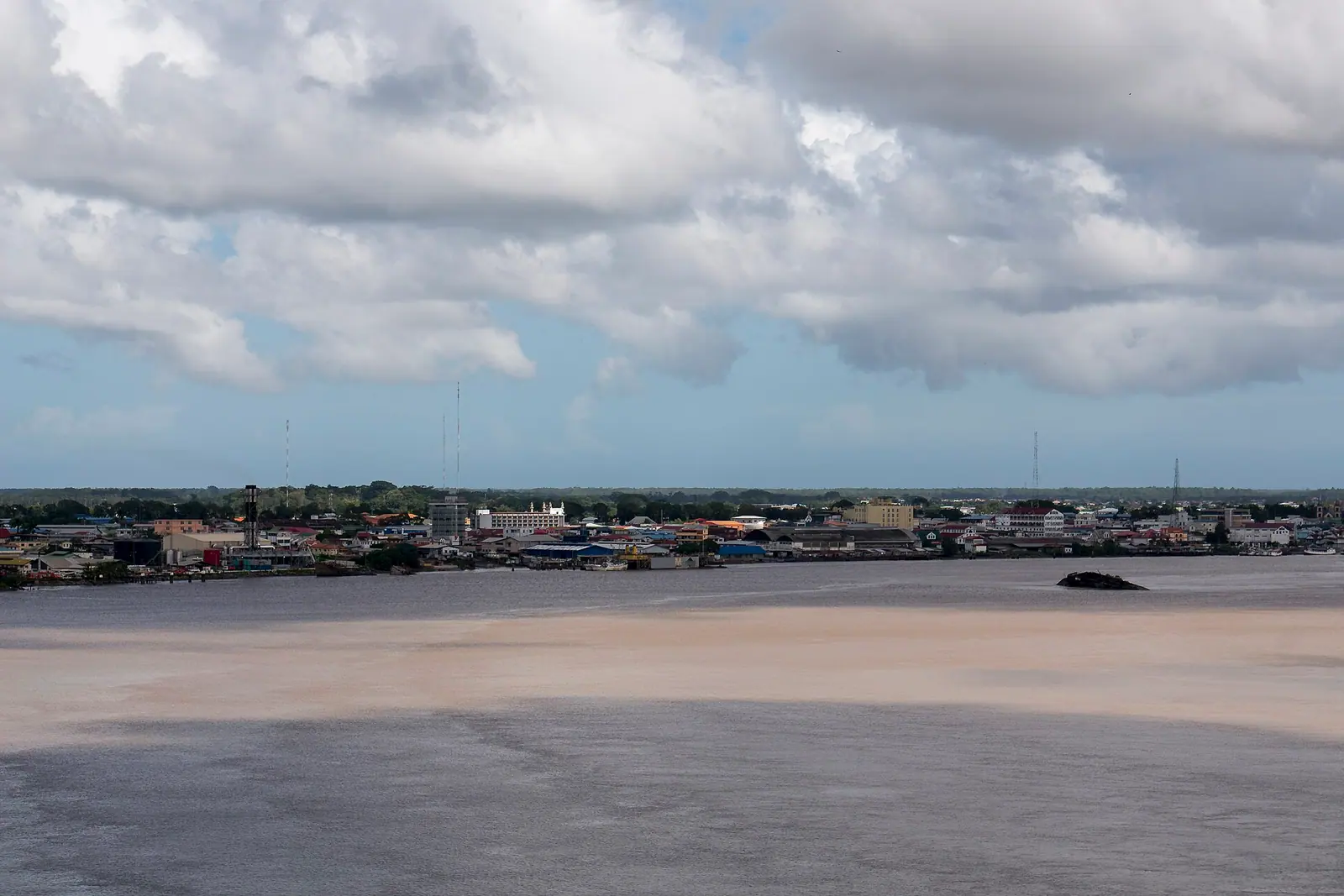
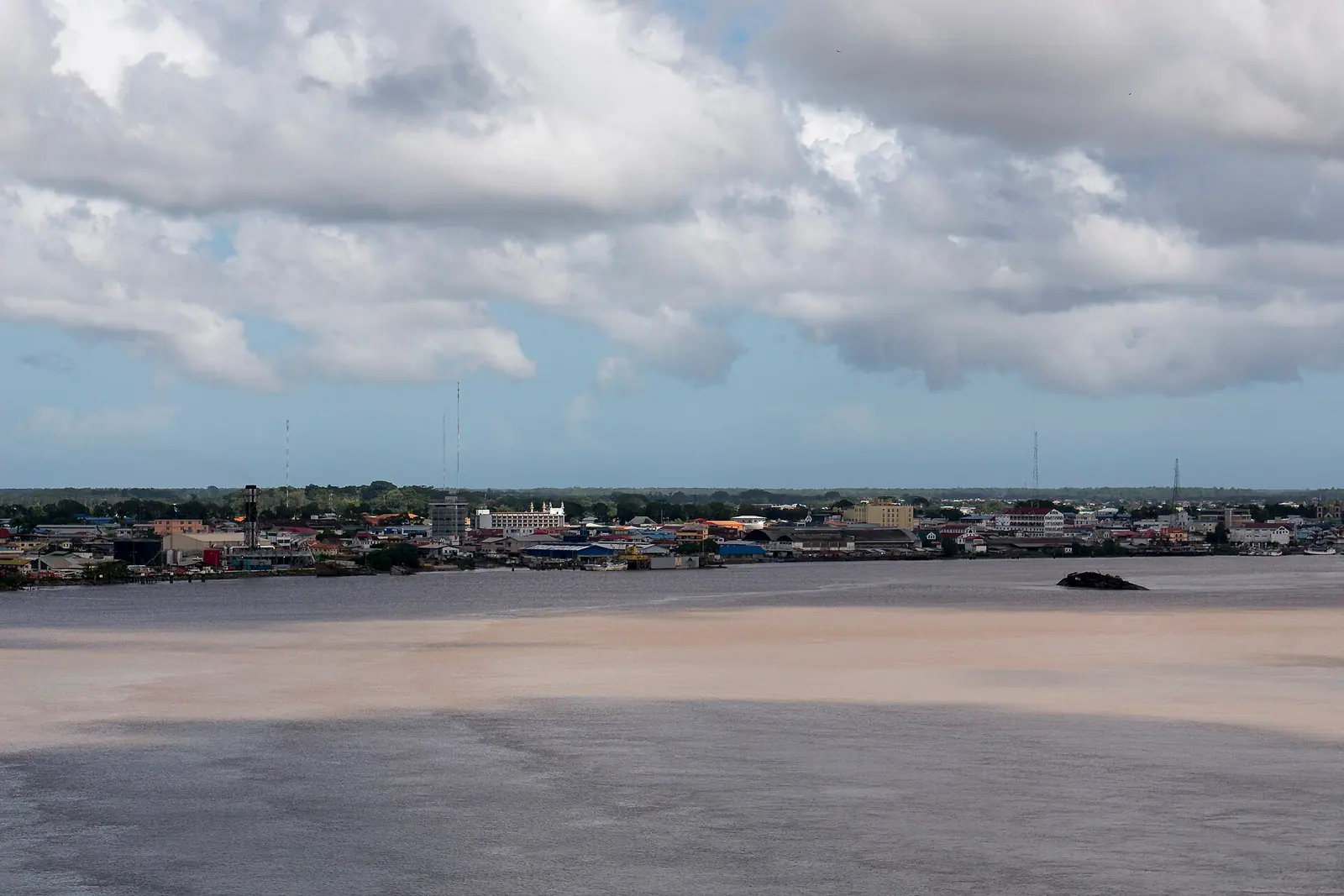
Start on the Waterkant, where the brown Suriname River slides past the old wooden landing and fishing boats unload the morning's catch. Behind you, Independence Square opens up with the white Presidential Palace and the palm-shaded Palmentuin, and a few blocks west the UNESCO-listed historic inner city reveals itself: a Dutch colonial town built almost entirely of wood, with fretwork balconies, shuttered galleries and pastel paint that has faded into something warmer over three centuries. Walk it slowly — the pleasure here is the texture, not a checklist of monuments.
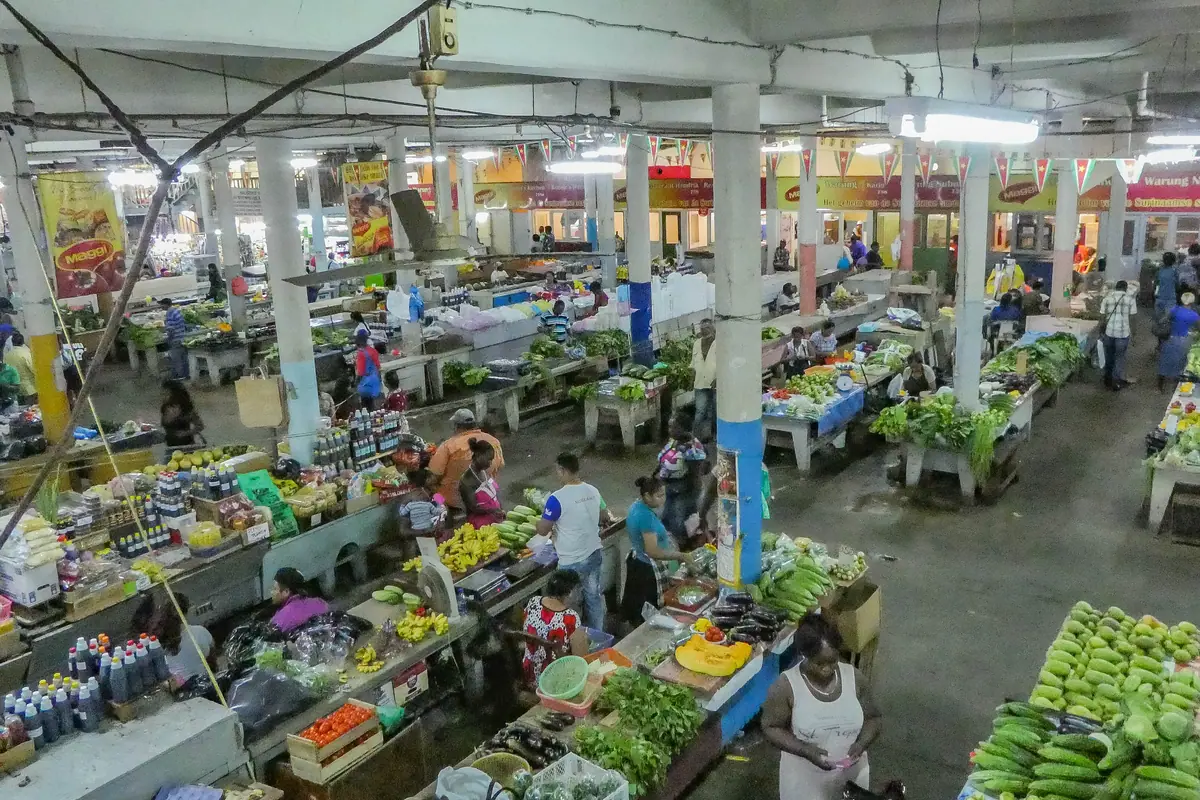
The Central Market near the waterfront is where the country's real cuisine is explained to you. Hindustani vendors stack okra, bitter melon, long beans and bunches of pomtajer leaves; Javanese stalls simmer saoto soup, a clear turmeric-scented chicken broth poured over bean sprouts, shredded chicken and fried shallots; and somewhere nearby a griddle is turning out bakabana, thick slices of plantain fried and served with a peanut sauce so good it ruins other snacks for you. Come before nine in the morning for the best of it, and bring small notes.
Evenings belong to the streets around the market and the smaller warungs in the residential districts, where kaseko music spills out of cars and people eat standing up. Order whatever the person in front of you orders — that instinct is usually right in Suriname, where menus run from Sranan to Sarnami to Javanese without any fuss about the seams between them.
The Must-See Landmarks of Suriname's UNESCO Core
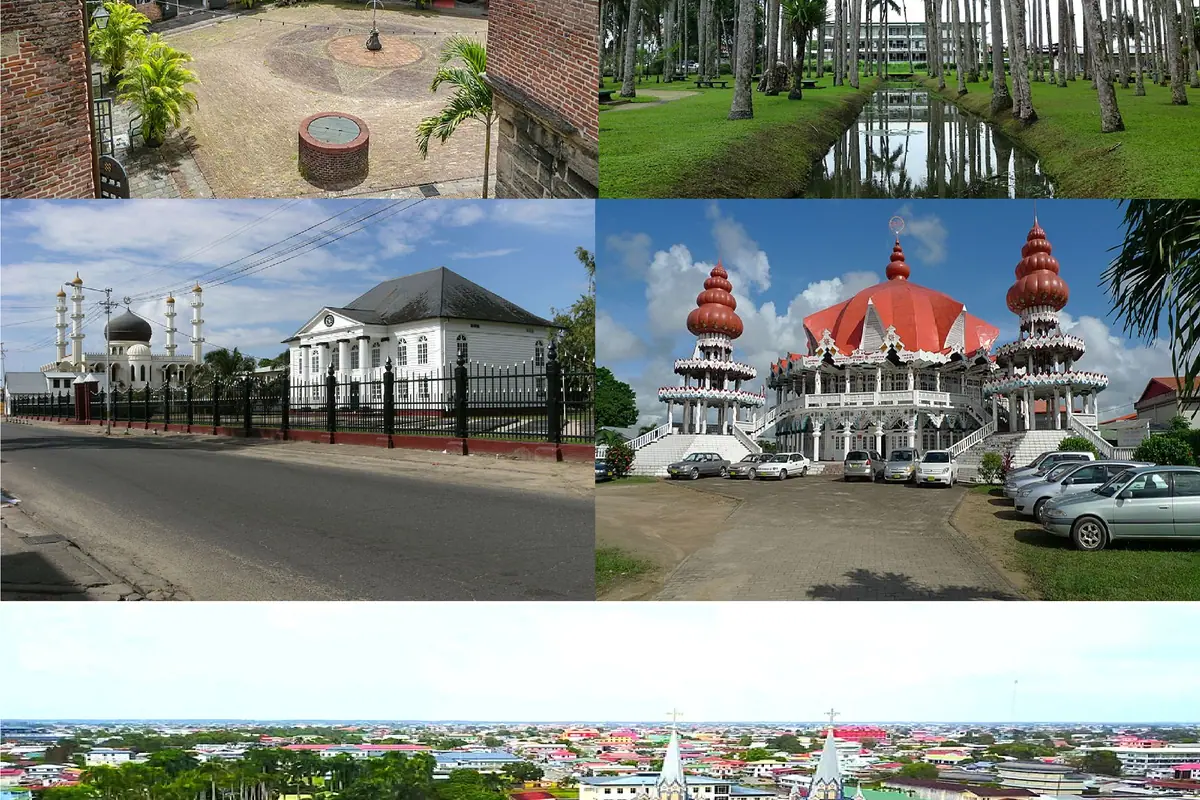
Fort Zeelandia is the anchor of the historic city, a seventeenth-century brick stronghold on the riverbank that now holds a museum of archaeology, colonial history and art. The inner courtyard, with its cannons and mango trees, is one of the most photogenic spots in the country, and the upper ramparts give you a clean view back over the wooden rooftops of Paramaribo.
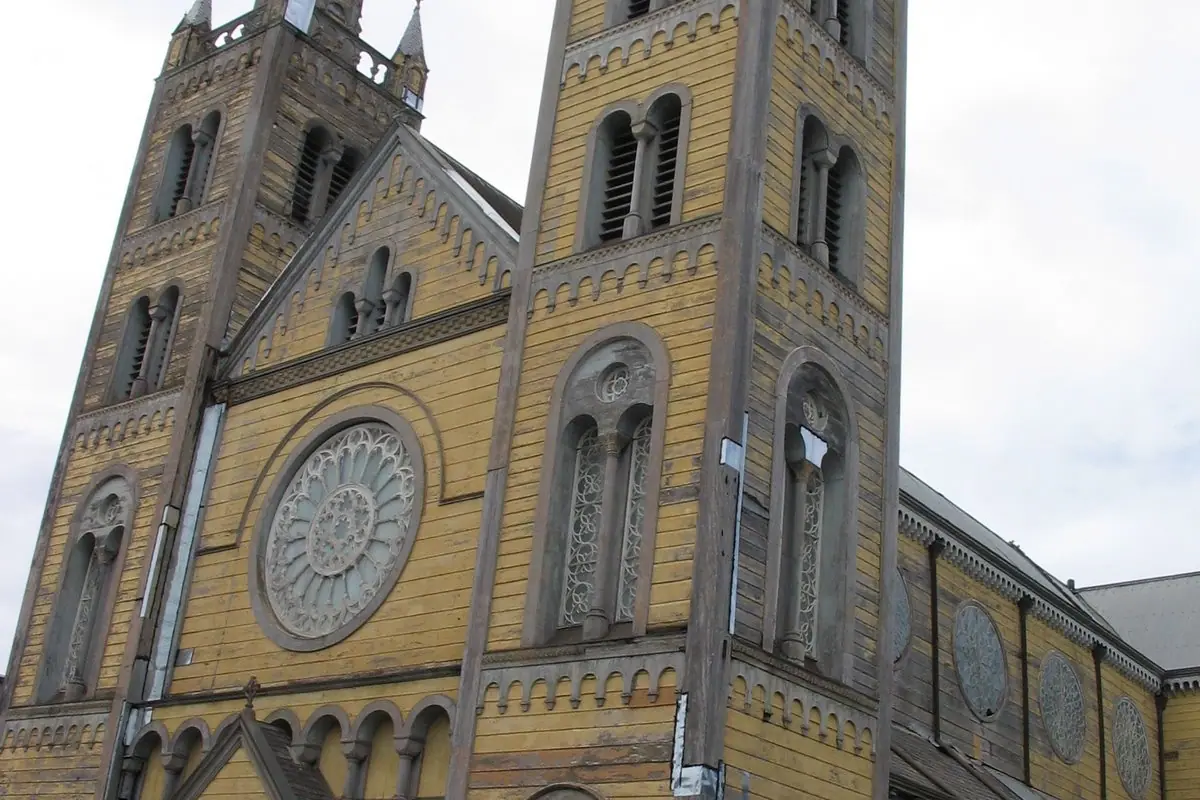
A short walk away stands the Saint Peter and Paul Cathedral, a soaring wooden Roman Catholic basilica whose twin towers are visible from across the city. Step inside for the honey-coloured interior and the smell of old timber — it is one of the largest wooden churches of its kind anywhere, and it is still an active parish. Nearby, on Keizerstraat, the Neve Shalom synagogue and the Ahmadiyya mosque stand almost shoulder to shoulder, a detail that locals will point out with quiet pride and that sums up Suriname better than any museum label.
Round out the walk with Independence Square for the Presidential Palace, the tiny wooden Waterkant viewpoint for sunset over the river, and the palm garden behind the palace for shade and a cold drink. Two to three hours is enough for the core on foot, but give yourself a full afternoon if you plan to go into Fort Zeelandia's galleries properly.
What Surinamese Food Actually Means: Pom, Roti and Heri Heri
Ask anyone what to try first and the answer is pom, the national dish: grated pomtajer (taro-like root) baked with chicken or salted meat, citrus and a pinch of nutmeg until it forms a golden, savoury slab. It is rich, faintly sweet, and served at birthdays, funerals and Sunday lunches alike. After that, roti: a soft flatbread wrapped around curry chicken, potato and long beans, eaten with your hands and best chased with a glass of cold water rather than anything fancy.
Heri heri is the dish that carries the most meaning — a one-pot simmer of cassava, sweet potato, plantain and salted fish, traditionally cooked outdoors in big pots and eaten on 1 July, when the country marks the abolition of slavery. Javanese kitchens contribute bami and nasi, satay with peanut sauce, and the superb saoto soup; Hindustani cooking brings dhal, curries and Indian-style sweets; Chinese-Surinamese restaurants fill in the rest. Vegetarians do well: roti with potato, dhal and rice, bami, and pom made with mock meat are all easy to find.
For dessert, look for bojo, a dense cassava and coconut cake, and wash it down with pepre watra, a fiery ginger-and-pepper infusion that locals drink when they feel a cold coming on. If you only have one food day, spend it grazing: a market breakfast, a roti lunch, Javanese satay at dusk and a slice of bojo on the way home.
Across the River: Commewijne Plantations and Fort Nieuw-Amsterdam
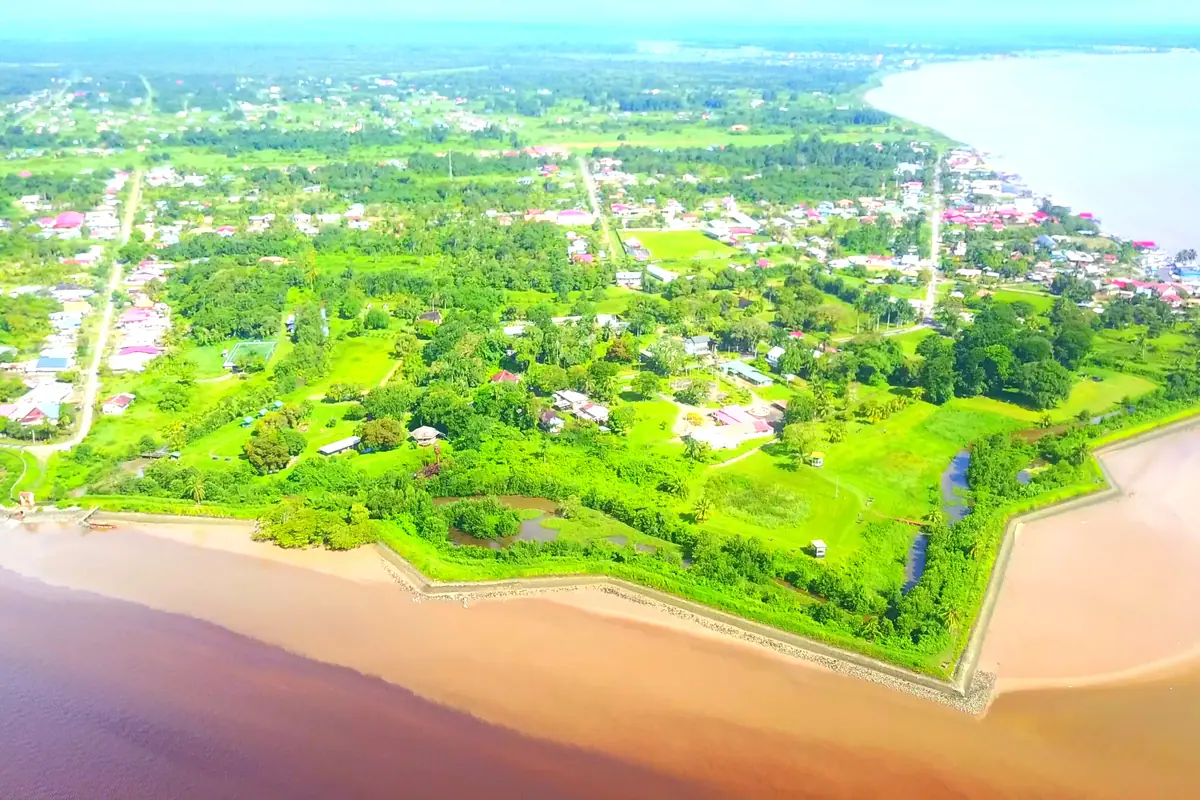
Take the ferry from Paramaribo to Nieuw-Amsterdam and you trade wooden streets for the flat plantation landscape of Commewijne, where coffee, cocoa and sugar were once worked by enslaved people and later by indentured labourers from Java and British India. The open-air museum at Fort Nieuw-Amsterdam tells that story with old cannons, barracks and riverside walls you can walk along, and it is one of the best half-days you can spend near the capital.
Further along the river, the Frederiksdorp plantation has been restored into a leafy riverside retreat where you can see the old plantation house and manager's cottage under huge trees, and Peperpot Nature Park offers easy cycling and walking trails through former coffee and cocoa grounds where monkeys and bright birds are common. Cycling is genuinely the best way to see Commewijne — the roads are flat, the light is beautiful in the late afternoon, and you cover far more ground than you would on foot.
If you have a spare day, head south on the Suriname River to Jodensavanne, the site of a seventeenth-century Jewish settlement with a brick synagogue ruin and a cemetery in the forest — a haunting, little-visited place that requires arranging transport in advance. Dress for heat and mosquitoes, and carry water and cash; the countryside runs on its own clock.
Into the Interior: Brownsberg, Voltzberg and Maroon River Villages
Inland, Suriname turns into a vast, mostly untouched rainforest. The easiest taste of it is Brownsberg Nature Park, reached by a few hours' drive and a climb up a plateau that looks out over the Brokopondo reservoir; day trips are possible, but staying a night gives you dawn birds and better odds of spotting monkeys. Deeper in, the Central Suriname Nature Reserve is a UNESCO-listed wilderness of granite domes and rapids, with the Voltzberg — a bare, whale-backed rock you climb for a 360-degree view of unbroken forest — as its signature sight.
The Upper Suriname River is Maroon country, settled by communities descended from escaped enslaved people who kept West African languages, drumming and river knowledge alive. Staying in a village such as Danpaati or Pikin Slee usually means a wooden guesthouse, meals of cassava bread and river fish, dugout canoes through rapids called sula, and evenings of kawina drumming and storytelling that are as much a performance as they are a conversation. Bring small gifts of school supplies only if you have asked first what is useful.
Further south, in the Tapanahony and Marowijne basins, indigenous Trio and Wayana villages sit near the Brazilian border and are reached by small aircraft and long boats. These trips take real planning, a flexible schedule and a tolerance for humidity — and they are the reason many travellers come to Suriname in the first place. Pack quick-dry clothing, head protection for sun on the water, and a headlamp.
When to Go, and the Festivals Worth Planning Around
Suriname has two dry-ish windows: a short one from February to April and a longer, more reliable one from mid-August to November. Those months give you the best roads, calmest rivers and clearest forest views. December and January, and again May to July, are wet — not impassable, just muddier, greener and cheaper, with sudden downpours you wait out under a roof with a coffee.
Nature has its own calendar. Sea turtles nest on the beaches of Galibi Nature Reserve near Albina, at the mouth of the Marowijne, roughly from February through August, with the heaviest activity in the middle months; going with a local guide at night is the only responsible way to watch. Westward, the Bigi Pan wetlands near Nieuw Nickerie draw birds, caiman and pink-flushed water at sunset, and the country's birdlife rewards anyone willing to wake before dawn.
Culture fills the year: Phagwa, the Hindustani festival of colours, lights up the streets around March; Diwali brings lamps and sweets in October or November; and Keti Koti on 1 July is the country's most powerful public day, with heri heri cooked and shared in the open. Whichever month you choose, build your trip in two speeds — a few unhurried days in Paramaribo, then one deep trip into the interior or along the Commewijne.
Frequently asked questions
What is the best time of year to visit Suriname?
Aim for the long dry season, mid-August to November, or the shorter dry window from February to April. Expect clearer roads, calmer boat crossings and better wildlife visibility. May to July and December to January are wetter, with heavy afternoon showers, though travel is still very doable and the landscape is lush.
What food should I definitely try in Suriname?
Start with pom, the national dish of baked taro-like root with chicken; then roti wrapped around curry chicken and potato; heri heri, the one-pot cassava and plantain dish eaten on 1 July; Javanese saoto soup, bami and satay; and bakabana, fried plantain with peanut sauce. Finish with bojo, a cassava and coconut cake.
Do I need a guide to visit the rainforest and Maroon villages?
Yes, for the interior. The Upper Suriname River villages, the Central Suriname Nature Reserve and the turtle beaches at Galibi are reached by boat or small aircraft and are best visited through community-run guesthouses and licensed local guides. Independent travel is possible in theory but slow, and you will learn far less.
Is English widely spoken in Suriname?
Dutch is the official language, and Sranan Tongo is the everyday lingua franca. English is spoken in hotels, tour offices and many restaurants in Paramaribo, but far less in rural districts, so a few phrases of Sranan Tongo or Dutch go a long way — and usually earn you a smile and a bigger portion.
How many days do I need in Suriname?
Five to seven days is a solid minimum: two or three days for Paramaribo's historic core and its food, a day for the Commewijne plantations and Fort Nieuw-Amsterdam, and three or four days for either the Upper Suriname River or a rainforest and turtle-focused interior trip. Add a day or two if you want both interior destinations.
Sort the rest of your trip
Everything for Suriname, in one place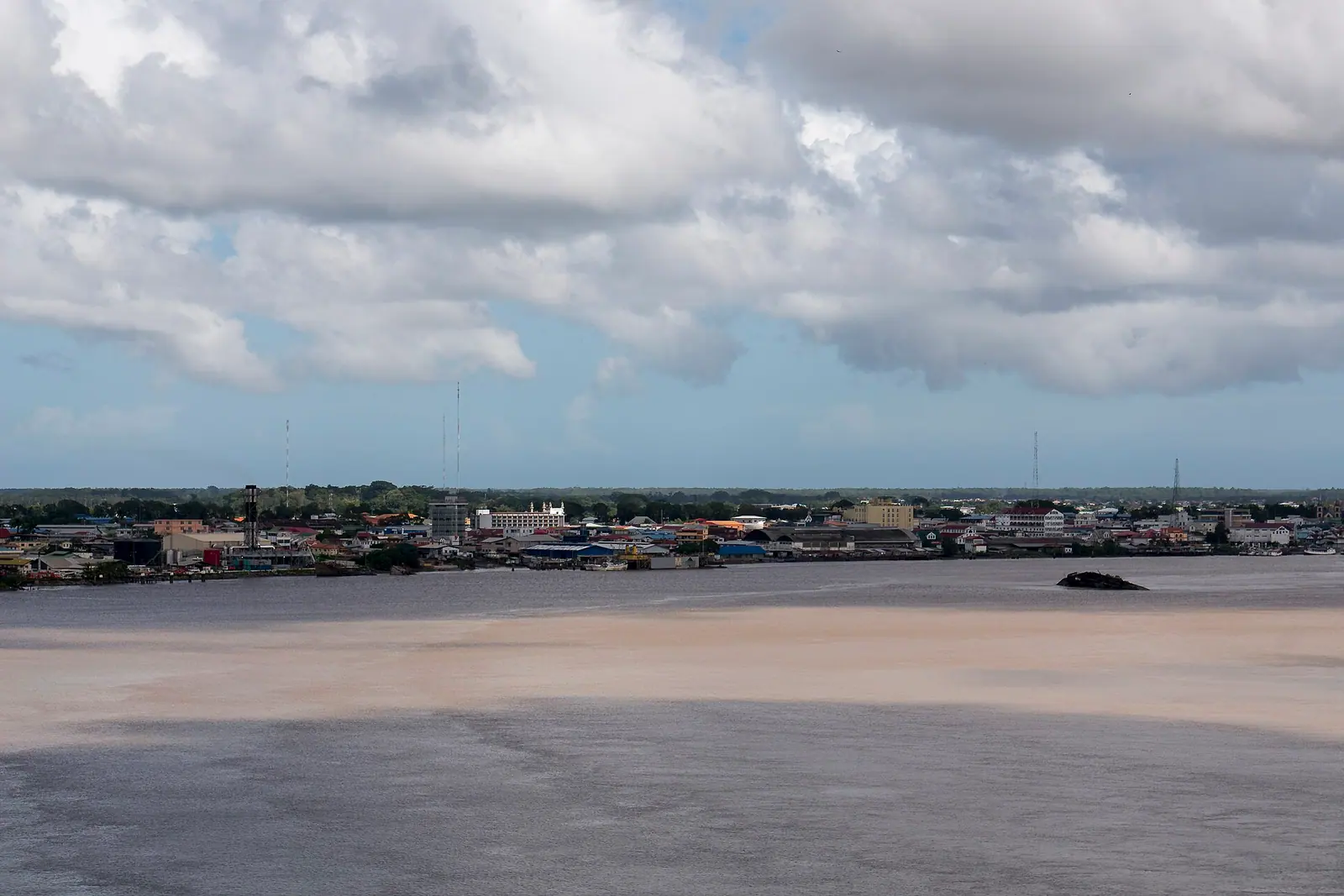
Stay in Suriname
Hotels, guesthouses and apartments — compared in one search.
Search hotels
Transfer in Suriname
Private driver waiting on arrival — no queues, no surprises.
Book a transfer
Stay online in Suriname
Travel eSIM — data the moment you land, no roaming bills.
Get an eSIM