Qatar compresses an entire region's worth of experiences into a peninsula you can cross in a few hours: pearl-diving towns, a skyline of glass, a desert that slides straight into the sea. Plan it well and you can watch falcons being sold at dawn, stand in a UNESCO-listed fort by lunchtime and be dune-bashing at sunset.
Souq Waqif and the Corniche: Begin Where Doha Still Feels Ancient
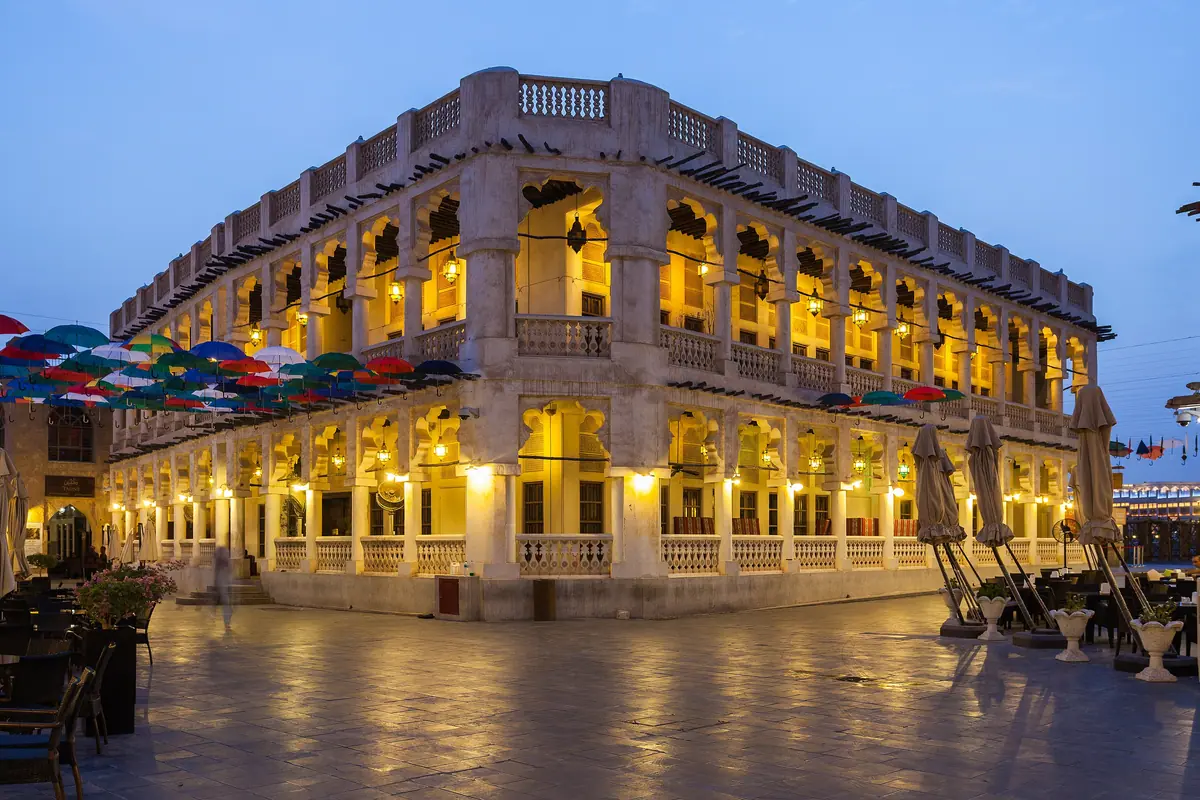
Arrive in Doha and head straight for Souq Waqif, the city's beating heart and the single best introduction to Qatari life. Rebuilt on original foundations with mud-coloured walls, wooden beams and wind-tower details, the maze of alleys is genuinely old in spirit even where the stone is new. Come late afternoon when the heat lifts — that's when the spice stalls, perfume vendors and fabric shops fill up, the shisha terraces along the lanes start smoking, and the smell of cardamom coffee drifts out of the small cafes.
Make your way to the Falcon Souq inside the market complex, where trained falcons perch on stands and handlers talk you through a tradition that runs deep in Gulf culture. Next door, the camel pens behind the souq and the dhow harbour below it are both free to wander, and the wooden boats lit up at night make an easy, photogenic end to an evening.
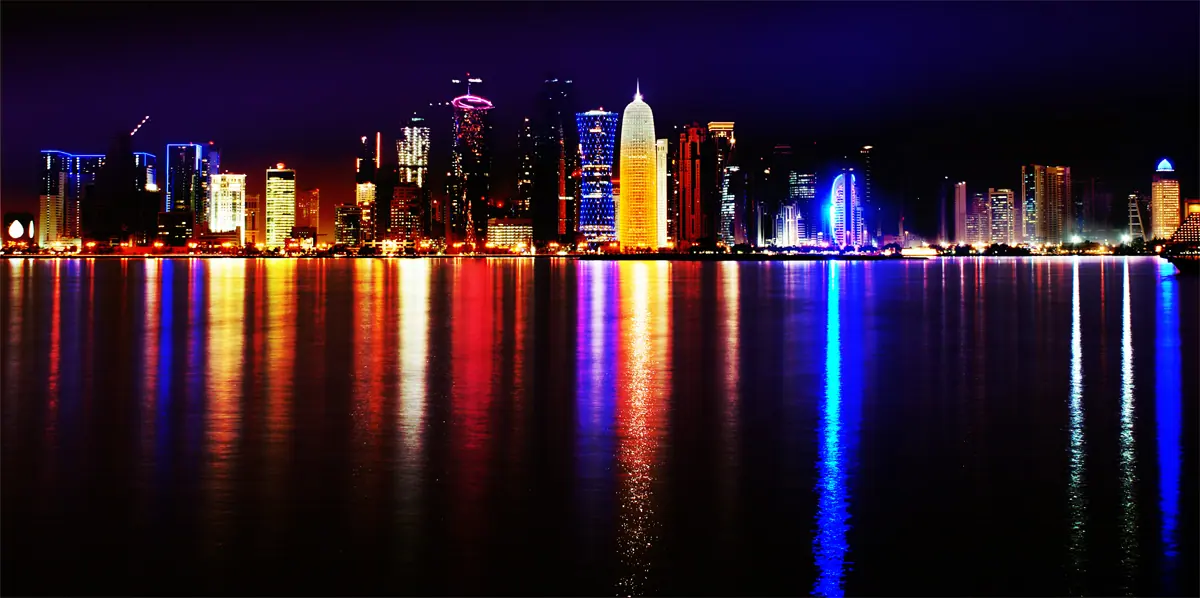
From the souq it's a short stroll to the Doha Corniche, a seven-kilometre crescent of palm-lined promenade curving around the bay. Walk the full arc at sunset or take a traditional dhow cruise from the harbour for the classic skyline view; early morning is quieter and better for running or cycling, before the heat sets in around 10am.
Two Museums You Should Not Skip: Islamic Art and the National Museum of Qatar
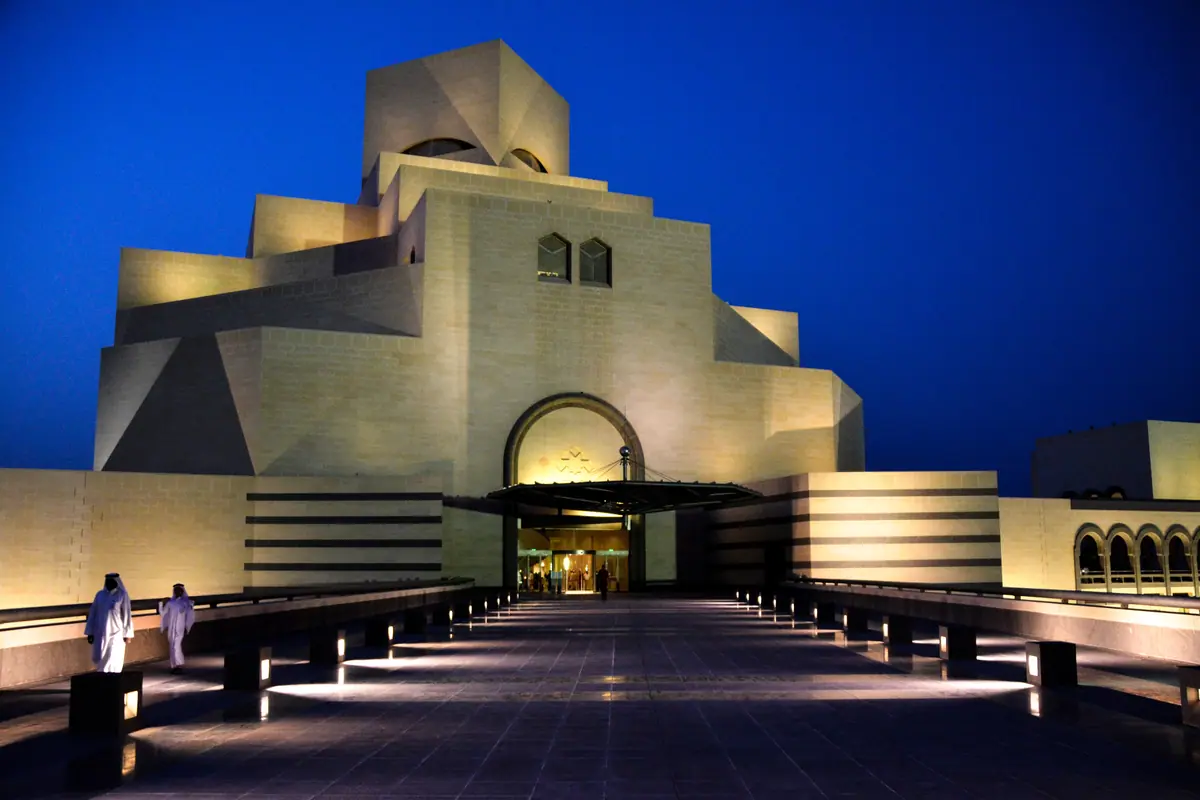
The Museum of Islamic Art sits on its own purpose-built island off the Corniche, a geometric limestone tower by I.M. Pei that is worth the visit for the building alone. Inside, the collection spans more than a thousand years and three continents: astrolabes, enameled glass, carved woodwork, calligraphy and textiles displayed in cool, dim galleries where the light falls exactly where it should. Entry to the permanent collection is free, and the surrounding park — with its lawns, fountains and views back to the towers of West Bay — is one of the nicest places in the city to sit out the midday heat. Allow two to three hours.
The National Museum of Qatar, a few minutes along the Corniche, is unmistakable: a cluster of interlocking discs inspired by the desert rose, wrapped around the restored Amiri Palace where the country's rulers once lived. The displays inside move chronologically from geology and Bedouin life through pearling, oil and modernity, and the immersive film rooms are the kind of thing children actually sit through. Two hours is about right, and it is fully air-conditioned — which matters between May and September.
If you have a third museum in you, Mathaf: Arab Museum of Modern Art in Education City covers modern and contemporary work from across the Arab world, and the nearby Qatar National Library is a striking piece of architecture in its own right.
Katara, The Pearl and Msheireb: Modern Qatar in One Afternoon
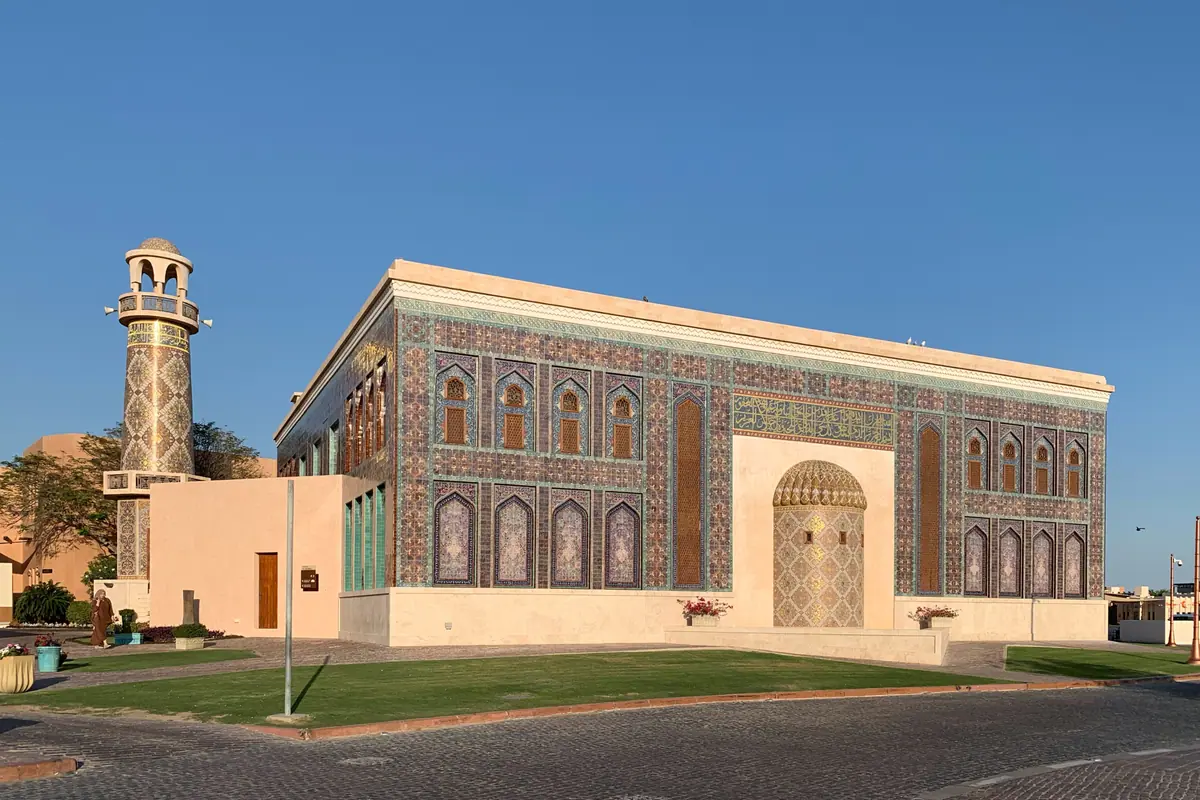
Katara Cultural Village is the best single stop for a crash course in contemporary Qatari ambition. The complex holds an opera house, galleries, a mosque clad in turquoise and purple tiles, pigeon towers modelled on traditional designs, and a small beach with restaurants overlooking the water. It's a pleasant, walkable place in the late afternoon, and the amphitheatre hosting concerts and festivals gives it a genuine cultural calendar rather than a shopping-mall feel.
From Katara, cross to The Pearl-Qatar, a reclaimed island of marinas and pastel townhouses styled on Mediterranean ports. Wander Qanat Quartier's canals and footbridges, watch the superyachts in Porto Arabia, and stop for coffee or ice cream — this is where Doha comes to stroll in the evening. For something older-feeling and quieter, Msheireb Downtown Doha preserves a cluster of restored heritage houses turned into small museums covering slavery, family life and the city's urban history, linked by a tram and wide, shaded squares.
Sports fans can add a stadium visit: the Lusail area north of the city hosted the biggest tournament in the game, and the surrounding new city is a curiosity in itself — a purpose-built district that barely existed a decade ago.
Into the Desert: The Inland Sea, Zekreet and the Singing Sands
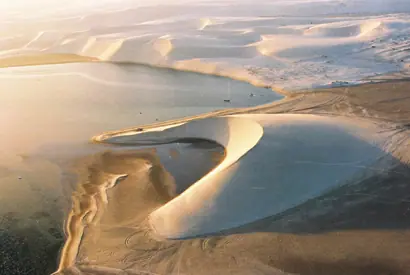
The single most memorable thing you can do in Qatar is drive south to Khor Al Adaid, the Inland Sea, where towering dunes roll down to a tidal lagoon that cuts deep into the peninsula. It's one of the few places on earth where desert meets sea this dramatically, and it is protected as a nature reserve. The access road is sand, so you need a 4x4 and, realistically, a guided tour or a driver who knows the dunes — self-driving without sand experience is a quick way to get stuck. Tours typically run about four to five hours from Doha, with dune bashing, sandboarding, camel rides and, in winter, overnight camps under genuinely dark skies.
Nearby Zekreet Peninsula offers something stranger: East-West/West-East, a land-art installation of four steel plates standing in the desert, reached by a rough track past mushroom-shaped rock formations and a film-set fort. Go early morning or late afternoon for the light and the cooler air.
Twice a year, in the shoulder seasons, the dunes around Mesaieed are known for the low humming sound visitors call the singing sands — scuff the surface at the right moment and the grains resonate. If you're in Qatar between November and March, check whether a camel race is scheduled at Al Shahaniya; the small robot jockeys and the crowds of owners following in SUVs make it a spectacle you won't see elsewhere.
Day Trips into Qatar's Past: Al Zubarah, Al Wakrah and the Mangroves
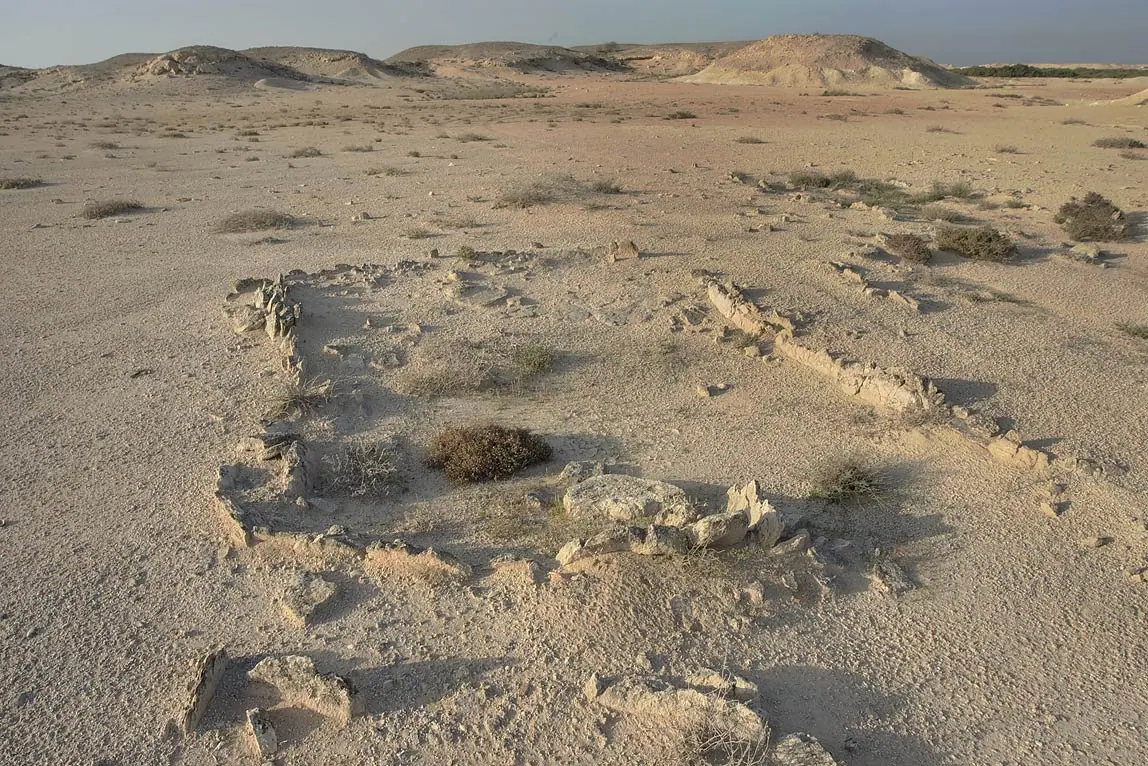
Al Zubarah, roughly an hour and a half northwest of Doha, is Qatar's UNESCO World Heritage site: the remains of a fortified pearling and trading town that flourished in the eighteenth and nineteenth centuries before being abandoned. A restored fort on the edge of the site holds a small museum explaining the archaeology, and the low walls of the old town stretch away toward the sea. Go between November and March, take water, and wear shoes you don't mind getting dusty — there is almost no shade. Pair it with a stop at Sheikh Faisal Bin Qassim Al Thani Museum nearby, a gloriously eccentric private collection of cars, carpets, coins and curiosities.
South of Doha, Al Wakrah's restored old town is a gentler half-day: whitewashed traditional houses, a small souq, a fishing harbour and a corniche where you can watch dhows come in. It's an easy add-on if you're already heading toward the dunes.
North instead, the mangroves at Al Thakira near Al Khor are the greenest thing in Qatar. Kayak or paddleboard through the channels, and in winter look for flamingos and other wading birds; the nearby cluster of islands known as Purple Island is a popular picnic and walking spot when the weather is cool.
When to Go and How to Move Around: Practical Rhythm for Qatar
Timing decides everything here. November to March is the sweet spot, with daytime temperatures often between 20°C and 28°C — ideal for the desert, Al Zubarah and long evenings outdoors. December and January are the coolest and busiest, especially during major events, so book accommodation well ahead. April and October are shoulder months, hot but manageable. From May to September, expect 40°C-plus afternoons: shift your sightseeing to museums, malls, Katara's air-conditioned spaces and early-morning walks, and treat outdoor activities as dawn or after-sunset affairs.
Getting around is easier than first-timers expect. The metro connects the airport, central Doha, Katara, Lusail and the main cultural sites, with driverless trains and spotless stations; metered taxis and ride-hailing apps fill the gaps cheaply. For the Inland Sea and remote heritage sites, you'll want a tour or a hire car — and if you're driving yourself, note that fuel is inexpensive and roads are excellent, but desert tracks are not signposted.
On etiquette: dress modestly in public buildings and old quarters, covering shoulders and knees, and keep swimwear for hotel pools and beaches. Alcohol is served in licensed hotel restaurants and bars, though drinking in public is not permitted. Many nationalities enter visa-free for up to 90 days, and English is widely spoken, which makes Qatar one of the most straightforward introductions to the Gulf for a first visit. Three days covers Doha's highlights; five to seven lets you add the desert, Al Zubarah and a lazy morning in the mangroves.
Frequently asked questions
How many days do I need in Qatar?
Three full days is enough for Doha's essentials — Souq Waqif, the Museum of Islamic Art, the National Museum of Qatar, Katara and The Pearl. Add two to three more days for the Inland Sea, Al Zubarah, Al Wakrah and the mangroves at Al Khor. Anything less than 48 hours means choosing between the city and the desert.
What is the best time of year to visit Qatar?
November to March. Daytime temperatures usually sit between 20°C and 28°C, which makes desert trips, heritage sites and evening strolls genuinely enjoyable. December and January are the coolest and most crowded. Avoid June to September unless you plan to stay indoors — afternoons regularly exceed 40°C.
Is Qatar safe and easy for first-time visitors?
Yes. Crime rates are very low, streets and metro stations feel safe at night, and English is widely spoken in hotels, restaurants and transport. Solo female travellers generally report few issues; the main thing is dressing modestly in public places and being respectful during Ramadan, when daytime eating and drinking in public is restricted.
Can I visit the Inland Sea without a tour?
Technically yes, but you need a proper 4x4 and sand-driving experience — the final stretch to Khor Al Adaid is deep dune track with no signage. Most visitors book a guided half-day or full-day trip from Doha, which includes dune bashing, sandboarding and often an overnight camp. Al Zubarah, by contrast, is reachable in an ordinary car on paved roads.
Do I need a car in Doha?
Not for the city. The metro links the airport, central Doha, Katara and Lusail, and metered taxis plus ride-hailing apps are inexpensive and easy. Rent a car only if you want to reach places like Al Zubarah or Zekreet independently; otherwise join a tour for desert and remote sites.
Plan it — experiences in Qatar
Live search, booked directly with trusted providers.