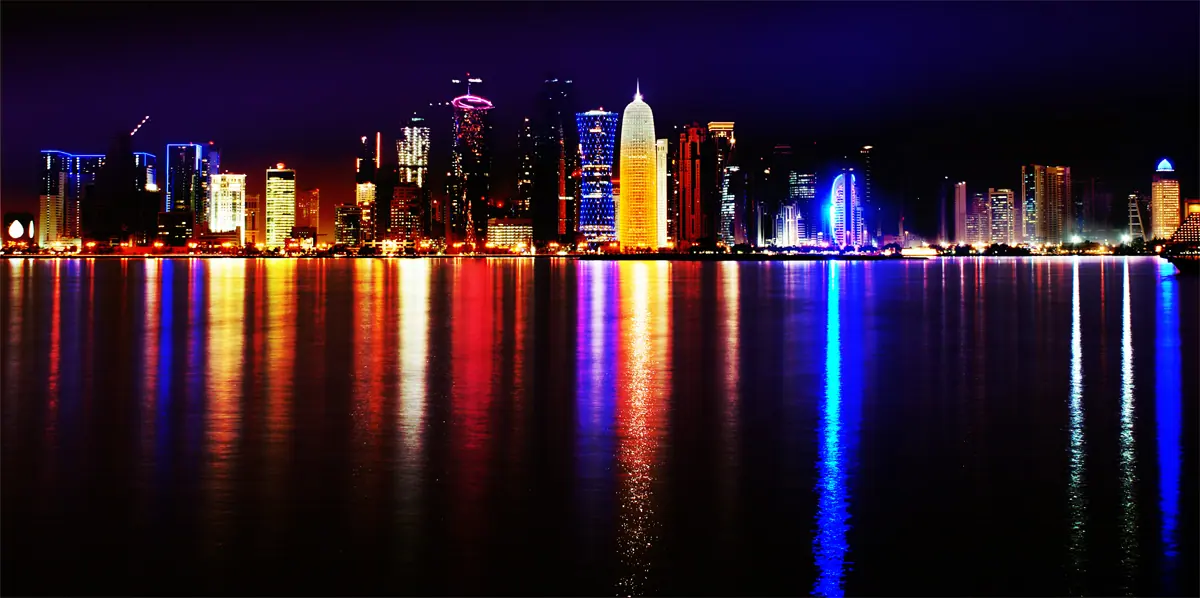
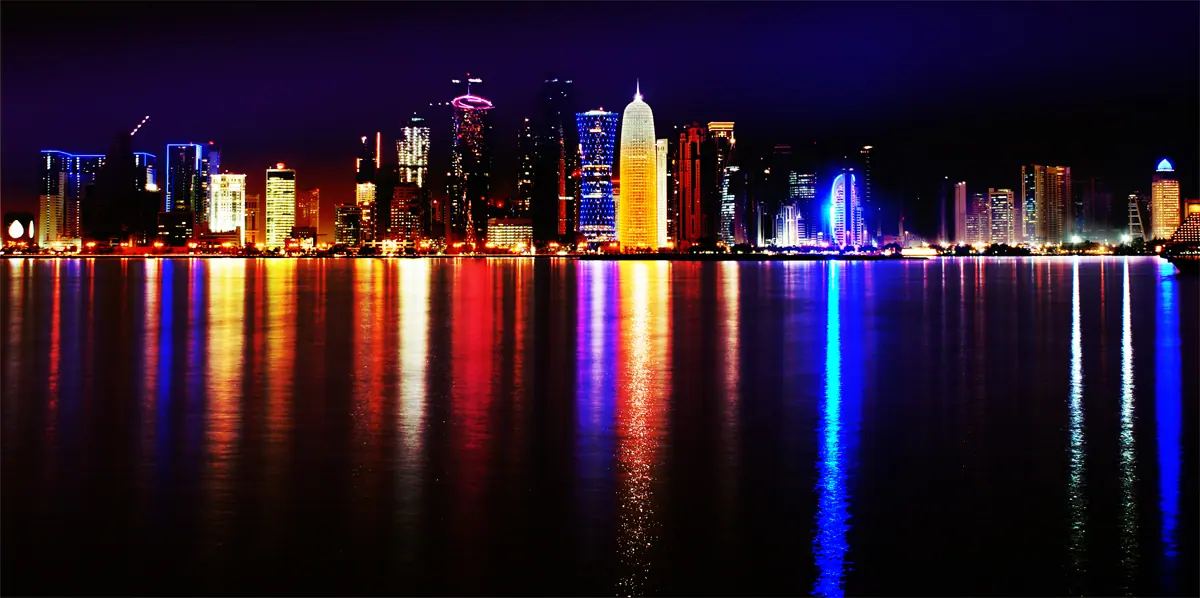
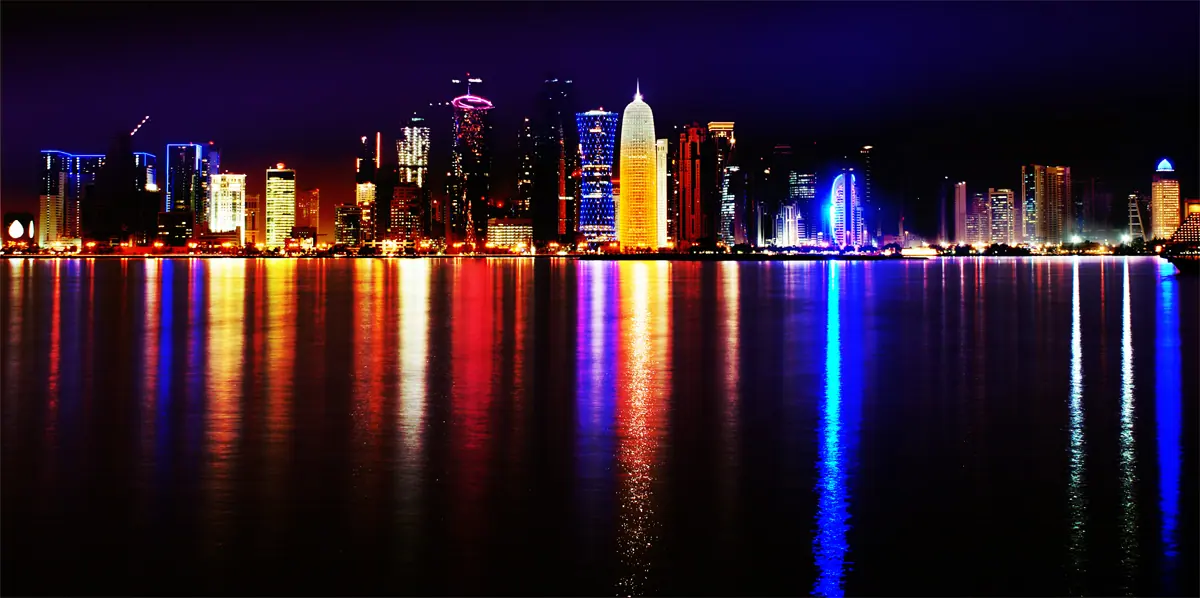
Qatar is a small peninsula with an enormous seasonal swing — from gentle 24°C winter days spent strolling the Corniche to furnace-like August afternoons when the entire city retreats indoors. Choosing the right month changes not just your comfort, but your hotel bill, your desert itinerary and how much of the country you can actually see.
Why Timing Decides Everything in Qatar
Qatar juts north into the Gulf, which means almost every point in the country is within an hour of the sea. That geography softens winter and intensifies summer: from roughly November to March you get clear skies, daytime highs in the low-to-mid twenties and genuinely cool evenings that make rooftop dinners and desert campfires a pleasure. From June to September, the same landscape turns into a humid hothouse, with afternoons regularly climbing past 40°C and coastal humidity that makes the air feel thick as soup.
That contrast is why the travel calendar here is so lopsided. Outdoor Qatar — the dhow harbour, the sand dunes, the archaeological sites, the mangrove channels — belongs to the cooler half of the year. Indoor Qatar, which is genuinely world-class thanks to the museum-and-mall culture built around the heat, carries the summer. A first-time visitor who books a July trip expecting to wander the Souq Waqif for hours will be disappointed; the same person visiting in January will find one of the most walkable, pleasant city breaks in the Gulf.
Hotel pricing follows the weather almost exactly. Winter is peak season and rates in West Bay, Msheireb and Lusail climb accordingly, especially around major events and school holidays. Summer is the bargain window, when five-star towers along the Corniche discount heavily to fill rooms and throw in dining credits to keep guests on property. Shoulder months are the quiet compromise — warm enough for the beach, cool enough for a fort, and priced somewhere in between.
Peak Season, November to March: The Months Everyone Books
This is the window to aim for. December and January are the sweet spot, with daytime temperatures around 20–24°C and evenings cool enough for a light jacket — the only time of year when you can comfortably combine a morning at the Museum of Islamic Art with an afternoon dune drive and a late dinner outdoors. The seven-kilometre Doha Corniche becomes a promenade again, filled with joggers, families and dhows bobbing at the nearby harbour.
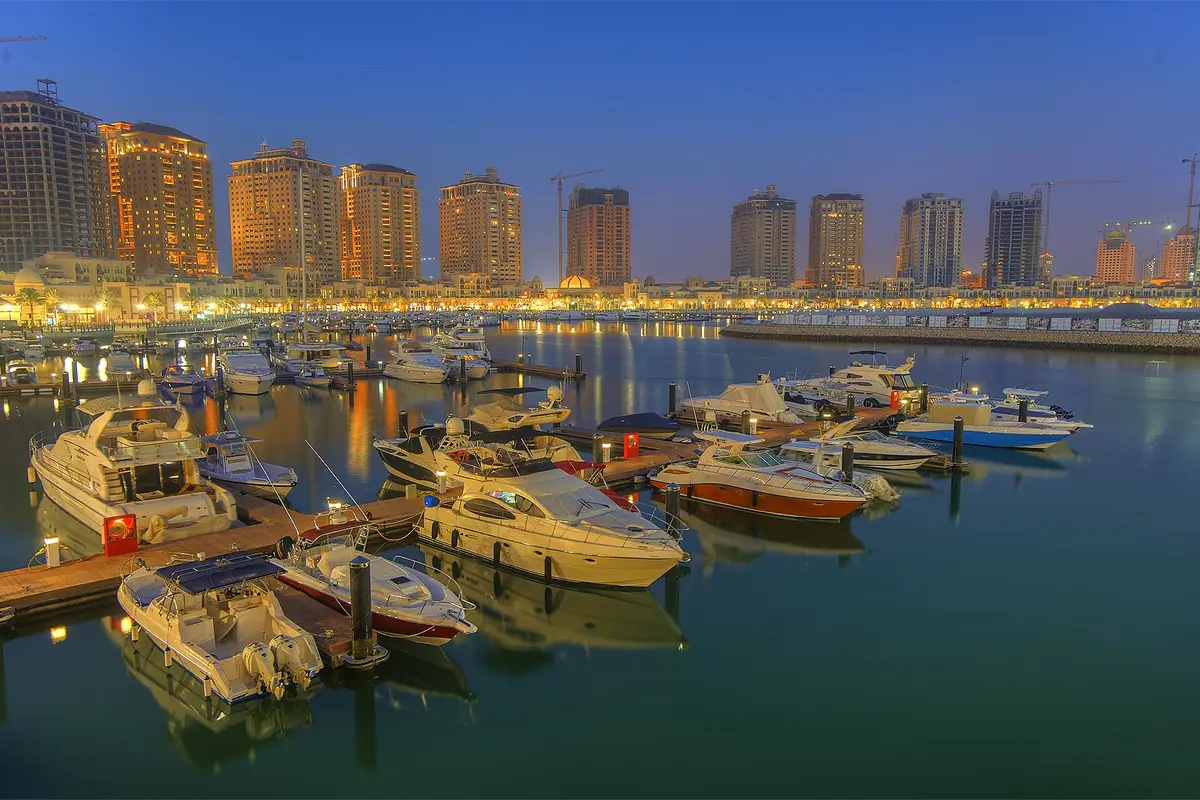
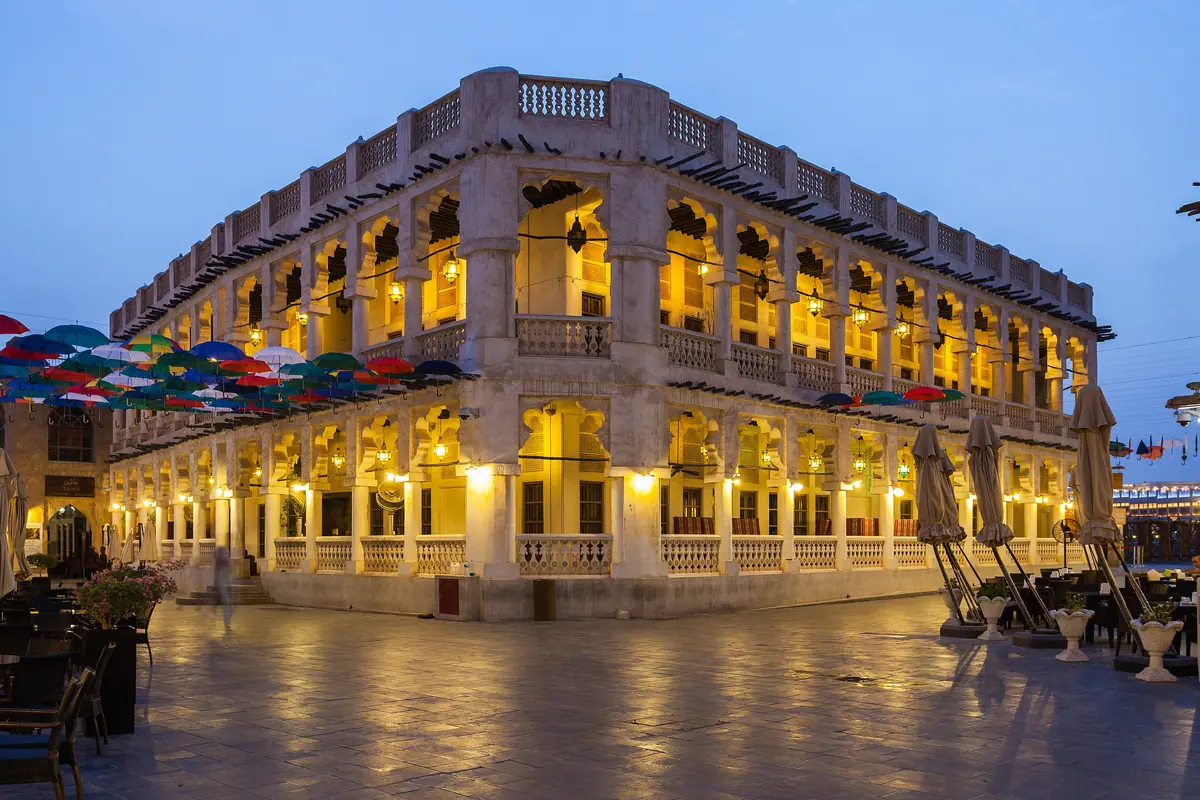
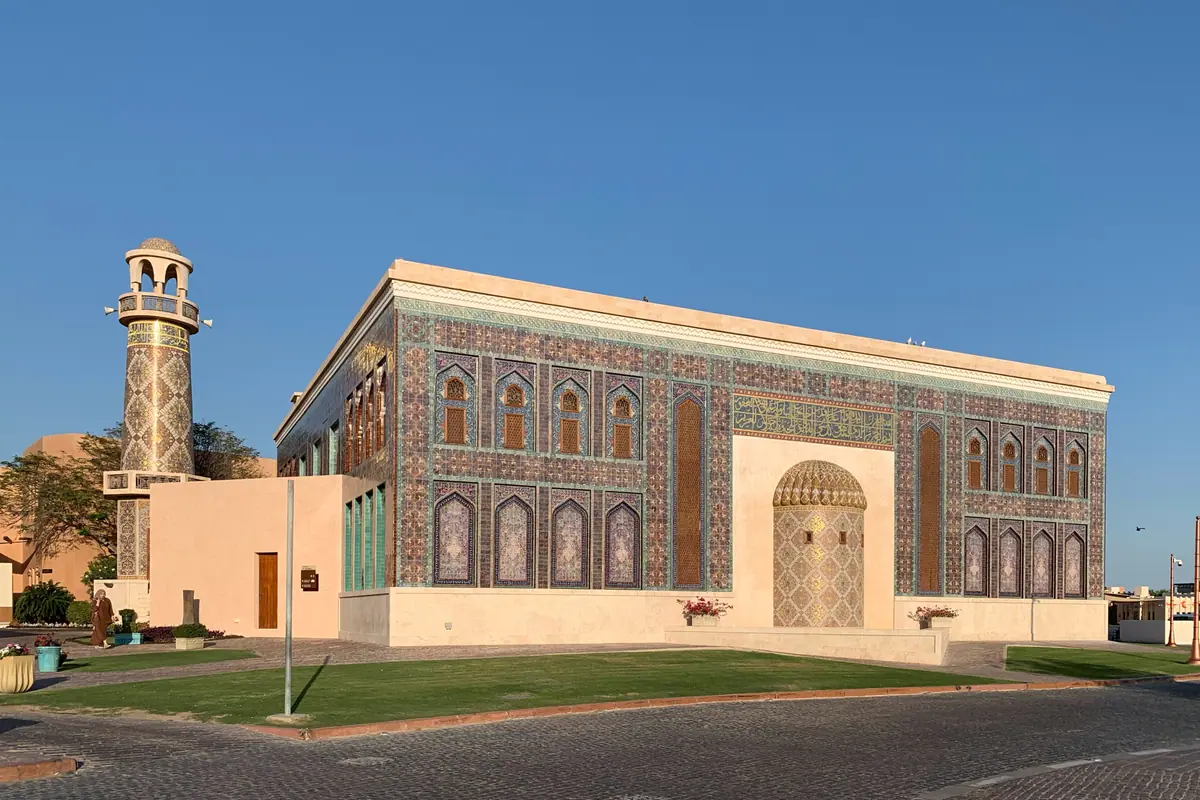
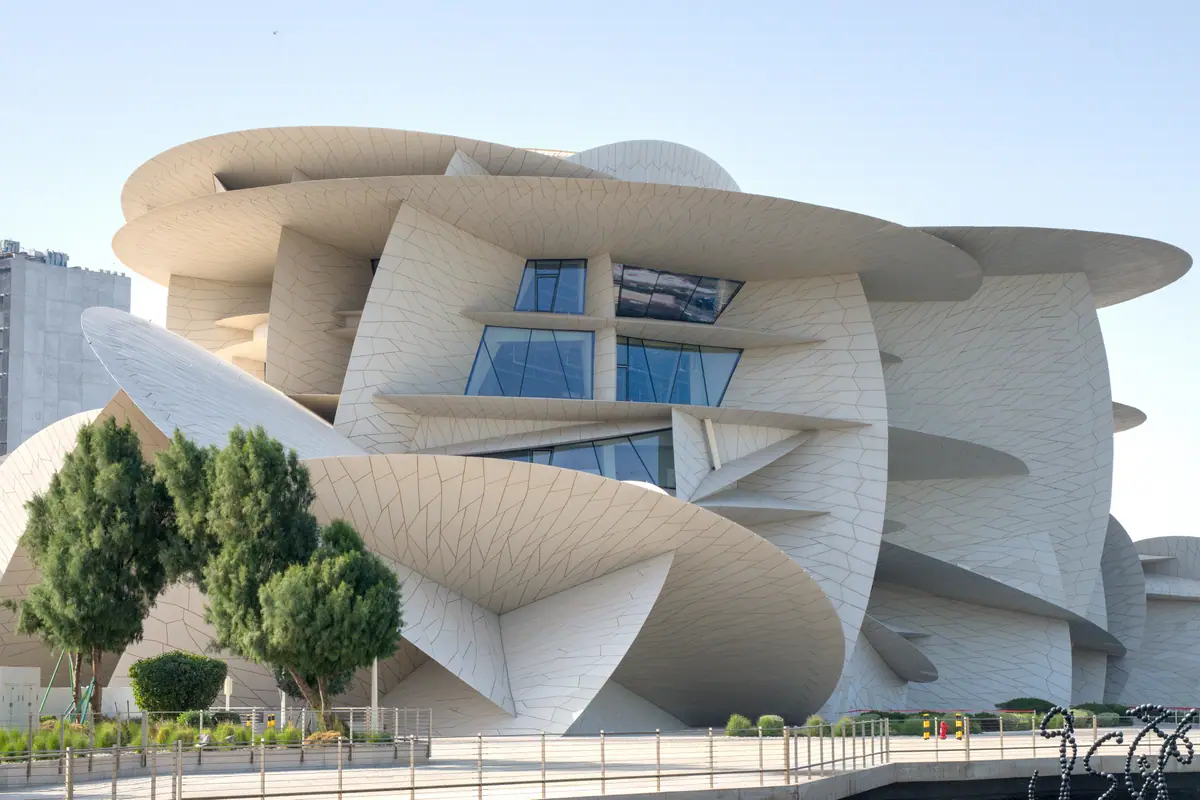
The must-see sights cluster naturally into a winter itinerary. Spend a morning in Souq Waqif, the restored mud-brick market where spice stalls, falcon sellers and shisha courtyards sit beside galleries. Walk or take a short ride to Katara Cultural Village, with its amphitheatre, mosques and beachfront, then cross to The Pearl-Qatar for marina-side dining. The National Museum of Qatar, shaped like a desert rose, and the neighbouring Msheireb Downtown Doha — a rebuilt, low-rise quarter of cafés and design hotels — are both essential.
Because this is when everyone wants to come, book accommodation two to three months ahead if your dates overlap with a big sporting fixture in November or December, National Day on 18 December, or the New Year period. Rates in West Bay and The Pearl can double during those spikes, and the boutique properties tucked around Souq Waqif sell out first because of their location. If you want a hotel with a private beach and don't mind being slightly removed, the resorts on Banana Island and the northern coast are worth the ferry or drive.
Shoulder Months, April–May and October: Warm Days, Softer Rates
April and May heat up fast — expect low-to-mid thirties by day with rising humidity — but mornings and evenings are still usable, and October flips the pattern, starting hot and cooling noticeably as the month wears on. These are the months when you can still swim comfortably in hotel pools and the sea, kayak the Al Thakira mangroves north of the city, or take a late-afternoon walk along the Corniche without wilting.
The upside is value. Hotel rates in April, May and October sit well below the winter peak, and you'll find more availability at short notice, better room upgrades and quieter restaurants. It's also a good window for the cultural sights: Katara Cultural Village, the Museum of Islamic Art and the National Museum of Qatar are air-conditioned and rarely crowded outside peak season, so you can take them at a slower pace.
One caution: spring can bring dust-laden winds and occasional hazy days, and by late May the heat has essentially arrived. If you are travelling with young children or elderly relatives, aim for early April or late October rather than the middle of either month. For anyone combining Qatar with a longer Gulf trip, October is arguably the smartest single month — warm sea, falling temperatures and pre-peak pricing.
Summer, June to September: Indoor Doha and Deep Discounts
Summer in Qatar is not a write-off, but it is a different trip. Daytime temperatures push past 40°C and humidity climbs, so the rhythm shifts indoors: museums in the morning, mall or hotel in the afternoon, dinner and a night swim after dark. The National Museum of Qatar and the Museum of Islamic Art are the two finest air-conditioned hours you can spend in the country, and the Qatar National Library in Education City is a striking building in its own right.
This is also the season for the city's shopping and entertainment complexes, several of which include indoor canals, ice rinks and family attractions that keep children occupied for entire days. Hotels respond with their lowest annual rates, generous upgrades and packages bundling meals, spa treatments and beach-club access. If your goal is to stay somewhere exceptional — a suite in West Bay with floor-to-ceiling Gulf views, or a resort with a shaded pool — summer is when that becomes affordable.
Be realistic about the outdoor bucket list. Khor Al Adaid, the inland sea reached by dune-bashing convoys, is genuinely unpleasant in July and August; Al Zubarah Fort is a baking, shadeless site. Save those for winter. In summer, swap them for the cool interiors of the Msheireb museums, the air-conditioned corridors of the souq after dark, and long, lazy evenings on a hotel terrace once the sun drops.
Ramadan, Eid and the Event Calendar: Booking Around Big Dates
Qatar's calendar has two layers: the fixed Gregorian events and the Islamic lunar ones, which shift about eleven days earlier each year. Ramadan is the most important consideration for travellers. During the holy month, daytime eating, drinking and smoking in public are restricted, many restaurants close until sunset, and the working day shortens. In exchange, you get some of the most atmospheric evenings of the year — lantern-lit iftars, late-night souq crowds and hotels at their quietest and cheapest.
Then the pendulum swings hard. Eid al-Fitr, marking the end of Ramadan, triggers a domestic travel surge as residents take holidays, and hotel rates jump for several days. Eid al-Adha brings a second spike later in the year. Winter is densely packed with fixed events too: National Day parades on 18 December, top-tier tennis and golf tournaments in the cooler months, camel racing at the Al Shahaniya track, the Formula 1 weekend at Lusail in the autumn and a food festival that typically lands in late winter or early spring. A cruise season running from roughly October to April also brings day visitors into Doha Port, briefly filling the city's hotels and restaurants.
The practical rule is simple: check both calendars before you book. If your dates touch Eid, a Grand Prix weekend or National Day, reserve accommodation months ahead. If you are flexible and want the best combination of weather and price, look at the weeks immediately after Eid al-Fitr and the first half of November, before the peak-season crowds arrive.
Beyond Doha: Reading the Seasons for Desert, Coast and Heritage Sites
Qatar's most memorable experiences sit outside the capital, and all of them obey the weather. Al Zubarah, the country's UNESCO-listed ruined trading town and its restored fort, is best visited between November and March, when you can walk the excavated streets in comfort and the light is soft. The same applies to the petroglyphs at Al Jassasiya, the watchtowers at Barzan and the strange, wind-carved rock formations around Zekreet on the western coast.
The desert itself has a season. Dune drives to Khor Al Adaid, where the sand meets the sea, run from roughly October through April, and overnight camping under the stars is a genuine winter-only pleasure — nights in the deep desert can be surprisingly cold, so pack a fleece even though you started the day in shorts. On the northern coast, kayaking through the Al Thakira mangroves and out to Purple Island is at its best in the same cooler months, when migratory birds are also passing through.
If you are visiting in summer and still want the outdoors, shift your timing rather than your plans: boat trips and beach clubs work beautifully at sunset and after dark, and the hotel pools and private beaches are at their quietest. Plan your trip around the season, not against it, and Qatar rewards you with a coastline, a desert and a museum scene that few travellers expect from a country this small.
Frequently asked questions
What is the best month to visit Qatar?
December and January offer the most comfortable conditions, with daytime temperatures around 20–24°C and cool evenings. November, February and March are close behind and slightly less crowded at the headline sights. If you want warm sea temperatures for swimming without the summer heat, late October and April are excellent compromises.
When are hotels in Qatar cheapest?
June through September, when the heat keeps leisure travellers away and city hotels discount heavily to fill rooms. Ramadan also brings notably lower rates and a quieter city, though the days immediately around Eid al-Fitr see prices rise sharply as regional visitors arrive.
Can you visit Qatar in summer?
Yes, but plan around the heat. Keep outdoor activity to early morning and after dark, and build your days around the Museum of Islamic Art, the National Museum of Qatar, the Qatar National Library, Msheireb Downtown Doha and the large air-conditioned shopping complexes. Desert trips to Khor Al Adaid and Al Zubarah are best avoided in July and August.
How far ahead should I book a hotel in Doha?
For the peak winter months, book two to three months ahead — and earlier if your dates coincide with National Day on 18 December, New Year, Eid or a major sporting weekend such as the Lusail Formula 1 race. Outside those dates, shoulder-season and summer bookings can comfortably be made a few weeks in advance.
Which area of Qatar is best to stay in?
West Bay suits business travellers and anyone wanting skyline views and quick access to the Corniche. Msheireb Downtown Doha and the boutique guesthouses around Souq Waqif put you inside the historic core on foot. Katara Cultural Village and The Pearl-Qatar attract those who want beachfront dining and marina life, while Banana Island and the northern resorts deliver a self-contained escape.
Sort the rest of your trip
Everything for Qatar, in one place
Transfer in Qatar
Private driver waiting on arrival — no queues, no surprises.
Book a transfer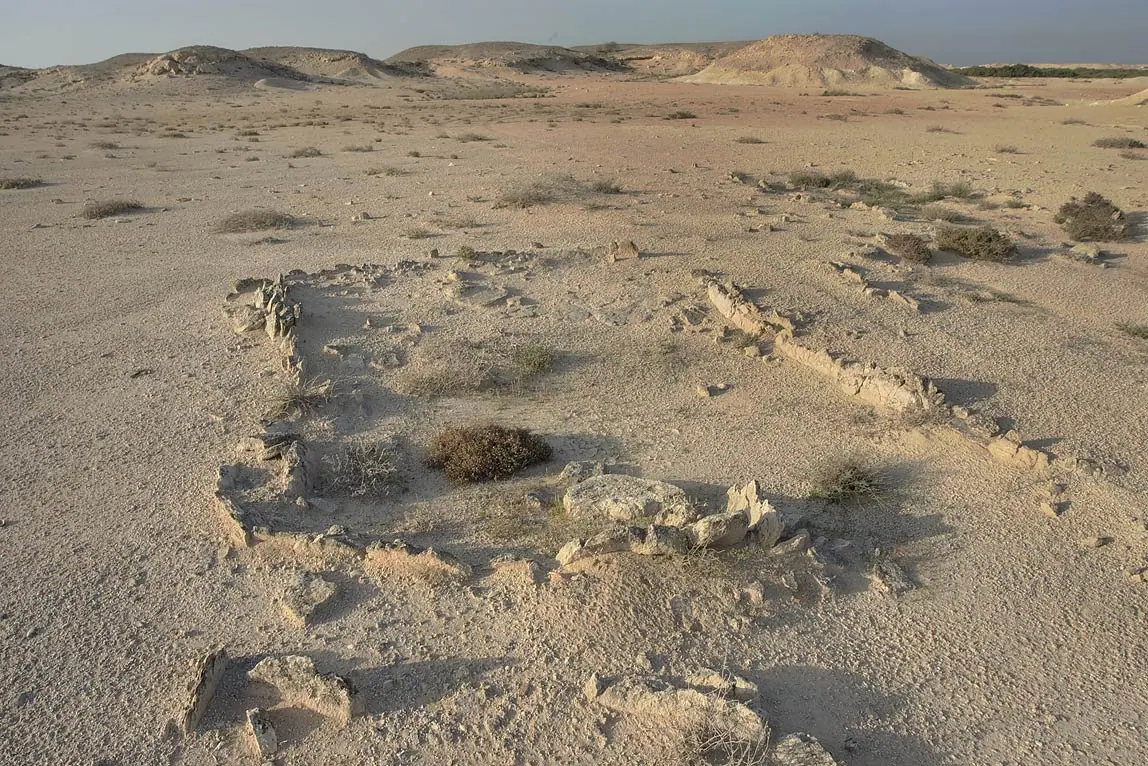
Things to do in Qatar
Skip-the-line tickets, guided tours and standout experiences.
See experiences
Stay online in Qatar
Travel eSIM — data the moment you land, no roaming bills.
Get an eSIM