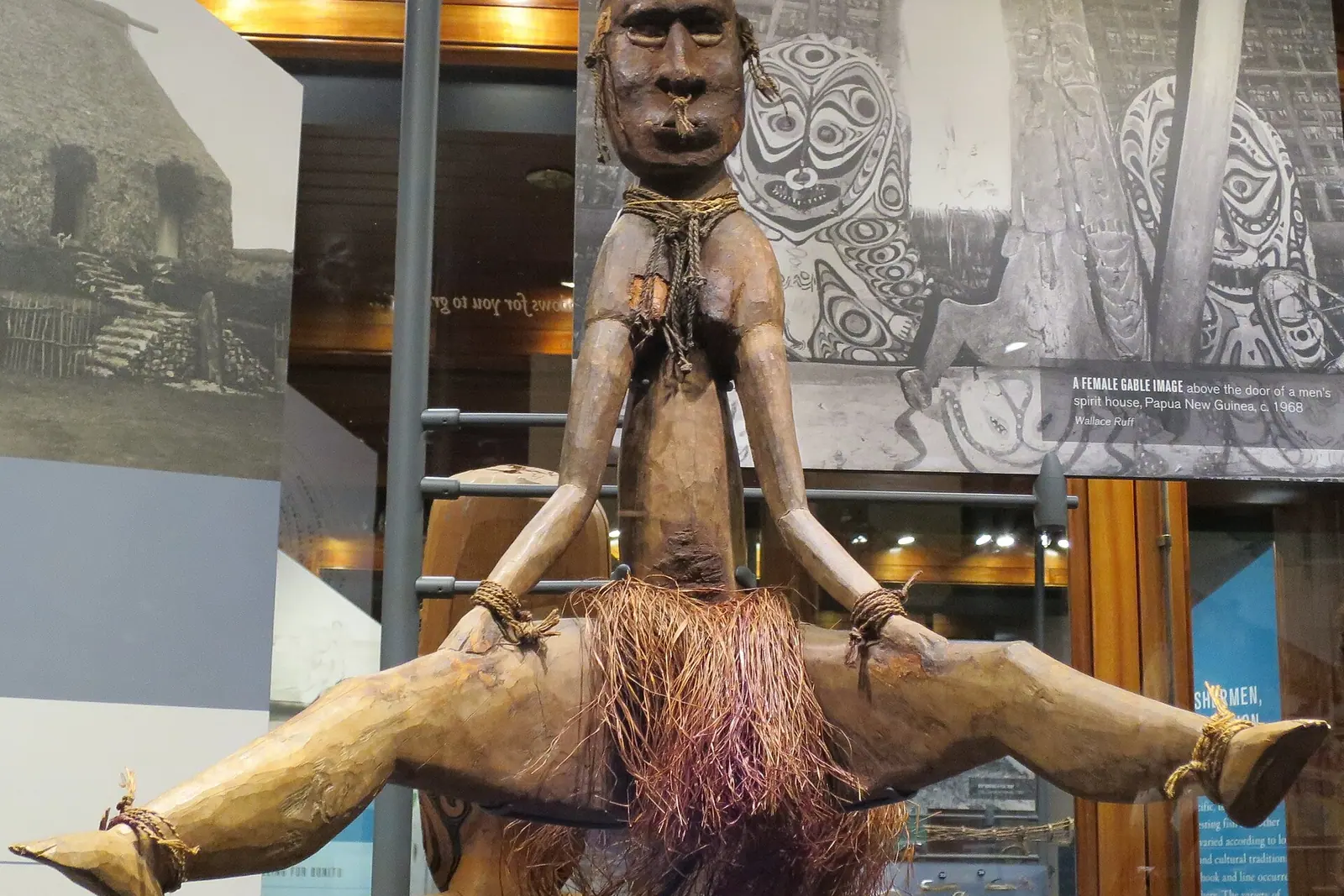
Papua New Guinea is one of the last places on earth where a trip still feels like an expedition — 600-odd islands, more than 800 languages and landscapes that jump from coral reef to cloud forest within a single flight. It rewards travellers who plan carefully, travel with local guides and accept that the best experiences here are slow, remote and utterly unforgettable.
Walk the Kokoda Track Through the Owen Stanley Range
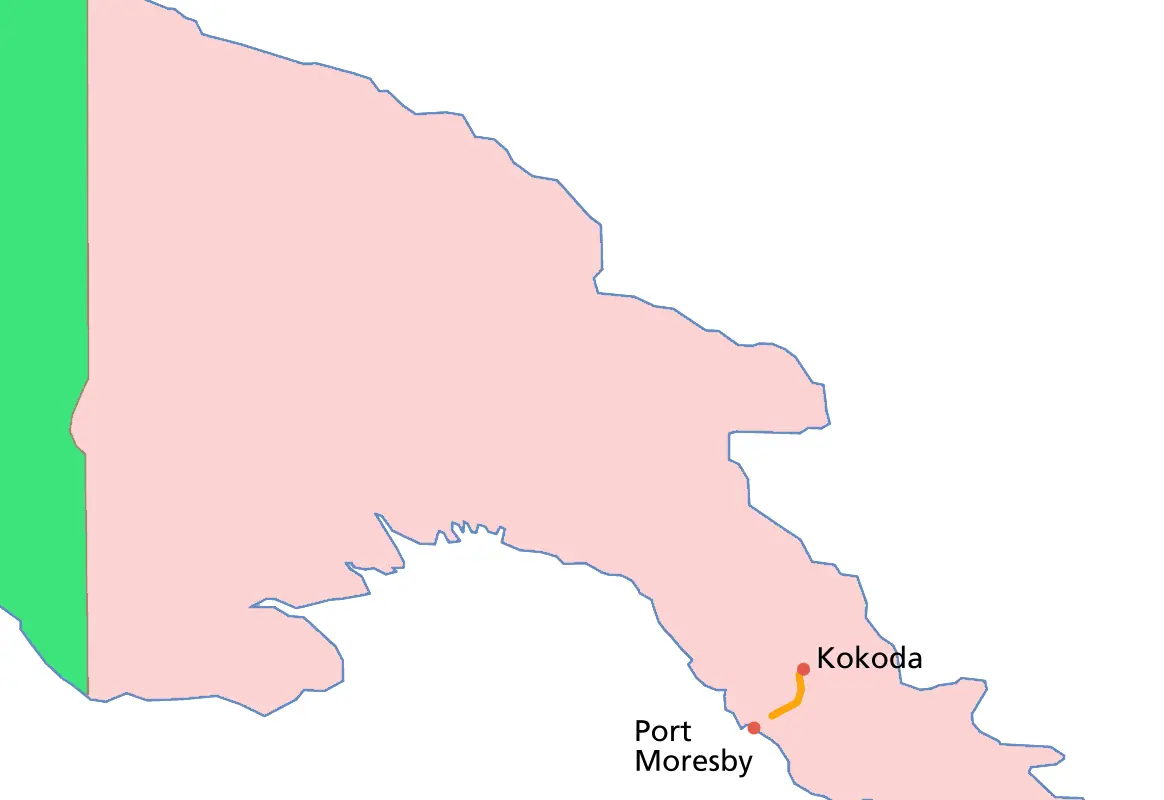
The Kokoda Track is Papua New Guinea's defining journey: roughly 96 kilometres of mud, ridge lines and jungle between Owers' Corner, about two hours from Port Moresby, and the village of Kokoda on the northern side of the range. For most visitors it takes eight to ten days, walking four to seven hours a day through rainforest so thick the light turns green, fording creeks, climbing to camps at Isurava, Templeton's Crossing and Eora Creek, then dropping steeply toward the northern coast.
The trail is also a living memorial. In 1942 this was the route of the Kokoda campaign, and along the way you pass the Isurava Memorial, with its four granite pillars inscribed with courage, endurance, mateship and sacrifice, plus scattered remnants of weapon pits and ammunition. Village communities own and manage most of the track, and walking with an accredited guide and local porters isn't just regulation — it's how the money you spend stays in the highlands.
Practicalities matter more here than almost anywhere. The best window is the drier stretch from late April to October; the wet months bring leeches, swollen creeks and slippery descents. You need a decent level of fitness, broken-in boots, malaria precautions and several months of planning for permits and logistics. Many trekkers finish by continuing to Bomana War Cemetery outside Port Moresby, where more than 3,000 Commonwealth soldiers are buried — a sobering full stop to the walk.
Plan Around the Great Cultural Shows
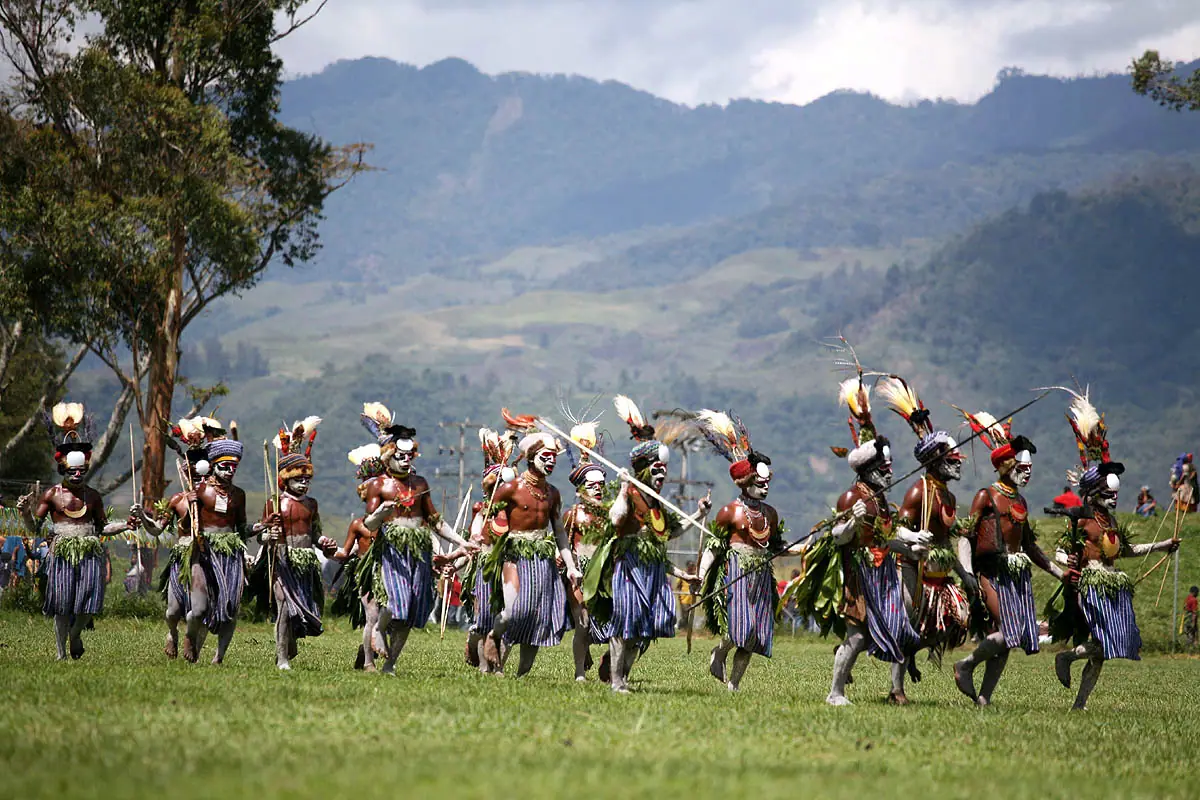
Papua New Guinea's sing-sings are the reason many travellers come, and the calendar is worth building a whole trip around. The biggest is the Mount Hagen Show in the Western Highlands, held over a weekend in mid-August, when dozens of tribal groups gather in the Queen Elizabeth II Diamond Jubilee Stadium grounds in full body paint, bird-of-paradise plumes, cassowary quills and shell jewellery, drumming and dancing in competing lines. A few weeks later, in mid-September around Independence Day, the Goroka Show fills the Eastern Highlands with some of the most photographed headdresses in the Pacific.
Smaller gatherings often feel more intimate. The Enga Cultural Show in Wabag draws Highland groups to a high valley in August, while the National Mask Festival in Kokopo, East New Britain, in July focuses on the extraordinary tubuan masks of the Tolai people and is followed by Baining fire dances at night, where men in towering bark-cloth masks leap through embers. On the Sepik, the Crocodile Festival at Ambunti in August celebrates the river's crocodile-cult traditions, and in November the Kenu and Kundu Festival in Alotau turns Milne Bay into a regatta of decorated war canoes and drumming.
Book accommodation months ahead for any of these — rooms in Hagen, Goroka and Kokopo sell out. Expect to pay entry fees at the gate, dress modestly, and always ask before photographing individuals or sacred objects. The Hiri Moale Festival in Port Moresby in September, marking the traditional Motu trading voyages in large lagatoi canoes, is the easiest big festival to reach if your time in the country is short.
Drift the Sepik River and Its Spirit Houses
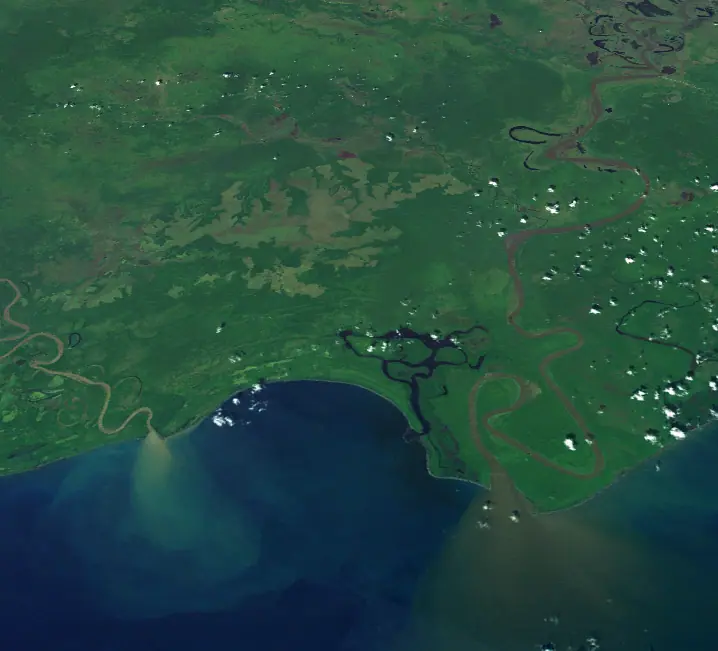
The Sepik is Papua New Guinea's great river highway, running roughly 1,100 kilometres from the highlands to the Bismarck Sea, and travelling it by dugout canoe with a motor is one of the country's most atmospheric experiences. The middle Sepik is the cultural heart: villages such as Kanganaman and Palimbei hold soaring haus tambaran — spirit houses — with carved posts, painted gables and ancestral figures that are still in ritual use. Kanganaman's is among the most celebrated, its facade a wall of interlocking ancestral faces.
Life here revolves around the water. You'll pass canoes piled with sago, women fishing with hand lines, and men carving crocodile-headed stools, masks and storyboards for sale in village markets — pieces you can only buy by turning up. The Chambri Lakes, a maze of lagoons off the main channel, are known for their own carving and pottery traditions and are best explored over two or three days with a local guide who knows the channels.
Timing is everything: the drier months from June to September bring lower water and easier travel, while the wet season can make some tributaries impassable. There are no real roads, so most trips start with a flight to Wewak or Ambunti and continue by boat, staying in basic village guesthouses or riverside lodges. Bring cash in small notes, treat drinking water with care, and expect no phone signal for days at a time.
Climb Volcanoes, Dive Coral Triangle Reefs and Explore the Fjords
East New Britain pairs raw geology with superb diving. Rabaul sits inside a vast flooded caldera on Simpson Harbour, and the ash-covered town was buried by the 1994 eruption of Tavurvur and Vulcan. Today you can trek the rim of Tavurvur for steaming vents and views across the harbour to the Duke of York Islands, visit the hot springs and bubbling mud pools at Rapopo, and explore the tunnels, gun emplacements and museum at Kokopo and Bitapaka, reminders of the area's fierce Second World War history.
For underwater travellers, the country is world class. Kimbe Bay on New Britain's north coast holds more than 800 coral species and dramatic seamounts swarming with barracuda and reef sharks; Milne Bay in the far southeast offers muck diving, pristine reefs and wreck sites; and Tufi's drowned fjords on the Oro coast drop away in vertiginous coral walls beneath rainforest headlands. Kavieng in New Ireland adds wrecks and big pelagics, and the villages of New Ireland still practise shark calling, a ceremony in which a caller lures sharks with a coconut-shell rattle.
Distances are large and internal flights are limited, so most itineraries combine two regions at most. Diving is best from October to May on the northern coast when seas are calmest, with visibility often exceeding 30 metres. Reef etiquette matters: no anchoring on coral, no touching, and reef fees paid locally in cash.
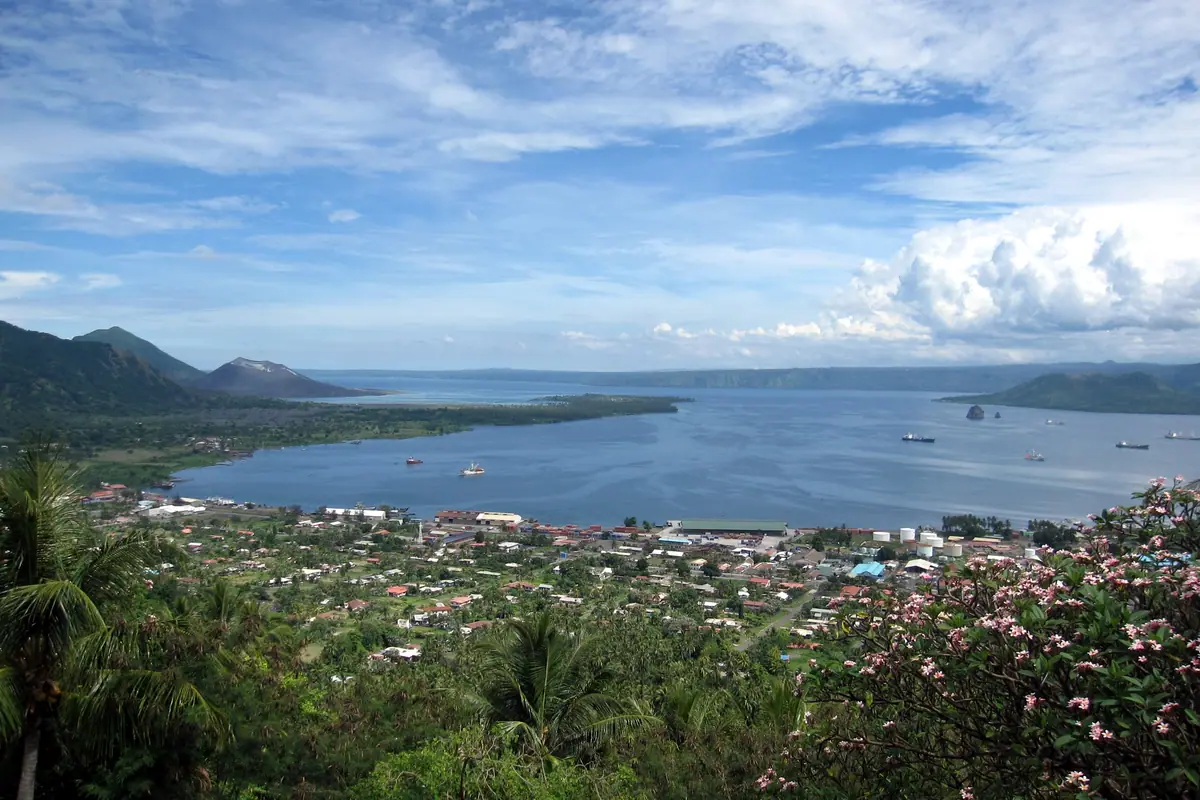
Summit the Highlands: Mount Wilhelm and the Tari Valley
Papua New Guinea's highest peak, Mount Wilhelm, rises to 4,509 metres on the spine of the Bismarck Range, and the standard route begins near the village of Keglsugl, climbing through mossy montane forest to a lakeside camp before a pre-dawn push to the summit for sunrise over the highlands. It's a genuine high-altitude trek — three to four days, cold nights, and a scramble up the final rock face — but no technical climbing is required. Mount Giluwe, at 4,367 metres the highest volcano in Australasia, offers a wetter, wilder alternative through grasslands dotted with ancient volcanic plugs.
Further west, the Tari Valley in Huli country is the place to see a culture that still lives by the pig, the sweet potato and the ceremonial fight. Huli men grow elaborate wigs in bamboo frames and paint their faces in yellow and red ochre; the Tari Gap and the surrounding forest are also prime territory for birds of paradise, with displays at dawn and dusk. Near Goroka, the Asaro Mudmen of the Asaro Valley perform their famous ghostly dance, their bodies coated in grey mud and fingers extended into long claws.
Birdwatching is the quiet highlight of the highlands: the Raggiana bird of paradise, which appears on the national flag, can be seen displaying in forest near Port Moresby at Varirata National Park and at lodges around Mount Hagen, Ambua and Tari. Bring binoculars, waterproof layers for the afternoon downpours, and patience — the best sightings happen in the first hour after sunrise.
Start in Port Moresby: Parliament, Museums and the South Coast
Most journeys begin in Port Moresby, and the capital deserves a day or two before you fly out. The National Parliament Haus in Waigani is the standout building, its facade a mosaic of Sepik and highlands motifs under a soaring A-frame roof inspired by a haus tambaran. Nearby, the National Museum and Art Gallery holds one of the finest collections of Pacific ethnographic material anywhere, including Sepik carvings, highland shields and Asmat pieces, while Bomana War Cemetery, with its immaculate lawns and rows of white headstones, is the country's most moving war memorial.
Close to town, Varirata National Park offers walking trails across the Sogeri Plateau with views over the coastal plain and a good chance of cockatoos, parrots and birds of paradise. Hanuabada, a Motu village of stilt houses built over the harbour, and Ela Beach give a sense of the city's long maritime culture; the nearby Nature Park shelters tree kangaroos, cassowaries and birds of paradise, and makes an easy half-day with families.
From the capital, day trips and short stays in the islands of Bootless Bay and along the Hiritano Highway are simple to arrange, and the Coral Sea coast south of the city hides quiet beaches and reef. Port Moresby has a reputation for street crime, so travel by arranged vehicle rather than walking at night, keep valuables out of sight, and let a local guide set the pace. The country's currency is the kina, ATMs are scarce outside the main towns, and credit cards are accepted in very few places — carry cash.
Frequently asked questions
When is the best time to visit Papua New Guinea?
The drier months from May to October suit most travel, especially highlands trekking, the Sepik and the Kokoda Track. August and September are peak season because the Mount Hagen, Goroka and Enga shows all fall in that window, so book flights and rooms months ahead. Divers often prefer October to May on the north coast for calmer seas and clearer water.
How do I get around the country?
Domestic flights link Port Moresby with centres such as Mount Hagen, Goroka, Wewak, Rabaul, Kavieng, Lae and Alotau, and they're the backbone of any itinerary. Beyond that you'll rely on chartered boats, four-wheel drives and walking; the road network is short and often rough, and some regions can only be reached by air or river. Build in buffer days, because schedules change at short notice.
Is Papua New Guinea safe for travellers?
With sensible precautions, yes. Port Moresby and a few other towns have a genuine problem with opportunistic crime, so use arranged transport after dark and avoid walking alone. Elsewhere, travelling with a local guide is normal and expected, and village communities are overwhelmingly welcoming. Check current government travel advice before booking, and consider medical evacuation cover.
What should I pack for a Papua New Guinea trip?
Quick-dry clothing, a light waterproof shell, sturdy broken-in boots, insect repellent, a head net for the Sepik, a sarong for modest dress in villages, and binoculars for birds. Bring malaria prophylaxis and a basic medical kit, plus plenty of cash in small kina notes — ATMs are rare and cards are accepted in very few places. A power bank helps where electricity is limited.
How long do I need to see Papua New Guinea properly?
Two to three weeks lets you combine two regions comfortably — for example the highlands and the Sepik, or Rabaul and Kimbe Bay. A Kokoda trek alone takes eight to ten days, and festival weekends swallow three or four days once you add travel. Ten days is workable for a single region plus Port Moresby, but shorter trips risk spending most of your time in transit.
Plan it — experiences in Papua New Guinea
Live search, booked directly with trusted providers.
Sort the rest of your trip
Everything for Papua New Guinea, in one place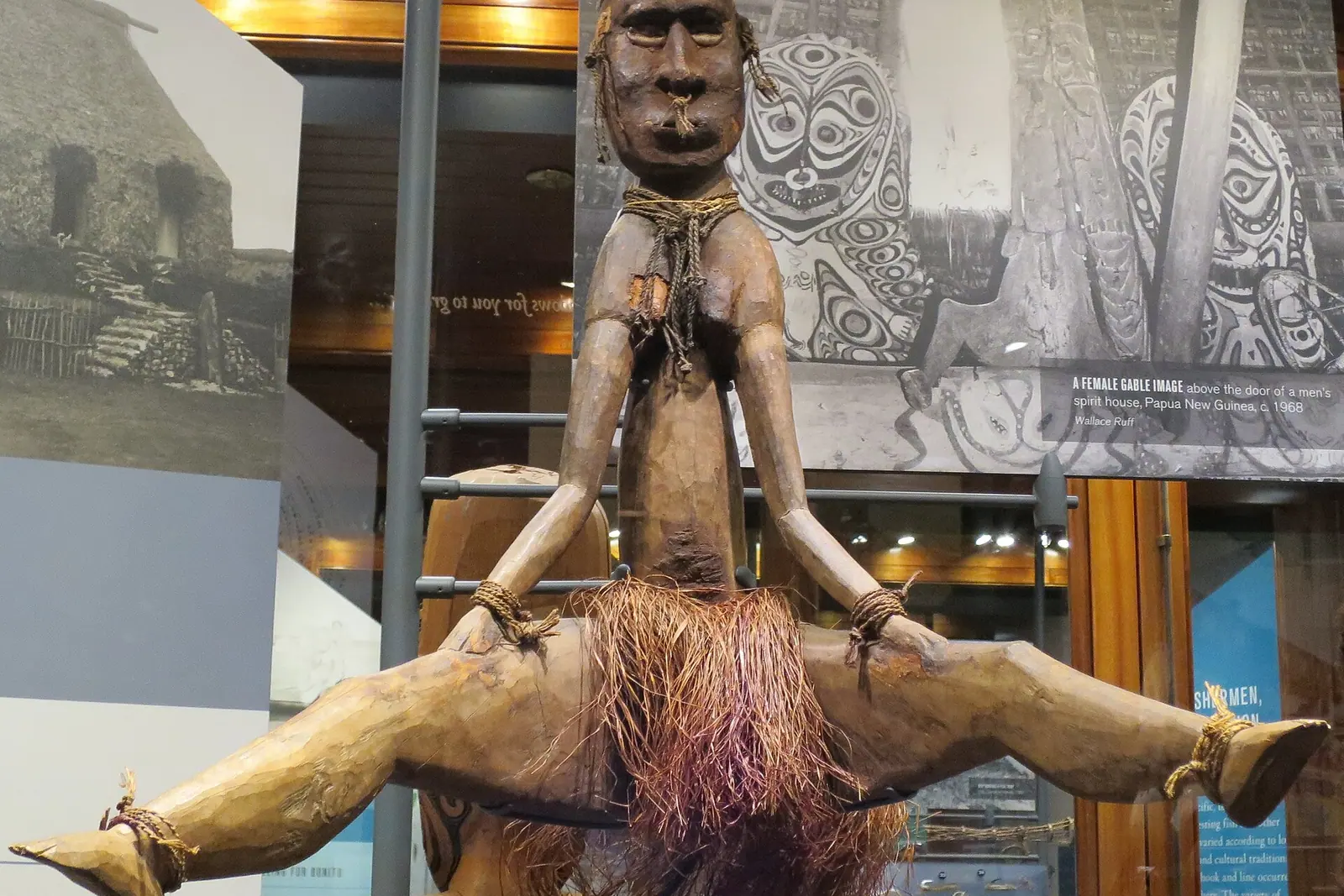
Stay in Papua New Guinea
Hotels, guesthouses and apartments — compared in one search.
Search hotels
Transfer in Papua New Guinea
Private driver waiting on arrival — no queues, no surprises.
Book a transfer
Stay online in Papua New Guinea
Travel eSIM — data the moment you land, no roaming bills.
Get an eSIM