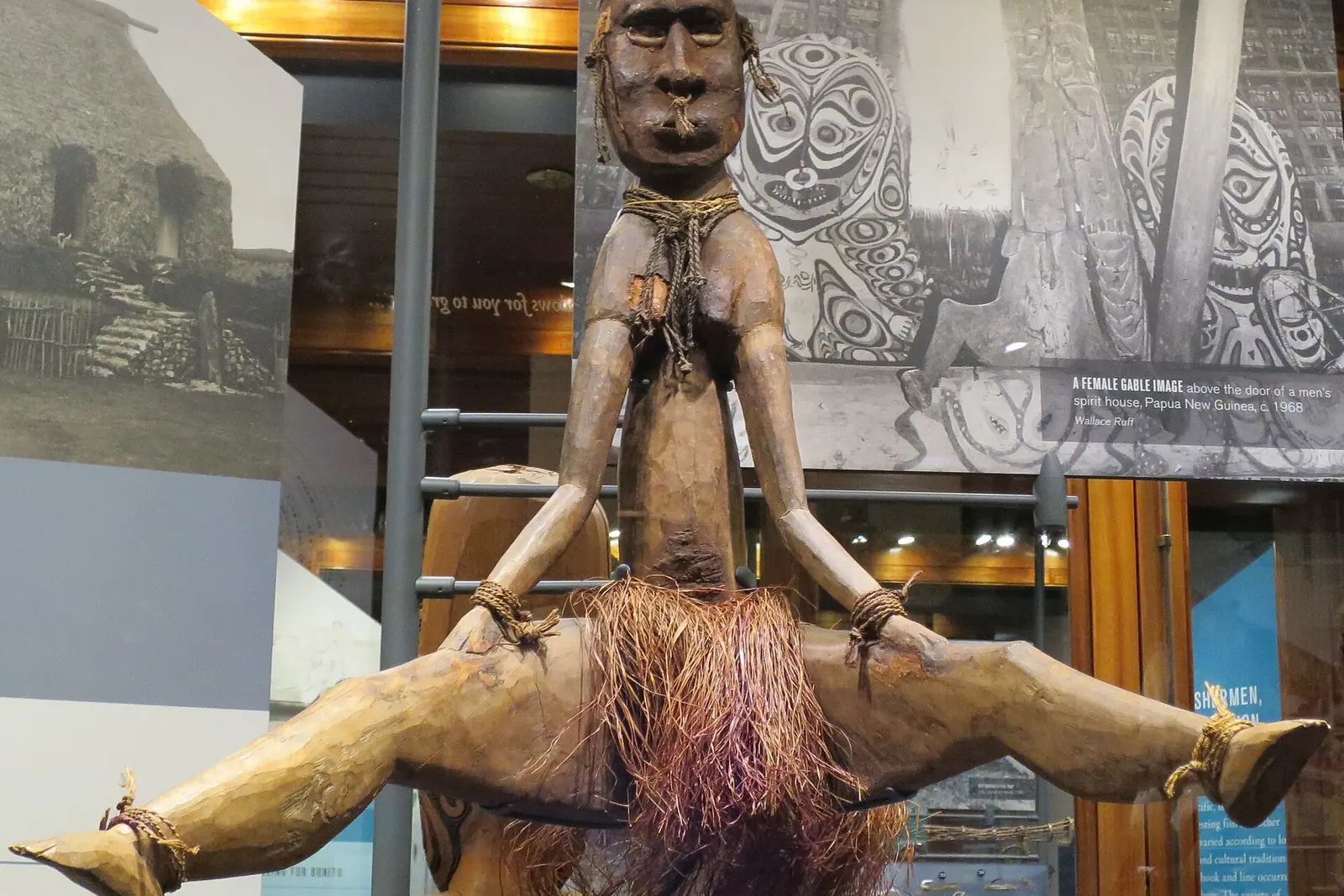
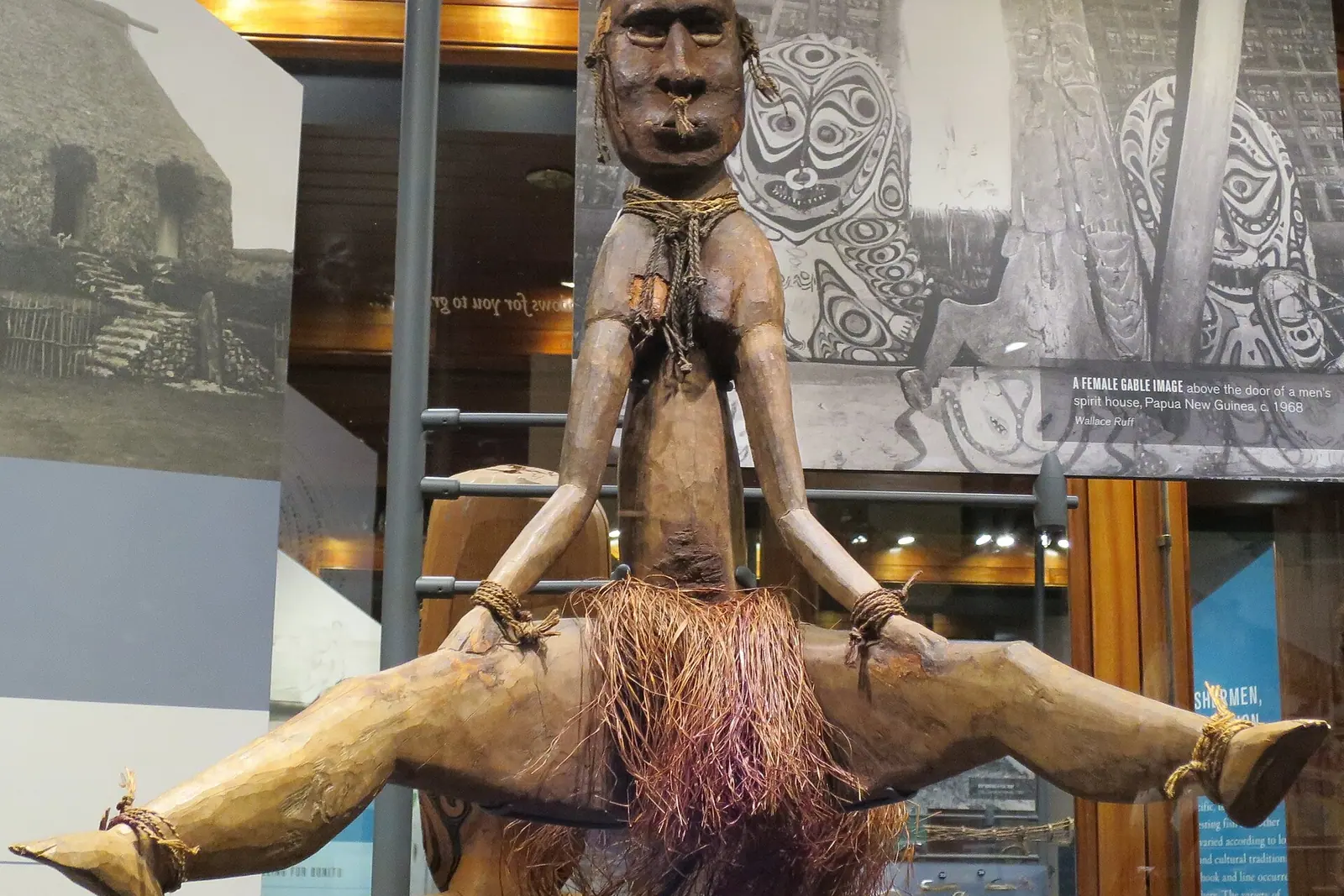
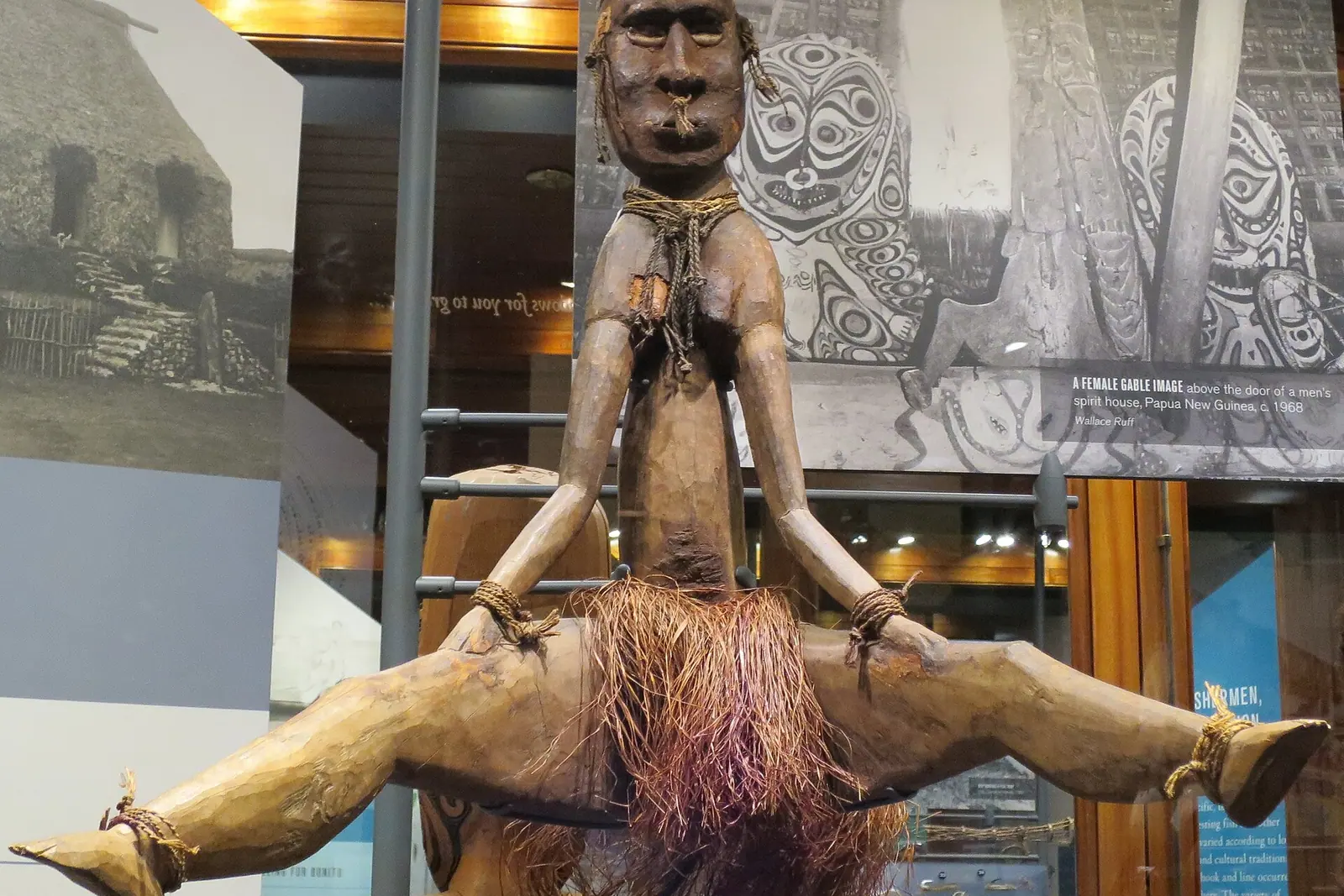
Papua New Guinea does not keep one travel season so much as a dozen of them, scattered across mountain ridges, river plains and reef-lined coasts. Choose your month badly and you will spend a fortnight under grey rain in a flooded valley; choose it well and you get glassy diving water, festival smoke rising over the Wahgi Valley, and birds of paradise displaying at dawn. This is how the calendar actually shapes a trip here, and when to reserve the handful of rooms worth having.
Papua New Guinea's Climate: Two Broad Seasons, Many Microclimates
Sitting just south of the equator, Papua New Guinea is hot and humid at sea level all year, with coastal temperatures typically between 26°C and 32°C and humidity that makes midday walking a slow business. The highlands are a different country entirely: towns such as Goroka and Mount Hagen sit at 1,500 to 1,700 metres, where days are pleasant and evenings can fall to 10–15°C, cold enough for a fleece on a Mount Wilhelm approach or an early-morning birding walk near Tari.
Broadly, the year splits into a wetter northwest monsoon period from roughly December to April and a drier southeast trade-wind period from May to October. That split is a guide, not a rule. Port Moresby is one of the driest capitals in the Pacific, with under a metre of rain a year and a genuine dry season from May to October. Madang, Wewak and Kavieng on the northern coast are far wetter. The Sepik plains swell and flood through the wet months, and the highlands get afternoon thunderstorms in every month of the year, usually rolling in after lunch and clearing by evening.
If you are planning one trip, the practical takeaway is simple: build your itinerary around the region rather than the country, and treat the May-to-October window as your default for trekking, river travel and highland road access.
The Dry Season, May to October: Papua New Guinea's Easiest Window
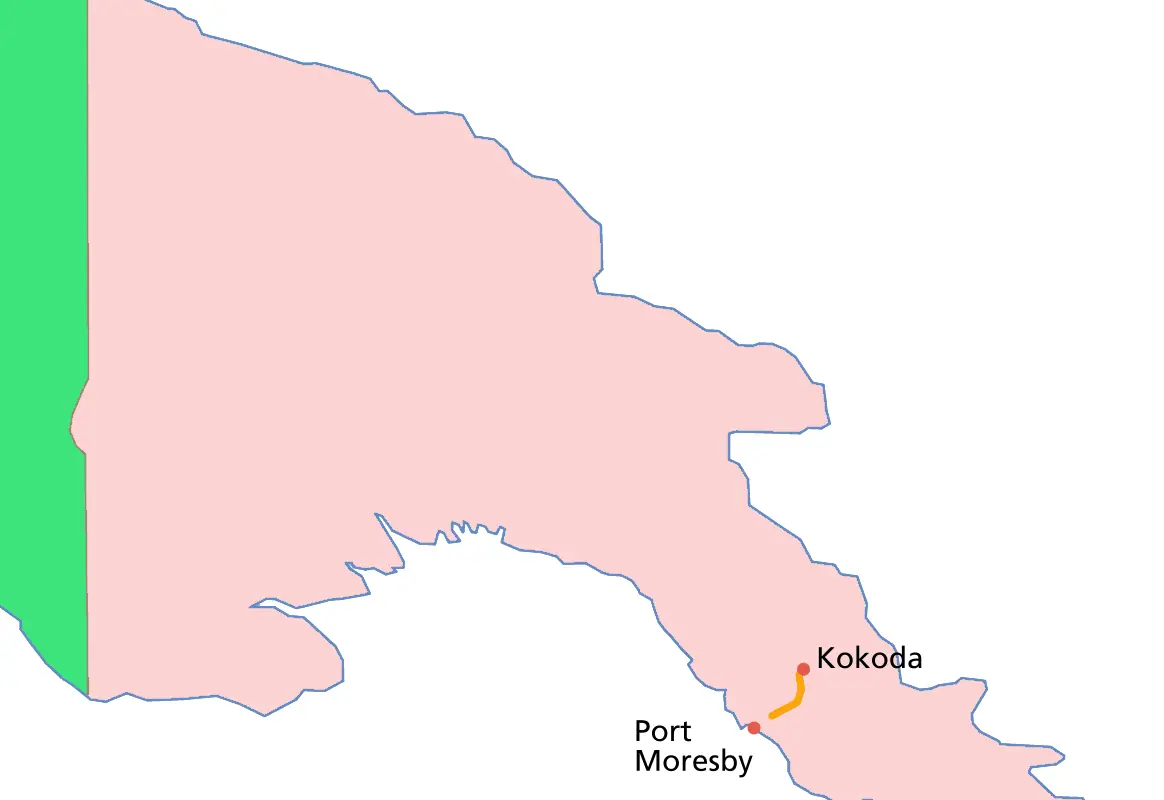
From May through October the southeast trades push cooler, drier air across much of the country. This is the season that makes the country's signature journeys possible: trekking the 96-kilometre Kokoda Track through the Owen Stanley Ranges, which most walkers complete in six to ten days and which is at its safest and most comfortable from about April to October; and climbing Mount Wilhelm, at 4,509 metres the highest peak in the country, usually a three-to-five-day return from the Keglsugl side with the best conditions between May and September.
It is also the season for the highlands in general. Roads between Goroka, Mount Hagen and the Wahgi Valley are more reliably passable, the Asaro Mudmen performances and village visits near Goroka run on a steadier schedule, and the light on the ridges is cleaner for photography. Further west, the Sepik becomes easier to navigate for multi-day river journeys between Pagwi, Angoram and Ambunti, when villages and haus tambaran (spirit houses) are more accessible and the current less punishing.
One caveat: the trade winds also bring the windiest months to parts of the southern Papuan coast and Milne Bay. If diving or snorkelling is your priority, you may prefer the calmer window on the other side of the calendar, described below. And note that Anzac Day in late April draws a surge of Kokoda trekkers, so permits, porters and trek lodges fill fast.
Festival Season: Highland Shows and Island Ceremonies
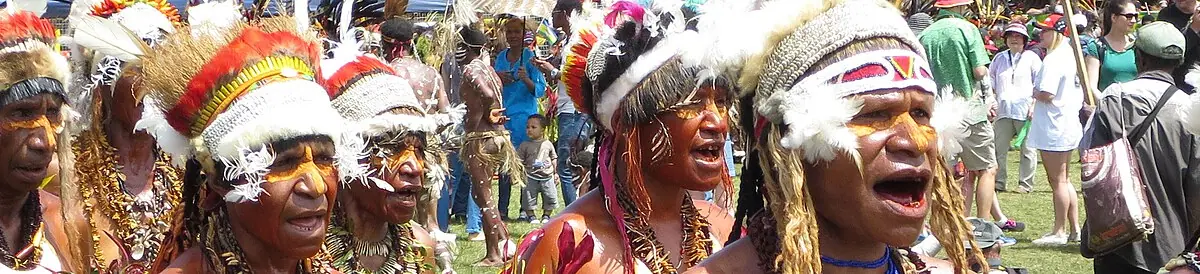
Papua New Guinea's cultural festivals are the single biggest reason many visitors pick a specific month, and they are worth planning around. The Mount Hagen Show, held in August, is the largest and most famous gathering of singsing groups from across the highlands, with hundreds of performers in bilum, kina shell and bird-of-paradise plumes. The Goroka Show follows in September, traditionally timed to the weekend closest to Independence Day on 16 September, and combines highland groups with coastal dance troupes. The Enga Cultural Show in Wabag also falls in August.
On the coasts and islands the calendar shifts. The National Mask Festival, also called the Warwagira, takes place in Kokopo and Rabaul in East New Britain in July, with the dramatic tubuan masked figures of the Tolai people. The Sepik River Crocodile Festival in Ambunti, usually in August, celebrates the crocodile-cult traditions of the Sepik with canoe races and skin-cutting ceremonies. In November, the Kenu and Kundu Festival brings war canoes and drumming to Alotau in Milne Bay, while the Hiri Moale Festival in Port Moresby in September re-enacts the ancient Motu trading voyages with lakatoi sailboats.
Two things matter practically. First, these events are short — usually two or three days — so arrive a day early and leave a buffer day after. Second, they empty every hotel, guesthouse and lodge within a hundred kilometres of the venue. Rooms near Mount Hagen, Goroka and Kokopo routinely sell out six to twelve months ahead for show weekends, and domestic flights to those towns become the hardest seats in the country.
Coasts, Reefs and Rivers: Timing the Water
Papua New Guinea sits inside the Coral Triangle, and its diving is the equal of anything in the region. Around Kimbe Bay in West New Britain, the fjord-like inlets of Tufi on the Oro coast, Kavieng in New Ireland and the islands of Milne Bay, the water stays warm at roughly 27–30°C year-round. The calmest, clearest conditions generally run from about October or November through to April or May, when the trade winds ease and visibility on the outer reefs improves. Water temperatures stay swimmable in every month, so the trade-off is wind and silt rather than cold.
The wet season, December to April, is not a write-off. Rain tends to arrive in intense afternoon downpours rather than all-day drizzle, rivers run high and dramatic, and inland landscapes turn a deep, saturated green. Several island dive resorts and smaller lodges shut for maintenance during the wettest weeks, though, so check opening dates before committing to a December or January crossing.
For river country, reverse the logic. The Sepik and its tributaries are most manageable for visitors in the drier months from about June to September, when village access is easier and longboat travel between Wewak, Angoram and Ambunti is less disrupted. In the floods of February and March the plains become an inland sea, which is spectacular from the air but awkward on the ground.
Where You'll Sleep: Lodges, Guesthouses and When to Book Them
Accommodation in Papua New Guinea is limited, and the calendar dictates how limited. Port Moresby has the country's largest concentration of international-standard hotels, clustered around Waigani, the waterfront and the airport road; business demand peaks midweek, so weekend rates in the capital are often softer. Book at least a few weeks out, and considerably earlier around Independence Day in mid-September and the Christmas and New Year period, when domestic flights and rooms across the country are at their tightest.
Outside the capital, capacity drops sharply. The highlands have only a small number of proper lodges, concentrated near Mount Hagen, Goroka and the Tari Gap, together perhaps a few dozen comfortable rooms across the whole region. Tari, the best base for bird-of-paradise viewing, is the most constrained of all, and its lodges fill for the August–October display season months in advance. Along the Sepik, travellers typically stay in simple guesthouses in Wewak, Ambunti or Angoram, or on river boats. On the islands, dive resorts in Kimbe Bay, Tufi, Kavieng and Milne Bay take small numbers of guests and often close during the wettest months.
A realistic rule: book festival weekends and Tari birding lodges six to twelve months ahead, highland lodges and island dive resorts three to six months ahead, and capital hotels two to four weeks ahead. For village guesthouses and homestays, arrange through a local operator well before you fly, and carry cash in kina, since card facilities outside the main towns are rare.
Must-See Landmarks and How the Seasons Shape Them
Papua New Guinea's headline sights are spread across a country the size of California with a road network that barely connects them, so the season you travel in determines which ones you can actually reach. The Kokoda Track and Mount Wilhelm belong to the May-to-October window. So does the Tari Gap in Hela Province, where the highest concentration of birds of paradise on earth stages dawn displays, and where the drier months give clearer mornings and better tracks. Near Port Moresby, Varirata National Park offers the country's most accessible birdwatching, including the Raggiana bird-of-paradise, best visited at first light during the dry months from May to October, along with the Sogeri plateau lookout over the coastal plain.
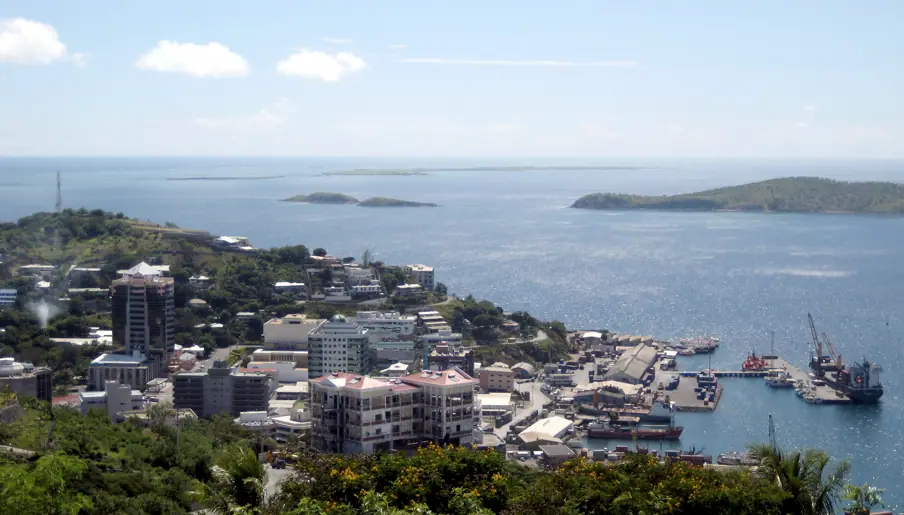
In the capital itself, the dry months are the comfortable time to walk between sights: the Sepik-inspired facade of Parliament Haus in Waigani, the National Museum and Art Gallery with its collections of Sepik carvings and highland shields, the war graves at Bomana War Cemetery, the stilt village of Hanuabada, and Ela Beach at sunset. Allow two or three days in Port Moresby at the start or end of any itinerary, because almost every domestic flight passes through it.
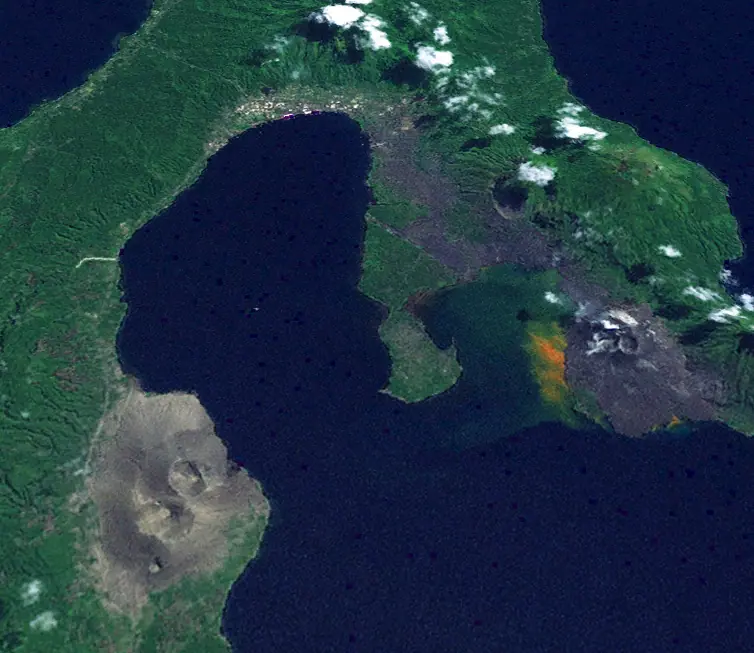
Further afield, Rabaul and neighbouring Kokopo in East New Britain are built around the still-active Mount Tavurvur, whose 1994 eruption buried much of the old town in ash; the volcano can be climbed, and the July mask festival is the liveliest time to be there. Other landmarks worth bending your dates for include Lake Kutubu in the Southern Highlands, the second-highest peak Mount Giluwe at 4,367 metres, the Asaro Mudmen villages near Goroka, the Baiyer River Sanctuary, Madang's Coastwatchers Memorial, the Duke of York Islands, and the Fly River town of Kiunga, a gateway to some of the wildest forest left in the Asia-Pacific. Plan on three weeks minimum if you want more than a snapshot of any of them.
Frequently asked questions
What is the best overall time to visit Papua New Guinea?
For most travellers, the dry season from May to October is the easiest window. Tackle the Kokoda Track or Mount Wilhelm only in these months, and expect better road access, clearer mornings for birdwatching and smoother Sepik River travel. If diving or snorkelling is the priority instead, aim for the calmer reef conditions from roughly October or November through to April or May.
How bad is the wet season in Papua New Guinea?
It is wet rather than unvisitable. From about December to April, expect intense afternoon downpours, humid heat at sea level, flooding on the Sepik plains and occasional landslides on highland roads. Some island dive resorts and smaller lodges close for maintenance during the wettest weeks, so confirm opening dates before booking. Rain tends to come in bursts, so early mornings are often clear.
When should I book hotels and lodges in Papua New Guinea?
Book festival weekends near Mount Hagen, Goroka and Kokopo six to twelve months ahead, since those towns have very few rooms. Birding lodges around the Tari Gap also fill early for the August to October display season. Highland lodges and island dive resorts are best reserved three to six months out, while capital hotels can usually be arranged two to four weeks ahead — except around Independence Day in mid-September and the Christmas period.
When is the best time to see birds of paradise?
The highland display season peaks from about August to October, when males gather at traditional leks at dawn in places like the Tari Gap. Birds also display in the April to June period. Near Port Moresby, Varirata National Park is the most accessible option and is best visited at first light in the drier months from May to October.
How much time do I need, and when should I avoid travelling?
Three weeks is a sensible minimum if you want the highlands, a coast and the Sepik in one trip, since domestic flights go through Port Moresby and connections are rarely same-day. Allow two or three days in the capital itself. Avoid committing to tight onward flights in February and March if your itinerary includes river or remote highland travel, as weather delays are common then.
Plan it — hotels in Papua New Guinea
Live search, booked directly with trusted providers.
Sort the rest of your trip
Everything for Papua New Guinea, in one place
Transfer in Papua New Guinea
Private driver waiting on arrival — no queues, no surprises.
Book a transfer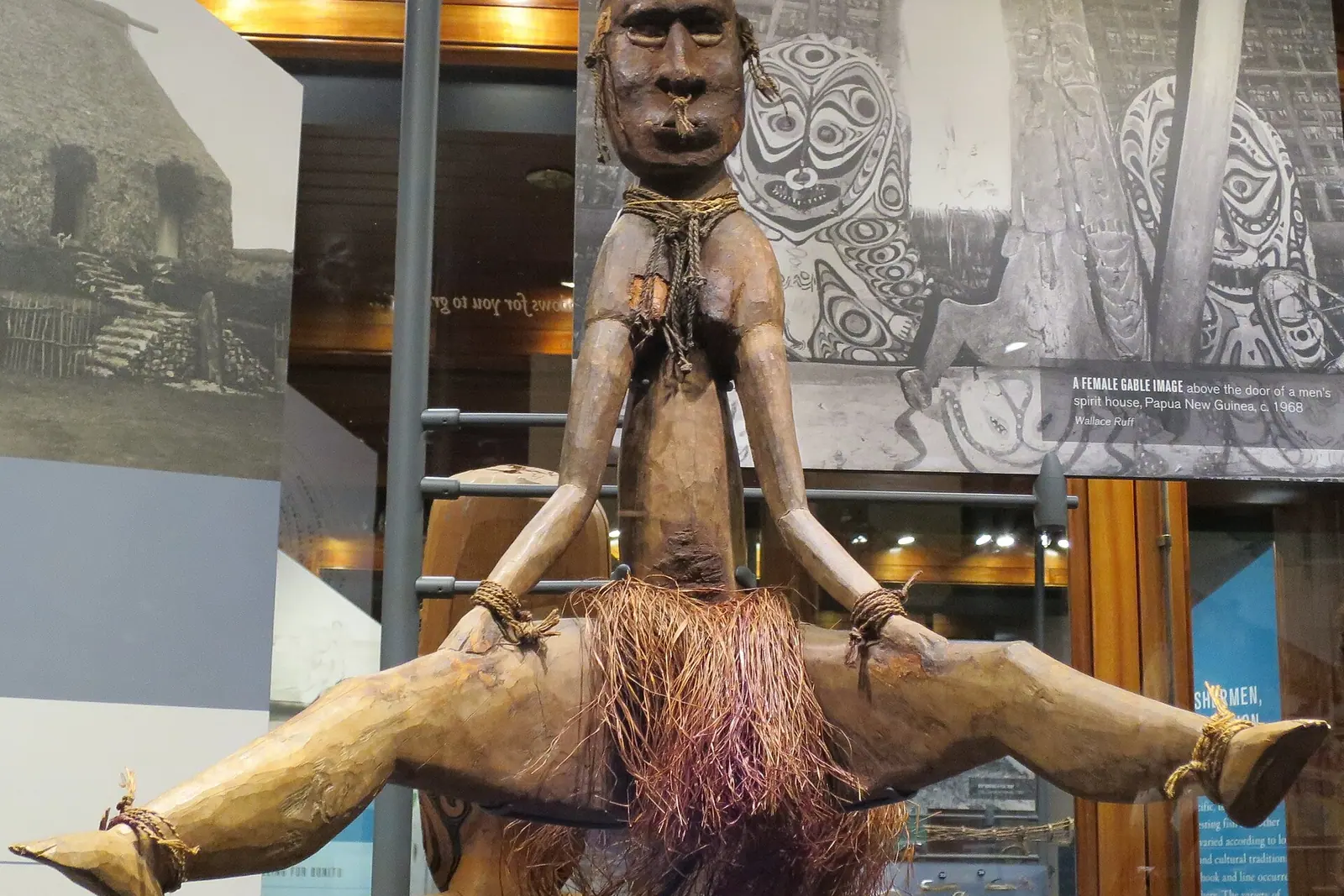
Things to do in Papua New Guinea
Skip-the-line tickets, guided tours and standout experiences.
See experiences
Stay online in Papua New Guinea
Travel eSIM — data the moment you land, no roaming bills.
Get an eSIM