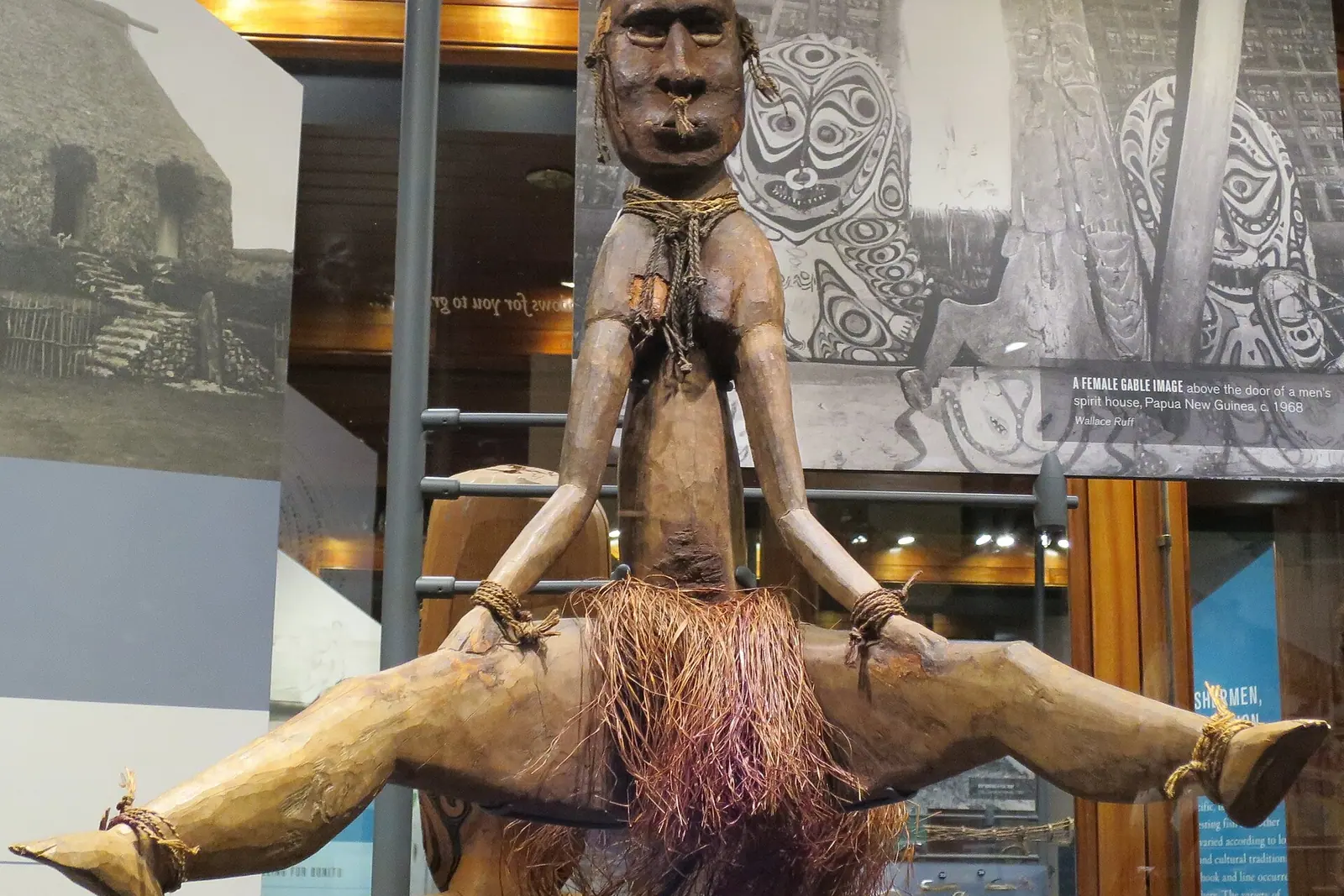
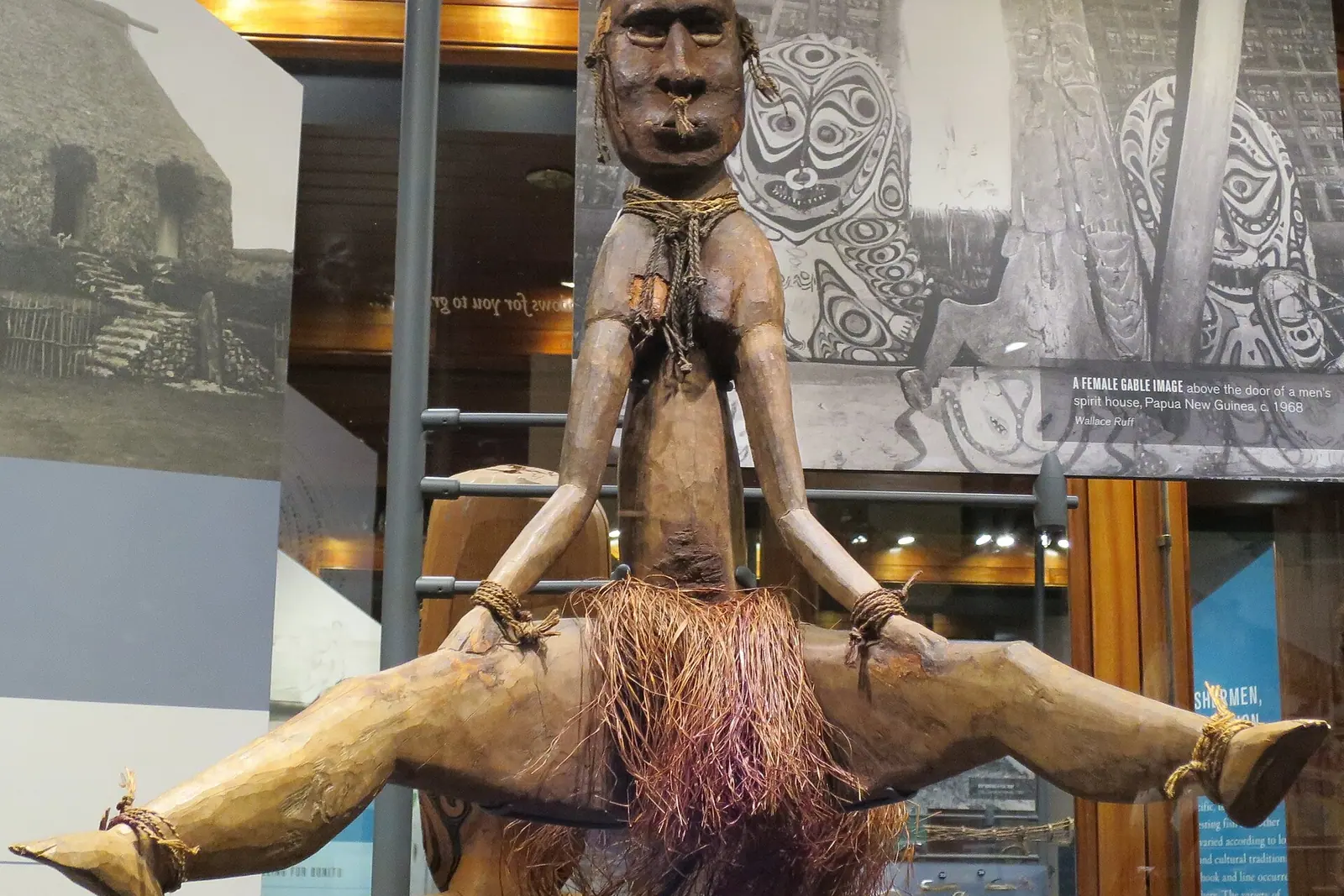
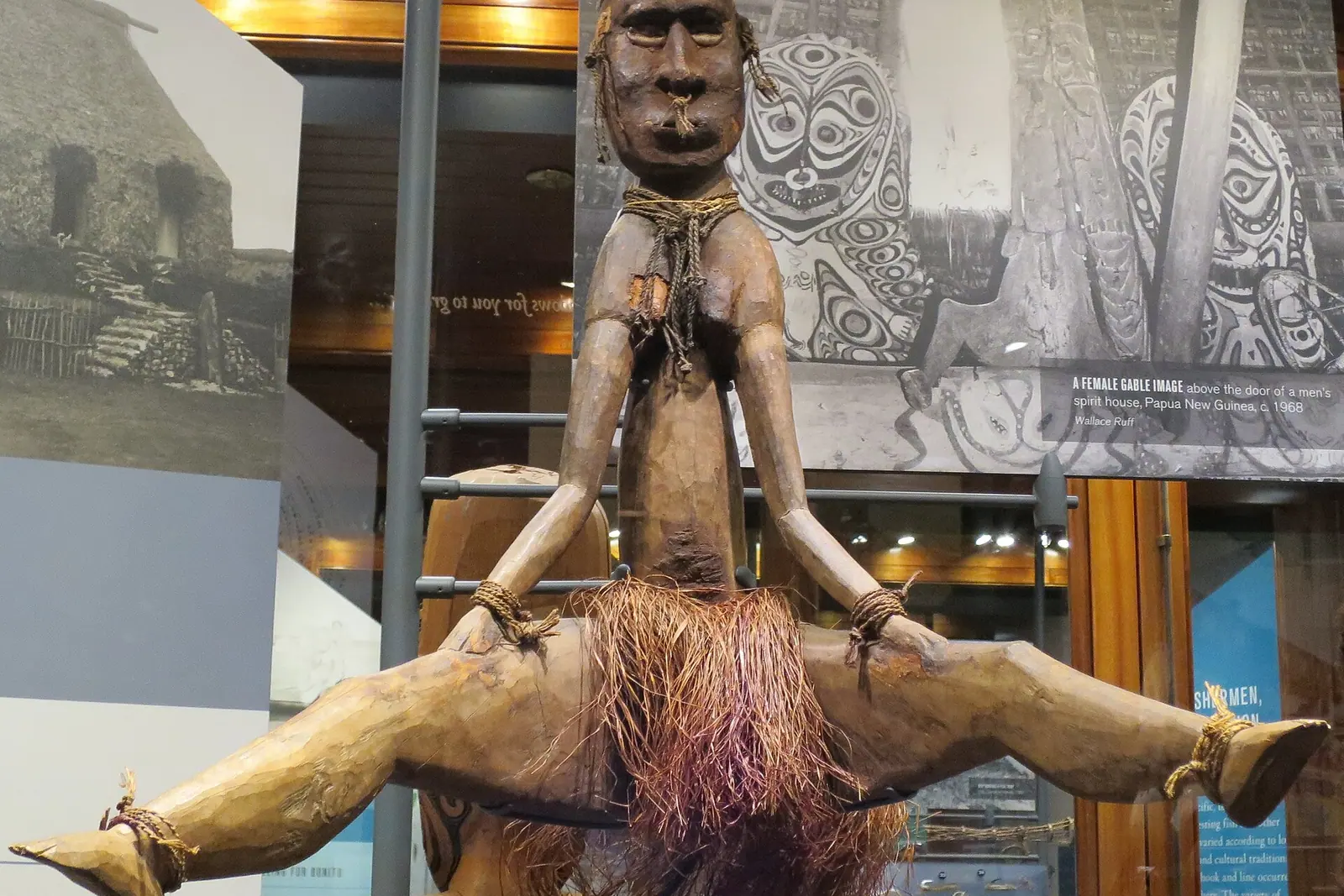
Papua New Guinea is not a place you see from a bus window — it is a place you are invited into, usually over a plate of kaukau pulled steaming from an earth oven. With more than 800 languages and a festival calendar built around singsing, masks and carved canoes, this is one of the last countries where culture is lived daily rather than staged for visitors.
Eating Papua New Guinea: The Mumu, the Market and the Sweet Potato
The centrepiece of any celebration here is the mumu, an earth oven of heated stones lined with banana leaves. Pork, chicken, sweet potato (kaukau), taro, yam and leafy greens such as aibika are layered in, covered with more leaves and soil, and left to steam for hours. You will meet it at bride-price ceremonies, church feasts, village fundraisers and the occasional lodge dinner — smoky, faintly sweet and utterly unlike anything cooked on a stove. If a family invites you to a mumu, say yes; the meal usually comes wrapped in hours of storytelling and a little singing.
Day to day, the staple shifts with altitude. In the Highlands, kaukau dominates — boiled, roasted in embers, or mashed with greens — supplemented by peanuts, pitpit, corn and passionfruit. Along the Sepik and in the lowland swamps, sago is king: the pith of the sago palm is pounded, washed and turned into dense pancakes or jelly-like dumplings eaten with fish. Coastal and island kitchens lean on the reef — grilled snapper, mud crab, prawns, breadfruit, coconut and lime. Look for kokoda, cubes of raw reef fish marinated in lime juice and coconut cream, which is the dish most travellers end up craving on the flight home.
Markets are the best introduction to all of this. The sprawling produce market in Mount Hagen and the Goroka market in the Eastern Highlands are spectacular: mountains of sweet potato, piles of shelled peanuts, sugarcane, pineapples and bundles of greens, plus women selling cooked food from blackened saucepans. You will also see buai — betel nut chewed with mustard and lime — and the red spittle it leaves on pavements. Highland coffee is grown on smallholder plots around Goroka, the Waghi Valley and Mount Hagen, and a cup in a Port Moresby café often comes with tasting notes of dark chocolate and citrus. Drink boiled or bottled water everywhere, and carry small notes: change is scarce outside the cities.
Highlands Festivals: Culture You Are Actually Part Of
The Highlands are where Papua New Guinea's most famous cultural gatherings happen, and they are not museums. The Mount Hagen Show, held over a weekend in August, fills a showground with dozens of singsing groups: dancers in bird-of-paradise plumes and cassowary quills, faces painted ochre and charcoal, kundu drums beating out different rhythms from different valleys. Neighbouring groups compete, meet and trade, and outsiders are welcome to watch — though the real magic happens in the camps around the edges, where families cook, reapply paint and rehearse through the night.
A few weeks later, the Goroka Show takes over the Eastern Highlands, usually timed around Independence Day in mid-September. It is the longest-running cultural gathering in the country and draws hundreds of groups, from the Asaro Mudmen — whose legend tells of warriors emerging from the Asaro River coated in grey clay, wearing fearsome elongated masks — to Highlanders in towering headdresses. Book accommodation months in advance; Goroka's guesthouses and lodges fill up, and many visitors end up staying in nearby villages, which is often the richer experience.
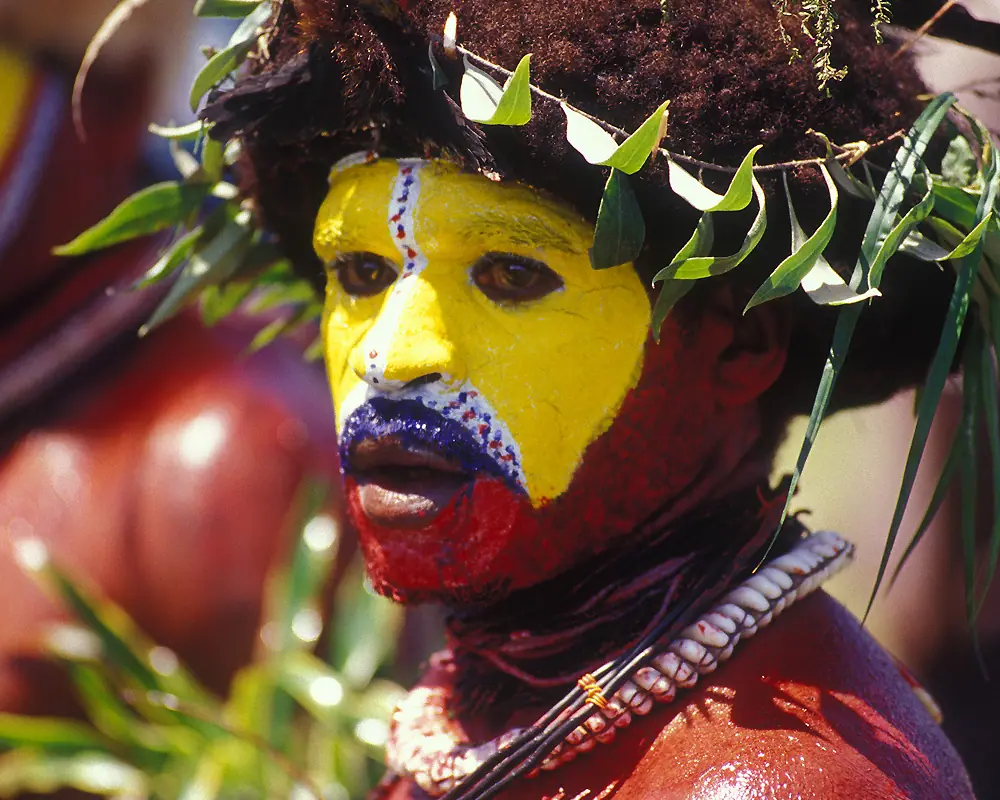
Further west lies Tari and the Tari Valley in Hela Province, home of the Huli wigmen, whose yellow-clay faces and woven, cassowary-plumed wigs are among the most photographed images in the Pacific. Bachelor initiates grow and shape their hair in ritual seclusion, then have it cut and woven into a manda wig. Visiting Tari usually means a lodge or village stay, a guided walk to a singsing ground, and cold, misty mornings at 1,600 metres — pack fleece even though you are near the equator. Photography here is a negotiation, not a right: always ask, and always accept a no.
The Sepik River and the Trobriand Islands: Canoes, Carvings and Ceremony
The Sepik River is the country's great artistic artery. Villages along its slow, brown bends raise haus tambaran — tall spirit houses with carved lintels, painted gables and sacred objects inside — and the best-known examples cluster around Kanganaman, Korogo and Ambunti. Carving is a living trade: crocodile-headed stools, masks, storyboards and canoe prows sold directly by the men who made them, with the proceeds going to family obligations rather than a shopfront. August brings the Crocodile Festival at Ambunti, a celebration of the river's totemic reptile with canoe races, flute music and initiation re-enactments, and the dry-season months from June to September are the easiest for river travel by motorised dugout.
Far to the southeast, the Trobriand Islands run on an entirely different rhythm, organised around yams and the Kula exchange network that links island communities across the Solomon Sea. Elaborately thatched yam houses, called bwaima, rise above the villages, and the milamala harvest season brings dancing, feasting and gifts of yams between clans. On Kiriwina and Kitava you will find white sand, coral gardens and a relaxed, curious welcome — village stays are the norm and usually arranged through local hosts rather than hotels.
Milne Bay, at the country's southeastern tip, is another cultural stronghold. Alotau hosts the Kenu and Kundu Festival each November, when sailing canoes from surrounding islands race into the bay and dancers fill the showground. Further east, the fjord-like inlets around Tufi are home to some of the finest tapa cloth in the Pacific, painted with geometric designs passed down through generations. Watching a woman beat bark into cloth, then being offered a piece to buy, is one of the most quietly memorable hours you can spend in the country.
Port Moresby and the South Coast: Museums, Stilt Villages and the Kokoda Track
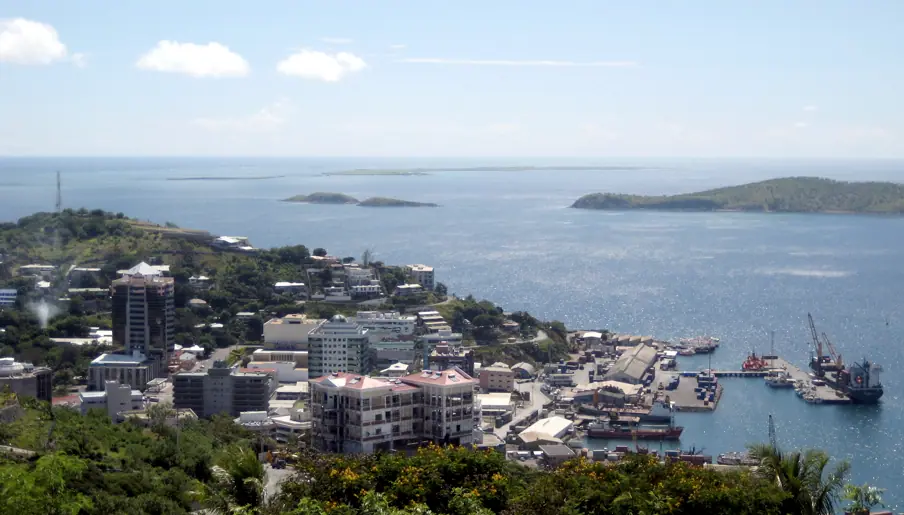
Most journeys begin in Port Moresby, a city that rewards a day or two of patience and planning. The National Museum and Art Gallery holds one of the Pacific's most important collections of masks, shields, canoe prows and contemporary Melanesian art, while Parliament Haus in Waigani is worth a look for its striking mosaic facade, which borrows motifs from every province. Down on the harbour, Hanuabada is a stilt village built over the water on timber poles, home to the Motu-Koitabu people and a reminder that the capital was a fishing settlement long before it was a city.
The south coast's calendar peaks in September with the Hiri Moale festival, when large lagatoi sailing canoes arrive at Ela Beach to commemorate the old Motu trading voyages west in search of sago. Craft sellers line the beach, and the dancing and canoe racing make it one of the most accessible cultural events for a first-time visitor. Inland, Varirata National Park on the Sogeri plateau offers walking trails, lookout points over the coastal plain and a genuine chance of spotting the Raggiana bird-of-paradise, the country's national emblem.
South of the city, the Kokoda Track begins at Owers' Corner and winds roughly 96 kilometres over the Owen Stanley Range to the northern coast, taking most walkers eight to ten days. It is a physically serious trek through mossy rainforest, steep ridges and village lands, and it is done with licensed local guides — porters, cooks and carriers from the villages along the way are part of the experience, not just the logistics. Combine it with a visit to Bomana War Cemetery, where rows of white headstones sit in immaculate gardens, for context before or after the walk.
Volcanoes, Masks and Reefs: New Britain, Madang and the Islands
East New Britain is the country's most dramatic landscape. Rabaul sits on the rim of Blanche Bay beneath Tavurvur, a live cone that buried much of the old town in ash during the 1994 eruptions; the drive through the ash-buried streets, with volcanoes smoking across the water, is unforgettable. Nearby Kokopo is now the regional hub and hosts the National Mask Festival each July, where tubuan dancers in towering leaf-and-cloth masks perform, followed by the Baining fire dance — men in huge bark-cloth headpieces dancing through glowing embers at night. Bring a fast lens, low-light settings and a tolerance for ash in your shoes.
Diving here is world class and mostly done in the dry months from April to October. Kimbe Bay on New Britain's north coast sits inside the Coral Triangle, with seamounts, coral gardens and reef fish in absurd numbers, while the Duke of York Islands offer gentler snorkelling and village stays. Madang, on the mainland's north coast, is a pretty colonial-era town with a barrier reef offshore and islands such as Krangket just a short boat ride away.
Each region's culture shows up in its food and craft as much as its festivals. In Madang and Wewak, look for haus win — simple open-sided eateries serving grilled fish, sago pancakes and cold drinks. In the Sepik and on New Britain, carvings are still made with stone tools in some villages, and tapa cloth, bilum string bags and woven baskets come with stories about which clan owns the design. Buy from the maker where you can, and avoid anything made from bird-of-paradise plumes or protected species; carrying those items across borders is illegal.
Practical Culture: When to Go, How to Move and How to Behave
The dry season from May to October is the best window for festivals, trekking and diving, though it rains year-round somewhere. The Highlands are cool and misty, with cold nights above 1,500 metres; the Sepik and Gulf lowlands are hot and humid, best from June to September; the islands are warm and humid with afternoon showers. Domestic flights connect Port Moresby with Mount Hagen, Goroka, Tari, Wewak, Madang, Rabaul and Alotau, but schedules change, weather delays are common and roads outside the main centres are slow and sometimes impassable. Build buffer days into any itinerary and don't plan tight connections.
Accommodation ranges from international-standard hotels in Port Moresby and Kokopo to modest guesthouses, mission rest houses and village stays arranged through local hosts. Outside the cities, cash in kina is essential — ATMs are scarce and cards often aren't accepted — and prices for transport, guides and permits are high by regional standards, so budget generously. Malaria is present in lowland and coastal areas, so take prophylaxis, use repellent and sleep under a net; boil or bottle your water and be careful with salads and ice away from towns.
Culturally, the guiding principle is the wantok system: obligations to family and clan shape how business, land and hospitality work, and a visitor who understands that gets far. Greet people properly, speak softly, dress modestly in villages, and never photograph someone without asking first — a small payment or a purchase is often the polite exchange. Some haus tambaran are sacred and closed to outsiders, or closed to women, and refusals should be respected without argument. Learning a few words of Tok Pisin helps enormously: "gutpela moning" for good morning, "tenkyu" for thank you, and plenty of smiling.
Frequently asked questions
When is the best time to visit Papua New Guinea for festivals?
Aim for the dry season between May and October. The National Mask Festival in Kokopo falls in July, the Mount Hagen Show is in August, the Goroka Show is usually mid-September around Independence Day, the Crocodile Festival at Ambunti is in August, and the Hiri Moale festival in Port Moresby is in September. The Kenu and Kundu Festival in Alotau comes around in November, at the start of the wetter months.
What food should I try in Papua New Guinea?
Start with a mumu — pork, chicken, kaukau and greens slow-steamed on hot stones under banana leaves — then try kokoda, raw reef fish cured in lime and coconut cream. In the Highlands, eat roasted sweet potato and drink locally grown coffee; along the Sepik, try sago pancakes with fresh fish. Market stalls in Mount Hagen and Goroka are the cheapest, most authentic introduction, but stick to boiled or bottled water and freshly cooked food.
Is Papua New Guinea safe for travellers?
Parts of Port Moresby and a few other towns have high rates of theft and violent crime, and travel is best done with local guides, arranged transfers and daylight movement rather than walking at night. Tourist areas such as the Highlands showgrounds, Sepik lodges, Tari, Kimbe Bay and the islands are generally calm, but tribal tensions can flare without warning. Check current advice, keep valuables out of sight, and let your hosts set the pace.
How long do I need in Papua New Guinea?
Ten to fourteen days is a realistic first trip: two or three nights in Port Moresby, a Highland festival or a few days in the Tari Valley, and either a Sepik River or island extension. The Kokoda Track alone takes eight to ten days of walking plus rest and travel days, so allow three weeks if you want to combine it with a festival. Flights between provinces are short but delays are common, so always keep a spare day.
How do I visit a village respectfully?
Arrange visits in advance through a local guesthouse, lodge or guide, so the community knows you are coming and a fair payment is agreed. Ask before taking photographs of people, carvings or ceremonies, dress modestly, don't hand money to children, and never enter a haus tambaran or ceremonial ground without an invitation. Buying carvings, bilum bags and tapa cloth directly from the maker is the single best way to put money into the community.
Plan it — tours in Papua New Guinea
Live search, booked directly with trusted providers.
Sort the rest of your trip
Everything for Papua New Guinea, in one place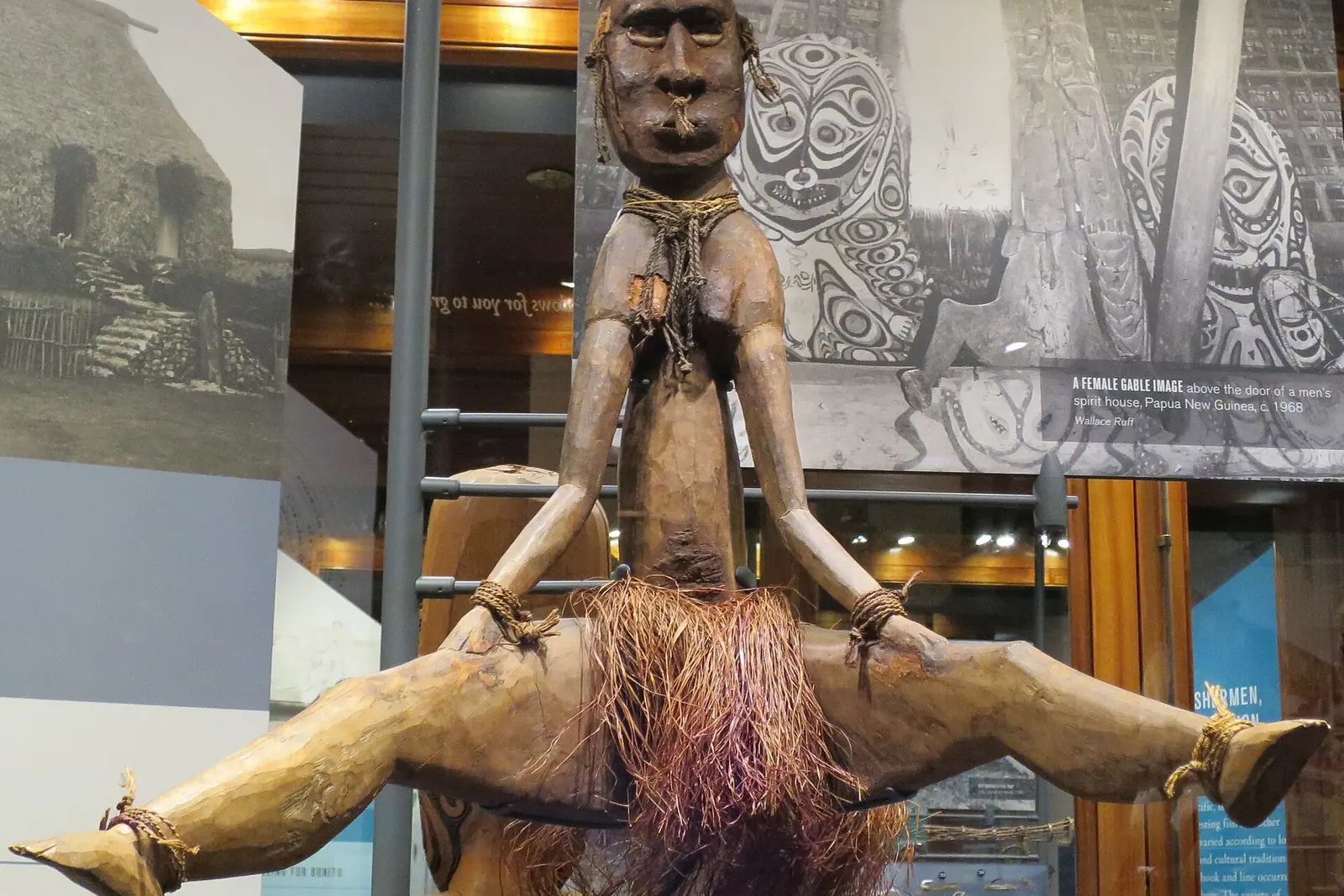
Stay in Papua New Guinea
Hotels, guesthouses and apartments — compared in one search.
Search hotels
Transfer in Papua New Guinea
Private driver waiting on arrival — no queues, no surprises.
Book a transfer
Stay online in Papua New Guinea
Travel eSIM — data the moment you land, no roaming bills.
Get an eSIM