Few places on earth compress so much human history into so small a space. In Palestine you can stand in a 2,000-year-old church at dawn, eat kunafa in a medieval souq by noon, and watch the sun drop behind desert monasteries by evening — all within a couple of hours' drive. This guide walks you through the landmarks that genuinely matter and the practical details that make a visit work.
Jerusalem's Old City: Four Quarters, Three Faiths, One Square Kilometre
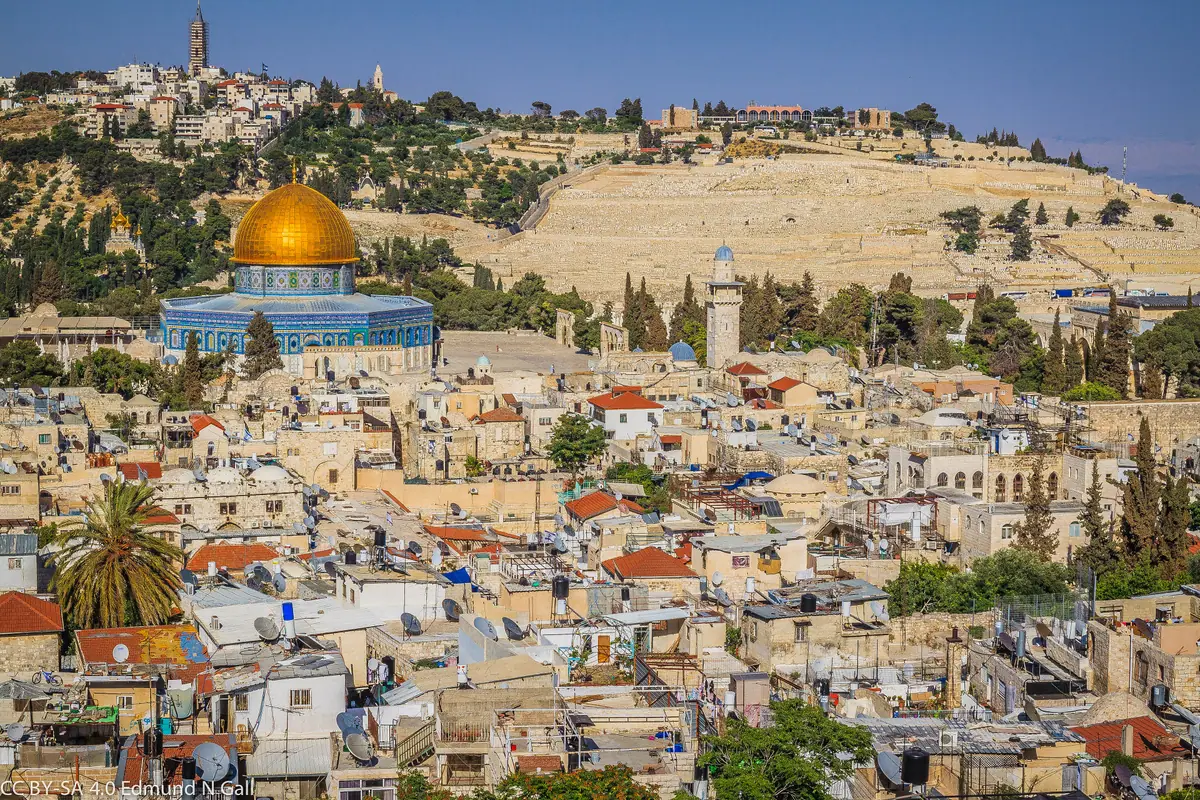
Everything begins inside the walled Old City, a dense grid of limestone alleys split into Muslim, Christian, Armenian and Jewish quarters. The single most recognisable sight is the Dome of the Rock, its gold-plated dome and blue-tiled octagon sitting on the Haram al-Sharif esplanade beside the silver-domed Al-Aqsa Mosque — one of the oldest mosques on earth. Non-Muslim visitors can usually enter the esplanade through the Mughrabi Bridge on limited morning hours (closed Fridays and during Muslim holidays), and conservative dress is expected everywhere on the plateau. Just below it, the Western Wall draws a constant stream of worshippers who tuck handwritten prayers between the ancient Herodian stones; men and women pray in separate sections, and heads should be covered.
A ten-minute walk through the souq brings you to the Church of the Holy Sepulchre, built over the sites venerated as Golgotha and the tomb of Jesus. Six Christian denominations share the building under a famously delicate status quo, and the keys have been held by the same Muslim family for centuries. Climb the steep stairs to the crucifixion chapel, touch the Stone of Anointing near the entrance, and queue for the Edicule if you want to enter the tomb itself. Go at 6am or after 5pm to avoid the worst of the crowds, and allow at least an hour — two if you want to linger.
The Via Dolorosa, the traditional route of the Stations of the Cross, threads west from the Lion's Gate through the Muslim and Christian quarters, passing the Pool of Bethesda and the Crusader-era Church of St. Anne before finishing inside the Holy Sepulchre. Walk it early on a Friday, when processions form, or midweek when the lanes are quieter. Finish with the Ramparts Walk, which lets you trace the top of the city walls from Jaffa Gate to Damascus Gate, and a look at the Tower of David's citadel museum near Jaffa Gate. Old City shops close from Friday afternoon until Saturday evening for the Sabbath, and everything shuts for Ramadan daytime hours in the Muslim quarter, so plan your meals accordingly.
The Mount of Olives, Gethsemane and Mount Zion
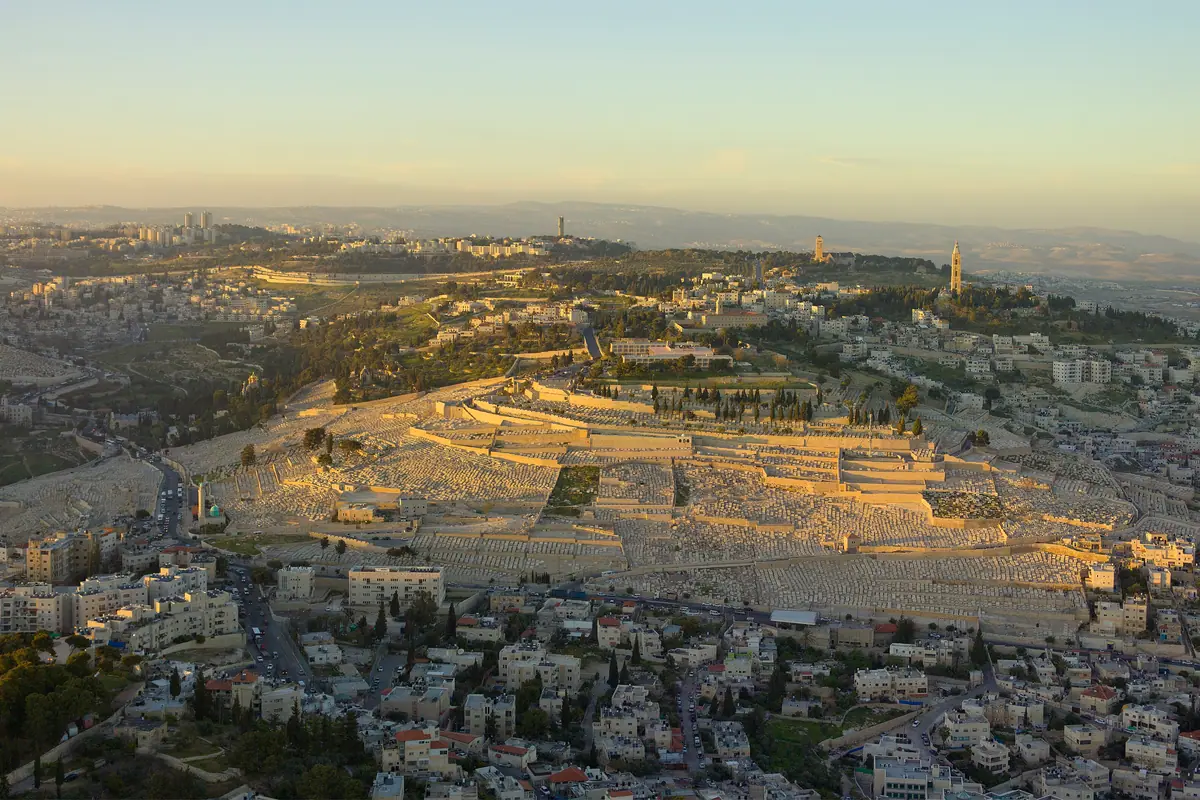
Across the Kidron Valley from the city walls, the Mount of Olives offers the classic panorama of Jerusalem — and a chain of sites that most visitors race through too quickly. At its foot lies the Garden of Gethsemane, where gnarled olive trees, some reckoned to be over a thousand years old, shade the Church of All Nations and the exposed slab of rock known as the Rock of Agony. Climb the slope to Dominus Flevit, a chapel shaped like a teardrop with a window framing the Old City, then continue to the Russian Orthodox Church of Mary Magdalene with its seven golden onion domes, and the Pater Noster church with its tiled Lord's Prayer cloister.
The walk down is best done in the late afternoon, when the light turns the limestone honey-coloured and the tour groups thin out. Mornings are cooler and better for photography if you want the Dome of the Rock lit from the east. Sturdy shoes matter: the path is steep, uneven and slippery after rain, and the cemetery terraces below the Church of the Ascension are not for flip-flops.
On the other side of the valley, Mount Zion holds the Dormition Abbey with its striking crypt, the Cenacle (Room of the Last Supper), the traditional Tomb of King David and the Church of St. Peter in Gallicantu, built over the courtyard where Peter is said to have denied Christ three times. The whole loop — Gethsemane, the summit, Mount Zion and back through the Zion Gate into the Armenian quarter — is comfortably done in half a day, with a stop for coffee in the Armenian quarter's quieter lanes.
Bethlehem: The Church of the Nativity and the Shepherds' Fields
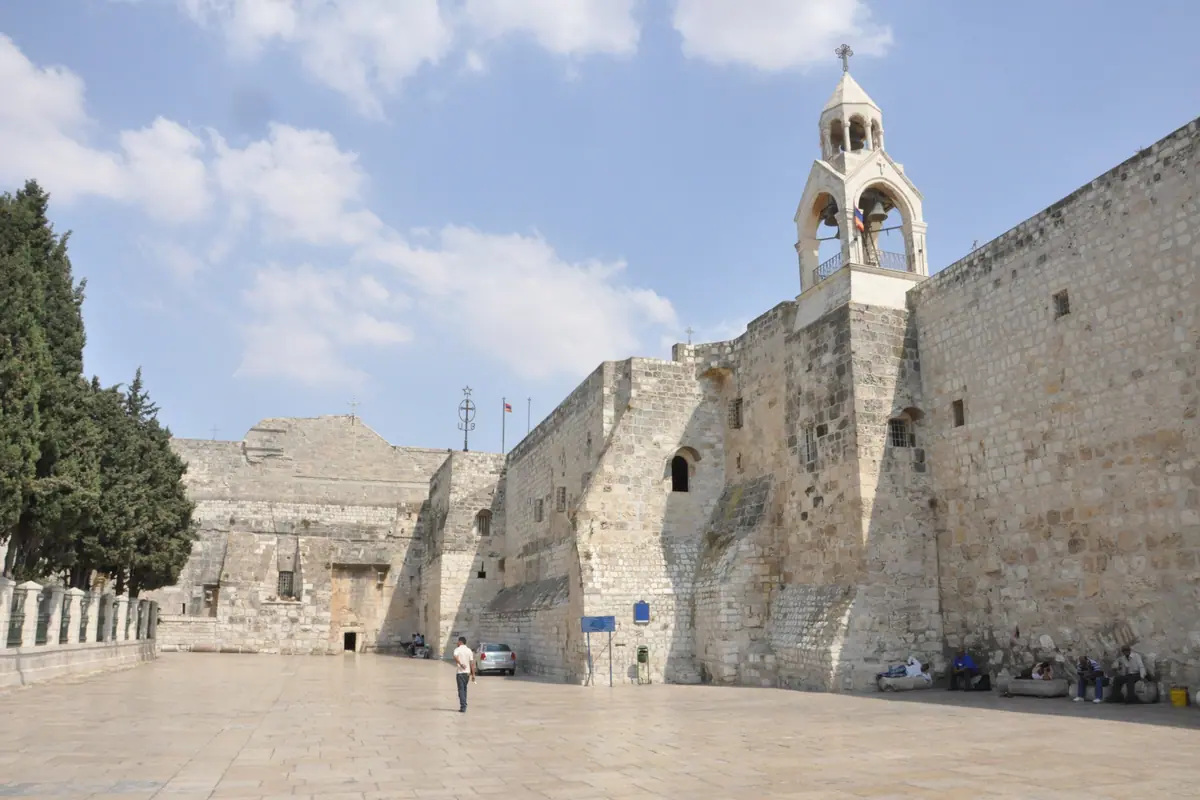
Twenty minutes south of Jerusalem, Bethlehem's Manger Square is dominated by the Church of the Nativity, the oldest continuously used church in the Holy Land. You enter through the Door of Humility, a doorway deliberately lowered centuries ago, and descend into the Grotto of the Nativity, where a silver star marks the traditional birthplace. The adjoining St. Catherine's Church is where the Latin Christmas Eve service is broadcast, and the neighbouring Milk Grotto and St. Jerome's caves fill out an easy morning. Line up early: by 10am the grotto queue can stretch well over an hour, and it is worth arriving at opening time.
Christmas in Bethlehem happens twice — 25 December for the Western churches and 7 January for the Orthodox. Both bring processions, scouts' marching bands and packed squares; book accommodation months ahead if you want to be there. Outside December, the town is calm, and the surrounding hills are best in spring, when the terraces below Beit Sahour turn green.
In nearby Beit Sahour, the Shepherds' Field sanctuaries — one Greek Orthodox, one Franciscan — mark the traditional site of the angelic announcement, and both are quiet, contemplative stops that most day-trippers skip. Bethlehem is also the place for olive-wood carving and mother-of-pearl crafts; workshops around Star Street will show you the work in progress, and prices are far better than in Jerusalem's tourist souqs. Give the town a full day rather than an afternoon, and add the street art on the separation wall near the northern checkpoint if you want to understand the modern city as well as the ancient one.
Jericho and the Jordan Valley: The Oldest City on Earth
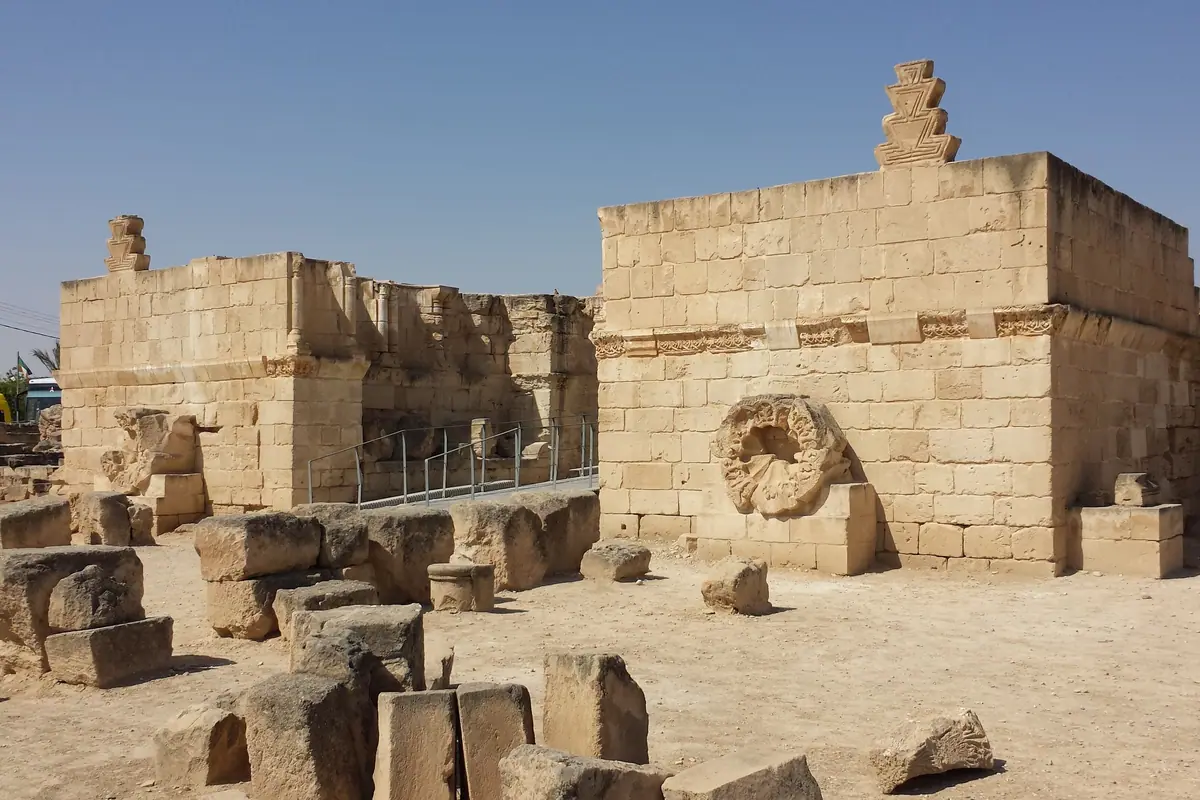
Drop 1,200 metres from the Judean hills and you reach Jericho, sitting in a valley that bakes at over 40°C in summer and stays mild enough for T-shirts in January. Tell es-Sultan, the ancient mound just outside town, has layers of settlement going back roughly 10,000 years and was inscribed as a World Heritage site in 2023 — a genuinely astonishing place to stand, with a spring, Ain es-Sultan, that has never stopped flowing. Nearby, Hisham's Palace is an eighth-century Umayyad ruin whose highlight is the extraordinary Tree of Life mosaic, a floor panel of a lion and gazelles beneath a pomegranate tree that survives in near-perfect condition.
Above the town, the Mount of Temptation rises sheer from the valley floor, crowned by a Greek Orthodox monastery carved into the cliff. A cable car runs up from the base if you don't fancy the hour-long switchback climb; either way, the view across the Jordan Valley to the mountains of Moab is the reward. Continue downhill to the Dead Sea shore, the lowest land on earth at roughly 430 metres below sea level, where a handful of simple beaches let you float in water so salty nothing lives in it.
Winter and early spring are the seasons for this region — December to March is ideal, with daytime temperatures around 18–22°C and clear skies. Bring more water than you think you need, cover up against the sun, and don't shave before swimming in the Dead Sea; the salt sting is memorable for all the wrong reasons. The shrine of Nabi Musa, halfway between Jericho and Jerusalem, makes a worthwhile stop during its annual spring pilgrimage, and the desert road back climbs through some genuinely dramatic wadi scenery.
Hebron, Nablus and the Central Highlands
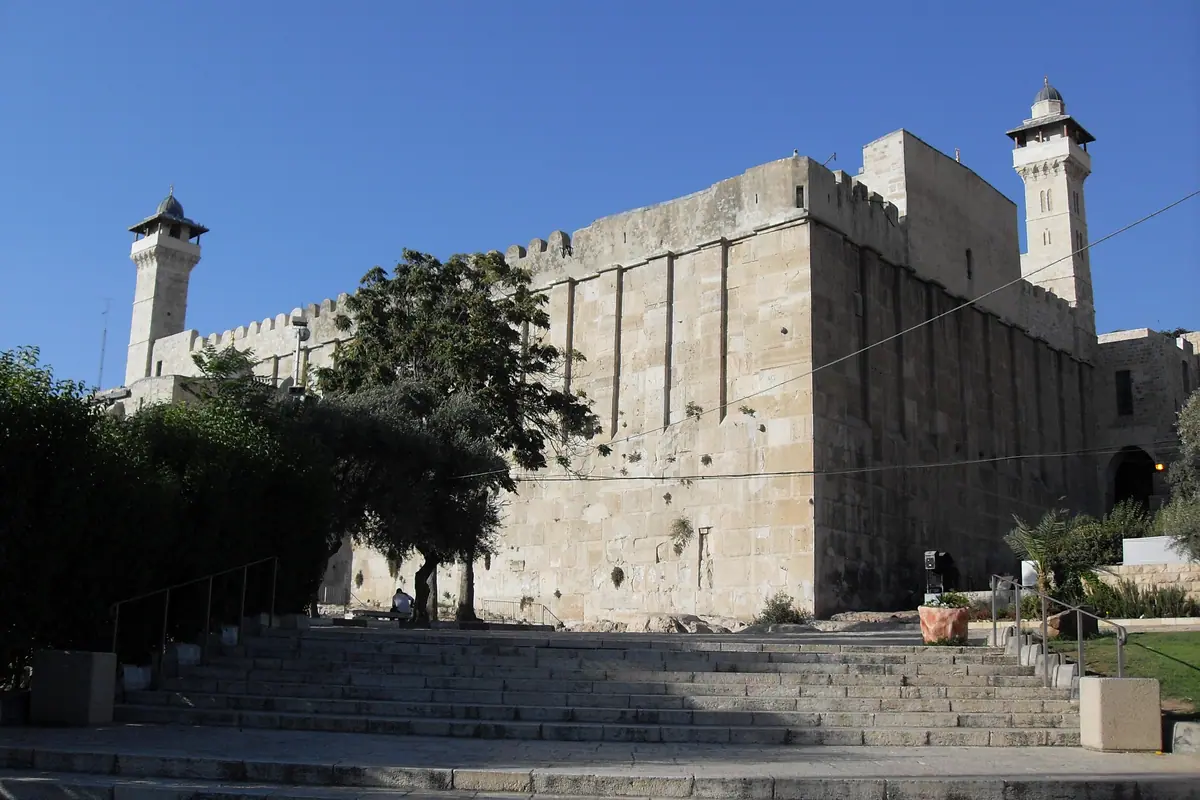
Hebron's old city is the most atmospheric — and most intense — in the West Bank. Its centrepiece is the Ibrahimi Mosque, built over the Cave of the Patriarchs, a site revered by both Muslims and Jews and divided between them, with separate entrances and security checks. Dress conservatively, expect bag searches, and go on a weekday morning when the covered bazaar is at its liveliest. The old town is famous for two crafts: Hebron glass, blown and recycled in family furnaces for centuries, and the woven keffiyeh, still produced on traditional looms. Climb to the rooftops for a view over the dense stone stairways, and try grape molasses and dried fruit from the market stalls.
North in Nablus, the old city is a warren of Ottoman-era lanes围绕着 a lively souq. This is the home of kunafa, the shredded-pastry dessert soaked in syrup and cheese — eat it hot, at 8am, alongside the locals, from one of the long-established sweet shops near the Great Mosque. The same city has produced olive-oil soap for centuries, and several small factories still sell stamped blocks directly from the workshop floor.
Just outside Nablus, Mount Gerizim is home to a small Samaritan community who still perform the ancient Passover sacrifice on the mountain each spring — visitors are generally welcome to watch respectfully. Jacob's Well, at the Orthodox monastery near Balata, is one of the oldest continuously venerated sites in the region. Further north, the ruins of Sebastia include a Herodian temple and a Crusader cathedral, while south of Jerusalem the terraced village of Battir, with its Roman-era irrigation channels, is a UNESCO-listed landscape best walked in spring. Ramallah, meanwhile, offers a modern contrast: Al-Manara Square's lion statues, the lively café scene, and the heritage house of Dar Zahran, which serves mint tea on a rooftop with a view over the old centre.
The Judean Desert: Monasteries, Wadis and Bedouin Trails
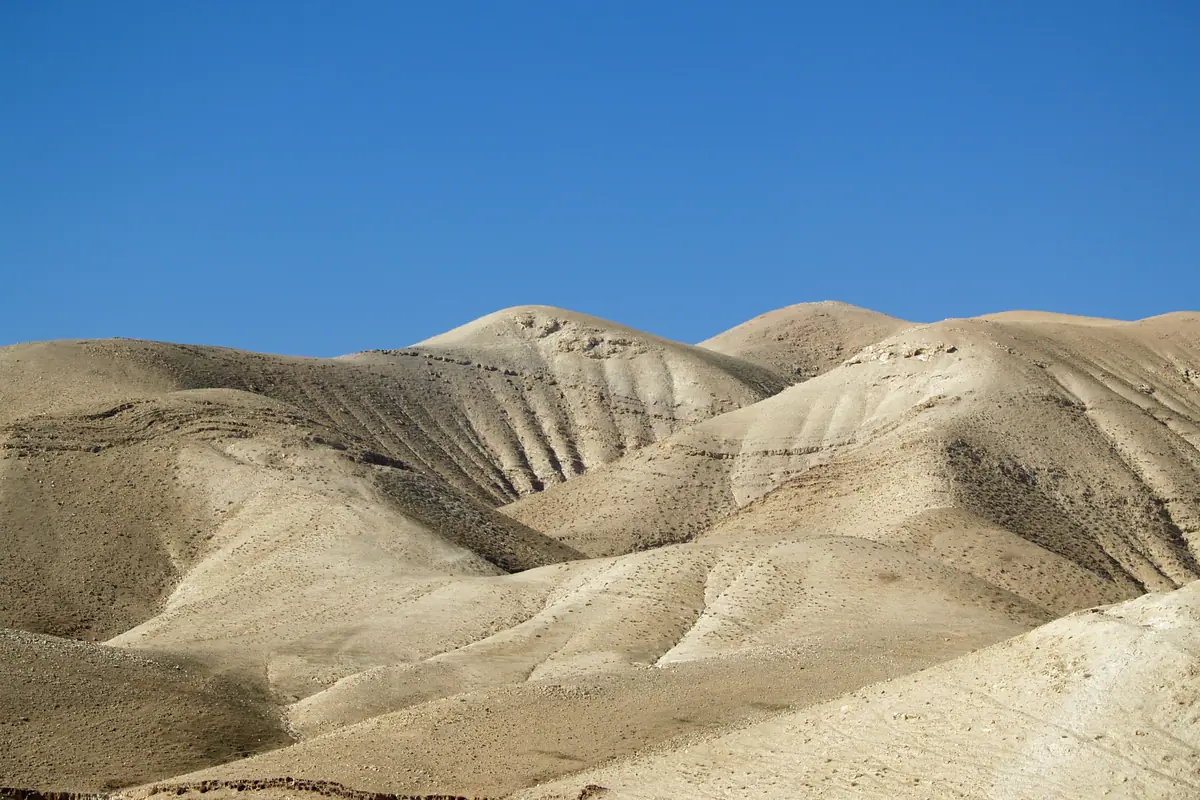
East of Bethlehem, the land collapses into a barren gorge country that has sheltered monks for 1,500 years. Mar Saba Monastery, founded in the fifth century and still inhabited by Greek Orthodox monks, clings to a cliff above the Kidron Valley; women are not permitted inside the walls, but the viewpoint on the opposite ridge gives a full view of the domes and towers, and men can visit the church with its relics. Further north, St. George's Monastery at Wadi Qelt hangs in a near-vertical ravine, reached by a walk down from the Jerusalem–Jericho road that takes about 45 minutes each way.
These are hiking destinations, not drive-up attractions. Go in spring, when the wadis briefly run with water and the hillsides are dotted with irises and poppies, or in autumn after the heat breaks. Carry at least two litres of water per person, start early, never hike alone, and take a local guide for the longer routes — flash floods are a real hazard in winter, and the trails are unmarked in places.
Between the monasteries, the Abraham Path and various Bedouin trails link villages, springs and ruins across the desert. Bedouin communities around Jericho and the Ta'amreh region offer tea and simple meals to walkers, and a night in a desert camp under a sky with no light pollution is one of the most memorable experiences the region offers. Allow three to five days if you want to combine Jerusalem, Bethlehem and Jericho properly, or a full week to add Hebron, Nablus and the northern highlands without rushing.
Frequently asked questions
When is the best time to visit Palestine?
March to May and September to November are ideal: mild temperatures, green hills, wildflowers in spring and the olive harvest in autumn. Summer is hot everywhere but punishing in the Jordan Valley and Jericho, where daytime highs top 40°C. Winter is cool and rainy in Jerusalem and Bethlehem — occasionally snowy — but pleasant in Jericho and around the Dead Sea.
How many days do you need to see the main sights?
Five to seven days covers the essentials comfortably: two to three days for Jerusalem's Old City and Mount of Olives, a day each for Bethlehem, Jericho with the Dead Sea, and either Hebron or Nablus. Add two more days if you want desert hiking, Sebastia or Battir.
How do you get between cities?
Shared taxis and minibuses (known locally as servees) connect most towns from central stations, and private taxis are inexpensive for short hops. Expect military checkpoints between some cities, so carry your passport at all times and allow extra time. Friday afternoons and Saturdays are quiet to the point of closed in many areas.
What should I wear and how should I behave?
Modest clothing is expected: shoulders and knees covered in religious sites, a headscarf for women entering mosques and the Ibrahimi Mosque in Hebron, and shoes removed before stepping onto mosque carpets. Ask before photographing people, especially in Hebron and rural areas. During Ramadan, eating and drinking in public during daylight is best avoided out of respect.
Is Gaza open to visitors?
No. Gaza's historic sites, including its old city and ancient churches and mosques, are not currently accessible to tourist travel, and entry is not possible through normal channels. Plan your trip around the West Bank and Jerusalem instead.
Plan it — experiences in Palestine
Live search, booked directly with trusted providers.
Sort the rest of your trip
Everything for Palestine, in one place
Stay in Palestine
Hotels, guesthouses and apartments — compared in one search.
Search hotels
Transfer in Palestine
Private driver waiting on arrival — no queues, no surprises.
Book a transfer
Stay online in Palestine
Travel eSIM — data the moment you land, no roaming bills.
Get an eSIM