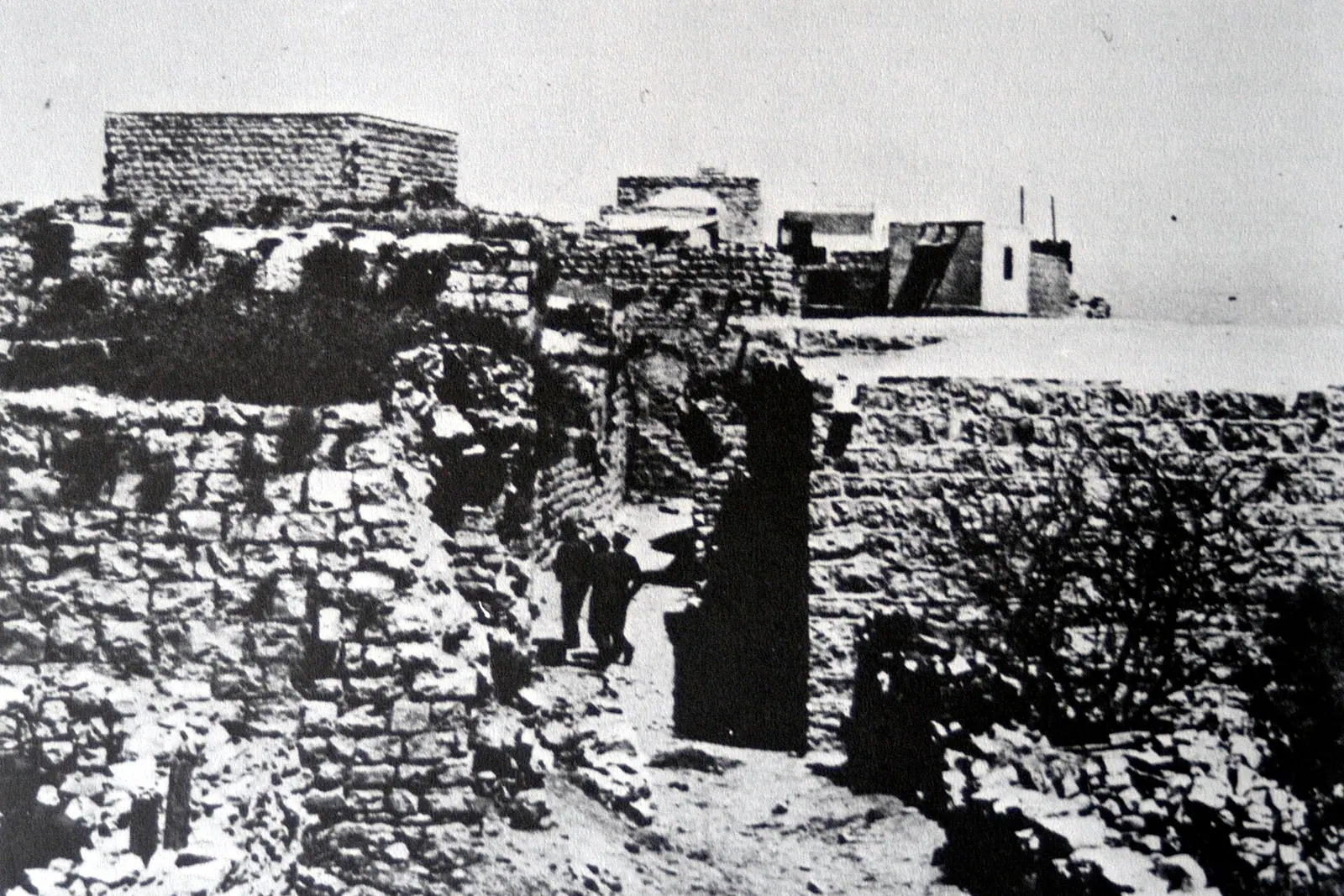
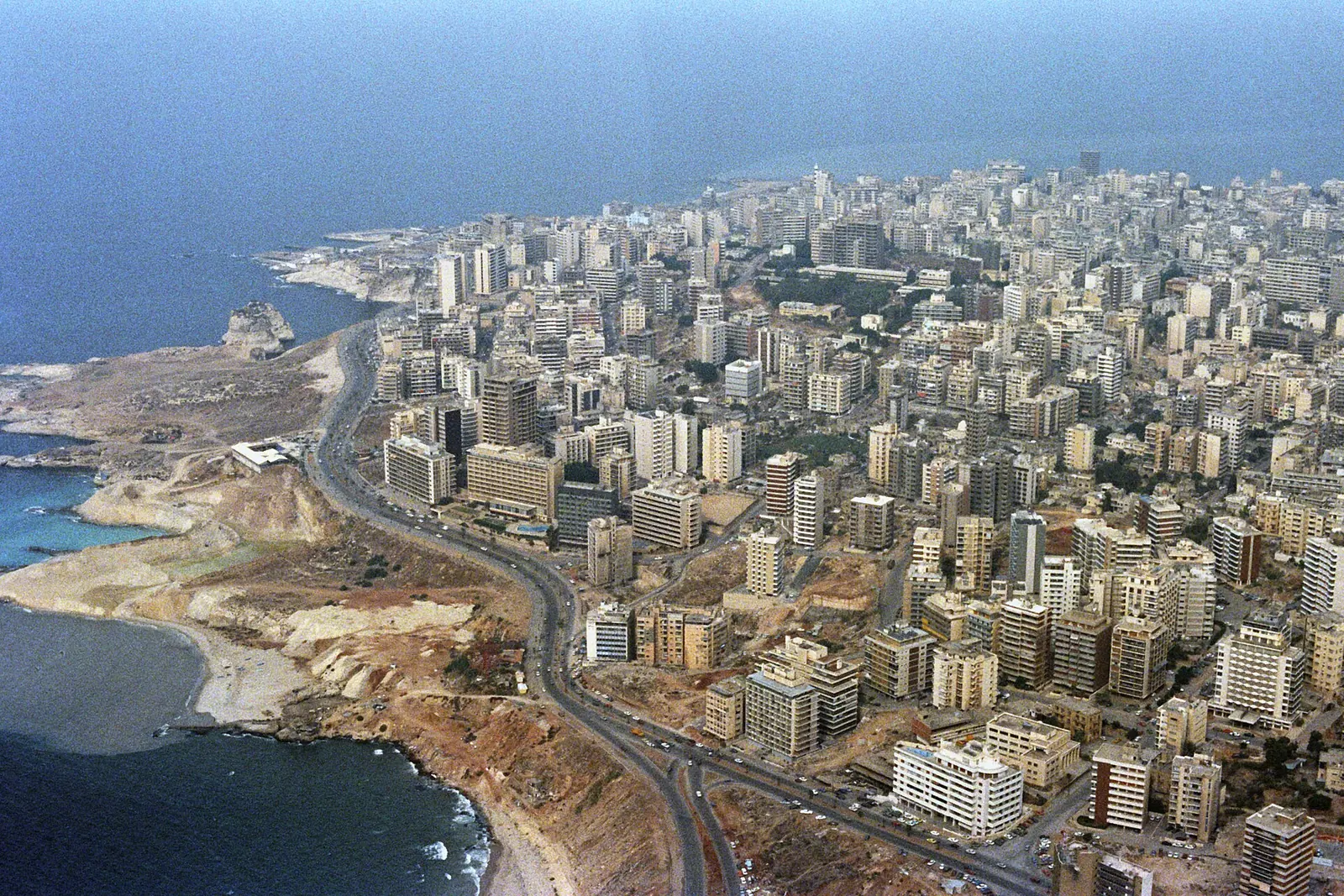
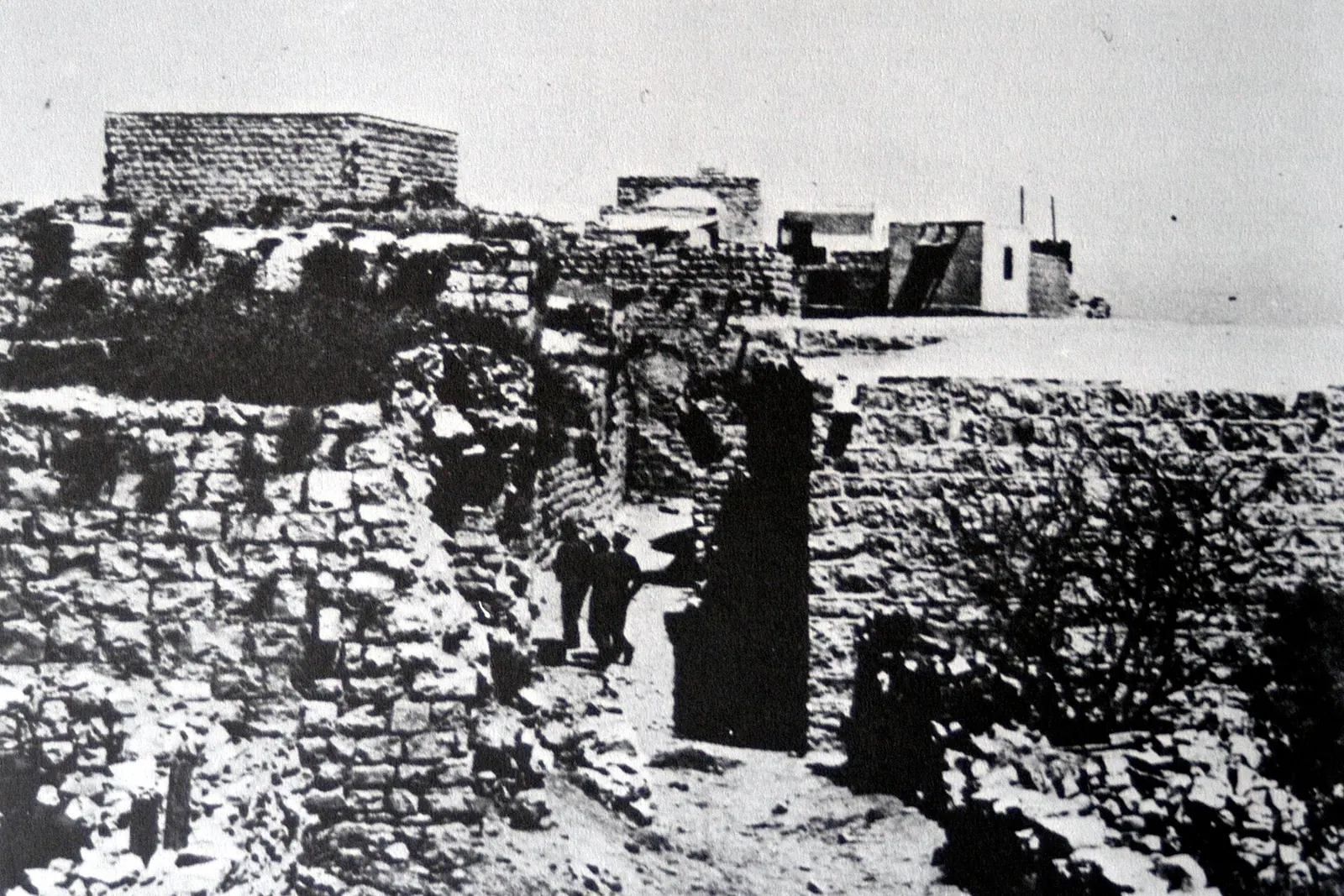
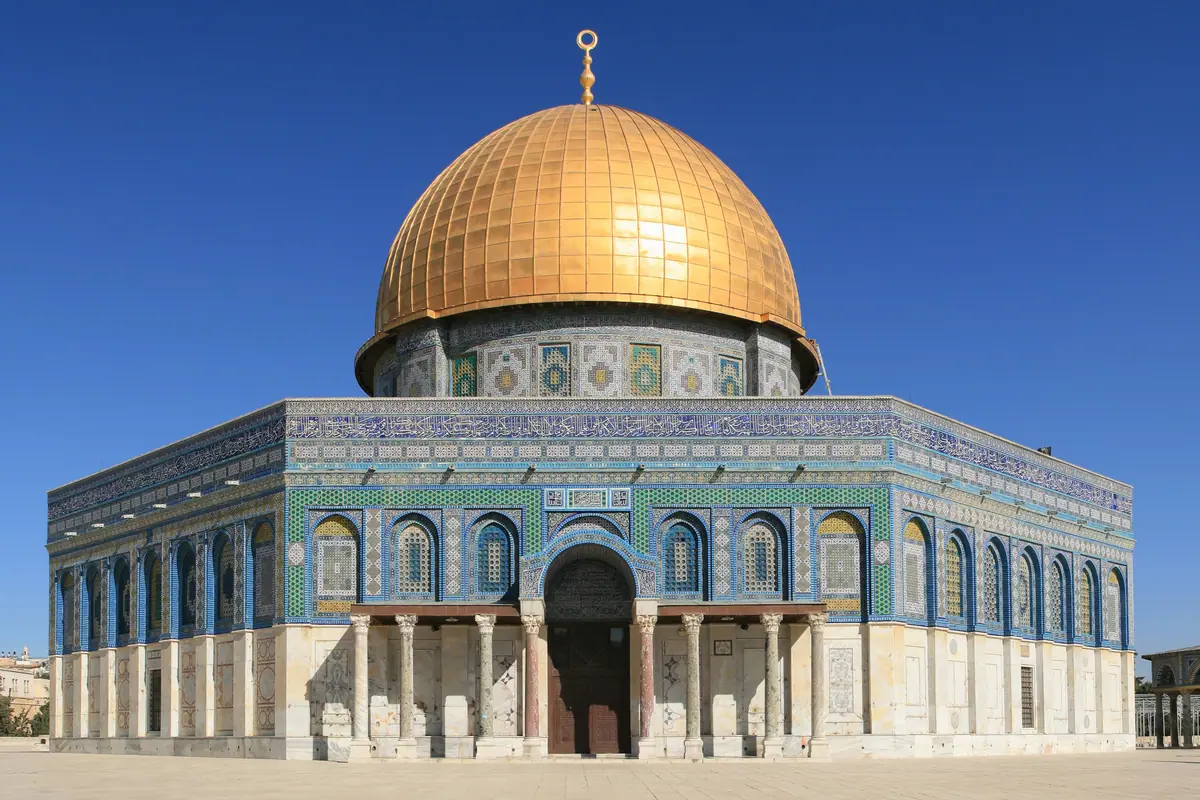
Palestine compresses deserts, hill country and a shoreline far below sea level into a space you can cross in an afternoon, so the right month changes everything about where you sleep and what you see. Here is how the seasons shift the crowds, the room rates and the light falling on the Dome of the Rock.
Why Palestine's Calendar Matters More Than Almost Anywhere Else
Few destinations pack such extreme geography into so few kilometres. The Jordan Valley around Jericho and the Dead Sea shore sits hundreds of metres below sea level and can be 10–12°C warmer than the hill towns of Bethlehem, Ramallah and Hebron on the same afternoon. Rain is almost entirely a winter affair, falling between November and March, while May to September is reliably dry and bright. That means there is rarely a single 'best month' for the whole country — there is a best month for the place you happen to be standing in.
For most travellers the sweet spots are late March to May and October to November, when daytime temperatures settle in the high teens to mid-twenties, the hills are green or golden, and walking the Old City of Jerusalem or the terraced valleys around Battir is a pleasure rather than a test of endurance. Peak seasons — Easter and Christmas — bring unforgettable atmosphere but also the highest room rates and the tightest availability in East Jerusalem and Bethlehem.
A word of practical caution: access, checkpoints and opening hours can change with little notice, so always check current travel guidance for the West Bank and East Jerusalem before booking anything non-refundable.
Spring: Almond Blossom, Easter Processions and the Busiest Hotel Beds
From early March the hill country wakes up. Almond trees flower first, then the olive groves leaf out and the hillsides between Bethlehem and Hebron fill with wildflowers. Daytime temperatures climb from around 15°C in March to 25°C by May, though the tail end of the rainy season can still deliver sharp, brief downpours — locals talk about the 'forty days' of unsettled weather that follow the first warm spell, so a light rain shell is worth packing even in April.
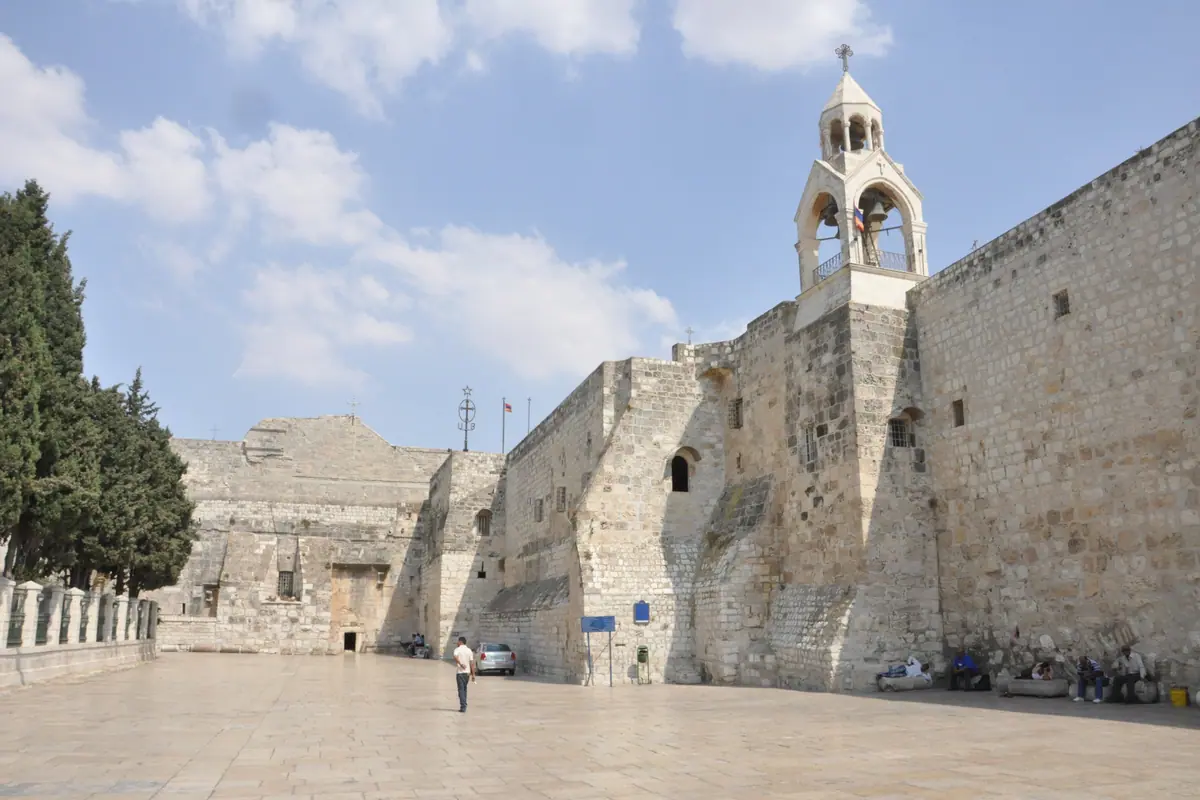
Spring is also pilgrimage high season, and the calendar drives everything. Around Easter you can follow the Via Dolorosa with processions, join the crowds at the Church of the Holy Sepulchre for the Holy Fire ceremony, and watch the Mount of Olives fill with palm-carrying worshippers. In Bethlehem, Manger Square and the Church of the Nativity draw steady streams of visitors in the same weeks. Because Catholic and Orthodox Easter often fall on different dates, the crowding can stretch across two separate weekends, which is good news for anyone flexible on timing.
Book East Jerusalem and Bethlehem hotels six to eight weeks ahead if your dates overlap Easter, and expect rates to be at their annual peak. If you prefer quiet, aim for late April or May, after the processions end but before the summer heat arrives — the terraces of Battir and the springs of Wadi Qelt are at their most photogenic then.
Autumn: Olive Harvest, Warm Days and the Easiest Booking of the Year
September still feels like summer, but by early October the edge comes off the heat and the country settles into its most comfortable stretch. Days hover between 20°C and 28°C in the hills, the Dead Sea becomes genuinely pleasant for swimming, and the light turns soft and long — ideal for the climb up to Herodium or the walk down to Mar Saba Monastery in the Judean wilderness.
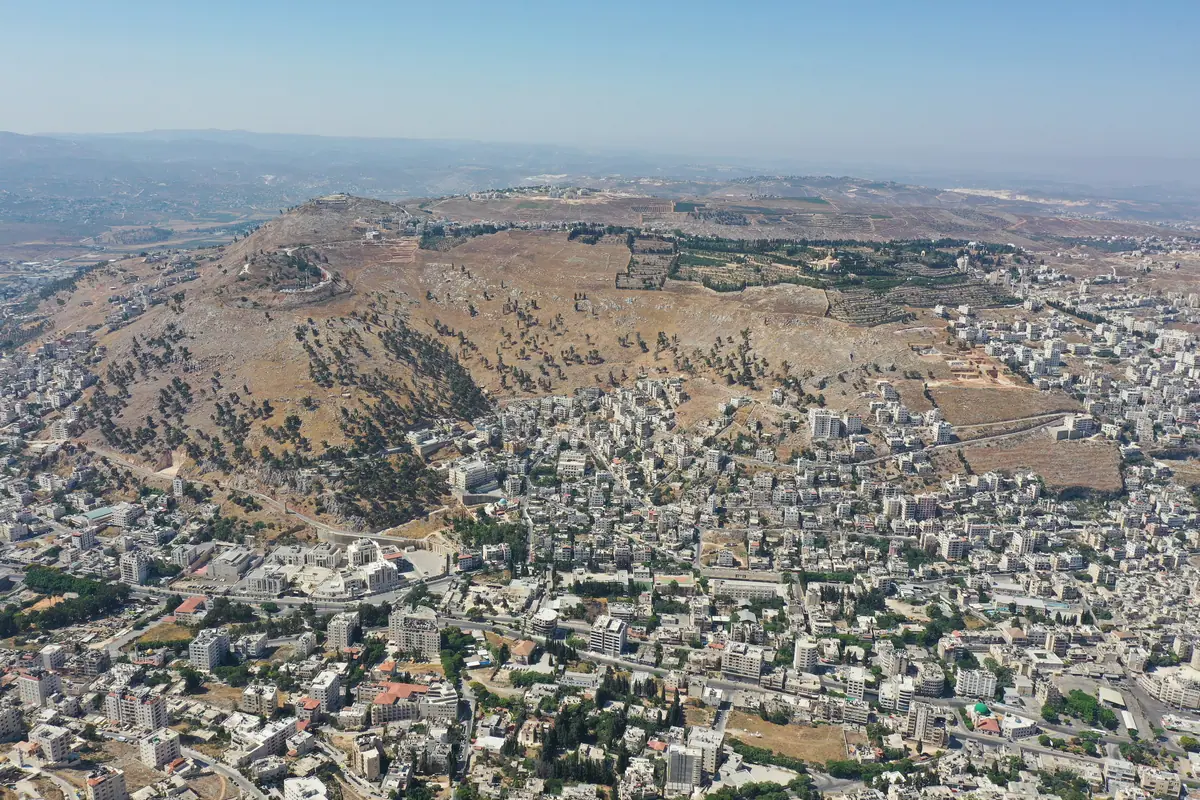
October and November are olive harvest months, and this is the season that gives a trip real texture. Families head into the groves around Nablus, Jenin and the terraced hills of Battir to pick and press, and the year's fresh oil appears on tables almost immediately, alongside plates of msakhan and maqluba. In Nablus you can pair a morning in the old city souk and its soap factories with a plate of hot kanafeh, then drive up to the Samaritan community on Mount Gerizim for views across the valley. In Hebron, the Al-Ibrahimi Mosque and the covered market make a sobering, memorable half-day.
Hotel-wise, this is the easiest window of the year: shoulder-season rates, plenty of availability in Ramallah, Bethlehem and Jericho, and no scramble for rooms outside the brief spike around Jewish holidays, when domestic travel swells and prices rise for a week or so.
Summer: Dead Sea Heat, Early Starts and Diaspora Season
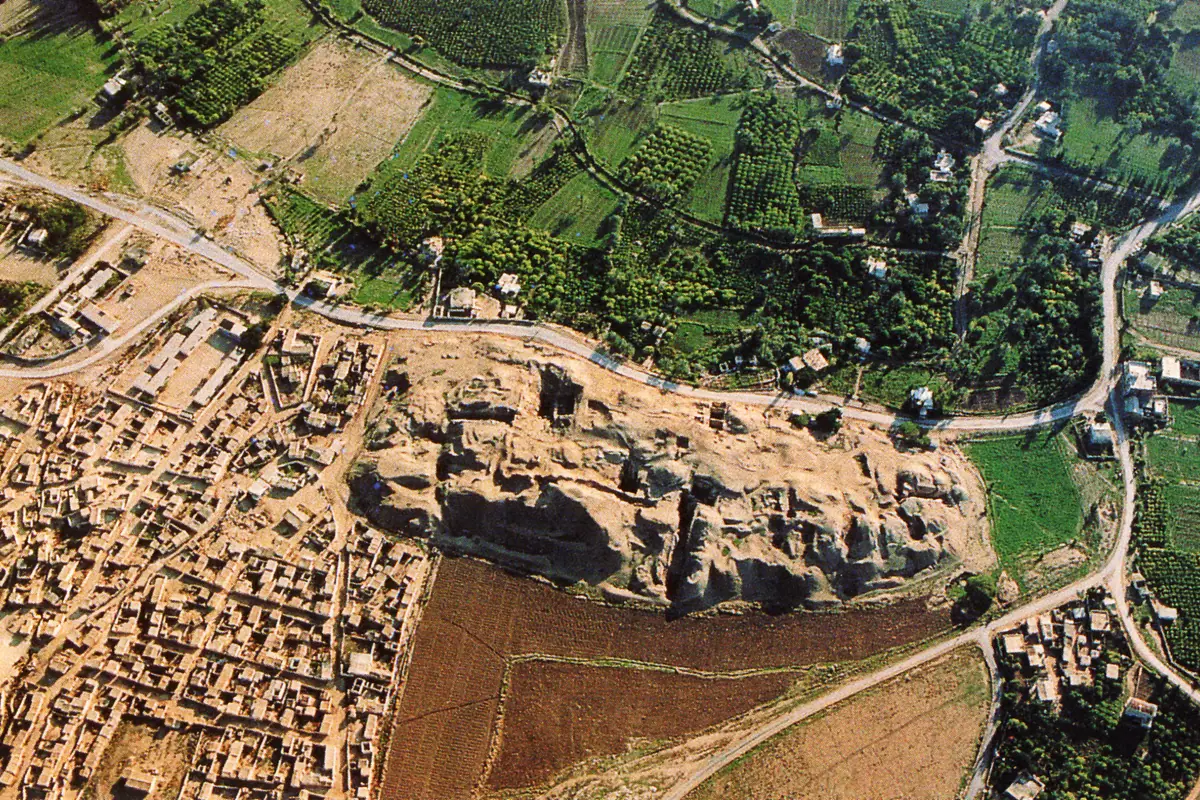
June to August is hot, and in Jericho and along the Dead Sea shore it is properly fierce — daytime temperatures of 35–40°C are routine, and the coast around Gaza, were it accessible, would be humid and heavy. The workable strategy is to invert your day: start at sunrise for Tel es-Sultan, the ancient mound at Jericho, or Hisham's Palace with its remarkable mosaic floor, then retreat indoors during the middle hours. Nablus' covered souk and Ramallah's Al-Manara Square and Darwish museum district are good midday refuges.
Summer is also the season when Palestinians from the diaspora come home. Weddings, family reunions and long evenings fill the restaurants, and hotels in Ramallah and Bethlehem sell out most weekends, especially Thursday to Saturday. Rates in the cities rise accordingly, while the Dead Sea and Jericho resorts offer deals midweek. If you are combining the two, book midweek nights in the valley and keep city stays for Sunday to Wednesday.
Pack sun protection seriously, carry more water than feels necessary, and remember that religious sites — the Dome of the Rock and Al-Aqsa Mosque compound, the Western Wall, the Church of the Holy Sepulchre — ask for modest dress regardless of the temperature. Lightweight long trousers and a scarf solve this comfortably.
Winter: Christmas in Bethlehem, Rain in Jerusalem and the Jericho Escape
December to February is cool, green and often wet in the highlands. Jerusalem and Bethlehem see temperatures of roughly 8–14°C with regular rain, and once every few years a brief snowfall dusts the Old City. The upside is drama: the same streets that are shoulder-to-shoulder in July are quiet and atmospheric, and hotel prices outside the holidays drop to their lowest of the year. Bring layers, waterproof shoes for the slick limestone of the Old City, and a warm jacket for evening walks on the Mount of Olives.
Christmas is the exception to everything. Bethlehem hosts one of the world's great seasonal gatherings — a tree in Manger Square, nightly concerts, scouts' marching bands, and the midnight mass broadcast from St. Catherine's Church beside the Church of the Nativity. Rooms in Bethlehem and East Jerusalem sell out months in advance and rates triple. If you want the experience, book three to six months ahead and expect to stay a minimum number of nights. If you would rather avoid it, travel in early December or wait until mid-January.
The smart winter move is to base yourself in Jericho, where it is typically 10°C warmer and almost always dry. From there you can swim in the Dead Sea, visit the springs at Ein Sultan, and day-trip into the hills when the forecast clears. Guesthouses in Battir, Sebastia and the old city of Nablus are cosy and inexpensive in this season.
Ramadan, Weekly Rhythms and How to Time Your Booking
Ramadan shifts roughly eleven days earlier each year, which means it moves through the seasons — one year it lands in baking summer, another in cool winter. During the month, many restaurants close by day and open for iftar and suhoor, opening hours at some sites shorten, and evenings become the liveliest part of the day, with lanterns, sweets and packed cafés after sunset. Hotels usually discount rooms, making it a fascinating and affordable time to visit if you are respectful of the fast and plan meals around it.
Weekly rhythms matter too. Friday brings large crowds to the Al-Aqsa Mosque compound for prayers, and many shops close; Saturday is quiet in East Jerusalem. Checkpoint crossings, such as the one between Bethlehem and Jerusalem, are busiest in the early morning with commuters, so build slack into any transfer day. Distances are short — Bethlehem to Jerusalem is a few kilometres, Jericho to Ramallah under an hour — but timing can stretch them unpredictably.
For booking: reserve two to three weeks ahead for spring and autumn, one to two months for Easter, and three to six months for Christmas. Outside those spikes, Palestine is one of the most affordable places in the region, with family-run guesthouses, converted stone houses and simple city hotels offering better value than almost anywhere nearby.
Frequently asked questions
What is the best month to visit Palestine overall?
Late March through May and October through November offer the most reliable weather — mild, mostly dry days in the high teens to mid-twenties, comfortable walking conditions in Jerusalem, Bethlehem and Nablus, and pleasant swimming at the Dead Sea.
When are hotels in Palestine cheapest?
Late January and February, excluding the Christmas and New Year period, plus midweek nights in summer. Rates also dip during Ramadan, when demand falls and many hotels discount rooms.
How far in advance should I book for Christmas in Bethlehem?
Three to six months. Manger Square hotels and guesthouses sell out early for the Christmas Eve period and often impose minimum-stay requirements, so book as soon as your dates are fixed.
Can you swim in the Dead Sea in winter?
Yes. The water stays around 20°C and Jericho, a short drive away, is often 10°C warmer than Jerusalem. Air temperatures of 18–23°C are common in December and January, though wind can make it feel cooler.
Should I avoid travelling during Ramadan?
Not necessarily. Dates shift each year, so check the calendar. Expect altered opening hours, quieter daytime streets and lively evening iftar culture — plus lower hotel rates. Dress modestly and avoid eating or drinking openly in the street during daylight hours.
Sort the rest of your trip
Everything for Palestine, in one place
Transfer in Palestine
Private driver waiting on arrival — no queues, no surprises.
Book a transfer
Things to do in Palestine
Skip-the-line tickets, guided tours and standout experiences.
See experiences
Stay online in Palestine
Travel eSIM — data the moment you land, no roaming bills.
Get an eSIM