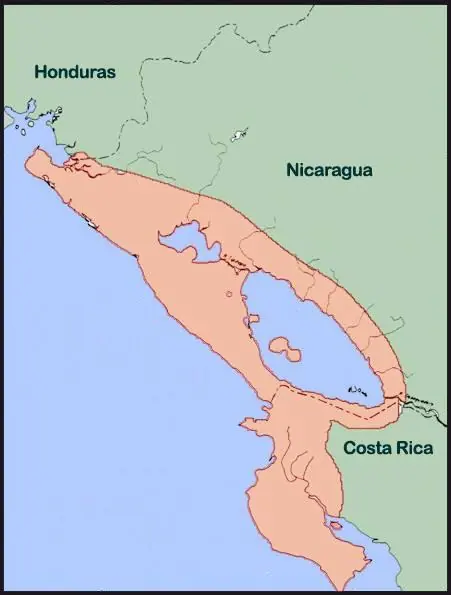
Nicaragua packs a lake the size of a small country, a chain of smoking volcanoes and two coastlines with wildly different personalities into a space you can cross in half a day. It is the sort of place where you climb a cathedral bell tower in the morning and stand at the rim of an active crater before dinner.
Granada: The Colonial Heart on Lake Nicaragua
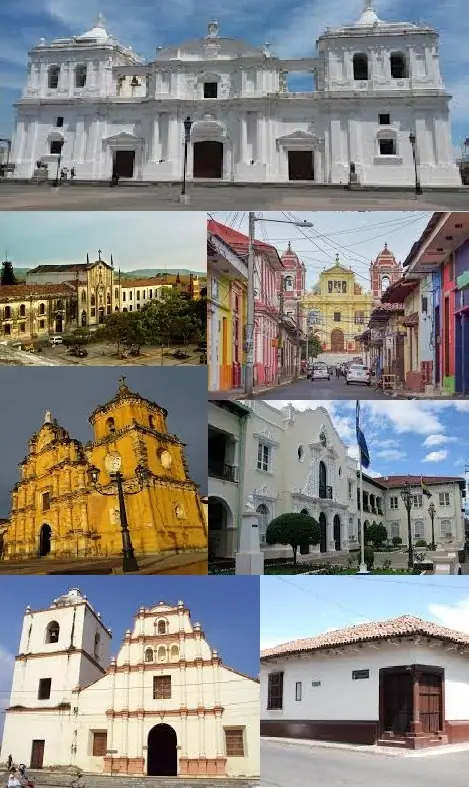
Granada is the obvious first stop, and it earns the fuss. Founded in 1524, it is one of the oldest European-founded cities in the Americas, and its centre is a grid of pastel facades, wrought-iron windows and horse carts clattering over cobbles. Everything radiates from Parque Central, where the Catedral de Granada sits in yellow-and-white splendour and food stalls sell vigorón — pork crackling, yuca and cabbage — to a steady crowd of locals on the benches.
Climb the bell tower of Iglesia La Merced just a few blocks away, pay the small entry at the base, and you get the classic view: terracotta rooftops spilling toward the vast silver expanse of Lake Nicaragua, with the blue cone of Mombacho rising behind. From there, wander Calle La Calzada, the restaurant-lined strip that runs toward the water, and time your evening for sunset on the lakefront malecón.
The lake itself is the real show. Boat trips from the port thread through Las Isletas de Granada, an archipelago of hundreds of tiny islands flung into the water when Mombacho collapsed thousands of years ago. Some are inhabited by fishermen, some hold a single mansion ringed by bougainvillea, and one has a small fort. A circuit takes roughly an hour or two, and combos with a stop for a swim are easy to arrange on the dock.
Ometepe: Two Volcanoes Rising Out of a Freshwater Sea
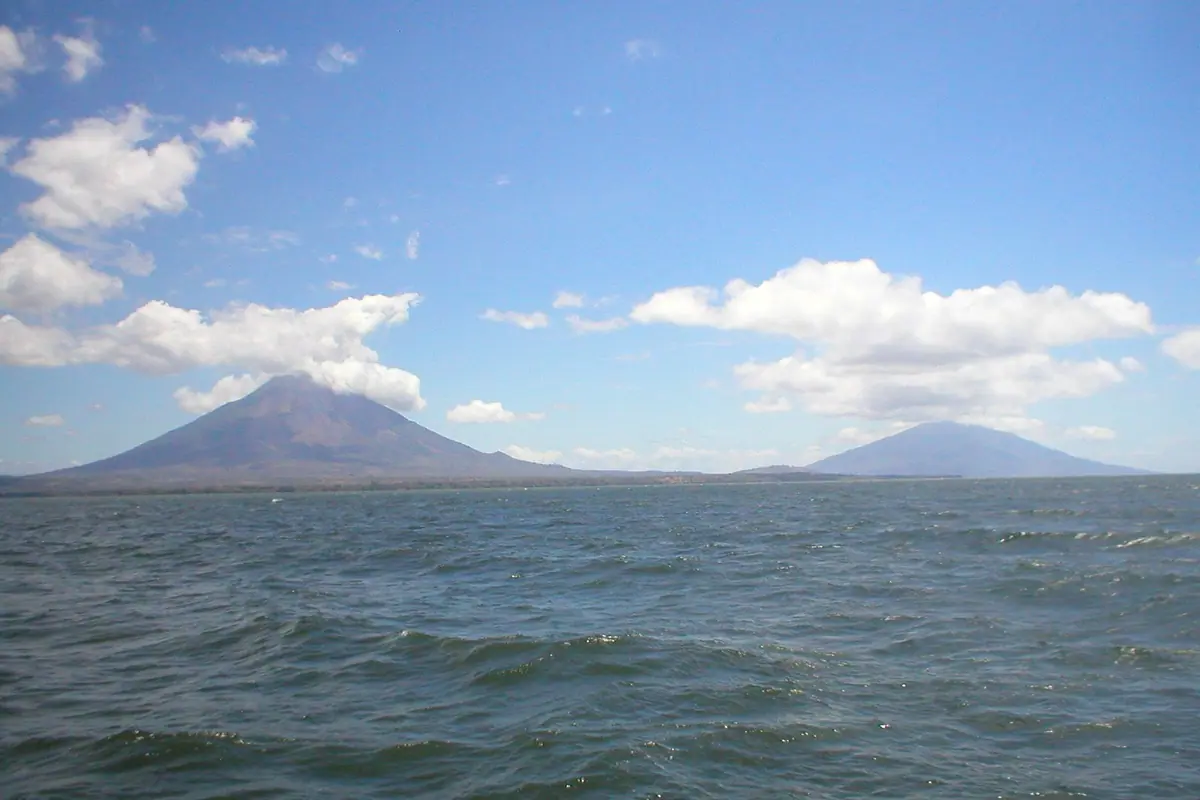
Nothing prepares you for the first glimpse of Isla de Ometepe from the ferry. Two perfect cones — Volcán Concepción, still active at 1,610 metres, and the dormant, cloud-forest-cloaked Volcán Maderas — rise straight from the middle of Lake Nicaragua, joined by a narrow isthmus. Ferries and lanchas cross from San Jorge near Rivas in about an hour, and the island is big enough that you should plan on two or three nights minimum rather than a day trip.
Hardy hikers tackle Concepción for sunrise, a steep six-to-eight-hour round trip with no shade and a strict guide requirement once you pass the ranger post. Maderas is the gentler, muddier alternative, ending at a crater lake you can actually swim in. Between climbs, cool off at Ojo de Agua, a natural spring pool ringed by jungle on the northern isthmus, or swim off the black-sand sweep of Playa Santo Domingo.
Base yourself on the quieter north side for sunsets over the volcanoes, or around Moyogalpa and Playa Santa Cruz for ferry convenience. Charco Verde, a green lagoon reserve on the west coast, is a low-effort walk with monkeys and lake views. Bring cash — ATMs are scarce — and rent a scooter or bicycle if you want to cover the island's rough roads on your own terms.
Volcano Country: Masaya, Cerro Negro and Somoto Canyon
Nicaragua's volcanic spine is where the adrenaline lives. Parque Nacional Volcán Masaya is the easiest big payoff: you can drive almost to the lip of the Santiago crater, peer down at the smoking floor, and feel the sulphur catch in your throat. The park is best visited in the late afternoon for cooler air and the chance of a lava glow after dark, and on the way out the craft market in Masaya town sells hammocks, ceramics and leatherwork at some of the best prices in the country.
Near León, Cerro Negro is a black cinder cone so young it looks like a slag heap, and it is the unlikely home of volcano boarding. You hike up in about 45 minutes carrying a wooden board, suit up in a jumpsuit and goggles, then slide down a steep ash slope that sends you hurtling at genuinely alarming speed. It is silly, brief and unforgettable — most trips run as half-day outings from León with a stop for a swim afterward.
Farther north near the Honduran border, Somoto Canyon hides a slot of pale rock walls and river water that was barely known outside the region until the mid-2000s. Local guides lead three- to five-hour trips that mix hiking, wading, cliff jumps and floating through narrow passages on inner tubes. Pair it with a night in Somoto town, and if you have time, continue to the coffee highlands around Matagalpa and Estelí, where cloud forest and farm stays offer a cool, green contrast to the hot lowlands.
León: Cathedral Rooftops and Revolutionary Streets
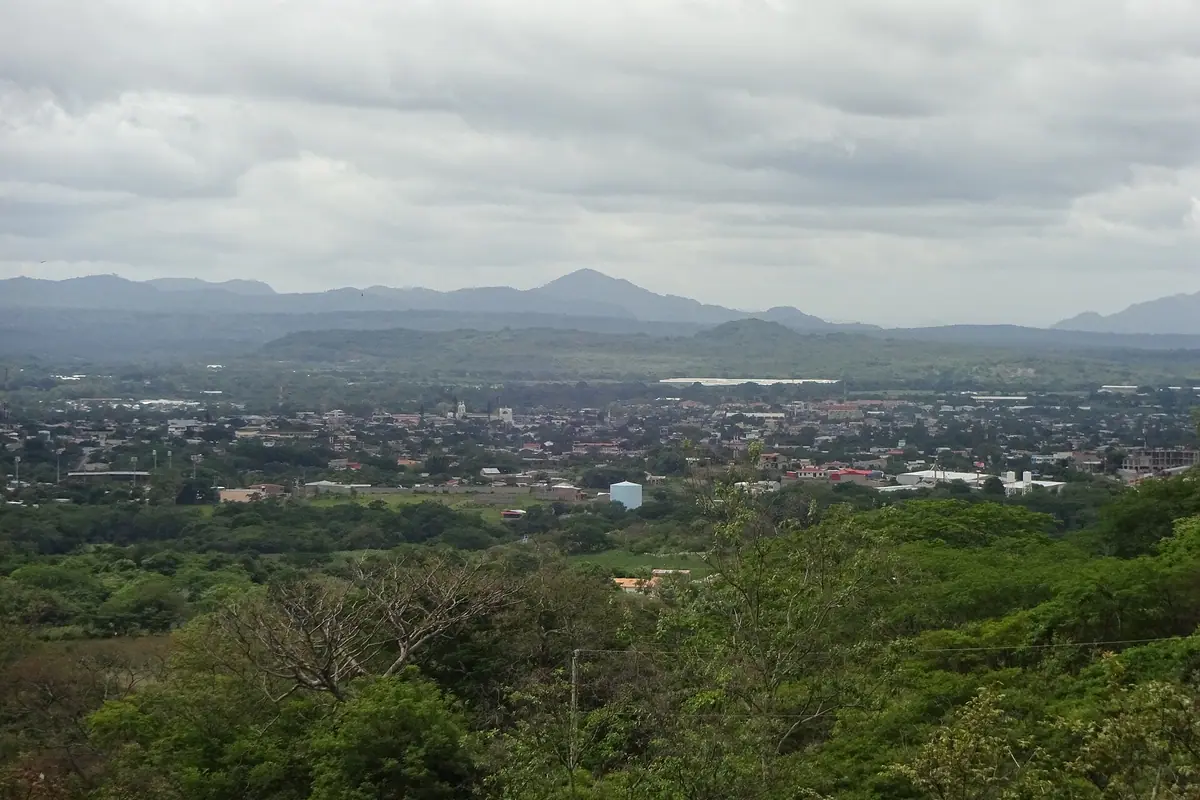
León is Granada's louder, more political sibling — hotter, rougher around the edges, and full of student energy. Its centrepiece is the Basílica Catedral de la Asunción, the largest cathedral in Central America, a vast white block with a UNESCO-listed status and a quirk you will not find elsewhere: for a small fee you can walk out onto the roof, a bleached white expanse of domes and parapets with volcano views in every direction. Go at golden hour.
Below it, the city is a museum of the Sandinista revolution, with murals, bullet-pocked walls and the Museo de la Revolución, whose rooftop terrace has one of the best panoramas in town. Iglesia La Recolección, a baroque confection a few streets away, is worth a look, and the poet Rubén Darío's childhood home is a quiet, cool house-museum off the main drag. Licuados and quesillo from street carts are the correct way to refuel between sights.
The coast is 20 minutes away. Las Peñitas is the closest beach, and the Juan Venado island reserve next door is a mangrove estuary where you can boat through tunnels of green and, between roughly August and January, watch olive ridley turtles come ashore to nest. It is a softer, wilder day than the surf towns further south.
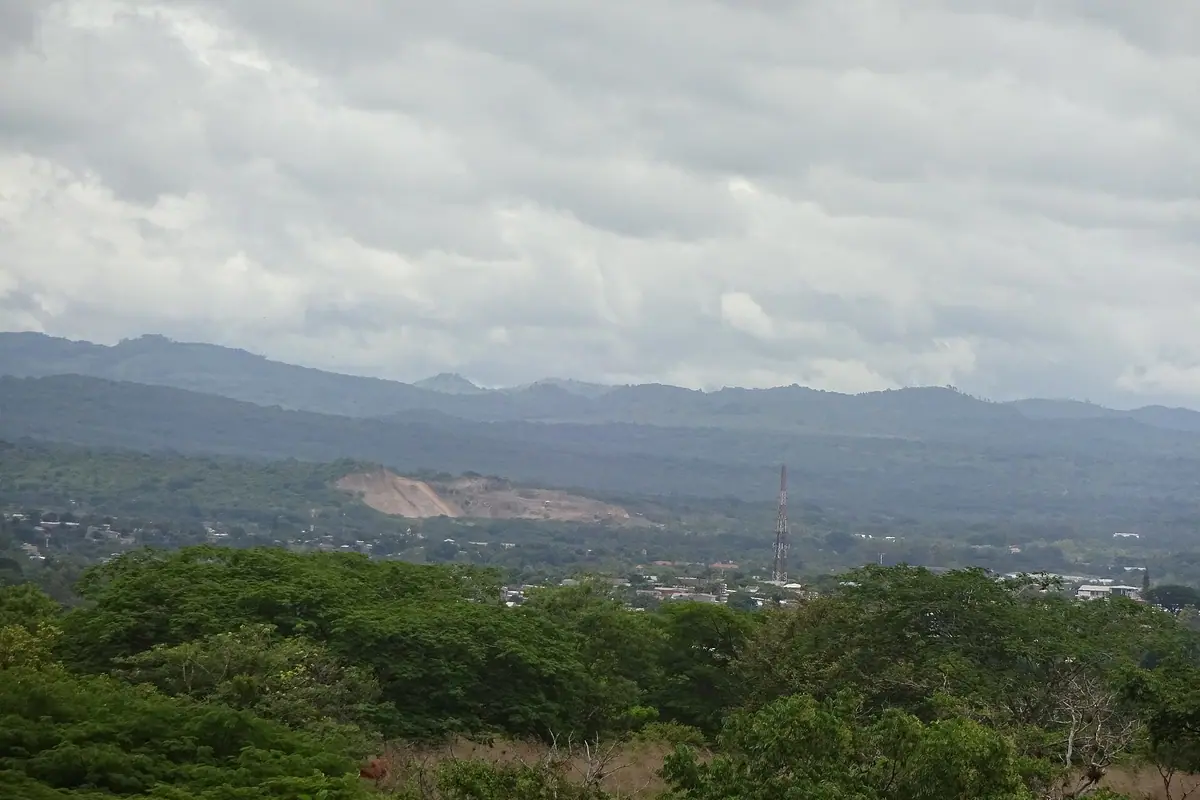
The Pacific Coast: Surf Towns and the Christ of Mercy
Nicaragua's Pacific shore has quietly become one of the best-value surf destinations in the Americas, and San Juan del Sur is its social hub. The town curls around a protected bay with a giant statue of Cristo de la Misericordia on the hill above — a steep 30-minute hike or a short drive for sunset views over the horseshoe harbour and the ocean beyond.
Surfers fan out from there to Playa Maderas for consistent beach break waves and a backpacker buzz, Playa Remanso for gentler longboard-friendly swells, and Playa Gigante and Popoyo farther north for reef breaks that suit more experienced riders. The south swells roll in strongest from roughly April through October, while the dry months from December to March serve calm mornings and clean glassy conditions for beginners.
Inland from the coast, Laguna de Apoyo is a deep, warm crater lake ringed by forest where you can kayak, float and watch howler monkeys in the trees — a perfect lazy day between volcano climbs. Also worth the detour is the Reserva Natural Volcán Mombacho above Granada, a cloud-forest reserve with trails through dwarf forest and, on clear days, a view straight down onto the isletas and the lake.
The Caribbean Side: Corn Islands and the Río San Juan
Fly east from Managua and the country changes character completely. Big Corn Island is a Creole-speaking, lobster-and-coconut place where life moves to a reggae beat, and from its airstrip a panga crossing of about 30 minutes delivers you to Little Corn Island — car-free, walkable in an hour, and fringed with the best snorkelling and diving in the country. Expect reef, rays and nurse sharks, and note that the calmest, clearest water usually falls between March and May and again in September and October.
On the southeastern edge, the Río San Juan slides through rainforest toward Costa Rica, and the village of El Castillo grew up around the Fortaleza de la Inmaculada Concepción, a 17th-century Spanish fortress built to fend off pirates and still standing above the river. Boat journeys from San Carlos pass the jungle of the Indio Maíz reserve and the Solentiname archipelago, a cluster of islands known for naive painting workshops and birdlife.
Practically speaking, Nicaragua rewards a two-week trip: four or five days for Granada, Masaya and Ometepe, two or three around León and the northern canyon country, and the rest split between the Pacific surf and either the Caribbean islands or the southern river. The dry season, December to April, is the most reliable window, though the green season brings swollen rivers, lower prices and landscapes at their most luminous.
Frequently asked questions
What is the best time of year to visit Nicaragua?
The dry season from December to April is the most dependable window, with clear skies, firm roads and easy travel between Granada, León, Ometepe and the Pacific beaches. May to November is the green season: warm, lush and cheaper, but expect heavy afternoon downpours, muddy volcano trails and occasional washed-out rural roads. The Caribbean coast runs on its own rhythm, with calmest seas and clearest diving water typically from March to May and September to October.
How many days do you need in Nicaragua?
Ten days is the practical minimum for a satisfying trip, and two weeks lets you breathe. A good split is three nights in Granada with a Masaya volcano and isletas day, two or three nights on Ometepe, two nights in León with a Cerro Negro boarding trip, and the rest on the Pacific coast or, if you fly east, on the Corn Islands. Trying to add both coasts to a one-week trip usually means spending more time in transit than exploring.
Which landmarks in Nicaragua should not be missed?
At the top of most itineraries: the colonial centre of Granada with the Catedral de Granada and the Iglesia La Merced tower, the Santiago crater at Volcán Masaya, the twin volcanoes of Ometepe, the rooftop of León Cathedral, Cerro Negro for volcano boarding, and the Cristo de la Misericordia above San Juan del Sur. If you make it east, the fortress at El Castillo on the Río San Juan and the reefs around Little Corn Island are the standouts.
Is Nicaragua easy to travel around without a car?
Yes, most of the highlights sit on well-worn routes. Frequent shuttle vans connect Granada, León, Managua and the San Juan del Sur area, while cheap public buses reach almost everywhere else, if slowly. Ferries to Ometepe leave from San Jorge near Rivas, and domestic flights link Managua with Big Corn Island. On Ometepe and around the surf beaches, renting a scooter or bicycle gives you far more freedom than waiting for local transport.
What should I know about money and practicalities in Nicaragua?
The córdoba is the local currency, and US dollars are widely accepted in tourist areas but rarely elsewhere, so carry cash in small bills. ATMs exist in Managua, Granada and León but are scarce on Ometepe, in the Río San Juan and on Little Corn Island, so stock up before you go. Pack light, quick-dry clothing for hot lowland days, a light rain jacket in the green season, sturdy shoes for volcanic scree, and reef-safe sunscreen if you are heading to the Caribbean.
Plan it — experiences in Nicaragua
Live search, booked directly with trusted providers.
Sort the rest of your trip
Everything for Nicaragua, in one place
Stay in Nicaragua
Hotels, guesthouses and apartments — compared in one search.
Search hotels
Transfer in Nicaragua
Private driver waiting on arrival — no queues, no surprises.
Book a transfer
Stay online in Nicaragua
Travel eSIM — data the moment you land, no roaming bills.
Get an eSIM