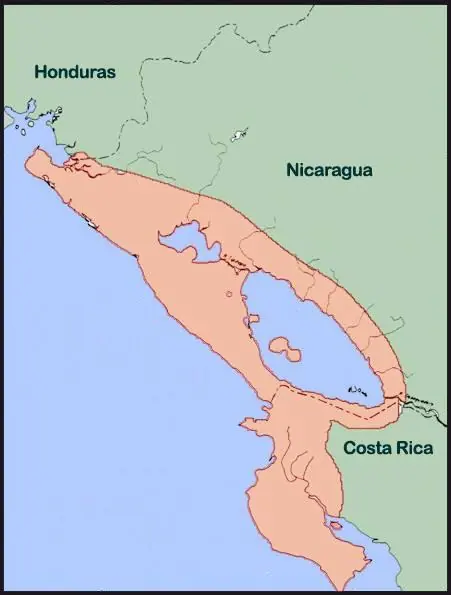
Nicaragua packs an entire continent's worth of scenery into a country the size of England: smoking volcanoes you can peer into after dark, a colonial city of pastel arcades, twin peaks rising from a freshwater sea, and a Caribbean coastline where the reef is still gloriously uncrowded. It is Central America's sleeper hit — cheap, warm, and best explored slowly, one crater rim and one cobbled plaza at a time.
Granada: Colonial Arcades and the Islets of Lake Nicaragua
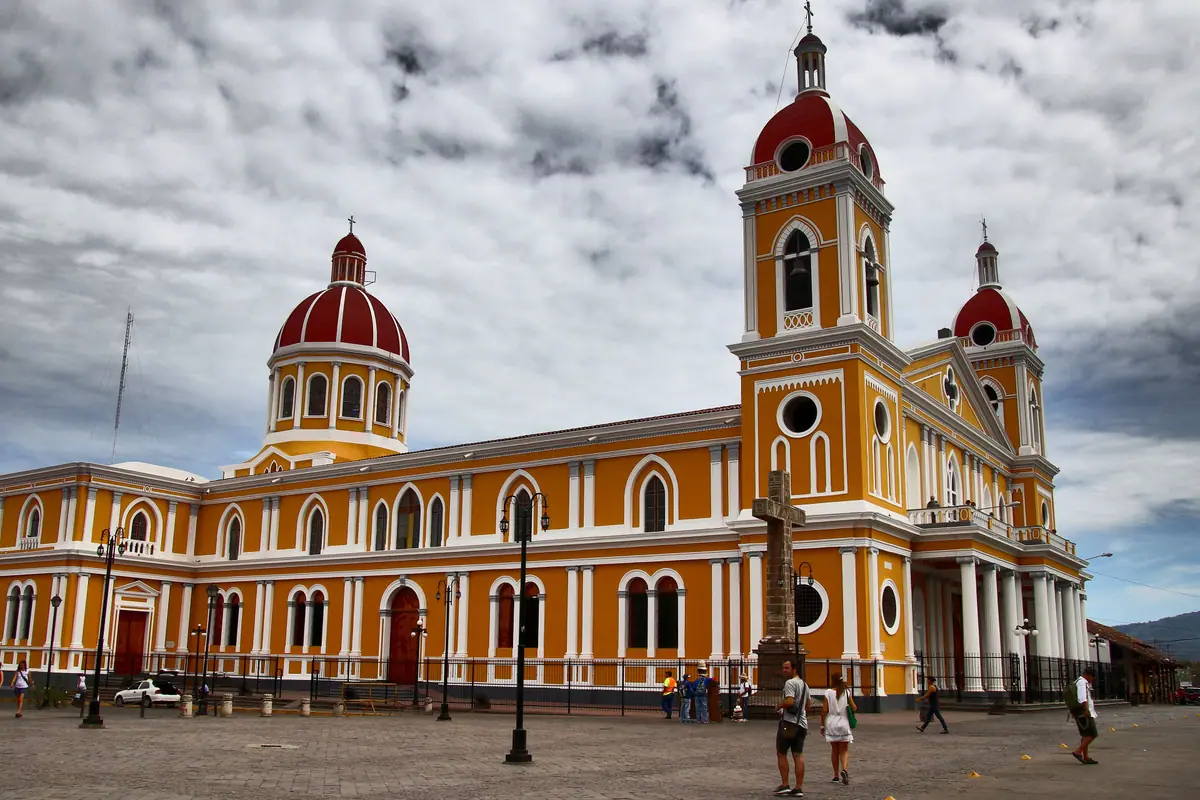
Founded in 1524, Granada is one of the oldest European-founded cities in the Americas, and it wears its age beautifully. Pastel facades lean over cobbled streets, courtyards hide behind carved wooden doors, and the yellow-and-white Granada Cathedral anchors Parque Central, where horse-drawn carriages still clatter past at dusk. Calle La Calzada runs from the plaza down toward the lake, lined with cafes and bars that spill onto the pavement after sunset. Give the city two or three unhurried days: mornings for wandering, afternoons for the water, evenings for the plaza.
Just offshore, the Las Isletas scatter across Lake Nicaragua — a maze of several hundred tiny islands, some thickly forested and loud with howler monkeys, others holding a single holiday house or a waterside restaurant. A boat trip takes roughly an hour and a half and is best done at golden hour, when the volcano chain turns blue on the horizon. Above the city, Mombacho Volcano protects a dripping cloud forest of orchids and ferns, with trails and zip lines through the canopy, while the crater lake of Apoyo Lagoon — warm, deep and swimmable — sits half an hour away. The dry months from December to April offer the clearest views; mornings are almost always the sharpest.
León: Revolution, Rubén Darío and Volcano Boarding
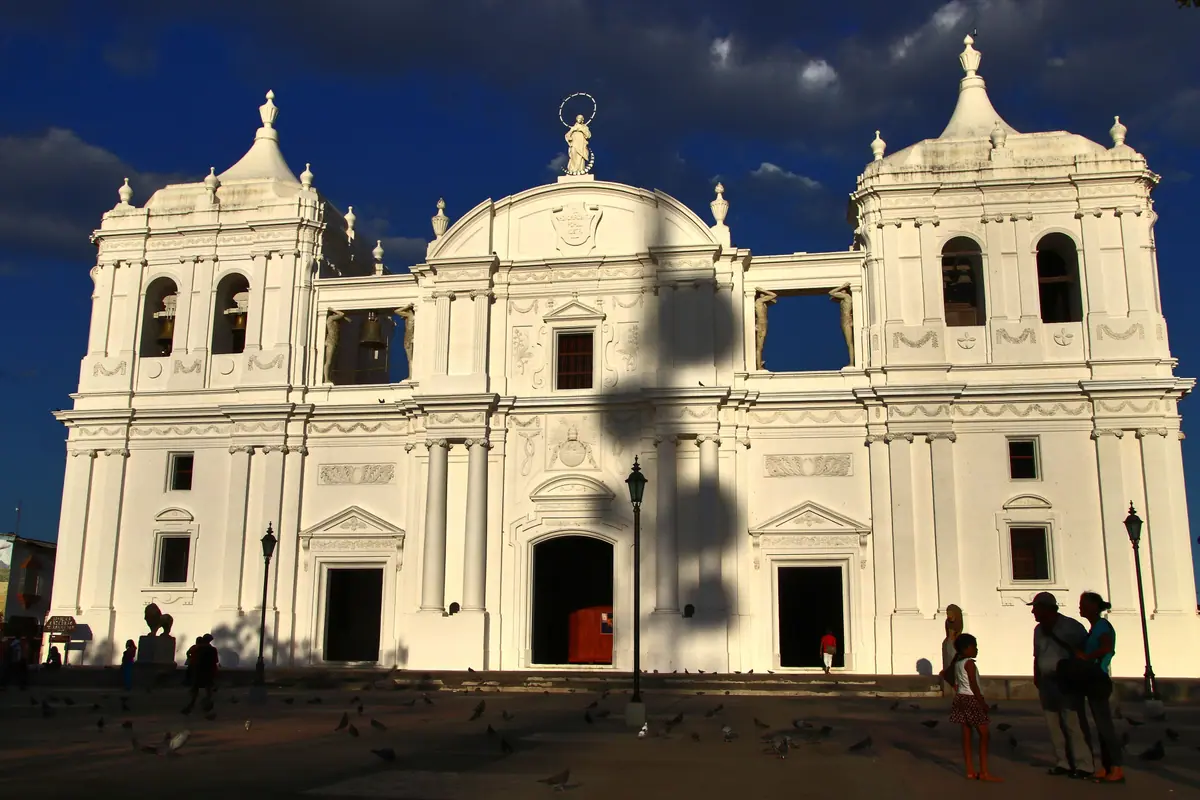
León is Granada's louder, hotter, more political sibling. Its cathedral, a UNESCO World Heritage Site, is the largest in Central America — a vast white wedding cake of a building where you can climb onto the roof and walk between the domes for views across the city to the volcano chain. The poet Rubén Darío grew up here and lies buried beneath the cathedral's lions, and his childhood home is now a small museum. Murals around town tell the story of the revolution, and the cathedral's own walls still carry bullet scars from street fighting in the 1970s.
The real adrenaline draw is Cerro Negro, a black cone of loose ash about 45 minutes from town. You hike up in roughly an hour, board under your arm, then slide down the scree slope — a strange, fast, ash-in-your-teeth experience that is one of the country's signature thrills. Combine it with a lazy afternoon at Las Peñitas beach, where fishing boats rest on the sand, and a boat trip through the mangroves of Juan Venado Island, a nesting site for sea turtles. León's heat is brutal by midday, so start early, carry water, and save the cathedral rooftop for late light.
Masaya Volcano and the Pueblos Blancos
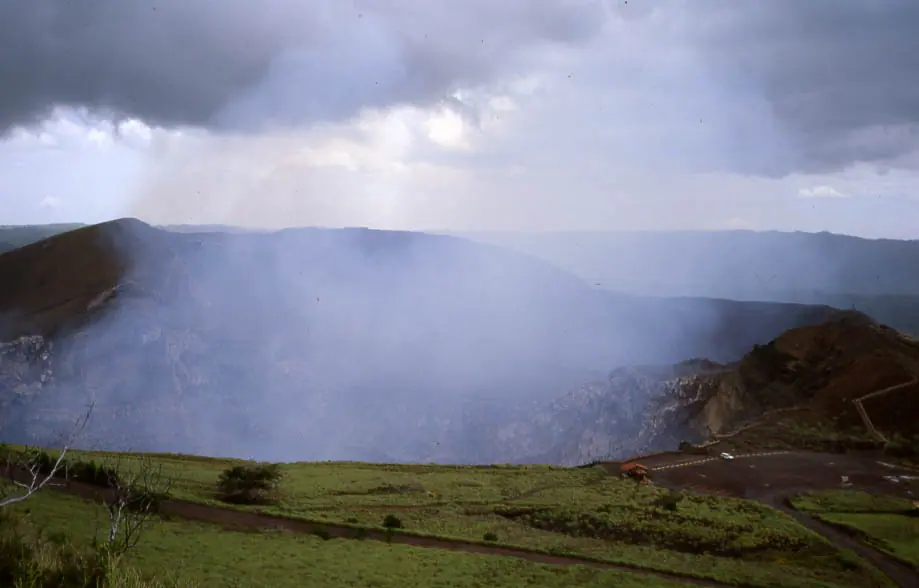
Masaya Volcano National Park is the rare active volcano you can drive almost to the rim of. The Santiago crater rumbles continuously, venting plumes of sulfur that catch the light, and at night — when conditions allow — you can sometimes glimpse an orange glow of molten rock deep below. A short path leads to viewpoints along the edge; a longer trail explores older craters and a cave where bats stream out at dusk. Sunset is the classic time to visit, both for cooler air and for the drama of the light, though gas levels occasionally force the park to close, so build in some flexibility.
Below the volcano, the town of Masaya is the country's craft capital, its market halls hung with hammocks, stacked with leather, carved wood and embroidered cloth. From here, a short loop through the Pueblos Blancos — the "white towns" — takes in the Mirador de Catarina, a viewpoint gazing straight down into Apoyo Lagoon, and San Juan de Oriente, where families shape and paint pottery in workshops you can walk into. It fits neatly into a half day from Granada, or a full one if you linger over lunch and a swim in the lagoon below.
Ometepe Island: Twin Volcanoes in a Freshwater Sea
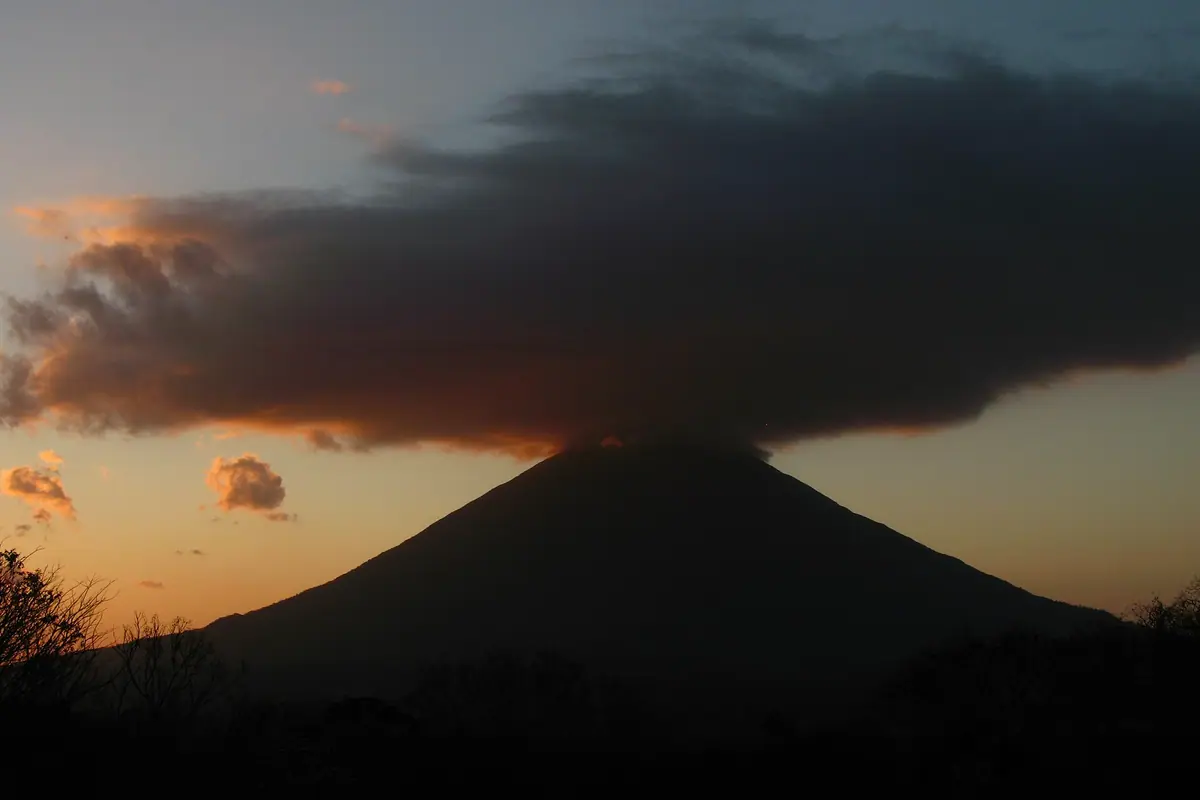
Ometepe rises out of Lake Nicaragua as two volcanoes joined by a thin isthmus — Concepción, perfectly conical and still active, and Maderas, older and wrapped in cloud forest. The island is reached by ferry from San Jorge near Rivas, a crossing of about an hour that can be choppy on windy afternoons; a small airstrip also takes light aircraft from Managua. Once there, life slows to the pace of a scooter, a bicycle or a horse. Stay near Moyogalpa if you want convenience, or in Balgüe on the greener side for a quieter, more rural base.
Hiking is the main event. Concepción is a serious, steep, eight-to-ten-hour round trip with a guide, rewarded by views over the entire lake; Maderas is muddier and gentler, ending at a misty crater lagoon. For gentler days, swim in the spring-fed pools at Ojo de Agua, walk to the San Ramón waterfall, paddle a kayak past petroglyphs left by the island's earliest inhabitants, or simply watch howler monkeys crash through the trees above your hammock. Two or three nights is the minimum to do it justice.
The Pacific Surf Coast and San Juan del Sur
San Juan del Sur is a horseshoe bay of fishing boats, surf shops and sunset bars, watched over by a hilltop statue of Christ that everyone climbs for the view at least once. It is the gateway to a string of beaches that suit every level of surfer: Playa Maderas for consistent waves and a young crowd, Playa Remanso for beginners, Playa Hermosa for long stretches of sand, and further north the punchier reefs around Playa Gigante and Popoyo. The biggest south swells arrive from roughly March through October, and mornings usually bring cleaner, offshore conditions before the afternoon wind picks up.
Even if you never stand on a board, the coast earns its keep for three or four nights. Boat trips run to quiet coves, sport fishing is excellent offshore, and the La Flor nature reserve south of town hosts nesting sea turtles, with mass nesting events concentrated in the later wet season. Further north along the Pan-American corridor, Pochomil and Montelimar offer calmer, family-friendly swimming. Distances are short on the map but slow on the road, so plan on a two- to three-hour transfer from Managua and don't over-schedule.
The Northern Highlands, Somoto Canyon and the Caribbean Corn Islands
Inland and uphill, the air cools and the coffee grows. Estelí is tobacco country — you can tour small cigar workshops, see the rollers at work, and use the town as a base for the Miraflor Nature Reserve, a patchwork of cloud forest, orchids, coffee fincas and community homestays. Nearby, Somoto Canyon offers one of the country's best half-day adventures: a guided route that mixes hiking, scrambling and swimming, or floating downstream in an inner tube through walls that narrow to a slot. North and east, Matagalpa and Jinotega spread across green hills of shade-grown coffee, with farm stays and cooler nights. The dry season is far more comfortable for canyon water levels and mountain trails.
Then there is the other Nicaragua — the Caribbean. The Corn Islands, Big Corn and Little Corn, sit on a reef about an hour and a half by air from Managua. Little Corn has no cars, just sandy paths, dive shops and a handful of beach bars; the diving and snorkeling around the reef are among the best value in the region. The driest, calmest stretch here runs roughly February to May, while the hurricane season from June to November can bring rough seas and closures. For something wilder, boats run up the Río San Juan from San Carlos to the old fortress at El Castillo, gateway to the Indio Maíz reserve and the craft workshops of the Solentiname islands.
A realistic two-week itinerary threads Granada, León, Masaya, Ometepe and San Juan del Sur, with three or four extra days if you add the highlands or fly out to the islands. Domestic flights and long boat rides eat time, so resist the urge to see everything — Nicaragua rewards depth over checklists.
Frequently asked questions
What is the best time of year to visit Nicaragua?
The Pacific side is driest and sunniest from December through April, which is ideal for volcanoes, colonial towns and surf. May to November is greener, cheaper and quieter, with afternoon downpours and lush landscapes. The Caribbean coast, including the Corn Islands, has its own pattern, with the calmest, clearest weather roughly February to May and a wetter, windier stretch from June to November.
How many days do I need in Nicaragua?
Ten days is a good minimum for the classic loop: two or three nights in Granada, two in León, one for Masaya, two or three on Ometepe, and three on the Pacific coast around San Juan del Sur. Add three or four more days if you want Somoto Canyon and the northern coffee highlands, or a flight out to the Corn Islands.
Is Nicaragua safe for travelers?
Most visits pass without incident, and tourist areas are generally calm and welcoming. Use normal precautions: keep valuables out of sight, avoid isolated beaches after dark, use registered taxis or ride-hailing at night, and hire guides for volcano climbs. Check current travel advisories before booking, since the situation can change, and be flexible with plans.
How do I get to Ometepe Island?
Ferries and smaller boats cross from San Jorge, near Rivas, in around an hour, with several departures daily; light aircraft also fly in from Managua. Bring cash, as ATMs on the island are limited, and pack light for the ferry. Once there, scooters, bicycles and motorbike taxis are the usual ways to get around.
Which volcano should I climb or visit?
Masaya is the easiest and most dramatic — you drive close to an active crater and can often see a lava glow after dark. Cerro Negro near León is the fun one, where you hike up and slide down on a board. Concepción on Ometepe is the hardest, a steep full-day climb, while Maderas is muddier but rewarded with a crater lagoon in the clouds.
Plan it — experiences in Nicaragua
Live search, booked directly with trusted providers.
Sort the rest of your trip
Everything for Nicaragua, in one place
Stay in Nicaragua
Hotels, guesthouses and apartments — compared in one search.
Search hotels
Transfer in Nicaragua
Private driver waiting on arrival — no queues, no surprises.
Book a transfer
Stay online in Nicaragua
Travel eSIM — data the moment you land, no roaming bills.
Get an eSIM