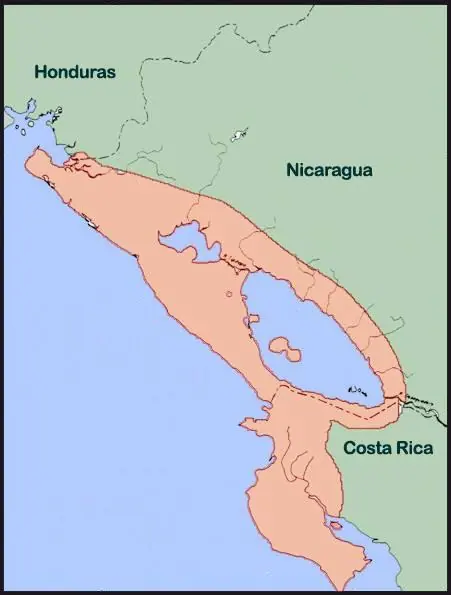
Nicaragua is the kind of country that rewards a week spent moving — from colonial streets still warm at dusk to a twin-volcano island floating in a vast lake. Fly in through Managua, then let short domestic hops and quick road transfers stitch together Granada, Ometepe, the Pacific surf coast and, if you time it right, a Caribbean island where the loudest sound is the reef.
Day 1: Landing in Managua — Flights, First Impressions and a Lakeside Evening
Almost every international arrival touches down at Augusto C. Sandino International Airport on the eastern edge of Managua, roughly 45 minutes by road from the city centre. Long-haul visitors usually connect through the United States, Mexico or Panama, and the most convenient arrivals land in the early afternoon, leaving time to settle in before dark. Negotiate a licensed taxi or arrange a hotel pickup rather than accepting the first offer at the kerb, and change a small amount of currency at the airport — you will want cash for smaller towns later.
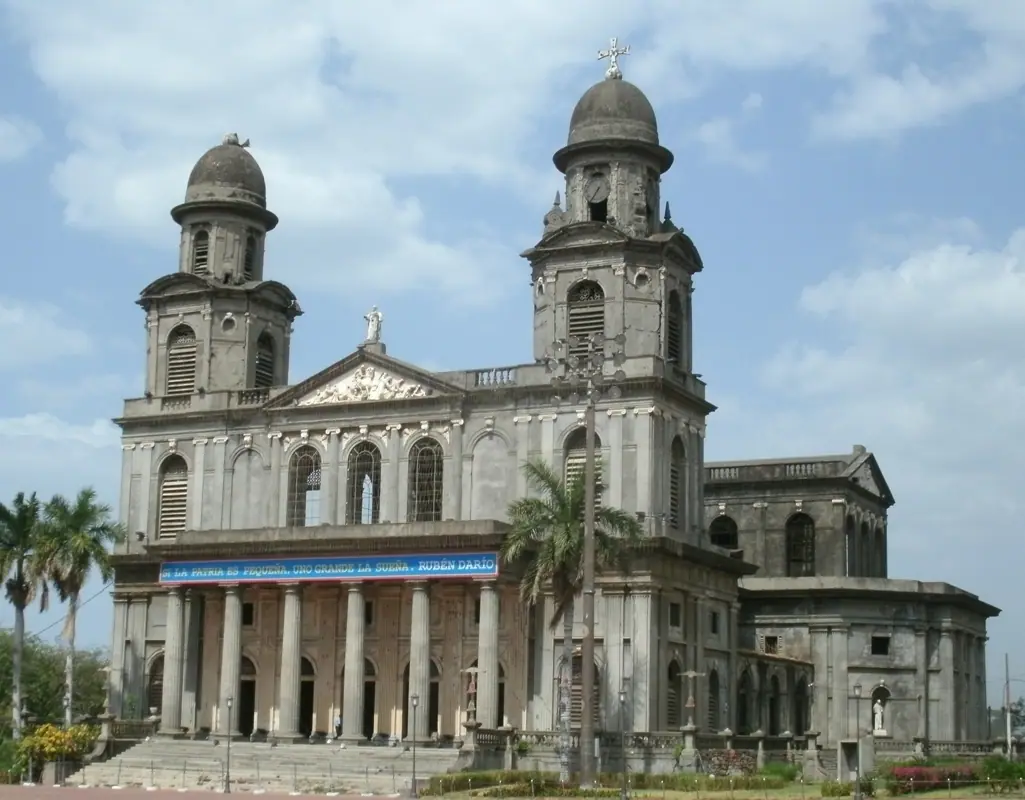
Managua itself is low, hot and shaped by earthquakes, so it is best treated as a doorway rather than a destination. Spend the afternoon between the shell of the Old Cathedral of Managua and the Plaza de la Revolución, then climb to the rim of Tiscapa Lagoon, a crater lake right in the middle of the city. As the heat breaks, head to Puerto Salvador Allende on the shore of Lake Xolotlán for grilled fish and a view of Momotombo volcano across the water — a fitting first glimpse of the volcanic spine you will follow all week.
Flight logistics matter more here than in most countries. Domestic departures use the same terminal complex, but turboprop services to the islands and the lake have strict baggage limits, so pack a soft-sided bag and check in an hour early. Book any internal flight as soon as your dates are fixed, particularly between December and April, when the dry season fills the small planes.
Days 2–3: Granada, the Isletas and the Lava of Masaya
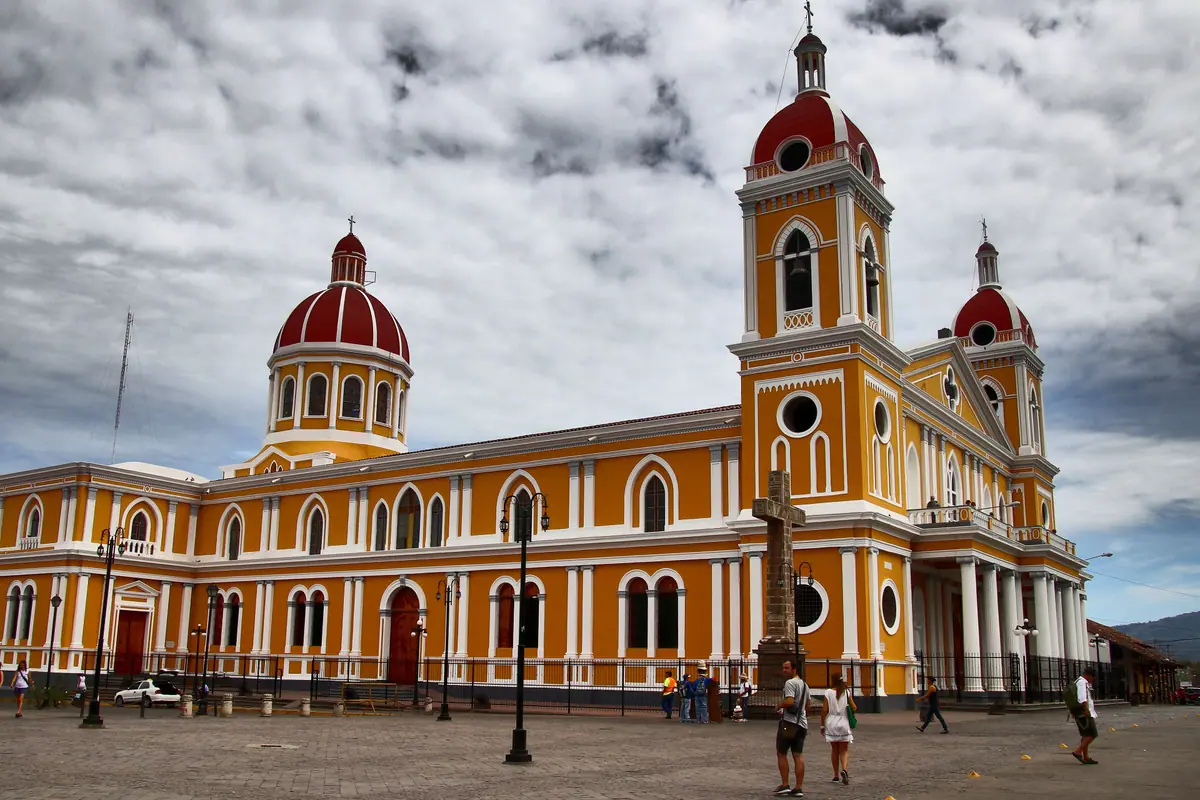
An hour south of Managua, Granada is the country's showpiece: a colonial city founded in 1524, painted in yellows and terracottas, arranged around Parque Central and the neo-classical Granada Cathedral. Walk Calle La Calzada towards the lake, take a horse-drawn carriage if the heat is winning, and save the late afternoon for the bell tower of Iglesia La Merced, where you climb a spiral staircase for the best sunset view over rooftops and the twin peaks of Mombacho.
The lake in front of the city hides the Isletas de Granada, an archipelago of more than 350 tiny islands formed by a volcanic collapse. A one-hour boat tour weaves between them, past waterbirds, mango trees and a small fortress on its own island. On day three, swap water for altitude: Volcán Mombacho's cloud forest is cool, green and full of howler monkeys, while Masaya Volcano National Park offers the rare chance to stare into an active crater, with a night visit timed to catch the orange glow of the Santiago crater against the dark. Stop at the craft market in Masaya on the way home for hammocks, leather and ceramics.
If you have an extra half-day, add a swim in Laguna de Apoyo, a warm crater lake so clear you can see the far rim reflected on the surface. It is the perfect antidote to a morning of sightseeing.
Day 4: Ometepe — An Island Built by Two Volcanoes
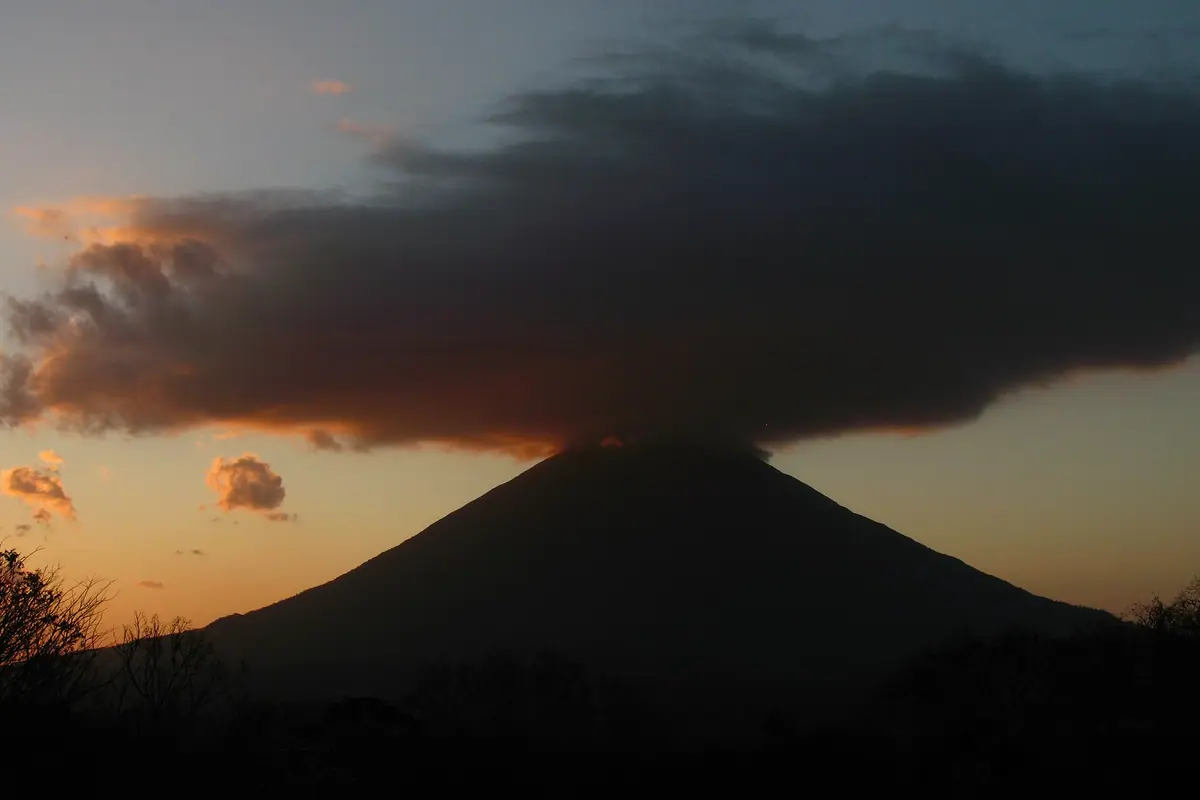
Ometepe rises out of Lake Nicaragua as two volcanoes joined by a curving isthmus, and getting there is half the pleasure. A ferry from the port near Rivas takes about an hour across open water; alternatively, a short domestic flight from Managua lands at the island's small airstrip in roughly 20 minutes and skips the swell entirely. Land on the right day and the boat ride gives you Volcán Concepción looming larger with every minute, its cone almost perfectly symmetrical at around 1,600 metres.
The island rewards slow travel. Its northern volcano, Maderas, is draped in cloud forest and crowned by a crater lagoon you can hike to in a long, muddy morning; the south is all dark volcanic sand and mango groves. Swim at Ojo de Agua, a spring-fed pool with water so mineral-rich it feels faintly silky, then watch the sunset from Punta Jesús María, a thin sandbar that narrows to nothing as the lake laps either side. Scooters and bicycles are the standard way around, but the roads are rough and the potholes ambitious.
Day 5: San Juan del Sur and the Pacific Surf Coast
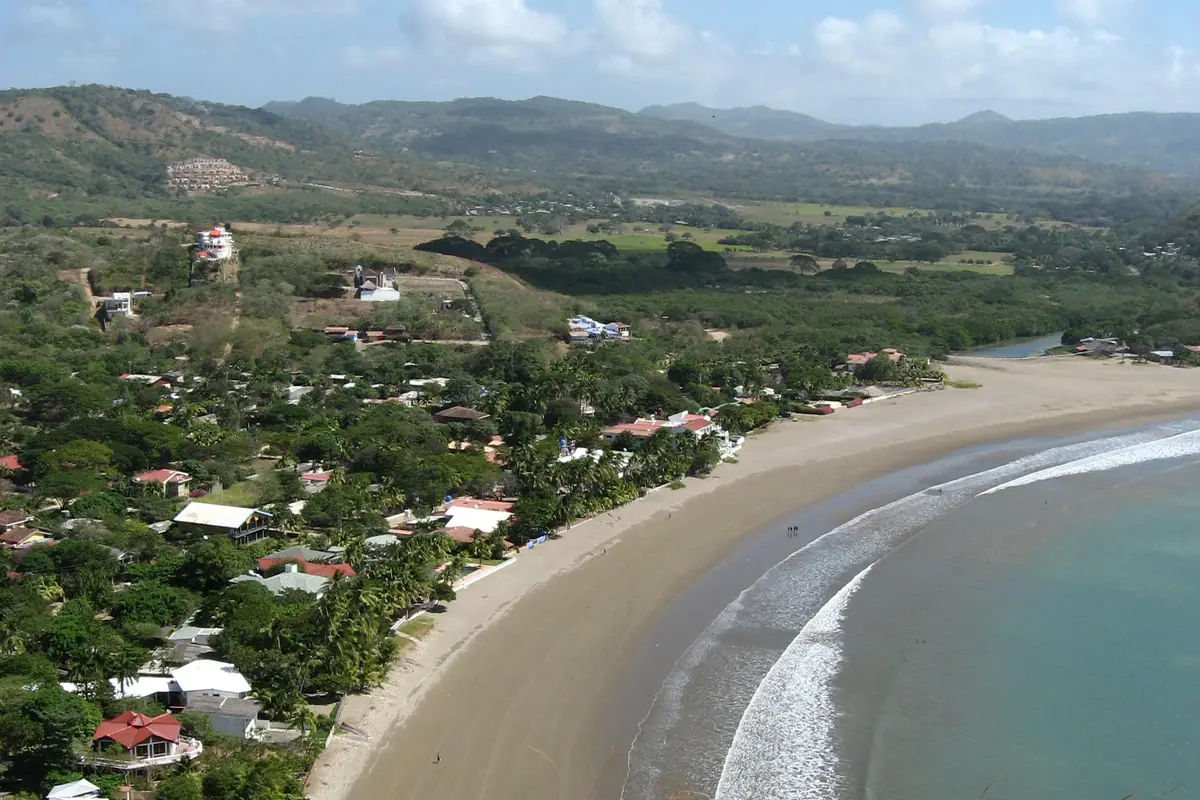
Back on the mainland, the road runs south to San Juan del Sur, a crescent bay where fishing boats bob below a hillside statue of Cristo de la Misericordia. A short, steep walk up to the statue is the town's ritual — count on 25 minutes of climbing for a panorama of the bay and the ocean beyond. Below, the beach at the town itself is calm, but the real surf crowds gather at Playa Maderas and Playa Hermosa, both a short ride north.
This stretch of coast is also a nesting ground. Between roughly July and January, olive ridley turtles come ashore at the La Flor reserve south of town, sometimes in mass arrivals that turn the sand dark with movement; local guides run night watches in season. Otherwise, spend the day swimming, eating fresh ceviche and staying for the sunset, which on this coast stains everything amber.
Day 6: León, Revolution and Volcano Boarding
Nicaragua's second colonial jewel sits northwest of Managua, and it feels both hotter and more political than Granada. The León Cathedral is the largest in Central America and a UNESCO-listed landmark; pay the small fee to walk its roof, a bristling forest of domes and bell towers with volcanoes on the horizon. Afterwards, the Museo de la Revolución recounts the country's turbulent modern history from a building still marked by gunfire, and the childhood home of poet Rubén Darío sits a few blocks away.
The afternoon belongs to Cerro Negro, a young black volcano about 45 minutes away. A hike of roughly an hour over loose ash and scree brings you to the rim, and then you strap onto a wooden board and slide down the gravel slope in under a minute — shorts and a sense of humour recommended, since you will be picking black grit out of your ears for days. Round off the day at Las Peñitas, a laid-back beach village beside the Juan Venado Island reserve, where you can paddle a kayak through mangroves at sunset.
Day 7: Flying to the Corn Islands — Caribbean Nicaragua
For the final day, trade the Pacific for the Caribbean with a domestic flight from Managua to Big Corn Island, a hop of around an hour and a half in a small propeller plane that sells out weeks ahead in high season. From Big Corn, a covered panga boat crosses to Little Corn Island in about 30 minutes — though the crossing can be choppy when the trade winds pick up, so travel light and keep electronics in a dry bag. Barefoot, car-free and ringed by reef, Little Corn is the reward: sandy lanes, guesthouses run on generators, and snorkelling straight off the beach.
Realistically, a single week cannot hold both the Corn Islands and a full León day without rushing. Choose the island if you want water, reef and lobster grilled on the sand; choose León and Cerro Negro if you would rather end with colonial architecture and volcanic adrenaline. Either way, keep a buffer night in Managua before your international departure — domestic flights and ferries do occasionally shift, and the airport is on the far side of the city from the main hotel strip.
Timing your trip is the other big variable. December through April brings the most reliable dry days, with March to May offering the calmest seas for the island crossing. The rainy season from May to November brings greener landscapes, lower rates and short afternoon downpours, while September and October are the wettest and most storm-prone months — worth avoiding if the Caribbean is on your plan.
Frequently asked questions
Which airport do you fly into for Nicaragua?
Almost all international flights arrive at Augusto C. Sandino International Airport in Managua, usually via a connection in the United States, Mexico, Panama or El Salvador. From there, domestic turboprops serve the Corn Islands and a small island airstrip on Ometepe, while Granada, León and the Pacific coast are reached by road.
Do I need to fly between destinations inside Nicaragua?
No — most of the route, from Granada to Masaya, San Juan del Sur and León, is comfortably covered by shuttle vans, private transfers or local buses on paved highways. Flights only really make sense for the Corn Islands and, optionally, Ometepe, where the alternative is a one-hour ferry.
What is the best time of year for a one-week Nicaragua itinerary?
December to April is the dry season, with clear skies, hot days and the most dependable travel conditions. March to May is the sweet spot for calm Caribbean crossings, while September and October are best avoided because of heavy rain and the risk of tropical storms.
Is one week enough to see Nicaragua?
A week is enough for a focused loop: Managua, Granada, Masaya, Ometepe and either León or the Corn Islands. Trying to include both the Caribbean and a full northern itinerary in seven days means spending too much of it in transit, so pick one direction and go deeper.
What should I pack or prepare for domestic flights in Nicaragua?
Small turboprops enforce tight baggage limits, so bring a soft-sided bag and expect to pay for excess weight. Carry cash in local currency for island guesthouses and small towns, since ATMs are scarce outside the cities, and pack a dry bag if your trip includes the boat crossing to Little Corn Island.
Plan it — flights in Nicaragua
Live search, booked directly with trusted providers.
Sort the rest of your trip
Everything for Nicaragua, in one place
Stay in Nicaragua
Hotels, guesthouses and apartments — compared in one search.
Search hotels
Transfer in Nicaragua
Private driver waiting on arrival — no queues, no surprises.
Book a transfer
Travel insurance
Medical cover, delays and lost baggage — sorted before you go.
Get covered