Namibia is the kind of country that rearranges your sense of scale: dunes that rise higher than city towers, a salt pan that glows white to the horizon, and gravel roads that run for hours without a single fence. It rewards slow travel, early starts and a willingness to trade comfort for silence.
Sossusvlei and Deadvlei: Walking the World's Tallest Dunes
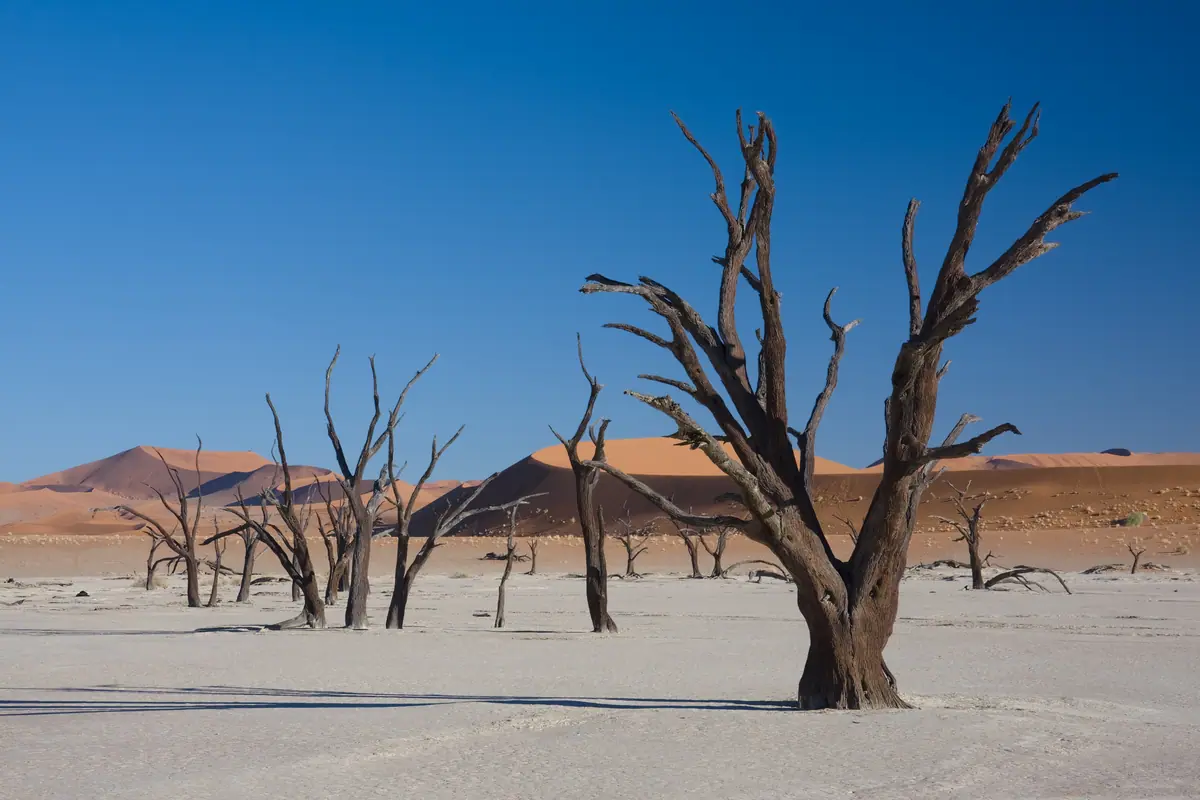
The Namib is widely regarded as the oldest desert on Earth, and Sossusvlei is its centrepiece — a chain of clay pans cupped by rust-red dunes that climb to roughly 300 metres. Nearby Deadvlei is the postcard image: black camelthorn skeletons standing on cracked white clay, ringed by orange walls, with some of the trees estimated at nine centuries old. Nothing grows there now; the river that once fed it changed course long ago.
Sunrise is the whole point. The gate at Sesriem opens at first light, and it's about a 60-kilometre drive to where the tar ends and the deep sand begins — the final stretch is 4x4 territory or a short shuttle ride. Dune 45, named for its position at the 45-kilometre mark, is the most climbed dune in the country and takes most people 20 to 30 minutes to summit. Big Daddy is the tallest in the area and pairs well with a descent into Deadvlei.
Don't rush past Sesriem Canyon, a narrow 30-metre-deep gorge carved by the Tsauchab River, and Hiddenvlei for the same ghostly trees with a fraction of the crowd. Winter mornings from June to August can dip close to freezing before the sun hits the sand, so pack a warm layer alongside your water and hat.
Etosha National Park: Waterhole Theatre in the North
Etosha covers roughly 22,000 square kilometres around a salt pan so vast it is visible from orbit. In the dry months from June to October, water is scarce and wildlife has no choice but to gather at the pumps and pans, which turns a self-drive safari into something almost unfairly easy. Elephants, lions, giraffes, zebras, springbok and oryx file in and out all day, and the floodlit waterhole at Okaukuejo is legendary for black rhino arriving after dark.
The park's camps at Okaukuejo, Halali and Namutoni each sit beside a waterhole, so you can watch from a chair with a cold drink rather than through a windscreen. The eastern Andoni plains are excellent for grazing herds and cheetah, while the pan edge itself delivers shimmering mirages and, after good rains, flocks of flamingos. More than 100 mammal species and over 300 bird species have been recorded here.
Practicalities matter: gates open at sunrise and close at sunset, and you must be inside camp before the gate shuts. Speed limits are low and strictly enforced, and the roads are a mix of tar and gravel. Give Etosha at least three nights — one camp is a taste, three is a proper safari.
Fish River Canyon and Kolmanskop: The Deep South
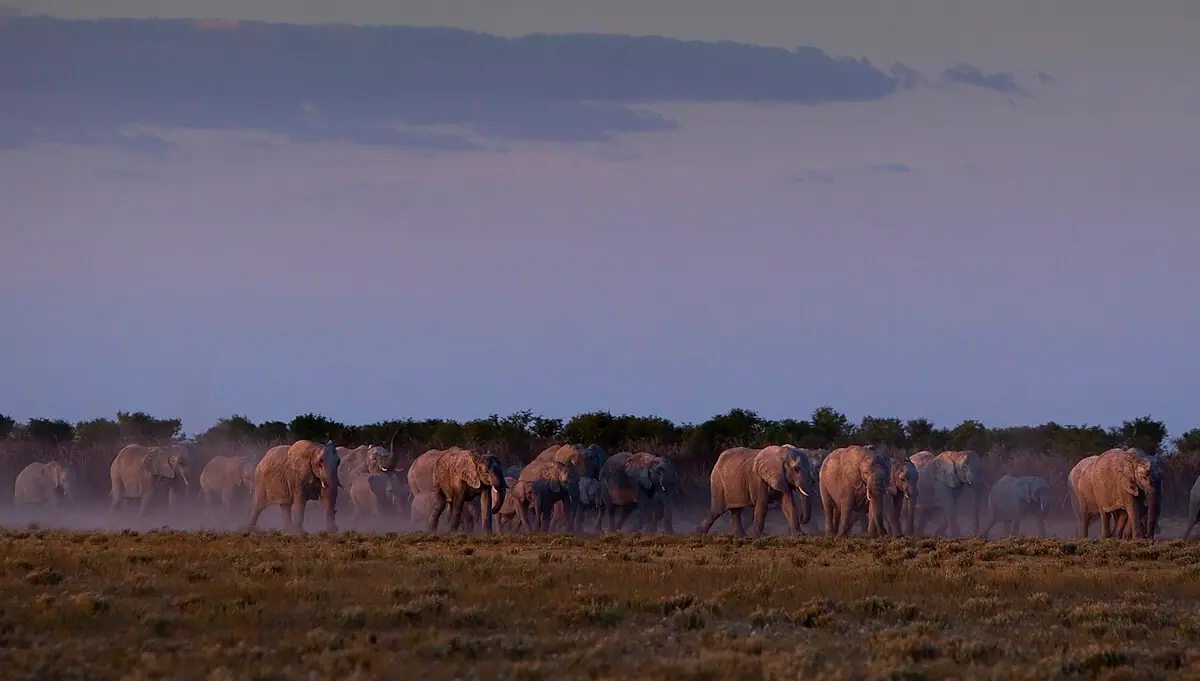
Fish River Canyon is the second-largest canyon on the planet — around 160 kilometres long, up to 27 kilometres wide and plunging more than 500 metres in places. The Main Viewpoint near Hobas is the classic panorama, best in the soft light of early morning or late afternoon, with Hiker's Viewpoint offering a quieter angle. The five-day, 85-kilometre Fish River Hiking Trail runs only from May to mid-September, requires a medical certificate and demands full self-sufficiency.
Further west, Kolmanskop is a diamond boomtown that was abandoned in 1954 and is now half-swallowed by sand. Guided walks of about an hour take you through the ballroom, the ice factory and the hospital, where drifts of sand pour through doorways and windows. Morning light is best for photographs. Nearby Lüderitz adds the candy-striped Felsenkirche and the windswept Diaz Point.
This southern loop is a serious driving proposition. Distances between fuel stops are long, surfaces are mostly gravel, and the reward is a landscape of quiver trees near Keetmanshoop and the red dunes of the Kalahari. Allow five to seven days if you want to combine it with Sossusvlei.
Damaraland: Twyfelfontein, Spitzkoppe and Ancient Rock Art
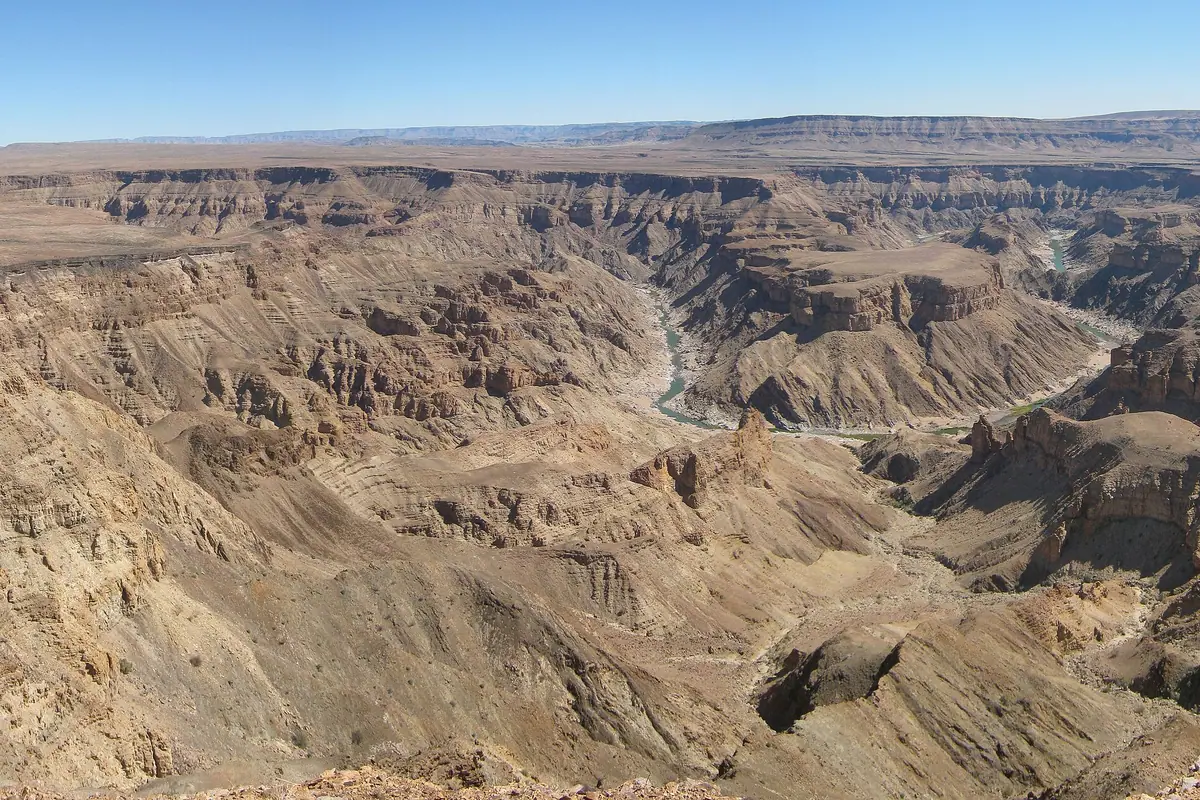
Twyfelfontein holds one of Africa's finest collections of rock engravings, pecked into sandstone slabs by hunter-gatherers thousands of years ago and now World Heritage-listed. Guided walks last 45 to 60 minutes and decode the lions, giraffes, elephants and abstract circles. Combine it with the Organ Pipes, a wall of geometric basalt columns, and the Burnt Mountain, which glows deep red at sunset.
Spitzkoppe is the granite inselberg known as the Matterhorn of Namibia, rising to about 1,728 metres above the plains. The rock arch frames a perfect sunrise, rock paintings hide in shaded overhangs, and basic campsites put you under one of the darkest skies in southern Africa. Further north, the Petrified Forest preserves fossilised logs hundreds of millions of years old, and ancient welwitschia plants sprawl across the gravel plains nearby.
Damaraland is also where you track desert-adapted elephants and black rhino with community guides in the Torra Conservancy. In the far north, Epupa Falls drops into the Kunene River gorge on the Angola border. If you visit Himba communities in the Kaokoveld, go with a local guide and ask before photographing anyone.
Skeleton Coast, Cape Cross and Swakopmund
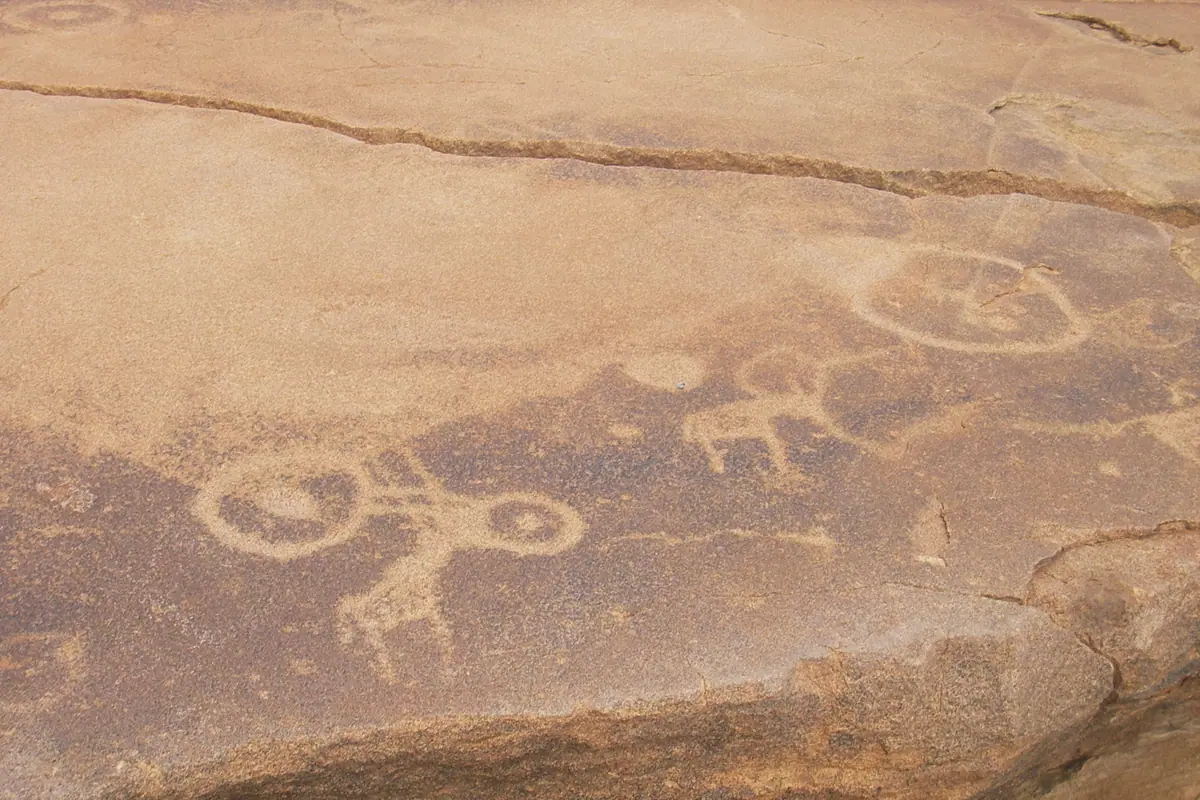
The Skeleton Coast is a 16,000-square-kilometre national park of fog, whale bones and rusting shipwrecks, named for the sailors who never made it ashore. Much of the far north is only accessible by permit and guided expedition, but the southern section around Cape Cross is open to self-drivers. Cape Cross hosts one of the largest Cape fur seal colonies anywhere — tens of thousands of animals, a boardwalk, and an aroma you will not forget.
Swakopmund is Namibia's adventure capital and its most Germanic town, with colonial-era architecture, a handsome jetty and a museum worth an hour of your time. Sandboarding and quad biking run on the surrounding dunes, skydiving is popular, and the cool coastal fog keeps temperatures mild year-round. South of town, the Walvis Bay lagoon fills with flamingos and pelicans, and Sandwich Harbour is where towering dunes tumble straight into the Atlantic.
That seaside stretch is a good reminder that Namibia is not all heat. The cold offshore current produces fog and chill breezes even in midsummer, so pack a windproof layer. Guided 4x4 trips to Sandwich Harbour are the sensible way to tackle the sand, and they usually time the drive to the tide.
Windhoek, Dark Skies and How to Move Through Namibia
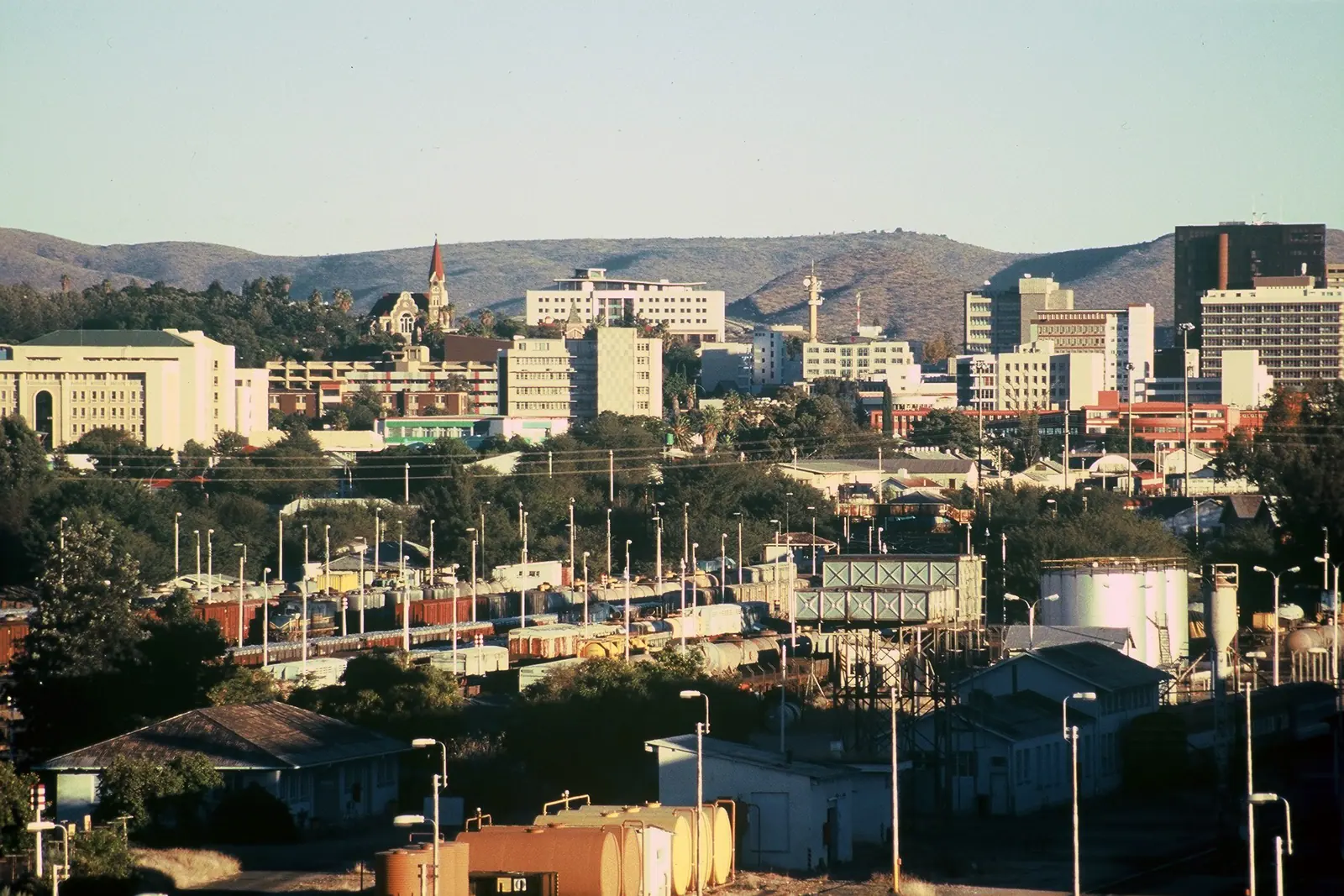
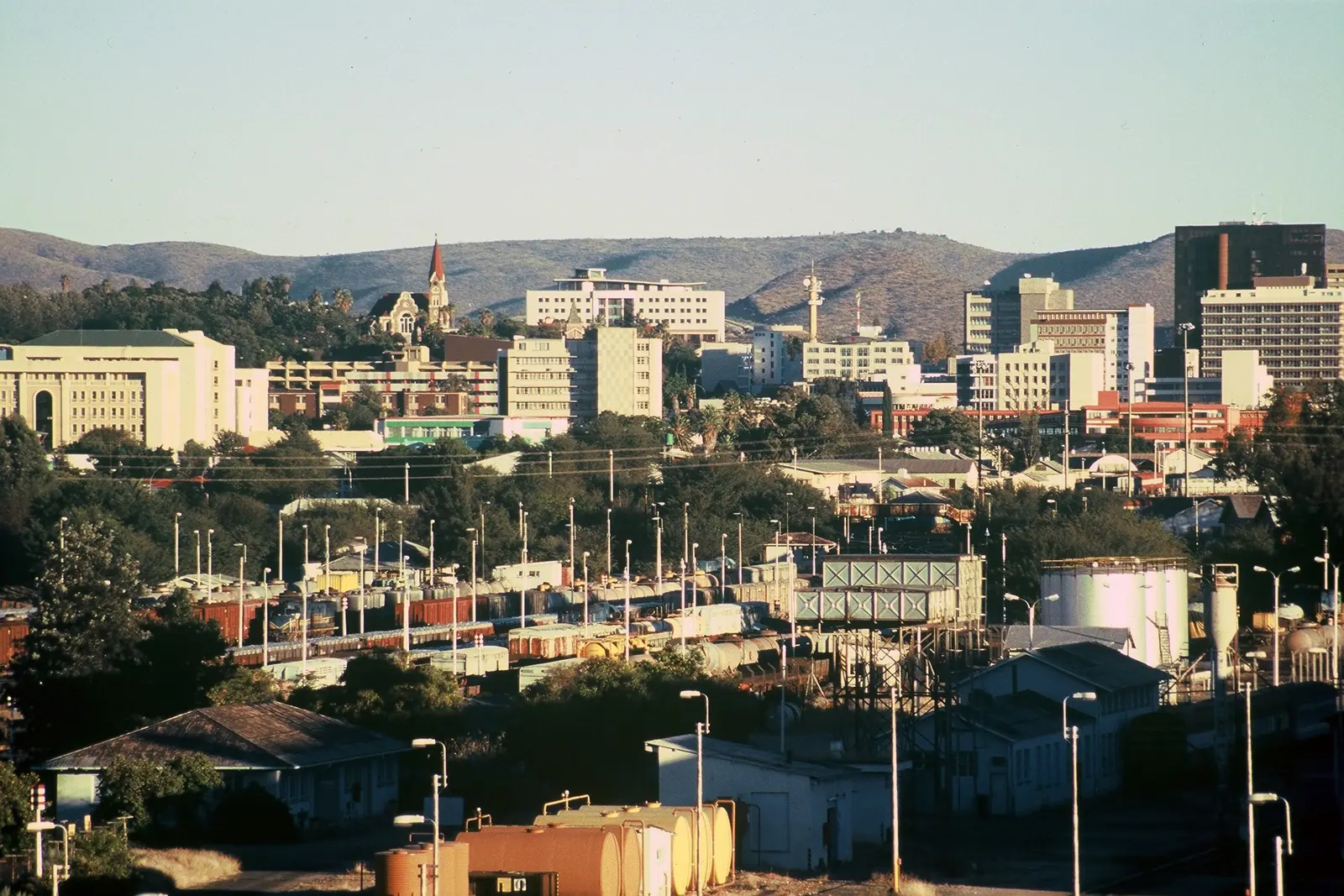
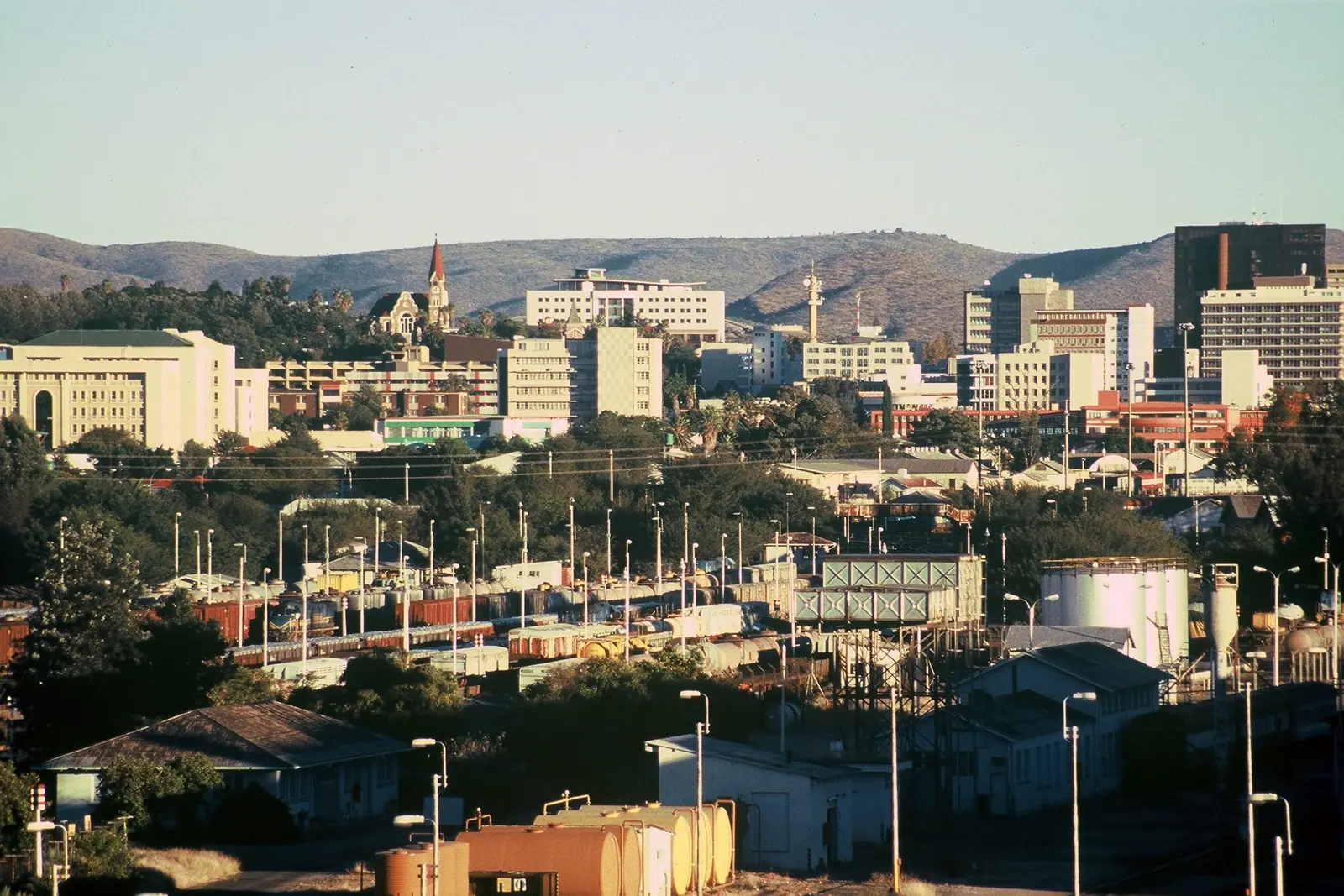
Windhoek makes a gentle first landing. The Christuskirche, a German colonial-era church in sandstone, anchors the city centre, while the Independence Memorial Museum and the old fort nearby give context to a complicated history. The Katutura township is worth exploring with a local guide for its markets and food, and the city's beer-and-grill culture is a fine way to end a long flight.
Inland, the NamibRand Nature Reserve is a designated dark-sky area where the Milky Way arches over the dunes and the Magellanic Clouds are visible with the naked eye. Stargazing is best in the dry winter months from May to September, when cloud cover is minimal and the air is crisp. Central-highland reserves also offer big-cat conservation experiences and night drives.
Namibia rewards self-drive travel: you drive on the left, gravel roads demand around 80 kilometres per hour, and you should never drive after dark because kudu and warthog wander onto the road. Carry two spare tyres, fill up whenever you can, and plan 10 to 14 days for a comfortable loop. May to September is the sweet spot for wildlife and clear skies; January to April turns the north green and cheap, at the cost of heat and afternoon storms.
Frequently asked questions
How many days do you need in Namibia?
Ten to fourteen days covers the classic loop of Sossusvlei, Swakopmund, Damaraland and Etosha without constant driving. If you only have a week, pick either the southern dunes and canyon route or the northern Etosha and Damaraland circuit. Domestic flights between hubs can save you two full days of gravel-road driving.
When is the best time to visit Namibia?
May to September is the dry winter, with cool nights, clear skies and wildlife crowding the waterholes in Etosha. April and October are quieter shoulder months with pleasant temperatures. The rainy season from January to April turns the north green and brings great birding, but it is hot, muddy in places and animals scatter.
Can you visit Namibia without a guided tour?
Yes — Namibia is one of Africa's easiest countries for self-drive trips, with good gravel roads, clear signage and well-spaced fuel stops. You will want a 4x4 or high-clearance vehicle for Sossusvlei's sandy final stretch and for Damaraland. Guided options are better for Sandwich Harbour, rhino tracking and any visit to northern Skeleton Coast areas that require permits.
Do you need a 4x4 for Sossusvlei and Deadvlei?
Not strictly. You can reach the main Sossusvlei car park in an ordinary car, but the last few kilometres of soft sand to Deadvlei require a 4x4 or the local shuttle. Many visitors park and walk the final section, which adds about 20 to 30 minutes each way in deep sand and full sun.
Is Etosha better in the dry or wet season?
The dry season from June to October is unbeatable for game viewing, because animals concentrate around waterholes and visibility through the thin bush is excellent. The wet season from November to April brings dramatic skies, newborn animals and migratory birds, including flamingos on the pan, but wildlife is spread out and sightings require more patience.
Plan it — experiences in Namibia
Live search, booked directly with trusted providers.
Sort the rest of your trip
Everything for Namibia, in one place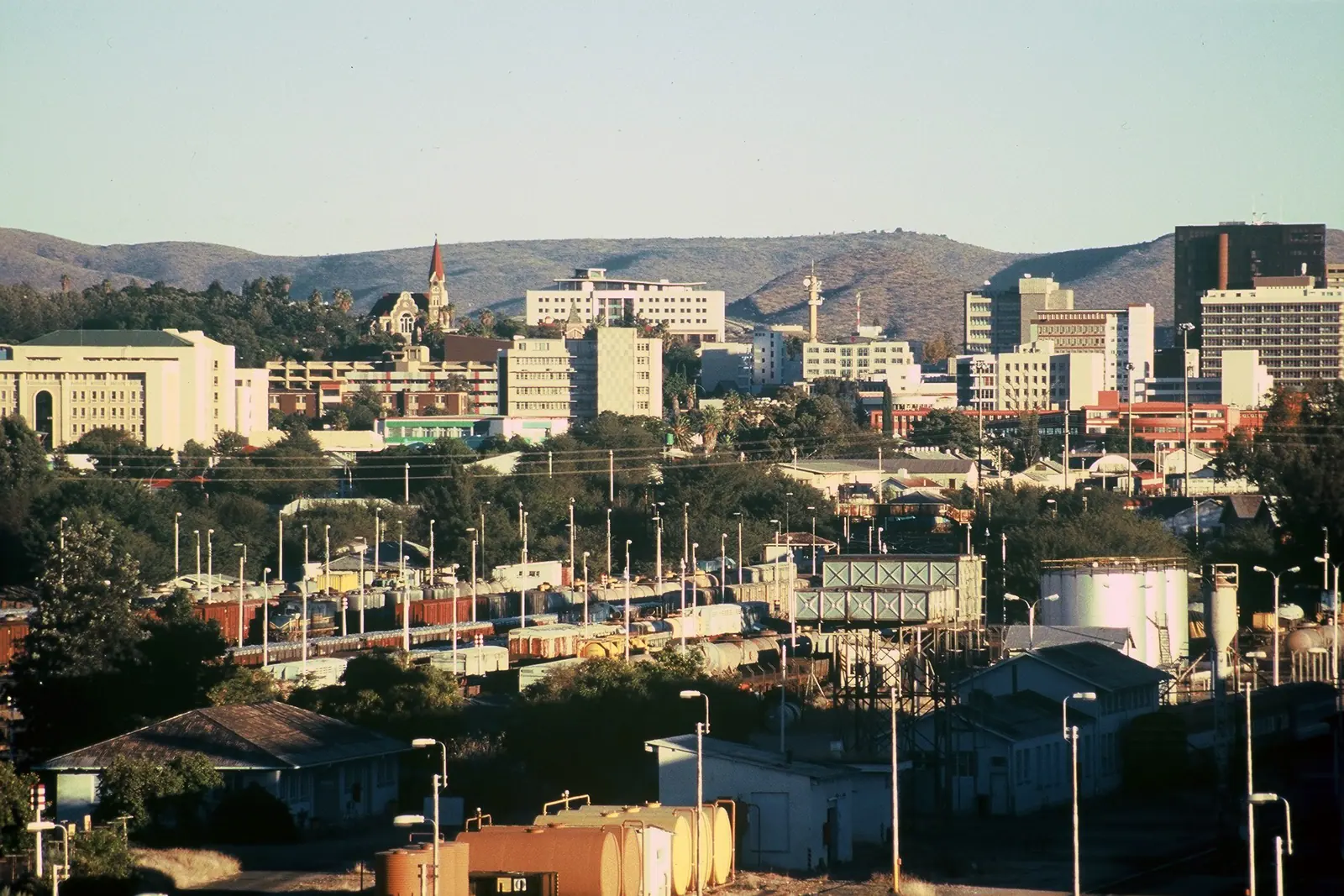
Stay in Namibia
Hotels, guesthouses and apartments — compared in one search.
Search hotels
Transfer in Namibia
Private driver waiting on arrival — no queues, no surprises.
Book a transfer
Stay online in Namibia
Travel eSIM — data the moment you land, no roaming bills.
Get an eSIM