Malawi is the Africa that fits in a single, unhurried loop: a glass-clear lake full of jewel-coloured fish, granite peaks rising out of tea country, and rivers where elephants cross in front of your boat. It rewards slow travel, warm greetings in Chichewa, and a willingness to trade a checklist for a long afternoon on the water.
Swim, Snorkel and Sail in Lake Malawi National Park
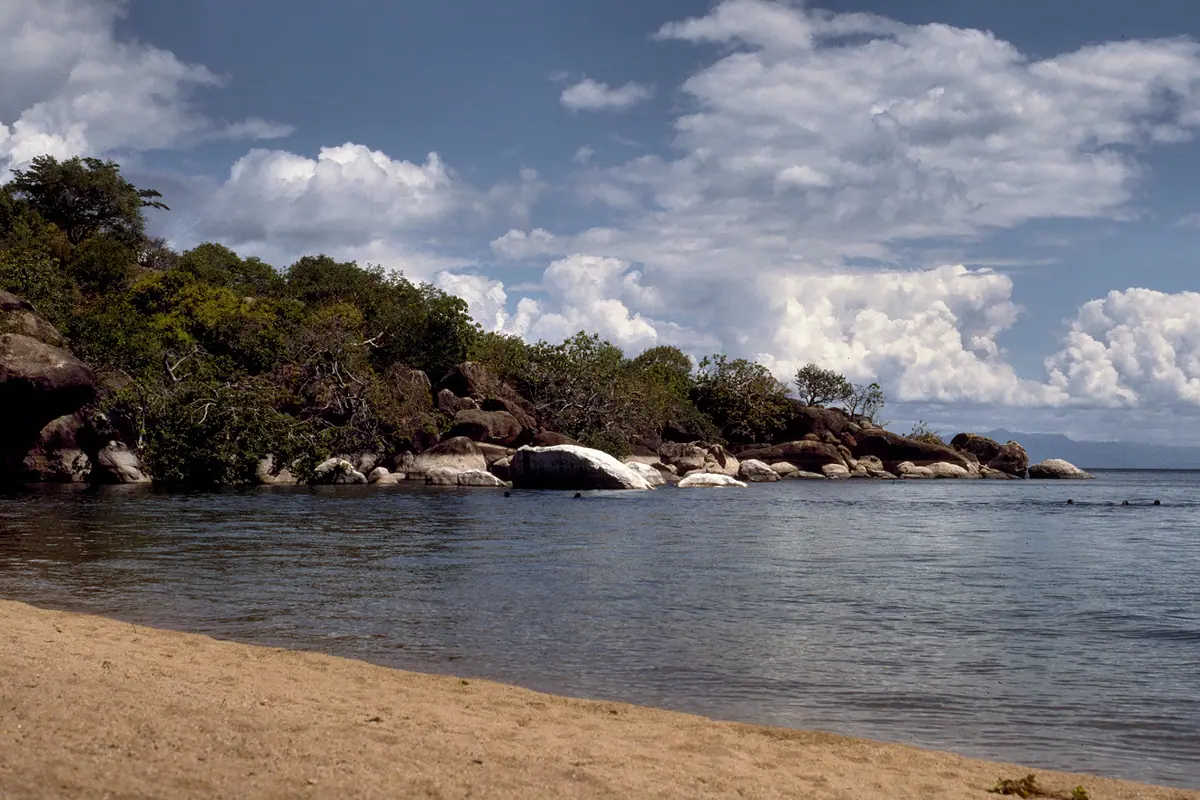
The country's beating heart is Lake Malawi, a freshwater sea so clear that on calm mornings you can see your own shadow on the sand ten metres down. At Cape Maclear, the peninsula village of Chembe marks the gateway to Lake Malawi National Park, a UNESCO-listed reserve protecting the rocky shorelines and granite islands where hundreds of cichlid species evolved. Snorkel off Otter Point or around Thumbi Island and you will be surrounded by small, brilliant fish in electric blue, lemon and bronze — an aquarium with no glass.
The rhythm here is deliberately unhurried. Days begin with kayaks slipping across flat water, continue with a dhow sail to a quiet beach for a grilled chambo lunch, and end with sundowners on a boulder as fish eagles call overhead. Swimming is comfortable year-round, though the dry months from May to October bring the calmest water and clearest visibility. Pitch up at one of the small lakeshore lodges or campsites in Chembe and you can walk everywhere barefoot.
One practical note: bilharzia is present in parts of the lake, so ask locally where it is safe to swim, favour deeper water off the main beaches rather than reedy shallows, and keep it simple. Cash is essential out here — ATMs are scarce once you leave Lilongwe, Blantyre and Mzuzu — and most lodges run on generator hours rather than round-the-clock power.
Island Hopping: Mumbo, Domwe and Likoma
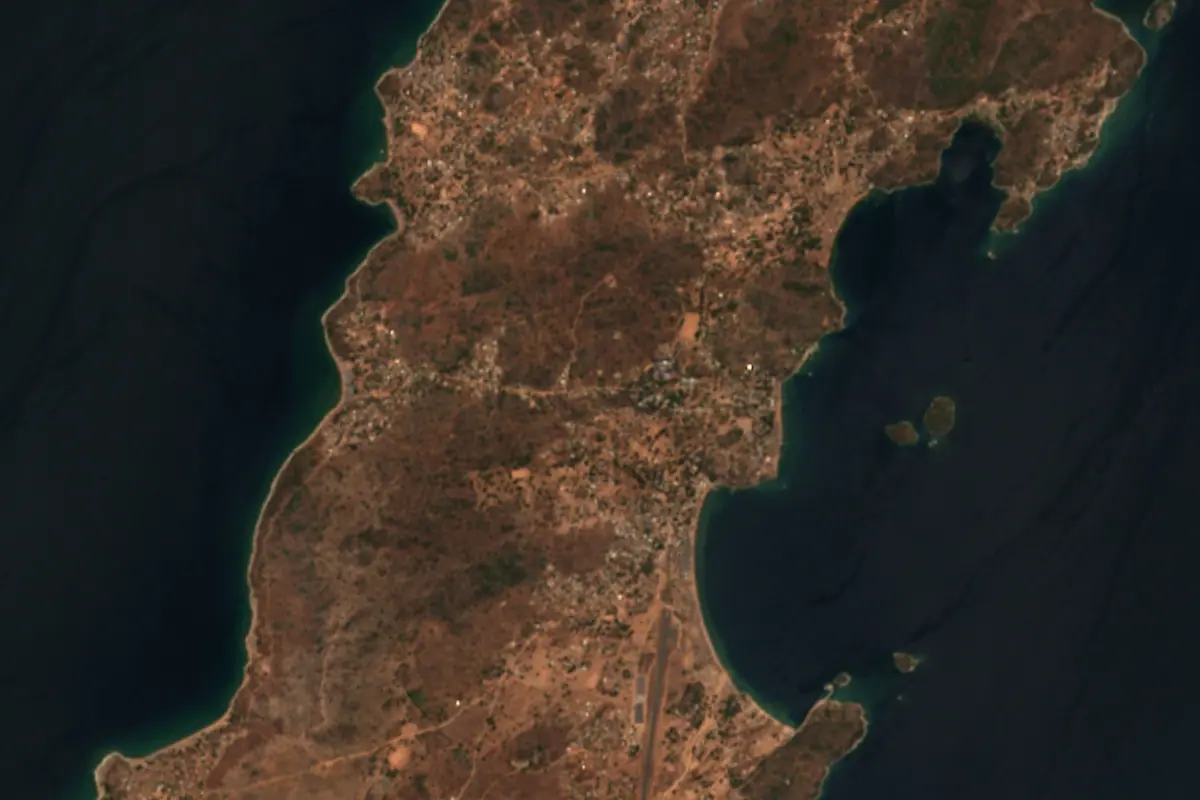
A short paddle or boat ride from Cape Maclear lie two of Malawi's most photogenic castaway islands. Domwe is the larger, wooded and ringed with snorkelling coves, while tiny Mumbo is a granite dome with a handful of rustic campsites and a perimeter trail you can walk in under an hour. Both sit inside the national park, so the water around them is protected and swarming with cichlids. Paddling across from Chembe takes a couple of hours in a sea kayak, and guided trips with a support boat are easy to arrange on the beach.
Further north, Likoma Island floats near the Mozambican shore and is reached by boat from Nkhata Bay or by light aircraft. Its unlikely centrepiece is a vast stone cathedral built by early missionaries in the first years of the twentieth century, with stained glass and carved soapstone that feel transplanted from another continent. Wander from the cathedral through dusty villages of mango trees and baobabs to quiet beaches, and you have one of the lake's great slow-travel days.
For the classic experience, time your trip around the vintage steamer that has linked the northern and southern lakeshore since the mid-1950s. It is slow, cramped, occasionally unpredictable and utterly memorable — a floating village of traders, schoolchildren and fishermen that calls at Likoma and Chizumulu before continuing north. Cabins are basic; deck space and patience matter more.
Boat Safaris and Big Five Comebacks: Liwonde, Majete and Nkhotakota
Liwonde National Park, strung along the Shire River in the south, offers the safari you cannot do in most of Africa: drifting quietly past herds of elephant and pods of hippo at eye level. The river is the park's spine, and a morning boat safari followed by an afternoon game drive is the classic combination. Sable antelope, waterbuck, warthog and crocodile are all regular sightings, and a fenced sanctuary within the park protects black rhino, which can be visited on foot with a guide.
West of Blantyre, Majete Wildlife Reserve tells a remarkable conservation story: a reserve that had been largely emptied of animals has been restocked and now holds lion, leopard, elephant, buffalo and rhino. It is the place for walking safaris and night drives, with comfortable tented camps inside the boundary so you fall asleep to whooping hyenas. Further north, Nkhotakota Wildlife Reserve has been rebuilt around a series of large elephant translocations and is best explored on foot through miombo woodland down to the lake.
Game viewing peaks in the dry season, roughly July to October, when grass is short and animals crowd the water. November to April turns everything green and brings newborn animals and migratory birds, but the heat and rain make roads and sightings harder work. Wherever you go, allow three nights: two is a taste, three is a proper safari.
Summit Days on Mount Mulanje and the Zomba Plateau
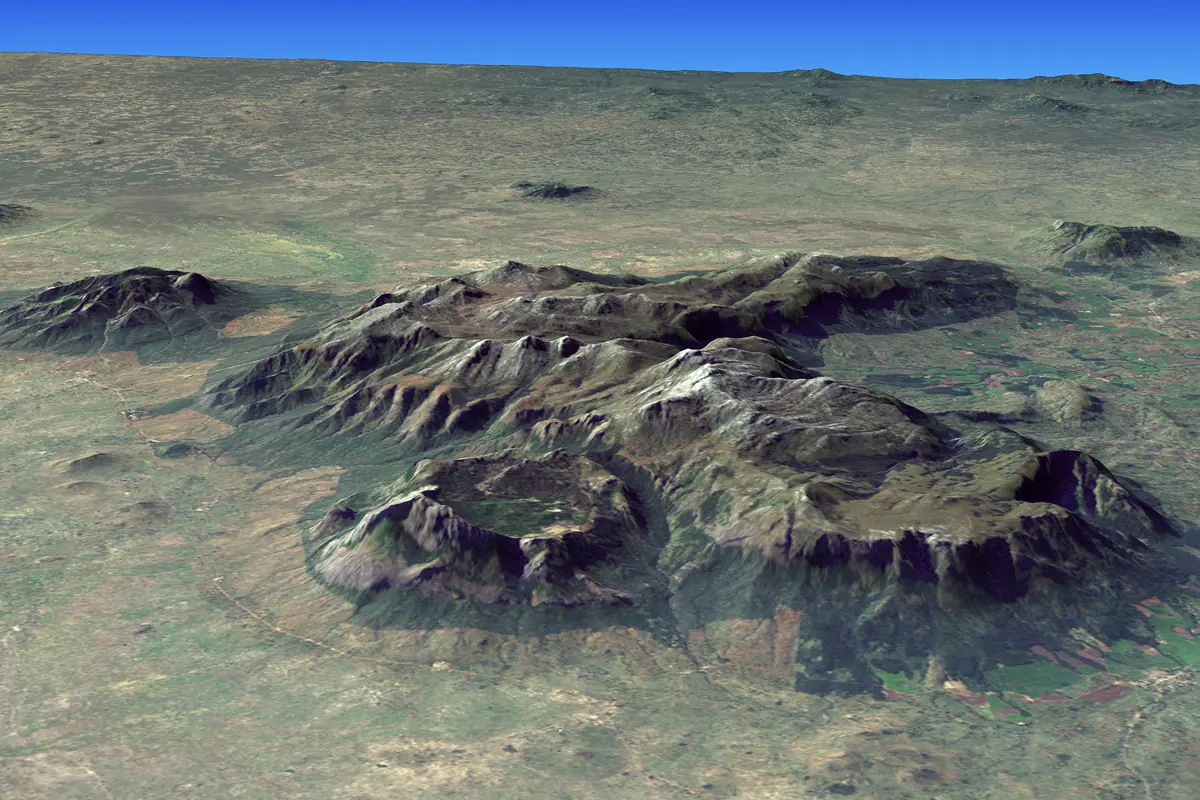
Mount Mulanje is a massif rather than a peak — a great granite block of forested flanks and bare, wind-scoured plateaus rising out of the tea estates of southern Malawi. Its highest point, Sapitwa, tops 3,000 metres and is a genuine scramble at the end, best attempted in dry conditions. Most treks start at Likhubula, where guides and porters can be organised, and range from a half-day walk to Likhubula Falls to a three- or four-day traverse sleeping in basic mountain huts. Nights at altitude get genuinely cold, so bring layers even in the hot season.
The Zomba Plateau offers a gentler, greener alternative: pine and cedar forest, trout streams and viewpoints such as Emperor's View, where the land falls away to the Shire Valley. Day walks reach Williams Falls and the strangely named Chingwe's Hole, and the roads up are popular with mountain bikers. Zomba town itself, once the colonial capital, is worth an hour for its old botanical gardens and faded architecture.
Best months for both mountains are May to October, with cooler, clearer weather and fewer afternoon thunderstorms. January and February bring heavy rain and slippery rock. Tea estates around Thyolo and Satemwa make fine rest-day detours if your legs are complaining.
Nyika Plateau and the Mission Towns of the Northern Highlands
Northern Malawi feels like a different country. The Nyika Plateau is a vast, rolling grassland over 2,000 metres, where zebra and roan antelope graze between isolated patches of forest and the horizons seem to double in size. Walking and mountain biking from the plateau's small lodge network is the way to experience it: no crowds, thin air, and orchids appearing in the wet months. Access is by road from Rumphi or Mzuzu, and the last stretch is slow — allow half a day.
Below the plateau, the mission settlement of Livingstonia clings to the escarpment above the lake, reached by a famous series of hairpin bends. Its stone church, old houses and small museum recall a nineteenth-century story of Scottish missionaries and the explorer whose name they borrowed, and the view over the lake from the ridge is one of the finest in the country. Vwaza Marsh Wildlife Reserve, on the road north, is a quiet, bird-rich wetland with elephants and hippos.
Base yourself in Mzuzu for markets and supplies, and in Nkhata Bay for a final dose of lakeshore life, where the water is deep and clean and fishing dhows still launch at dusk. This is the region to slow down: distances look short on a map but are slow on the ground.
Rock Art, Carvings and Village Culture Inland
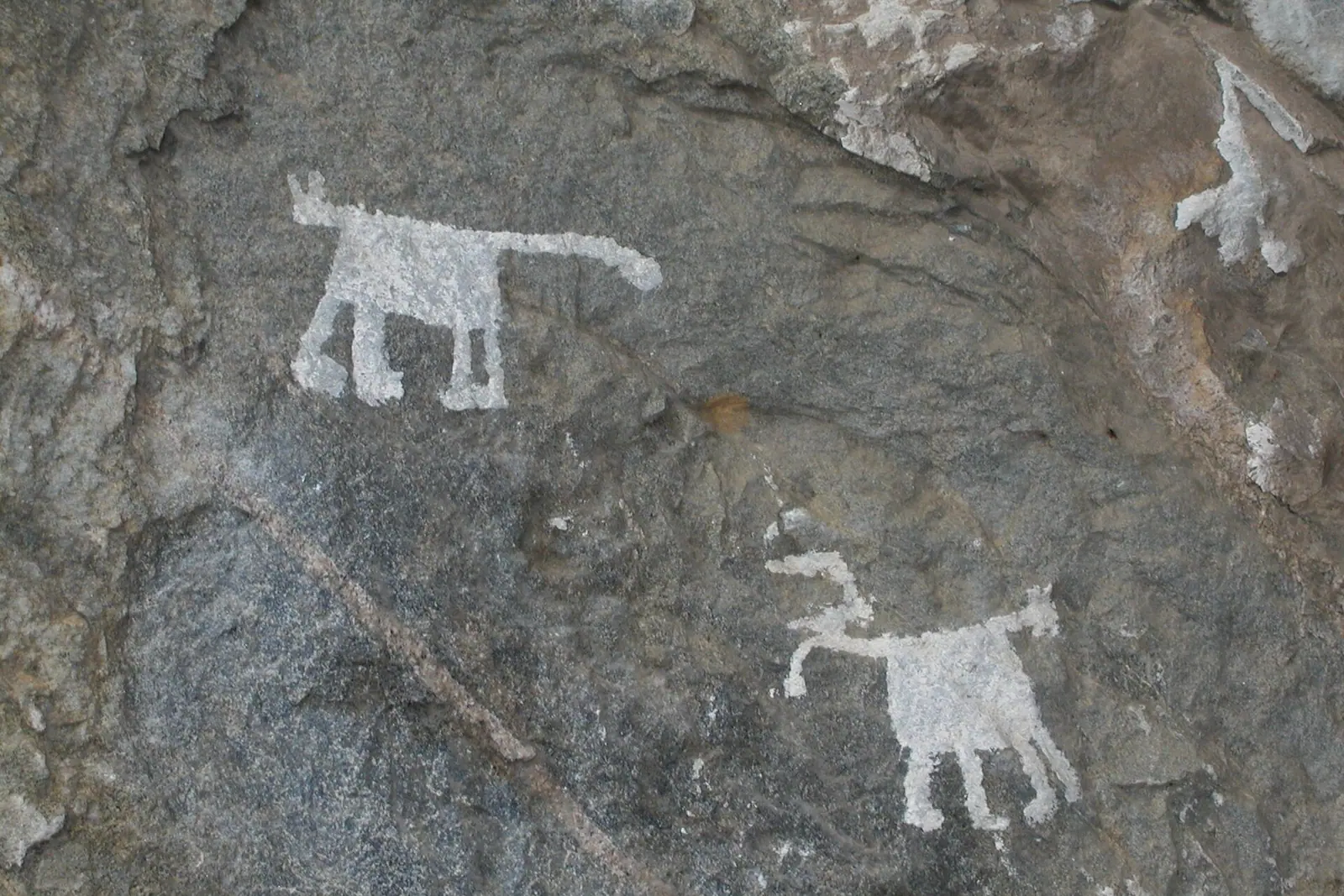
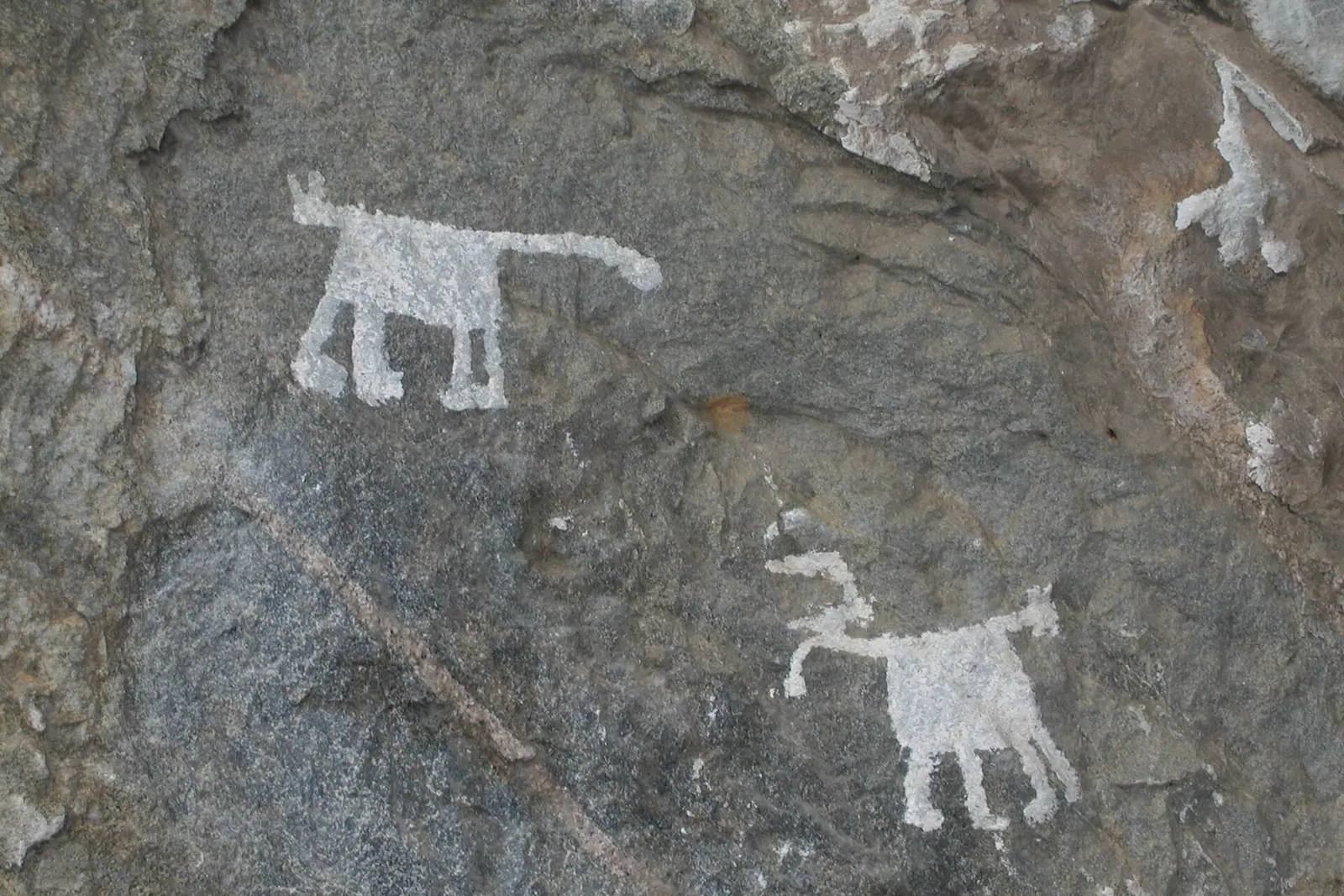
Malawi's inland districts hold some of the most important rock art in southern Africa. The Chongoni Rock Art Area, in the hills of Dedza District, protects dozens of painted shelters — red and white figures of dancers, hunters and mythical animals, some attributed to farming communities and others to earlier hunter-gatherers. Visiting requires a guide, and the walk up through woodland to the shelters is half the pleasure. Nearby Dedza is also a pottery town, where you can watch clay being thrown and glazed.
At Mua Mission, the Kungoni Centre blends a small museum of traditional culture — masks, drums, initiation objects — with a carving workshop producing some of the country's best-known wood sculpture. It is a rare chance to talk about Chewa, Ngoni and Yao traditions with people who live them. Closer to Lilongwe, cultural villages around the capital offer dance, drumming and cooking demonstrations, while the Lilongwe Wildlife Centre rescues and rehabilitates animals inside the city.
In the south, Blantyre's Museum of Malawi and the old Mandala House document the country's colonial and trading past, and the nearby Mudi River corridor is a reminder that this is a working city, not just a stopover. Wherever you go, greet people in Chichewa — 'Moni' works everywhere — and ask before photographing anyone. Village visits arranged through a local lodge or guide ensure the money stays in the community.
Frequently asked questions
When is the best time to visit Malawi?
The dry season from May to October is the most comfortable, with clear skies, cool nights and the best game viewing in parks like Liwonde and Majete — July to October is the peak. September and October get hot and hazy. November to April is the green season: lush landscapes, newborn animals, excellent birding and softer lodge rates, but expect afternoon downpours and muddy tracks, especially around Mulanje and the lake.
How many days do I need in Malawi?
Two weeks lets you see the country properly: three or four nights around Cape Maclear, three nights on safari in Liwonde or Majete, three or four nights for a Mount Mulanje or Zomba Plateau trek, and a couple of nights in the northern highlands or on Likoma Island. With only a week, choose one region — the lake plus one park — and travel less.
Is Malawi safe for travellers?
Malawi is generally one of the more peaceful and welcoming countries in the region, and violent crime against visitors is uncommon. Take the usual precautions in cities after dark, use registered guides on mountains, and check park rules before walking anywhere with wildlife. Outside Lilongwe, Blantyre and Mzuzu, carry cash in kwacha — card payment and reliable ATMs are limited, and fuel shortages occasionally affect long drives.
What should I pack for a Mount Mulanje trek?
Sturdy, broken-in boots, a rain shell, warm layers for cold nights at altitude, a headlamp, sun protection and a water filter or purification tablets. Mountain huts are basic, so bring a sleeping bag and mat if you are not carrying a tent. Bring enough cash to pay guides and porters directly, and book them at Likhubula rather than on the mountain.
Do I need malaria tablets or other vaccinations for Malawi?
Malaria is present year-round, particularly around the lake and in low-lying parks, so most travellers are advised to take prophylaxis and use repellent and a treated net at night. Yellow fever vaccination may be required if you are arriving from a country with transmission risk, and routine vaccinations plus typhoid and hepatitis A are usually recommended. Check current advice for your own situation well before you fly, and consider insurance that covers medical evacuation.
Plan it — experiences in Malawi
Live search, booked directly with trusted providers.
Sort the rest of your trip
Everything for Malawi, in one place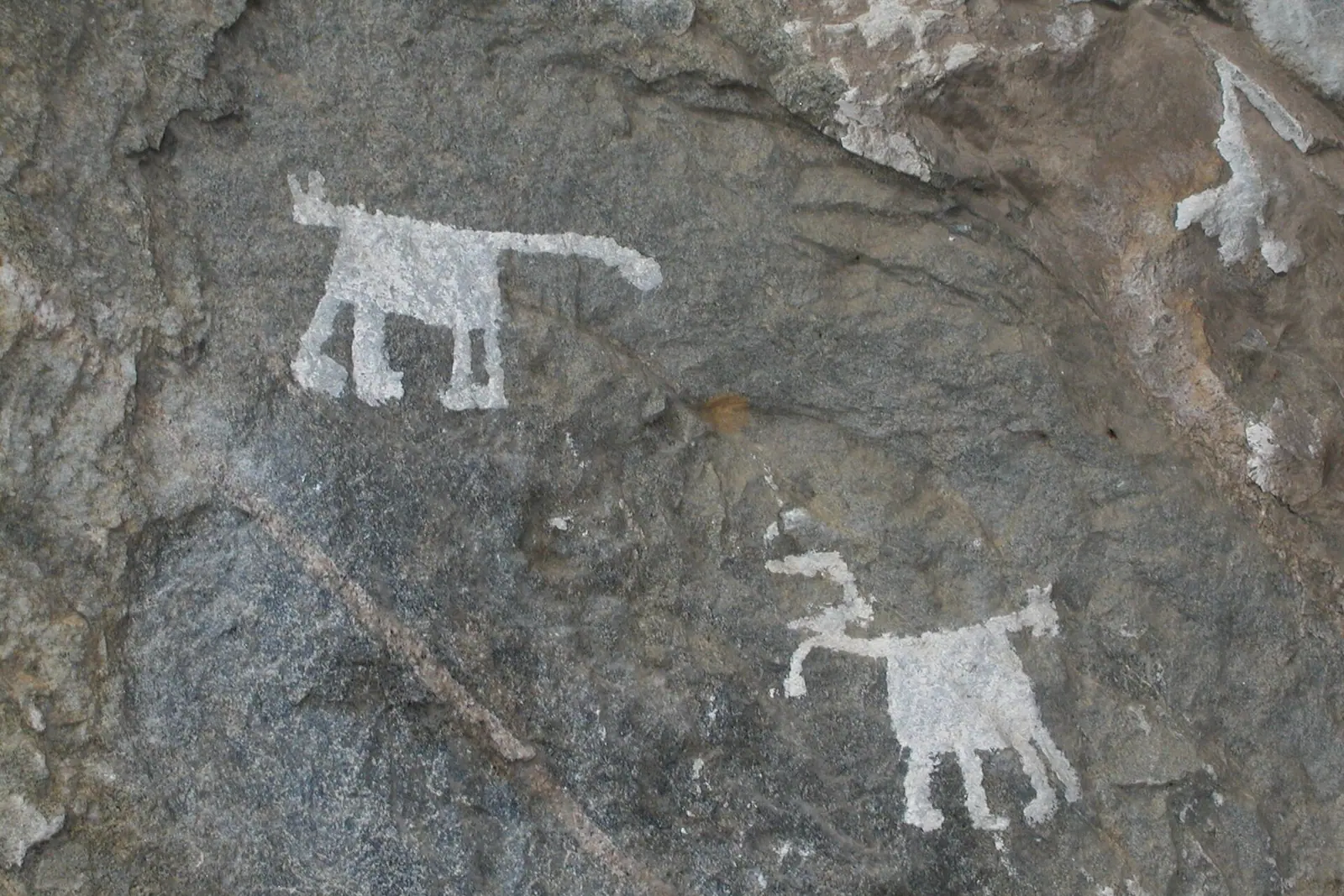
Stay in Malawi
Hotels, guesthouses and apartments — compared in one search.
Search hotels
Transfer in Malawi
Private driver waiting on arrival — no queues, no surprises.
Book a transfer
Stay online in Malawi
Travel eSIM — data the moment you land, no roaming bills.
Get an eSIM