Malawi runs on two clocks: the cool, clear months when safari camps hum and the warm, wet months when the lake turns emerald and lodge rates quietly drop. Knowing which Malawi you are booking — Liwonde in October or Likoma in February — is the difference between a trip that fits and one you merely endure.
Malawi's Seasons at a Glance: When Lakeshore Lodges and Safari Camps Peak
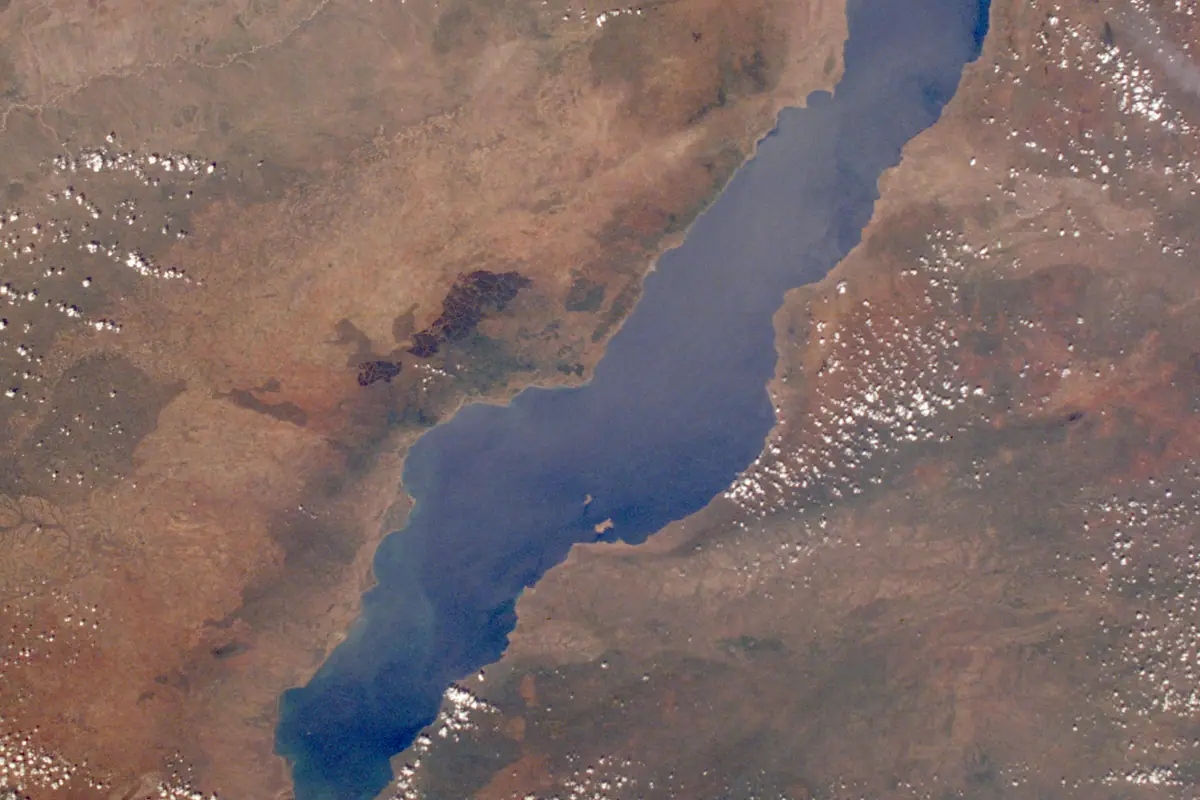
Malawi is a long, thin country stacked on a plateau and split down the middle by Lake Malawi, which swallows a huge share of its surface area. That geography dictates the hotel calendar. The dry season, roughly May to October, brings clear skies, low humidity and roads that cooperate. It splits neatly into a cool half (May to August) and a hot, hazy half (September and October) when daytime temperatures on the lakeshore can push past 30°C and the first thunderheads begin to gather.
The green season, from about December through April, is the opposite mood: heavy afternoon downpours, waterfalls thundering off the Zomba Plateau and Mount Mulanje, tea estates near Thyolo glowing almost fluorescent, and a lakeshore that looks scrubbed clean. Lodges that were full in August suddenly have space, and rates soften considerably — the single biggest reason seasoned travellers choose this window.
Altitude matters more than most visitors expect. The Nyika Plateau sits high enough that July nights can drop near freezing, and Zomba and Dedza can be genuinely cold after dark. Meanwhile the lake shore at Nkhata Bay, Cape Maclear and Senga Bay stays warm enough to swim year-round. Pack for two climates even on a short trip.
For most first-timers, the honest answer is that late May to early October is the safest bet: reliable weather, everything open, and every lodge staffed at full strength. The trade-off is that you pay peak-season money for it — often the highest rates of the year.
Peak Season, July to October: The Golden Window for Safari Lodges
By July the bush has thinned, water sources have shrunk, and wildlife concentrates where you can actually see it. In Liwonde National Park, boat safaris along the Shire River drift past elephant, hippo and enormous crocodiles, while the floodplain grass stays low enough to spot sable and waterbuck on game drives. Further south, Majete Wildlife Reserve offers drives through regenerating woodland where lion, leopard, elephant and rhino have all been re-established. It is the most rewarding stretch of the year for anyone whose hotel choice is a safari camp.
August and September are the sweet spot for the highlands. On the Nyika Plateau, roan antelope graze across rolling grassland and the orchids begin to appear later in the season; on the Zomba Plateau, walking trails link pine forest, streams and viewpoints above the old colonial hill station. Nights at these elevations are cold, so choose a lodge with a fireplace or accept that you will sleep under a heavy blanket.
October is the wildcard. It is superb for wildlife because everything is crowded around water, but it is also sticky, dusty and hot, with haze muting the long lake views. If you book a lakeshore hotel in October, prioritise air conditioning or a genuine lake breeze rather than a wall of glass and no fan.
Booking lead times here are unforgiving. Malawi's safari camps and island lodges are small — often a handful of rooms — and they fill around school holidays, Easter, Christmas and New Year. For July to September, especially on Likoma Island and in Liwonde, aim to reserve three to six months out. Anything later and you are choosing from leftovers.
The Green Season, December to April: Lush Lake Lodges, Birding and Bargains
The rains arrive sporadically from late November and settle in properly from January to March. Travel in Malawi during this period is not a washout — rain usually comes as a heavy afternoon burst followed by clearing skies — but it reshapes what you can do. Roads to remote reserves like Nyika and Vwaza Marsh become slow and sometimes impassable, and a number of seasonal bush camps close entirely from January to March. Check before you book.
What you gain is extraordinary. The lake is at its warmest and clearest, and snorkelling or diving among the cichlids of Lake Malawi National Park off Cape Maclear is at its most comfortable. This is also prime birding: migratory waders and waterbirds crowd the shallows, herons and fish eagles work the shoreline, and woodland species are in full breeding plumage. Bring binoculars and a light rain shell rather than heavy waterproofs.
The green season is the best time for a slower itinerary anchored in one or two lakeshore hotels — Cape Maclear for snorkelling, Nkhata Bay for a livelier village scene, Senga Bay for easy access from Lilongwe. Rates are at their most sensible, beaches are quiet, and the landscape is at its most photogenic. Just budget for humidity, mosquitoes at dusk and occasional power cuts.
Shoulder Months: May, June and November — the Quiet Value Window
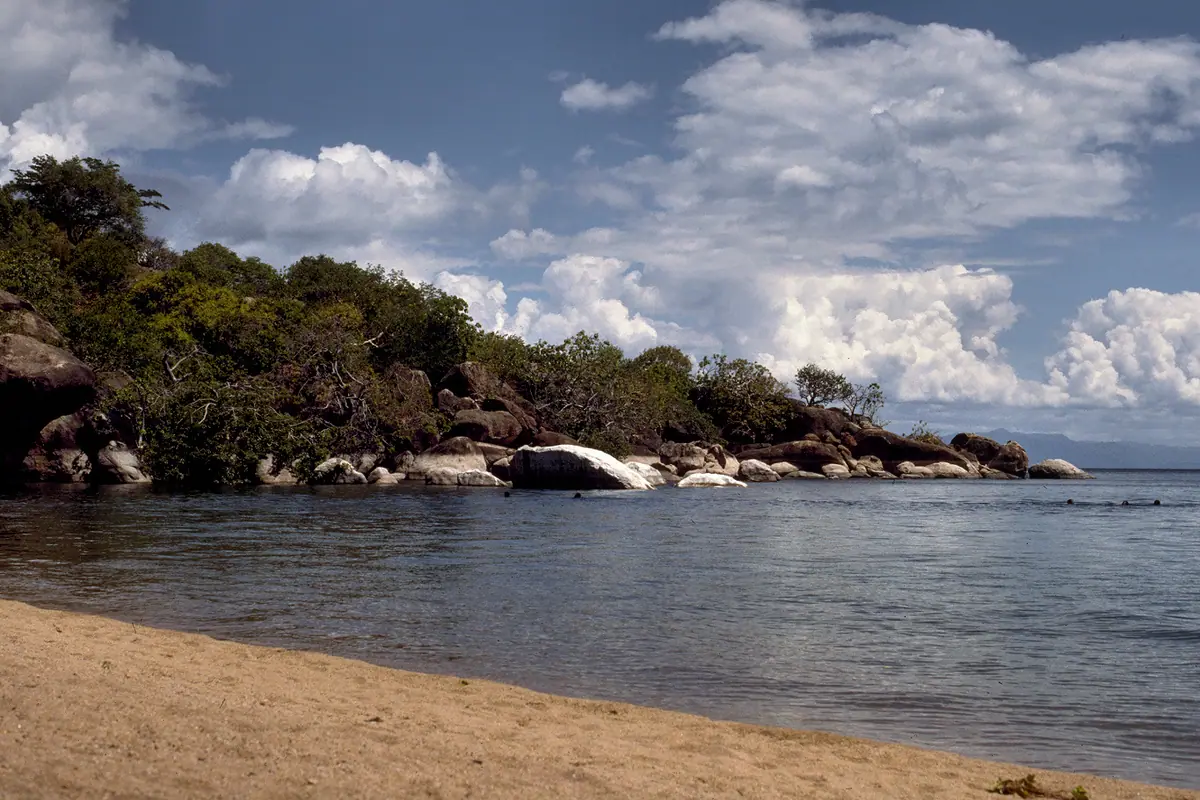
May and June are arguably Malawi's most underrated weeks. The rains have ended, the country is still green, dust has not yet taken over, and the heat has not built. Rates have not fully climbed to peak levels, and you can often negotiate better terms on longer stays, especially at lakeshore lodges in Nkhata Bay and Senga Bay. On Mount Mulanje, the hiking trails are drying out but the streams that feed the famous tea estates are still running, which makes the lower slopes particularly pleasant.
November is the opposite shoulder: the end of the hot dry season, with temperatures peaking, the lake calm and bathtub-warm, and the first storms building in the afternoons. Waterfalls on the Zomba Plateau are still modest, but the air clears dramatically after a storm and the light is superb for photography around Cape Maclear and the lake's islands.
These months suit travellers who want value without sacrificing access. Almost everything is open, wildlife viewing is still good, and you avoid both the peak-season crowds and the deep-rain road closures. If your dates are flexible, late May to mid-June and early November are the smartest compromises on the calendar.
Where You Sleep Shapes the Season: Lake, Park, Plateau and City Hotels
Malawi's accommodation is really four different products with four different best times. Lakeshore lodges — at Cape Maclear, Nkhata Bay, Likoma Island and along the Chintheche strip — peak in the dry season but remain enjoyable year-round; the island lodges on Likoma, reached by boat or light aircraft, are the hardest to book and the first to close for maintenance in the rains. If Likoma and its remarkable cathedral on the mission station are on your list, plan for the dry months.
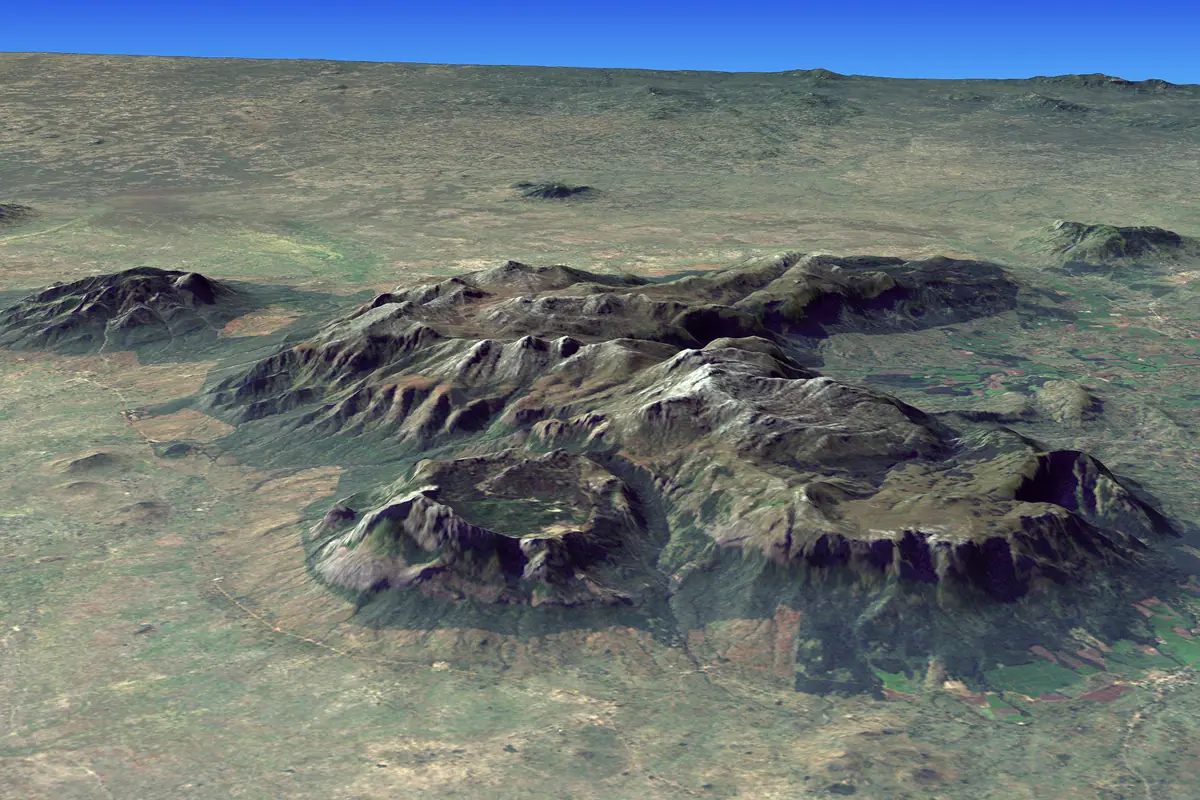
Safari camps in Liwonde, Majete, Nkhotakota and Vwaza Marsh are firmly dry-season propositions, best from July to October and best avoided in the depths of the rains. Highland retreats on the Nyika Plateau and the Zomba Plateau have their own rhythm: cold, clear and excellent for walking from June to October, misty and moody in the green season. Hikers basing themselves around Mulanje should target June to October for dry trails and safe river crossings.
City hotels in Lilongwe and Blantyre are largely weather-proof and busiest for business travel during the week. Lilongwe makes a practical first or last night, with the Old Town, the Kamuzu Mausoleum and the wildlife centre within easy reach; Blantyre pairs colonial-era streets and the Museum of Malawi with day trips to the tea estates. Use them as bookends, then move to the lake or the bush for the part of the trip you will remember.
Booking Rhythms, Festivals and Practical Timing Tips
Malawi's calendar includes a handful of lakeside music and cultural festivals, usually staged in the dry months around September and October near Mangochi and Cape Maclear. When one is on, lakeshore rooms for miles around sell out and prices spike. Check festival dates before you fix your travel window, or deliberately build your trip around them if live music on a beach is your idea of a good time.
Transport logistics often decide the hotel, not the weather. Likoma Island and the more remote lake lodges depend on boat schedules that slow or pause in rough rainy-season conditions, and light aircraft links are limited. Build in a buffer night in Lilongwe or Blantyre before any international departure, because a delayed lake crossing can otherwise cost you a flight.
Finally, prepare for the practical side. Carry cash in local currency, since card acceptance is patchy at remote lodges and park gates, and confirm whether your rate is full board — many bush camps and island lodges include all meals, which changes how you budget. Pack layers for the highlands, insect repellent for the lake, a torch for power cuts, and a plug adapter suited to Malawi's sockets. Do that, and the season you choose becomes a preference rather than a problem.
Frequently asked questions
What is the single best month to visit Malawi?
August is the most reliable all-round month. The rains are long gone, temperatures are comfortable rather than punishing, wildlife viewing in Liwonde and Majete is excellent, and the lake is warm enough to swim. July and September run it close, with July colder at altitude and September hotter and hazier.
Is the rainy season worth it for cheaper hotels?
Yes, if you accept the trade-offs. From December to April you get lower rates, quiet beaches, dramatic green landscapes and outstanding birding, but some remote bush camps close, dirt roads to Nyika and Vwaza become difficult, and afternoon downpours interrupt plans. Base yourself on the lake rather than deep in the bush.
How far ahead should I book Malawi hotels and safari camps?
For July to October, book three to six months ahead — the camps in Liwonde and the lodges on Likoma Island have very few rooms. For the green season, a few weeks' notice is usually plenty, though festival weekends and the Christmas period still fill up early.
Which part of Malawi is best for a first-time visitor's hotel base?
Split your stay. Spend a night or two in Lilongwe on arrival, three or four nights at a lakeshore lodge around Cape Maclear or Nkhata Bay, and two or three nights on safari in Liwonde National Park. That combination covers the lake, the wildlife and the logistics without long, exhausting drives.
What should I pack for Malawi's seasons?
Layers are essential. Highland lodges on the Nyika and Zomba plateaus get genuinely cold from June to August, while the lakeshore stays hot and humid. Add a light rain shell for the green season, strong insect repellent, a torch for power cuts, and a plug adapter. Carry cash, as card payment is unreliable at remote lodges and park entrances.
Sort the rest of your trip
Everything for Malawi, in one place
Transfer in Malawi
Private driver waiting on arrival — no queues, no surprises.
Book a transfer
Things to do in Malawi
Skip-the-line tickets, guided tours and standout experiences.
See experiences
Stay online in Malawi
Travel eSIM — data the moment you land, no roaming bills.
Get an eSIM