Malawi is a country you understand best from above — a narrow ribbon of highland, lake and river valley that unfolds under a light aircraft like a map coming alive. This one-week flying itinerary links the capital to the southern highlands, the Shire River floodplain and the islands of Lake Malawi, all in hops of under an hour. Bring a soft bag, an early alarm and a window seat.
Why Malawi Is Made for Flying — and How to Plan the Week
Malawi runs roughly nine hundred kilometres from its northern tip to its southern border and is rarely more than a hundred and fifty kilometres wide, which is the whole argument for travelling by air. A hop that takes forty minutes in a small plane can be the better part of a day by road, and the road rarely offers a view like the one you get crossing the Great Rift escarpment with the lake glittering away to the east. Seven days and a sensible sequence of flights is enough to sleep beside the water, wake on a highland plateau and be watching elephants before lunch.
The flying year divides neatly. May to October is the dependable dry window: clear mornings, firm airstrips and long views across the water to the Mozambican hills. July to October is the sweet spot for wildlife, when the bush thins along the Shire River and the grasslands of the north dry out. From about December to March, thunderstorms build over the plateau most afternoons, dirt and grass strips can turn soft, and schedules bend. Even in the dry season, highland fields above two thousand metres are often wrapped in cloud by mid-morning — early departures are not a preference here, they are the plan.
Assume small aircraft: five to twelve seats, single or twin propeller, a soft duffel limited to around fifteen kilograms and hand luggage that fits under the seat. Most internal flights run between thirty and eighty minutes, leaving the middle of the day free for the places you actually came to see. Charter seats sell out weeks ahead in the July-to-October peak, so book early, keep a spare half-day at the end in case weather pushes you back, and carry a little local currency for the smaller strips where card machines are a rumour.
Days 1–2: Lilongwe and the Central Plateau
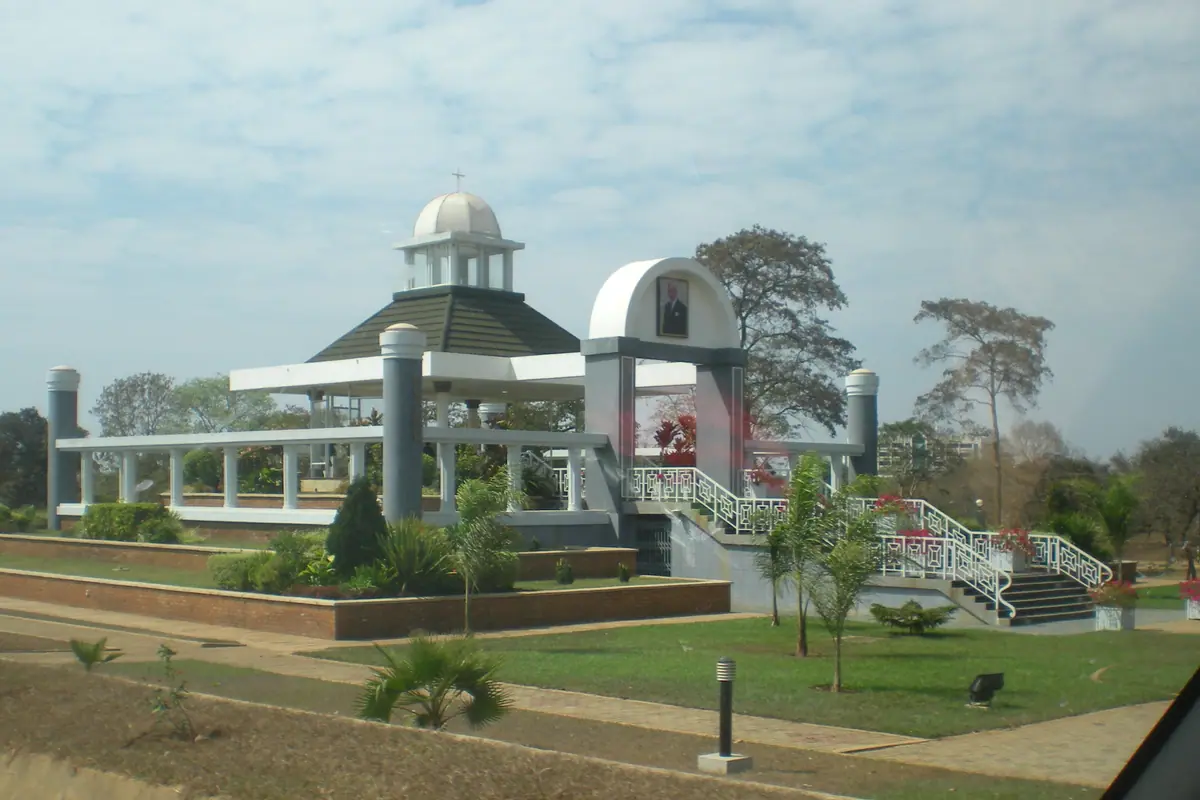
Most flying weeks begin at Kamuzu International Airport, a low, unhurried terminal outside Lilongwe where international arrivals connect quickly to domestic departures. Spend your first afternoon in the capital's leafy old town: the Lilongwe Wildlife Centre occupies a wooded reserve on the city's edge and cares for rescued animals, while the Kamuzu Mausoleum, a marble monument to the country's first president set in quiet gardens, is the capital's most recognisable landmark. The craft stalls and produce market of the Old Town are worth an hour simply for the noise and colour.
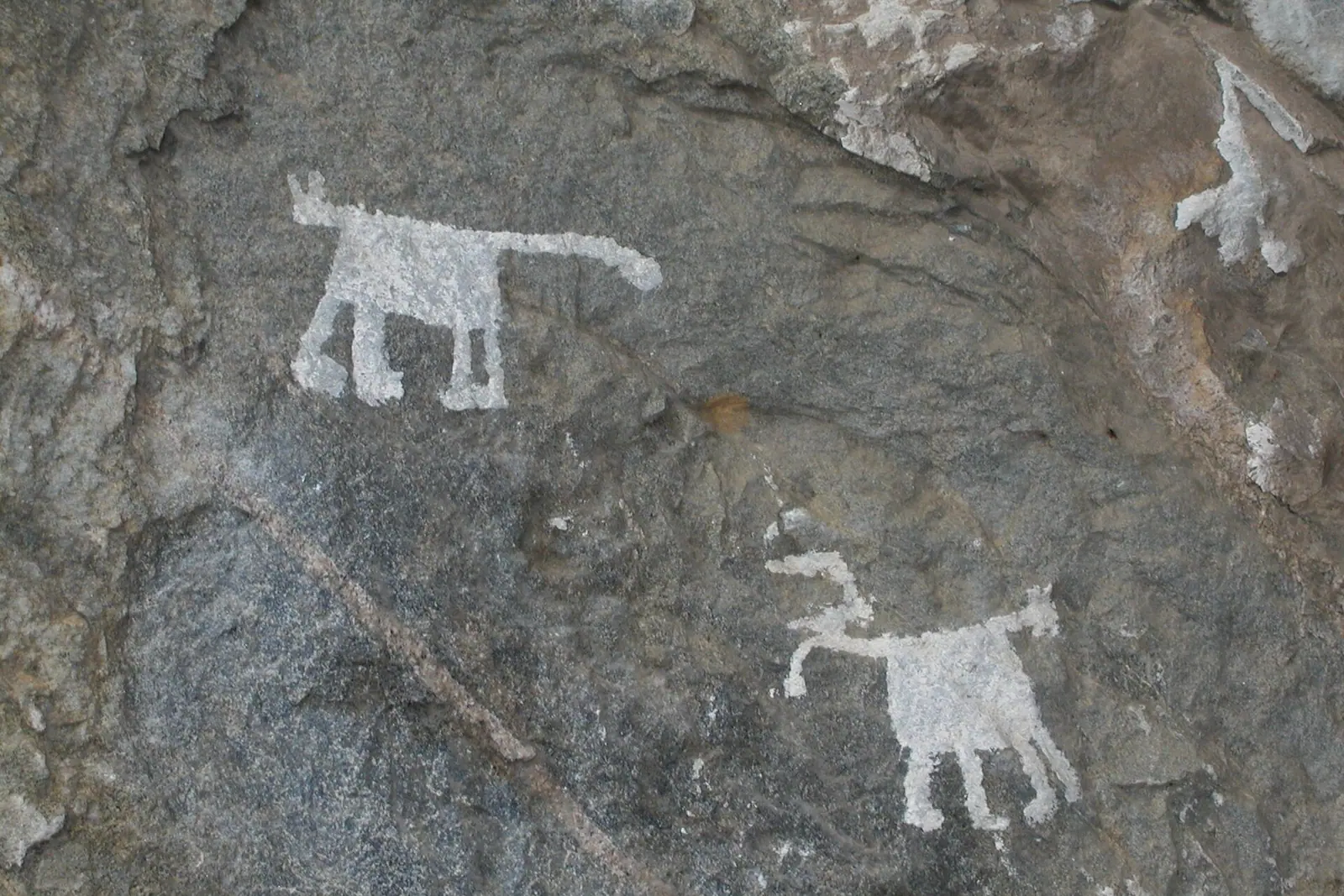
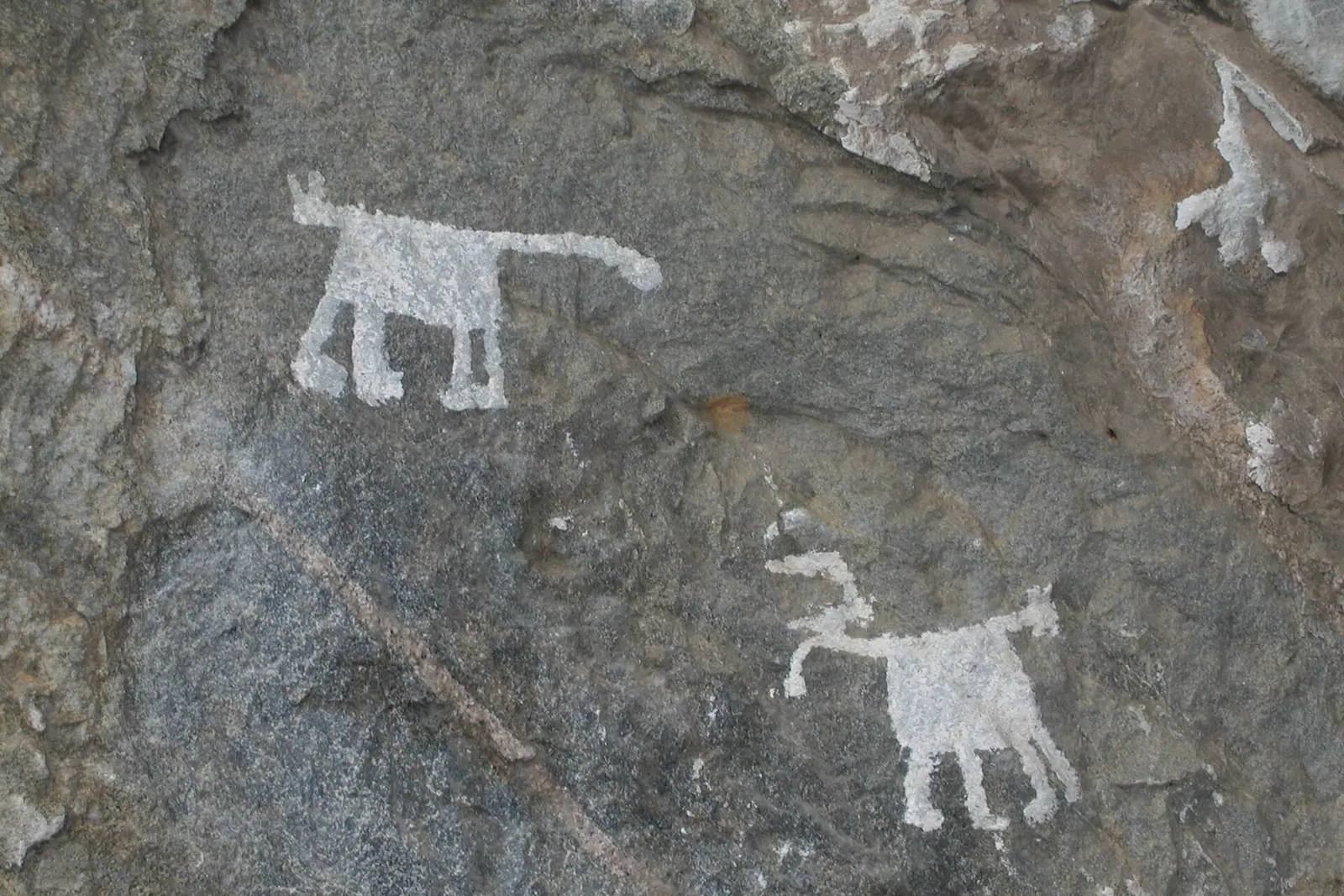
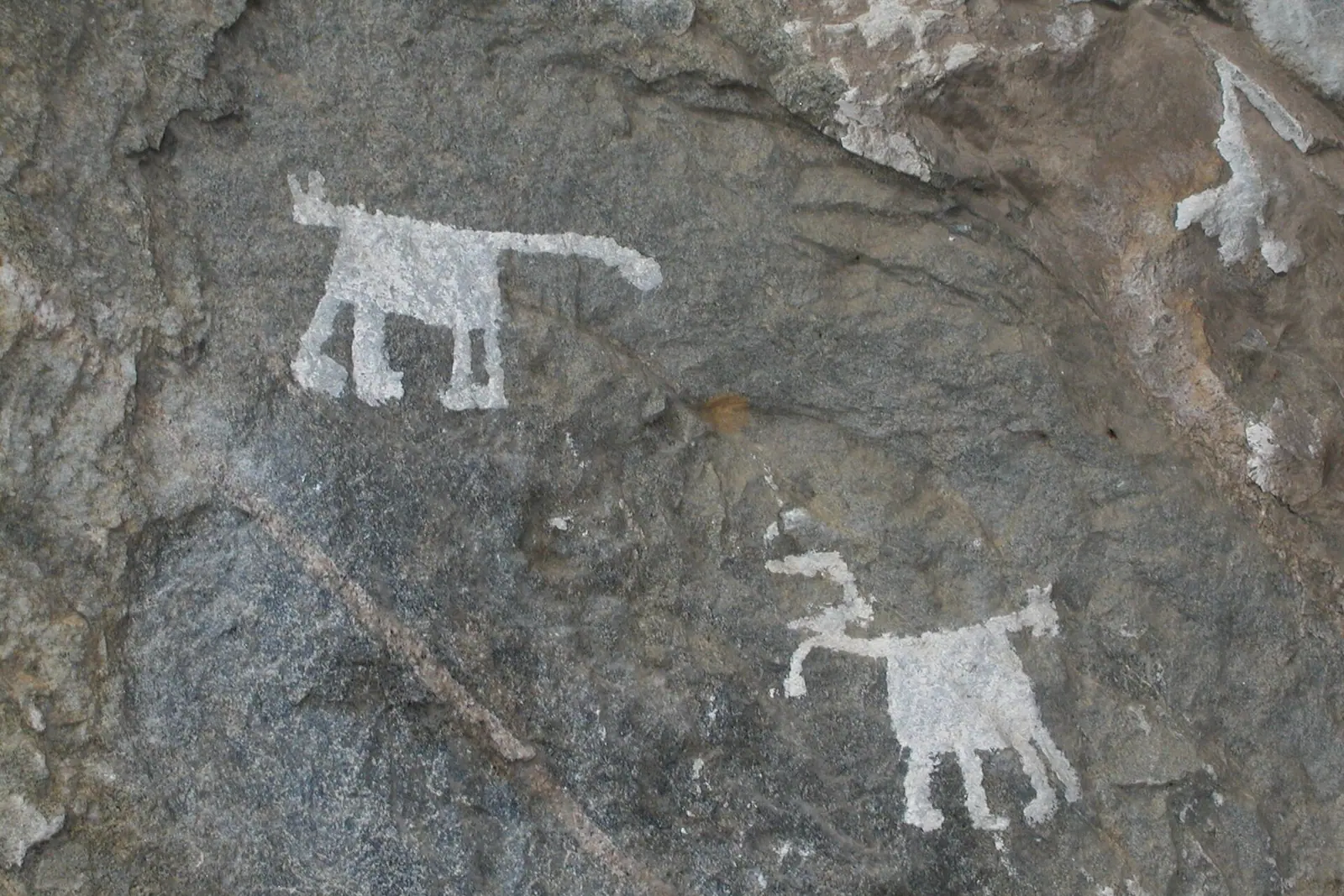
On day two, head south-east to the Dedza hills for the Chongoni Rock Art Area, a UNESCO-listed scatter of more than a hundred painted shelters tucked into granite outcrops, with white figures attributed to Chewa farmers and earlier hunter-gatherers. The nearby pottery workshops at Dedza make a good lunch stop, and the escarpment drive back to Lilongwe delivers the first grand panorama of the Rift Valley edge.
If you would rather gain altitude than kilometres, take a short afternoon flight instead and keep Lilongwe for the final night of the trip — it makes a calmer base for an international connection than a dawn dash from the bush.
Day 3: Southern Highlands — Zomba Plateau and the Mulanje Massif
A morning flight to Chileka International Airport outside Blantyre takes under an hour from Lilongwe and drops you into Malawi's commercial capital, where Mandala House, the country's oldest surviving building, offers a quick dose of colonial-era history before you climb. From Blantyre the road winds up to the Zomba Plateau, a forested table of pine, cedar and trout streams sitting at around eighteen hundred metres. Walk the rim to Emperor's View for a sheer drop over the Phalombe plain, follow the path to Williams Falls, and keep an eye out for the plateau's resident birds in the mist.
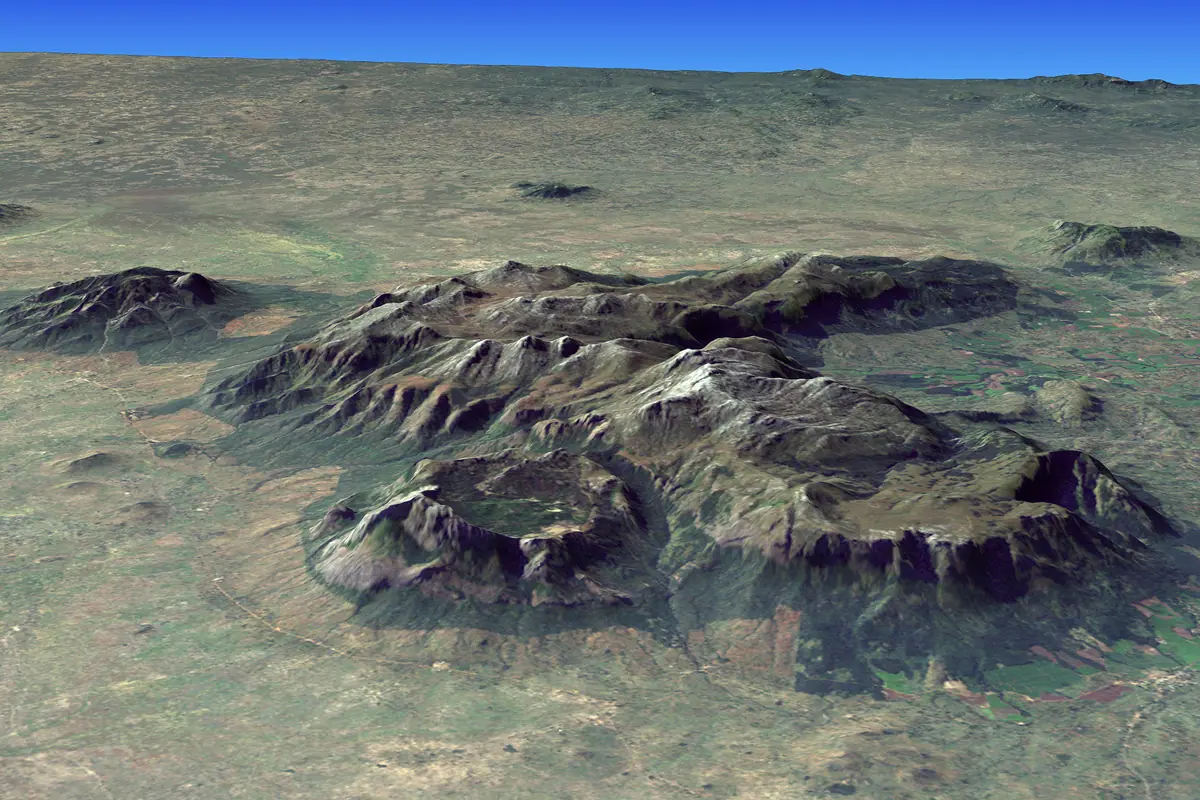
The following morning belongs to the Mulanje Massif, a granite inselberg that rises abruptly out of the tea estates and is the highest thing in Central Africa south of Kilimanjaro. Sapitwa, its summit, touches three thousand metres; below it, the Likhubula Falls trail gives a taste of the massif without committing to a multi-day trek. Local guides are required for the serious routes, and the cedar forests and grassy saddles make even a half-day walk feel like a proper expedition.
Sleep among the tea bushes at the foot of the mountain or back in Blantyre, where the evening is warm and the markets are busy. This is also the moment to check the next day's flight — southern Malawi can close in fast during the rains, and a flexible operator will move you earlier rather than later.
Day 4: Liwonde National Park and the Shire River
A short hop north from Blantyre puts you down at the edge of Liwonde National Park, Malawi's finest big-game destination. The park is defined by the Shire River, which slides along its western boundary in a series of lagoons and sandbanks, and the classic way to see it is from the water: a lazy boat safari at first light, hippos blowing in the shallows, elephants crossing in family groups, fish eagles calling from the drowned trees.
On land, the floodplain grasslands hold waterbuck, reedbuck, impala and the handsome sable antelope, and the park has seen lion and cheetah return to its plains in recent years after long absences. Birdlife is exceptional — herons, storks, kingfishers, bee-eaters — and the birding is arguably better than the game viewing for a first-time visitor. An afternoon game drive followed by a night drive, when genets and bushbabies appear in the headlights, is the standard rhythm.
Stay inside the park if you can; the lodges near the river airstrip put you in position for a sunrise on the water without a gate queue. As the dry season deepens into September and October, the concentrations of animals around the shrinking lagoons become remarkable, and the light turns that dusty gold photographers chase all year.
Days 5–6: Cape Maclear, Lake Malawi National Park and Likoma Island
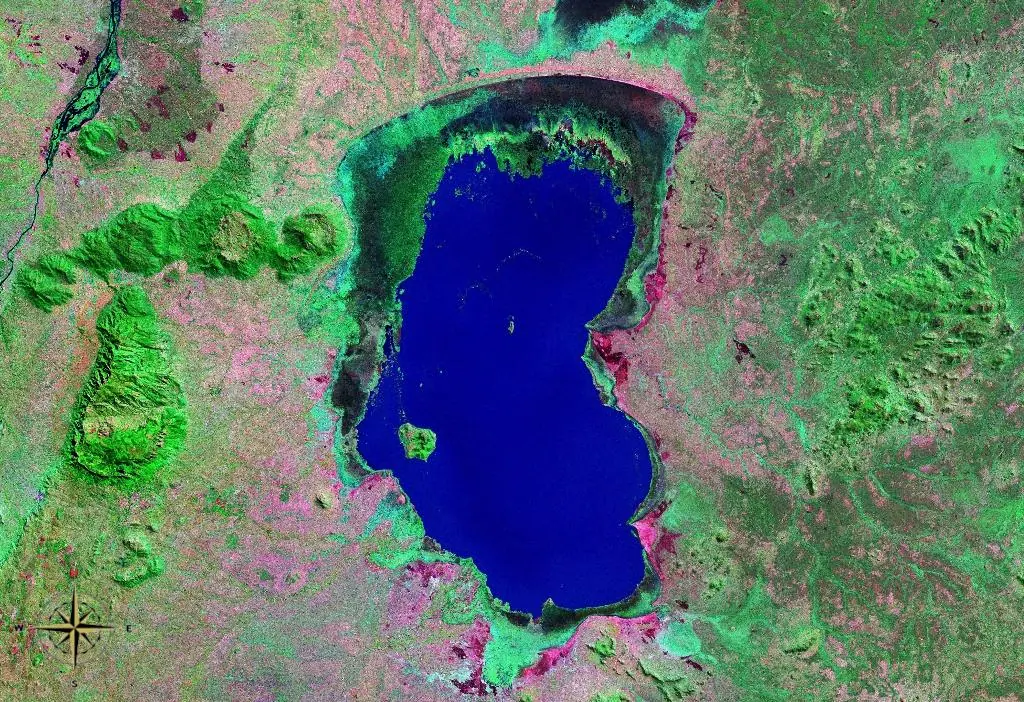
Fly from Liwonde down to the lake at Mangochi, then continue by road to Cape Maclear, the fishing village at the tip of the Nankhumba peninsula and the heart of Lake Malawi National Park — the world's first freshwater national park and a UNESCO World Heritage Site. The protected water here is startlingly clear, and the shoals of brightly coloured cichlids that crowd the rocky shallows are the reason biologists have studied this shoreline for generations.
Spend two unhurried days doing very little well. Snorkel or kayak around Otter Point and the boulders of Thumbi West Island, take a dhow sail at sunset, or paddle out to Mumbo Island for a picnic on a granite outcrop ringed by sand. Chembe village itself rewards an early wander — the fish auctions on the beach happen at dawn and the whole place smells of woodsmoke and drying usipa.
For a finale with a difference, fly north to Likoma Island, a green speck marooned in Mozambican waters and home to St Peter's Cathedral, an extraordinary stone church with stained glass built more than a century ago and far grander than any village this size has a right to. The airstrip is basic and can be awkward in the wet months, so treat this leg as a fair-weather option and leave the decision to your pilot.
Day 7: Mzuzu, the Nyika Plateau and the Flight Home
The last full day is a northward run to Mzuzu and then a short hop up to Chelinda on the Nyika Plateau, Malawi's largest national park — a rolling, boulder-strewn tableland above two thousand metres that looks more like the Scottish Highlands than tropical Africa. Roan antelope, eland, zebra and reedbuck graze the open grass, and in the wetter months the plateau erupts with orchids. Nights are genuinely cold, the log fires are genuinely welcome.
If time allows, drop down to Vwaza Marsh Wildlife Reserve on the escarpment's edge for elephants and hippos against a backdrop of the lake plain, then turn for home. The flight from Mzuzu back to Lilongwe takes about an hour and traces the lakeshore much of the way, a final ribbon of blue and green sliding beneath the wing.
Land in Lilongwe with an evening to spare rather than racing straight to an international gate — afternoon build-ups over the plateau can delay a departure, and a night in the capital turns a tight connection into a relaxed one. Fuel, paperwork and weather are the three things that decide a flying week in Malawi; plan around all three and the country gives you one of the most varied seven days in Africa.
Frequently asked questions
What is the best time of year to fly around Malawi?
The dry months from May to October are the most reliable, with clear mornings and firm airstrips. July to October is best for wildlife in Liwonde and on the Nyika Plateau, but it is also the busiest charter season, so book well ahead. December to March brings afternoon thunderstorms and can soften grass and dirt strips, especially in the highlands.
How much luggage can I take on a light aircraft in Malawi?
Around fifteen kilograms per person in a soft duffel is the usual limit, sometimes twenty on slightly larger aircraft. Hard-shell suitcases are difficult to stow, so pack a squashable bag and leave the rest in storage at your Lilongwe hotel or with the operator. Hand luggage has to fit under the seat or on your lap.
Do I need to book internal flights in advance?
Yes. Malawi has a limited number of charter operators and small aircraft, and demand peaks from July to October. Booking weeks or even months ahead secures the routes and departure times you want; turning up at a small strip hoping for a seat rarely works. Build in a buffer day before your international flight.
Can you fly to Likoma Island, and is it worth it?
Yes, there is a small airstrip on the island, usually served by light aircraft from Lilongwe or the northern lake region. The flight is short and scenic, and St Peter's Cathedral plus the island's quiet beaches make it memorable. The strip is basic and can be unusable after heavy rain, so treat it as a flexible, fair-weather add-on.
Is it safe to fly in small planes in Malawi, and what about health precautions?
Charter flying is well established here and pilots are used to the terrain and weather, but flights are weather-dependent — morning departures are smoother and more punctual. On the ground, take the usual precautions: malaria prophylaxis is recommended for the lakeshore and low-lying parks such as Liwonde, and most visitors arrange a visa online before arrival.
Sort the rest of your trip
Everything for Malawi, in one place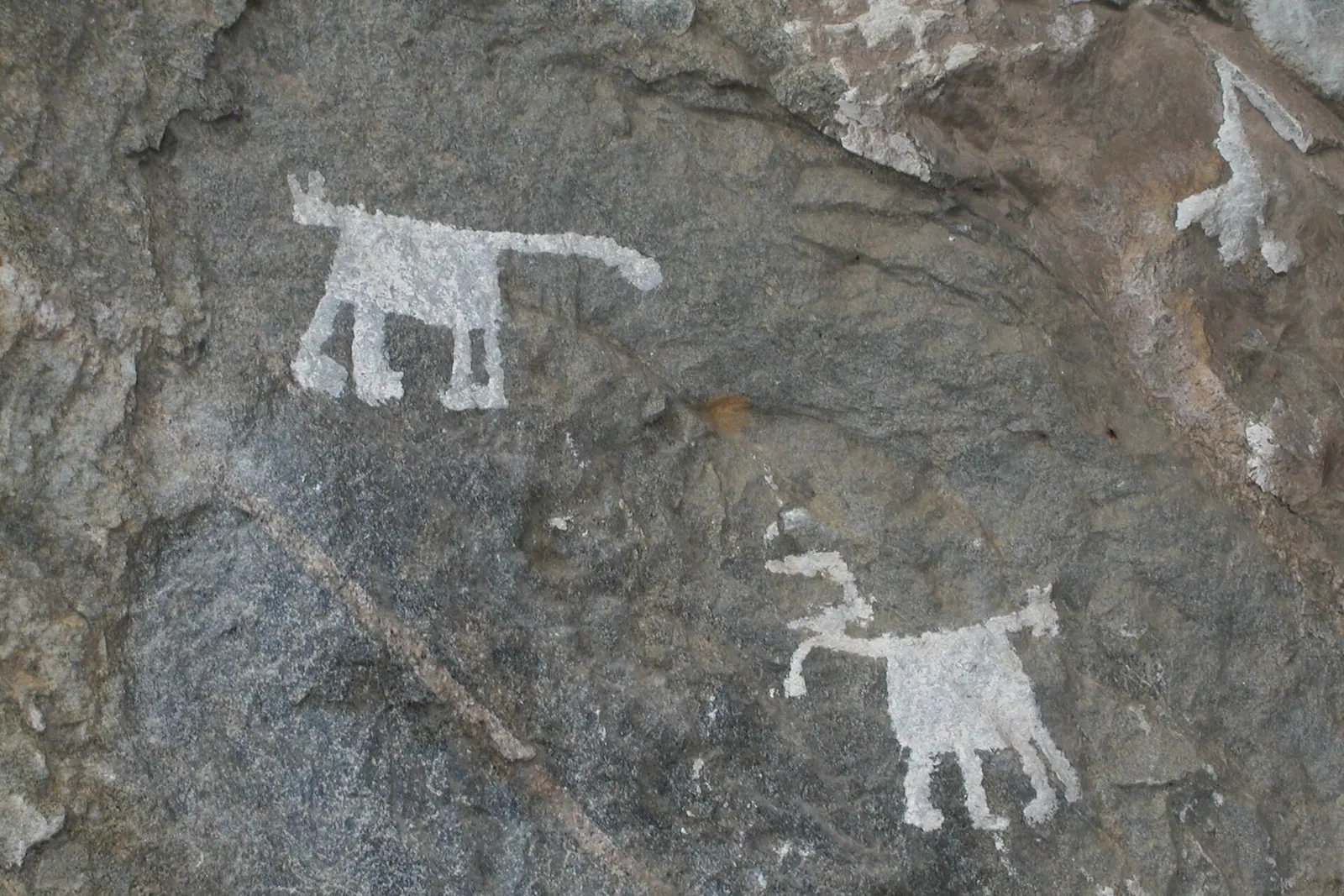
Stay in Malawi
Hotels, guesthouses and apartments — compared in one search.
Search hotels
Transfer in Malawi
Private driver waiting on arrival — no queues, no surprises.
Book a transfer
Travel insurance
Medical cover, delays and lost baggage — sorted before you go.
Get covered