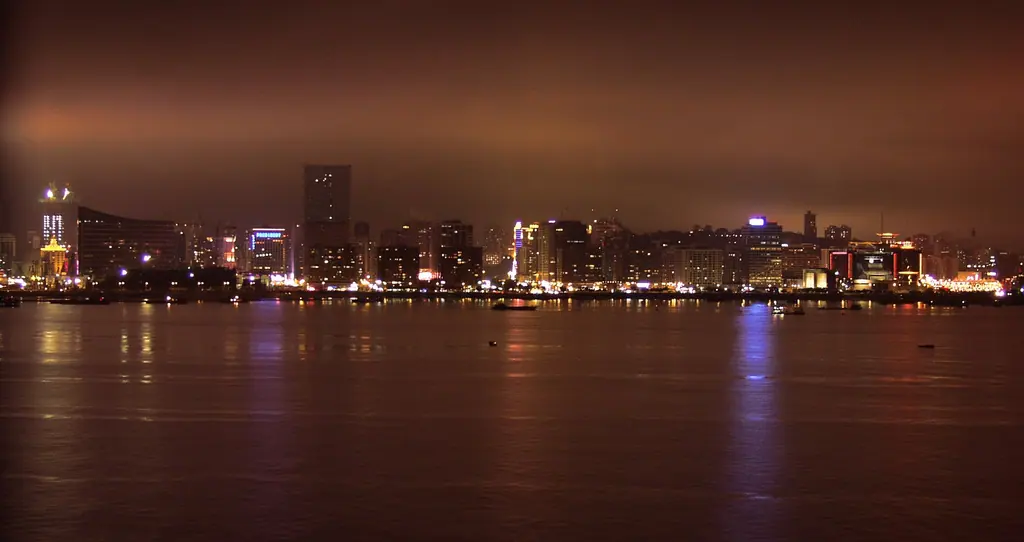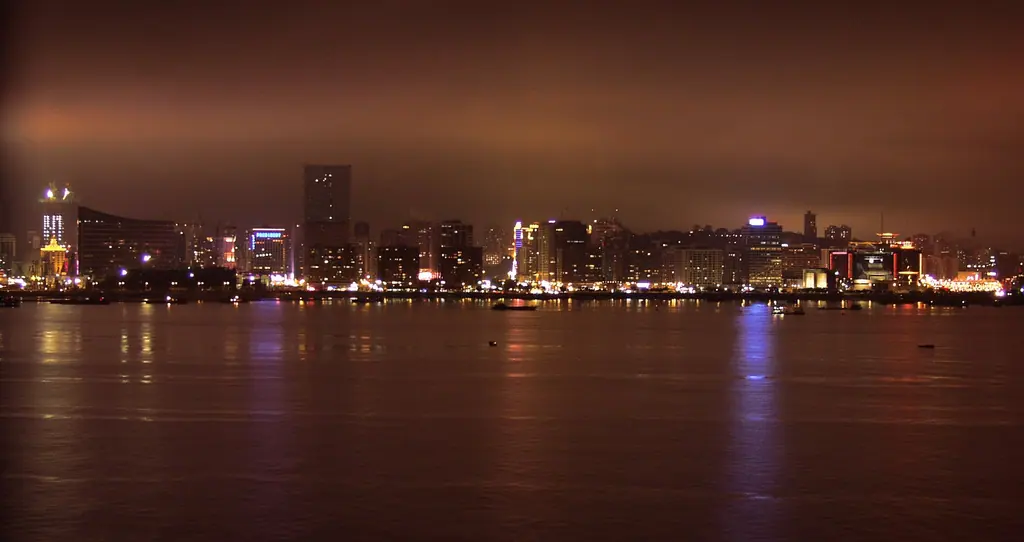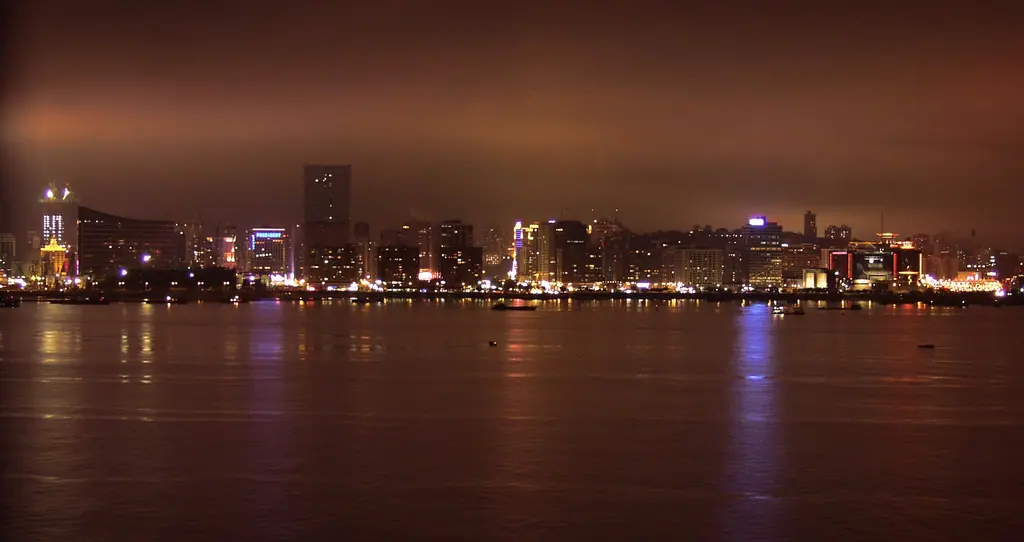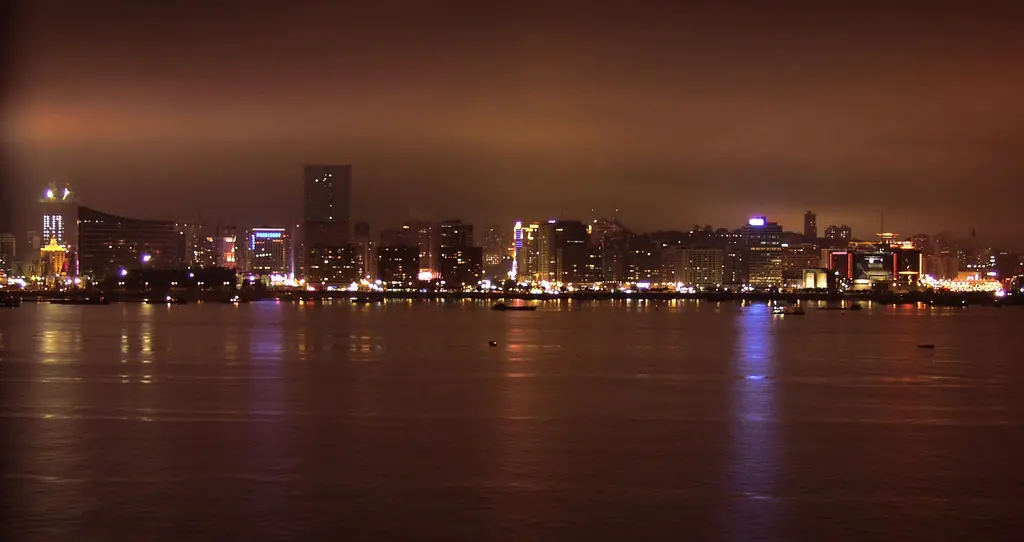
Macau folds five centuries of Portuguese and Chinese history into a peninsula you can cross on foot in an afternoon, then switches on a skyline of towers and domes across the water in Cotai. It is a city of incense smoke and neon, of baroque façades carved by Jesuit stonemasons and egg tarts eaten warm on a narrow Taipa lane. Three days covers the icons; a week lets you eat your way through the rest.
Begin Where Macau Began: Senado Square to the Ruins of St. Paul's
Almost every itinerary starts in the same place, and it should: the wave-patterned Portuguese pavement of Senado Square, the ceremonial heart of the old city. Around it stand the neoclassical Leal Senado building with its cool inner courtyard, the Holy House of Mercy founded in the 1560s, and St. Dominic's Church, a butter-yellow baroque building from 1587 whose interior glows with gilded altars. Arrive before 10am if you want the square to yourself.
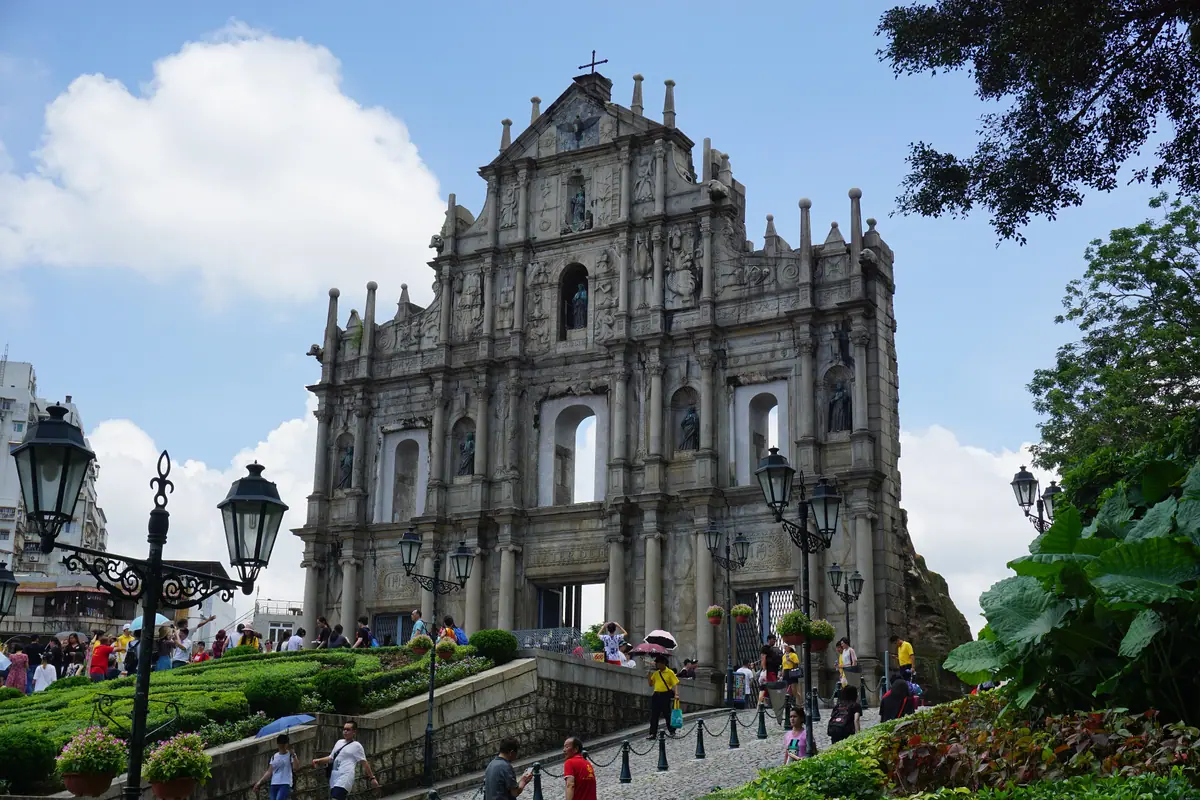
From there, follow Rua de São Paulo uphill to the Ruins of St. Paul's, Macau's defining image — the carved stone façade of a Jesuit church that stood from 1602 until an 1835 fire left only the front wall and its broad flight of steps. Study the carvings: a ship, a skeleton, the Virgin, a lotus, Chinese characters, all speaking to a church built for European and Asian congregations alike.
Behind the façade, climb to Mount Fortress, a 17th-century star-shaped bastion whose cannon platform gives the best free panorama of the historic centre; the Macau Museum inside covers the city's five centuries in about 90 minutes. Allow three to four hours for the loop, and wear grippy shoes — the polished cobbles turn slick after rain.
Sacred Ground: A-Ma Temple, Kun Iam and Guia Hill
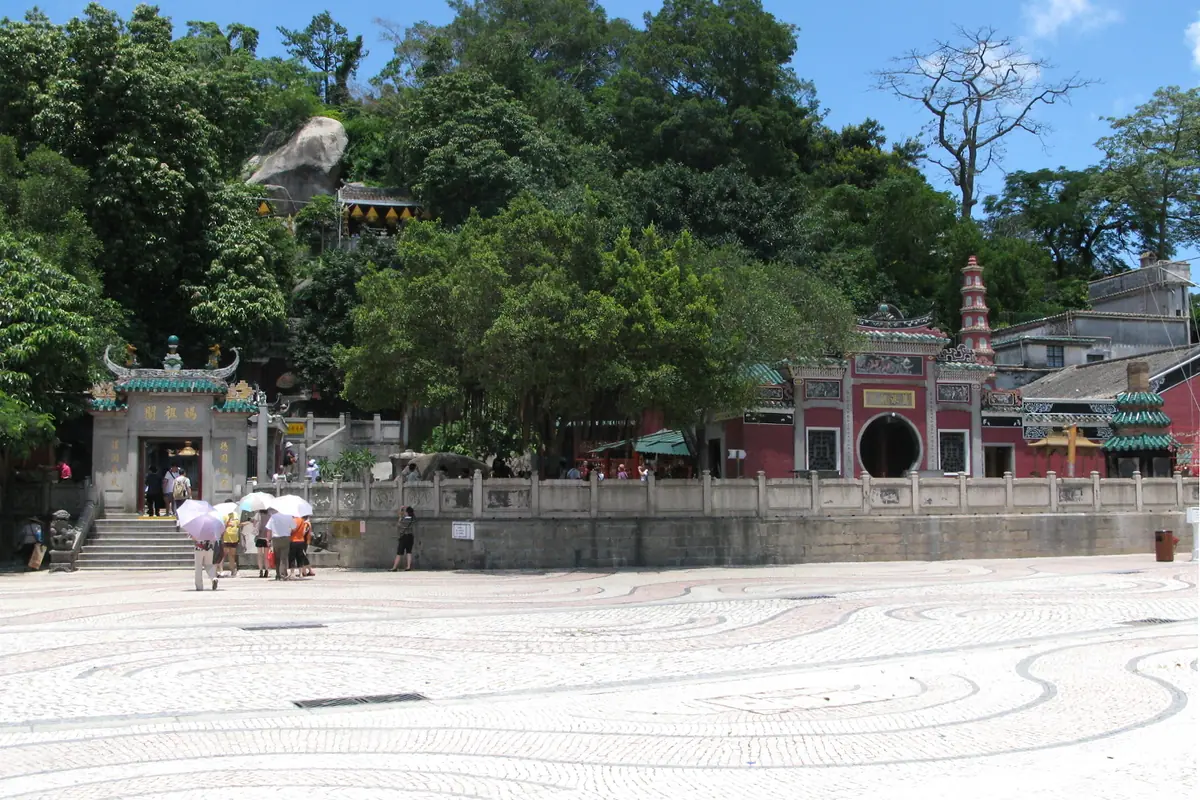
Macau takes its name from A-Ma Temple, which sits on the waterfront at Barra on the peninsula's southern tip. Older than the Portuguese settlement itself, it unfolds up the hillside through moon gates, courtyards and pavilions hung with coils of burning incense, looking out over the inner harbour. It is busiest on the 23rd day of the third lunar month, the A-Ma Festival, when lion dances fill the surrounding streets.
In the northern district, Kun Iam Temple is the city's oldest Buddhist temple, a hushed complex of halls and gnarled garden trees where a 19th-century Sino-American treaty was once signed at a stone table. For a different kind of pilgrimage, head to Guia Fortress on the highest point of the peninsula: a 17th-century chapel with faded frescoes, the 1865 Guia Lighthouse — the first modern lighthouse on the China coast — and views that stretch across the estuary. Go at sunrise, when locals practise tai chi and mist still lifts off the water.
Macau Tower and the Cotai Skyline
At 338 metres, Macau Tower is the city's tallest structure and the quickest way to understand its geography. The observation deck looks down on the peninsula's dense grid, the bridges threading the water and the reclaimed strip of Cotai beyond. Adrenaline seekers can circle the outer rim on the Skywalk or take the 233-metre bungee jump, among the highest commercial jumps anywhere. Aim to arrive an hour before sunset and watch the city switch to neon.
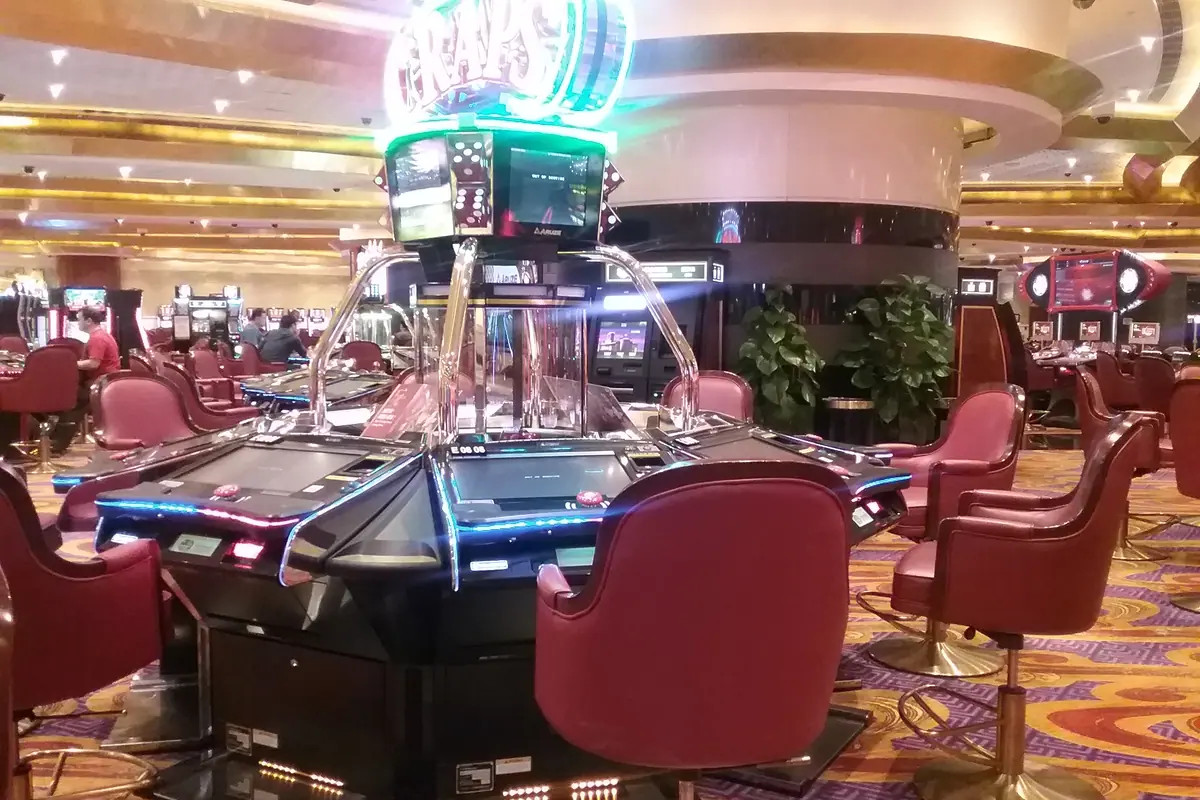
Back at street level, the waterfront has landmarks of its own: the flower-shaped Grand Lisboa, the tallest building in Macau, and the curved silver Macau Science Centre designed by I. M. Pei on the Praia Grande promenade. Across the bridges, Cotai is a different city — casino-resorts linked by covered walkways, gondola canals with singing boatmen, a half-scale Eiffel Tower you can ride to the top of, and nightly fountain shows. Come after dark.
Taipa Village and Coloane: Egg Tarts, Villas and Black Sand
Taipa Village is the antidote to Cotai's scale: a knot of lanes around Rua do Cunha where the smell of baking follows you. This is where the Portuguese egg tart became a Macau ritual — caramelised custard in flaky pastry, best eaten straight from the tray — alongside pork chop buns, almond cookies and jars of shrimp paste. Nearby on Avenida da Praia stand the Taipa Houses-Museum, five pastel colonial villas from 1921 that once housed Portuguese officials' families.
Further south, Coloane is Macau's rural side: a fishing village of pastel houses, the Chapel of St. Francis Xavier and a quiet waterfront where boats still moor. Beyond it, Hac Sa Beach earns its name — black sand — from the dark mineral grains of its crescent bay, while Cheoc Van offers a sheltered swimming cove with a seafood restaurant above. Macau's highest point, the 170-metre Alto de Coloane, is a short climb or a leafy stretch of the Coloane Trail. Give Taipa a dusk visit, when the egg tart queues finally shorten.
Museums, the Grand Prix and After-Dark Macau
Macau's museums are small, affordable and surprisingly good. The Macau Museum inside Mount Fortress is the best introduction to the city; the Grand Prix Museum celebrates the street race that has torn around the Guia Circuit every November since 1954; and the nearby Wine Museum pours tastings of Portuguese vintages. The Handover Gifts Museum near the cultural centre displays the ornate presents given by Chinese provinces in 1999. Most close on Mondays, so plan around that.
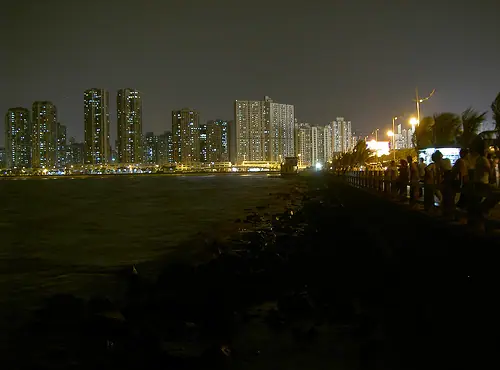
Evenings start with a rooftop drink — the tower, the bridges and the Cotai glow give nearly every terrace a view — then drift into the old town's small bars along Rua da Felicidade, once the city's red-light district and now a strip of cafés and low-lit courtyards. In Cotai, the big draw is a water-based acrobatic spectacular staged in a purpose-built theatre, so book ahead in peak season. For something slower, walk the Sai Van Lake waterfront or wander Fisherman's Wharf, a surreal mix of faux-Roman ruins, a lighthouse and outdoor bars.
When to Go and How to Pace Three Days
October to December is the sweet spot: dry, bright, around 20-25°C, with the food festival, the Grand Prix and a December light festival that drapes the historic centre in projections. March and April are pleasant but humid. July to September brings typhoon season, sticky heat and sudden downpours — and Chinese New Year, in late January or February, is spectacular but packed, with lion dances, temple crowds and fireworks over the harbour.
Three days is the classic shape: day one for Senado Square, the Ruins of St. Paul's, Mount Fortress and the temples; day two for Macau Tower, the museums and an evening in Cotai; day three for Taipa Village and Coloane. Beat the crowds at the Ruins before 10am, ride the tower lift an hour before sunset, and keep Taipa for the evening. Buses reach every district, taxis are metered, the light rail links Barra with Taipa and Cotai, and much of the peninsula is walkable. Carry a little cash in patacas for markets and small eateries, and pack a light rain jacket year-round.
Frequently asked questions
How many days do you need in Macau?
Three days is ideal: one for the UNESCO-listed historic centre around Senado Square and the Ruins of St. Paul's, one for Macau Tower, the museums and an evening in Cotai, and one for Taipa Village and Coloane. With a single day, stay on the peninsula — the old town is compact and easily walked.
What is the best time of year to visit Macau?
October to December brings dry, bright weather around 20-25°C, along with the food festival, the Grand Prix and the December light festival. March and April are mild but humid; July to September is hot, wet and typhoon-prone. Chinese New Year is spectacular but extremely crowded.
What is Macau's most famous landmark?
The Ruins of St. Paul's, the 17th-century Jesuit church façade left standing after an 1835 fire, is the city's icon and the centrepiece of its UNESCO-listed historic centre. A-Ma Temple and Macau Tower are the other two unmissable sights.
Do you need cash in Macau?
Carry some. The local currency is the pataca, and Hong Kong dollars are accepted almost everywhere, though change usually comes back in patacas. Cards work in hotels, malls and larger restaurants, but street stalls, markets and small eateries are cash-first.
What food should you try in Macau?
Macanese cuisine is the reason many people return: Portuguese egg tarts, pork chop buns, African chicken, bacalhau croquettes, minchi and serradura. Taipa Village's Rua do Cunha is the easiest one-stop introduction, and the old town's cha chaan tengs serve cheap, excellent set lunches.
Plan it — experiences in Macau
Live search, booked directly with trusted providers.