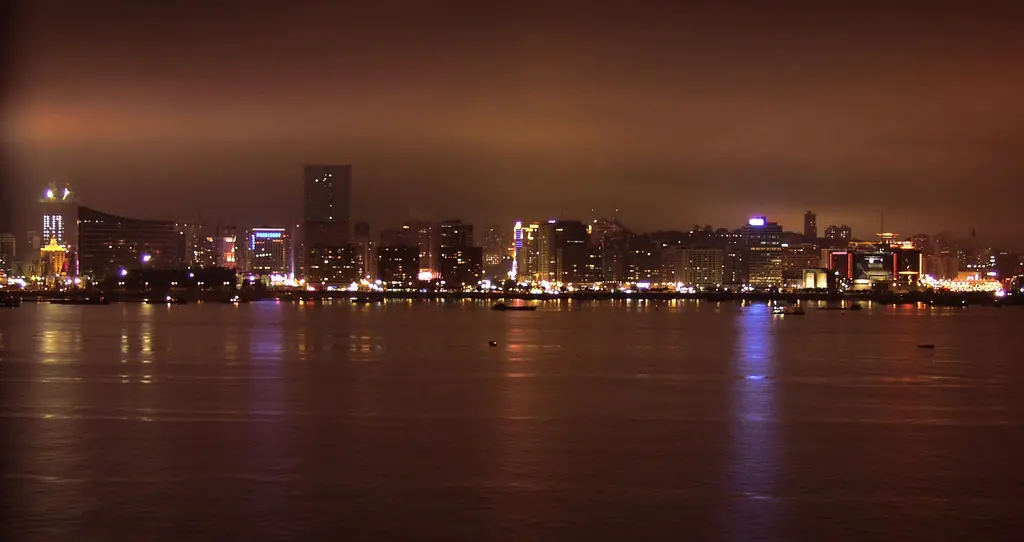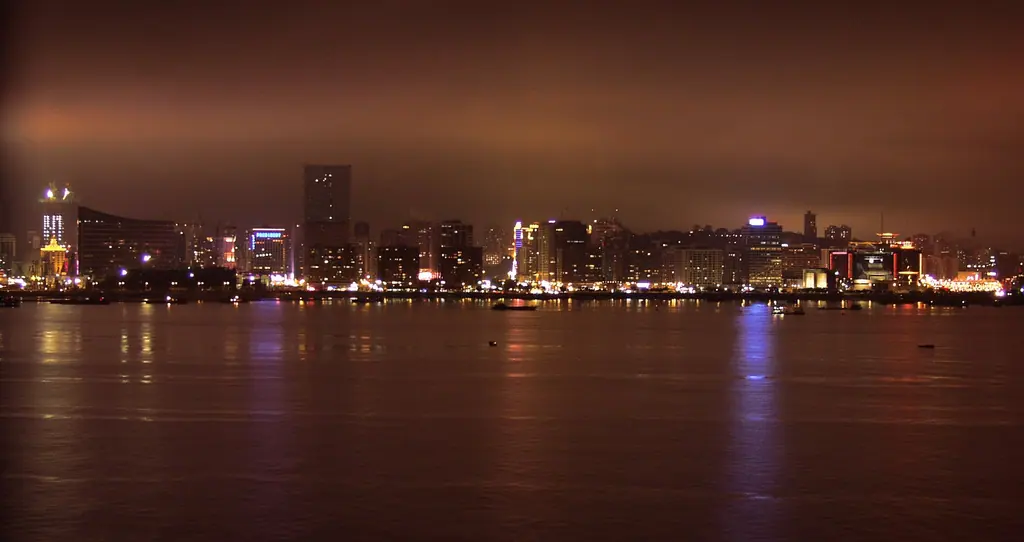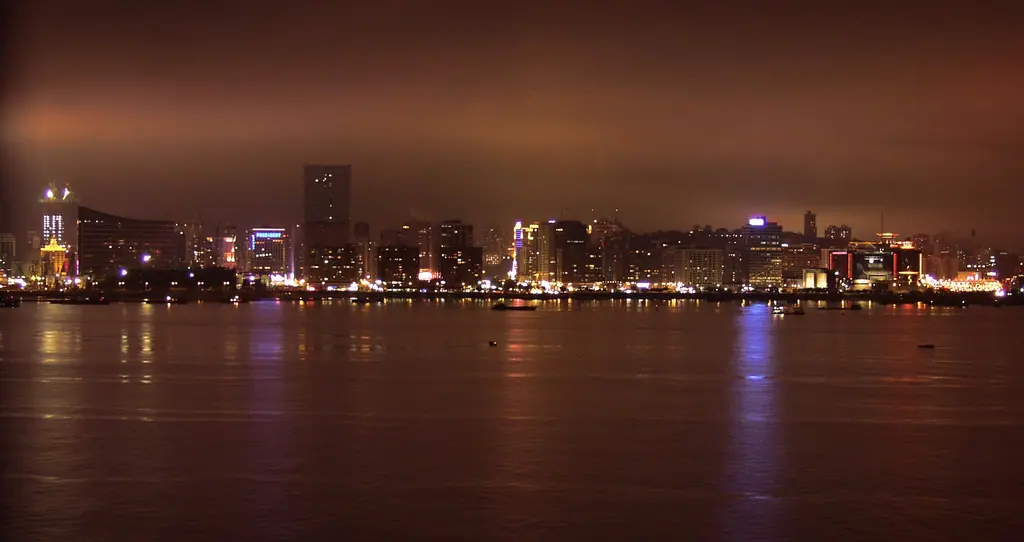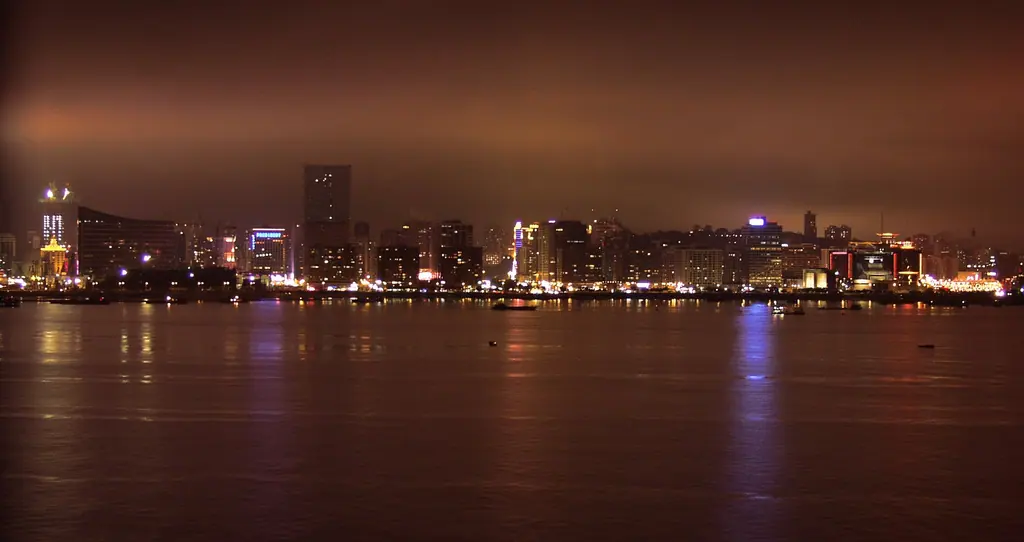
Macau folds a Portuguese baroque facade, a 15th-century temple, black-sand beaches and a neon skyline into a scrap of land you can cross in half an hour. The pleasure is in the layering: cobbled squares that could be Lisbon, incense coils hanging over a Chinese shrine, and a tower that drops you off its edge if you dare. Here is how to see it properly.
The Historic Centre: Ruins of St. Paul's and Senado Square
Start where the city always started — Largo do Senado, the wave-patterned square at the heart of the old Portuguese town. The black-and-white calçada stones run underfoot toward the neoclassical Leal Senado building, and past the pale yellow bulk of St. Dominic's Church, whose interior is a riot of gilded altars. From here the crowd funnels up Rua de São Paulo, past shops selling almond cookies and beef jerky, and suddenly the street opens onto the Ruins of St. Paul's — the lone stone facade of the Church of Mater Dei, all that survived a fire in 1835. Stand close and pick out the carvings: a lotus, a Portuguese ship, a skull-and-bones relief that locals still tell stories about.
Give the facade twenty minutes, then keep climbing. Behind it sit the tiny Na Tcha Temple and a surviving stub of the old city wall, and a short set of steps leads up to Mount Fortress, the Jesuit-built bastion whose ramparts now hold the Macau Museum. The museum is the single best introduction to the city's layered history, and the tree-shaded terrace on top is the finest free viewpoint in the district. Allow two to three hours for the whole route, and come before 10am if you want photographs without a hundred other people in them.
This is also the part of Macau to explore without a plan. Wander off Rua de São Paulo into the lanes around Rua da Felicidade, once the red-light district and now a strip of restored shophouses, or find the tranquil St. Anthony's Church, the oldest in the city and still a wedding-day favourite.
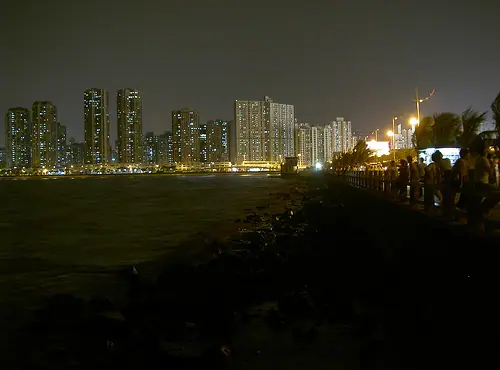
Temples, Gardens and the Chinese Quarter
Macau's Chinese soul is older than its European one, and nowhere proves it like A-Ma Temple at Barra, at the southern tip of the peninsula. Built in the late 15th century, before the Portuguese arrived, it gave the city its name. The complex climbs a rocky hillside in a series of shrines and pavilions — the Hall of Benevolence, the Hall of Guanyin — with coils of incense smouldering under the eaves and the smell of salt water drifting up from the harbour below. Visit early; the courtyards are small and fill quickly.
A ten-minute walk away is the Mandarin's House, the sprawling 1860s residence of a Qing-era reformer, with courtyards, moon gates and a garden that feels entirely removed from the city outside its walls. Nearby Lilau Square, with its Portuguese pavement and old trees, was once the most desirable address in Macau and remains one of its prettiest corners.
Push north for the other essential temple: Kun Iam, in a garden courtyard where incense smoke curls around stone lions and a giant bronze statue of the goddess. It is quieter than A-Ma, and its halls carry a curious claim to fame — a treaty between China and the United States was signed here in 1844. Finish with Lou Lim Ieoc Garden, a small, exquisite Suzhou-style garden of zigzag bridges, bamboo groves and pavilions that was built by a 19th-century merchant and is now a favourite early-morning spot for tai chi.
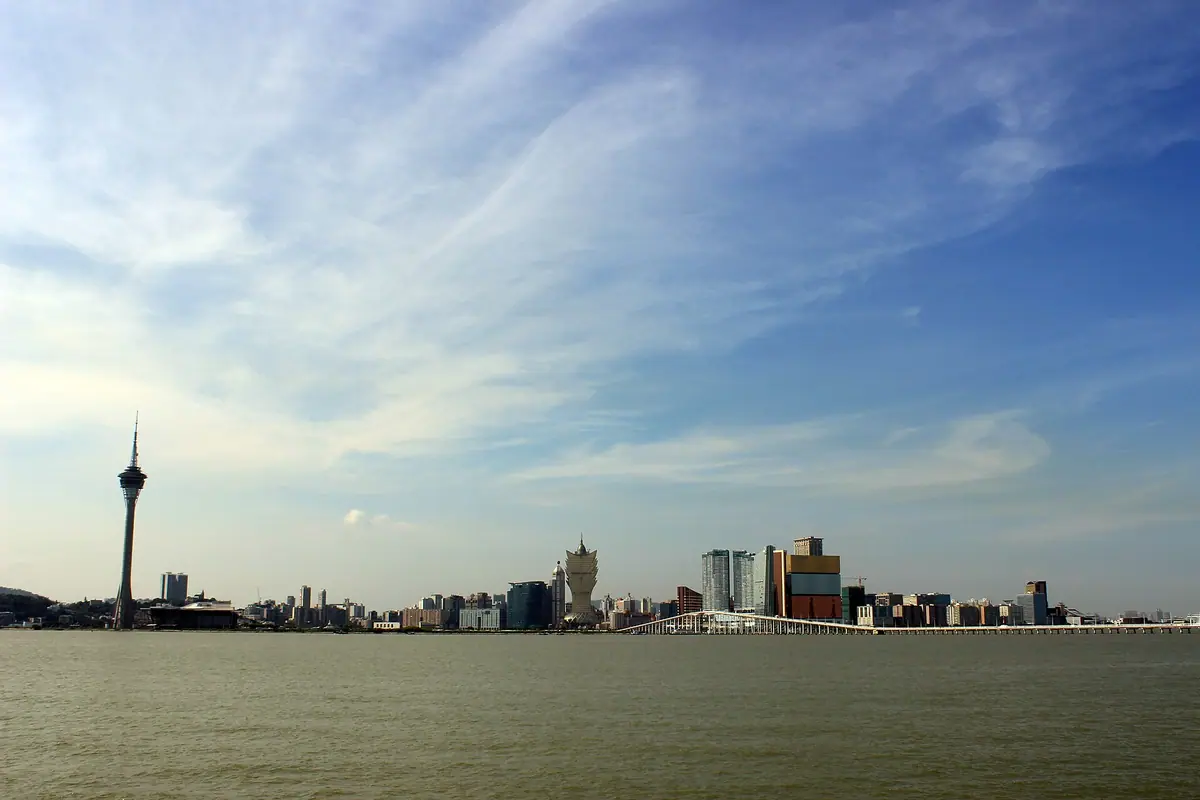
Lookouts: Macau Tower, Guia Fortress and Penha Hill
Macau is small but it looks completely different from above. The obvious place to start is Macau Tower, the 338-metre needle on the waterfront, with an observation deck on the 58th floor. On a clear day you can trace the whole peninsula, the three bridges crossing the harbour, Taipa and Coloane beyond. It is also where the city's thrill-seekers go: the tower runs world-famous bungee jumps and a hands-free Skywalk around the outer rim. Sunset is the best slot — the haze usually lifts by late afternoon, and the Cotai lights come on as you watch.
For something older and quieter, head to Guia Fortress on the highest point of the peninsula. A lighthouse built in 1865 — the oldest on the whole Chinese coast — stands beside a chapel with faded frescoes on its walls, and the surrounding gardens are threaded with walking paths and a short cable car ride from the Flora Garden below. The view over the dense, chaotic rooftops of the north of the city is genuinely worth the climb.
A third lookout, and the least crowded, is Penha Hill in the south. The little Chapel of Our Lady of Penha sits above the Inner Harbour, and the terrace outside gives you a soft-focus view of Nam Van Lake, the bridges and, on a good day, the smokestacks of the mainland. It is a five-minute taxi ride or a hot twenty-minute walk uphill from the old town; go at dusk.
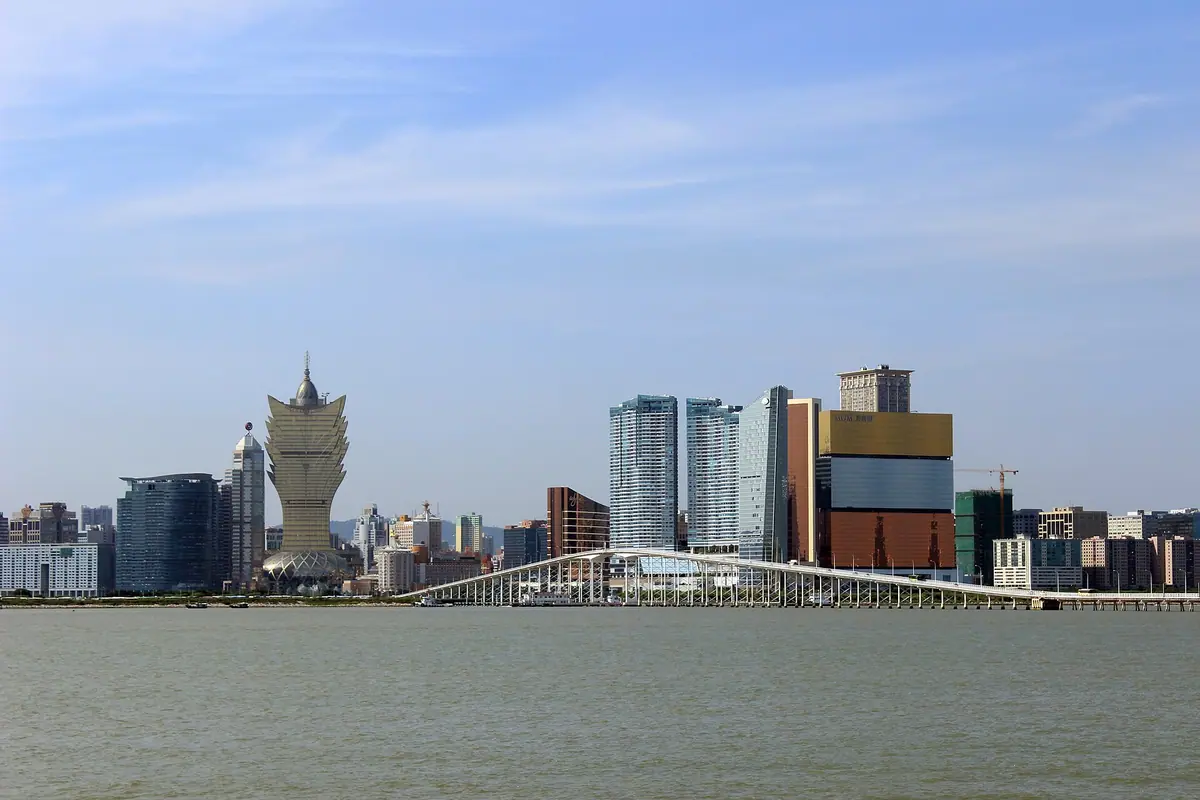
Taipa Village and the Island's Old Lanes
Cross the bridge or take the light rail south to Taipa, and the city changes tempo. Taipa Village is a tight knot of lanes centred on Rua do Cunha, where the smell of baking egg tarts and grilled pork chop buns hangs over the street. This is where you should be eating: a pork chop bun in a warm roll, a Portuguese-style egg tart with a scorched custard top, almond cookies straight from the tray, and Macanese classics such as African chicken and minchi in family-run restaurants tucked off the main drag.
The village isn't only food. Pak Tai Temple sits mid-street, and a few minutes' walk away is the Taipa Houses–Museum, a row of five pastel-green colonial villas on Avenida da Praia facing a small lake — the most photographed spot on the island after the old town. Our Lady of Carmel Church, a short walk from the museum, is a cream-and-white wedding cake of a building, and behind it the streets stay quiet and residential.
Come late afternoon and stay for dinner; Taipa is at its best when the day-trippers have gone and the lights come up on Rua do Cunha. Budget two to three hours for the village and the houses, more if you're eating properly.
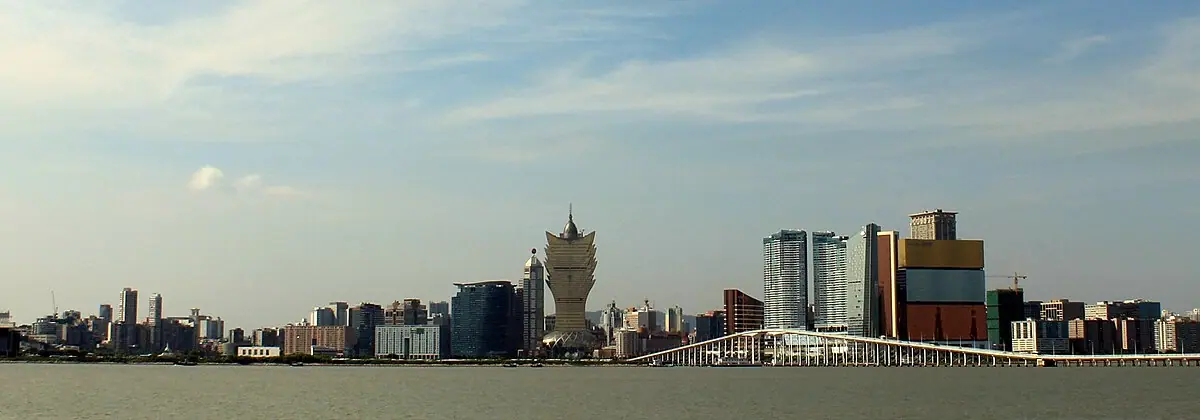
Coloane: Beaches, Villages and the Far South
Macau's southernmost island, Coloane, is where residents go to breathe. The highlight is Hac Sa Beach — 'black sand' in Cantonese — a long, dark-sanded bay with a shaded promenade and a handful of low-key restaurants. The water is more for looking at than swimming in, but the beach is ideal at sunset, and the paved and unpaved trails that climb from behind it form the Coloane Trail, an eight-kilometre loop through forest with ridge views over the South China Sea.
Coloane Village itself is tiny: a waterfront square, a few pastel houses, and the Chapel of St. Francis Xavier, a 1920s chapel holding a relic of the missionary who died off the Chinese coast in 1552. Tam Kung Temple next door is smaller still, and both sit within sight of the shrimp-paste and dried-fish shops that keep the village honest rather than twee.
Families should make a stop at Seac Pai Van Park, a landscaped garden that includes a panda pavilion and a large walk-through aviary. Combine it with Cheoc Van Beach, a smaller bay a short bus ride away. Half a day covers Coloane comfortably; many people do it as a slow loop from Taipa, ending with lunch in the village.
Cotai, Festivals and When to Go
Cotai, the strip of reclaimed land between Taipa and Coloane, is Macau's other world entirely: a wall of enormous resort complexes with theatres, arenas, indoor canals and live shows that range from acrobatics to touring concerts. Even if casinos aren't your thing, the sheer scale of the architecture is worth an hour's wander, and the area is a short walk from Taipa Village — the contrast between a 19th-century lane and a gilded atrium two minutes away is the most Macau thing there is.
The city's calendar is packed. Chinese New Year in late January or February brings lion dances and a huge influx of visitors; the A-Ma Festival in the third lunar month is the most atmospheric of the temple celebrations; the Feast of the Drunken Dragon, held in the fourth lunar month, sees dancers weave through old streets; the Lotus Flower Festival fills squares with blooms in June; and the International Fireworks Display Contest lights up the harbour each September. The loudest date of all is the Macau Grand Prix in November, when real city streets around Guia become a race circuit.
Which means the best months to visit are October to December and March to April — dry, mild and bright, with temperatures in the low twenties. July to September is hot, humid and inside typhoon season, while January can be grey and chilly. Two to three days is the sweet spot: one for the historic centre, one for Taipa and Coloane, and a spare morning for whichever temple or lookout you want to see twice.
Frequently asked questions
How many days do you need in Macau?
Two full days is comfortable: one for the historic centre, the Ruins of St. Paul's and the museums, and one for Taipa Village and Coloane. Three days lets you add Macau Tower, Guia Fortress and a slow meal in Taipa. A single day trip is possible, but you'll only manage the old town and one island.
When is the best time to visit Macau?
October to December is the pick, followed by March and April — warm, dry and clear enough for the viewpoints. Avoid July to September, when heat, humidity and typhoon season combine. November also brings the Grand Prix, which is thrilling but books out hotels early.
What food should I try in Macau?
Portuguese-style egg tarts, a pork chop bun, Macanese African chicken, minchi, serradura dessert, almond cookies and crab congee. Taipa's Rua do Cunha and the lanes off Senado Square are the easiest places to graze through several in one afternoon.
Can you visit Macau as a day trip from Hong Kong?
Yes. Cross-border ferries take about an hour, and buses over the long sea bridge are quicker on a good day. Arrive early morning to clear the historic centre before the crowds, and plan to head back after dinner in Taipa.
Do you need cash in Macau?
The local currency is the pataca, and Hong Kong dollars are accepted almost everywhere at roughly one-to-one. Cards work in hotels, larger restaurants and shops, but temple stalls, old-school bakeries and small village eateries are cash-friendly — keep some small notes on you.
Plan it — experiences in Macau
Live search, booked directly with trusted providers.