Macau is the rare city where a week barely scratches the surface — a Portuguese-paved peninsula stacked with baroque churches and incense-wreathed temples, a neon-lit resort corridor built on reclaimed sea, and two sleepy islands where black-sand beaches meet hiking trails. Fly in, unpack once, and let the bridges do the rest.
Day 1: Landing at Macau International Airport and Finding Your Rhythm
Macau International Airport sits on a narrow strip of reclaimed land off Taipa, which means you can be at a Cotai hotel desk within fifteen minutes or in the historic peninsula in about twenty-five. The terminal is small, calm and easy to navigate: immigration is quick for most passport holders, luggage belts are short, and taxis queue outside the arrivals hall alongside the complimentary shuttle buses that the big resorts run to their lobbies. Pick up a few patacas at an ATM, though Hong Kong dollars are accepted almost everywhere at close to face value.
The light rail line now links the airport with Cotai, Taipa Village and, via the Sai Van bridge, the Barra end of the peninsula — a cheap, air-conditioned way to reach the old town without watching the meter. Flight-wise, Macau is served by regional carriers from across East and Southeast Asia, with connections through nearby hubs for long-haul travellers. Some visitors find better fares by flying into Hong Kong or Zhuhai and crossing the Hong Kong–Zhuhai–Macau Bridge by shuttle bus in under an hour, or arriving by high-speed ferry from Hong Kong's various piers.
Timing matters more than most people expect. October to December is the sweet spot: dry air, 20–25°C days, and streets that beg to be walked. March and April are a close second. From May to September you get heavy humidity and the tail end of typhoon season — a Signal 8 can close the bridges and ground flights entirely, so book flexible fares and keep a spare day at the end if you're travelling in summer.
Days 2–3: The Historic Centre, From Senado Square to the Ruins of St Paul's
Start early at Largo do Senado, the black-and-white wave-patterned square that acts as the gateway to Macau's UNESCO-listed core. The colonnaded Leal Senado building anchors one side, and a few steps away the mustard-yellow St Dominic's Church opens onto a plaza where older residents do their morning exercises. From here, wander down Rua da Felicidade — once the city's red-light district, now a row of shuttered shophouses and cafés — and let yourself get deliberately lost in the lanes of Rua dos Mercadores and Rua de São Paulo before the tour groups arrive around ten.
The climax is the Ruins of St Paul's, the lone baroque façade of the Church of Mater Dei, built by Jesuits in the early seventeenth century and gutted by fire in 1835. Only the carved stone front and the sweeping staircase survived, and the effect is strangely moving — saints and dragons and a Virgin Mary trampling a hydra, all in granite, open to the sky. Behind and above it, Monte Fort and the Macau Museum occupy the same hilltop, and the ramparts give you the best free panorama of the old town's rooftops and pastel churches.
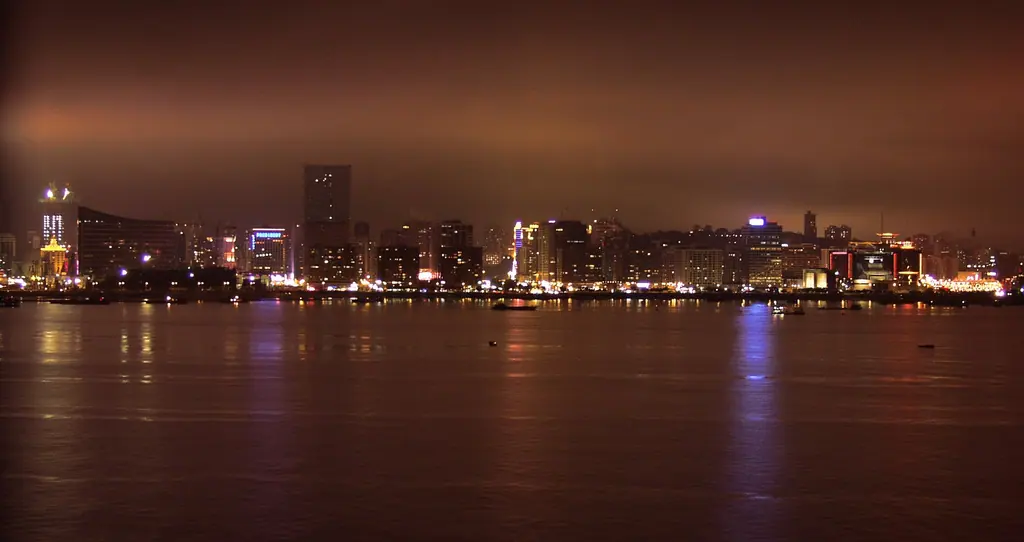
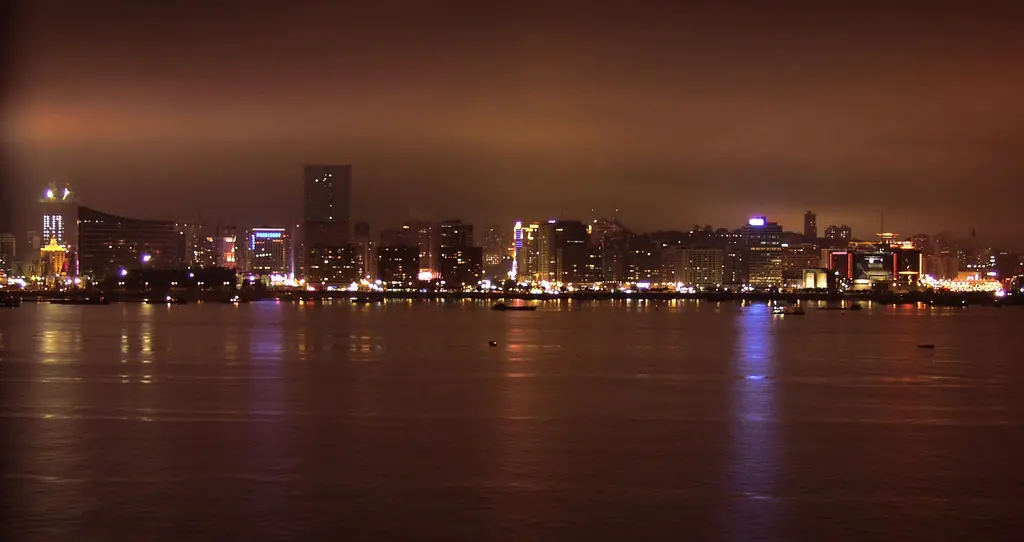
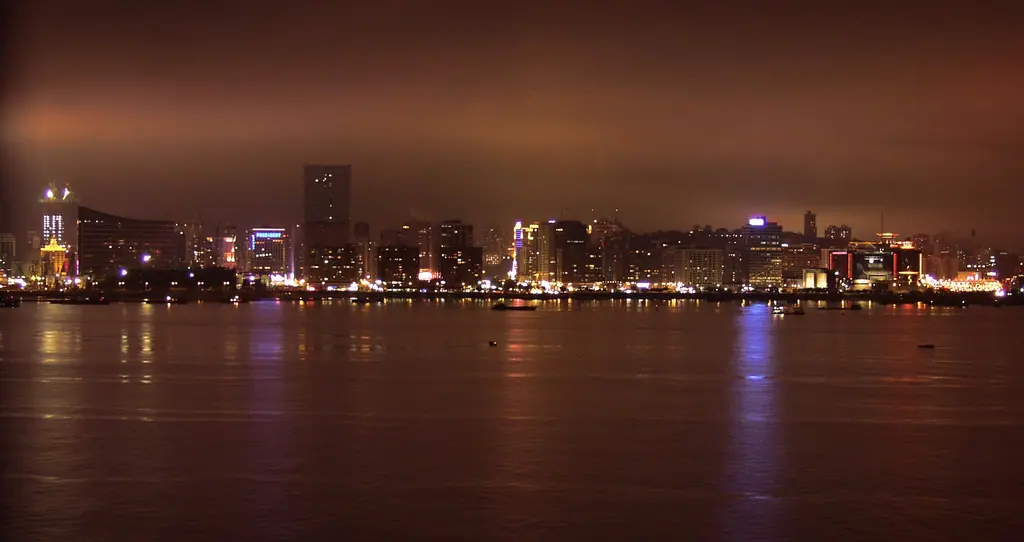
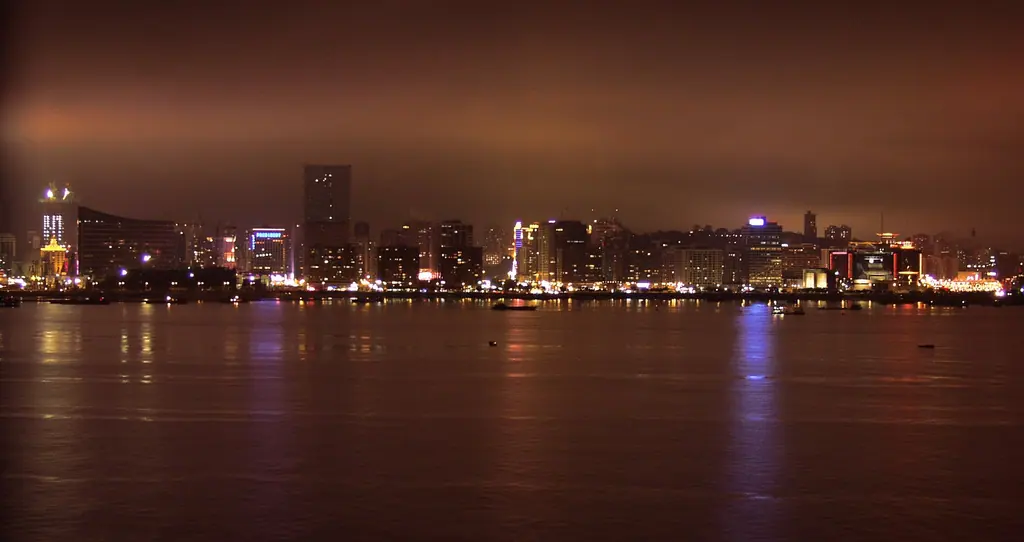
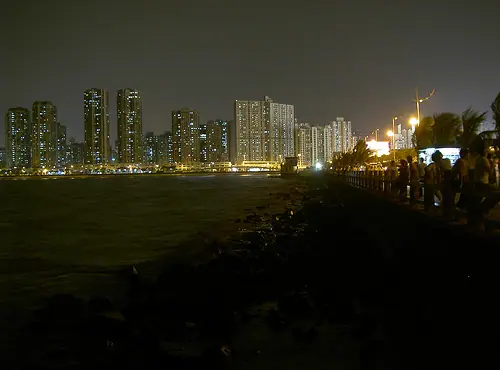
Spend the second half of the day on the southern loop: St Lawrence's Church, the Mandarin's House with its deep courtyards, sleepy Lilau Square, the Moorish Barracks and then A-Ma Temple at Barra, a Taoist and Buddhist complex first founded in the fifteenth century and the very place that gave Macau its name. Time your finish for sunset along Sai Van Lake, where the peninsula's skyline lights up across the water.
Day 4: Guia Fortress, Macau Tower and the City's Modern Face
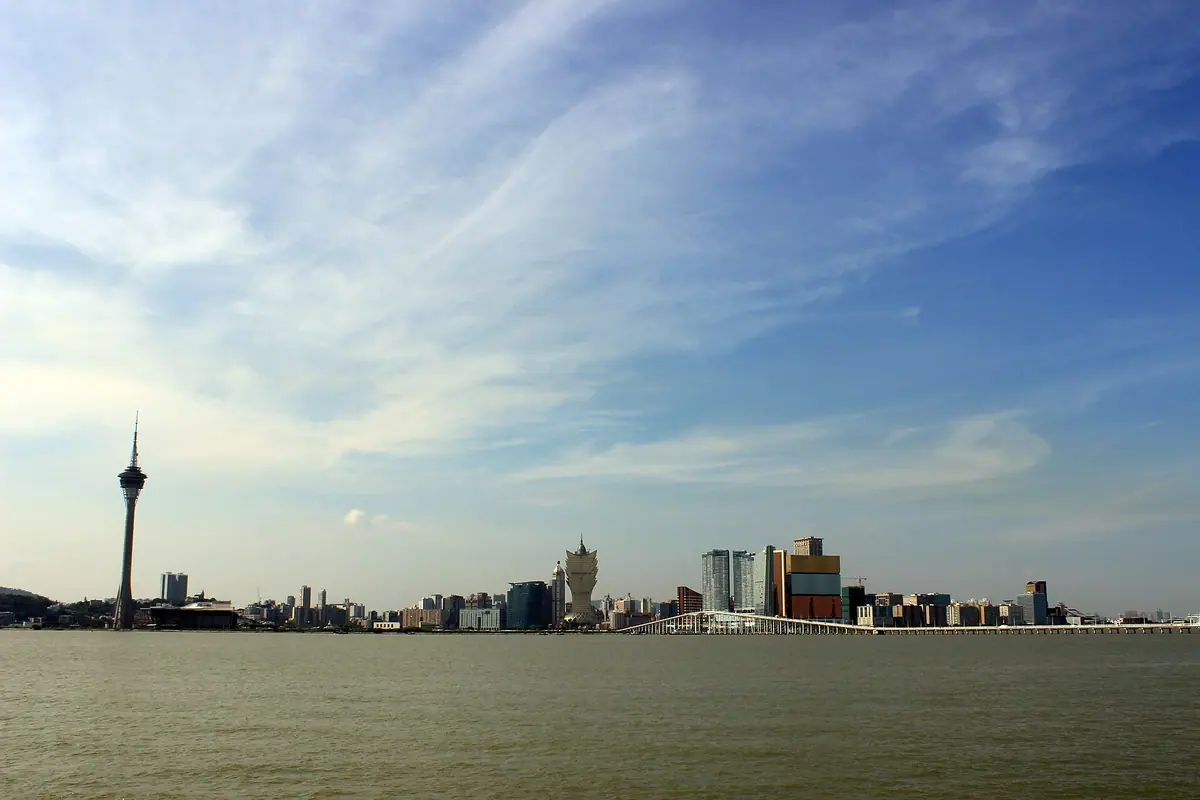
Guia Hill is the peninsula's high point and its quietest corner. A short cable car ride from Flora Garden lifts you to Guia Fortress, where a squat lighthouse — one of the oldest on the Chinese coast, first lit in 1865 — stands beside a chapel whose interior hides faded frescoes. Locals jog the shaded paths around the summit at dawn; you'll want to be among them, because the view over the harbour, the bridges and the grey-green sprawl of high-rises is worth the climb before the heat sets in.
Then descend to the Macau Tower, the 338-metre needle that dominates the skyline. The observation deck sits at 223 metres, with glass floor panels for the brave, and the attached adventure operation runs a Skywalk around the outer rim and a bungee jump that ranks among the highest commercial jumps in the world. It's a proper adrenaline hit, but the café and viewing gallery are just as worthwhile if you'd rather keep both feet planted.
Round the day off along the waterfront: the domed Macau Science Centre, the bronze Kun Iam Statue rising from its artificial island, and the low-key Macau Cultural Centre, then dinner at Fisherman's Wharf or back in the old town. If you're visiting in November, the city's famous street-circuit motor race takes over the Guia circuit and the whole peninsula hums — book accommodation months ahead.
Days 5–6: Taipa Village, the Cotai Strip and Island Life
Cross to Taipa for a change of tempo. Taipa Village is a knot of lanes around Rua do Cunha, where the air smells of baking — pork chop buns, almond cookies, Portuguese egg tarts pulled from the oven in batches. Beyond the food street, Our Lady of Carmel Church sits on a grassy knoll, the Pak Tai Temple predates the Portuguese-era shophouses around it, and the five mint-green colonial villas of the Taipa Houses-Museum line Avenida da Praia facing a reed-filled wetland where egrets stalk the shallows.
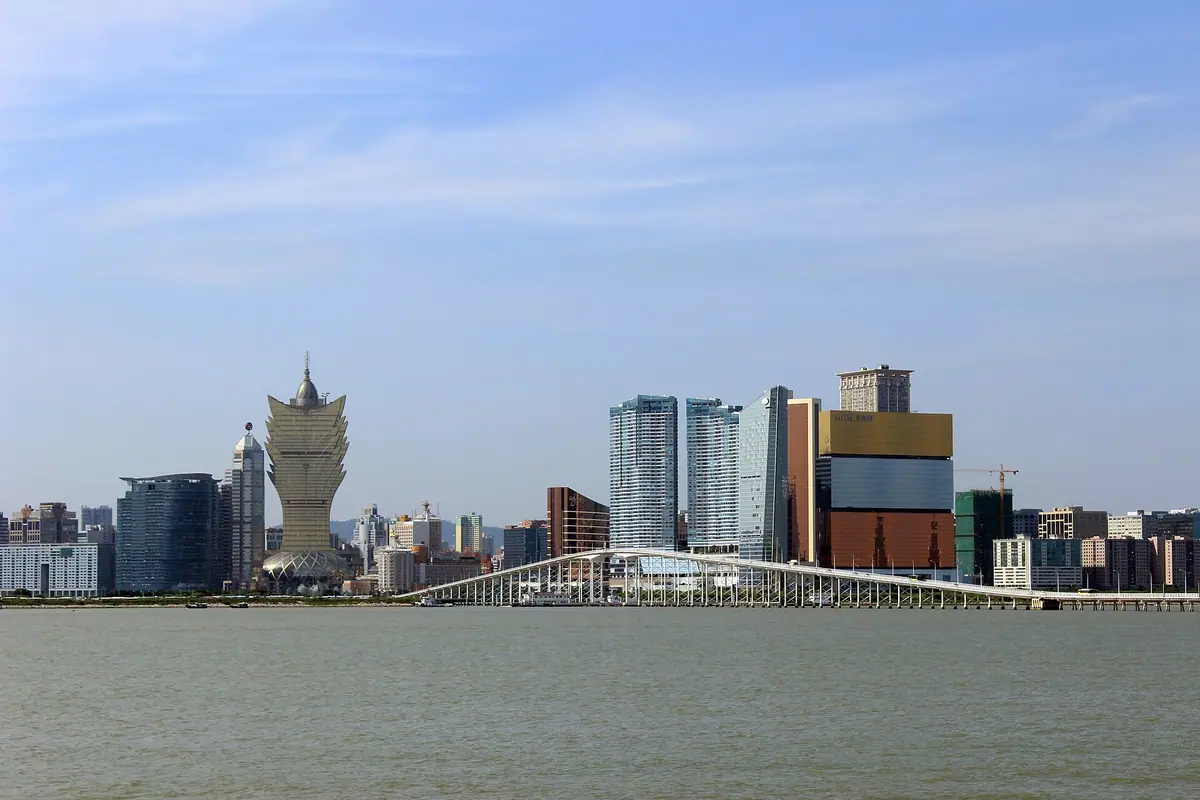
You can walk from the village into the Cotai Strip, the resort corridor built on the reclaimed land once called Cotai. It's a surreal place: kilometre-long shopping arcades, rooftop pools, theatre shows and indoor canals, all under one enormous glass roof. The light rail glides above it all, connecting the resorts to Taipa and the airport, and free shuttle buses loop between properties, so you never need to pay for a taxi if you're patient.
A word of practical advice: casino floors are strictly 21-and-over and staff check passports at the door, so keep ID with you. Set a gambling budget before you walk in and treat the gaming halls as a spectacle rather than a plan — the real show in Macau is the food, the architecture and the street life outside the doors.
Day 7: Coloane's Beaches, Trails and Villages
Coloane, the southernmost island, feels like another country. In Coloane Village, the Chapel of St Francis Xavier holds a relic in a silver casket, stilt houses of a former shipyard lean over the water on the far side of the square, and tiny bakeries turn out tarts with caramelised tops that ruin you for any other kind. It's the kind of place where an hour turns into three without you noticing.
For sand, head to Hac Sa Beach, whose dark volcanic grains give it the name 'black sand', or the smaller crescent of Cheoc Van, with a pool complex and a handful of seafood restaurants right on the shore. Nearby Seac Pai Van Park shelters the city's giant panda pavilion, and above it the A-Ma Cultural Village culminates in a towering statue of the sea goddess looking out over the South China Sea.
Walkers should carve out half a day for the Coloane Trail, roughly eight kilometres of ridgeline path through pine and scrub that crests at Alto de Coloane, the territory's highest point at just over 170 metres. The signage is good, the shade is intermittent, and the buses back to Taipa run frequently from the village — carry water, and avoid starting after midday in summer.
Departure: Cross-Border Day Trips and Getting Back to the Gate
Your last full day can easily become a border-hop. The Hong Kong–Zhuhai–Macau Bridge runs shuttle buses from the Macau port to Hong Kong in well under an hour, and high-speed ferries leave from both the Outer Harbour and Taipa terminals for Hong Kong's different districts — handy if you want a morning of dim sum and a skyline view before returning for the evening. Alternatively, walk across at the Barrier Gate into Zhuhai at Gongbei for cheap shopping and a completely different atmosphere; remember you'll need a mainland China visa unless your nationality is exempt.
For the flight home, allow two hours at Macau International Airport — it's efficient but small, and the check-in desks can bunch up when two or three departures coincide. The light rail reaches the terminal directly from Cotai and Taipa, and taxis from the peninsula take around twenty minutes outside rush hour, longer when the bridges are busy on a weekday morning.
Pack the last of your almond cookies and tarts in hand luggage, plan one more sunrise walk along the peninsula's waterfront, and leave a buffer day if you're flying in typhoon season. Macau rewards slow travel — a week lets you see the churches and the casinos without ever feeling rushed, which is more than most visitors manage in a weekend.
Frequently asked questions
How many days do you actually need in Macau?
Three or four days covers the UNESCO historic centre, Guia Hill, Macau Tower and Taipa Village comfortably. A full week lets you add the Cotai resorts at an unhurried pace, a day on Coloane's beaches and trails, and a cross-border trip to Hong Kong or Zhuhai — which is exactly what this itinerary does.
Do I need a visa to enter Macau?
Most nationalities — including UK, EU, US, Canadian and Australian passport holders — enter Macau visa-free for 30 to 90 days, and Macau runs its own immigration system entirely separate from mainland China. You only need a mainland visa if you plan to cross into Zhuhai. Make sure your passport has at least six months' validity.
What is the best time of year to fly into Macau?
October through December brings dry, comfortable weather in the low twenties and is the most pleasant window. March and April are also good. Avoid July to September if you can, when humidity is punishing and typhoon warnings can close bridges, cancel ferries and disrupt flights at short notice.
How do I get from Macau airport to the historic centre?
The light rail connects the airport with Cotai, Taipa Village and the Barra area of the peninsula, from where it's a short taxi or bus ride to Senado Square. A metered taxi to the old town takes roughly twenty to twenty-five minutes. Resort shuttle buses are free but serve the casino corridors rather than the historic districts.
Is Macau expensive to visit?
It's a city of extremes. Luxury resorts, rooftop restaurants and helicopter transfers are priced accordingly, but street food in Taipa Village, buses and the light rail, temple entry and most churches cost very little, and many of the best sights — the Ruins of St Paul's, Monte Fort, Guia Fortress, A-Ma Temple — are free to visit.