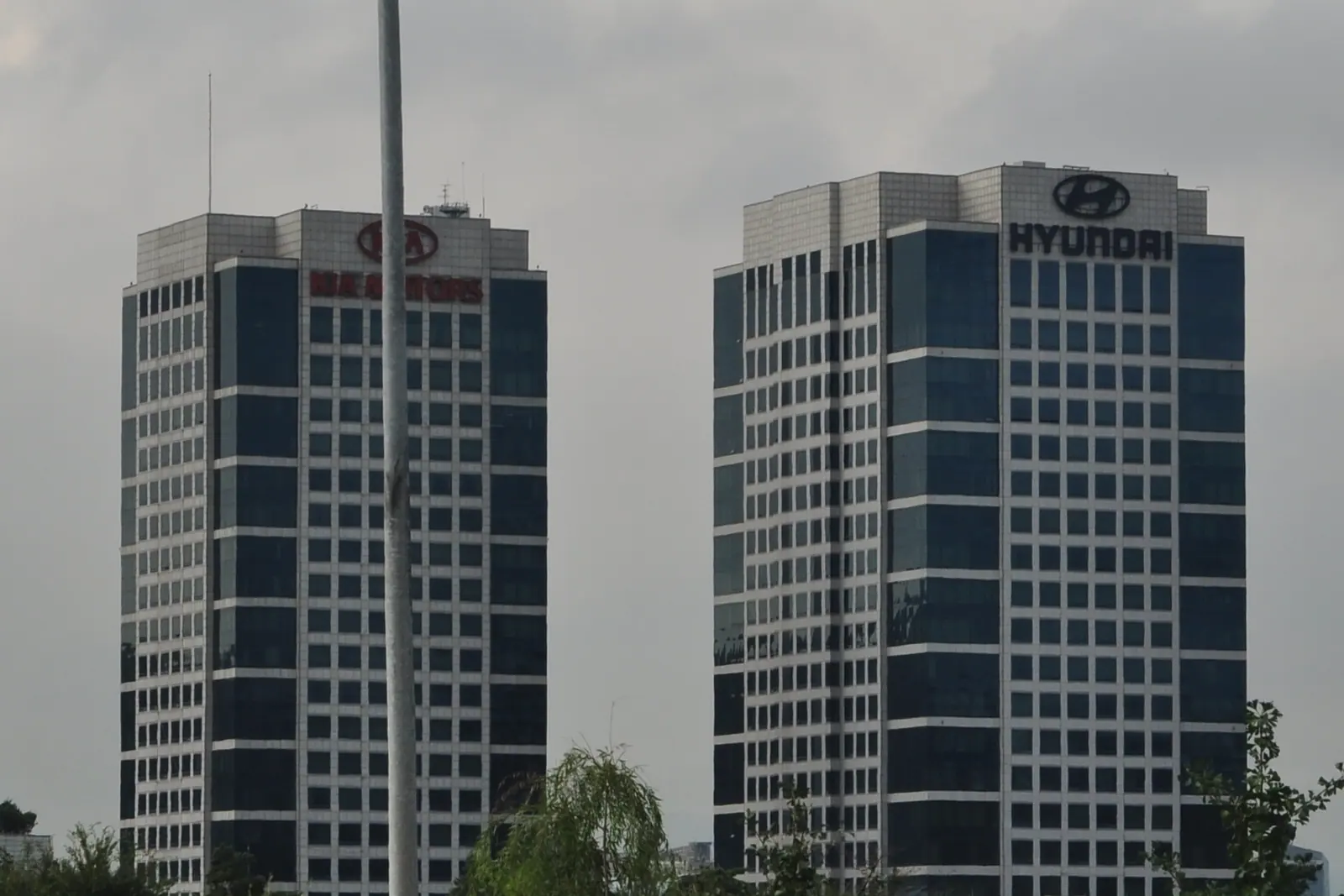
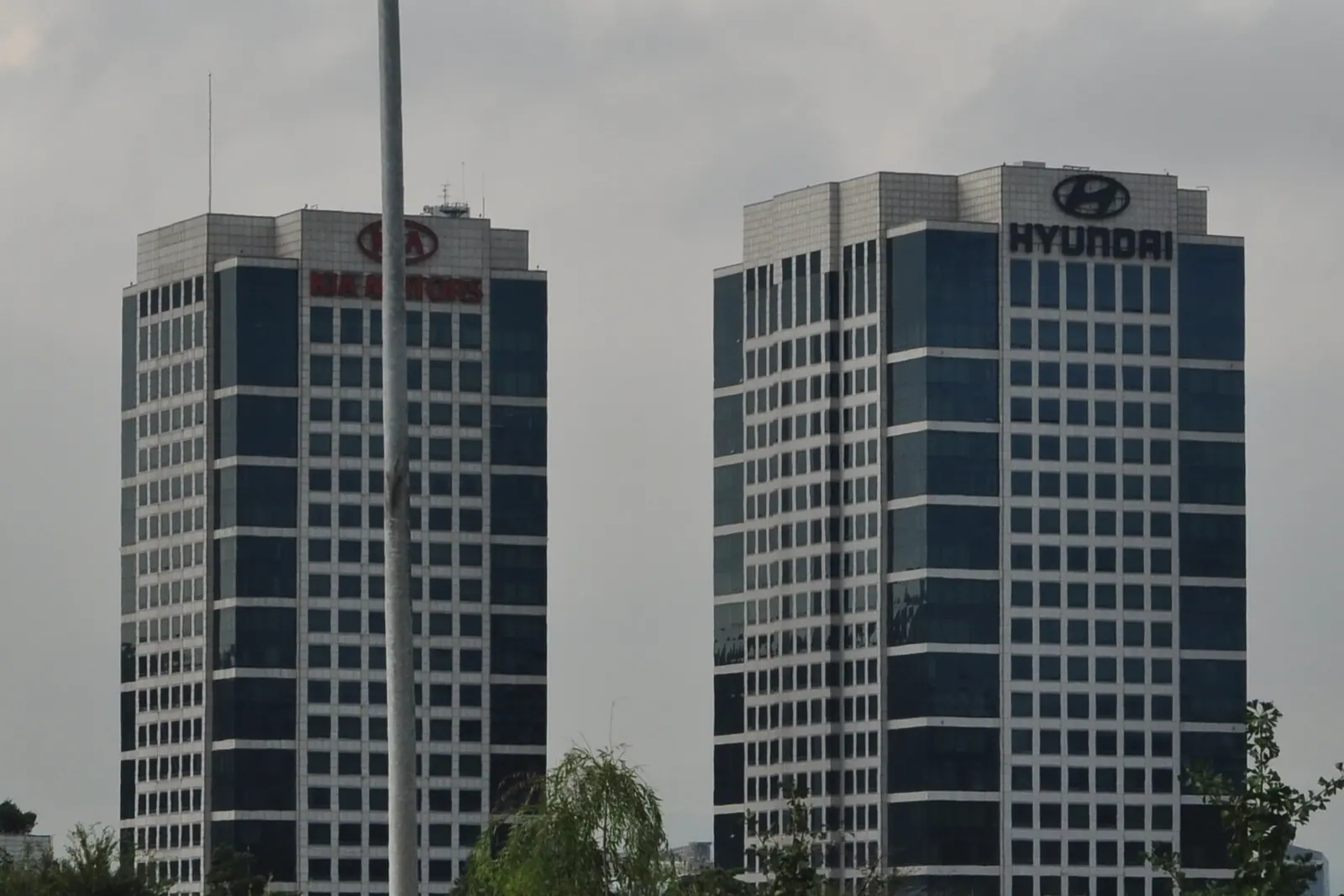
Kazakhstan is the ninth-largest country on earth, a place where snow-capped mountains rise straight out of the steppe and canyon walls glow orange in the afternoon sun. It is a country of two moods at once — futuristic glass towers in the capital and Silk Road mausoleums in the south — and almost all of it is empty, open and waiting.
Almaty: Wooden Cathedrals, Cable Cars and Mountain Air
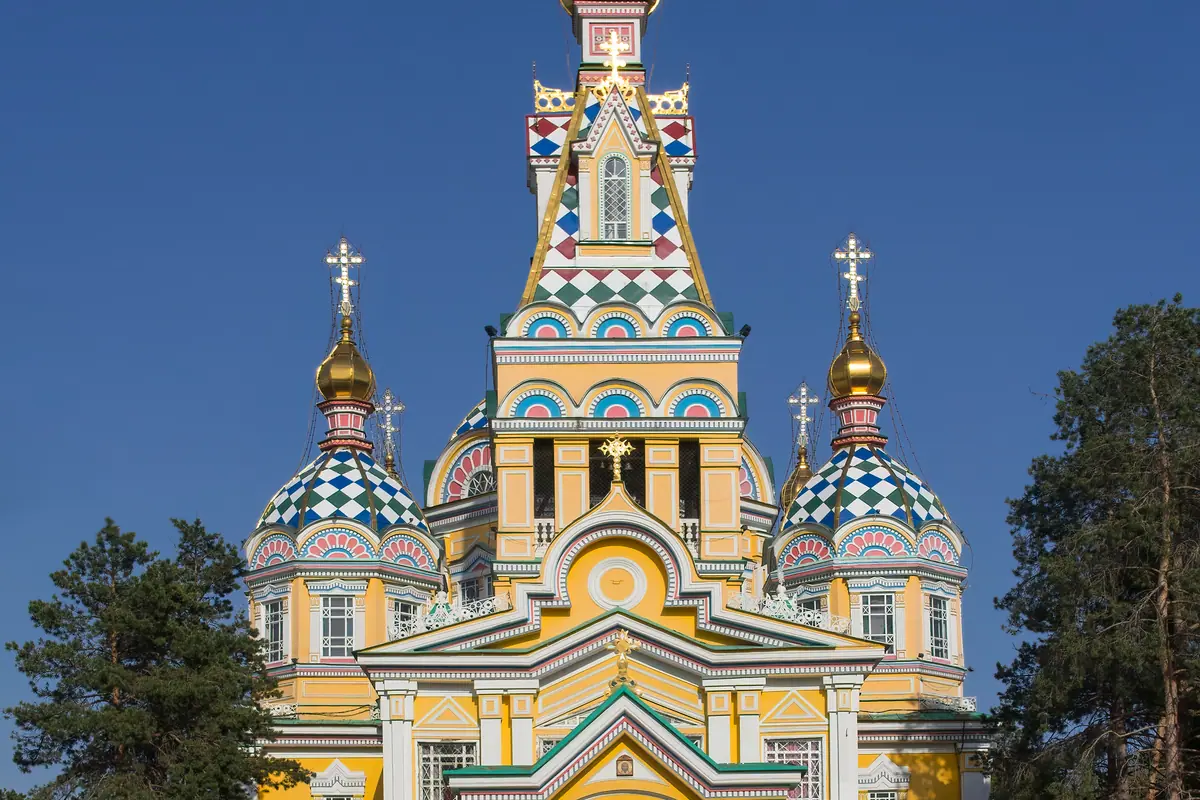
Most journeys begin in Almaty, the leafy former capital that sits in a bowl of the Zailiysky Alatau range. The heart of the city is Panfilov Park, a green square anchored by the Ascension Cathedral — usually called Zenkov Cathedral — a riot of candy-coloured domes and one of the tallest wooden buildings on earth, famously raised without a single metal nail. Nearby, the Green Bazaar is the place to breakfast: dried apricots, honey, spices, mare's milk and baursak fried on the spot, with a soundtrack of vendors shouting prices.
From the bazaar, ride the cable car up Kok-Tobe for the classic city panorama, then push higher. Medeu, the world's highest Olympic-size outdoor skating rink at 1,691 m, leads by gondola to Shymbulak, a ski resort at 2,260 m that runs from roughly November to April and turns into a hiking and paragliding base in summer. Big Almaty Lake, a turquoise reservoir at 2,511 m about an hour's drive away, is the most photogenic half-day trip in the country.
Charyn Canyon and the Kolsai Lakes: Kazakhstan's Wild Landscapes
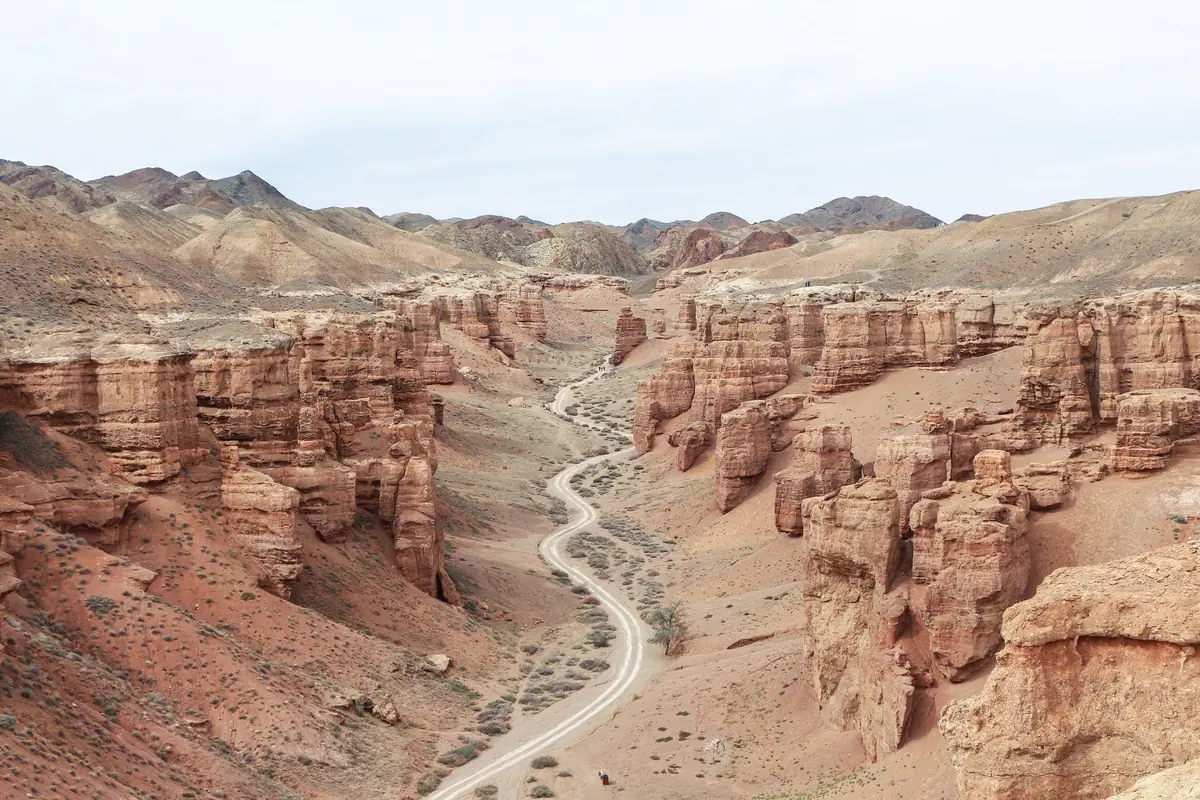
About 200 km east of Almaty, Charyn Canyon opens like a wound in the steppe. The Valley of Castles section is the star: three to four kilometres of eroded red and orange towers that look hand-carved, reached after a two to three hour drive and best tackled at dawn or late afternoon, since there is no shade and summer heat is punishing. Keep an eye out for the Charyn ash tree groves, a relic forest that survives in the canyon's cooler folds.
Further east lie the Kolsai Lakes, three alpine pools strung up a valley where the water shifts from emerald to slate depending on the light. The lowest is a 15-minute walk from the road; the second takes roughly three hours on a clear trail. Nearby Kaindy Lake is stranger still — a submerged spruce forest where bare trunks spear straight out of the water. Most visitors overnight in Saty village guesthouses and hire a 4x4 for the roughest sections.
Between them, Altyn Emel National Park holds the Singing Dune at Aigaikum, a 3 km-long sand ridge that hums when the wind and dry sand get the conditions right, plus the striped badlands of the Aktau and Katutau mountains. Distances are big; two nights minimum is realistic.
Astana: A Futurist Capital on the Open Steppe
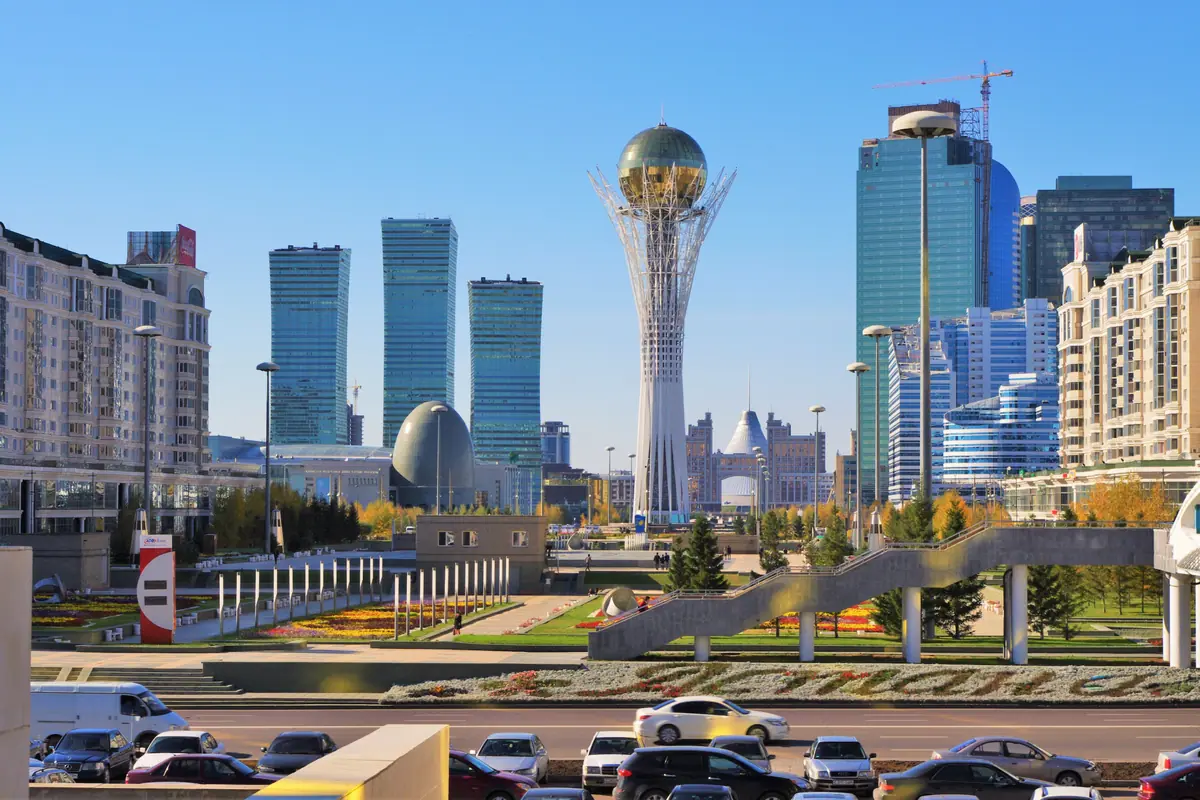
Astana — still widely called Nur-Sultan, and before that Akmola — is an architectural experiment dropped onto flat grassland. Start at Bayterek Tower, the white latticed monument with a golden orb you can ride up for a 360-degree view, and walk the length of Nurzhol Boulevard, which links the city's strangest buildings: the pyramid-shaped Palace of Peace and Reconciliation, the arched government offices and the tent-shaped Khan Shatyr, a shopping and leisure complex with an artificial beach under its canopy.
The Hazrat Sultan Mosque, one of the largest in Central Asia, is worth a visit for its white marble and blue domes, and the former world-expo site has become a science and museum quarter. Be realistic about weather: Astana is the second-coldest capital in the world, with January often at -20°C or colder. May to September is far kinder, and 21-23 March brings Nauryz, when the whole city eats, dances and drinks kumys in the streets.
Turkistan and the Southern Silk Road
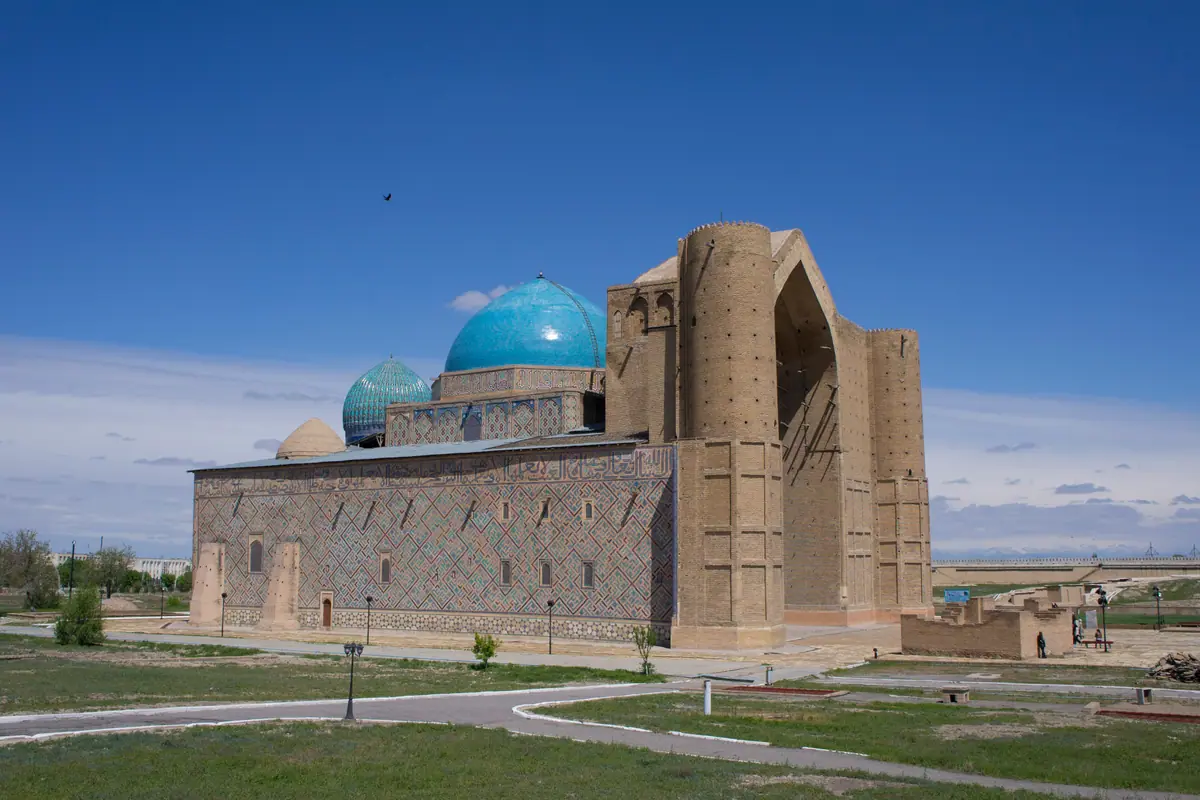
Head south for the country's greatest piece of architecture: the Mausoleum of Khoja Ahmed Yasawi in Turkistan, commissioned by Timur at the end of the 14th century and never quite finished. Its enormous blue-and-turquoise tiled dome is one of the largest in the Islamic world, and the interior chambers hold a vast bronze cauldron and the saint's tomb — a bona fide Silk Road pilgrimage that predates Samarkand's famous square.
The surrounding region is dense with history. Arystan Bab Mausoleum, a short drive away, is older and quieter. Further west, the ruined city of Otrar marks the place where Genghis Khan's campaign in Central Asia began, while Sauran's crumbling walls are still inscribed with centuries of graffiti by passing travellers. Shymkent is the practical base, with the friendliest food in the country: shashlik, laghman and plov cooked in huge copper kazans.
Spring (April to May) and early autumn (September to October) are the sweet spots — warm days, cold nights, and no need for the serious sun protection July demands.
Mangystau: Desert Fortresses and Underground Mosques
In the far west, between the Caspian Sea and the Ustyurt Plateau, Mangystau is Kazakhstan at its most otherworldly. The Bozzhyra tract is a field of chalk pillars and arches that rises abruptly from the desert floor, earning the nickname Valley of Castles. There is no road to it: you go with a 4x4 and a driver from Aktau or Zhanaozen, roughly four to five hours each way, and sleep in a tent under a sky thick with stars.
Further inland, Sherkala rises as a smooth lion-coloured hill, while Shakpak-Ata, Shopan-Ata and Beket-Ata are underground mosques carved into limestone, still active pilgrimage sites where you remove your shoes and women cover their heads. The Caspian coast around Aktau offers beaches, warm shallow water in July and August, and a strange, half-abandoned seaside atmosphere.
Visit in April to May or September to October. Summer temperatures push past 40°C with no shade, water is scarce, and the roads that exist are rough — this is not a region to improvise without a local driver.
Steppe, Space and the Northern Lakes
Few places on earth are as loaded with meaning as Baikonur Cosmodrome, the world's first and largest spaceport, from where the earliest crewed flights left the planet. It lies in the southern steppe near the Aral Sea and can only be seen on pre-arranged tours with permits sorted weeks in advance; launch days are scheduled well ahead, so plan around them.
North of the Aral, the ship graveyard at Zhalanash and the town of Aralsk tell the story of the sea that shrank and partly returned after the Kokaral dam was built. In the north, Burabay National Park offers granite hills, pine forest and clear lakes — a favourite weekend escape from the capital — while the Tamgaly petroglyphs, a UNESCO-listed gallery of Bronze Age rock carvings an easy drive from Almaty, are among the country's most underrated sights. Karkaraly and the Altai mountains near the eastern border reward anyone with extra time.
Wherever you go, eat like a local: beshbarmak, horse-meat sausage, tea with milk, and a banya at the end of the day. Ten days is a good first trip; three weeks lets you link Almaty, Astana, Turkistan and one remote region without rushing.
Frequently asked questions
When is the best time to visit Kazakhstan?
May to June and September to October are ideal almost everywhere — mild temperatures, clear mountain roads and comfortable desert travel. July and August are hot in the south and west but perfect for the Kolsai Lakes and Caspian beaches. December to March suits skiers at Shymbulak, though Astana in midwinter can drop below -25°C.
How many days do I need in Kazakhstan?
Seven to ten days covers Almaty, Charyn Canyon and Astana comfortably, with a day or two for the mountains. Add another week if you want Turkistan and the southern Silk Road sites, and at least four or five extra days for a Mangystau or Baikonur trip, since driving distances are enormous.
Do I need a visa to travel in Kazakhstan?
Citizens of many countries, including most of the EU, the UK, the US, Canada, Japan and Australia, can enter visa-free for up to 30 days. Rules change periodically, so confirm with an embassy or consulate before booking, and note that border zones such as the area around Big Almaty Lake sometimes require extra permission.
Is it easy to get around without speaking Russian or Kazakh?
In Almaty and Astana you will manage with English in hotels, cafés and museums, and ride-hailing is cheap. Outside the cities, English drops off sharply. Learning a few phrases helps enormously, and for remote regions such as Mangystau it is standard practice to hire a driver-guide who handles fuel, routes and permissions.
What should I pack for Kazakhstan?
Layers, always. Mountain valleys can be 15°C cooler than the city below, and steppe nights are cold even in summer. Bring sturdy shoes for canyon and desert walking, sun protection, a refillable water bottle, and modest clothing for mosques and pilgrimage sites. Cash in tenge is useful outside the main cities, where card machines are less reliable.
Plan it — experiences in Kazakhstan
Live search, booked directly with trusted providers.
Sort the rest of your trip
Everything for Kazakhstan, in one place
Stay in Kazakhstan
Hotels, guesthouses and apartments — compared in one search.
Search hotels
Transfer in Kazakhstan
Private driver waiting on arrival — no queues, no surprises.
Book a transfer
Stay online in Kazakhstan
Travel eSIM — data the moment you land, no roaming bills.
Get an eSIM