Hungary packs an improbable amount into a country you can cross by train in a morning: a capital stitched together by Europe's loveliest river, bathhouses steaming at dawn, and a flat eastern plain where cowboys still crack whips at full gallop. It is a place where the grand and the everyday sit side by side — Habsburg-era palaces, ruin bars in crumbling courtyards, and vineyards that have been producing sweet wine for centuries.
Budapest's Grand Landmarks: Parliament, Castle Hill and Heroes' Square
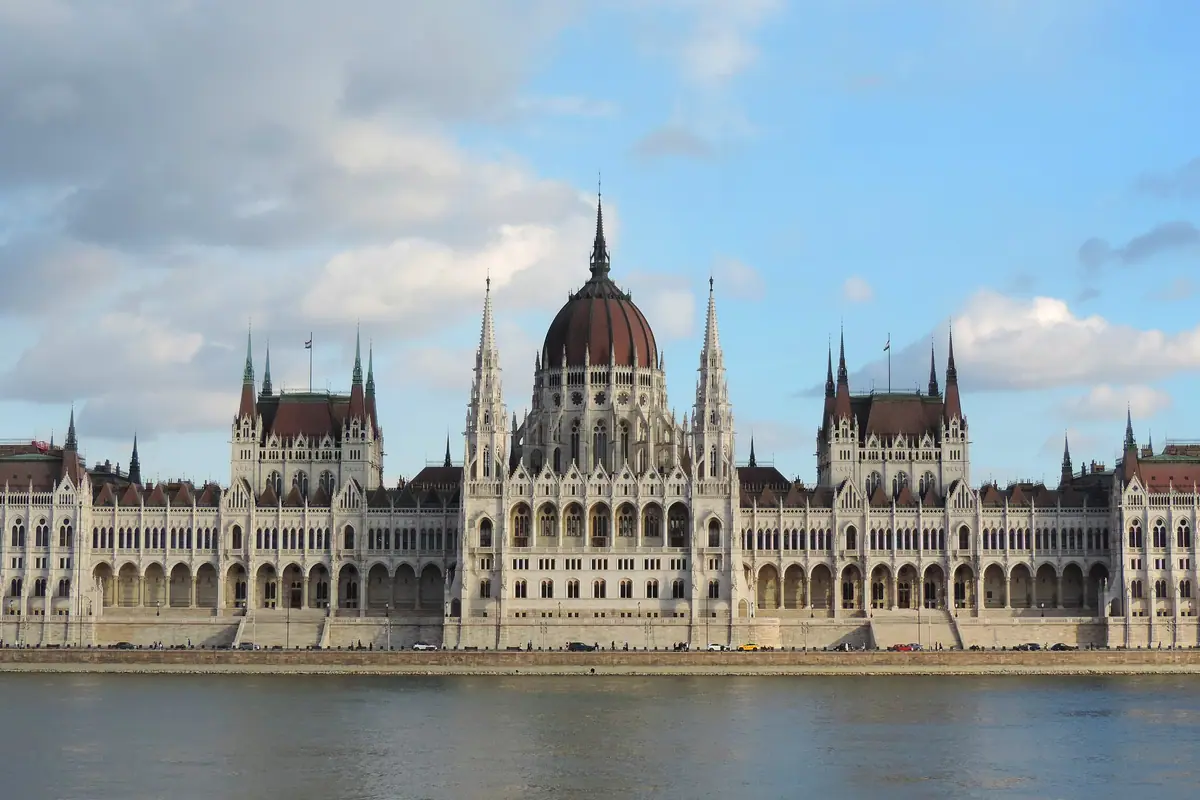
Almost every Hungarian trip begins in Budapest, and the city earns it. The Hungarian Parliament Building is the showstopper: a Gothic Revival wedding cake of spires on the Danube's Pest bank, best seen at golden hour from a boat or from Batthyány tér across the water. Inside, guided tours run most mornings and take in the domed hall and the Hungarian Crown Jewels — book ahead, because slots vanish in summer.
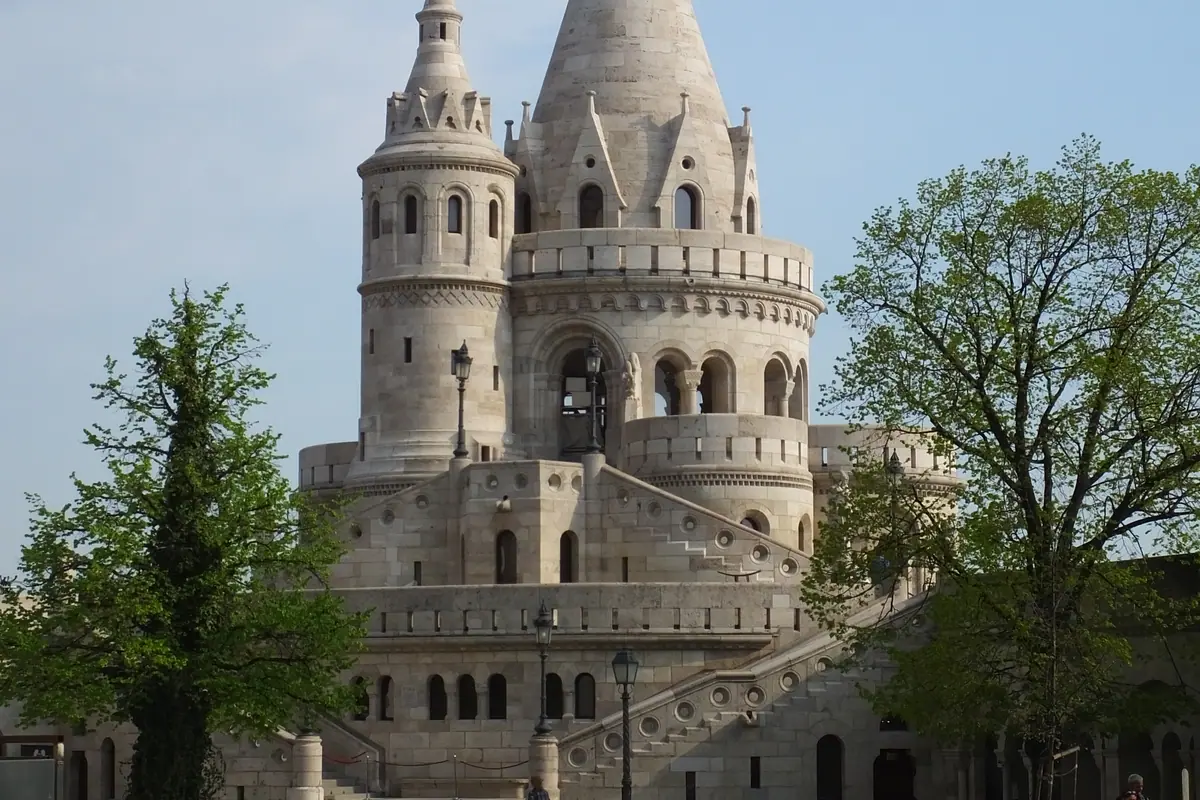
Across the river, Castle Hill holds the Buda Castle complex, home to the Hungarian National Gallery and the Budapest History Museum. Wander the cobbled lanes behind it to Matthias Church, with its diamond-patterned roof, and Fisherman's Bastion, the fairy-tale terrace of turrets that delivers the classic panorama over the river. A short stroll along the embankment brings you to the Chain Bridge, the suspension span that first linked Buda and Pest in the 19th century and remains the city's emblem.
Head inland along Andrássy Avenue — a UNESCO-listed boulevard of Neo-Renaissance facades — and you reach Heroes' Square, where the Millennium Monument's archangel and mounted chieftains mark a thousand years of Hungarian statehood. Nearby, St. Stephen's Basilica holds the mummified right hand of Hungary's first king and lets visitors climb to a 360-degree dome terrace. Give Budapest itself three full days before you think about leaving.
Between these anchors, the Seventh District's Jewish Quarter rewards wandering: the Moorish Dohány Street Synagogue, the largest in Europe, sits minutes from courtyards converted into ruin bars. And don't skip the Great Market Hall on Fővám tér, where paprika strings and foie gras hang above a busy food floor.
Thermal Baths: Hungary's Soaking Obsession
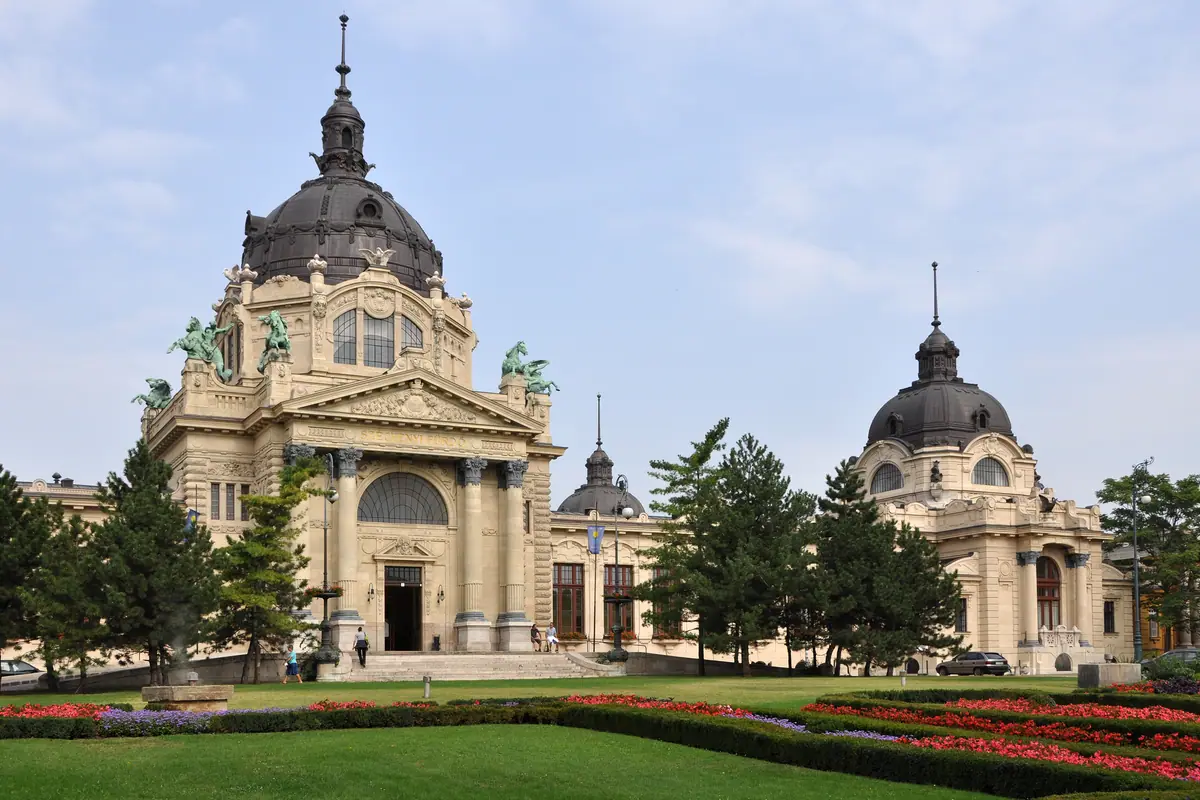
Hungary sits on a geological fault that heats more than a thousand springs, and bathing here is not a spa day — it's a civic ritual. In Budapest, the Széchenyi Thermal Bath in City Park is the grandest introduction: three outdoor pools steaming through winter, chess players lounging in the water, and Neo-Baroque yellow wings glowing under the fog. Allow at least half a day; mornings are calmest, weekends are social theatre.
The Gellért Baths, tucked into a 1918 Art Nouveau hotel on the Buda side, trade scale for ornament — mosaic floors, stained glass and a wave pool. For something older and quieter, the Rudas Baths date to Ottoman times, with a domed octagonal pool lit by shafts of coloured light, and the Király Baths offer a similar Turkish-era atmosphere. Bring flip-flops, a towel and a swim cap for lap pools; swimwear is mandatory everywhere, and mixed-gender days vary by bath, so check before you go.
Beyond the capital, the town of Hévíz guards a biologically active thermal lake — the largest of its kind anywhere — where you float among water lilies year-round, even in January. Eger and several other towns have their own historic bath complexes, often cheaper and emptier than Budapest's famous names. Winter, counter-intuitively, is the best time: steam, snow and outdoor water at a comfortable 34–38°C.
Views, the Danube and Budapest After Dark
Gellért Hill gives you the postcard shot: climb from the Gellért Baths through wooded paths for roughly 25 minutes to the Citadella fortress, where the river, the bridges and the Parliament all line up at once. Go for sunset, stay for the moment the lights flick on along the embankments — the city's evening illumination is one of its great free attractions.
On the water, an evening cruise between Margaret Bridge and Liberty Bridge shows off the floodlit facades that no street-level view can match, while Margaret Island in the middle of the river is a car-free park of fountains, ruins and a musical fountain that performs in the warmer months. Trams 2 and 4 run along the Pest embankment for almost nothing and offer the same spectacle from a window seat.
Budapest's nightlife mixes grandeur and decay: opera at the Hungarian State Opera House, where tickets cost a fraction of Western European prices, then a drink in the ruin bars of District VII, where mismatched furniture spills through abandoned buildings. Note that some baths and museums close earlier than you'd expect, so plan evenings around the river rather than around opening hours.
Danube Bend Towns: Szentendre, Visegrád and Esztergom
The Danube Bend, an hour north of Budapest, compresses a surprising amount of history into a short stretch of river. Szentendre is the easiest day trip: an artists' colony of baroque lanes, galleries and marzipan workshops, reachable by suburban railway in about 40 minutes. It is unashamedly touristy on summer weekends, so arrive early or come on a weekday.
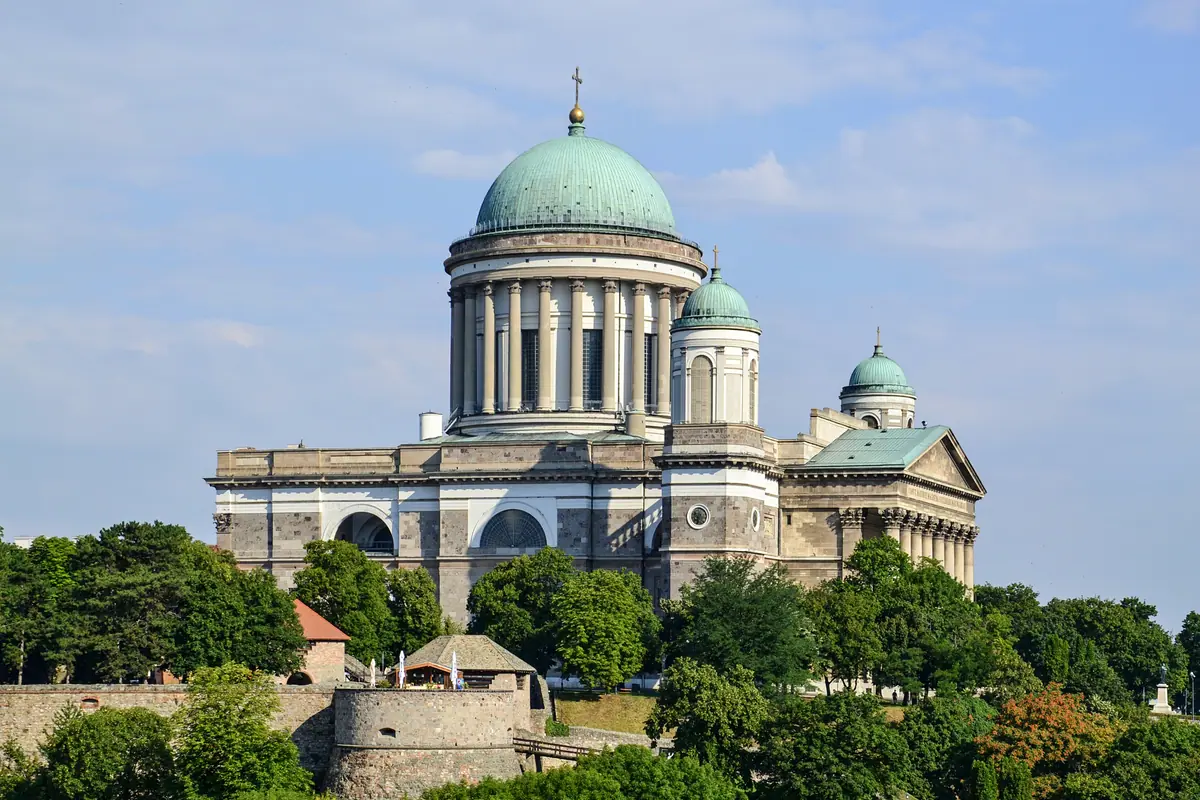
Visegrád offers the drama: the hilltop citadel and the ruined lower castle where a 14th-century royal summit was once staged, plus the Fellegvár panorama over the river's sharp turn. Esztergom, further along, is the seat of Hungarian Catholicism and home to the enormous Esztergom Basilica, the country's largest church, whose dome can be climbed for views straight across into Slovakia. Ferries and buses connect the three, but a rental car or a boat trip makes a smoother loop.
Spring and early autumn are ideal — warm, clear and less crowded — and the hillsides glow with vineyards in October. If you only have one free day outside Budapest, this is the one to take.
Beyond the Capital: Balaton, the Puszta and Wine Country
Lake Balaton, Central Europe's largest lake, is Hungary's summer heart: 77 kilometres of beaches, volcanic hills and vineyard slopes. The Tihany Peninsula juts into the water with the twin-towered Tihany Abbey, founded in 1055, whose baroque interior and lavender-lined clifftop walks justify the ferry-and-bus effort. Badacsony's basalt buttes produce crisp white wines, and the northern shore's wine hills are best explored by bike.
East of Budapest, Hortobágy National Park is a UNESCO-listed sweep of steppe where grey cattle and long-horned sheep graze and horsemen perform the famous Puszta five-horse trick, standing on the backs of two galloping animals. The Nine-Hole Bridge, a 19th-century span with nowhere to cross, is the park's emblem. Go at dawn in May or September for birds and mist, and bring sun protection — there's no shade for miles.
In the northeast, the Tokaj wine region has been making sweet aszú wines since the 17th century; cellar visits in villages like Mád or Tokaj take an afternoon and come with generous pours. Further north again, the Aggtelek Karst's baroque dripstone caves form a subterranean labyrinth you can tour underground by torch-lit path.
Food, Markets and Practical Timing
Hungarian eating is unapologetically rich. Goulash — properly a soup, not a stew — comes with a paprika-red broth; pörkölt is the thicker meat version; lángos is fried dough under sour cream and cheese; and kürtőskalács is chimney cake rolled in sugar and roasted over coals. The Great Market Hall in Budapest is the best single place to graze, but Eger, Szeged and Pécs all have excellent markets of their own, and the Eger wine valley pours by the glass in its hillside cellars.
Timing matters. May, June, September and October bring mild weather, long light and manageable crowds; July and August are hot and busy at Balaton, and the Christmas markets from late November to early January transform Budapest's squares into a different city entirely. Winter is prime bath season and cheap for flights and hotels, though daylight fades by 4pm in December.
Getting around is straightforward: Budapest is walkable and has a dense metro, tram and bus network, with the yellow M1 line beneath Andrássy Avenue being the oldest on the continent. Trains link Budapest with Eger, Pécs, Szeged and Balaton's lakeside towns in one to three hours. Museum lovers should note many state museums close on Mondays, and restaurants add a service charge on top of the tip — rounding up 10% is a kind gesture, not an obligation.
Frequently asked questions
How many days do you need in Hungary?
Three to four days covers Budapest's headline sights, a thermal bath and one Danube Bend day trip. With a week, add Lake Balaton and Tihany, Eger or the Hortobágy steppe. Ten days lets you include Tokaj and Pécs without rushing.
What is the best time of year to visit Hungary?
May, June, September and October offer the best mix of mild weather and lighter crowds. July and August are hottest and busiest at Lake Balaton, while late November to early January brings the Christmas markets. Winter is ideal for thermal baths and lower prices, despite short daylight hours.
Are Hungary's thermal baths worth visiting?
Yes — they are the country's signature experience. The Széchenyi and Gellért baths in Budapest are the grandest, the Rudas and Király baths the most historic, and Hévíz's thermal lake the most unusual. Bring flip-flops, a towel and a swim cap, and check which days are mixed-gender.
Can you visit Hungary's top sights without a car?
Budapest needs no car at all. Trains connect the capital with Eger, Pécs, Szeged and Lake Balaton in one to three hours, and the Danube Bend towns are reachable by suburban rail, bus or boat. A rental car only helps for Hortobágy, Aggtelek and remote wine villages.
What should first-time visitors not miss in Hungary?
Prioritise the Parliament Building, Buda Castle, Fisherman's Bastion and Heroes' Square in Budapest, at least one thermal bath, a Danube evening cruise, and a day trip to Szentendre or Esztergom. If time allows, add Tihany Abbey on Lake Balaton and the Nine-Hole Bridge in Hortobágy National Park.
Plan it — experiences in Hungary
Live search, booked directly with trusted providers.
Sort the rest of your trip
Everything for Hungary, in one place
Stay in Hungary
Hotels, guesthouses and apartments — compared in one search.
Search hotels
Transfer in Hungary
Private driver waiting on arrival — no queues, no surprises.
Book a transfer
Stay online in Hungary
Travel eSIM — data the moment you land, no roaming bills.
Get an eSIMMore guides in Hungary
Hungary Food, Culture and Local Experiences: A Tour of Paprika, Thermal Waters and Grand Landmarks
Where to Stay in Hungary: Hotels and Must-See Sights from Budapest to Lake Balaton
7 Days in Hungary: The Ultimate One-Week Itinerary from Budapest