Hungary packs Roman ruins, Ottoman baths, baroque towns and a wine-soaked volcanic hillside into a country you can cross by train in a single afternoon. Where you sleep shapes the trip more than you'd expect: a spa hotel in Budapest, a cellar-side guesthouse in Eger and a lakeside room on the Balaton each unlock a different Hungary. This guide matches the country's must-see landmarks with the neighbourhoods and towns worth booking.
How to Think About Hotels in Hungary
Hungary is small enough that one well-chosen base can cover a great deal, but it rewards splitting your stay. Budapest alone deserves three or four nights — not for the hotel itself, but because the Danube splits the capital into two distinct moods, and you'll want time on both banks. From there, the classic loop runs north to the wine hills around Eger and Tokaj, west along the Danube Bend to Esztergom and Visegrád, and southwest to Lake Balaton, the country's summer heart.
Accommodation ranges from grand 19th-century properties on the Pest side of the river to family-run guesthouses in villages where breakfast is homemade jam and eggs from the yard. The sweet spot for most travellers is a mid-range independent hotel with breakfast included, booked directly with the property; smaller places in Eger, Pécs and around Balaton often have only a handful of rooms and fill up for festivals and long weekends.
Timing matters enormously. May, June and September are the most comfortable months — warm, bright and far less crowded than midsummer. July and August bring heat and peak demand, especially at Balaton, where lakeside rooms are booked months ahead. Late November through December transforms Budapest and smaller towns into Christmas-market destinations, and the thermal baths are at their most appealing in cold weather.
Budapest: Choosing Your Side of the Danube
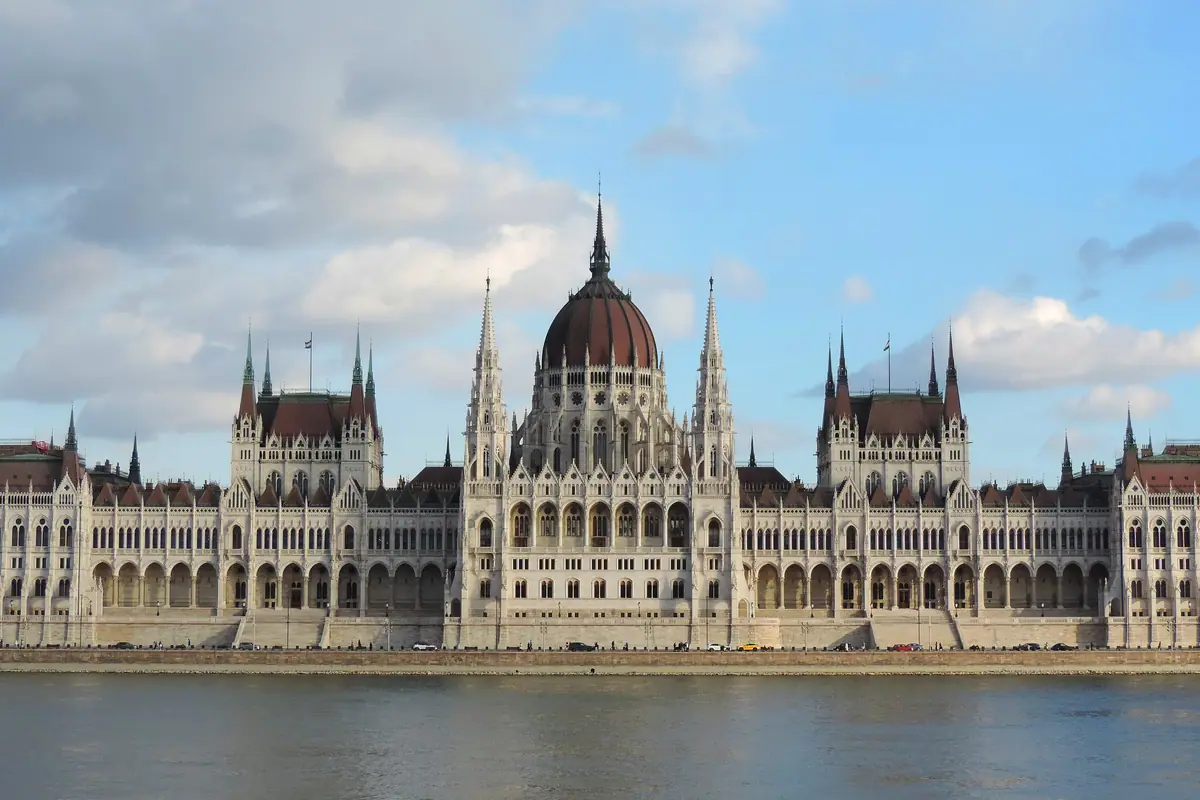
The single most important decision in Budapest is whether you stay in Buda or Pest. Buda, on the western bank, is the quieter, hillier half: cobbled streets climb to Buda Castle, the Royal Palace complex that crowns the city, and to Fisherman's Bastion, whose turreted terraces frame the best view of the Parliament Building across the water. Matthias Church sits right behind it, and the whole Castle District is a UNESCO-listed pocket of museums, cellars and quiet courtyards. Hotels here tend to be smaller and pricier, with the reward of walking out into history each morning.
Pest, on the eastern bank, is where most first-time visitors end up, and with good reason. District V hugs the river around St. Stephen's Basilica and the neo-Gothic Parliament, District VI and VII hold the ruin-bar quarter, the Dohány Street Synagogue — Europe's largest — and the Great Market Hall a short walk away. From Andrássy Avenue you can ride the UNESCO-listed metro line to Heroes' Square and City Park, where Széchenyi Thermal Bath steams away outdoors year-round.
Practical geometry helps: the Chain Bridge links the two banks near the Castle, and tram line 2 along the Pest embankment is essentially a moving sightseeing route past the Parliament and Margaret Bridge. Gellért Hill, topped by the Citadel, gives you the postcard panorama over both halves, and Margaret Island in the middle of the river is a car-free park with gardens, pools and crumbling monastery ruins. Stay in Pest for nightlife, restaurants and transit; stay in Buda for views, quiet and a slower rhythm.
Thermal Spa Hotels and Hungary's Bath Culture
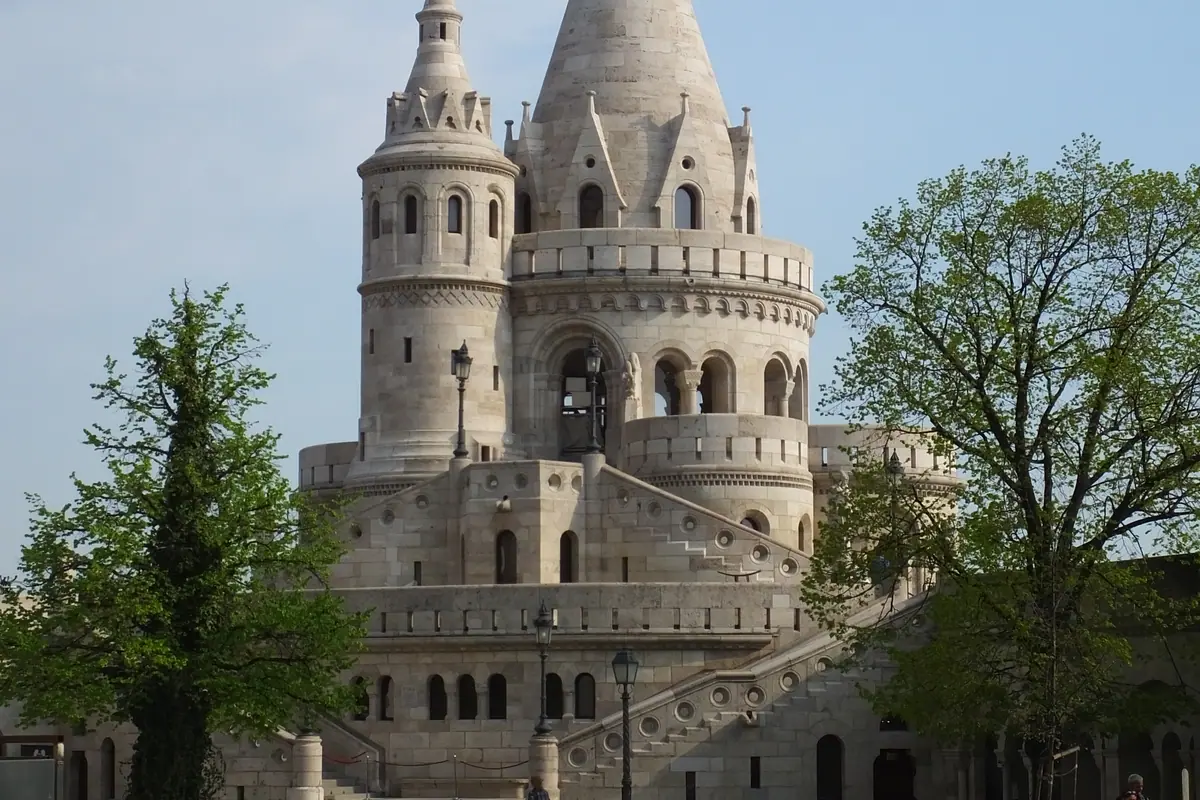
Hungary sits on a geological gift: more than a thousand thermal springs, and a bathing tradition that runs from Roman Aquincum through Ottoman pashas to the present day. Budapest is the capital of it — Széchenyi's yellow neo-baroque courtyards, the Art Nouveau Gellért baths with their glass-roofed hall and mosaic pools, the octagonal Király bath, and Rudas, whose 16th-century domed octagon and rooftop hot tub look straight over the Danube. Water temperatures generally sit between about 30°C and 40°C, and locals treat a soak as ordinary healthcare, not a spa day.
This is where a hotel choice becomes an experience. Several Budapest properties are built directly onto spring-fed pools, letting you swim in thermal water before breakfast without crossing the city. Elsewhere in the country the same logic applies with different scenery: Hévíz, near the western end of Lake Balaton, is built around the world's largest biologically active thermal lake, where you can float among water lilies in winter; Bükfürdő in the west is a purpose-built spa town; and Miskolctapolca's cave bath lets you swim through a naturally hollowed limestone cavern in warm, mineral-rich water.
Book spa treatments and massages ahead in high season, and check whether pool access is included in your room rate or charged separately — it's the detail most often missed. Bring your own towel and flip-flops if you want to save, though most larger baths rent them. Etiquette is straightforward: shower before entering, keep voices low, and expect mixed-gender bathing at most modern complexes while a few historic baths keep single-sex days.
Northern Hungary: Eger, Tokaj and the Wine Hills
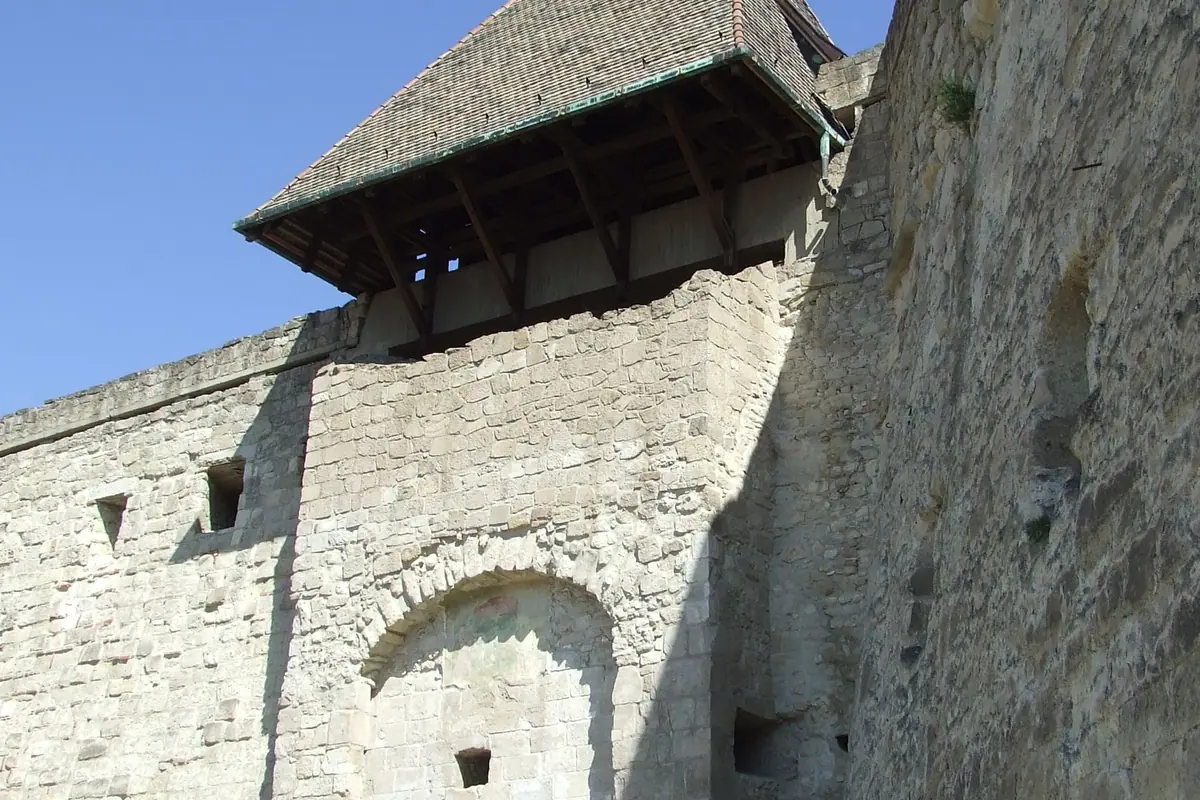
North-east of Budapest, Eger is the country's most rewarding short break. The baroque old town clusters beneath Eger Castle, the fortress that held out against a 16th-century siege and now houses a museum and panoramic walls. Below it, the minaret from the Ottoman era is the northernmost surviving in Europe, and the basilica and Lyceum library are worth an unhurried morning. The town's other landmark is the Valley of the Beautiful Women, a horseshoe of wine cellars where you taste Egri Bikavér, the region's robust red blend, straight from the barrel.
Guesthouses and small hotels fill the streets between the castle and the valley, many with courtyards and cellars of their own — the kind of place where the owner pours a glass and points you toward dinner. Farther north-east lies Tokaj, a UNESCO-listed wine landscape of volcanic slopes and foggy river confluence, where cellars are carved into rock and the sweet wines are aged underground. A night in Mád or Tokaj village, rather than a day trip, is what makes this region feel like itself.
Nearby, Hollókő is a UNESCO World Heritage village of whitewashed, timber-framed peasant houses that still fills with embroidered costumes at Easter, and Miskolc offers the cave bath plus a gateway to the Bükk hills. Public transport reaches all of these, but a car makes the wine roads infinitely more pleasant; if you're drinking your way through the cellars, plan on hiring a local driver for the evening.
The Danube Bend, Western Transdanubia and Lake Balaton
Tracing the Danube north from Budapest, the river bends dramatically through hills at Visegrád, where a medieval citadel and lower castle ruin sit above the water, and at Esztergom, home to the country's largest church, the basilica whose dome dominates the skyline from across the Slovak border. Szentendre, a baroque artists' town of galleries and marzipan-scented lanes, makes an easy, car-free overnight from the capital. Train and boat connections link the whole bend, so you can move between them without a car.
West of the river, Győr and Sopron are two of Hungary's most handsome historic centres, both dense with baroque squares and firewatch towers, and both convenient stopovers on the route toward Austria. South of them waits Lake Balaton, Central Europe's largest lake and the country's summer capital. The northern shore is the prettier one: Balatonfüred with its promenade and mineral springs, and the Tihany peninsula, whose abbey church sits on a hill above lavender fields and views across the water.
Base yourself in Tihany or Balatonfüred for swimming, sailing and sunsets, and drive twenty minutes south-west to Keszthely to see the Festetics Palace, a baroque mansion with an enormous library and formal gardens. The volcanic buttes of Badacsony rise over vineyards on the same shore, so wine tasting and lake swimming fit neatly into one day. In July and August the lakeside towns are busy and prices rise; June and early September give you warm water with far more breathing room.
Southern Cities: Pécs, Szeged and the Great Plain
Southern Hungary is often skipped, which is a shame, because Pécs may be the country's most layered city. Its cathedral has been rebuilt across centuries, the Early Christian Necropolis beneath the centre is a UNESCO World Heritage site of painted Roman burial chambers, and the Zsolnay porcelain heritage shows in the brightly glazed rooftops and street lamps. Add a Mediterranean-feeling main square and a mosque-turned-church, and you have a city worth two nights, with comfortable small hotels in the historic core.
Szeged, on the Tisza river, is a city of wide boulevards and the vast, twin-towered Votive Church that anchors Dóm Square; in summer, open-air performances are staged in front of it. Debrecen, Hungary's second city, is defined by the colossal Great Reformed Church and its proximity to Hortobágy National Park, a UNESCO-listed expanse of alkaline steppe where grey cattle, sweep wells and cranes define the horizon — best explored at dawn or dusk from a guesthouse in or near the park.
These cities are connected by frequent trains from Budapest, so you can combine two of them in a long weekend. Book well ahead for the Szeged open-air season, Pécs's cultural festivals and any Hortobágy events, since rural accommodation is limited and charmingly old-fashioned. Throughout the south, expect excellent value, generous portions of paprika-heavy cooking, and the distinct pleasure of a hotel where the staff remember your name by the second morning.
Frequently asked questions
What is the best area to stay in Budapest for first-time visitors?
District V on the Pest side puts you within walking distance of the Parliament, St. Stephen's Basilica, the Danube embankment and the Chain Bridge, with good metro and tram connections. Choose the Buda Castle District instead if you prefer quiet cobbled streets and views over the river, accepting that you'll cross the Danube for most restaurants and nightlife.
When is the best time of year to visit Hungary?
May, June and September offer the best balance of warm weather, long daylight and manageable crowds. July and August are hottest and busiest, especially around Lake Balaton, while late November and December are ideal for Christmas markets and thermal baths — just pack properly for temperatures near or below freezing.
Are Hungary's thermal baths worth building a hotel stay around?
Yes, particularly in Budapest, Hévíz and Bükfürdő. Budapest has historic baths including Széchenyi, Gellért, Rudas and Király, and several hotels have direct access to their own spring-fed pools. Water temperatures typically range from about 30°C to 40°C, and many baths are open outdoors even in winter.
How many days do you need in Hungary?
Four to five days covers Budapest comfortably, including a day at the baths and one on Gellért Hill or Margaret Island. For a fuller trip, allow eight to ten days to add Eger or Tokaj, the Danube Bend and two or three nights at Lake Balaton — or swap Balaton for Pécs and Szeged if you prefer cities to lakes.
Do I need a car to explore Hungary beyond Budapest?
Not strictly. Trains and buses reach Eger, Pécs, Szeged, Debrecen, Győr, Sopron and the Balaton towns, and the Danube Bend is served by train and seasonal boats. A car is genuinely useful, however, for the Tokaj wine cellars, Hortobágy National Park and the smaller Balaton villages — and essential if you plan to taste wine seriously.
Sort the rest of your trip
Everything for Hungary, in one place
Transfer in Hungary
Private driver waiting on arrival — no queues, no surprises.
Book a transfer
Things to do in Hungary
Skip-the-line tickets, guided tours and standout experiences.
See experiences
Stay online in Hungary
Travel eSIM — data the moment you land, no roaming bills.
Get an eSIMMore guides in Hungary
Hungary Food, Culture and Local Experiences: A Tour of Paprika, Thermal Waters and Grand Landmarks
Top Things to Do in Hungary: Must-See Landmarks and Sights
7 Days in Hungary: The Ultimate One-Week Itinerary from Budapest