Guinea is West Africa at its most elemental: a green peninsula capital flung into the Atlantic, a cool highland plateau where three great rivers are born, and rainforest ridges where chimpanzees still move through the trees. It rewards travellers who trade polish for genuine discovery, with landmarks that few people outside the region can even name.
Conakry: The Grand Mosque, Madina Market and the Old Colonial Core
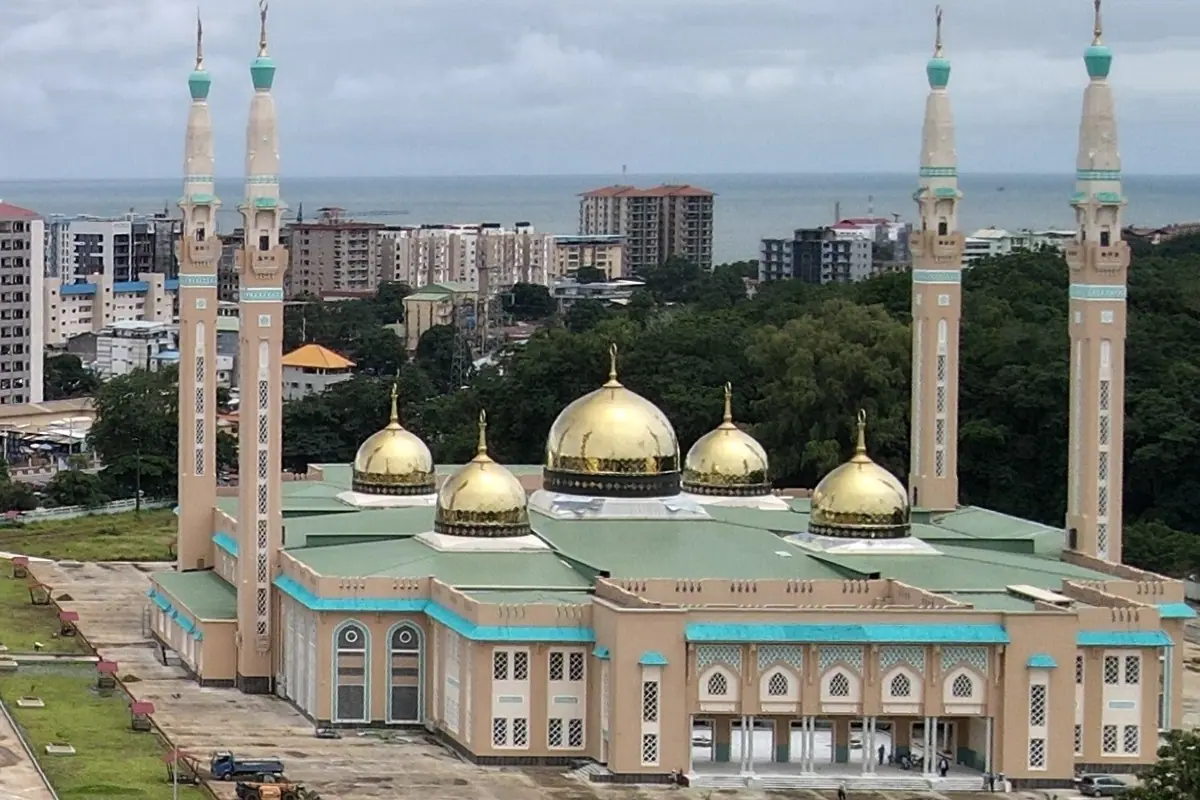
Almost every Guinea trip begins on the Kaloum peninsula, the long finger of land that holds Conakry's historic centre. Start at the Grand Mosque of Conakry, a landmark whose pale minarets and vast prayer hall dominate the skyline of the Kaloum district and make it one of the largest and most recognisable mosques in West Africa. Non-Muslim visitors generally admire it from the surrounding streets rather than entering, and the early morning light over its courtyard is the best time for photography before the heat builds.
A short walk away, the Sandervalia National Museum gathers the country's cultural memory into a compact collection: carved masks, djembe drums, woven cloth, musical instruments and objects from the colonial and independence eras. Nearby stand the Cathédrale Sainte-Marie with its red-and-white facade, the Palais du Peuple, and the Monument du 22 Novembre, a stark concrete memorial to the 1970 attack on the capital. Together they trace a compressed history of a city that has been a trading post, a colonial capital and a revolutionary stage.
Save energy for Marché Madina, a sprawling, roofed labyrinth that is one of the largest markets in the region. Vendors sell kola nuts, dried fish, printed leppi fabrics, tailors' stalls stacked with ready-made garments, and an extraordinary range of imported goods. It is hot, loud and relentless, so go in the morning, keep valuables out of sight and consider hiring a local guide for a first visit. Afterwards, retreat to the Corniche for grilled fish and a cold drink as the Atlantic breeze arrives.
Island Days: The Îles de Los and Île de Tombo
Just offshore from Conakry, the Îles de Los archipelago delivers the beach day that the mainland's busy streets cannot. Boats and pirogues leave from the port area for Île de Tamara, the largest and most developed island, where sandy coves, simple seafood restaurants and lanes of palm-thatched houses make an easy escape. Île de Kassa is quieter and more traditional, its fishing boats pulled up on empty beaches, while Île de Roume, once a quarantine station, is now largely forested and protected, with monkeys moving through the canopy.
Closer in, Île de Tombo sits at the mouth of the harbour, linked to the Kaloum peninsula by a causeway. Its lighthouse and rocky shoreline make it a favourite spot for sunset, and the surrounding water is calm enough for a swim on a dry-season afternoon. Boatmen around the islands offer short trips, snorkelling stops and fresh grilled fish lunches, usually arranged on the spot.
Timing matters here. Seas are calmest and the skies clearest from November through May, which is also when the island restaurants are fully running. During the heavy rains from June to October, crossings can be choppy and some services wind down, so plan islands for the dry months and keep a flexible half day free rather than a tight schedule.
The Fouta Djallon: Waterfalls, Escarpments and Cool Highland Air
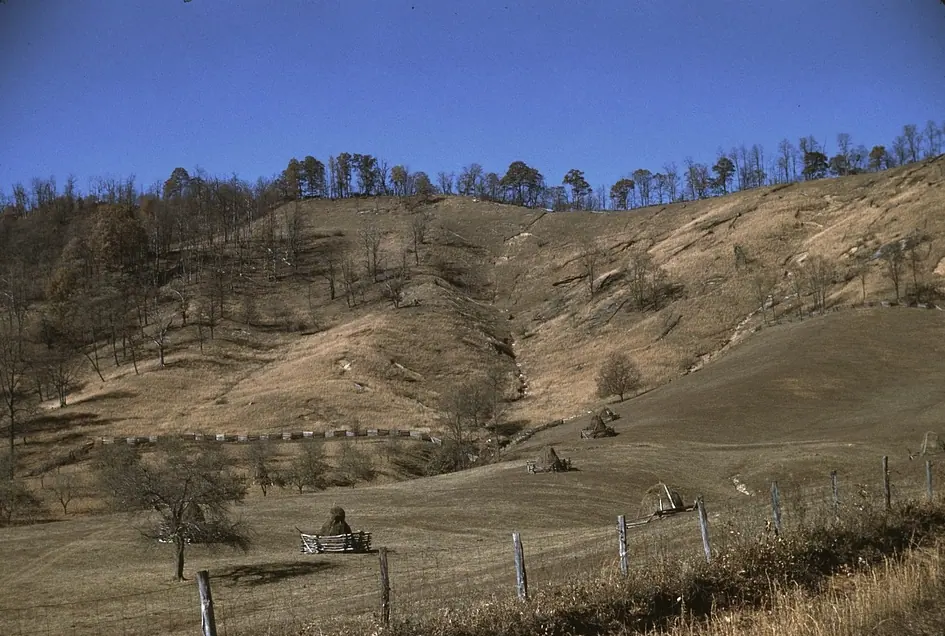
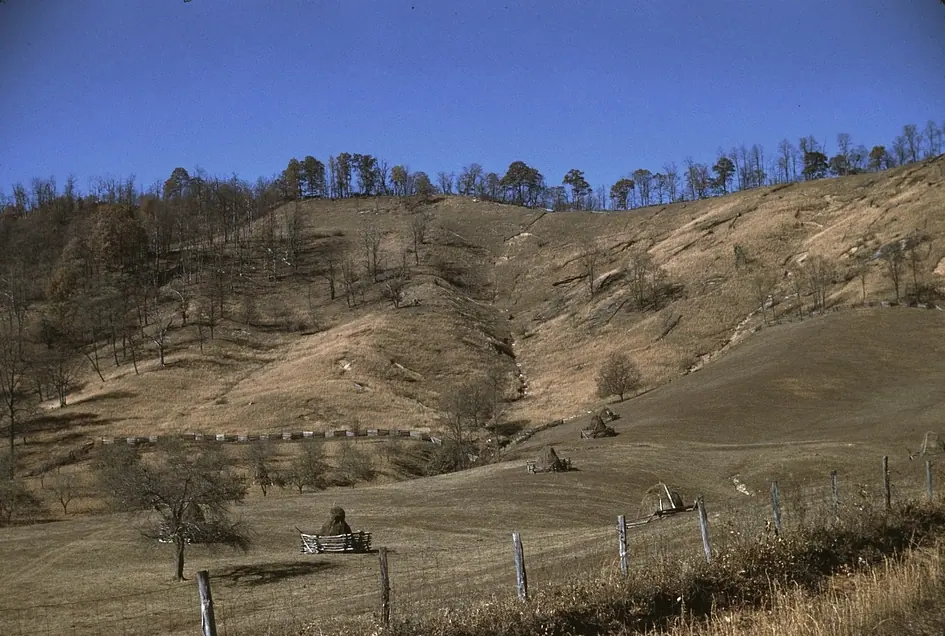
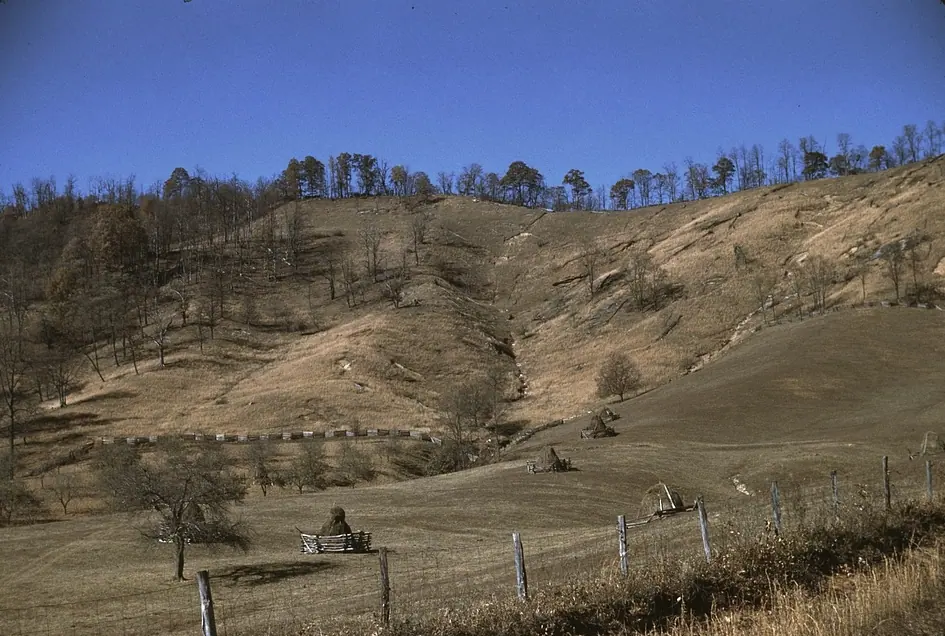
Inland from the coast, the Fouta Djallon massif rises into a sandstone plateau averaging around a thousand metres, and it is here that the Niger, Senegal and Gambia rivers all begin their journeys. The air is noticeably cooler than on the coast, the landscapes open into grassy ridges and deep gorges, and the villages of thatched huts and stone-walled compounds feel a world away from Conakry.
Dalaba is the classic highland base, a hill station nicknamed the Switzerland of Guinea for its mild climate and pine-lined avenues. Its traditional Case à Palabres, a great thatched meeting house, is a local landmark, and a rough track leads out to the Chutes de la Ditinn, a tall waterfall that thunders after the rains and drops to a trickle by April. Further east, near Pita, the Chutes de Kinkon plunge through a rocky gorge beside a small hydroelectric dam, with viewpoints and picnic spots a short walk from the road.
For walkers, the real prize is the country around Mali-ville, the trailhead for treks to the Dame de Mali, a cliff face that locals say resembles a reclining woman. Multi-day walks of one to four days link Fulani villages where you sleep in simple huts and eat millet couscous with sour milk, known as latchiri, or the local fromage peulh sold in markets. Above the plateau, Mount Loura near Mali is the highest point of the Fouta Djallon, and the regional capital Labé offers a striking Grand Mosque and one of the highlands' liveliest markets. Nights in December and January can drop close to 10°C, so pack a fleece.
Cascades and Empty Coast in Lower Guinea
The easiest big waterfall to reach from the capital is the Voile de la Mariée, the Bride's Veil, a few kilometres outside Kindia about two to three hours from Conakry. A short, steep path leads to a curtain of water sliding over a dark rock face into a shaded pool, and the flow is at its most dramatic from July to October. Bring shoes with grip, go early, and expect to share the spot with picnicking families at weekends.
Closer still, the Chutes de la Soumba near Dubréka tumble over wide flat rocks roughly an hour from the city. It is a weekend institution: grilled fish, cool drinks, shallow pools for wading and plenty of shade. Arrive before mid-morning to claim a good spot, and keep an eye on water levels, which surge in the rainy season.
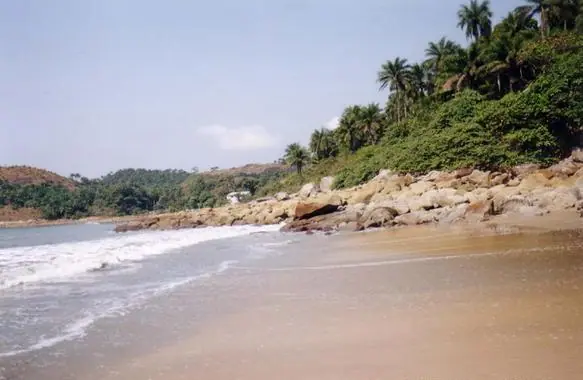
North of Conakry, beyond Boffa and towards Boké, the coastline around Cap Verga is one of the country's best-kept secrets. Long, near-empty beaches backed by palm groves, fishing pirogues drawn up on the sand and mangrove creeks along the old Rio Pongo trading river make this a place to slow down. Roads are rough and accommodation is basic and scattered, so a dry-season trip with your own vehicle and a few flexible days is the realistic way to do it.
Wild Guinea: Mount Nimba, Bossou, Ziama and the Upper Niger
In the far southeast, near the town of Lola, Mount Nimba is Guinea's greatest natural landmark and a World Heritage-listed reserve. Its peaks rise to about 1,752 metres, the highest point in the country, and the protected slopes hold a mix of highland forest and grassland sheltering chimpanzees and rare species found almost nowhere else. Access is controlled, so visits are arranged locally with permits and guides, and the hiking is steep, humid and genuinely adventurous.
At the foot of the massif, the village of Bossou is known for a community of western chimpanzees that habitually ventures near fields and forest edges. Early-morning walks with local trackers offer a real chance of sightings, though the animals follow their own rules and nothing is guaranteed. Further west around Macenta, the Ziama Massif protects one of the last big blocks of Guinean rainforest, home to forest elephants and more chimpanzees; expect rough roads, basic lodging and the need for local permission.
In Upper Guinea, the Haut-Niger National Park spreads across a vast mosaic of savannah woodland and river channels, with hippos in the water, monkeys in the trees and rewarding birdwatching on foot or by vehicle in the dry season. The natural base is Kankan, an old Malinké trading town on the Milo River whose Grand Mosque is among the oldest in West Africa and whose markets still trade in kola nuts, cloth and leather. It is a long haul from the coast, but it shows a side of Guinea most visitors never see.
Practical Guinea: When to Go, How to Move and What to Eat
The dry season runs roughly from mid-November to April and is comfortably the best time to travel, with November to February offering the clearest skies. From December to February a dusty harmattan haze can soften views in the north, while the rains arrive from late May and peak in July and August, when Conakry becomes one of the wettest capitals on earth. The Fouta Djallon is coolest in December and January, and the forest region stays humid year-round, so January to March is the most comfortable window there.
Distances are deceptive. Conakry to Kindia is around 135 kilometres and takes two to three hours; Conakry to Dalaba is a five- to seven-hour drive; reaching Kankan can take two days in poor conditions. Shared taxis and minibuses cover the main routes cheaply but slowly, and for the highlands a hired four-wheel drive with a driver is worth the expense. Occasional domestic flights and river crossings by pirogue exist, but build slack into any itinerary.
Most visitors need a visa arranged in advance and a yellow fever certificate at the border, and malaria precautions are essential. Carry Guinean francs in cash, since ATMs are scarce outside the capital, and use mobile money where you can. French is the official language, with Susu in Conakry, Pular in the highlands and Malinké in the east, and a few greeting words open doors everywhere. Eat rice with cassava-leaf sauce, grilled fish on the coast, poulet braisé in the evenings, and latchiri or fromage peulh in the Fouta Djallon, and always ask before photographing people.
Frequently asked questions
What is the best time of year to visit Guinea?
The dry season from mid-November to April is ideal, with November to February offering the clearest weather and calmest seas for the islands. The rainy season runs from late May to October, peaking in July and August, when roads, waterfalls and river crossings change dramatically.
How long do you need to see Guinea's main landmarks?
Allow at least a week to combine Conakry's Grand Mosque and Madina Market, a day in the Îles de Los and the falls near Kindia or Dubréka. Add four to six more days for the Fouta Djallon highlands, and nearer two weeks if you want to reach Mount Nimba or Kankan in the far east.
Do I need a visa and vaccinations for Guinea?
Most nationalities require a visa arranged before arrival, and a yellow fever vaccination certificate is normally requested at the border. Malaria prophylaxis, routine vaccinations and careful food and water hygiene are strongly recommended for all travellers.
Can you see chimpanzees in Guinea?
Yes. The most reliable area is around Bossou at the foot of Mount Nimba, where habituated chimpanzees are tracked on early-morning walks with local guides. The Ziama Massif and Mount Nimba reserve also hold chimpanzees, but sightings are less predictable and access requires permits.
Is it easy to get around Guinea without a tour?
Independent travel is possible but slow. Shared taxis and minibuses link major towns, yet roads to the highlands and the southeast are rough and journeys can take far longer than the distance suggests. Hiring a four-wheel drive with a driver is the most practical option for reaching places like Dalaba, Mali-ville or Mount Nimba.
Plan it — experiences in Guinea
Live search, booked directly with trusted providers.
Sort the rest of your trip
Everything for Guinea, in one place
Stay in Guinea
Hotels, guesthouses and apartments — compared in one search.
Search hotels
Transfer in Guinea
Private driver waiting on arrival — no queues, no surprises.
Book a transfer
Stay online in Guinea
Travel eSIM — data the moment you land, no roaming bills.
Get an eSIM