Guinea rewards travellers who time it right — a window of dry, dust-hazed months from November to April when highland footpaths firm up, the beaches at Cape Verga bleach white and Conakry's markets are at their liveliest. Arrive in the wrong month and you will be wading through red mud, chasing delayed ferries and paying for rooms nobody else wants. Here is how the year actually unfolds, and where to sleep in each season.
How Guinea's Seasons Work — and Why the Calendar Decides Your Trip
The Republic of Guinea curves along the Atlantic in West Africa, with a capital, Conakry, that sits on a narrow peninsula catching some of the heaviest rainfall of any capital city anywhere. The year divides cleanly in two: a dry season running roughly from November to April, and a wet season from May to October, with the most violent downpours landing between July and September. During those months the sky is a low grey lid, storms arrive in the afternoon and the humidity clings to your skin from dawn until dark.
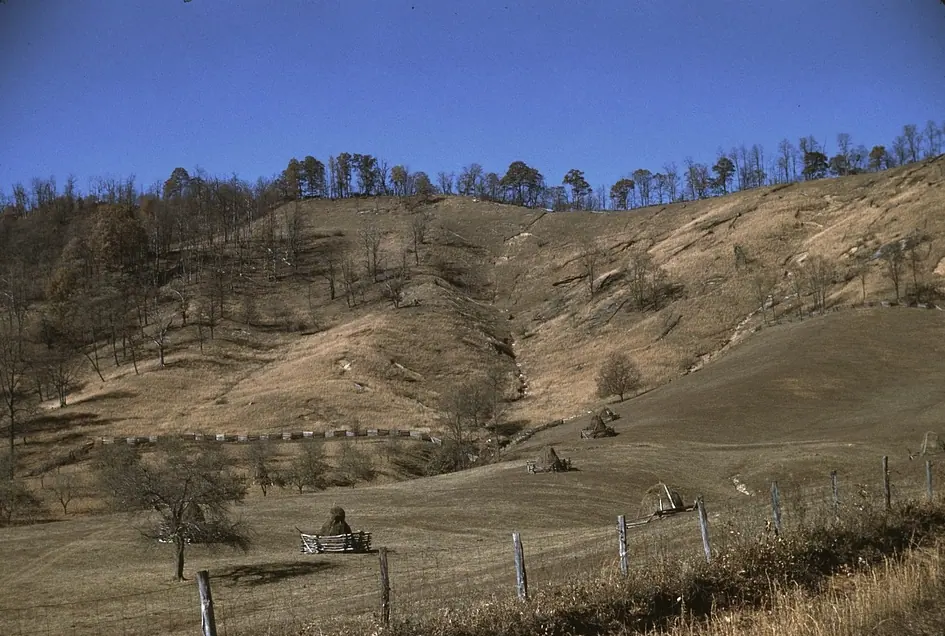
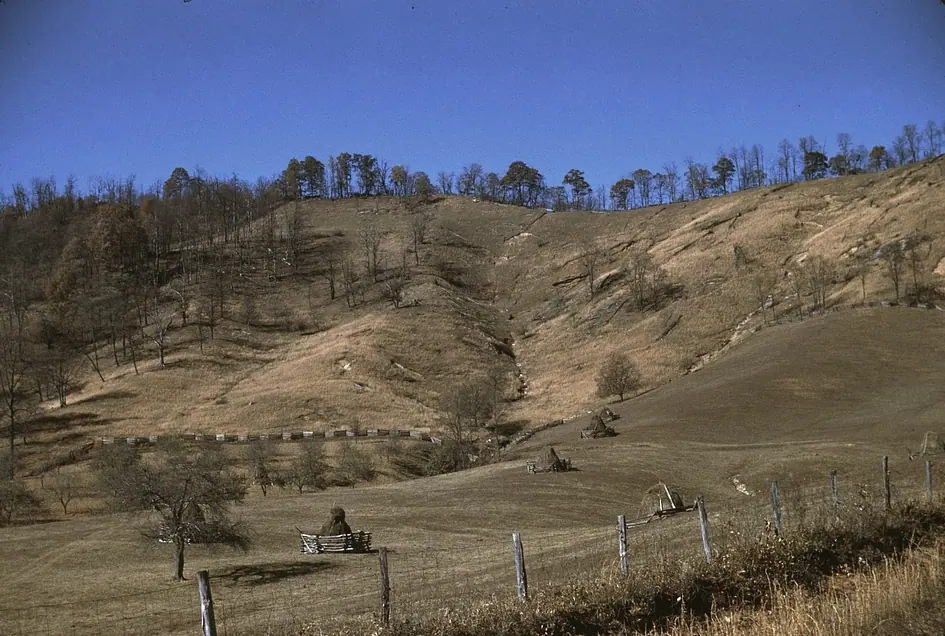
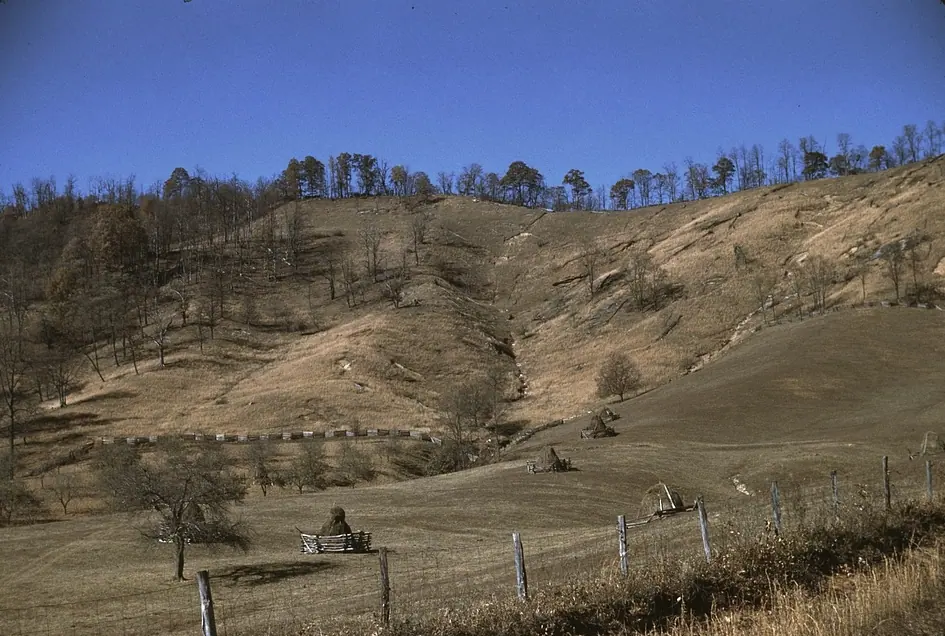
Geography complicates the picture in ways that matter for planning. The coastal belt around Conakry, Dubréka, Boffa and Cape Verga stays warm and humid all year, hovering between about 24°C and 32°C. The Fouta Djallon highlands — Dalaba, Pita, Mali — sit above 1,000 metres, where days are mild but December and January nights can drop to around 10°C, cold enough for a fleece and a blanket. Further inland, the savanna country around Kankan and Faranah bakes between March and May, when temperatures climb past 40°C before the rains finally break.
Then there is the harmattan, the dry dusty wind that blows down from the Sahara between December and February. It veils distant hills in haze, dries out your lips and throat, and softens every photograph — but it also brings cooler mornings and lower humidity, which many travellers find a fair trade. If crisp mountain views matter more to you than comfortable air, aim for late November or March instead.
November to February: The Prime Window for Conakry and the Islands
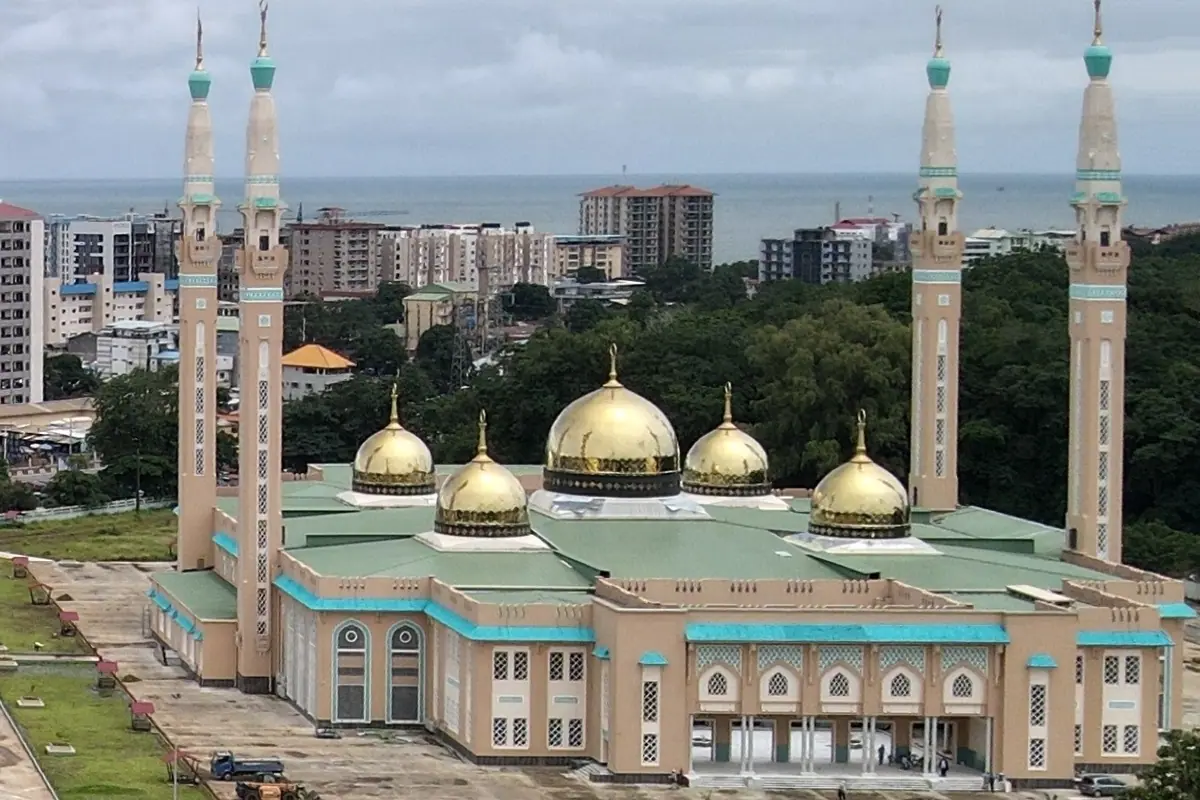
This is the stretch most first-time visitors should aim for. Conakry itself is at its most manageable: the Grand Mosque of Conakry, with its green-and-white minarets and the mausoleum of the country's first president, is easily combined with a wander through the sprawling Marché Madina, where stalls spill over with fabrics, spices, carved stools and drums. The Sandervalia National Museum gives context through masks, instruments and independence-era photographs, and the city's botanical garden and corniche road offer shade and sea air when the heat peaks in the early afternoon. A short ferry hop from the southern port brings you to the Îles de Los — Tamara, Kassa and Roume — where palms, quiet beaches and the ruins of an old island prison fill an easy day or a slow weekend.
Weather in this window is hot but forgiving. November can still deliver a stray shower, and December and January bring the dusty haze of the harmattan, but the sea is calmer and the ferry crossings to the islands far less choppy than in the wet months. February is often the sweet spot: the dust has thinned, humidity is at its lowest and the light turns sharp again.
Where you sleep shapes the experience. The Kaloum business district holds the capital's larger international-style hotels, with generators, gyms and dependable air conditioning — useful when the power flickers. Dixinn and Kipé suit travellers who want boutique guesthouses, good restaurants and a bit of evening life, while the area around the airport is practical for early departures. Demand peaks over Christmas, New Year and the Eid holidays, when diaspora visitors fill the city, so reserve several weeks ahead; by contrast, late October and early November can be noticeably cheaper.
December to April: Trekking the Fouta Djallon Highlands
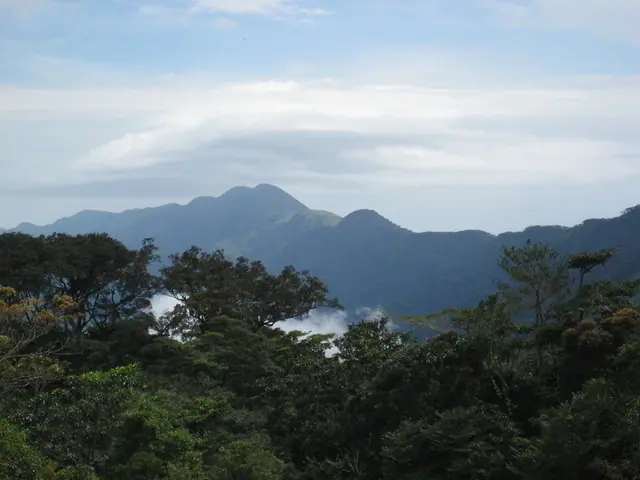
The Fouta Djallon is Guinea's signature landscape — a sandstone plateau of cool ridges, deep gorges and Fulani villages scattered across open grassland. The classic bases are Dalaba, with its old hill-station gardens and misty mornings, and Pita, the gateway to the Kinkon Falls, where water drops in several dramatic chutes into a shadowed gorge. From Mali and Doucky, guides lead multi-day walks between villages of round thatched huts, crossing streams and passing herds of long-horned cattle.
The dry season from December to April is when these trails are at their best: firm underfoot, easily forded, and cool enough for full days of walking. Day hikes of two to five hours are easy to arrange locally, while longer routes linking villages take three to seven days with nights in simple campements. Nights are genuinely cold in December and January, so pack layers even though you are in the tropics.
Accommodation up here is deliberately simple. Dalaba has a handful of older hill guesthouses set in overgrown gardens, plus small local hotels; Pita and Mali offer basic rooms and village campements with shared facilities. Hot water is inconsistent and electricity can cut out, so a headlamp and a quick-dry towel earn their place in your bag. Waterfalls run full and photogenic from October to December, thinning by March — trade spectacle for dry trails depending on when you come.
December to April in the Southeast: Mount Nimba and the Forest Belt
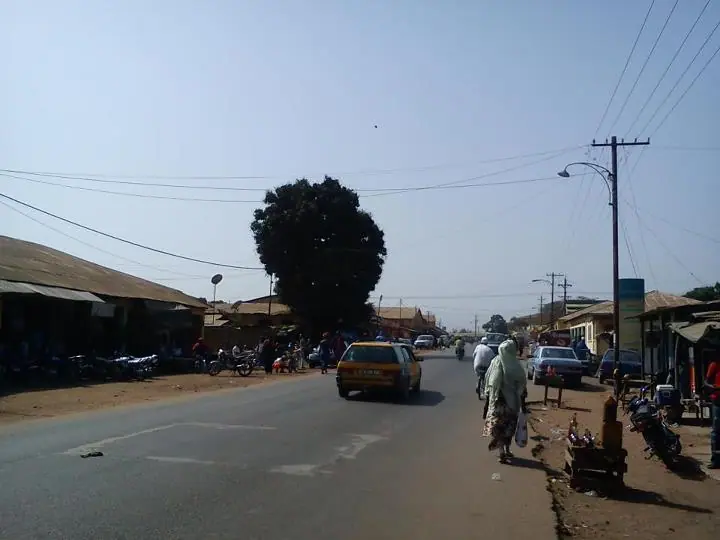
Guinea's far southeast is a different country entirely: humid forest, red earth and the dramatic massif of Mount Nimba, a protected nature reserve whose summit rises to roughly 1,750 metres on the border with Liberia and Côte d'Ivoire. Guided climbs pass through montane grassland alive with rare frogs and birds, and the surrounding hills are famous for chimpanzees that use stone tools to crack nuts. Nearby, the forests around Bossou and the Ziama reserve reward anyone willing to travel this far.
Access is the challenge. Nzérékoré is the natural base and has the widest choice of lodging in the interior — modest hotels, mission-run guesthouses and simple eateries. Beyond it, roads to the Nimba foothills are rough laterite tracks that demand a four-wheel drive and a local guide. They are most passable between January and March, once the ground has dried but before the rains return; by May they turn greasy and, in places, impassable.
Plan your nights accordingly. Closer to the reserve you will find basic camps and village homestays rather than conventional hotels, and you should carry cash, drinking water and mosquito protection with you. If comfort matters, base yourself in Nzérékoré and make day trips out; if you want dawn on the mountain, accept the simple option and go to bed early.
November to May: Beach Bungalows at Cape Verga and Bel-Air
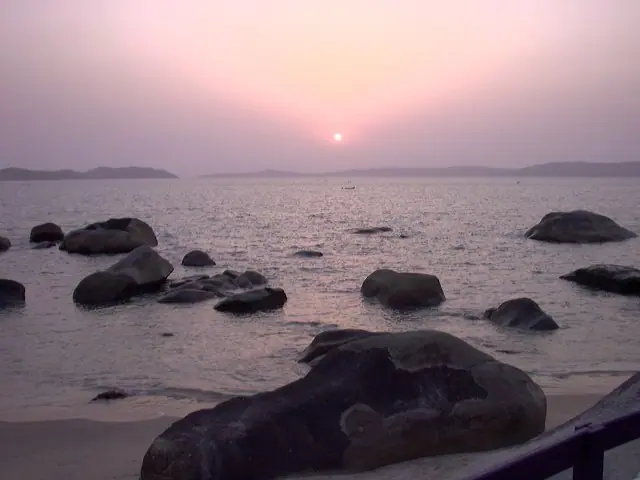
The coastline north of Conakry — Cape Verga, Bel-Air, Boffa and the mangrove creeks around them — comes into its own once the dry season settles in. Seas flatten, pirogues head out for fish, and long arcs of empty sand stretch beneath palms with barely another visitor in sight. Between November and May you can swim comfortably, take boat trips through the mangroves and eat grilled fish on the beach as the sun drops.
The wet months transform the same coast. Beaches turn grey and deserted, the swell picks up, and the track out to Bel-Air can flood badly, while several beach camps simply close from June through September. A few places stay open year-round, but you should always confirm road conditions and room availability before setting out in the rainy season.
Sleeping here means rustic bungalows and beach campements: thatch roofs, cold showers, generator power in the evening and dinner caught that morning. On the Îles de Los, guesthouses on Tamara and Kassa offer a similar castaway feel within a short ferry ride of the capital. Because Conakry residents escape here at weekends and public holidays, Friday and Saturday nights fill quickly — book ahead even in the low season.
Matching Your Hotel Choice to the Season: Practical Booking Notes
The dry season is peak season, and Guinea's supply of comfortable rooms outside the capital is limited. Reserve Conakry hotels weeks in advance for December, January and the Eid periods, and treat any inland guesthouse as something to confirm by phone rather than assume. In the wet season, from roughly May to October, rates in the capital fall noticeably and you can often negotiate — but ask directly about generator hours, water supply and whether the road to the property is usable, then build slack into your itinerary for delays.
Money and health deserve the same seasonal thought. The Guinean franc is a cash economy outside the main towns: ATMs cluster in Conakry and a few larger centres, so carry enough notes for guesthouses and campements upcountry, even if mobile payments are widely accepted in cities. Malaria is a year-round risk and worst at the end of the rains, so bring repellent, sleep under a net where one is provided, and take medical advice before travelling.
Finally, watch the calendar for events. Independence Day on 2 October brings parades and celebrations to Conakry, while Ramadan and Eid al-Adha shift about eleven days earlier each year — during Eid, transport and hotel rooms in the capital are in heavy demand, and daytime restaurant hours change through Ramadan. Building your dates around these moments can add colour to a trip, provided you book early.
Frequently asked questions
What is the best month to visit Guinea?
November to February is the most comfortable window, with lower humidity, calmer seas and firmer roads. February is often ideal because the harmattan dust has thinned and the light is clearer, while December and January bring cooler nights and hazier skies.
Can you travel in Guinea during the rainy season?
Yes, but expect trade-offs. From May to October you will find lush landscapes, quieter hotels and lower rates, yet laterite roads become slippery or impassable, ferry crossings are rougher, and beach camps along the coast often close between June and September.
Is the Fouta Djallon cold, and when should I trek there?
Days in Dalaba, Pita and Mali are mild year-round, but December and January nights can fall to around 10°C, so bring warm layers and a sleeping bag liner. December to April offers the driest, firmest trails for village-to-village walking.
When is the best time to climb Mount Nimba?
Aim for January to March. The laterite tracks into the reserve have dried out by then but the rains have not yet returned, making access by four-wheel drive far easier. You will still need a local guide and should carry cash and water.
Do I need to book hotels in advance in Guinea?
In Conakry, yes — especially for December, January and the Eid holidays, when demand peaks and good rooms are limited. Upcountry, guesthouses and campements rarely take online bookings, so call ahead and always confirm road access during the wet months.
Sort the rest of your trip
Everything for Guinea, in one place
Transfer in Guinea
Private driver waiting on arrival — no queues, no surprises.
Book a transfer
Things to do in Guinea
Skip-the-line tickets, guided tours and standout experiences.
See experiences
Stay online in Guinea
Travel eSIM — data the moment you land, no roaming bills.
Get an eSIM