Denmark is a small kingdom with an outsized sense of theatre: lantern-lit pleasure gardens, moated Renaissance castles, Viking rune stones and chalk cliffs that drop straight into the Baltic. Everything sits within a few hours of everything else, so a single trip can move from a royal palace at breakfast to windswept dunes by late afternoon. Here are the landmarks and experiences worth building an itinerary around.
Copenhagen: Tivoli, Nyhavn and the City's Royal Heart
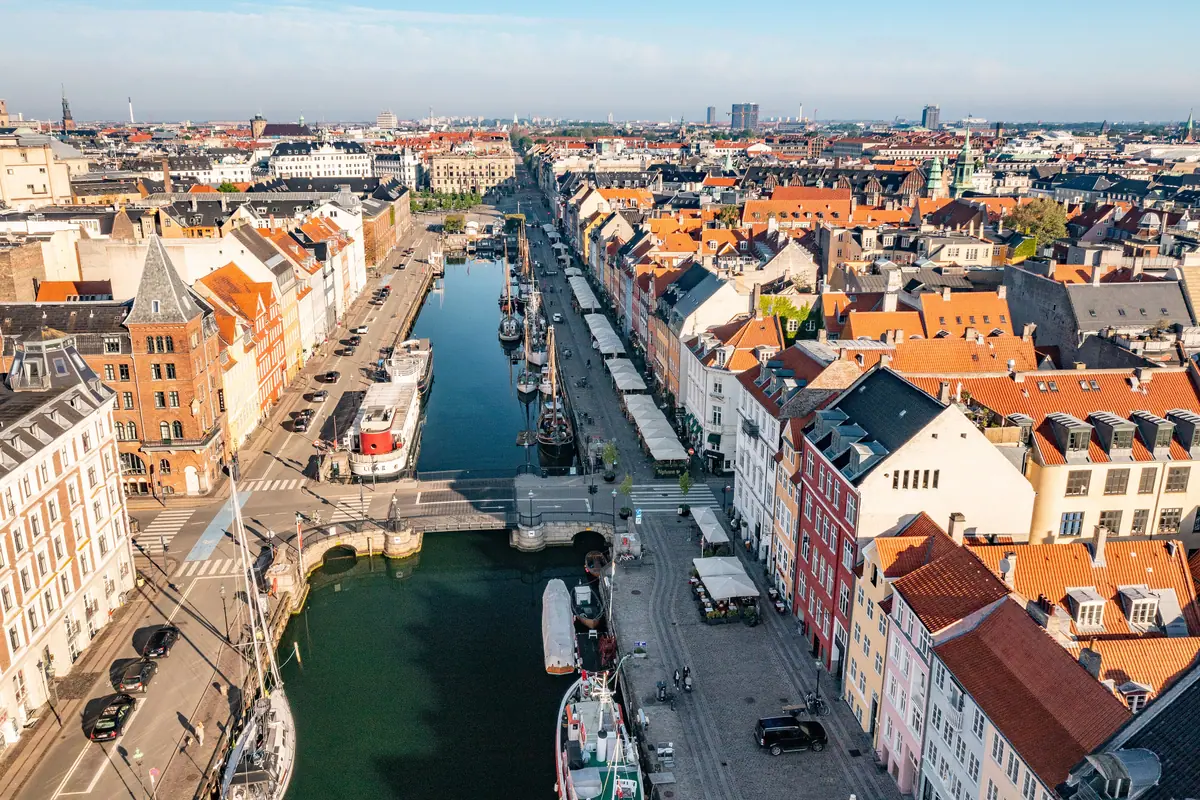
Most journeys begin in Copenhagen, and its signature sight is Nyhavn, the 17th-century canal harbour where gabled houses in ochre, oxblood and pale blue lean over moored wooden schooners. Hans Christian Andersen lived at several addresses along this quay, and it still hums with cafes and buskers. Canal boats leave from the quay for hour-long tours of the harbour and Christianshavn, which is easily the best way to see the city from the water.
A short walk away is Tivoli Gardens, a pleasure garden opened in 1843 and among the oldest of its kind still running. Expect lantern-lit lanes, flower beds, brass bands and a creaking wooden roller coaster that has been terrifying passengers for generations. It opens from around April to late September, then returns for a Halloween season and again for Christmas, when thousands of lights turn it into pure fairy tale. Allow half a day and stay past dusk.
Finish with the royal core: Amalienborg, the family's winter residence, where the guard changes at midday; the small and often mobbed Little Mermaid statue on the Langelinie promenade, best seen before breakfast; Christiansborg Palace, with parliament, reception rooms and excavated castle ruins beneath; Rosenborg Castle, home to the Crown Jewels; and the Round Tower, a 1642 observatory climbed by a 209-metre spiral ramp to a rooftop view over the old town.
Castles and Crowns: Denmark's Royal Showpieces
Kronborg Castle at Helsingør is the country's most theatrical fortress and a World Heritage site, famous as the setting for Hamlet's Elsinore. Roughly 40 minutes by train north of Copenhagen, it rises directly from the sea, with ramparts looking across the Øresund to Sweden and cold, echoing casemates below where the legendary warrior Holger Danske is said to sleep. Pair it with Helsingør's harbour and its maritime museum for a full day out.
Frederiksborg Castle in Hillerød is arguably more beautiful still: a Renaissance palace built by Christian IV across three islets in a lake, now a national history museum with a dazzling portrait gallery and chapel, plus formal Baroque gardens behind. It is about an hour by train from the capital and noticeably quieter than Kronborg, which makes it ideal for slow wandering.
On Funen, Egeskov is Europe's best-preserved moated Renaissance castle, surrounded by a hedge maze and ancient oaks that gave it its name, about half an hour from Odense. In Jutland, Koldinghus is the counterpoint — a royal castle gutted by fire in 1808 and restored with a boldly modern timber-and-glass wing that makes the ruins part of the architecture.
Viking Footprints: Jelling, Roskilde and Ribe
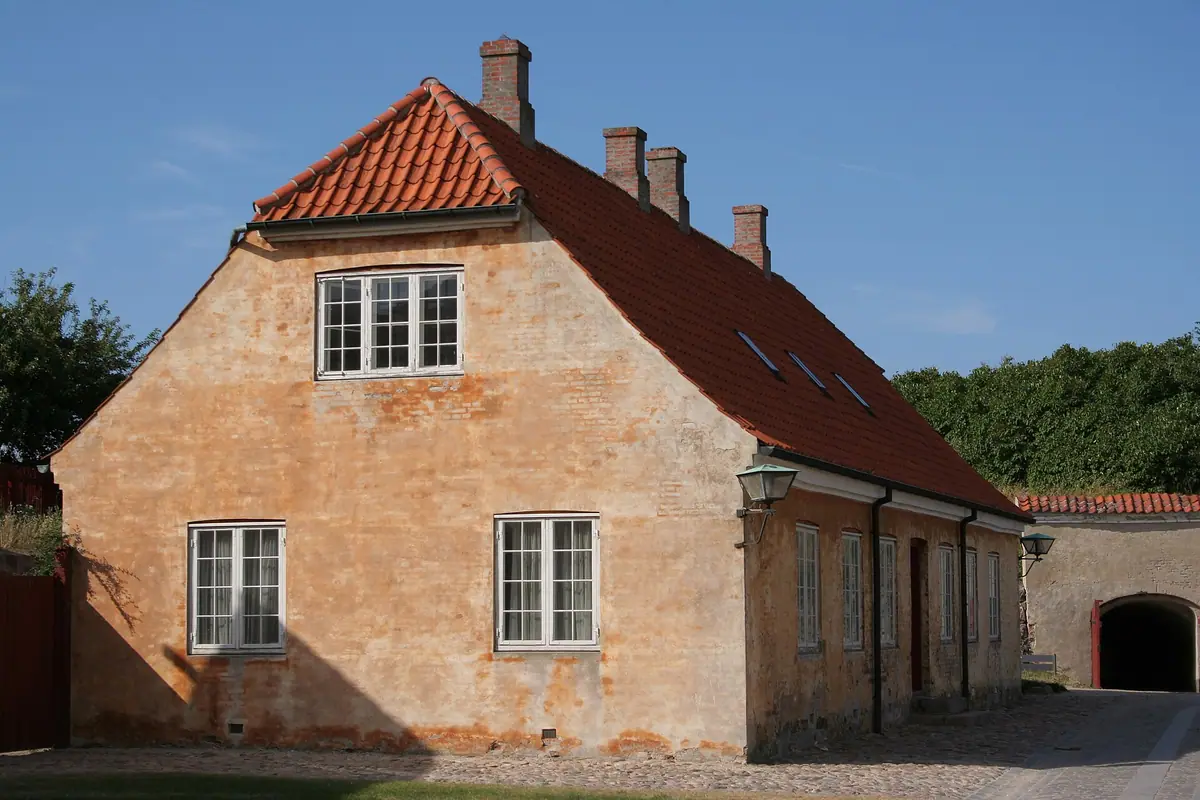
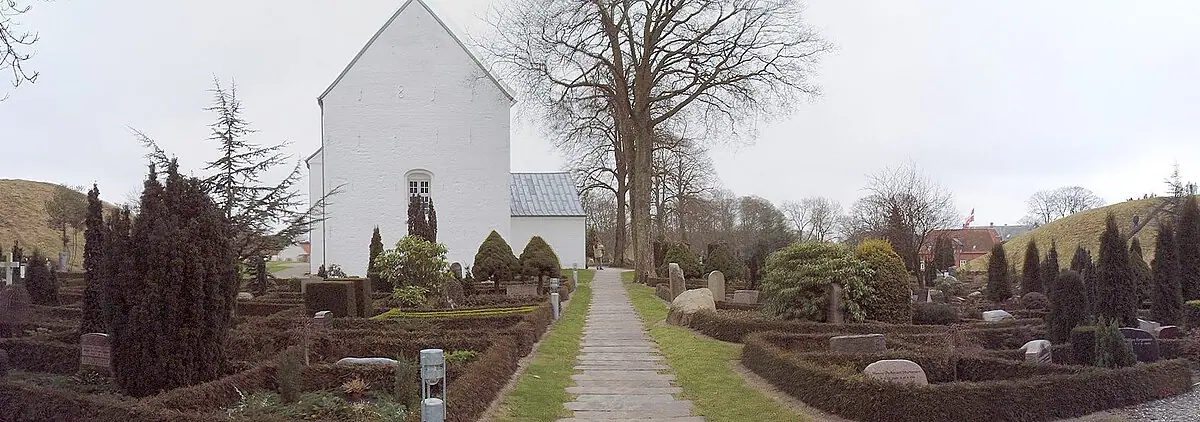
Jelling, in central Jutland, is the quiet birthplace of the nation. Two vast burial mounds flank a small white church, and between them stand two rune stones, the larger carved by Harald Bluetooth in the 10th century to announce that Denmark had become Christian. It is a World Heritage site and it takes under an hour to see, yet it lingers far longer. The visitor centre nearby fills in the archaeology.
Roskilde, half an hour from Copenhagen, offers the Viking story in physical form. The cathedral, a UNESCO-listed brick Gothic landmark, has been the burial place of Danish monarchs for centuries. Down on the fjord, the Viking Ship Museum displays five vessels raised from the water and partially rebuilt; in summer you can row or sail a reconstruction on the fjord itself.
Further southwest, Ribe is Denmark's oldest town, all cobbles, low beams and the smell of baking. Climb the cathedral's separate 52-metre brick tower for a flat-marsh panorama, then return at 10pm in summer to follow the night watchman, a tradition kept since 1591, as he sings his way through the streets. A reconstructed Viking village sits just outside town.
Aarhus and Jutland's Cultural Highlights
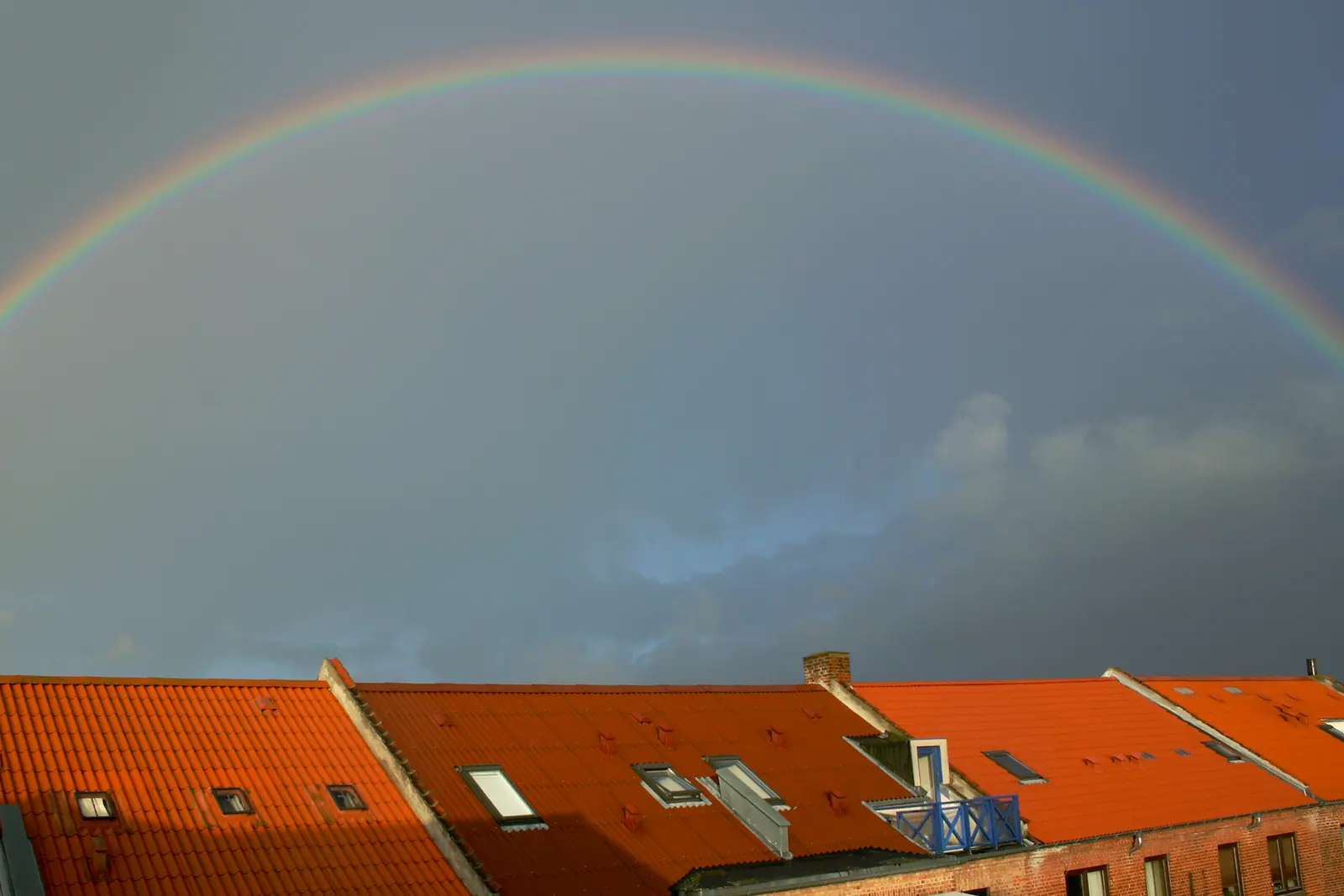
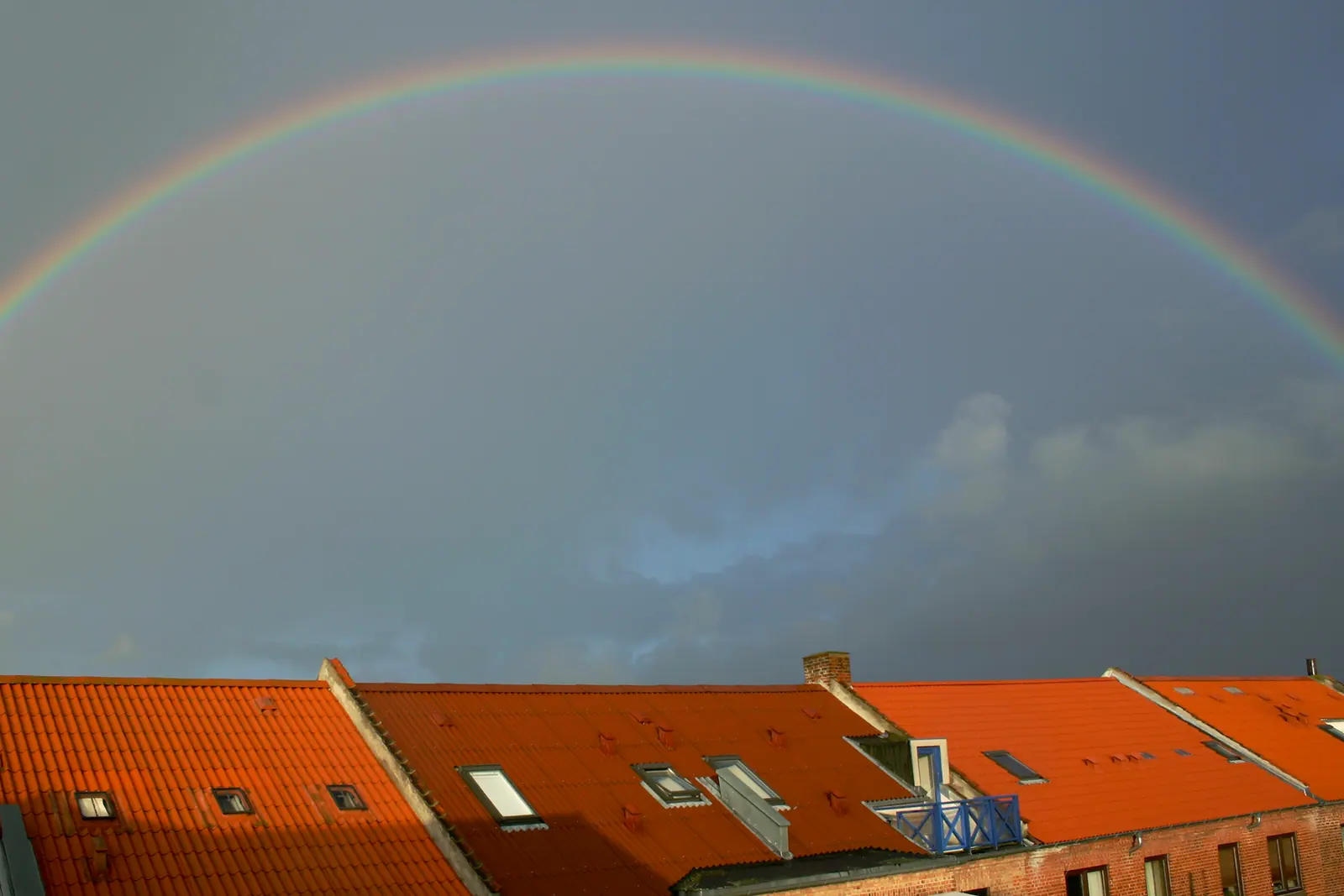
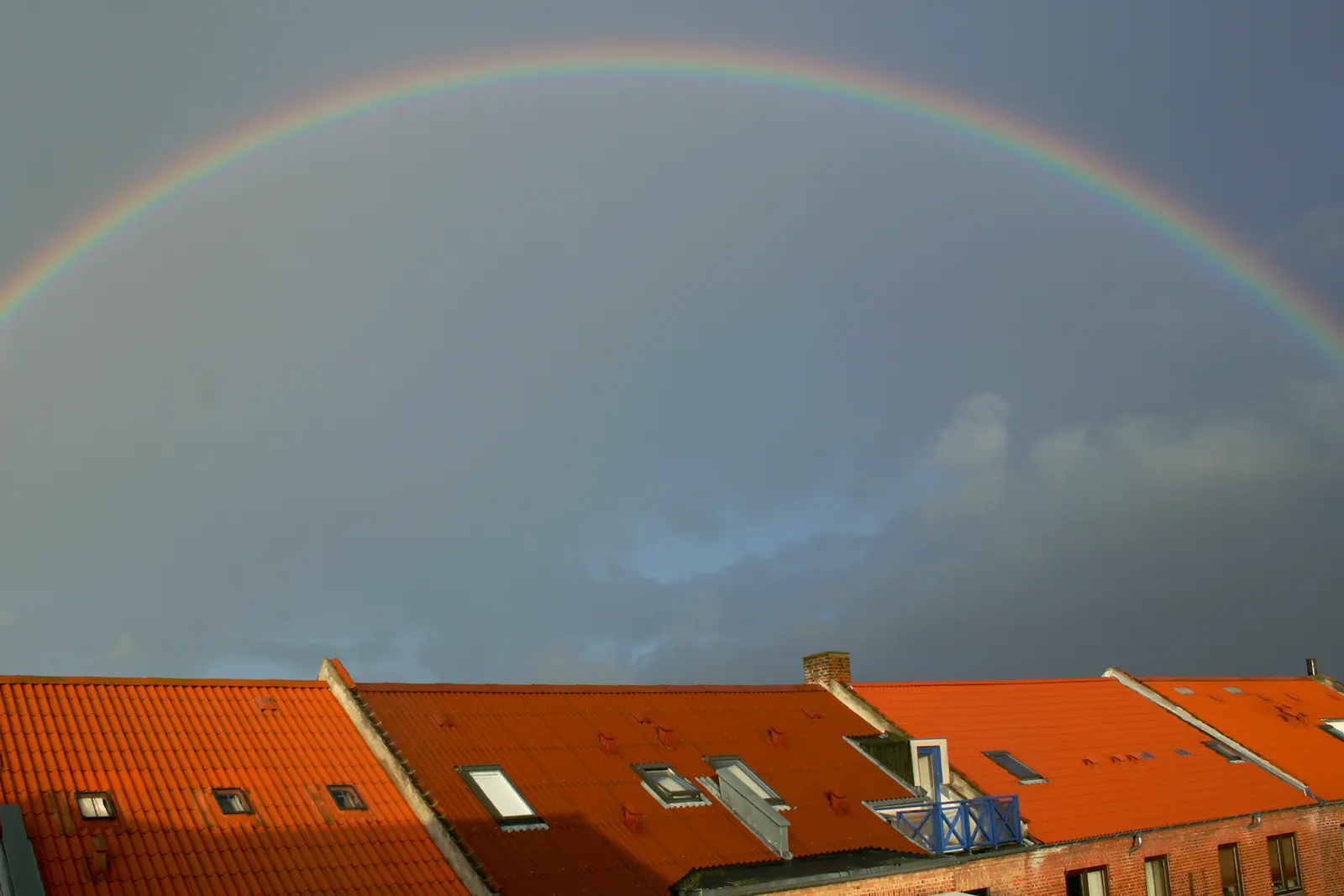
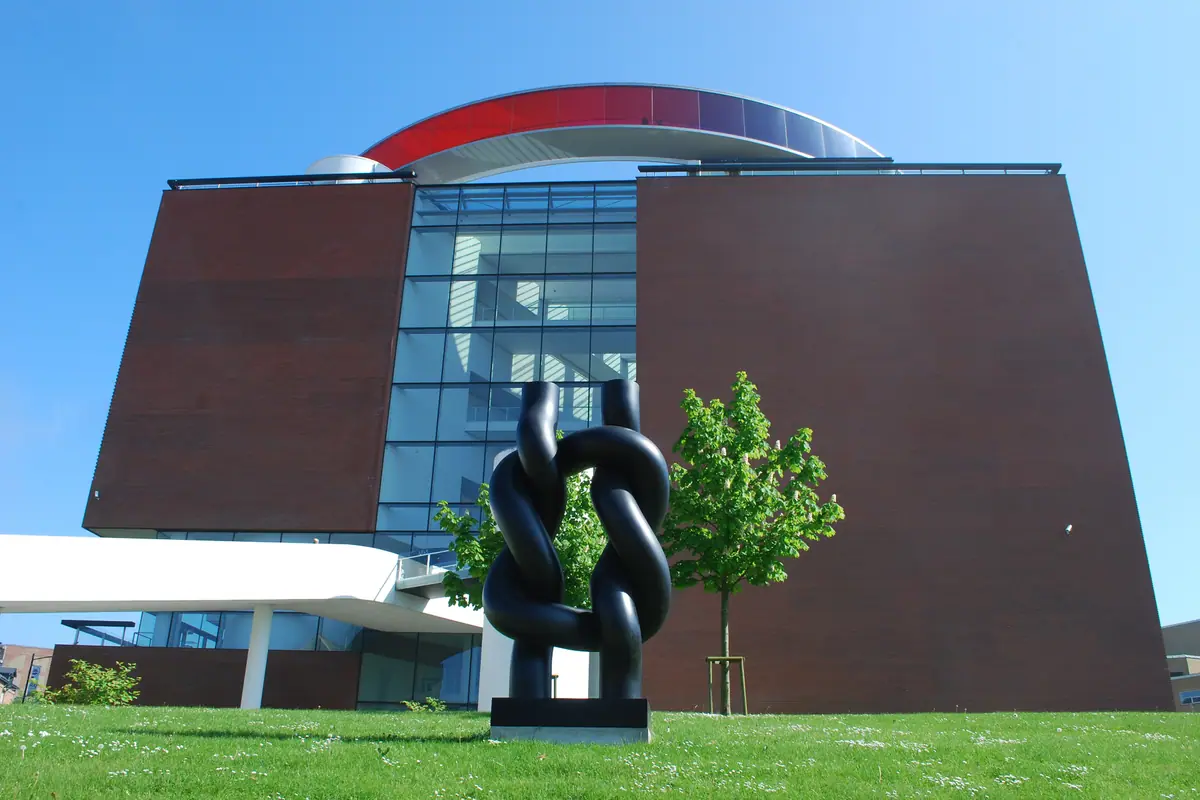
Aarhus, the second city, is worth two days on its own. Its art museum, ARoS, is topped by Your Rainbow Panorama, a circular glass walkway in the full spectrum of colours that floats 50 metres above the rooftops and gives the best view in Jutland. Ten minutes away, Den Gamle By is an open-air town of more than 75 historic buildings, extended with a 1970s quarter and a 2014 street that together make Danish history feel disarmingly recent.
Moesgaard Museum south of the city is a sloping green wedge you can walk over, filled with prehistoric finds including the remarkably preserved Grauballe Man bog body. Back in the centre, Aarhus Cathedral has the tallest church tower in Denmark at 93 metres, and the Latin Quarter and harbourfront food halls are the places to eat.
Elsewhere in Jutland, Aalborg rewards a stop with the Kunsten art museum and the 1624 Jens Bang's House, while on Funen the city of Odense celebrates its most famous son with the Hans Christian Andersen house and the toy-bright cobbled lanes of his childhood quarter.
Coastlines and Sand: Møns Klint, Skagen and Bornholm
Møns Klint, about two hours south of Copenhagen, is Denmark's most dramatic natural sight: six kilometres of white chalk cliffs rising up to 128 metres straight from the Baltic, crowned with beech forest. A long staircase of several hundred steps drops to a pebble beach where fossils and flint litter the shore, and the cliff-top geo-centre explains how the chalk formed.
At the opposite corner of the country, Skagen's Grenen is where the Skagerrak and Kattegat collide in a line of breaking waves you can wade right into. A small tractor-drawn shuttle runs from the car park to the tip. Nearby, Råbjerg Mile is a one-square-kilometre migrating sand dune that buries everything in its path, and the town's art museum holds the luminous works of the Skagen painters.
Bornholm, the rocky Baltic island, is reached by ferry or short flight and rewards cyclists with Dueodde's flour-white beach, four medieval round churches and Hammershus, northern Europe's largest castle ruin. On the west coast, the Wadden Sea National Park protects UNESCO-listed tidal flats alive with migrating birds and seals, while the dark skies above Møn are protected for stargazing.
Danish Flavours, Seasons and Practical Rhythms
Lunch in Denmark is often an act of devotion to smørrebrød — buttered rye bread piled with pickled herring, prawns, or roast beef and remoulade, eaten with a fork and knife. Add flaky wienerbrød from a bakery, a grilled pølser from a street stand, and the New Nordic cooking that turns local berries, roots and seafood into something quietly brilliant, especially in Copenhagen and Aarhus.
Late May to early September is the sweet spot: days stretch past 10pm, Tivoli is open, beaches at Skagen and Dueodde are swimmable and everyone eats outside. July is busiest and most expensive. Autumn brings golden beech woods, Christmas markets light up from mid-November through December, and winter is dark — sunset can fall before 4pm — but candlelit and cosy. Spring arrives with beech leaves and yellow rapeseed fields in May.
Getting around is genuinely easy without a car: frequent trains link Copenhagen, Odense, Aarhus and Aalborg, with the Copenhagen–Aarhus run taking about three hours. Cities are made for bicycles, and Copenhagen's hundreds of kilometres of cycle tracks are the fastest way to move. Cards are accepted almost everywhere, cash is rarely needed, and English is spoken fluently. Five to seven days covers the highlights comfortably; book summer and Christmas dates well ahead.
Frequently asked questions
How many days do you need in Denmark?
Three to four days is enough for Copenhagen and its nearby castles, including Kronborg and Frederiksborg. Add two days for Funen and Odense, or a week in total if you want Aarhus, Skagen and the west-coast Wadden Sea without rushing.
What is the best time of year to visit Denmark?
Late May to early September offers long daylight, open gardens and warm beaches. Mid-November to December is the other magic window, when Christmas markets and Tivoli's light displays transform the cities. Winter is cold, dark and atmospheric; April and May are quiet and green.
Which landmarks in Denmark should not be missed?
At minimum: Tivoli Gardens and Nyhavn in Copenhagen, Kronborg and Frederiksborg castles, the Jelling rune stones, Roskilde Cathedral and its Viking ships, ARoS and Den Gamle By in Aarhus, the chalk cliffs of Møns Klint, and Grenen at Skagen where two seas meet.
Do I need cash in Denmark?
Rarely. Cards and mobile payments work almost everywhere, including small bakeries, market stalls and public transport. Carry a few hundred kroner only as a backup for rural honesty boxes or the occasional cash-only stall.
Is Denmark easy to explore without a car?
Yes for cities and main towns — trains and buses are frequent and reliable. Some natural sights, such as Møns Klint, Råbjerg Mile and the Wadden Sea flats, are easiest by car or with seasonal shuttle services, so plan those legs in advance.
Plan it — experiences in Denmark
Live search, booked directly with trusted providers.
Sort the rest of your trip
Everything for Denmark, in one place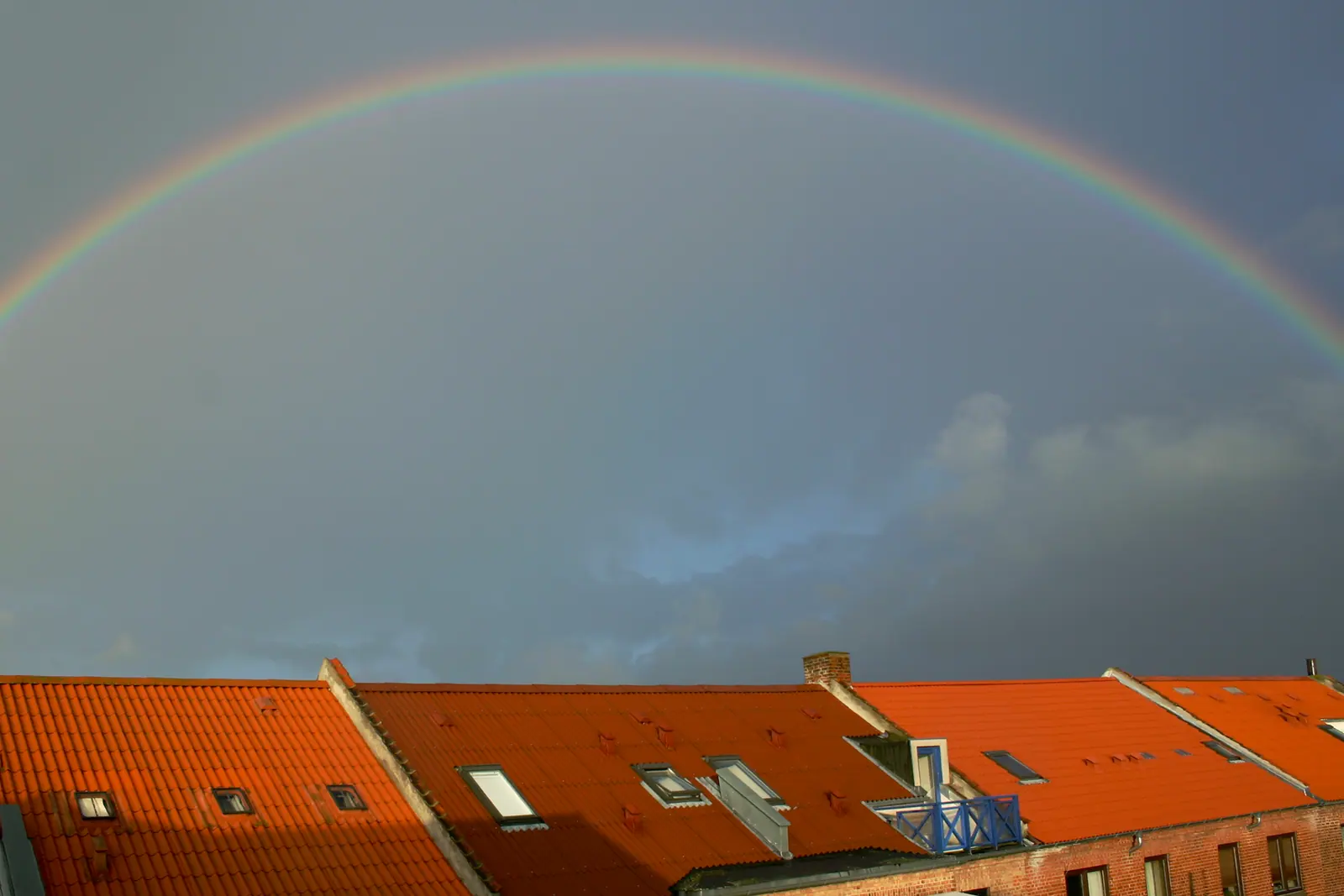
Stay in Denmark
Hotels, guesthouses and apartments — compared in one search.
Search hotels
Transfer in Denmark
Private driver waiting on arrival — no queues, no surprises.
Book a transfer
Stay online in Denmark
Travel eSIM — data the moment you land, no roaming bills.
Get an eSIM