Denmark rewards the traveller who eats slowly: a lunch of smørrebrød under low-hanging lamps, a cinnamon bun still warm in a paper bag, a beer raised with a low "skål" on a harbour quay. Between the capital's seventeenth-century gables and the wind-scoured coasts of Jutland, this is a country where culture is served on a plate.
Denmark's Table: Rye Bread, Butter and a New Nordic Voice
Danish cooking begins with rugbrød, the dense, dark sourdough rye that anchors breakfast, lunch and the packed lunch box known as a madpakke. On top of it goes butter, then whatever the season offers: pickled herring with raw onion and capers, cold roast beef under a tangle of crisp fried onion and remoulade, tiny fjord shrimp with egg and dill, or a slice of leverpostej spread thick and topped with bacon and mushrooms. This is smørrebrød, the open sandwich that is genuinely a knife-and-fork meal, and locals rarely stop at one — ordering two or three pieces in sequence, each matched with a small glass of cold snaps or an unfiltered pilsner.
The past two decades have pushed Danish kitchens in a more experimental direction. Foraging, fermenting and pickling have moved from farmhouse cellars to white-tablecloth restaurants, with sea buckthorn, ramson, birch sap, elderflower and beach herbs appearing in tasting menus that change with the calendar rather than the customer. What makes this movement feel Danish rather than merely fashionable is its restraint: a plate might hold three ingredients, arranged with the calm of a Nordic landscape painting.
You can taste the range without a reservation. Bakeries open early and sell flaky wienerbrød, spandauer with custard and jam, and kanelsnegle coiled with cinnamon; by mid-morning the good ones have queues out the door. Make a morning ritual of a strong coffee and a pastry, eaten standing, watching the city wake up.
Copenhagen: The Essential First-Time Tour
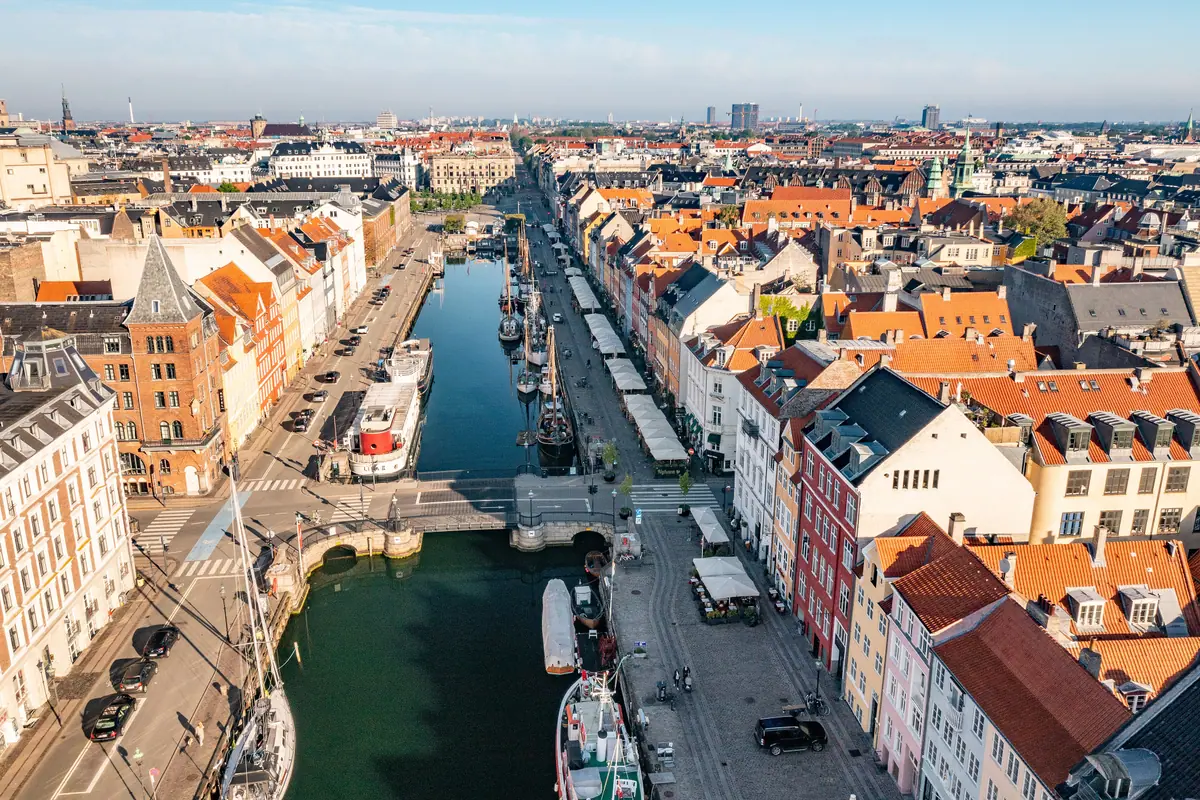
Start where the postcards start. Nyhavn, the 17th-century canal harbour lined with ochre, cobalt and oxblood townhouses, is best seen at 8am before the tour groups arrive and the wooden schooners start shifting in their moorings. From there the city unfolds on foot: the pedestrian spine of Strøget, the Royal residence at Amalienborg where the guard changes each day at noon, the domed Christiansborg Palace where parliament sits and royal reception rooms glitter above, and Rosenborg Castle, a Renaissance treasure box holding the crown jewels in its basement. The Little Mermaid, small and unassuming on her rock at Langelinie, takes ten minutes and is worth it mainly for the walk past the star-shaped citadel of Kastellet.
Climb the Rundetaarn, the 17th-century Round Tower, for a spiral brick ramp that ends on a rooftop viewing platform over the old city — a gentler alternative to the church spires. Save an afternoon for Tivoli Gardens, the 1843 pleasure garden whose lantern-lit lanes, wooden roller coaster and nightly illuminations have outlasted almost every other amusement park on earth.
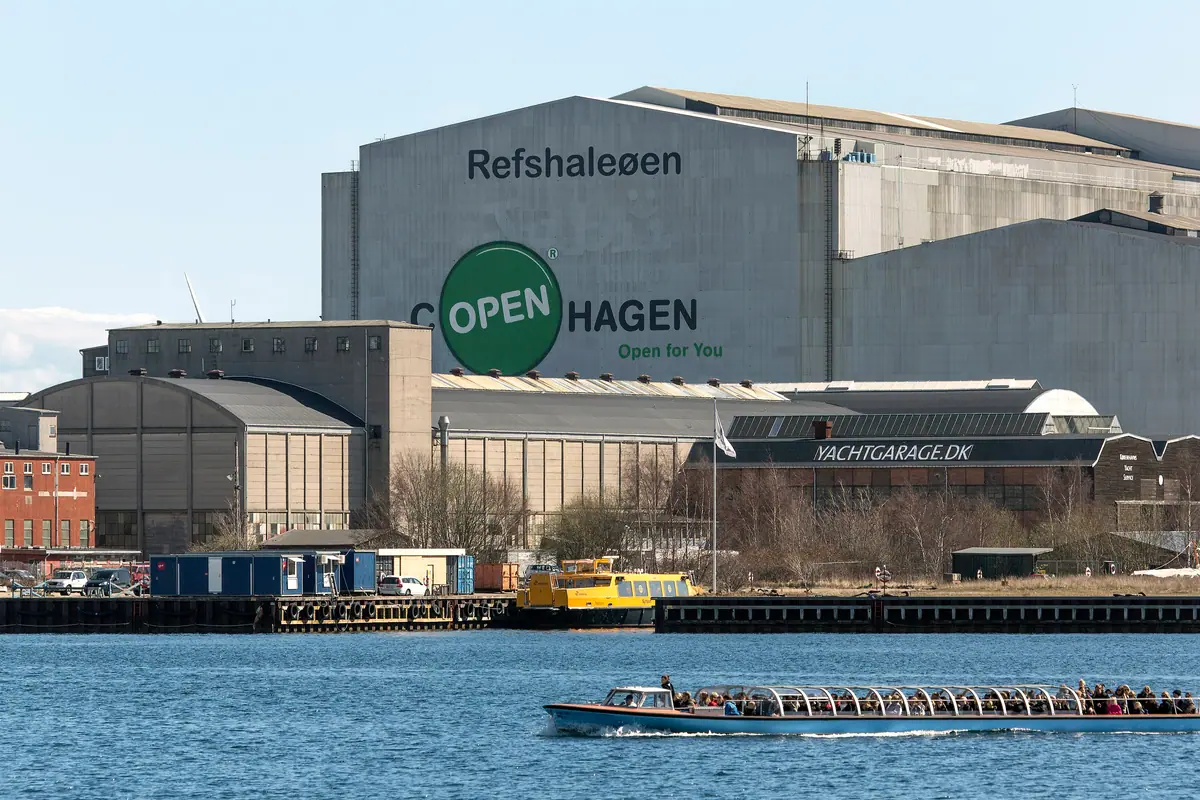
Then leave the centre. Nørrebro is the city's most diverse quarter, with Jægersborggade's small artisan shops and bakeries; Vesterbro holds the former meatpacking district of Kødbyen, now bars, galleries and late-night kitchens. Across the harbour, Christianshavn gives way to Freetown Christiania, a self-declared community with its own rules, and further out on Refshaleøen you'll find Reffen, a sprawling street-food yard built from shipping containers. Three days covers the essentials; five lets you add a day trip north to the Louisiana Museum of Modern Art, where a sculpture garden tumbles down to the Øresund sound.
Castles, Vikings and the Country Beyond the Capital
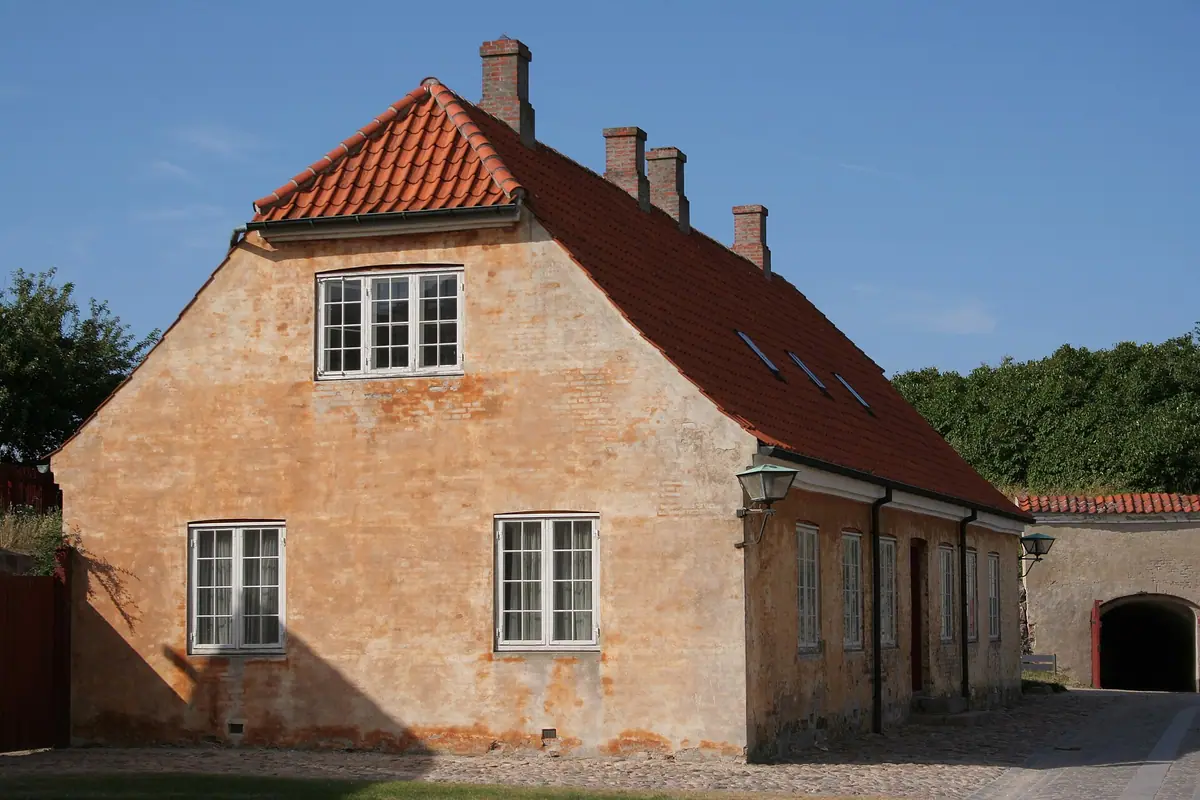
Denmark is small enough that its greatest sights sit within day-trip distance of each other. Kronborg Castle in Helsingør, the Renaissance fortress that Shakespeare made famous as Elsinore, stands guard where the sound narrows to four kilometres between Denmark and Sweden; in summer you can walk the casemates and watch Hamlet performed in the courtyard. Twenty minutes away by train, Frederiksborg Castle in Hillerød floats on its lake, a confection of turrets and copper roofs housing a national history museum. Roskilde, the old Viking capital, offers both its UNESCO-listed cathedral, burial place of Danish monarchs, and a ship museum where five excavated Viking vessels are displayed.
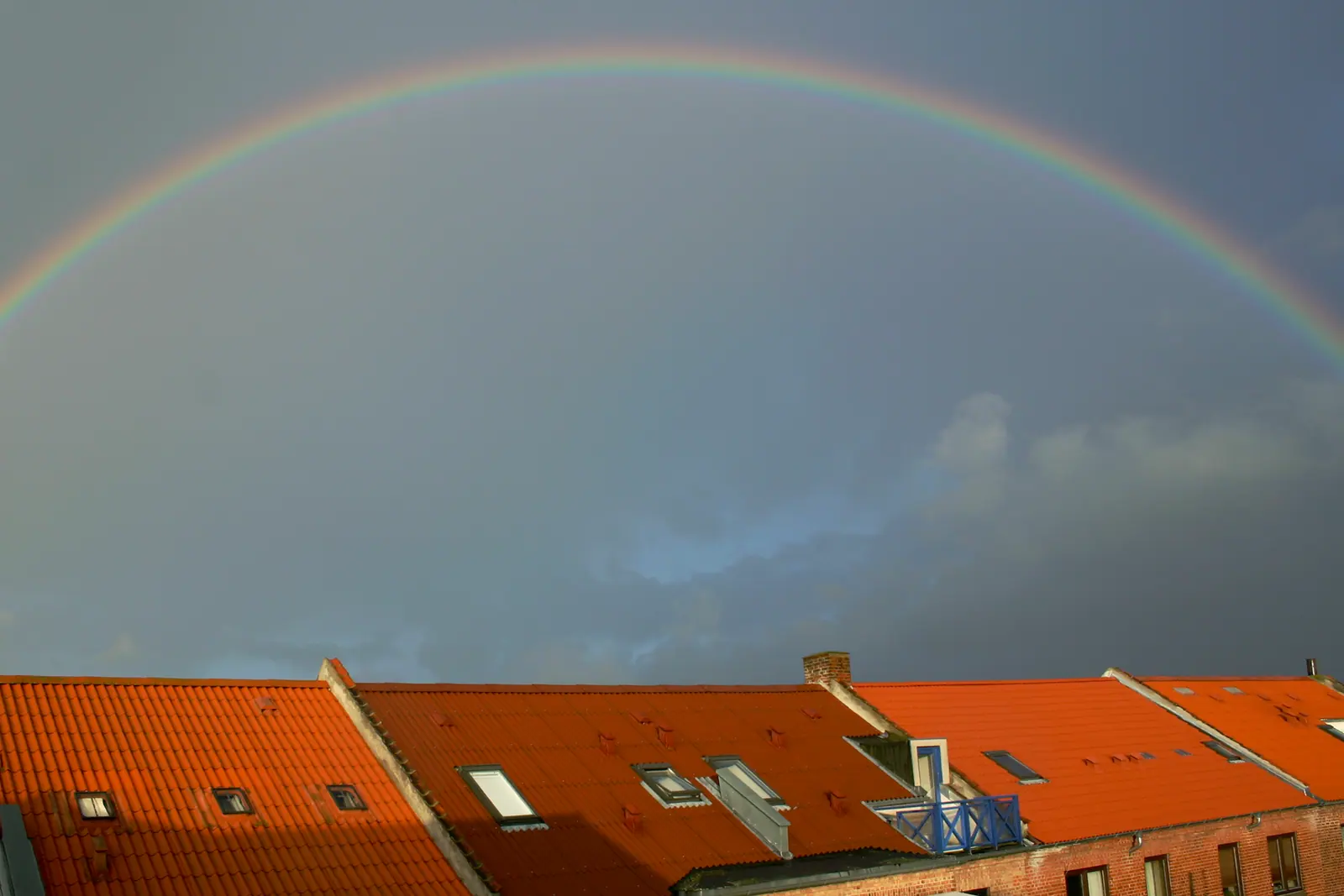
Cross to Funen and you reach Odense, the cobbled birthplace of Hans Christian Andersen, where his childhood home is now a museum. Further west, Aarhus pairs the rainbow-coloured circular walkway atop the ARoS art museum with Den Gamle By, an open-air town of relocated historic buildings where bakers, printers and shopkeepers work in period dress. In Jutland, Ribe claims the title of Denmark's oldest town, its night watchman still walking the streets in summer, while the Viking Centre nearby reconstructs a market village on the marsh.
Push north to Skagen, where the two seas meet at Grenen and you can stand with one foot in the Baltic and one in the North Sea, and south to Møns Klint, where chalk cliffs drop a hundred metres into turquoise water below beech forest. Both are long drives; both are the kind of landscape travellers remember longer than any museum.
Street Food, Bakeries and Everyday Danish Eating
Not every Danish meal is a production. The pølser wagon is a national institution: a red sausage in a bun, or a ristet hot dog stacked with remoulade, mustard, ketchup, raw onion and crisp fried onion, eaten standing on a street corner for a few coins. Family kitchens produce frikadeller, the pan-fried pork meatballs served with potatoes and brown gravy; stegt flæsk med persillesovs, thick slices of pork belly under parsley sauce, was once voted the national dish; and in summer, cold koldskål — buttermilk with vanilla and lemon, poured over small biscuits — appears in every supermarket chiller.
Markets are where the everyday and the ambitious overlap. Torvehallerne in Copenhagen concentrates cheese, charcuterie, fish, chocolate, coffee and a dozen small kitchens under two glass halls; Reffen on Refshaleøen is scruffier and cheaper, with global street food and picnic benches facing the water; Aarhus has its own covered street-food hall near the river.
Budget wisely: lunch is where Denmark rewards you. The midday smørrebrød plate or a bakery sandwich costs a fraction of dinner, and restaurants often serve the same kitchen at lower prices. Dinner out is genuinely expensive, so many travellers build a day around one sit-down meal and fill the rest with market food, bakery stops and the excellent deli counters of ordinary supermarkets.
When to Go: Long Light, Bonfires and Dark Winters
May and June are the sweet spot. The beech woods leaf out, the light lasts until nearly eleven at night, and the whole country seems to eat outdoors. September is the connoisseur's month: still mild, harvest-heavy, with fewer visitors and mushrooms, apples and game appearing on menus. July is warm but crowded in Copenhagen and on the west coast beaches; August brings rain and the return of locals from holiday.
Danish festivals are worth planning around. Sankt Hans Aften on 23 June is midsummer eve, when the entire country lights bonfires on beaches and lakeshores and sings while a straw witch burns on top of the pyre. Copenhagen Cooking, a citywide food festival, takes over late August; Distortion brings block parties to the streets in early June; Roskilde Festival draws huge crowds in early July; Kulturnatten in October opens museums and churches after dark.
Winter is dark — sunset around 3:45pm in December — but it is also when Denmark does coziness best. Tivoli Gardens transforms into a Christmas market of thousands of lights and wooden stalls, and workplaces and families hold julefrokost, long herring-and-schnapps Christmas lunches that run well into the afternoon. Come prepared with layers, wool and waterproof shoes; Denmark's weather is mild but rarely dry.
Living Like a Local: Bikes, Harbour Dips and Hygge
In Copenhagen there are more bicycles than cars, and renting one is the fastest way to feel at home — ride in the designated lanes, signal with your arm, and never stop in the middle of the path. Beyond the city, the country is threaded with quiet cycle routes, and Dyrehaven, the old royal hunting forest north of Copenhagen, offers gravel tracks, oak avenues and thousands of free-roaming deer.
Danes swim where they can. Islands Brygge and Amager Strandpark have harbour baths open from early summer, and along the coast you'll find winter bathing clubs whose members cut holes in the ice and go in anyway, followed by a sauna and a thermos of coffee. Join a public sauna session, or simply walk a windswept beach at Skagen or the west coast in a storm — it is a national pastime.
The everyday culture is built on hygge and fællesskab: candles on the table, cake and coffee at three, shared meals where everyone brings something. Flea markets on weekends, community kitchens in Nørrebro and Vesterbro, and open-air summer concerts in the parks are easy entry points. A few words go a long way — tak, skål, velbekomme — and remember that Denmark runs on cards: even a market sausage or a museum ticket is usually paid by phone.
Frequently asked questions
What exactly is smørrebrød and how should I eat it?
It's a single slice of buttered rye bread with a carefully built topping — pickled herring, roast beef with remoulade, shrimp with egg, or leverpostej with bacon. Order two or three pieces rather than one, eat with a knife and fork, and try a small snaps or a cold beer alongside. It's a lunch dish; most places stop serving it in the late afternoon.
How many days do I need in Denmark?
Three full days covers Copenhagen's core — Nyhavn, Amalienborg, Rosenborg Castle, the Round Tower and Tivoli Gardens — plus one castle day trip. Five to seven days lets you add Odense, Aarhus, Roskilde or the northern coast. A ten-day loop by train and rental car takes in Jutland, Funen and Zealand properly.
When is the best time to visit?
Late May to June for long daylight, blooming beech forests and the Sankt Hans bonfires on 23 June; September for mild weather, harvest menus and fewer crowds. July is warm but busy, and December is dark but magical if you want Christmas markets and julefrokost lunches.
Is Denmark expensive for food and drink?
Eating out is costly, especially dinner, but you can keep costs down by making lunch your main restaurant meal, eating at street-food markets, buying bakery food and supermarket deli items, and drinking tap water, which is excellent everywhere. Tipping isn't expected — service is already included in the bill.
What local experiences shouldn't I miss?
Rent a bike in Copenhagen, swim at Islands Brygge harbour bath or a coastal winter-bathing club, browse a weekend flea market, take coffee and cake at three in the afternoon, and see a castle or Viking site outside the capital. If you're there in summer, don't skip a bonfire on Sankt Hans Aften.
Sort the rest of your trip
Everything for Denmark, in one place
Stay in Denmark
Hotels, guesthouses and apartments — compared in one search.
Search hotels
Transfer in Denmark
Private driver waiting on arrival — no queues, no surprises.
Book a transfer
Stay online in Denmark
Travel eSIM — data the moment you land, no roaming bills.
Get an eSIM