Denmark is a country you can almost tour by bedtime story: candlelit harbour fronts, gabled castle towns, and inns that have been pouring coffee for three centuries. Choose your beds well and the whole country opens up, because the best Danish hotels sit within a bike ride or a short train hop of its greatest sights.
Sleeping Danish: Design, Hygge and What Hotels Here Feel Like
Danish hotels carry the country's design instinct into everyday comfort: pale oak floors, low-slung lamps, wool throws, a single stem of something green on the desk. Rooms in the big cities tend to be compact, but cleverly planned, with proper storage, blackout curtains for those long summer evenings, and bathrooms that put function first. What you will notice fastest is the breakfast, and how seriously it is taken. Even modest places lay out rye bread, aged cheese, cold cuts, soft-boiled eggs, fruit, yoghurt and very good coffee, and it is almost always included in the room rate.
The range of places to sleep is wider than many visitors expect. Alongside sleek city design hotels you will find the traditional kro, a roadside inn with roots going back centuries, usually timbered, usually family-run, often with a dining room serving local dishes. Then come the herregård manor houses turned country retreats, harbour-side warehouse conversions, seaside badehotel-style inns, simple rooms above bakeries, and hostels with private doubles that suit families on a budget. Outside Copenhagen and Aarhus, receptions frequently close in the early evening, so tell your host roughly when you will arrive, especially if a ferry or a late flight is involved.
Rates in Denmark normally include the 25 percent sales tax, and a handful of city councils add a small per-night tourist levy that the hotel collects for them. Check-in is usually mid-afternoon and check-out around eleven, with luggage storage cheerfully offered if you want a last morning of sightseeing. If you crave heat and water, look to the spa and seaside hotels of the west coast rather than the city, where a rooftop plunge pool is about as aquatic as it gets.
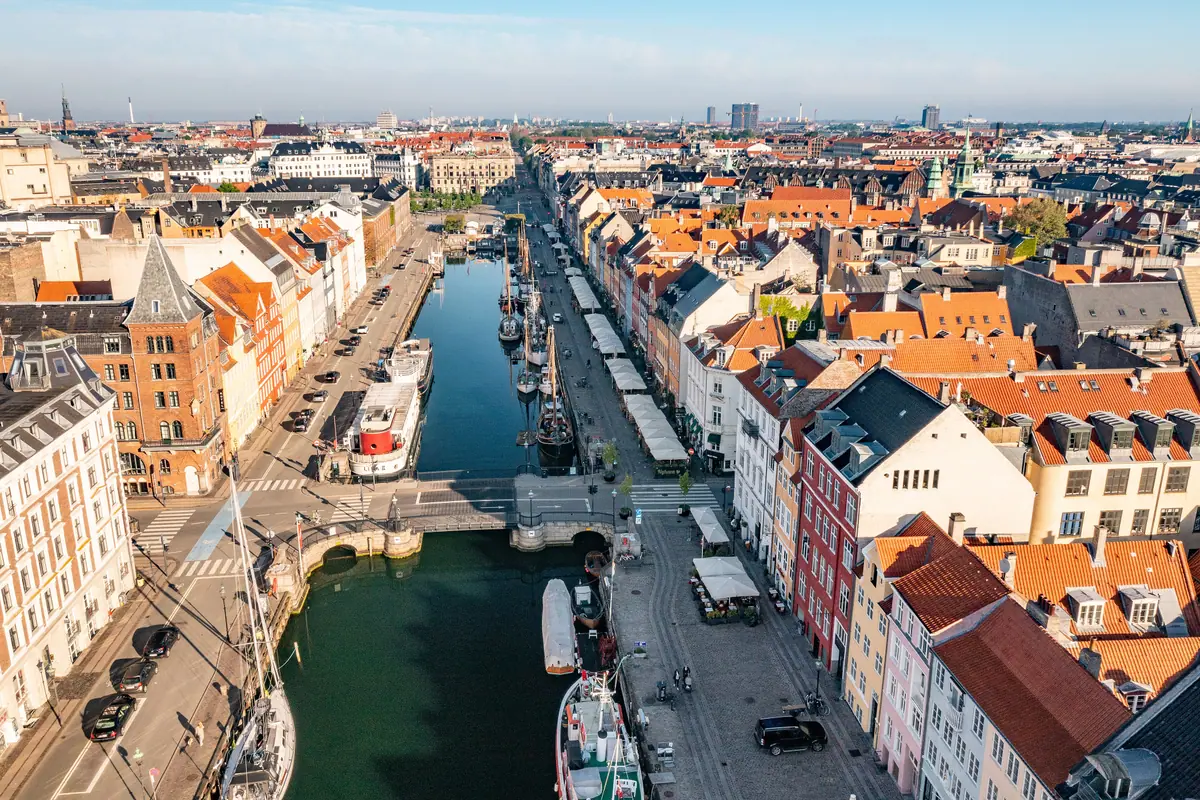
Copenhagen: Neighbourhoods and the Sights on Your Doorstep
In the historic centre, or Indre By, you step out of your hotel into the postcard. Nyhavn's row of 17th-century gabled townhouses leans over a canal full of wooden schooners, and from there it is a short walk to Strøget, the long pedestrian shopping street, and to the Round Tower, whose spiral brick ramp winds up to a rooftop view over the old city. Continue on to Rosenborg Castle, where the crown regalia sit in the cellars, and Amalienborg, the royal palace of four matching rococo mansions, where the guard changes at noon. Christiansborg Palace, home of parliament, has a tower you can climb free of charge for the best panorama in town.
For a different rhythm, base yourself in Vesterbro, where the former meatpacking district now hums with bars and bakeries, and both Tivoli Gardens and the central station are a ten-minute walk away. Nørrebro is where Copenhageners actually live, with the small shops and coffee bars of Jægersborggade at its heart. Christianshavn offers canals, houseboats and the external spiral staircase of Our Saviour's Church, while Østerbro is quiet, leafy and closest to the Little Mermaid statue and the star-shaped citadel of Kastellet.
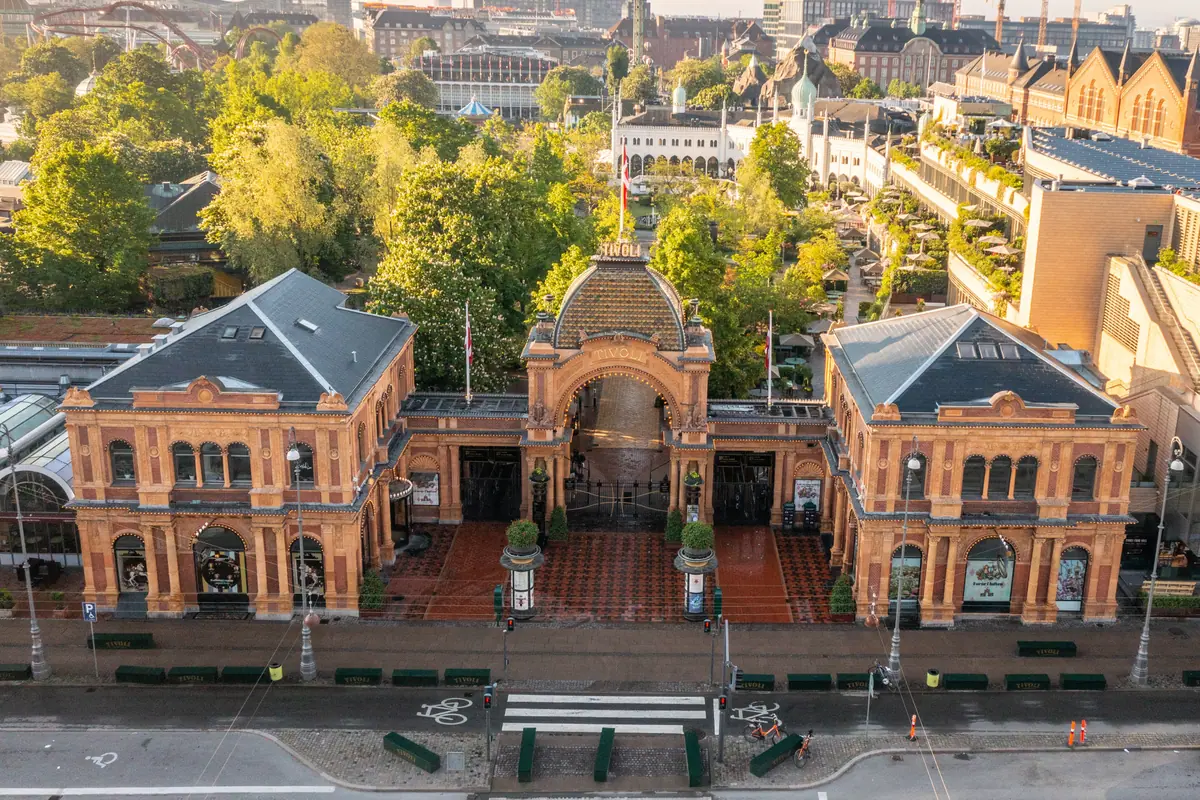
Build your days around a few anchors: Tivoli Gardens, the pleasure garden that opens from mid-April to late September and again for Halloween and Christmas, the sculpture-filled halls of the Glyptotek, the National Museum's deep dive into Danish prehistory and Viking history, and the food halls at Torvehallerne, where you can assemble a picnic of smørrebrød before a canal boat tour. Bikes are the fastest way to move, and the metro from the airport reaches the centre in about fifteen minutes, which makes a short city stay genuinely easy.
North Zealand: Castle Hotels and Coastal Inns
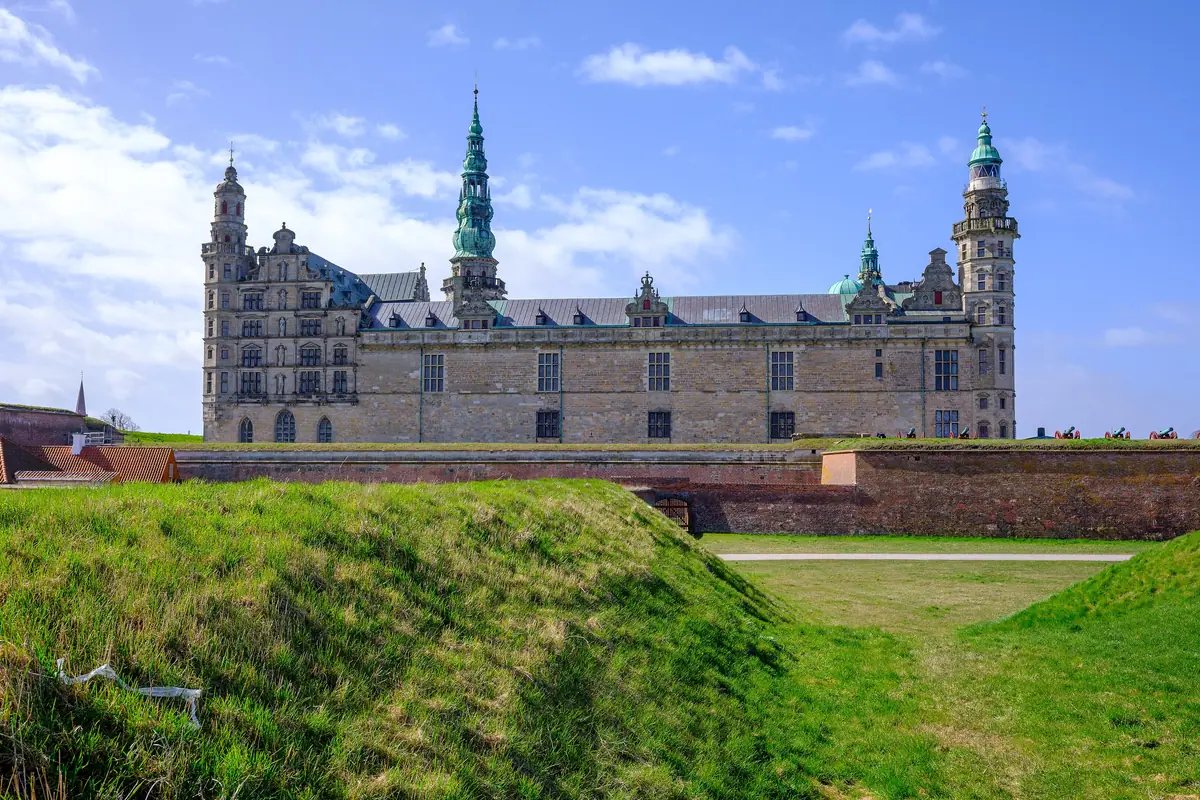
An hour north of the capital the landscape turns into something out of a history painting, and hotels here come with moats and sea views. Kronborg Castle in Helsingør is the great one, a UNESCO-listed fortress on the narrow sound where Hamlet is staged each summer, its echoing casemates once home to a statue of the legendary warrior Holger Danske. Inland at Hillerød, Frederiksborg Castle rises from its lake with gardens and the Museum of National History inside, while Fredensborg Palace, the royal family's spring and autumn residence, opens its baroque gardens when the court is away.
Art lovers should plan a night near Humlebæk so they can drift through the Louisiana Museum of Modern Art, where the sculpture park seems to spill into the sea and Sweden floats on the horizon, then walk the few minutes back to their bed rather than catching the last train. The coastal railway links Helsingør, Humlebæk, Rungsted and the beach towns of Hornbæk, Tisvildeleje and Gilleleje roughly every twenty minutes, so a small seaside inn gives you car-free access to castles, the Karen Blixen Museum at Rungstedlund and long, pale beaches.
Further south, on the island of Zealand's own chalk edge, Møns Klint drops white cliffs into turquoise water above beech forest, a two-hour drive from Copenhagen and worth an overnight in the village of Store Heddinge to catch it in morning light. In this part of the country it pays to book a room with dinner included, because restaurants thin out after the summer, and to confirm that your inn serves food on the evening you arrive.
Aarhus, Jutland and the Wild West Coast
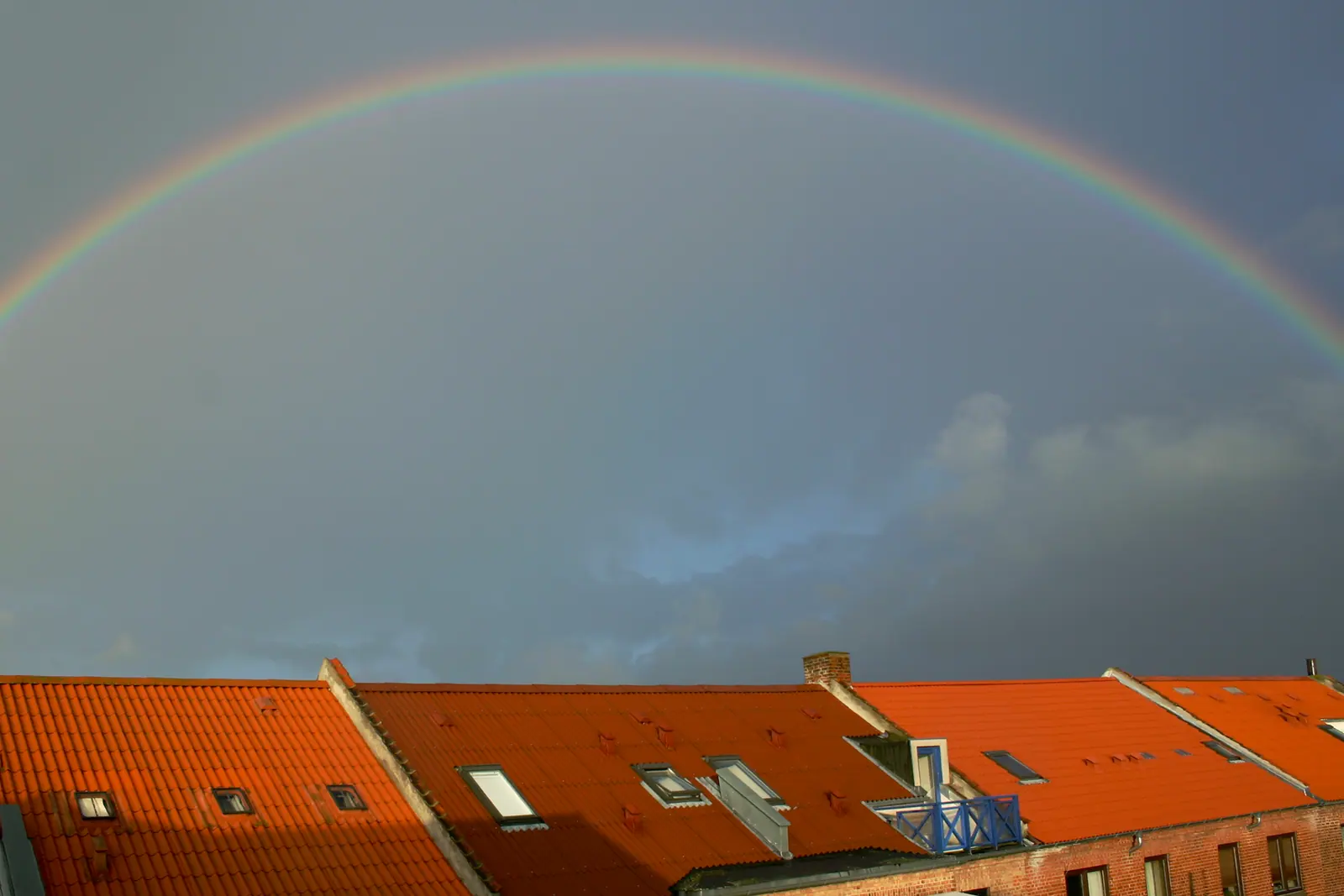
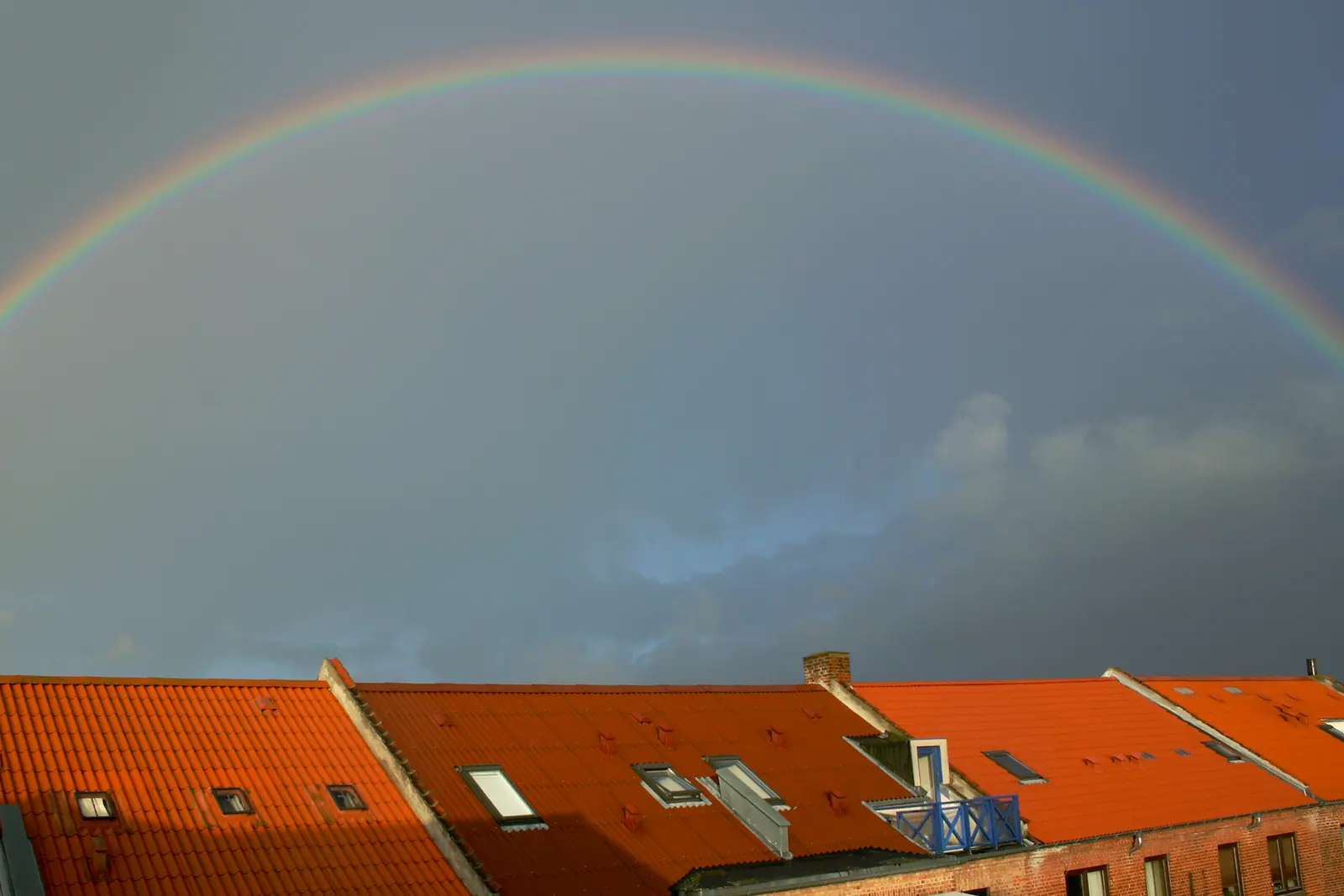
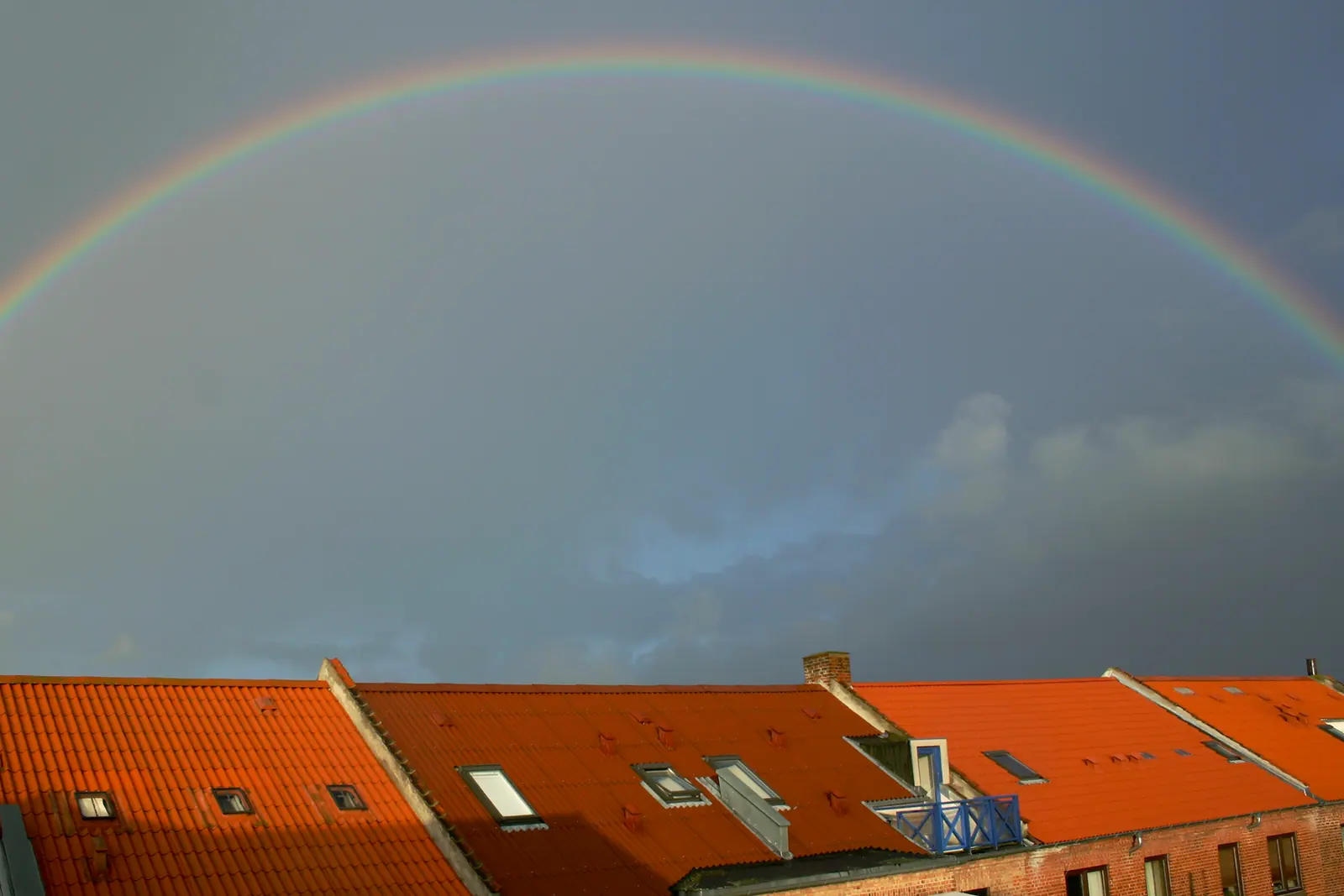
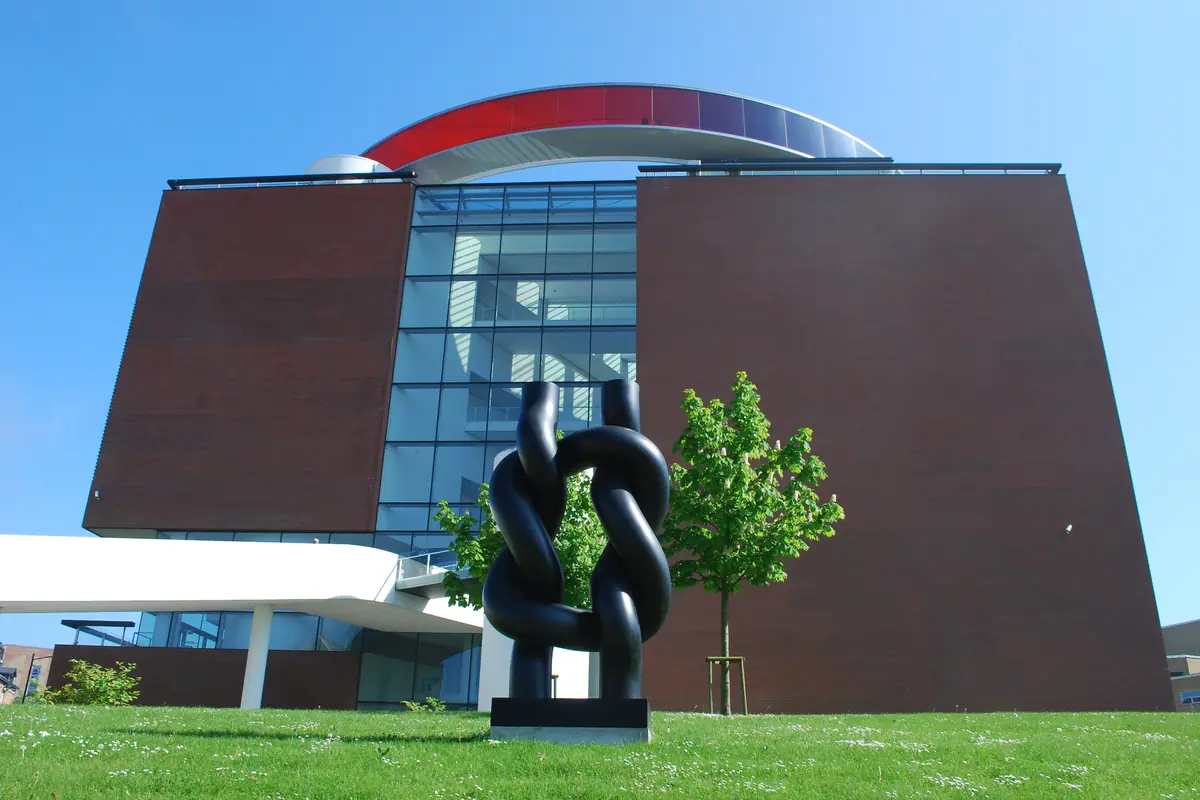
Denmark's second city is a fine reason to sleep outside the capital. In Aarhus, the ARoS art museum is topped by the circular rainbow walkway that gives the city its most photographed view, while Den Gamle By assembles a whole open-air town of timbered houses and working shops, and Moesgaard Museum's dramatic sloping roof hides extraordinary prehistoric finds, including the bog body known as Grauballe Man. Hotels cluster around the Latin Quarter's cobbled lanes and along the revitalised harbour front, where the old docklands have become swimming spots, saunas and apartment-style stays ideal for longer visits.
Jutland rewards a road trip, and the beds change character as you go. The rune stones and burial mounds at Jelling, a UNESCO site, mark the birthplace of the Danish kingdom; Ribe, the country's oldest town, pairs a Romanesque cathedral with a Viking centre where you can sail a replica boat; and the Wadden Sea National Park, also UNESCO-listed, reveals mudflats teeming with birds at low tide. Skagen, at the country's northern tip, is where two seas meet at Grenen, a sandy point you reach by tractor-drawn beach wagon, and where the light has drawn painters for generations.
Along the west coast, the squat lighthouse at Rubjerg Knude stands half-swallowed by drifting sand, a haunting afternoon trip from the windswept towns of Løkken and Hvide Sande. Flight connections through Billund make a Jutland loop practical, and small harbour hotels and converted farmhouses typically offer free parking, a real advantage once you leave the cities.
Odense, Funen and the Storybook South
Funen is the country's gentler middle, and its capital Odense is where Hans Christian Andersen was born. The museum devoted to his life and fairytales sits among the low, colourful houses of the old quarter, and the town itself is pleasant to wander on foot, with a cathedral and a river walk lined with cafés. Odense suits a night or two in a small city hotel, from which the whole island is reachable in under an hour by car or train.
Manor stays come into their own here. Egeskov Castle, rising straight out of its moat with a hedge maze and antique collections beside it, is the most theatrical of the historic houses, while the estate villages and farm shops around Faaborg and Svendborg often let rooms in converted wings. South of Svendborg lies the South Funen Archipelago, with the island of Ærø reached by ferry: Ærøskøbing's crooked lanes and thatched cottages feel like a village preserved in amber, and the island is quiet enough to justify dropping your bags for several nights.
The practical rhythm of southern Denmark is slow. Ferries to the islands take cars but fill up on summer weekends, so reserve crossings when you reserve your room, and be aware that many kitchens close by nine in the evening. In return you get breakfasts of island cheese and honey, bicycle paths that run between hedgerows, and the sense, common across Denmark, that you have arrived somewhere that is not in a hurry.
Seasons, Rates and How to Book Wisely
Late May, June and September are the sweet spots: long daylight, mild weather, and gardens at their best without the full crush of high summer. July is peak season, when prices climb and city hotels sell out, so reserve two to three months ahead for summer weekends in Copenhagen and Aarhus, and closer to four months if you want a specific harbour-view room or a small seaside inn in North Zealand. Christmas is the second peak, with market stalls in Tivoli and along Nyhavn and a run of festive weekends that book up early; if you travel then, a hotel with a courtyard or a fireplace earns its keep.
Midsummer's Eve on 23 June brings bonfires and singing along every beach and lake shore, and it is worth planning a stay near the water for it. Winter is dark, with sunset before four in December, but it is also cheap and atmospheric, and a good moment for city museums, spa hotels on the west coast, and the bargain rates that appear in January and February. Spring arrives slowly, so pack layers and a windproof jacket whatever the month.
Two final habits make Danish trips run smoothly. First, decide whether you want a car: castles, chalk cliffs and the west coast reward one, while Copenhagen and Aarhus are far easier without, since parking is limited and costly and bicycles or trains cover almost everything. Second, mention your arrival time when you reserve, particularly for inns and manor houses where reception closes early. Ask about breakfast hours, bike hire and luggage storage at the same time, and you will find that most Danish hosts answer quickly and generously.
Frequently asked questions
Are breakfast and taxes included in Danish hotel rates?
Breakfast is included at the great majority of Danish hotels and inns, from city design hotels to country kro inns, and it is usually a substantial cold buffet with rye bread, cheese, eggs and coffee. The 25 percent sales tax is normally already built into the quoted rate. A few city councils add a modest per-night tourist levy, which the hotel collects on arrival, so check your confirmation for that line.
Which Copenhagen neighbourhood is best for a first visit?
For a first trip, Indre By puts you within walking distance of Nyhavn, Strøget, Rosenborg Castle, Amalienborg and the Round Tower, which saves a lot of time. Vesterbro is the best alternative: quieter in the evenings, close to Tivoli Gardens and the central station, and full of good bakeries and bars. Choose Christianshavn if you want canals, or Østerbro for a calm, family-friendly base near the Little Mermaid and Kastellet.
When is the best time to visit Denmark?
Late May, June and September offer the best balance of long daylight, mild weather and manageable crowds. July is warmest but busiest and most expensive, especially in Copenhagen. December is magical for Christmas markets but dark, with sunset before four in the afternoon. If you want low prices and empty museums, January and February are quiet and cheap, provided you are happy with short days.
Do I need a car to see Denmark's castles and coast?
Not for the big set pieces. Kronborg Castle in Helsingør, Frederiksborg Castle in Hillerød and the Louisiana Museum of Modern Art near Humlebæk are all on the coastal railway north of Copenhagen, and Odense, Aarhus and Ribe are well served by trains. A car becomes worthwhile for the Wadden Sea, the west coast lighthouses, Møns Klint and island hopping in the South Funen Archipelago, where you also need to reserve ferry crossings in summer.
How can I keep hotel costs down in Denmark?
Travel outside July and December, when rates drop sharply. Look at hostels with private rooms, guesthouses and rooms above cafés rather than full-service hotels, and consider staying one town out from the centre where trains are frequent. Booking two to three months ahead helps for summer weekends, while last-minute city stays in winter often come cheaper. Free breakfast, included bike hire and free parking at countryside inns can make a bigger difference than the headline rate.
Sort the rest of your trip
Everything for Denmark, in one place
Transfer in Denmark
Private driver waiting on arrival — no queues, no surprises.
Book a transfer
Things to do in Denmark
Skip-the-line tickets, guided tours and standout experiences.
See experiences
Stay online in Denmark
Travel eSIM — data the moment you land, no roaming bills.
Get an eSIM