The Democratic Republic of the Congo is the wildest big country in Africa — a place where you can climb to a boiling lava lake, sit an arm's length from mountain gorillas in bamboo forest, and drift past fishing villages on a river that drains half the continent. It rewards travellers who plan carefully, travel with park rangers or trusted local operators, and accept that the roads are slow and the rewards enormous.
Virunga National Park: Africa's Oldest Reserve and Its Mountain Gorillas
Stretching along the Albertine Rift from the Virunga volcanoes to the savannah plains around Lake Edward, Virunga National Park covers roughly 7,800 square kilometres and was gazetted in 1925, making it the oldest protected area on the continent. Its southern sector, reached from the city of Goma, is the reason most visitors come: a small population of mountain gorillas living on the forested flanks of Mount Mikeno, tracked on foot from the Bukima ranger post.
A typical trek starts before dawn with a briefing and a drive over rough volcanic tracks, followed by one to three hours of walking through bamboo, nettles and old lava fields before you reach a habituated family. You then have one hour with the gorillas — silverbacks crashing through the undergrowth, infants tumbling off vines, the whole group ignoring you with magnificent indifference. Porters carry bags for a modest fee and are worth every note.
The park's northern sector around Rwindi is a different world entirely: open grassland with elephants, buffalo, Ugandan kob and lions, plus hippos massed along the shores of Lake Edward and chimpanzees in the Tongo hills. Because security in eastern Congo shifts, visits are normally arranged through the park itself and move in escorted convoys from Goma. The driest and most reliable months for tracking are June to September and December to February.
Mount Nyiragongo: Sleeping Beside a Lava Lake
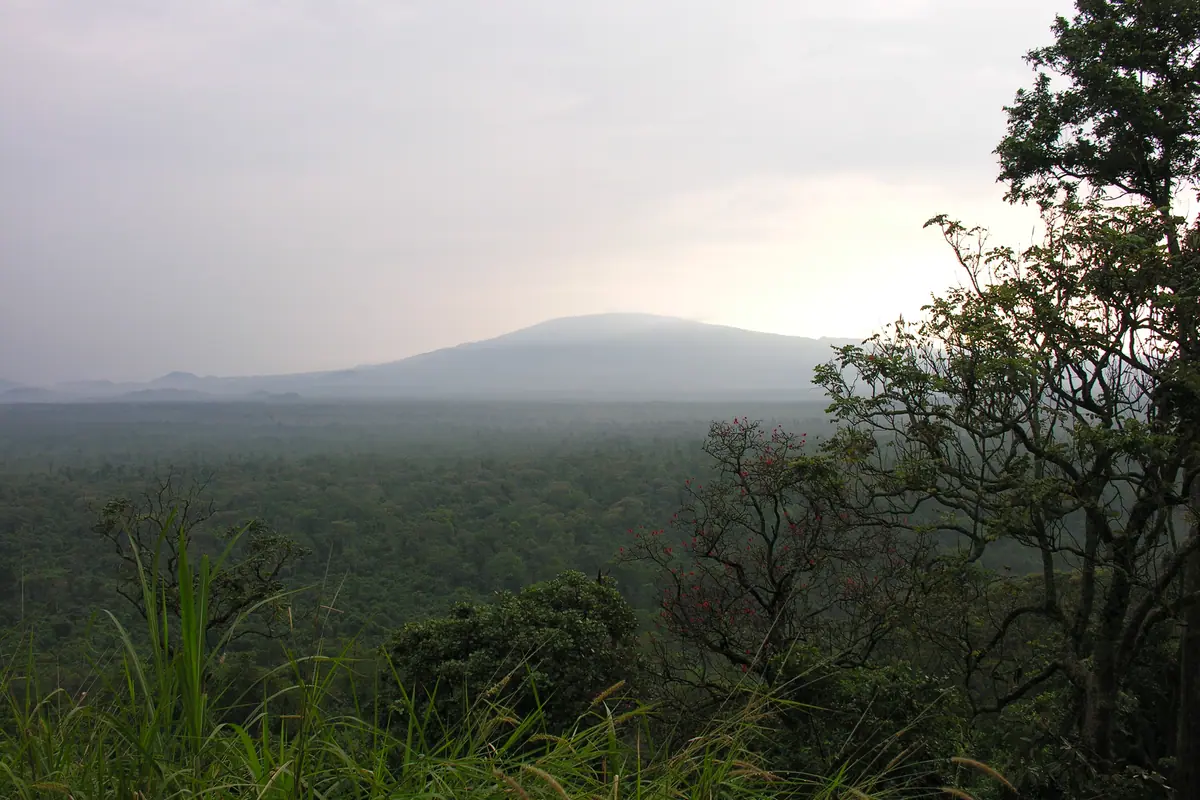
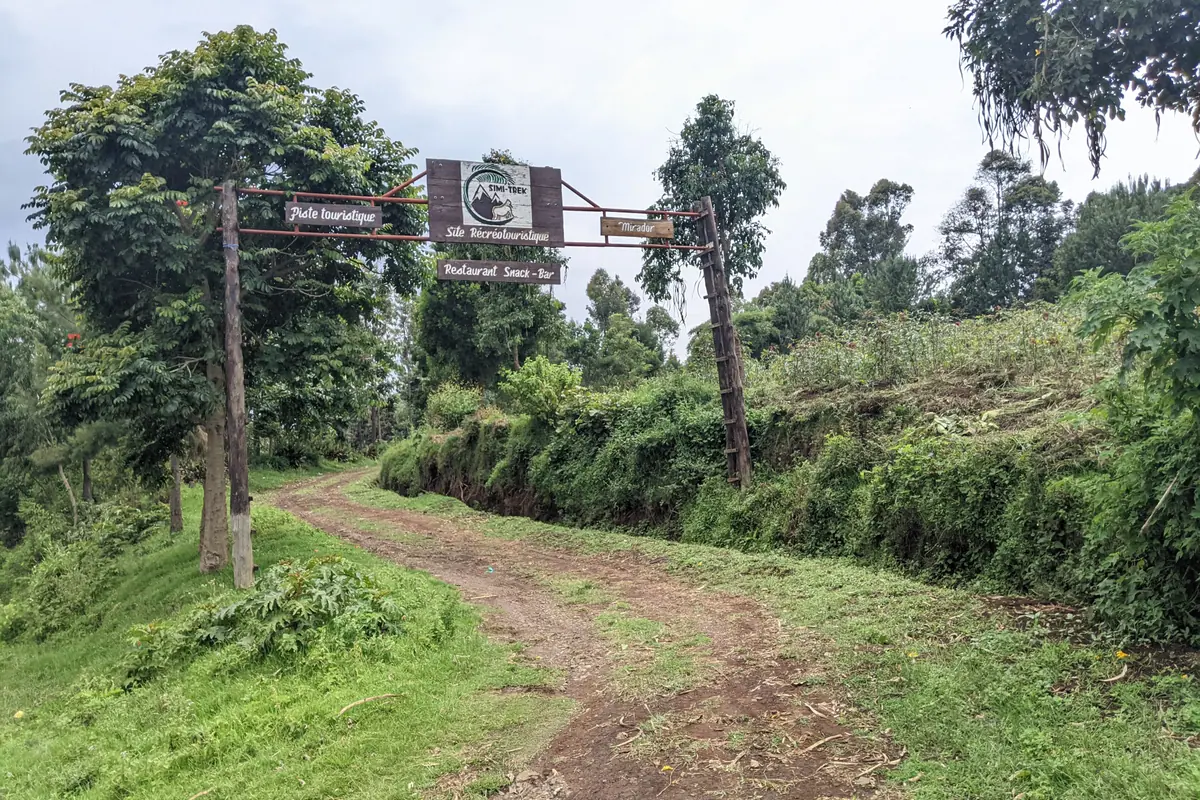
The climb up Mount Nyiragongo is one of the great short treks of Africa. It begins at the Kibati ranger post north of Goma, where you register, hire a porter and start climbing through farmland into montane forest. Most hikers reach the 3,470-metre crater rim in four to six hours, gaining altitude steadily rather than steeply, and the final stretch can be cold, windy and slick with rain.
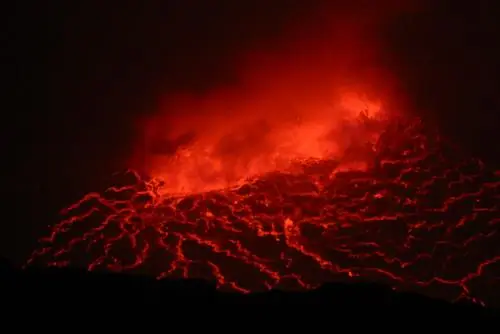
What waits at the top is unforgettable: the largest lava lake on Earth, churning and cracking in shades of orange and charcoal, loud enough to hear from your bunk. Simple A-frame shelters with mattresses sit right on the rim, and after a dinner cooked by the ranger team you fall asleep above a furnace. The descent takes three to four hours, and the volcanic rock is loose, so good boots and trekking poles help enormously.
Nyiragongo sits inside Virunga National Park, and its neighbouring volcano, Nyamuragira, is one of the most active in the world. Ascents are usually offered during the drier months when cloud cover lifts and the lake is visible; during heavy rain the rim can be completely socked in. Bring layers, a headlamp, gloves and a warm hat — the crater floor can be twenty degrees colder than Goma.
Kahuzi-Biega National Park: Lowland Gorillas Above Bukavu
West of the Virunga massif, Kahuzi-Biega protects a very different ape: the eastern lowland gorilla, sometimes called Grauer's gorilla, which is larger and darker than its mountain cousin. The park's highland sector begins about an hour's drive from Bukavu at the Tshivanga station, a World Heritage-listed forest of bamboo, Hagenia trees and mist that climbs towards two extinct volcanoes, Mount Kahuzi and Mount Biega.
Treks here are often shorter and steeper than at Virunga, and the habituated families are found in dense undergrowth where the light filters down in green shafts. Because visitor numbers are low, you may have the forest and its gorillas almost entirely to yourself — a stark contrast to the busier tracking experiences elsewhere in the region. The park also shelters chimpanzees, forest elephants and a long list of birds found nowhere else in the Congo basin.
Beyond gorillas, the two namesake peaks are hikeable over a long day, and the surrounding highlands around Bukavu offer tea plantations, Lake Kivu views and colonial-era streets tumbling downhill toward the water. June through September, when the trails are least muddy, is the most comfortable window; the forest stays green and humid year round, so waterproof layers and leech-proof socks are sensible.
Kinshasa: Rumba, Markets and the Congo River
The capital is loud, sprawling and endlessly alive, and no visit to the country should skip it. Start on Boulevard du 30 Juin, the wide artery that runs through the commercial heart of the city, then push into the Marché Central for printed fabrics, smoked fish, cassava and the particular chaos of a West African-style market at full volume. The National Museum of Kinshasa holds masks, drums and royal regalia from across the country's many cultures, and the towering Tour de l'Échangeur de Limete, a brutalist landmark on the road inland, has become the city's unlikely emblem.
Kinshasa is also the beating heart of Congolese rumba, recognised as intangible cultural heritage and still played live most nights in the Matonge quarter and along the riverside. Ask any taxi driver where the bands are playing; dancing until dawn at a nganda bar, with a bottle of beer and a plate of grilled tilapia, is more memorable than any museum. Football fans should catch the atmosphere at the Stade des Martyrs, where the national team plays in front of crowds that sing for the full ninety minutes.
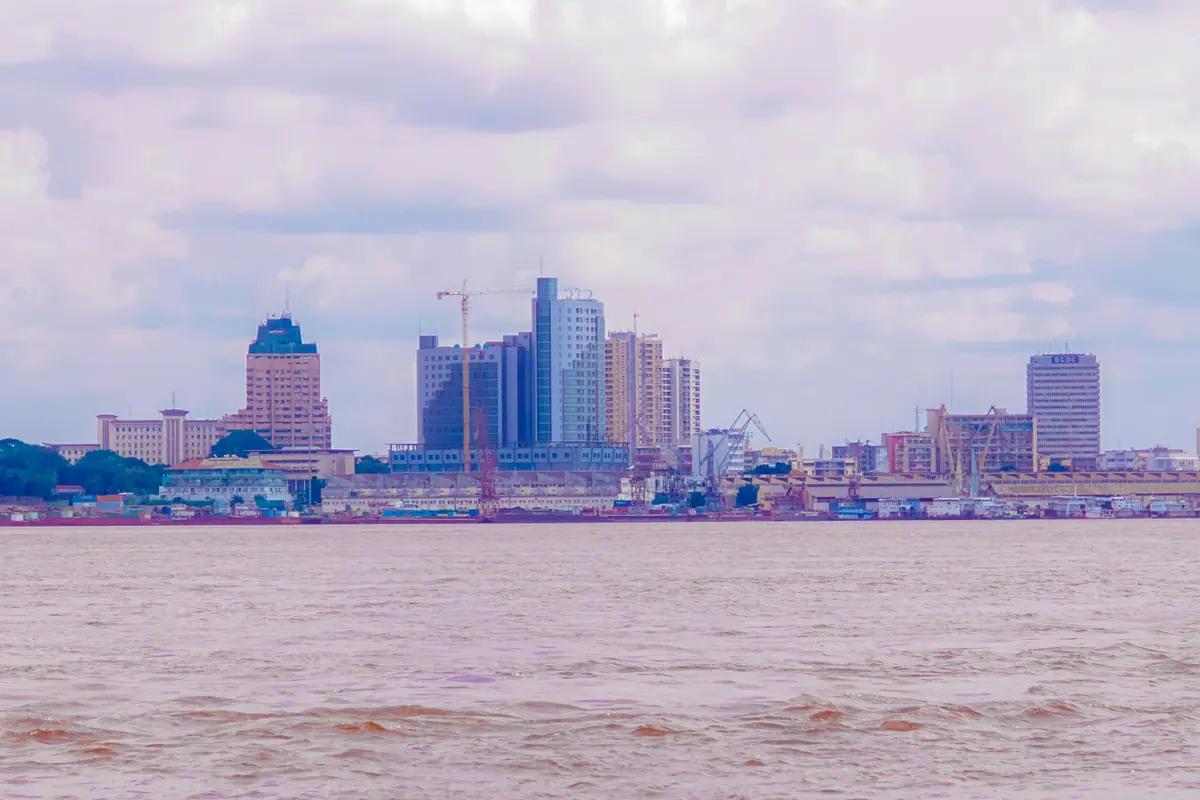
The Congo River defines the city. At Kinshasa it widens into the great Malebo Pool, and boat trips out to riverside beaches and fishing camps — Kinkole is the classic stop for fresh fish and grilled plantain — show you the waterway that gave the country its name. Further out of town, the Parc de la Vallée de la Nsele and the small crater lake at Lac de Ma Vallée make easy half-day escapes from the traffic.
Okapi, Bonobos and the Great Forest Reserves
The Ituri Forest, a vast wedge of rainforest in the country's northeast, shelters the okapi — a striped, giraffe-relative that lives nowhere else on Earth. The Okapi Wildlife Reserve around the village of Epulu is the place to look for one, with a research and breeding station, forest walks led by Mbuti trackers, and a genuine chance of seeing forest elephants, duikers and thirteen species of primate. Getting there is an expedition in itself, usually via road from Kisangani or Uganda, and the reserve is best visited in the drier months from December to February and June to August.
Far to the west, Salonga National Park is one of the largest protected rainforests in the world and protects bonobos, forest elephants and the Congo peafowl. There are almost no roads; access is by river barge and chartered aircraft, and visits are arranged with the park authority weeks in advance. Closer to the capital, the Lola ya Bonobo sanctuary outside Kinshasa rescues orphaned bonobos and offers a gentler introduction to a species found only in the DRC.
The youngest addition to the map is Lomami National Park in the centre of the country, created in 2016 to protect a population of bonobos living south of the Lomami River, along with okapi, forest elephants and the lesula monkey. It is raw, remote and barely visited — the kind of place for travellers who have already ticked off the classic circuits and want a genuinely frontier experience.
Waterfalls, Lakes and the Wild South
In Kongo Central, a few hours' drive south of Kinshasa, the Zongo Falls drop roughly sixty-five metres into a forested gorge on the Inkisi River. The site is easy to reach by car, has simple riverside lodges, and is at its most powerful at the end of the rainy season, when the spray can be seen from the car park. It makes a good overnight break if you are travelling between the capital and the port city of Matadi, where the Congo River finally becomes navigable to the sea.
Down in the far south, Kundelungu National Park protects the Lofoi Falls, a thundering curtain of water that plunges around 340 metres off the Kundelungu plateau — one of the highest falls in Central Africa and a serious spectacle in the wet months from December to April. Nearby Upemba National Park spreads around Lake Upemba and the Kamalondo depression, a labyrinth of channels and reed islands that is superb for birds and canoe trips, and the city of Lubumbashi offers museums, markets and a comfortable base for exploring Katanga.
Two other water landmarks round out the country. At Kisangani, the Lualaba River breaks into the seven cataracts of Boyoma Falls, where Wagenia fishermen still balance on wooden scaffolding above the rapids with basket traps — a sight that has barely changed in a century. And on the eastern border, Lake Kivu's Congolese shore runs from Goma to Bukavu, dotted with fishing villages and the huge, green, coffee-growing island of Idjwi, one of the largest inland islands in Africa and a perfect place to slow down at the end of a trip.
Frequently asked questions
When is the best time of year to visit the Democratic Republic of the Congo?
The dry seasons — roughly June to September and December to February — are best for gorilla trekking, climbing Mount Nyiragongo and travelling on unpaved roads, because trails are firmer and skies clearer. The rains from March to May and October to November turn forest tracks to mud but make the Zongo and Lofoi waterfalls far more dramatic.
Do I need a visa to enter the DRC?
Most visitors need a visa arranged in advance, although an online pre-approval system has made the process easier in recent years. A yellow fever vaccination certificate is required on arrival, and immigration officials may ask for proof of onward travel and accommodation. Rules change, so confirm current requirements with the nearest Congolese embassy before booking flights.
How do you get to the DRC and around the country?
Almost everyone flies into Kinshasa's international airport, with connections via Addis Ababa, Nairobi, Kigali, Casablanca or Brussels. From Kinshasa, domestic flights reach Goma, Bukavu, Lubumbashi, Kisangani and other regional centres. Overland travel is slow, river barges on the Congo can take weeks, and for Virunga most visitors join park-organised transport from Goma.
Is it safe to travel in the DRC?
Some regions, particularly parts of North and South Kivu and the northeast, experience armed conflict and should only be visited with established park operators or trusted local guides who monitor conditions daily. Kinshasa, Lubumbashi, Kongo Central and the Kahuzi-Biega and Virunga areas can be visited with sensible precautions: avoid travelling after dark, keep valuables concealed, and check your own government's travel advice shortly before departure.
How far in advance should I book gorilla trekking?
Permits for both mountain gorillas in Virunga and eastern lowland gorillas in Kahuzi-Biega are limited and among the most expensive in Africa, so plan three to six months ahead, more for the peak dry-season months of July, August and December. Treks usually start early in the morning and involve one to four hours of walking at altitude, so a reasonable level of fitness helps.
Plan it — experiences in Democratic Republic of the Congo
Live search, booked directly with trusted providers.
Sort the rest of your trip
Everything for Democratic Republic of the Congo, in one place
Stay in Democratic Republic of the Congo
Hotels, guesthouses and apartments — compared in one search.
Search hotels
Transfer in Democratic Republic of the Congo
Private driver waiting on arrival — no queues, no surprises.
Book a transfer
Stay online in Democratic Republic of the Congo
Travel eSIM — data the moment you land, no roaming bills.
Get an eSIM