The Democratic Republic of the Congo is not a country you stumble into — it is one you plan for, and the hotel you choose shapes the whole trip. From riverfront towers above the Pool Malebo in Kinshasa to lakeside lodges on Lake Kivu and tented camps beneath the Virunga volcanoes, where you sleep decides how much of this vast, astonishing country you actually reach.
Where to Stay in Kinshasa: The Capital's Hotel Landscape
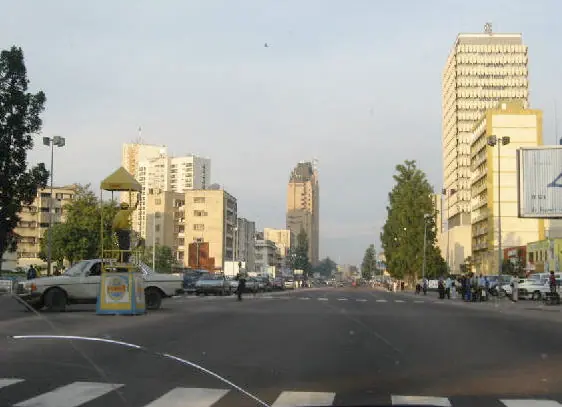
Kinshasa sprawls along the south bank of the Congo River, and almost every comfortable hotel clusters in Gombe, the old business district of embassies, banks and ministries strung along Boulevard du 30 Juin. Staying here puts you within reach of the National Museum, the central market and a string of riverside restaurants. Alternatives worth knowing: Ngaliema to the west, where leafy hillside guesthouses look down over the river; Limete with its mid-range business hotels; and Kalamu or Lingwala for cheaper rooms near the Stade des Martyrs, though you will trade quiet and convenience for price.
Expect to pay first-world rates for moderate comfort. The city's international-standard hotels come with reliable air-conditioning, backup generators, water tanks, gated parking and full breakfasts; smaller guesthouses often lose power for hours at a time and offer patchy Wi-Fi. Rooms fill quickly from June to September and again around December, when mining, diplomatic and aid traffic peaks, so book well ahead and confirm your reservation in writing. Always ask about the airport transfer: N'djili airport sits roughly 25 kilometres from Gombe and the drive can swallow an hour or more in Kinshasa's notorious traffic.
Bring US dollars in clean, unmarked notes — cards work only at the top hotels and almost nowhere else, while guesthouses want cash. Generators mean some noise, so request a room away from the plant if you are a light sleeper. Hotel restaurants are usually the safest bet for dinner, and it is worth having your hotel arrange a car and driver for evening outings. For stays of a week or more, weekly rates are often negotiable.
Must-See Kinshasa: Sights Within Reach of Your Hotel
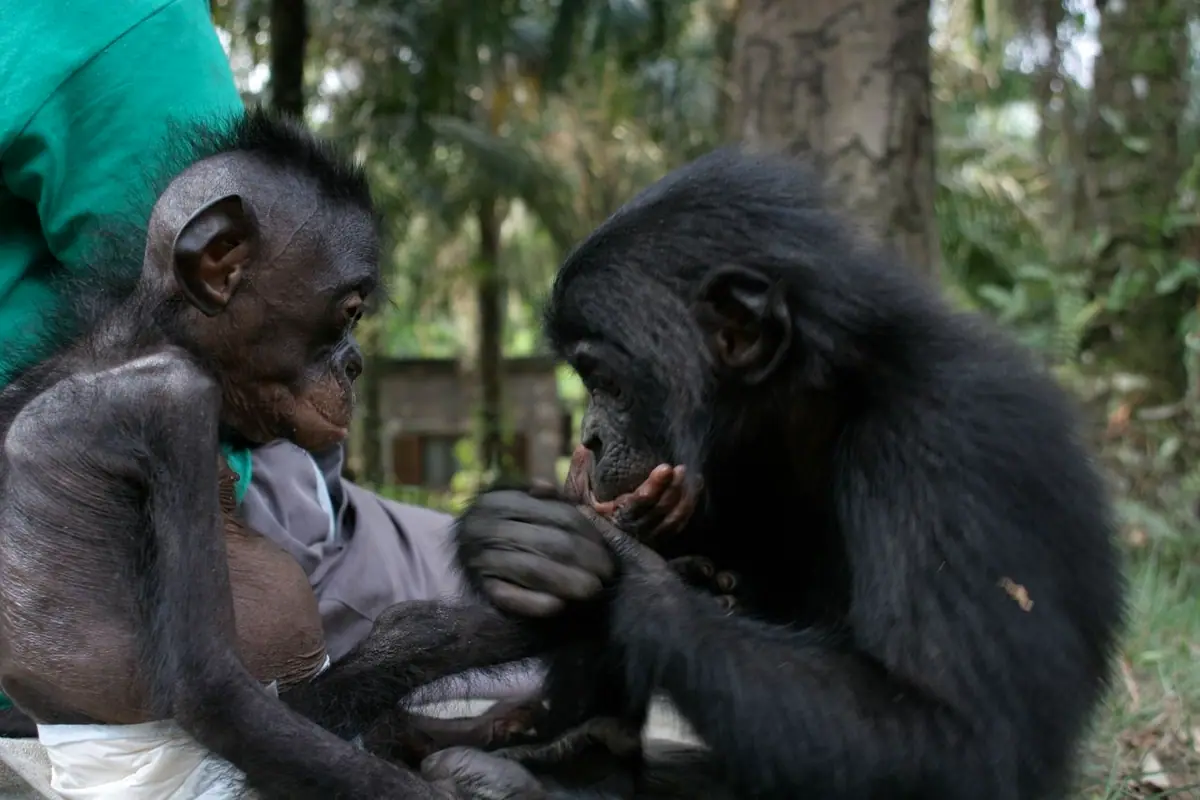
The single most memorable stop near the capital is Lola ya Bonobo, a sanctuary set among the Lukaya waterfalls on the southwestern edge of the city, where rescued bonobos live in forested enclosures. Guided visits run through the morning and need to be arranged in advance. Closer in, the National Museum of the DRC displays masks, drums, stringed instruments and contemporary painting in a sleek modern building — an easy hour or two, and a good primer before you head into the interior.
In the city itself, the Marché Central is a sensory overload of wax-print fabric, smoked fish, copperware and hand-carved xylophones, best visited early with a guide and a firm grip on your bag. The Stade des Martyrs is a landmark of modern Congolese history, the Jardin Botanique offers shade and old specimen trees, and Kinkole, east of town where the N'Djili river meets the Pool Malebo, is the place for grilled tilapia eaten at plastic tables by the water. Boat trips to Ile Mbamou make a lazy half-day, while the Kinsuka rapids, where the great river narrows over rocks, are a favourite spot for sundowners.
If you have a spare day, Zongo Falls, about 130 kilometres south near Mbanza-Ngungu, plunges roughly 65 metres into a green gorge and is one of the country's easiest big-nature excursions. It works as a very long day trip, but an overnight nearby turns it into something genuinely restful. Lac Ma Vallée, closer to the city, is a quiet alternative for an unhurried afternoon.
Goma, Bukavu and the Great Lakes: Lakeside Lodges of the East
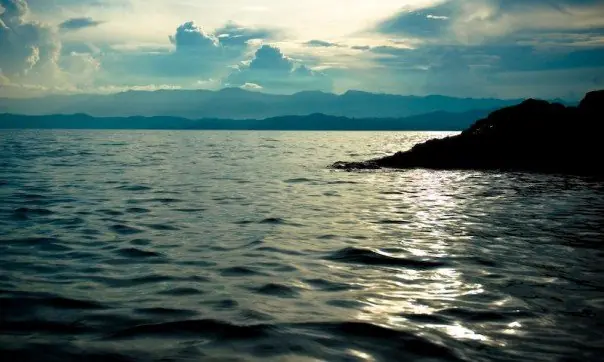
Goma sits on black volcanic rock at the northern tip of Lake Kivu, with the cones of Nyiragongo and Nyamuragira rising behind it. Hotels range from lakeshore properties with gardens and views across the water towards Rwanda to plain, functional guesthouses used by traders and aid workers. The streets themselves are built of lava stone, and the shoreline has beach bars where grilled sambaza — tiny silver fish — arrive hot and salty with cold drinks.
South of Goma, Tchegera Island is a collapsed caldera in Lake Kivu reached by boat, and its tented camp is one of the most peaceful places to sleep in the country. The water is calm, the birdlife is constant and evenings are silent apart from the lake. Further south again, Bukavu climbs the hills at the lake's southern end, its colonial-era avenues looking out towards Idjwi Island. Accommodation here mixes older lakeside establishments with newer guesthouses and simple mission lodges, and the town makes the natural base for anyone heading to the forests to the west.
Practical notes for the east: power and water can be erratic, so check that your hotel has a generator and a tank; ask for a room on an upper floor if mosquitoes bother you; and confirm current conditions before you travel, because access to this region shifts with the security situation.
Wildlife Country: Virunga, Kahuzi-Biega and the Safari Lodges
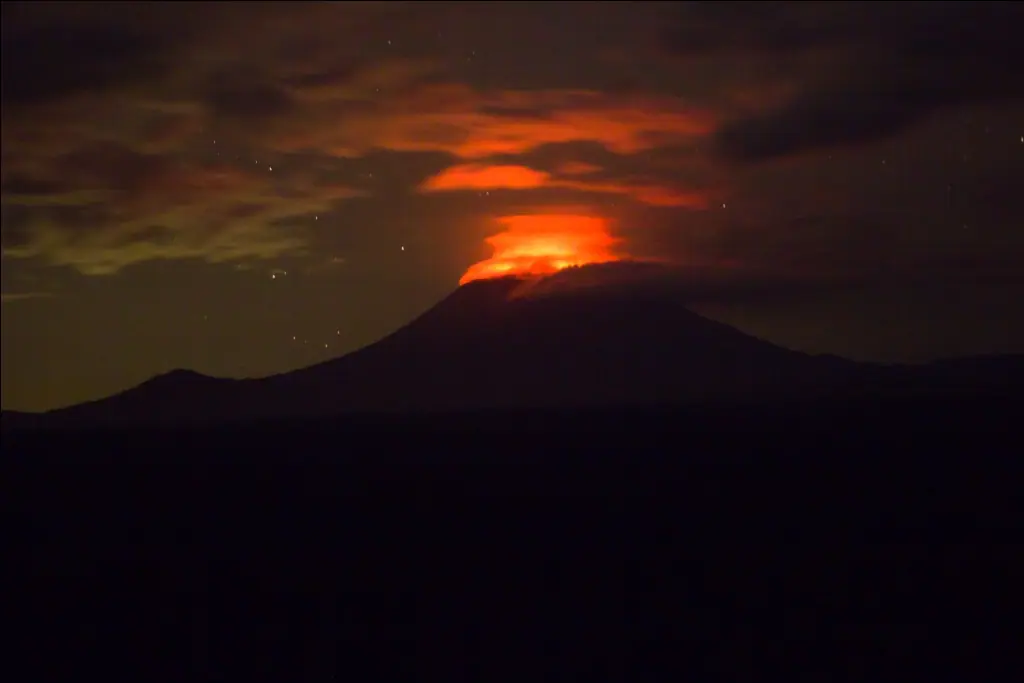
Virunga National Park is Africa's oldest, a chain of volcanoes, savannah and glacier-topped mountains running down to the Semliki valley. Its southern sector around Mount Mikeno shelters mountain gorillas, and the Senkwekwe orphanage near Rumangabo cares for rescued individuals. Lodging is limited to park-run camps and a handful of lodges, most people basing themselves in Goma and travelling in with an operator. Trekking and access have been suspended for long stretches because of armed conflict in the region, so this is one to verify carefully and book through a reputable local company rather than improvising.
West of Bukavu, Kahuzi-Biega National Park takes its name from two extinct volcanoes and is the classic place to track eastern lowland gorillas, alongside chimpanzees, owl-faced monkeys and forest elephants. Treks run several hours through bamboo and montane forest and can be physically demanding at altitude; permits are arranged in advance through operators in Bukavu, and the drier months from June to September give the firmest footing and the clearest views.
Far off the usual route, the Okapi Wildlife Reserve at Epulu in the Ituri forest protects the okapi and is reached by rough road or light aircraft. Salonga, the Congo basin's largest rainforest park, is a true expedition rather than a holiday, usually approached by river or plane via Mbandaka. Garamba in the northeast and Upemba in the south both hold extraordinary wildlife but open and close according to local security. In the far southeast, Kundelungu National Park near Lubumbashi is home to the Lofoi Falls, a spectacular single drop that makes a memorable overnight trip.
Lubumbashi, Kisangani and the Upcountry Route
Lubumbashi, the copper capital of the far south, has the country's second-best hotel stock: business hotels with pools, conference rooms and dependable generators, plus cheaper guesthouses around the centre. It is a comfortable base for the National Museum of Lubumbashi with its ethnographic collections, the city zoo, and excursions to Kundelungu National Park and to Upemba National Park, a mosaic of lakes and wetlands rich in antelope and birdlife.
Kisangani lies deep in the rainforest where the Congo River bends, and its great sight is Boyoma Falls, the last cataracts on the Lualaba. Here Wagenia fishermen still balance on wooden scaffolds above the churning rapids, a spectacle unchanged in essence for generations. Hotels are modest — older riverside places and guesthouses used by traders and aid staff — so come for the river, not the pillow. Flights from Kinshasa take a couple of hours; the barge downriver takes weeks.
Two more upcountry options reward the effort. Kalemie on Lake Tanganyika has simple lodges and a languid lakeside atmosphere, while Mbandaka on the Congo River offers steamy river-town life and the launch point for Salonga expeditions. In all of these, book through a local operator who can confirm that rooms, fuel and transport are actually available.
Practicalities: Seasons, Visas, Money and Getting Around
The country straddles the equator, so seasons are local. Kinshasa is driest from June to September, with a short dry spell in January and February and heavy rain in March, April, October and November. The eastern highlands around Goma and Bukavu are wetter and cooler, with June to September and January to February the best windows for gorilla trekking and volcano views. Expect heat and humidity in the capital and mild, sometimes chilly nights in the hills.
Nearly all visitors need a visa arranged before arrival, either online or through an embassy, and a yellow fever vaccination certificate is checked on entry. Bring US dollars in crisp, untorn notes; cards are accepted at top hotels in Kinshasa and Lubumbashi and almost nowhere else. ATMs are unreliable, so carry enough cash for your whole stay, keep small denominations for tips and market purchases, and use Congolese francs for everyday transactions.
Domestic flights link Kinshasa with Lubumbashi, Goma, Bukavu, Kisangani and other towns; road travel outside the cities is slow and often rough, and river journeys are measured in weeks. Security varies sharply by province — parts of the east have active armed conflict, and park access can be suspended at short notice — so travel with established local operators, check your government's current advice, avoid night driving and keep copies of your documents. Allow five to seven days for Kinshasa plus one region, or ten to fourteen days to combine the capital with the lakes and the volcanoes.
Frequently asked questions
Are there international-standard hotels in the Democratic Republic of the Congo?
Yes, but they are concentrated in Kinshasa and Lubumbashi, where you will find large business hotels with air-conditioning, generators, pools and restaurants. Goma and Bukavu have a smaller selection of comfortable lakeside properties, while elsewhere you will rely on guesthouses, mission lodges and simple riverside hotels. Book well ahead, especially from June to September.
What is the best time of year to visit the DRC?
The dry seasons are the easiest. Kinshasa is driest from June to September, with a shorter dry spell in January and February. For gorilla trekking in Kahuzi-Biega and clear views of the Virunga volcanoes, aim for June to September or January to February. March, April, October and November bring the heaviest rain.
How do I travel between cities in the DRC?
Domestic flights are the practical option, connecting Kinshasa with Lubumbashi, Goma, Bukavu, Kisangani and other towns in one to three hours. Roads outside the cities are slow and often unpaved, and river barges can take weeks. Build in buffer days, because schedules change.
What money should I bring and will my card work?
Bring US dollars in clean, unmarked notes, plus some small denominations for tips. Credit cards are accepted at top hotels in Kinshasa and Lubumbashi and almost nowhere else, and ATMs are unreliable. Congolese francs are useful for markets, taxis and small purchases.
Is it safe to visit eastern DRC and the national parks?
Conditions vary widely and can change quickly. Parts of the eastern provinces experience armed conflict, and gorilla trekking or volcano hikes may be suspended at short notice. Travel with an established local operator, check your government's current travel advice before booking, avoid travelling after dark, and consider insurance that includes medical evacuation.
Plan it — hotels in Democratic Republic of the Congo
Live search, booked directly with trusted providers.
Sort the rest of your trip
Everything for Democratic Republic of the Congo, in one place
Transfer in Democratic Republic of the Congo
Private driver waiting on arrival — no queues, no surprises.
Book a transfer
Things to do in Democratic Republic of the Congo
Skip-the-line tickets, guided tours and standout experiences.
See experiences
Stay online in Democratic Republic of the Congo
Travel eSIM — data the moment you land, no roaming bills.
Get an eSIM