Cameroon packs an entire continent into one country: a snow-dusted volcano above the Atlantic, black-sand beaches where waterfalls drop straight into the sea, Grassfields kingdoms still ruled by their fons, and a Sahel north where giraffes drift past acacia. It rewards travellers who accept slow roads and long drives with landscapes and cultures you will not find anywhere else in West or Central Africa.
Climb Mount Cameroon, the Chariot of the Gods
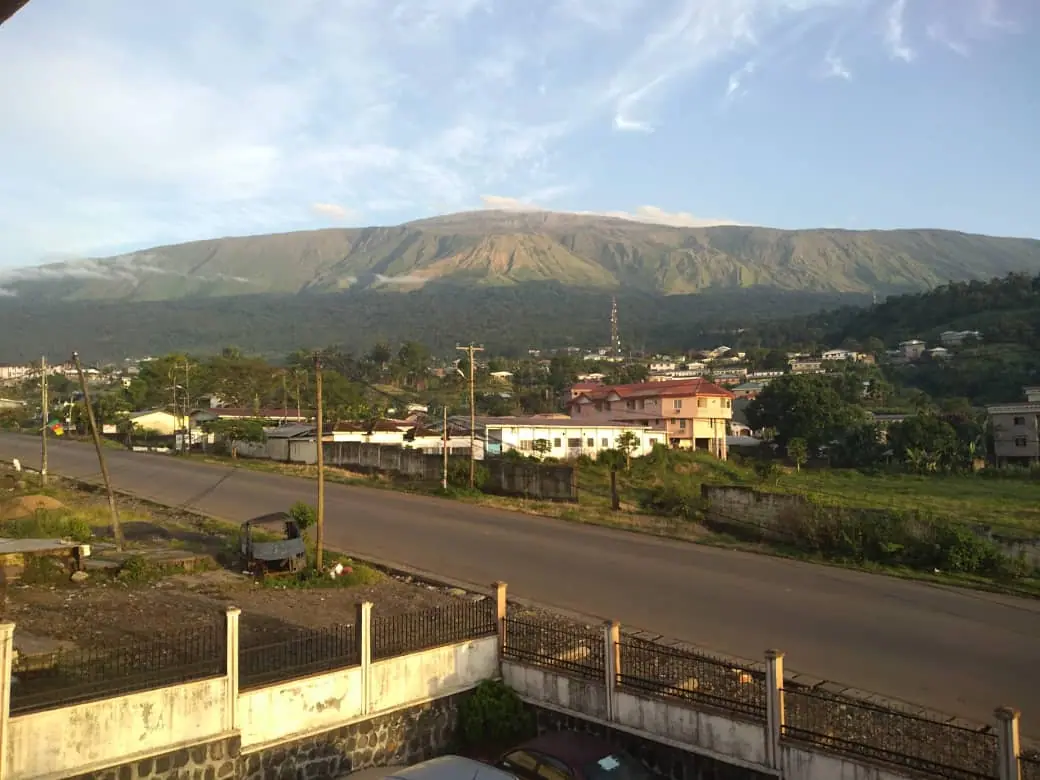
Rising 4,095 metres almost straight out of the coastal plain behind Buea, Mount Cameroon — Fako to the people who farm its lower slopes — is the highest peak in West Africa and one of the most restless volcanoes on the continent, with eruptions recorded in recent decades and a summit that still smells of sulphur in places. It is not a technical climb, but it is a genuinely tough one: you cross farmland, montane rainforest, open lava fields and finally a steep rake of volcanic cinders that gives way under every step.
Most climbers start at Molyko on the edge of Buea and follow the classic forest trail to Mann's Spring, the first hut, then up across old lava flows to the second and third huts before a pre-dawn push for the crater rim and the highest point. Three days up and down is comfortable; very fit hikers manage it in two. You are required to take a registered local guide and porters, and you should: cloud can swallow the mountain in minutes and navigation above the treeline is serious. December to March offers the clearest conditions, though the mountain's biggest moment comes in February, when the Mount Cameroon Race of Hope sends runners sprinting to the summit and back while the whole of Buea turns out to cheer.
Give yourself a day on either side in Buea, a cool hill town of colonial-era buildings and tea plantations spreading toward Tole, and pack for real cold at altitude — nights near the top hover close to freezing while the coast below is sticky and tropical.
The Atlantic Coast: Limbe, Kribi and Waterfalls Into the Sea
Limbe, tucked under the volcano's shoulder, is where Cameroonians go for the weekend. Its beaches are volcanic black sand, its air smells of smoked fish, and two institutions make it worth more than a beach stop: the Limbe Botanic Garden, laid out in the 1890s and still a shady labyrinth of palms, spice trees and century-old specimens, and the Limbe Wildlife Centre, which cares for rescued chimpanzees, drills, gorillas and grey parrots in large forested enclosures. Nearby, the overgrown ruins of the Bimbia slave trade site mark one of the coast's most sobering places of memory, reachable with a local guide and a short boat or forest walk.
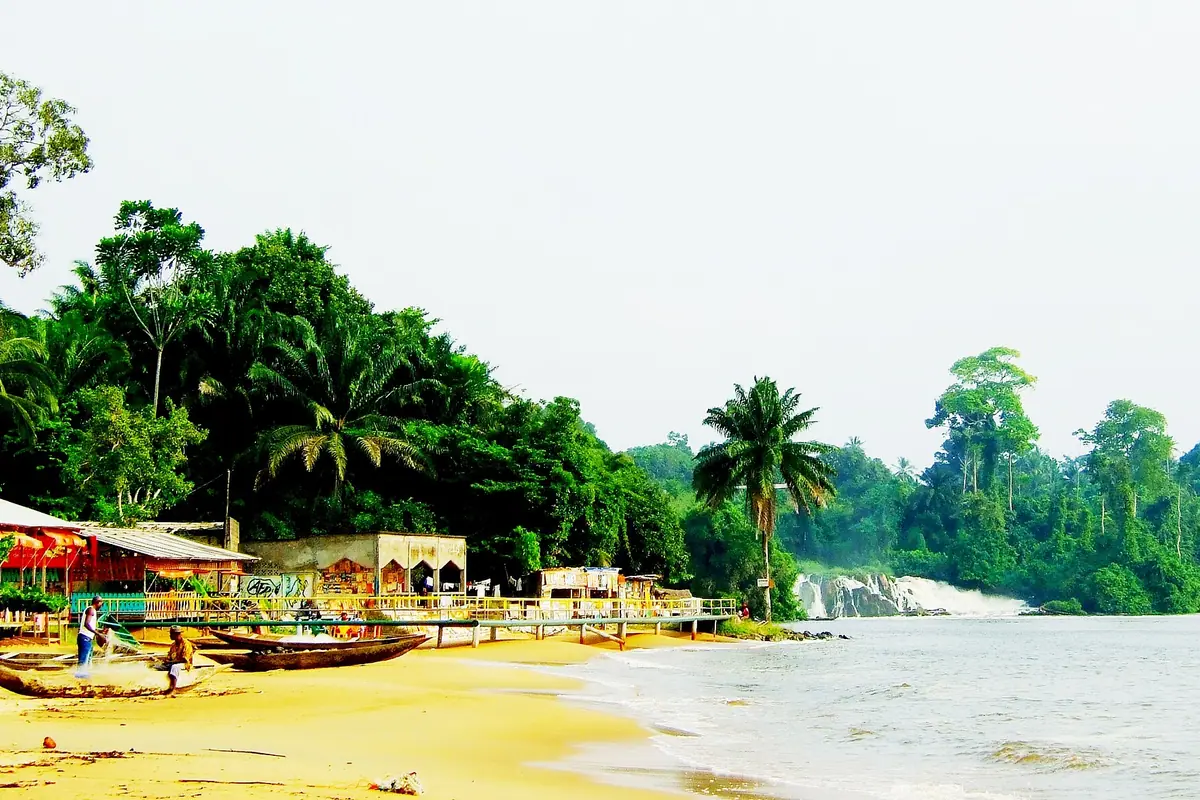
South along the coast, Kribi is Cameroon's most relaxed seaside town, and its signature sight is the Chutes de la Lobé, where a river spills directly into the Atlantic in a series of wide, thundering cascades — one of the very few waterfalls in the world that empties straight into the ocean. You reach it by pirogue or a short walk along the sand, and you can swim in the calmer pools while surf breaks metres away. Around Kribi, the beaches at Grand Batanga and Nlomé stretch on for kilometres, dolphins and occasionally humpback whales pass offshore, and the grilled prawns and whole fish served at wooden tables on the sand are the best meal you will eat in the country.
Inland from here, Campo Ma'an National Park protects a huge block of coastal rainforest where forest elephants, gorillas and chimpanzees still move between the trees and the shore — a genuinely wild, lightly visited corner that needs a 4x4, a permit and a good local guide to do properly.
Grassfields Kingdoms: Bafut, Bamenda and Foumban
The highlands of the west and northwest are Cameroon at its most distinctive: cool, green, densely farmed country of hedged fields and round thatched houses, organised around traditional chiefdoms that have endured for centuries. At Bafut, just outside Bamenda, the palace of the fon is a vast, beautifully maintained compound of courtyards, shrines, drum houses and steeply pitched roofs, with a sacred forest alongside it — one of the finest surviving examples of Grassfields royal architecture and a site of real cultural weight. Visitors are usually received by a guide from the palace and should dress respectfully and ask before photographing anything.
Bamenda itself is the gateway to the highlands and the start of the Ring Road, a famously rough loop of villages, crater lakes and craft workshops. Look for Ndop cloth, carved stools, beaded calabashes and brasswork; the highland forests around Lake Oku and the Kilum-Ijim area shelter rare birds and monkeys, and walking here is as much about farms, markets and everyday village life as it is about wildlife.
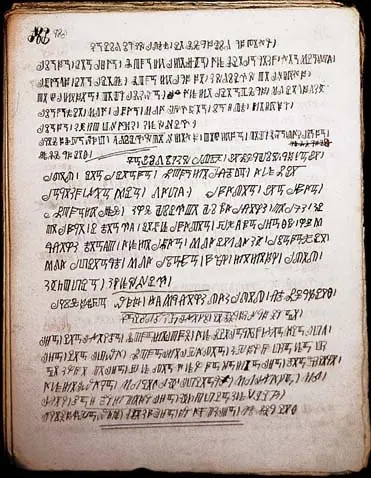
Foumban, further east in the Bamoun heartland, is the intellectual and artistic capital of the region. Its sultan's palace, rebuilt in the early twentieth century under a ruler who also invented a script for the Bamoun language, houses a remarkable museum of royal thrones, beaded masks, ceremonial pipes and the celebrated double-headed serpent emblem. Around town, bronze casters and embroiderers still work in the old traditions. Be aware that the Northwest and Southwest regions have experienced serious civil unrest since 2016; check current government travel advice and local conditions before planning travel to Bamenda, Bafut or Buea.
Northern Cameroon: Waza, Rhumsiki and the Mandara Mountains
Cameroon's far north feels like another country: dusty, hot and wide open, scattered with acacia, granite inselbergs and Sahelian villages. Waza National Park is the headline, a vast floodplain of savannah and seasonal wetlands where elephants, giraffes, lions, roan antelope, ostriches and hundreds of bird species gather as the water dries back. The park is at its best from February to April, when animals concentrate around the remaining pools — you will need a 4x4 and a park guide, and expect early starts, dust and long, quiet game drives rather than the dense sightings of busier African parks.
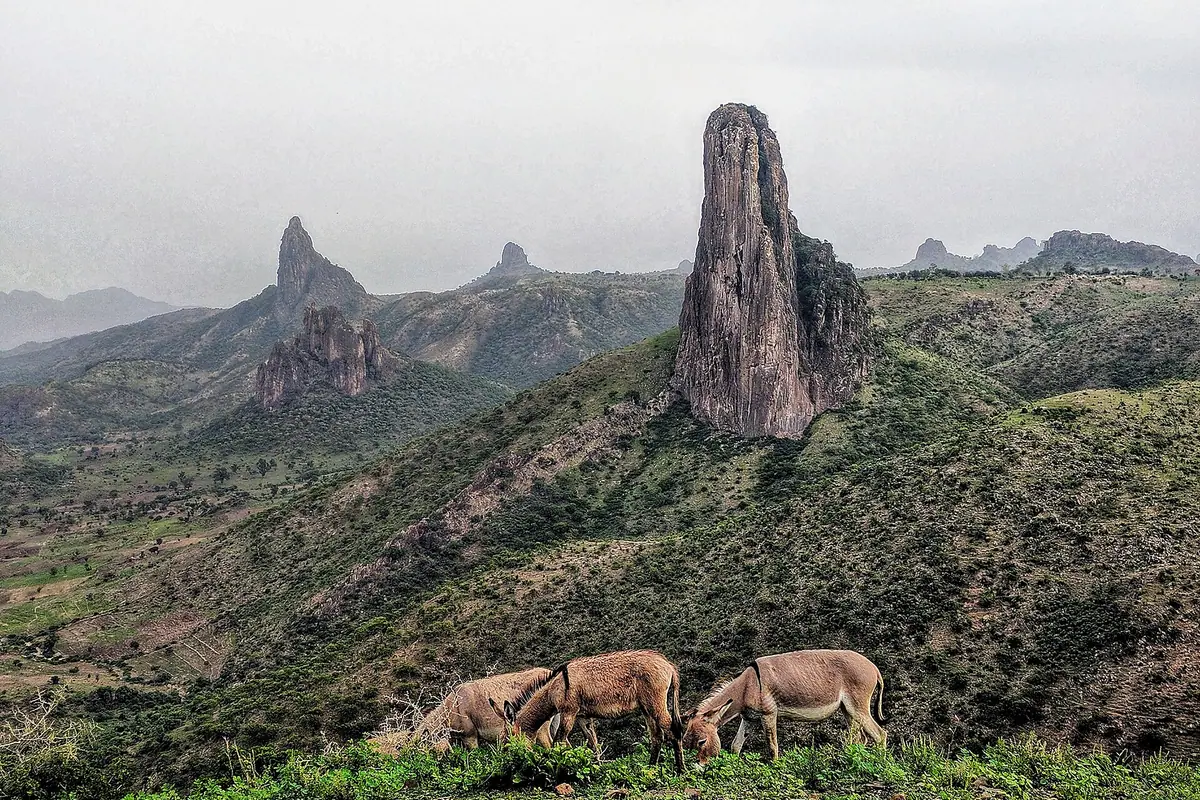
West of Waza, the Mandara Mountains rise in a jumble of volcanic plugs and terraced hillsides. Rhumsiki is the classic base: a village of stone-walled compounds looking out at the Kapsiki peaks, including the jagged formation everyone calls the Sphinx. Local Kapsiki and Mafa guides lead walks between granaries and terraced fields, and the village's crab sorcerer — who reads a visitor's future from the movements of a crab in a pot — is one of the north's most famous encounters, part theatre, part genuine tradition.
Maroua, the regional capital, is worth a day for its Grand Marché's leatherwork, indigo cloth and Sahelian crafts, and for the drive out to Mount Tinguelin and the strangely weathered rocks around it. Further north and east lie the Logone floodplain and the Cameroonian shore of Lake Chad, a world of reed islands and Kotoko fishing villages that is best visited with trusted local operators — and only when regional security allows. November to March is the comfortable window; by April the heat is brutal and the harmattan haze lifts.
Into the Rainforest: Dja, Korup and the Sangha
The south and southeast of Cameroon hold some of the richest and least-visited rainforest in Africa. The Dja Faunal Reserve, a protected block of around 5,000 square kilometres almost completely encircled by the Dja River, is recognised internationally for its outstanding biodiversity and is home to gorillas, chimpanzees, forest elephants and bongos. Access is difficult, roads are rough and you travel with local guides and permits arranged in advance, but the reward is primary forest with no one else in it.
Far to the west, Korup National Park near Mundemba is a lowland forest of extraordinary age and botanical richness, with towering trees, forest elephants, drills and chimpanzees, and trails that require a guide, long walks and a tolerance for mud and rain. This is one of the wettest parts of Africa, so plan for the slightly drier stretch between December and February and pack properly for water. Near Kumba, the crater lake of Barombi Mbo offers a gentler rainforest experience, with endemic fish, forested rim walks and views over the water.
In the deep southeast, toward the Sangha river system, community-run forest excursions and river trips offer some of the best chances of seeing gorillas and forest elephants in genuinely wild country, alongside Baka communities whose knowledge of the forest is unmatched. Everything here is slow, dusty and logistically demanding — build in extra days, travel by day, and treat the journey as the point rather than an obstacle.
Yaoundé, Douala and the Rhythm of City Life
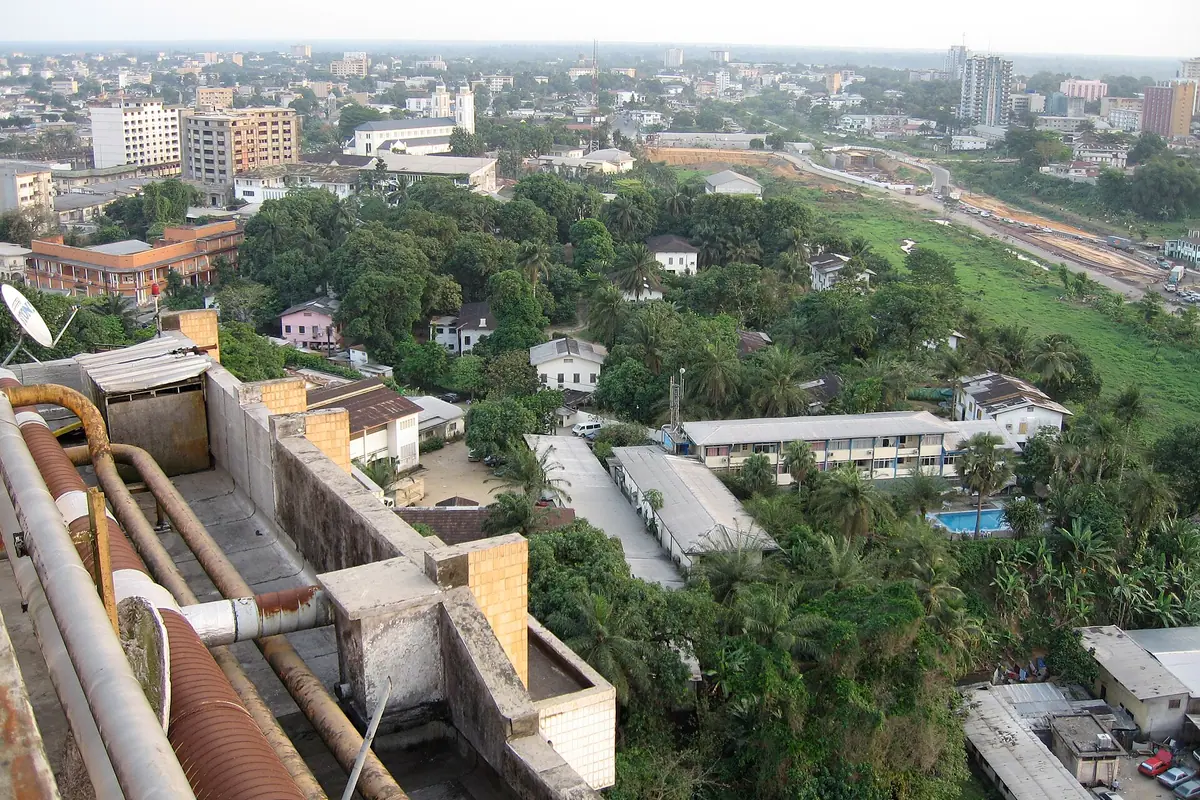
Cameroon's two big cities are very different and both worth time. Yaoundé, the capital, spills across seven hills ringed by green: the Basilica of Mary Queen of the Apostles at Mvolyé is the country's most important Catholic landmark, the National Museum of Cameroon occupies a former presidential palace and does a good job of explaining the country's many kingdoms, and the terraced Bois Sainte-Anastasie is a cool, leafy place to walk at the end of the day. Add the colour and chaos of Marché Central and Mokolo market, and the view from the hills of Mont Fébé, and you have a solid day or two between road trips.
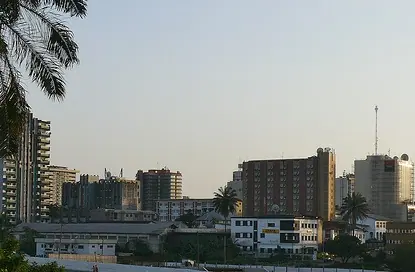
Douala is louder, hotter and more musical, the country's economic engine and the birthplace of makossa. Start in Bonanjo, the old administrative quarter, where the maritime museum, colonial-era buildings and the palace of the kings of Douala sit close together, then head to Akwa and the Marché des Fleurs for fabric, food and noise. The Wouri estuary, the long bridge and the beaches at Japoma and Yassa are good for an afternoon, and the seafood restaurants of Bonapriso and Bonamoussadi fill up late with grilled fish, ndolé, poulet DG, miondo and cold beer.
Getting around Cameroon is part of the experience: shared bush taxis and motorbike taxis cover short hops, long-distance buses link the main cities, and domestic flights save days between Douala, Yaoundé and the north. Distances that look short on a map can take a full day, so plan generous buffers, carry cash in Central African CFA francs, and never try to cover ground after dark.
Frequently asked questions
When is the best time of year to visit Cameroon?
The dry season from November to March suits most of the country. That window is best for Waza National Park and the Sahelian north, for climbing Mount Cameroon, and for the southern beaches, which are driest between November and February. The far north becomes punishingly hot by April, while the coastal and forest regions see heavy rain from roughly March to October, with the wettest months along the coast between June and September.
How much time do I need to see Cameroon's highlights?
Ten days is the realistic minimum for one region done properly — for example Mount Cameroon, Limbe and Kribi, or a northern loop covering Maroua, Rhumsiki and Waza. Two weeks lets you add the Grassfields around Bamenda and Foumban. To cross from the far north to the southern rainforests you should allow three to four weeks, because road travel is slow and internal flights only cover part of the route.
Is Cameroon safe for travellers?
Much of the country is travelled without incident, but there are areas to avoid. The far north near Lake Chad and the Nigerian border has a history of insecurity, and the Northwest and Southwest regions have seen serious civil unrest since 2016, which affects travel to Bamenda, Bafut and sometimes Buea. Petty crime happens in Douala and Yaoundé, so avoid walking alone at night, use registered guides and drivers, and check your government's current travel advice before booking anything.
What do I need before I arrive — visa, vaccinations, money?
Most visitors need a visa arranged in advance, often available as an electronic authorisation linked to your arrival point, and a yellow fever vaccination certificate is required on entry. Pack anti-malarial precautions and check routine vaccinations are up to date. The currency is the Central African CFA franc; cash is king outside major hotels, ATMs are unreliable and cards are accepted in very few places, so bring enough in clean notes and change money in the cities.
What should I eat and drink in Cameroon?
Try ndolé, a rich stew of bitterleaf and groundnuts usually served with plantain; poulet DG, the celebratory chicken and vegetable dish; grilled whole fish and prawns on the coast at Kribi and Limbe; and roadside brochettes with beignets and peppery cassava sticks. In the Grassfields, look for achu and koki, and in the towns, miondo with fish. Bottled water, boiled drinks and freshly opened soft drinks are safest; street food is best from busy stalls where the turnover is high.
Plan it — experiences in Cameroon
Live search, booked directly with trusted providers.
Sort the rest of your trip
Everything for Cameroon, in one place
Stay in Cameroon
Hotels, guesthouses and apartments — compared in one search.
Search hotels
Transfer in Cameroon
Private driver waiting on arrival — no queues, no surprises.
Book a transfer
Stay online in Cameroon
Travel eSIM — data the moment you land, no roaming bills.
Get an eSIM