Cameroon folds an Atlantic coastline, an active volcano, rainforest, plateau savannah and Sahelian scrub into one country, so the weather you meet depends entirely on which of those you are standing in. Timing your trip — and your hotel booking — around the seasons is the difference between a clear dawn on the summit of Mount Cameroon and three days of cloud, mud and closed roads. Here is how the year unfolds, and when each corner of the country is at its best.
Cameroon's Climate: Three Weather Zones in One Country
Stretching from the Gulf of Guinea to the shores of Lake Chad, Cameroon covers roughly 1,200 kilometres from south to north, which is why no single "best month" applies everywhere. The southern half follows a broadly tropical pattern: a pronounced dry spell from December to February, then rain for much of the rest of the year, with a heavy, drenched stretch from July through October. The far north runs on a different clock entirely, with one rainy season between June and September and a long, hot, dusty dry season for the remaining months.
The coastal belt around Douala, Limbe and Kribi is humid and hot all year, with daytime temperatures usually between 24°C and 32°C and humidity that rarely drops below 80 per cent. Douala is one of the wettest cities in Africa, and Limbe, squeezed between the sea and the flanks of Mount Cameroon, can produce rain in almost any month. Inland, Yaoundé sits at around 750 metres and feels slightly cooler, with misty mornings and sudden afternoon storms during the wet months.
The north is a different world. Garoua, Maroua and the Mandara Mountains see rain only from June to September, after which the land dries out fast. March to May is punishingly hot, often well above 40°C, while the harmattan winds of December and January blow a fine dust haze across the Sahel and bring surprisingly cold nights — the Mandara highlands can dip close to 15°C after dark. The Adamawa plateau around Ngaoundéré sits in between: mild days, cool nights, and green, rolling landscapes after the rains.
The Dry Season (November to February): Prime Time for Hiking, Wildlife and the Coast
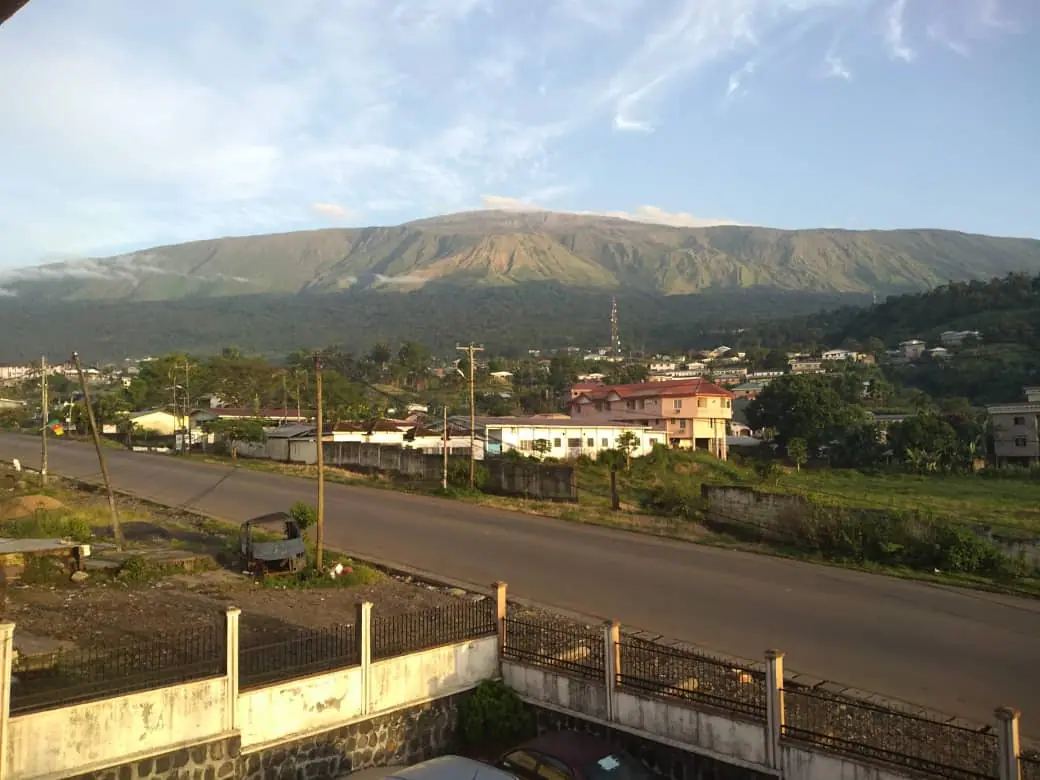
If you are planning one trip and want the widest possible window of good conditions, aim for December, January or February. Skies are clearest, roads are at their most reliable, and the classic Cameroonian trek — the climb up Mount Cameroon, at 4,095 metres the highest peak in West Africa — is at its most feasible. The ascent from Buea usually takes three to five days with a registered guide and porters, passing through forest, moorland and lava fields, and February and March offer the most stable weather and the best chance of a cloud-free summit. Buea itself, a former colonial capital with old government buildings and cool mountain air, makes a comfortable base.
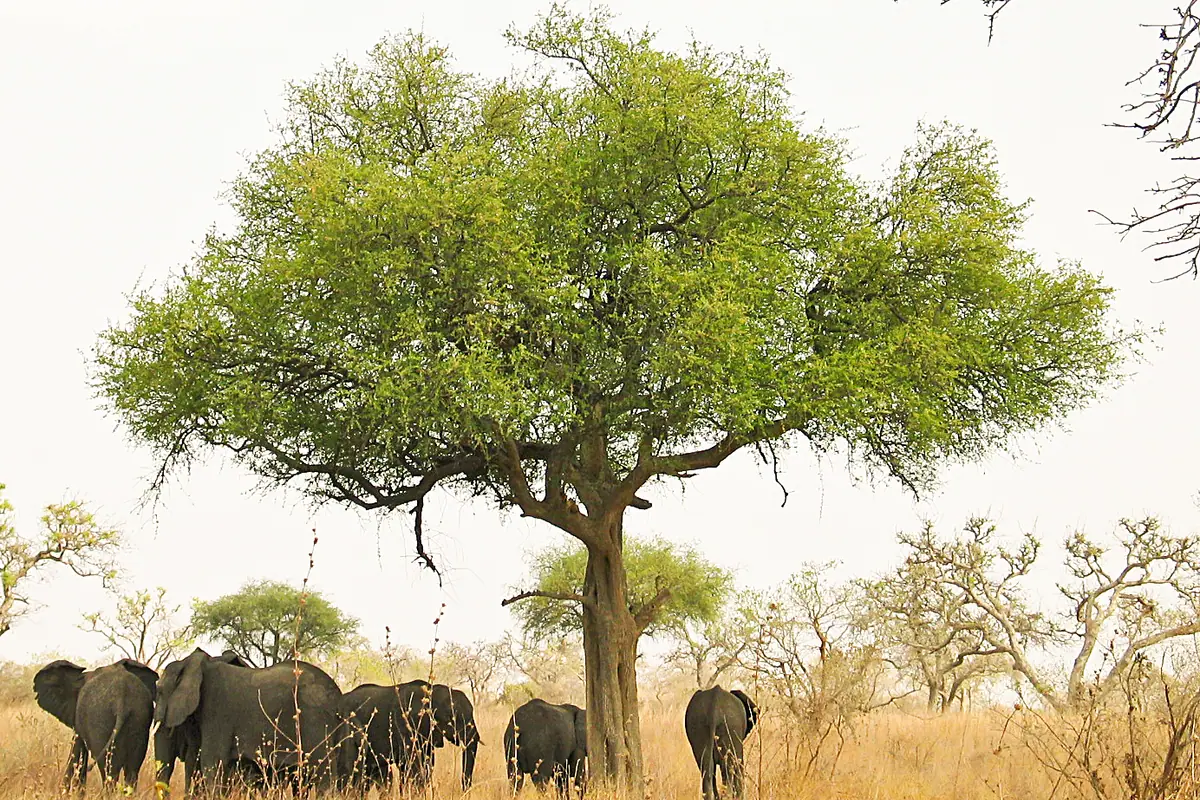
In the far north, the same window is the peak season for wildlife. Waza National Park, near the town of Waza in the Far North Region, is at its best between November and April, when shrinking waterholes concentrate elephants, giraffes, antelopes, warthogs and the park's lions and other predators in the open. Bénoué National Park, inland from Garoua, follows a similar rhythm. Further west, the volcanic plugs and craggy escarpments around Rhumsiki in the Mandara Mountains are clearest from November to March, when the air is dry enough to see for kilometres and the nights are genuinely cold.
On the coast, December to February is the driest and most pleasant stretch for Kribi's beaches and the Chutes de la Lobé, the Limbe shoreline, and the black-sand coves strung along the road between them. This is also the busiest period of the year for coastal accommodation, especially over Christmas and New Year, when families from Douala and Yaoundé fill beach bungalows and small resorts. Book several weeks ahead if your dates fall in that fortnight, and expect your first choices to disappear early. December in Douala also brings the Ngondo festival, a Sawa cultural celebration on the Wouri River with traditional canoe races and ceremonies.
The Green Season (March to November): Rain, Waterfalls and Lower Rates
From March the rain builds across the south, peaking between July and October, when Douala and Limbe can be soaked by heavy afternoon downpours. Dirt roads in the Northwest and Southwest regions turn slick and, at the worst of it, briefly impassable, so the scenic drive known as the Bamenda Ring Road and the highland tracks around Bafut and Oku demand patience and flexibility. Northern Cameroon, by contrast, stays dry until June, when its single rainy season arrives and lasts through September.
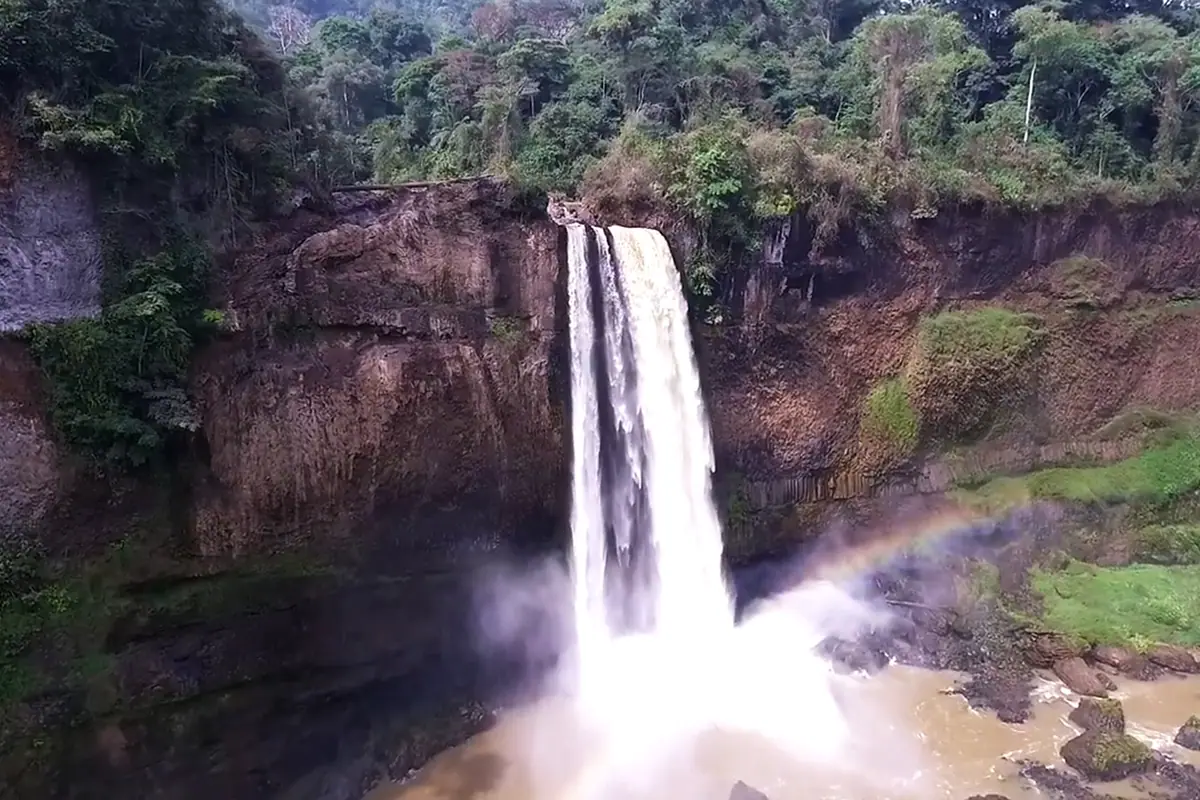
The wet months are not wasted months. Waterfalls are at their most spectacular: the Ekom-Nkam Falls near Melong, a towering curtain of water that plunges roughly 80 metres into a forested gorge, thunders in the rainy season, and the Chutes de la Lobé south of Kribi, where a river empties directly into the Atlantic over a rocky ledge, runs full and brown. Rainforest parks such as Korup in the Southwest and the vast Dja Faunal Reserve — a protected wilderness of great apes and forest elephants — are damp in every season, and the green months bring them to life with frogs, orchids and butterflies. Birdwatchers do well in the Kilum-Ijim forest near Oku and on the forested lower slopes of Mount Cameroon.
The trade-off is money and crowds: the green season softens rates at coastal resorts and city hotels, and you will have viewpoints and trails largely to yourself. On the coast, mornings often stay bright before the storms roll in, so plan sightseeing early and keep afternoons flexible. In the north, the rains from June to September scatter wildlife away from the waterholes and can close some campements and access tracks around Waza, so wildlife-focused travellers should avoid that window.
Must-See Sights and the Best Time for Each
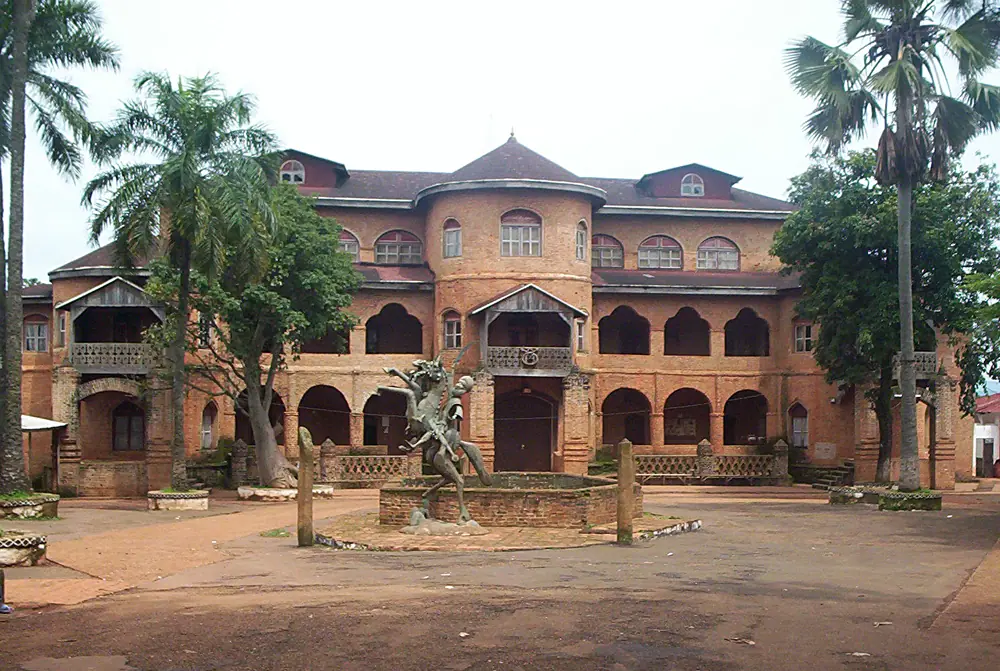
Cameroon's headline attractions each have their own season. Mount Cameroon rewards December to April climbers; the Limbe Botanic Garden, laid out in the 1890s on the slopes above the sea, and the nearby wildlife centre caring for rescued primates, are enjoyable year-round but driest and easiest in January and February. Bafut Palace, the traditional seat of the Fon of Bafut northwest of Bamenda, is a striking complex of courtyards, carved pillars and a small museum that is best visited in the dry season when the surrounding ring-road drives are comfortable. In Foumban, the Royal Palace of the Bamoun sultanate, with its museum of royal thrones, pipes and ceremonial regalia, can be visited at any time of year, though the biennial Nguon festival, usually staged in late November or December, is the most atmospheric moment to be there.
The north's landmarks are strictly seasonal. Rhumsiki Peak and the surrounding Mandara Mountains are at their most photogenic from November to March. Waza National Park and Bénoué National Park belong to the dry months, roughly November to April, when animals gather at water. The Dja Faunal Reserve, a UNESCO-listed expanse of near-impenetrable forest reached from the south, is easier to penetrate in the drier months, and the crater lake of Barombi Mbo near Kumba has trails that are far more manageable without mud underfoot.
City sightseeing works year-round. In Yaoundé, the Basilique Marie-Reine-des-Apôtres, the national museum, the bustling Marché Central and the panoramic views from Mont Fébé fill a couple of days comfortably. In Douala, the old Bonanjo quarter, the riverside cathedral and the markets of Akwa give the city its flavour. In the wet season, simply build your days around the storms: museums and markets in the afternoon, viewpoints and walks in the morning.
Where to Stay and When to Book: Hotels, Guesthouses and Campements
Douala and Yaoundé have the country's widest choice of full-service hotels, concentrated in business districts — Bonanjo and Bonapriso in Douala, Bastos and the centre of Yaoundé. Because these cities run on commerce, weekday nights can be busy and weekend nights comparatively quiet, which is worth remembering if you want a better room or a little flexibility on arrival. Two practical questions matter more than star ratings: does the property have a backup generator, and does it have a reliable water supply? Power cuts and pressure drops are part of daily life, and well-prepared hotels handle them invisibly.
On the coast, Kribi is the main beach base, with bungalows and small resorts spread north and south of town, while Limbe offers guesthouses near Down Beach and Mile 4 with black volcanic sand at the door. This is where seasonality bites hardest: Christmas, New Year and the Easter holidays fill coastal accommodation, so reserve four to eight weeks ahead for those dates and confirm your booking directly. In the green season, the same rooms are often available at short notice and on softer terms.
In the north, Maroua and Garoua have mid-range hotels suitable for a night or two, and the campement near Waza National Park is the natural base for early game drives — book it well ahead during the December-to-February wildlife peak. Rhumsiki has simple guesthouses with dramatic views, and Ngaoundéré and other Adamawa towns have functional transit hotels. Bring cash in CFA francs, as smaller guesthouses and campements frequently do not accept cards, and always check whether a northern property is open during the rainy months before you set off.
Festivals, Health and Getting the Timing Right
Cameroon's calendar of events can justify a trip on its own. The Ngondo festival brings Douala's Sawa community to the Wouri River each December for canoe racing and traditional rites. In February, the Mount Cameroon Race of Hope sends runners from Buea up the volcano's slopes in one of Africa's toughest athletics events. Foumban's Nguon festival, held every two years and typically in November or December, is a vivid showcase of Bamoun culture with horsemen, drumming and royal ceremony. Islamic festivals in the north and in Foumban follow the lunar calendar and shift each year. Christmas and New Year remain the single busiest travel period nationwide, so lock in transport and rooms early if your trip coincides.
Health and logistics should shape your dates as much as weather does. A yellow fever vaccination certificate is required for entry, malaria prophylaxis is strongly advised, and the sun and humidity of the coastal belt demand more water and rest than most visitors expect. Road travel is easiest in the dry season: the main corridors linking Douala, Yaoundé and Kribi are paved and reasonably quick, but distances elsewhere are long and slow, and the far north is generally better reached by a domestic flight before continuing overland.
Finally, check current travel advice before booking. Parts of the Northwest and Southwest regions have experienced unrest in recent years, and the Far North near Lake Chad has seen security incidents, so those areas call for up-to-date local guidance or should be avoided altogether. The more established circuits — Douala, Limbe, Kribi, Yaoundé, Foumban and the north by air — are easier to navigate, and travelling in the dry season gives you the flexibility to reroute when conditions change.
Frequently asked questions
What is the best month to visit Cameroon?
December, January and February offer the most reliable conditions across most of the country: clear skies, drier roads, the best window for climbing Mount Cameroon and prime wildlife viewing in the northern parks. If you want the very best odds for a cloud-free summit, target February or March.
When should I climb Mount Cameroon?
The trek from Buea is most feasible between December and April, with February and March giving the most stable weather. Ascents typically take three to five days with a registered guide and porters, and you should prepare for cold, wind and sudden mist at altitude even when the coast below is sweltering.
What is the best time for Waza National Park and the north?
November to April, during the dry season, when animals concentrate around dwindling water sources and access tracks are at their best. Avoid June to September, when the rains scatter wildlife, flood tracks and can close campements. March to May is extremely hot, with temperatures often exceeding 40°C.
Do hotel rates change with the seasons in Cameroon?
Yes. Coastal resorts around Kribi and Limbe are busiest and most expensive over Christmas, New Year and Easter, and rooms sell out weeks in advance. The rainy months bring lower rates and easier availability, and city business hotels in Douala and Yaoundé are often quieter — and more flexible — at weekends.
Is the rainy season worth travelling in?
For waterfalls, rainforest, birdwatching and budget travel, yes. The Ekom-Nkam Falls and the Chutes de la Lobé are at their most dramatic, forests are lush and rates drop. The cost is mud, road delays and short sightseeing windows, so plan mornings outdoors and keep afternoons for markets, museums and shelter.
Sort the rest of your trip
Everything for Cameroon, in one place
Transfer in Cameroon
Private driver waiting on arrival — no queues, no surprises.
Book a transfer
Things to do in Cameroon
Skip-the-line tickets, guided tours and standout experiences.
See experiences
Stay online in Cameroon
Travel eSIM — data the moment you land, no roaming bills.
Get an eSIM