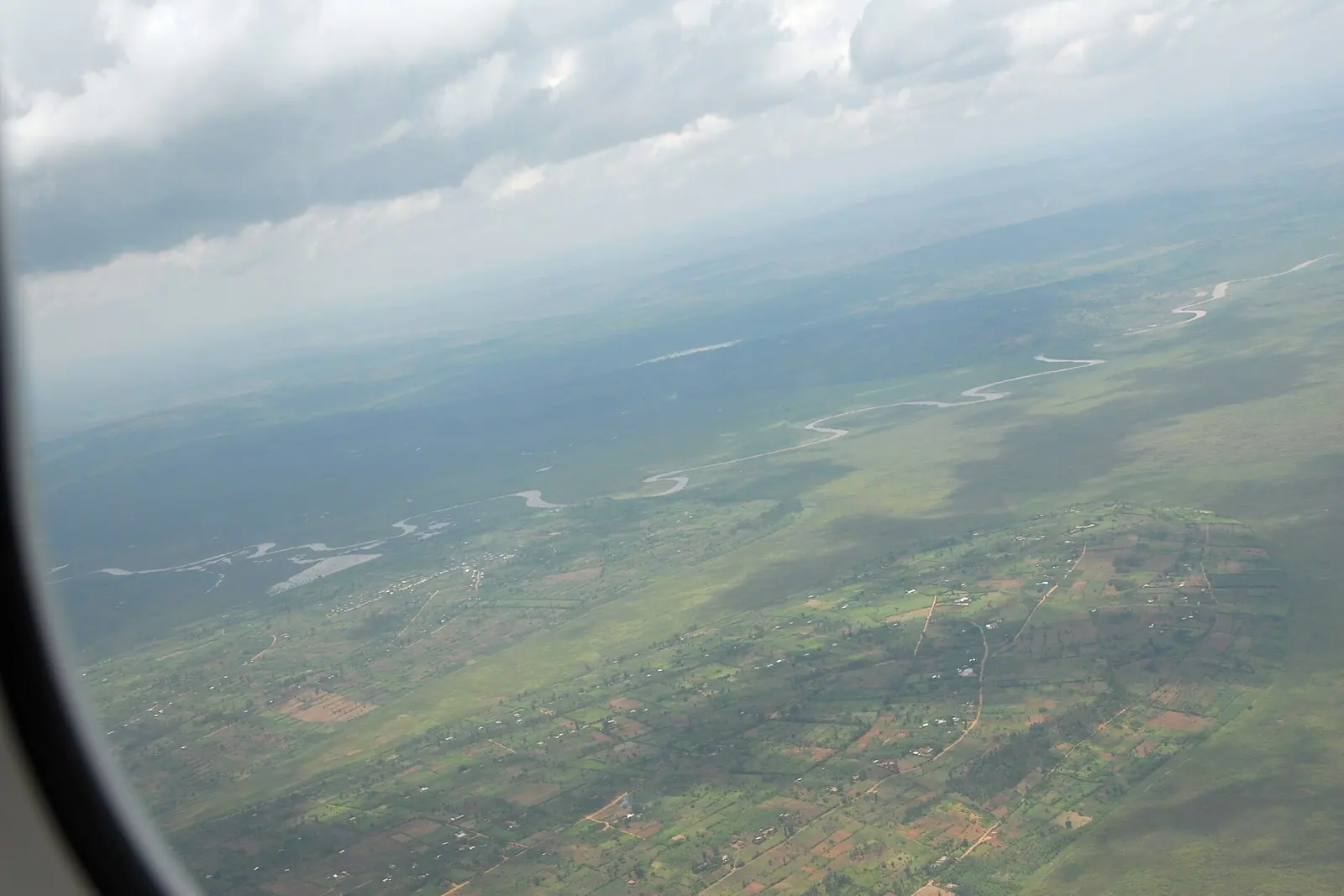
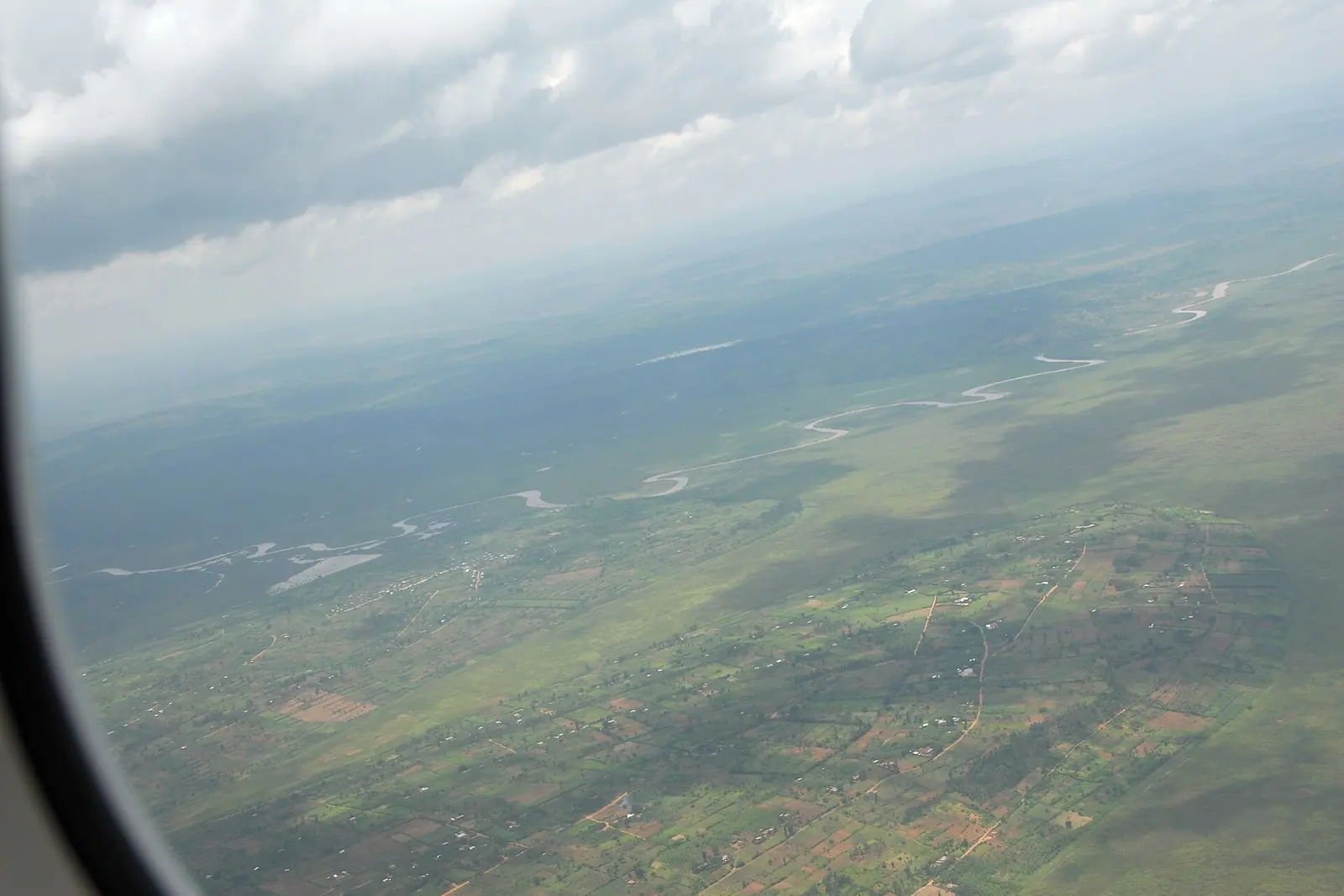
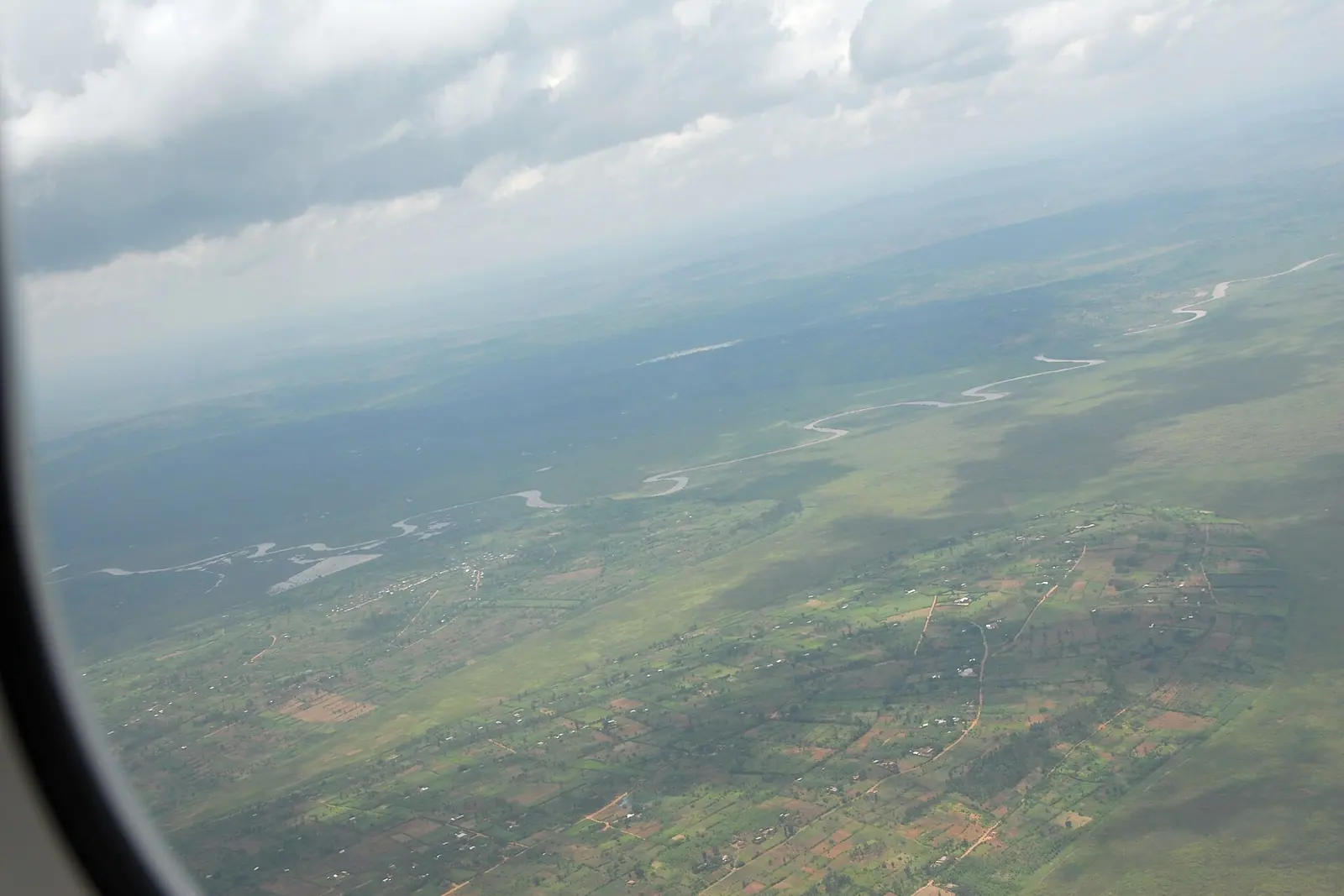
Burundi is a country of folded green hills, tea-scented ridges and a lake so vast it behaves like a sea. It rewards travellers who come for quiet landscapes, sacred drumming and waterfalls instead of crowds.
Lake Tanganyika and the Shores of Bujumbura
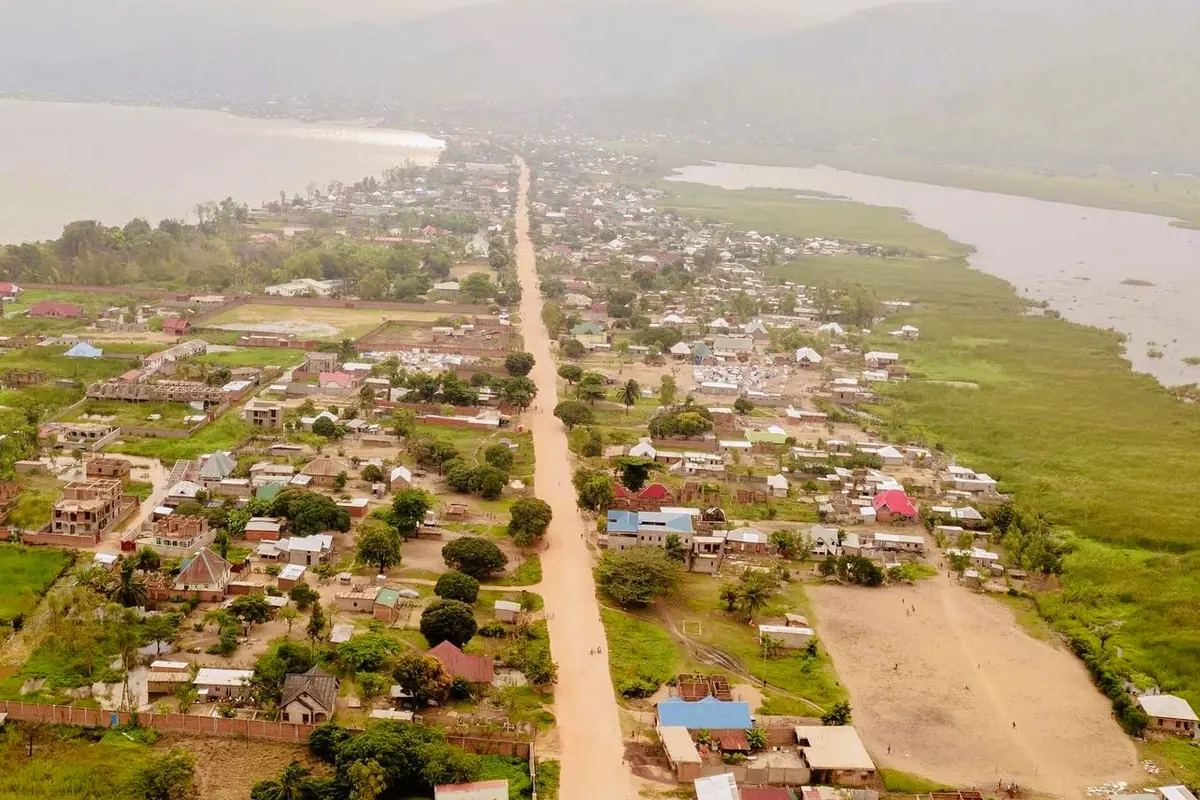
Bujumbura sits with its feet in Lake Tanganyika, the second-deepest lake on earth, and the city's rhythm is set by the water. Saga Beach is the best-known stretch of sand: palms, cold drinks, wooden boats and a shallow shelf that makes for easy wading in the late afternoon. Because hippos and crocodiles do move along this shoreline, swim where local people swim and ask before venturing out — the lake is beautiful but it is not a swimming pool.
Just north of the city, Rusizi National Park protects the marshy delta where the Rusizi River spills into the lake. A dawn or dusk boat trip is the classic half-day outing here: pods of hippos surfacing in the channels, crocodiles on sandbanks, sitatunga antelope in the reeds and an extraordinary tally of waterbirds. It is only a short drive from the centre, yet the city feels a world away within minutes.
Head south along the lakeshore and the road climbs through palm groves to Rumonge, roughly 75 kilometres away and about an hour and a half by car. Nearby Kigwena Forest Reserve is a pocket of lowland rainforest where you can walk with a local guide, listen for chimpanzees and colobus monkeys, and see how palm oil is pressed the traditional way. The shoreline here is dotted with fishing villages that come alive at first light.
Bujumbura's Monuments and City Landmarks
Above the city, the Mausoleum of Prince Louis Rwagasore is the landmark every visitor should climb to first. The tomb of the independence-era hero sits on a hilltop ringed by trees, and the view takes in the whole grid of Bujumbura, the lake haze and the mountains of the interior. It is a place of national memory, so dress and behave accordingly, and go late in the day when the light softens.
Down on the water at Mugere, about 12 kilometres south of the centre, a plain grey rock known as the Livingstone–Stanley Stone marks the lakeside camp the two explorers made in 1871. It is an unassuming monument with a huge story behind it, and there is a small beach beside it that makes a good stop on the way back from the Rusizi delta.
In the city itself, Place de l'Indépendance anchors the downtown, with the busy central market nearby — a dense, loud, wonderful place to buy fabric, beans, dried fish and baskets. The Belvédère viewpoint on the road climbing out of town toward Bugarama is the spot for the classic panorama of the city and lake, best at sunset. Near the Rusizi park entrance, the small living museum offers a quick introduction to Burundian wildlife, craft and traditional housing.
Karera Falls and the Nyakazu Fault
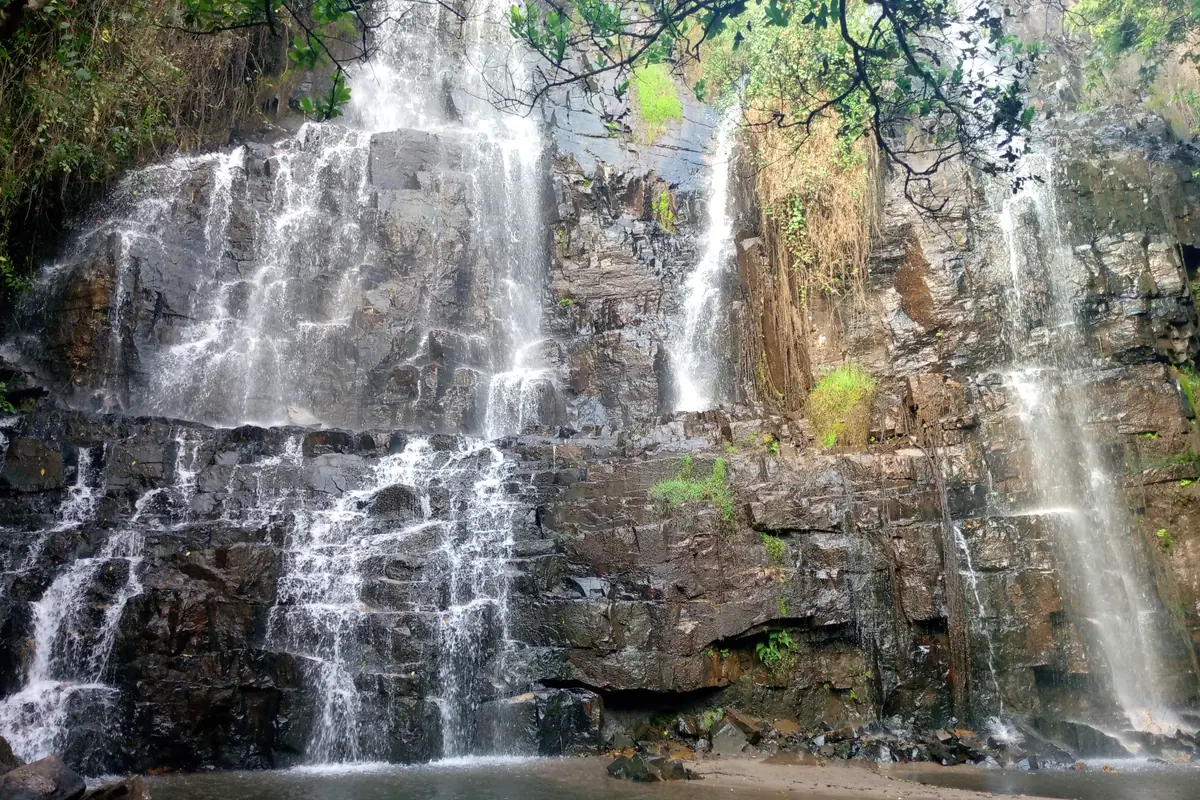
The southeast is where Burundi keeps its most theatrical scenery. The Karera Falls, in Rutana province, drop through a green gorge in four main cascades, the tallest plunging roughly 80 metres into a pool. A steep path and a small footbridge let you follow the water from one fall to the next; allow two to three hours on site, and wear shoes with grip because the rock is slick even in the dry season. The falls run hard after the rains, when the spray soaks everything within metres.
About a quarter of an hour away by road, the Nyakazu Fault — often called the German Fault — is a sudden escarpment where the land simply falls away. From the edge you look out over the Kumoso plains and, on a clear day, toward Tanzania. It is a quiet, strange place, and one of the best sunset viewpoints in the country.
Getting there takes planning: Rutana is roughly 180 kilometres from Bujumbura, a drive of about four hours on good roads, longer if it has rained. Most travellers break the journey in Gitega or stay overnight in Rutana town, which turns a rushed day trip into a comfortable two-day loop.
Gitega and the Royal Drummers of Gishora
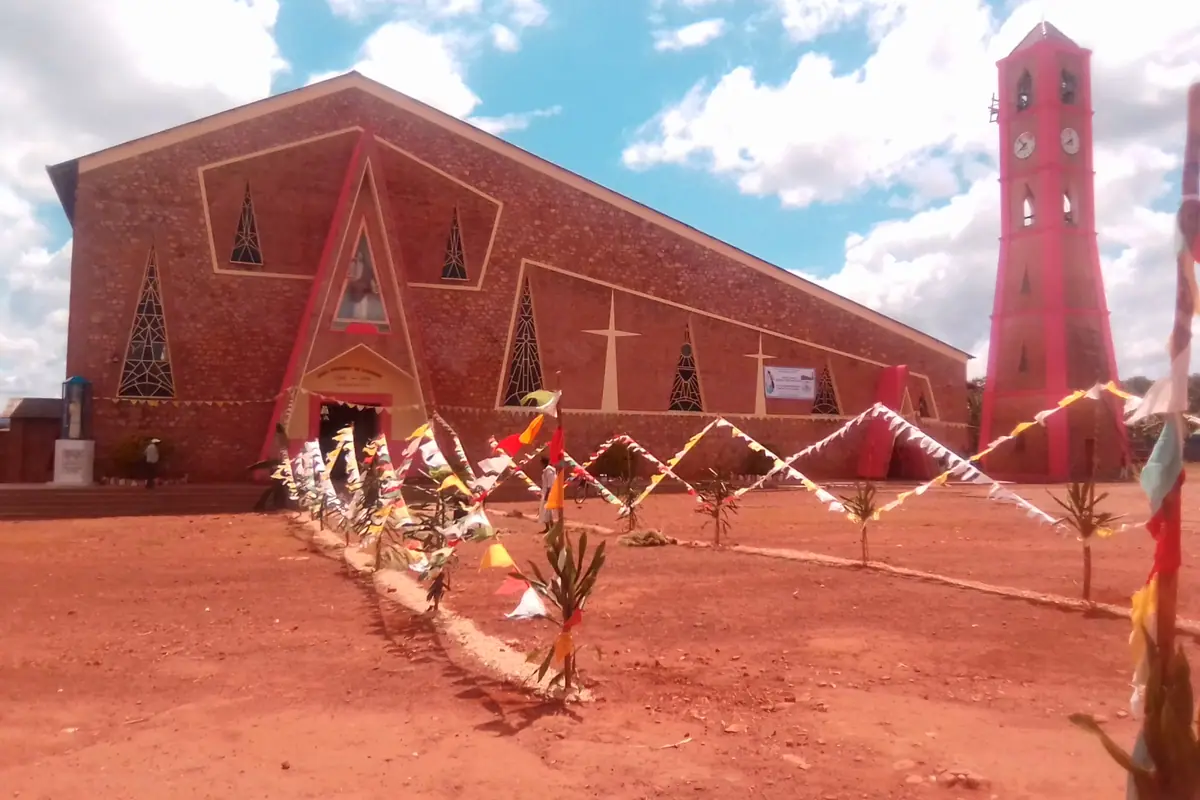
Gitega, the country's political capital since 2019, is a compact hill town about 100 kilometres from Bujumbura and roughly two hours by road. Its National Museum is one of the oldest ethnographic collections in the region, holding royal regalia, old photographs, tools, baskets and a fine set of drums. Pair it with a walk through the market and a look at the cathedral, which sits high enough to give you a sense of the town's layout.
The real draw, though, is Gishora, a drum sanctuary a few kilometres outside Gitega. Here the great drums are kept in traditional royal huts, and men in white cloth and leopard skin perform the Ingoma dance — a thunderous, choreographed ritual of leaping, chanting and hand-clapping that once belonged to the court. The tradition is protected as living heritage, and the drums themselves are treated as sacred objects, not instruments.
Performances are not staged continuously, so arrange your visit in advance through a local guide or the sanctuary's caretakers, and expect to be part of a small group rather than a crowd. Mornings are cooler and the light inside the huts is better. Combine Gishora with Karera Falls if you are heading southeast, or with a slow afternoon in Gitega's cafés if you are not.
Kibira Forest, Mount Heha and Ruvubu National Park
Kibira National Park covers around 40,000 hectares of montane rainforest along the Congo–Nile crest, and it is the country's finest place for forest walking. Chimpanzees, black-and-white colobus and more than 200 bird species live under the canopy, and trails from the tea-growing country near Rwegura range from gentle two-hour loops to full-day routes. It is cool, damp and often misty up here; bring a rain shell, sturdy boots and a guide who knows the paths.
Mount Heha, at 2,684 metres the highest point in Burundi, rises not far from the capital's rural outskirts. The climb is a long walk rather than a technical ascent, threading through farmland, eucalyptus and open grassland, and on clear days the summit looks straight down to Lake Tanganyika. Allow four to five hours return and start early to avoid the afternoon cloud.
In the northeast, Ruvubu National Park is the largest protected area in the country, stretching along the Ruvubu River through savannah, gallery forest and rocky hills. Buffalo, hippo, crocodile and several antelope species live here, and because visitors are few, you often have the tracks to yourself. Access is by 4WD, camping is possible, and the dry months from June to September are by far the most comfortable time to go.
The Source of the Nile and the Northern Lakes
In Bururi province, near the village of Rutovu, a small stone pyramid marks the southernmost source of the Nile, where a spring feeds the river system that eventually runs to Egypt. It is a modest monument in a very green landscape, but standing at the head of the world's longest river has a satisfying finality to it. Nearby Mount Kikizi offers a short climb, and the Bururi Forest Nature Reserve protects cool montane woodland that is excellent for birdwatching.
Far to the north, in Kirundo province, Lake Rwihinda is known simply as the lake of birds. Papyrus fringes, shallow water and seasonal migrants make it a magnet for herons, cormorants, ibises and fish eagles, with the best viewing between roughly November and March. Local fishermen pole wooden canoes across the water, and a quiet hour on the shore at sunrise is worth the long drive.
The northern lakes — Cohoha, Rweru and their neighbours — sit in rolling coffee country close to the Rwandan border, about five to six hours from Bujumbura. Come here if you want birdlife, a slower pace and landscapes without a single other visitor in sight.
Frequently asked questions
When is the best time to visit Burundi?
The long dry season from June to September is the most reliable window, with firm roads, clear views and the easiest hiking in Kibira and Ruvubu. January and February bring a shorter dry spell. The heavy rains fall roughly from March to May, and lighter rains from October to November — waterfalls such as Karera are at their most powerful then, but rural roads can turn muddy and slow.
How many days do you need in Burundi?
Five days covers Bujumbura, the Rusizi delta, the Rwagasore Mausoleum and a day trip to Gitega and the Gishora drum sanctuary. Give yourself seven to ten days to add Karera Falls, the Nyakazu Fault, Kibira National Park and the Nile source at Rutovu without spending every daylight hour in a car.
What are the must-see landmarks in Burundi?
Prioritise Lake Tanganyika and Saga Beach, the Rusizi National Park delta, the Rwagasore Mausoleum, the Livingstone–Stanley Stone at Mugere, the Karera Falls and Nyakazu Fault near Rutana, the Gishora drum sanctuary and National Museum in Gitega, Kibira National Park, Mount Heha, and the pyramid at Rutovu marking the southernmost source of the Nile.
How do you get around Burundi?
Distances are short but roads are slow outside the main Bujumbura–Gitega corridor. Most visitors hire a 4WD with a driver, which is essential for national parks and for reaching Rutana, Bururi and the northern lakes. Fuel up in towns, carry cash in local francs, and plan on no more than 250 kilometres of driving in a day if you want to actually see anything.
What should you pack and know before you go?
Bring light layers plus a warm fleece for the highlands, a rain shell, grippy walking shoes, a torch for power cuts, sun protection and mosquito repellent. Kirundi and French are the main languages, with Swahili widely spoken in Bujumbura. Cards are accepted only in larger city hotels, so carry enough cash for fuel, guides, park fees and market shopping.
Plan it — experiences in Burundi
Live search, booked directly with trusted providers.
Sort the rest of your trip
Everything for Burundi, in one place
Stay in Burundi
Hotels, guesthouses and apartments — compared in one search.
Search hotels
Transfer in Burundi
Private driver waiting on arrival — no queues, no surprises.
Book a transfer
Stay online in Burundi
Travel eSIM — data the moment you land, no roaming bills.
Get an eSIM