Burundi is small enough to cross in a day, yet layered enough to fill a fortnight: a lake so deep and clear it looks tropical, terraced hills of tea and banana, drummers whose rhythm long predates any map, and rainforest where chimpanzees still call. Its hotels range from polished lakefront addresses in Bujumbura to family guesthouses where the generator is the loudest thing after the rain. Here is where to sleep, and what to see while you are there.
A Small Country With a Surprising Range of Places to Sleep
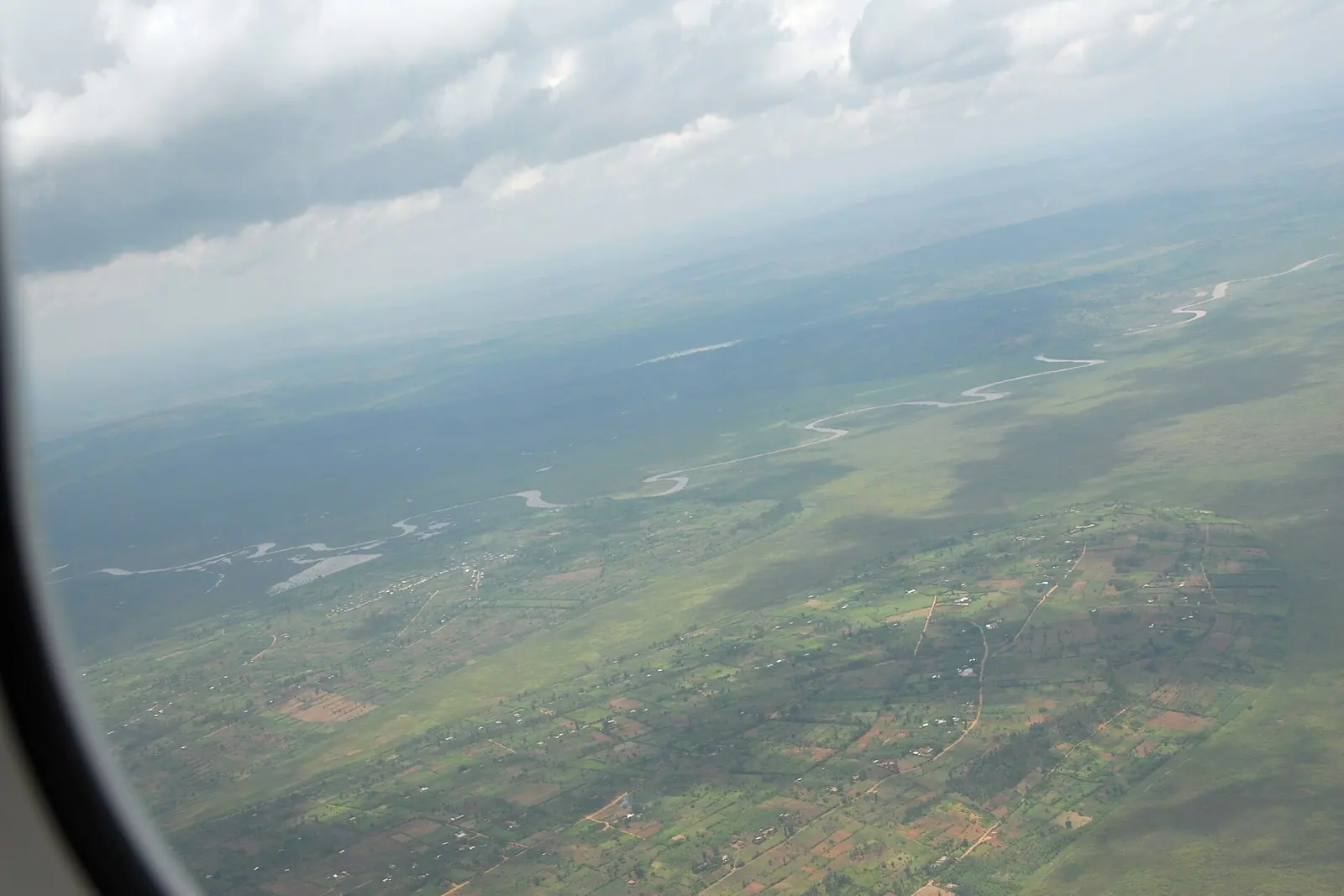
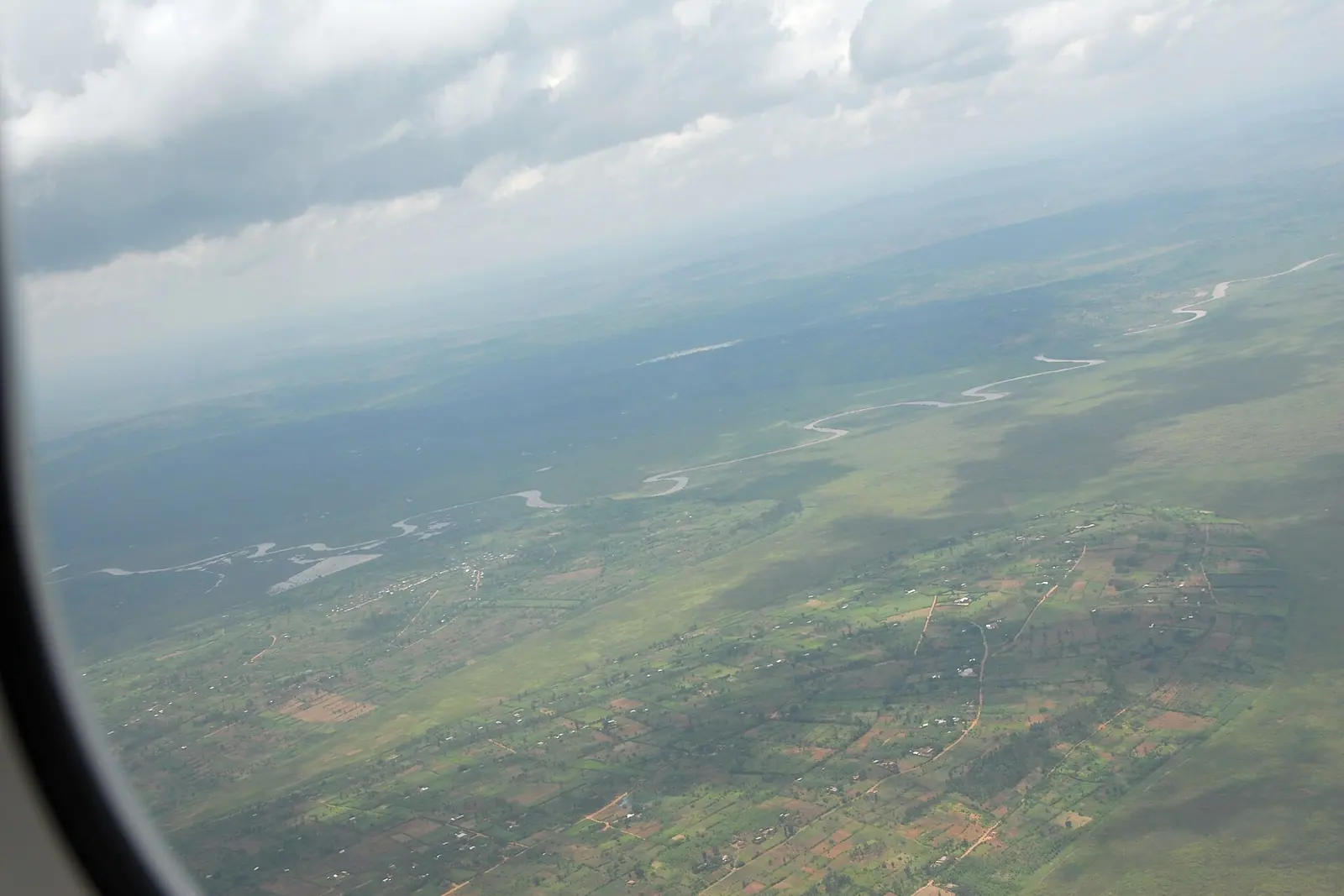
Burundi lies along the Great Rift Valley in East Africa, with Lake Tanganyika running down its western flank and a spine of green hills rising toward the centre. Bujumbura, the economic capital and by far the biggest city, holds most of the hotel beds; Gitega, the political capital in the middle of the country, is the second base worth knowing. Because the country is compact, you can sleep in one place for several nights and still reach the drum sanctuaries of Gishora, the cascades at Karera or the southern source of the Nile on day trips or short overnight hops. The main Bujumbura–Gitega highway is paved and quick; almost everything beyond it is dirt, dust and patience.
The hotel scene splits into three broad tiers. In Bujumbura there are full-service hotels with pools, conference rooms and lake-facing balconies, alongside a dependable band of midrange business hotels and small guesthouses in the Rohero and Kinindo districts. Upcountry, accommodation tends to be simple: mission rest houses, coffee-estate lodges, family-run guesthouses and a few small hotels in provincial towns. Rooms are genuinely limited outside the capital, and government or development workers can fill the best places in Gitega and Kirundo without warning, so reserve ahead rather than arriving hopeful.
Expect Kirundi and French to be the working languages, with Swahili common along the lakeshore and English increasingly spoken at larger hotels. Power cuts are a routine fact of life, so the properties worth paying for are the ones with a generator or inverter and a stored water supply. Cash still rules: bring Burundian francs, keep small notes for tips and roadside stops, and treat card machines as a bonus rather than a plan.
Bujumbura: Independence Square, the Market and the Lakefront
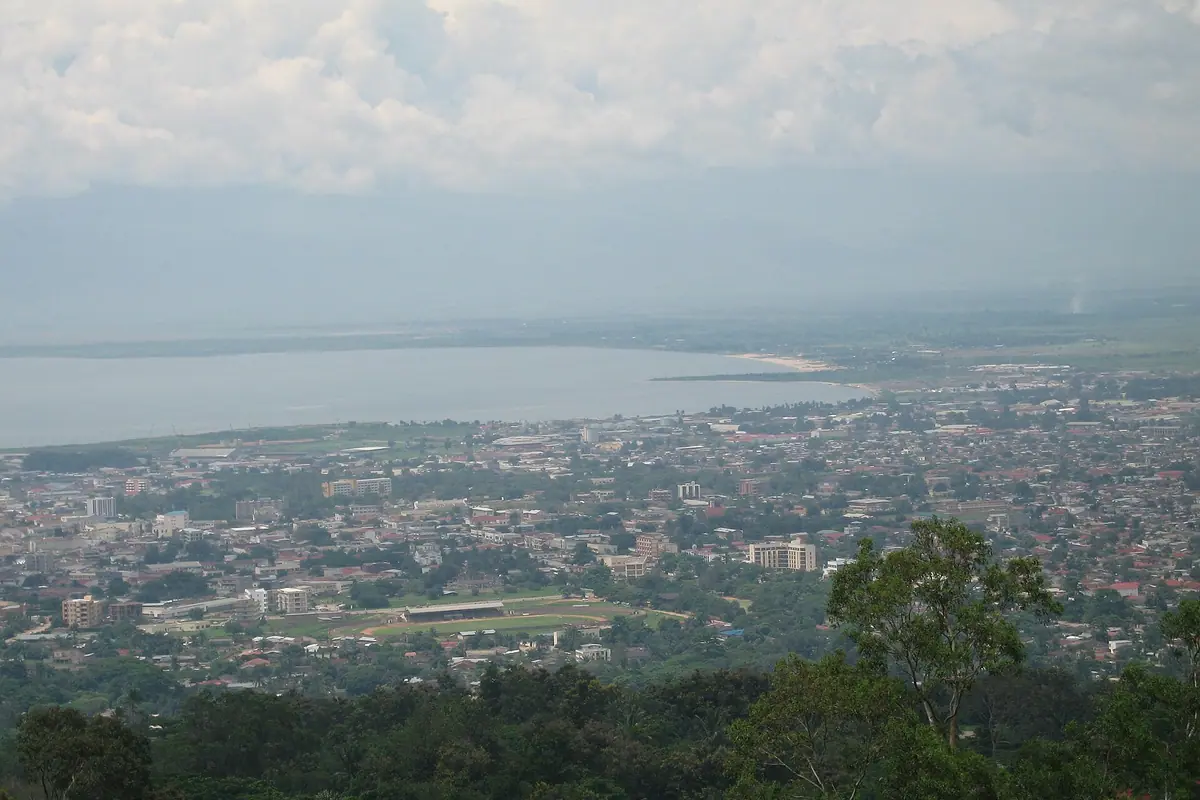
Bujumbura unfolds along the northeastern shore of Lake Tanganyika, and its centre is unusually walkable for a capital. Place de l'Indépendance, the old colonial-era square, is the pivot: from there you can stroll to the Marché Central with its pyramids of mangoes, dried fish and bright fabric, past the Regina Mundi Cathedral, and into the shady avenues of Rohero, where many of the city's midrange hotels and guesthouses sit within easy reach of restaurants and banks. If you want to be on foot, book here.
For views and quiet, climb to Kiriri on the ridge above town, where hotels look out over the rooftops, the lake and the green plains of the Rusizi delta beyond. Further south, Kinindo and Kajaga hug the shoreline, and this is where the resort-style properties and beach clubs cluster. Saga Beach is the best known of them, a curve of sand and pebbles where you can swim, eat grilled tilapia and watch the sun drop behind the mountains of the far shore. About twenty minutes further south stands the Livingstone–Stanley Monument at Mugere, a modest stone marker commemorating where the two explorers are said to have camped together.
Bujumbura's sights fill a comfortable couple of days. The Musée Vivant on the edge of town keeps crocodiles, snakes and a small menagerie, and is a hit with children. Rusizi National Park, where the Rusizi River slips out of the lake, is the place for hippos, sitatunga antelopes and a startling number of birds, usually seen from a boat or a slow-driving vehicle. And the Belvédère above Kiriri delivers the classic photograph: the city, the vast lake and the blue mountains of the far side. Splurge on a lake-facing room if you can — the sunsets alone justify it.
Gitega and the Drum Country of the Interior
Gitega sits in the middle of the country, roughly two hours east of Bujumbura on good tarmac, and serves as Burundi's political capital. It is a highland town at around 1,700 metres, which means cool evenings, mist in the valleys and a pleasant escape from the humidity of the lake. Its streets are calm, its market is lively, and it makes an excellent springboard for the country's most famous cultural experience.
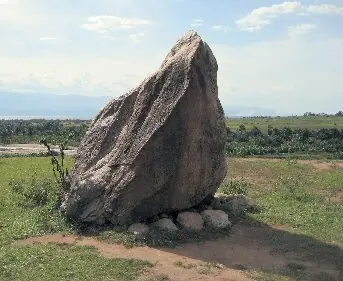
Two sights anchor a stay here. The Gitega National Museum holds an ethnographic collection of royal drums, baskets, tools and regalia that explains a great deal about Burundian court life. Just outside town, about fifteen minutes by car, the Gishora Drum Sanctuary preserves the tradition of the royal drummers: on a hillside where the court once kept its instruments, drummers still perform the thunderous, leaping dance that accompanies them, white cloth flying and the ground shaking underfoot. Visits are best arranged in advance, and your hotel can usually make the call for you.
Hotels in Gitega are modest but workable: a couple of small business hotels, church-run guesthouses and simple lodges, generally clean and friendly rather than luxurious. Ask for a mosquito net, confirm whether hot water is available in the morning, and check that the generator runs through the night. With a comfortable base here you can reach the southern lakes and the Nile's source without repacking every day.
The Southern Circuit: Karera Falls, the Nyakazu Fault and the Nile's Source
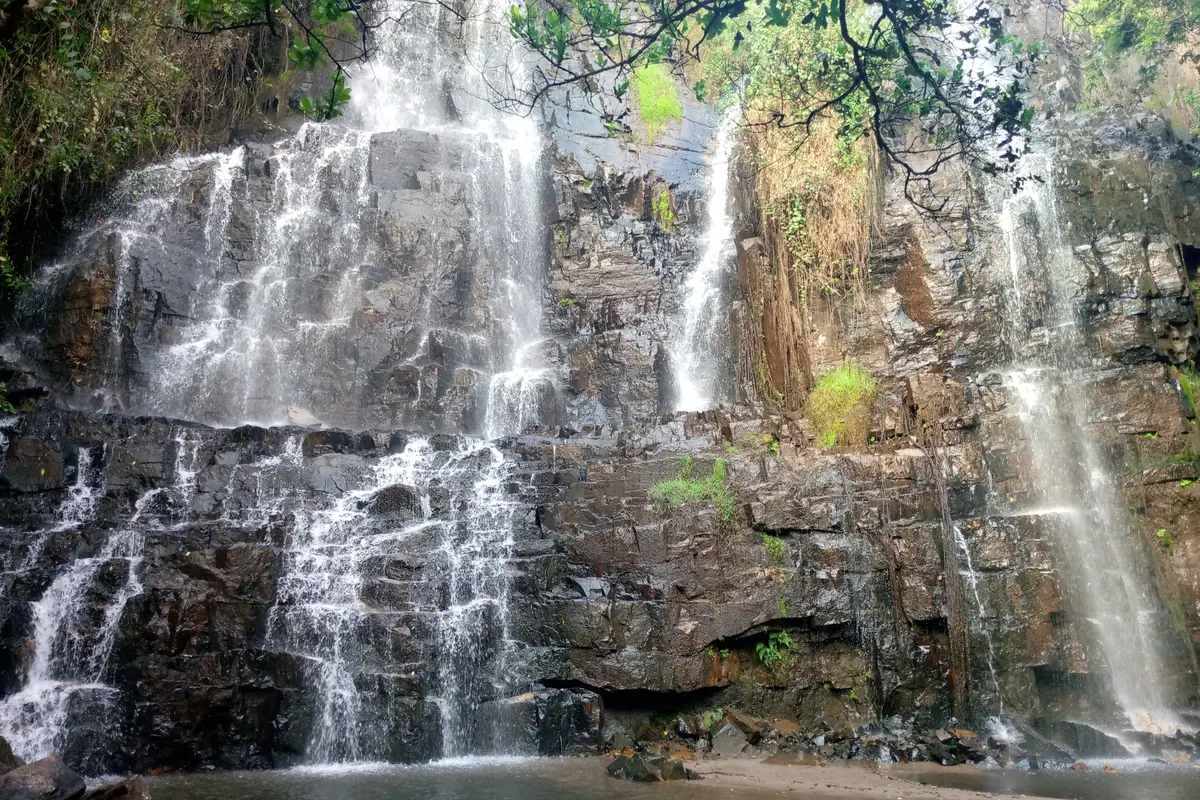
Head south-east into Rutana province and the landscape turns dramatic. The Karera Falls are Burundi's most photogenic natural sight: a staircase of cascades tumbling through galleries of forest into clear pools, with paths and viewpoints that reward an hour or two of slow walking. A short drive away, the Nyakazu Fault — known locally as the Germans' Fault — opens without warning, a sheer escarpment where the green plateau simply drops away toward the plains far below. Stand at the edge on a clear morning and the view runs for miles.
Continue south and you reach Rutovu, where a small stone pyramid marks the southernmost source of the Nile: a trickle in the highlands that grows into one of the world's great rivers. Further on, the Bururi Forest Nature Reserve protects a cool, bird-rich montane forest, and Nyanza-Lac spreads along Lake Tanganyika with a long, mostly empty beach and one of the region's busiest markets. Rumonge, on the lake road back toward the capital, is a relaxed stop known for its palm groves.
Accommodation down here is deliberately simple: a handful of small lodges in Rutana, Bururi and Nyanza-Lac, plus guesthouses and mission rest houses where cold showers and a fan are the norm. This is a region to explore with a driver and a sturdy vehicle rather than on public transport, and to avoid rushing — roads are slow, slick after rain and best not driven at night.
The North: Kibira Forest, Bird Lakes and Ruvubu
The northwest belongs to Kibira National Park, a long belt of montane rainforest along the Congo-Nile divide. Trails thread through mossy, dripping trees, and chimpanzees and black-and-white colobus monkeys are heard far more often than they are seen, which makes a sighting genuinely memorable. The forest edge sits above the tea estates around Kayanza, and local guides can be arranged in the villages nearby; mornings give the best chance of wildlife and the clearest views.
Further north and east, the country turns to water and savannah. Lake Rwihinda, near Kirundo, is known as the lake of birds: papyrus beds crowd its shallows and local boatmen row visitors out at first light, when the water is glassy and the birdlife at its noisiest. On the eastern side of the country, Ruvubu National Park is Burundi's largest protected area, a sweep of grassland and riverine forest along the Ruvubu River where buffalo, hippos and antelope graze and where you may have the whole horizon to yourself.
Hotels in Kayanza, Ngozi, Kirundo and Muyinga are functional rather than plush — small establishments used by traders, officials and aid workers. Book ahead, ask for a net and a fan, carry cash, and do not expect reliable internet. Kayanza and Ngozi are the most comfortable bases for Kibira; Muyinga for Ruvubu; Kirundo for the bird lake at dawn.
When to Go and How to Choose a Hotel Well
The long dry season from June to August is the best all-round window: cooler, drier, and with upcountry roads at their most passable. December and January bring a shorter, hotter dry spell that is lovely on the lake but can be sticky in the lowlands. The heaviest rains generally fall from around February to May and turn dirt tracks into mud, while the shorter rains of September to November usually arrive as afternoon showers rather than all-day soakings. Up in the highlands around Gitega and Bururi, nights are chilly all year, so pack a fleece alongside your sandals.
When you book, prioritise a few unglamorous things that make a real difference. Backup power and a water tank matter more than a fancy lobby; a mosquito net and screened windows matter more than air conditioning. Ask whether your room sits above the bar or beside the generator, confirm whether the kitchen serves dinner in the evening, and check that the hotel can arrange an airport pickup and a car with a driver for day trips. Internet is often slow and intermittent, so a local SIM and data bundle is sensible insurance, and cash in small Burundian franc notes smooths almost everything.
Finally, check your government's current travel advice before committing, and build a little flexibility into the itinerary. Burundi rewards travellers who move slowly and travel well prepared: a good driver, two or three carefully chosen hotels, and enough unscheduled hours to stop when a viewpoint, a market or a hillside of drummers demands it.
Frequently asked questions
Is Burundi safe for tourists?
Check your government's latest travel advice before booking, because the security picture can shift and some border regions are best avoided entirely. Most visitors stick to Bujumbura, Gitega and organised trips to the national parks, travel with a local driver rather than after dark, and keep valuables discreet. Day-to-day sightseeing in the capital is generally calm, but take local advice about which districts to avoid at night.
When is the best time to visit Burundi?
June to August offers the driest weather and the best road conditions, with cooler temperatures in the highlands. December and January provide a shorter, hotter dry spell. The heaviest rains typically fall from February to May, when dirt roads become difficult and some park trails are muddy or closed.
What should I check before booking a hotel in Burundi?
Ask about backup power or a generator, stored water for showers, mosquito nets and screened windows, and whether the kitchen serves dinner. Upcountry, confirm that your reservation has actually been recorded and that someone will be on reception when you arrive, especially if you are reaching town late in the day.
How do I get between Bujumbura, Gitega and the national parks?
The paved highway between Bujumbura and Gitega takes roughly two hours, but most routes beyond it are dirt and much slower. Motorbike taxis and shared minibuses handle short hops cheaply, while trips to Rusizi, Karera Falls, Kibira or Ruvubu are best done with a hired car and driver, ideally arranged through your hotel.
What are Burundi's must-see sights for a first visit?
Start with Bujumbura's Independence Square, Central Market, Musée Vivant and the beaches at Saga, plus the hippos and birds of the Rusizi delta. Then head inland for the drummers of Gishora and the Gitega National Museum, the Karera Falls and Nyakazu Fault, the pyramid marking the Nile's southern source at Rutovu, and, if time allows, the rainforest trails of Kibira National Park.
Sort the rest of your trip
Everything for Burundi, in one place
Transfer in Burundi
Private driver waiting on arrival — no queues, no surprises.
Book a transfer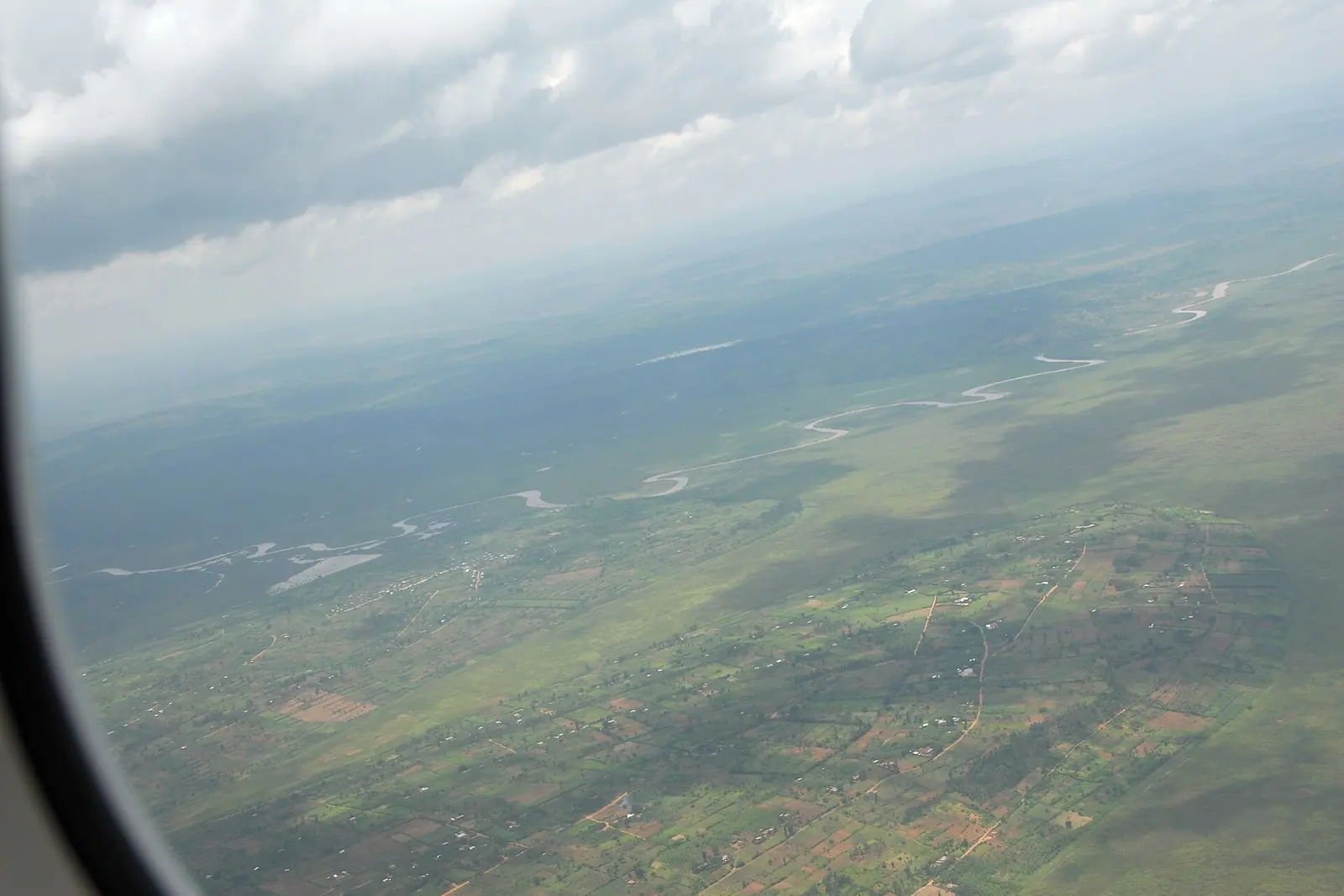
Things to do in Burundi
Skip-the-line tickets, guided tours and standout experiences.
See experiences
Stay online in Burundi
Travel eSIM — data the moment you land, no roaming bills.
Get an eSIM