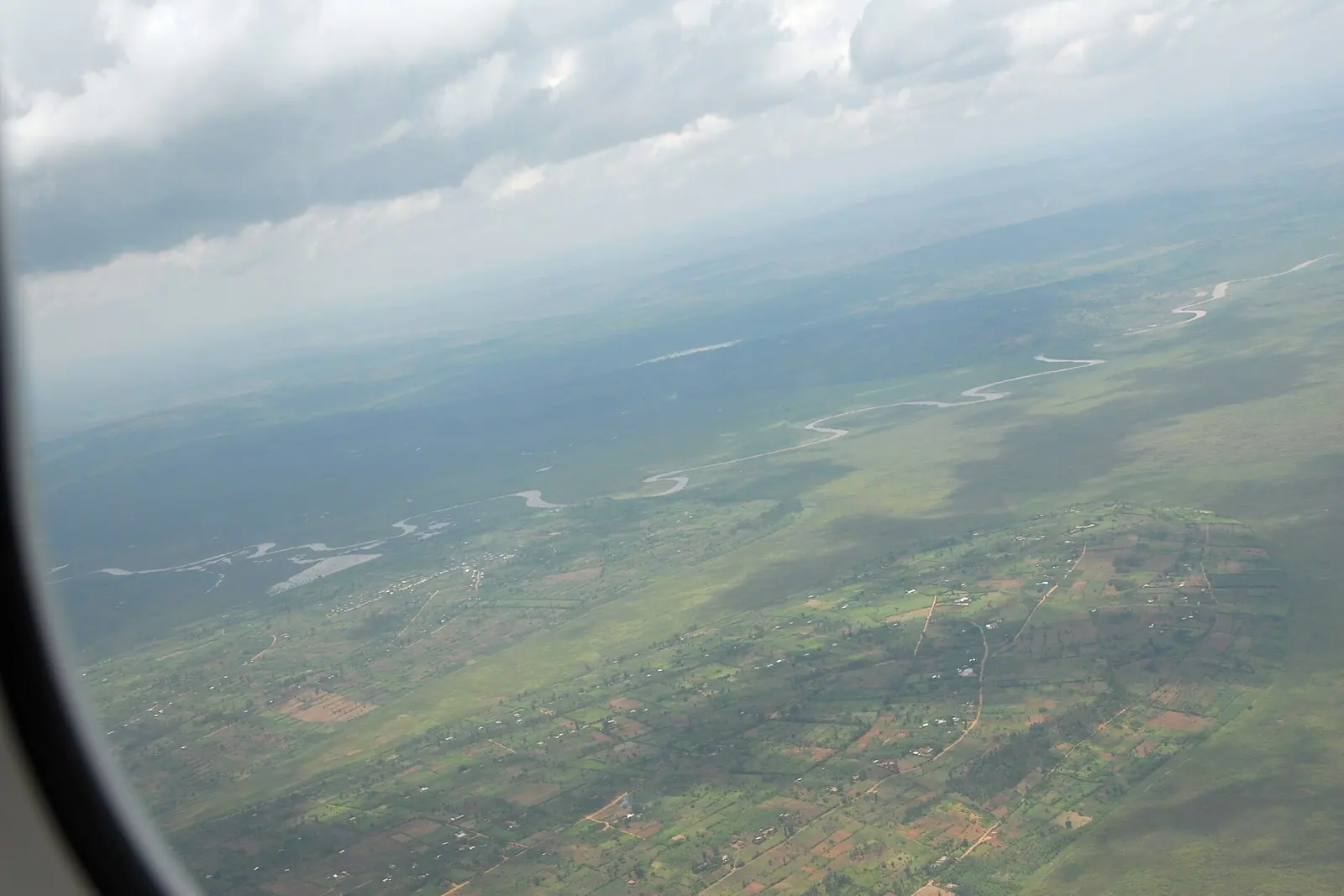
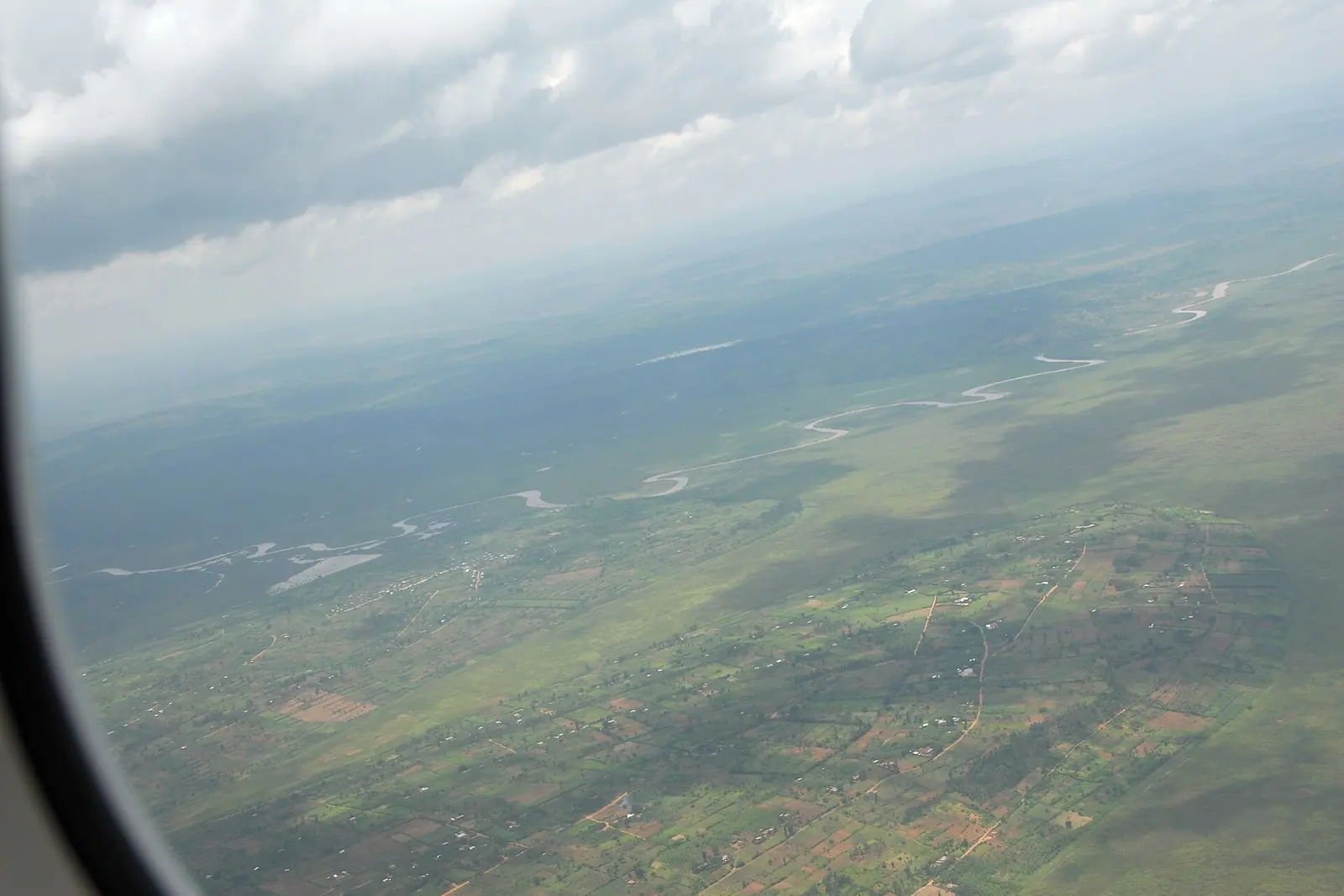
Burundi rewards the traveller who slows down: a green, folded landscape of hilltop drum sanctuaries, coffee cherries drying beside the road and a lakeshore that turns gold at dusk. It is small, intensely lived-in and almost entirely free of tour buses, which means the culture you meet is the culture people actually live. Come for the drumming, the lake fish and the highland plantations, and leave with a far better story than a beach holiday would have given you.
What Burundi Tastes Like: Isombe, Mukeke and the Power of Akabanga
The everyday Burundian plate is built around a stiff dough — umutsima, made from cassava or maize flour — which you tear with your right hand and use to scoop up whatever sits beside it. Most often that is ibiharage, beans simmered slowly until they turn velvety, or isombe, pounded cassava leaves cooked down with palm oil, onion and sometimes groundnut until the whole pot goes dark and glossy. Plantain, sweet potato and rice fill out the table, while meat is a weekend luxury rather than a routine. If you eat one home-cooked meal in the country, make it isombe with beans.
The lake supplies the dishes people boast about. Mukeke, a small silvery fish from Lake Tanganyika, is fried whole and eaten crisp, head and all, usually with a squeeze of lime and a mound of fried plantain. Bigger catches such as capitaine and sangala are grilled over charcoal at the water's edge and brought to the table whole. Whatever you order, a tiny dropper bottle of akabanga — a ferociously hot chilli oil that is the closest thing Burundi has to a national condiment — will appear beside it. Three drops is plenty; first-timers who tip it freely rarely make the same mistake twice.
Celebration food tells a different story: boko boko harees, chicken slow-cooked with cracked wheat and spices, is a Swahili-coast inheritance served at weddings and during Ramadan in Bujumbura's older quarters. To drink, look for urwarwa, a tangy banana beer brewed in households and shared from a communal pot, or ubushera, a fermented sorghum drink sold in plastic cups at markets. Wander the Marché Central in Bujumbura in the morning and you will see the whole larder in one sweep — dried fish, beans in every shade, woven agaseke baskets, and pyramids of coffee beans. It is the single best introduction to the country's kitchen, and it costs nothing to look.
Sacred Drums at Gishora: Burundi's Most Powerful Living Tradition
On a hill about seven kilometres outside Gitega, the Gishora drum sanctuary shelters the great royal drums of the Burundian monarchy. These are not instruments so much as personages: named, tended, and in some cases never struck outside ritual occasions. During a performance, drummers in cloth and fibre move as a single organism, balancing enormous cowhide drums on their heads, leaping, spinning and chanting in a call-and-response that builds for twenty minutes or more and ends, abruptly, in silence. The ritual dance of the royal drum is formally recognised as intangible cultural heritage, and once you have heard it inside that enclosure you understand why.
Performances for visitors can be arranged with advance notice through local guides or Gitega-based operators, and it is worth building a full day around it. Gitega itself became the country's political capital in 2019 and holds the national museum, where royal regalia, ethnographic objects and photographs of the monarchy are displayed in a low, unhurried setting. Further west, the old royal heartland around Muramvya still carries the memory of the court, and the drive there through the hills is half the pleasure.
Other strands of Burundian culture are quieter but no less distinctive. The inanga, a trough zither strung with fibre, is played solo by a seated musician who sings just above a whisper — a tradition of restraint that sounds nothing like the drums and is all the more affecting for it. In the south around Bururi, the agasimbo dance isolates the shoulders and upper body in a rolling, rippling movement performed to drums. And basket weaving is everywhere: tight, geometric patterns in sisal and banana fibre, sold by cooperatives rather than souvenir shops, which is exactly how you want to buy them.
Coffee, Tea and Highland Life in Kayanza, Ngozi and Teza
Burundi's northern highlands — Kayanza, Ngozi, Muramvya, Kirundo — sit between roughly 1,500 and 2,000 metres on old volcanic soils, and they produce Bourbon arabica that coffee people speak about with real affection: bright, tea-like, with red-fruit and citrus notes rather than the heavy chocolate of lower-altitude African coffees. The harvest runs roughly from March to July, and during those months the washing stations become the most interesting places in the country. Cherries float in sorting tanks, get pulped and fermented in tiled channels, then spend days drying on raised beds under the sun. A visit takes an hour or two, and a station manager will usually walk you through every step if you ask politely.
Tea grows on the same hills. The plantations at Teza, in Kayanza province, are the most accessible and the most photogenic — rolling green ranks of bushes that stretch to the ridge line, dotted with pickers working baskets through the flushes. Another belt sits at Ijenda on the road between Bujumbura and Bugarama. Tea is plucked year-round, but the leaf is fattest in the rainy months, when the clouds hang low over the bushes and the whole plateau smells of wet green.
Arrange coffee or tea visits through guesthouses and guides in Bujumbura or Kayanza; the towns sit on good paved roads, but access to individual plantations and washing stations is easier with a local contact and a driver. Give it a full day from the capital, and build in a cupping at the end — tasting the coffee a few hours after watching it dry is the kind of thing that turns a holiday into a small obsession.
Bujumbura and Lake Tanganyika: Beaches, Hippos and the Rusizi Delta
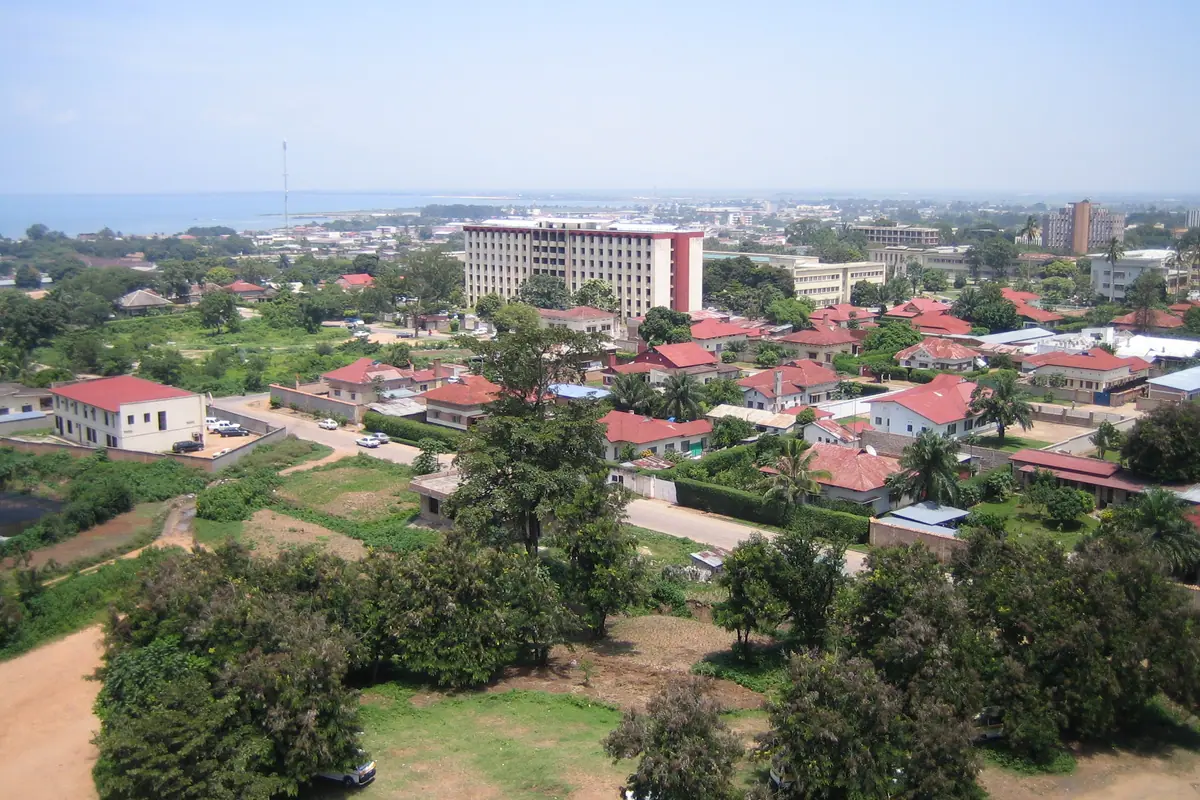
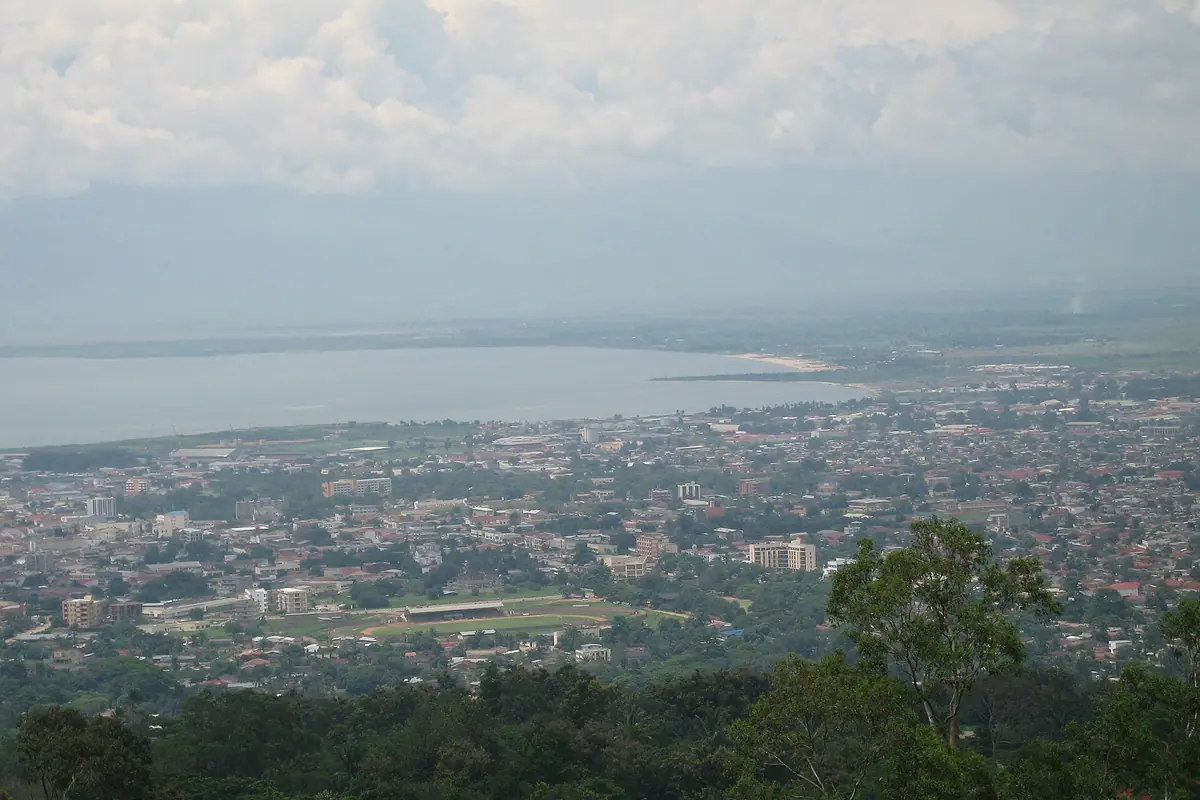
Bujumbura sprawls along the northeastern shore of Lake Tanganyika, one of the deepest and oldest freshwater lakes on the planet, with the mountains of the Democratic Republic of the Congo hazy on the far side. Saga Beach, on the city's edge, is where everyone goes: sand, palms, beach bars, grilled mukeke and a sunset that lands directly across the water. Weekends are busy, weekdays are sleepy, and the lake is warm enough to swim in almost year-round. For the classic overview of the city, drive up to the Belvedere viewpoint in the hills, where the whole shoreline unrolls beneath you, and then drop down past the Regina Mundi Cathedral, which crowns its own hill above the centre.
Northwest of the city, the Rusizi river empties into the lake through a delta that is protected as Rusizi National Park. Take a small boat into the channels early in the morning and you will find hippos in pods, crocodiles on the banks, sitatunga in the reeds and a genuinely impressive list of waterbirds. Two to three hours is enough, and the dry season gives the clearest sightings. This is not a big-game park — it is a delta, and it is all the better for it.
South along the lake road, by the small settlement of Mugere, a rock marks the spot where the explorers Livingstone and Stanley camped together in 1871 on their journey around the lake. Carry on and the road runs down to Rumonge and Nyanza-Lac through fishing villages, palm groves and roadside stalls selling fresh fish and oil pressed from palm. It is one of the easiest and most rewarding day trips in the country. One caution: stick to the open lake and beaches for swimming and avoid the still, reedy inlets where river water mixes with the lake.
Karera Falls, the Nyakazu Fault and the Source of the Nile
In Rutana province in the southeast, the Karera Falls drop through a wooded gorge in a series of cascades, each with its own pool, linked by a stepped path that climbs alongside the water. The site includes a small sacred grove, and local visitors often come as much for that as for the falls. It is a long but comfortable drive from Bujumbura, and it pairs naturally with the Nyakazu Fault nearby — a dramatic escarpment edge that the locals call the German Fault, looking out over the vast Kumoso plain towards Tanzania. The falls are at their fullest in the rainy months, but the dry season makes the walking far easier underfoot.
Further south, in Bururi province, the southernmost source of the Nile is marked by a small stone pyramid at Rutovu, at the foot of Mount Kikizi. It is a modest, almost anticlimactic spot for such a famous river, set among tea and eucalyptus, and that is precisely its charm. The surrounding hills hold the Bururi Forest Reserve and, further west, the Vyanda Forest Reserve, both montane forests where chimpanzees, colobus monkeys and forest birds survive in pockets of real wilderness. Birders should not skip this corner of the country.
To the north and east, two very different protected areas round out the map. Kibira National Park is a rainforest along the Congo–Nile divide, above the coffee and tea country, with guided walks through bamboo and closed-canopy forest, chimpanzees, black-and-white colobus and turacos. Ruvubu National Park is the country's largest, protecting savanna along the Ruvubu river in the east, with buffalo, hippo, antelope and superb birding — and hardly another visitor in sight. Further north still, in Kirundo, Lake Rwihinda is known as the lake of birds: you drift through water lilies by pirogue, and between November and March the migratory species arrive in numbers. The neighbouring lakes of Kanzigiri, Cohoha and Rweru make an easy, unhurried second day in the region.
When to Go, How to Move and How to Travel Well
Burundi has two dry windows — roughly June to August and January to February — and these are the best months for travel. Roads hold up better, park trails are passable, views are clear and the lake is at its most inviting. The long rains fall from around March to May and the short rains from October to December; the trade-off is lush hills, full waterfalls and far fewer people, at the cost of mud and occasional washed-out tracks. Bujumbura is hot and humid year-round, while the highlands around Kayanza and Gitega are cool, often misty, and cold enough after dark to need a jacket. Pack layers, not just shorts.
Kirundi is the everyday language, French is used in administration and Swahili is widely spoken in Bujumbura and along Lake Tanganyika. English is limited outside hotels and guide services, so a few words go a long way: muraho for hello, amahoro for peace, urakoze for thank you. Carry Burundian francs in small notes — card acceptance is patchy and mobile money is the local norm. Within Bujumbura, taxi-motos and shared minibuses cover most needs; for anywhere upcountry, hire a 4x4 with a driver rather than self-driving. Distances look short on a map, but hills and road conditions stretch them out, and driving after dark is best avoided entirely.
Etiquette matters here. Greet people before asking anything, use your right hand to give and receive, and ask permission before photographing anyone — a refusal is common and should be respected without argument. Avoid photographing military personnel, checkpoints and government buildings. Dress modestly away from the lakeshore. And check your government's current travel advice before you book: Burundi has experienced political unrest in the past, and certain border zones are best avoided. Travelling with a local guide, keeping to daylight hours and staying flexible with plans will let you see the country at its warm, unhurried, deeply musical best.
Frequently asked questions
What food should I try in Burundi?
Start with isombe (pounded cassava leaves cooked with palm oil) and ibiharage (slow-cooked beans), eaten with umutsima dough. From Lake Tanganyika, order mukeke fried whole or grilled capitaine. For celebrations, boko boko harees is chicken cooked with cracked wheat and spices. Add a few drops of akabanga chilli oil, and finish with urwarwa banana beer or a cup of highland coffee.
What is the best time of year to visit Burundi?
The dry seasons from June to August and January to February are the most comfortable, with better roads, clearer views and easier access to parks and waterfalls. March to May brings the long rains and October to December the short rains — greener and quieter, but muddier and slower to get around.
How many days do you need in Burundi?
Five to seven days covers Bujumbura, the beach at Saga, a Rusizi delta boat trip, Gitega and the Gishora drum sanctuary, and a run out to the Karera Falls. Allow ten days to two weeks if you want to add Kibira or Ruvubu National Park, the coffee and tea highlands around Kayanza, and the bird lakes near Kirundo.
Is Burundi safe for tourists?
Burundi has a history of political unrest, so check your government's current travel advice before booking and avoid border areas. Once there, travel with a local guide, keep to daylight hours, steer clear of demonstrations and checkpoints, and stay flexible. Most visitors who take those precautions describe a warm and trouble-free experience.
Do people speak English in Burundi?
English is not widely spoken outside hotels, tour operators and some younger city dwellers. Kirundi is the everyday language, French is used in administration and Swahili is common in Bujumbura and along Lake Tanganyika. Learning a few greetings such as muraho and urakoze is appreciated, and hiring a guide solves most communication problems.
Sort the rest of your trip
Everything for Burundi, in one place
Stay in Burundi
Hotels, guesthouses and apartments — compared in one search.
Search hotels
Transfer in Burundi
Private driver waiting on arrival — no queues, no surprises.
Book a transfer
Stay online in Burundi
Travel eSIM — data the moment you land, no roaming bills.
Get an eSIM