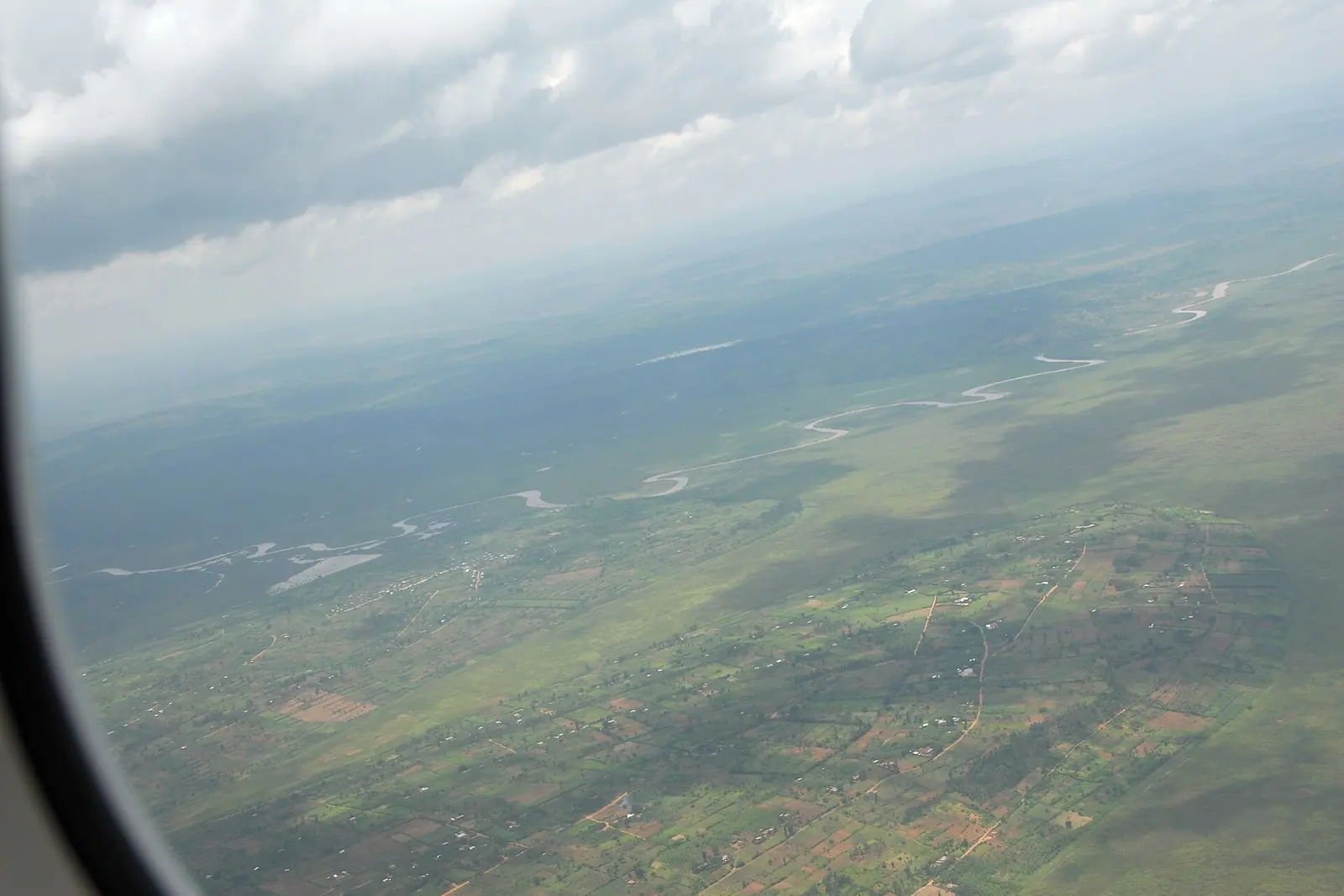
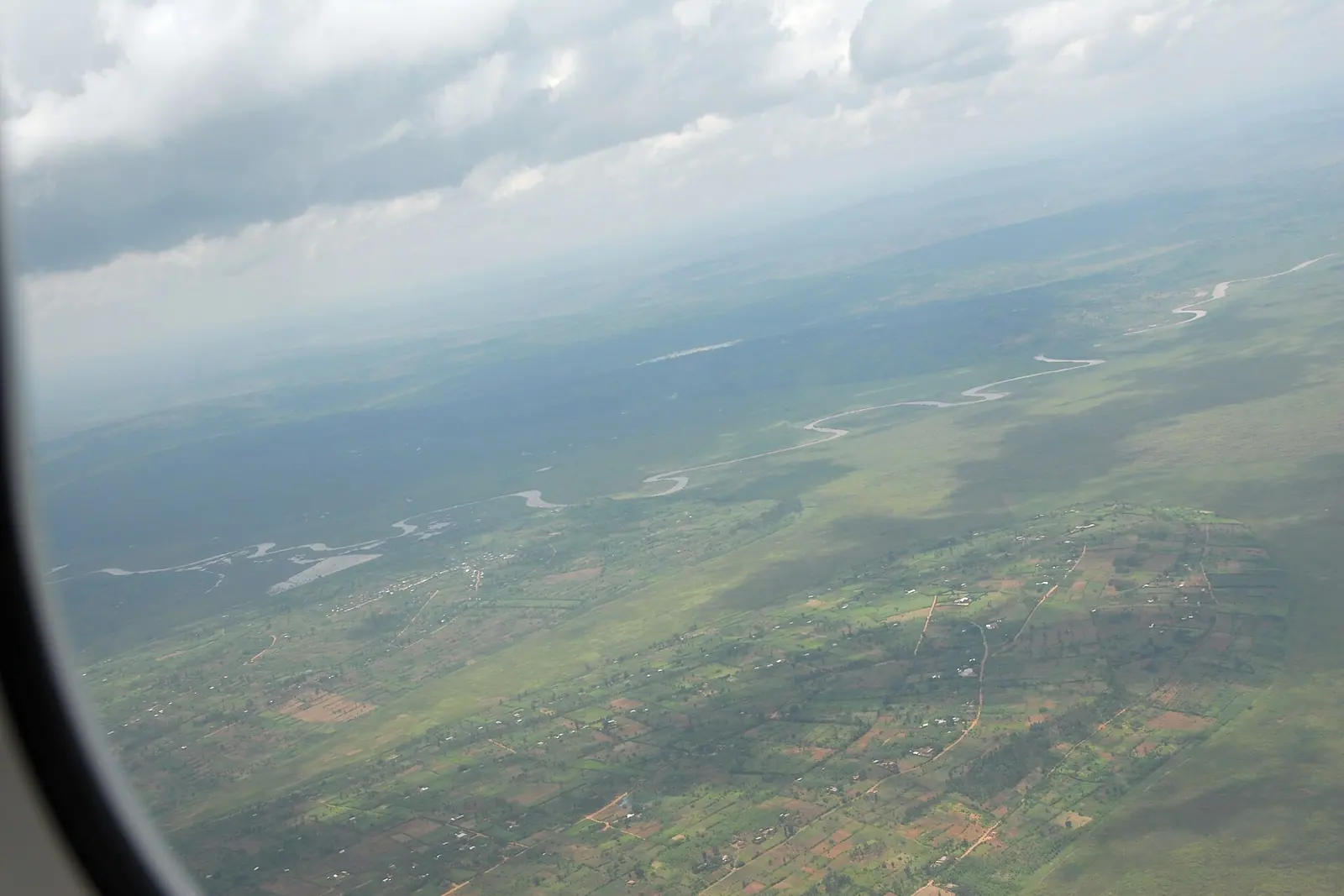
Burundi is the kind of country that rewards the traveller who lands rather than the one who lingers in the departures hall of the internet. A single week is enough for hippo-filled deltas, drumming that rattles your ribs, waterfalls in a forest gorge and a small stone pyramid marking the southernmost source of the Nile, all threaded together by short but slow roads.
Flying In: Arrival, Airports and How to Shape the Week
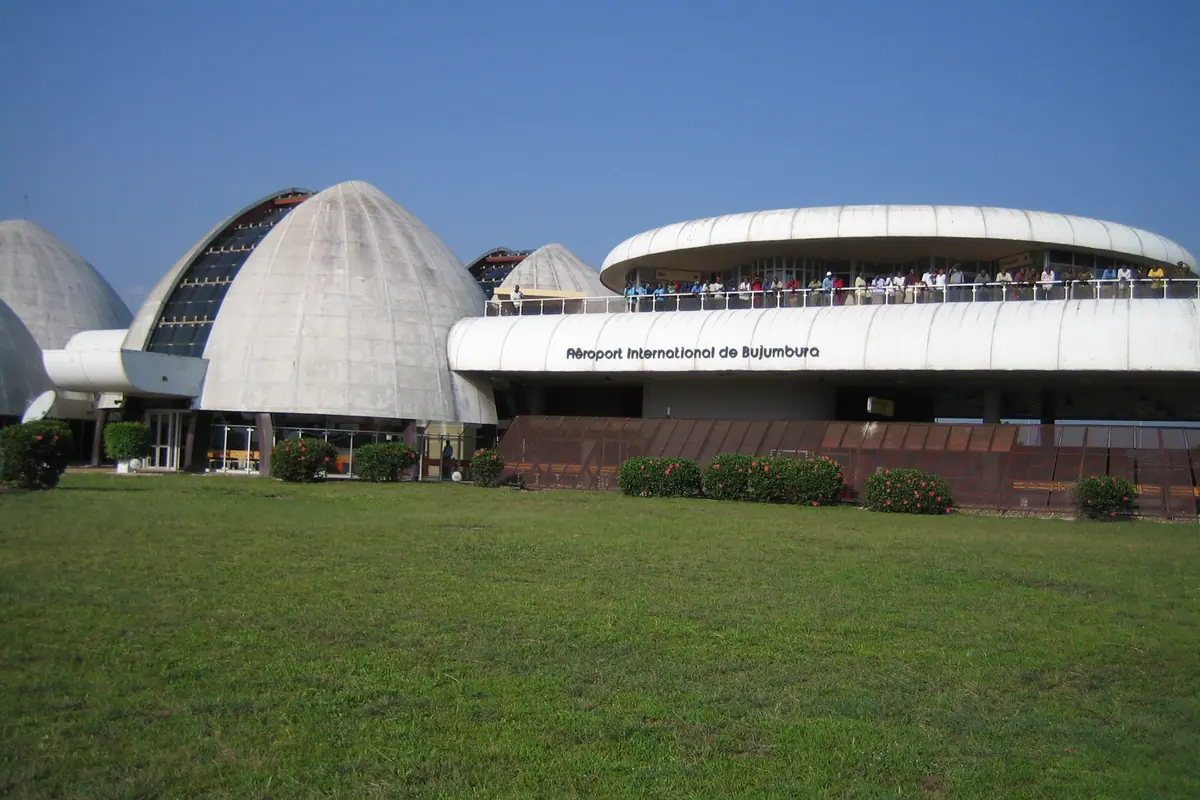
Almost every visit to Burundi begins and ends at Melchior Ndadaye International Airport, a compact, low-rise terminal on the Rusizi plain about ten kilometres north of central Bujumbura, squeezed between the lake and the first green shoulders of the hills. There is no meaningful domestic flight network, so a Burundi itinerary is essentially a loop by road that starts and finishes at this runway. Regional carriers link the country to East African and Middle Eastern hubs, while a couple of longer-haul services bring passengers straight from Europe; most travellers arrive on a midday or late-afternoon landing and clear immigration quickly.
Paperwork is straightforward for many nationalities, with visas commonly issued on arrival, but rules shift and you should confirm current requirements with an embassy or consulate well before booking. A yellow fever certificate is routinely asked for, and malaria prophylaxis is a sensible conversation to have with a travel clinic. Bring cash in Burundian francs or clean, recent US dollars, because card acceptance outside a handful of city hotels is patchy at best, and ATMs in upcountry towns are rare.
The rhythm that works best over seven days is a half-city, half-country split: two nights settling into Bujumbura, then a southern arc through Gitega, Rutana and Bururi, finishing with forest or lakes in the north before returning for your departing flight. Distances on the map are deceptive. A hundred kilometres can take two hours on tarmac and considerably longer on the red-earth roads that climb into the interior, so plan on one major move per day and leave the afternoons loose.
Days 1–2: Bujumbura, the City That Faces the Lake
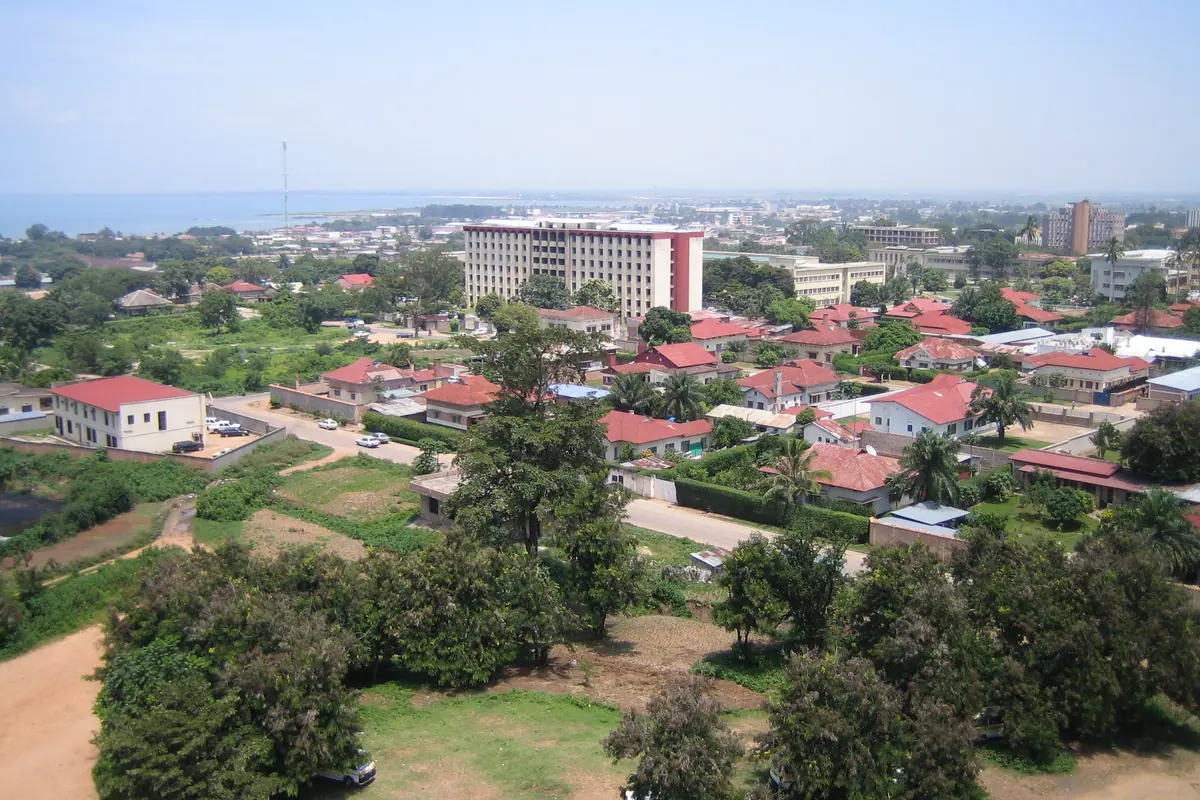
Ease in gently. Bujumbura is a low, sprawling city of bougainvillea, colonial-era avenues and wide lake views, and its two days are best spent on foot and on the water. Start at the Independence Monument and the surrounding square, then push into the Marché Central, a dense warren of fabric stalls, coffee sacks and kitchenware where the smells of dried fish and roasting beans collide. A short drive away, the Musée Vivant combines a small ethnographic collection with a rambling garden of crocodiles, snakes and birds, and the tree-lined campus roads nearby make for an easy, shaded walk.
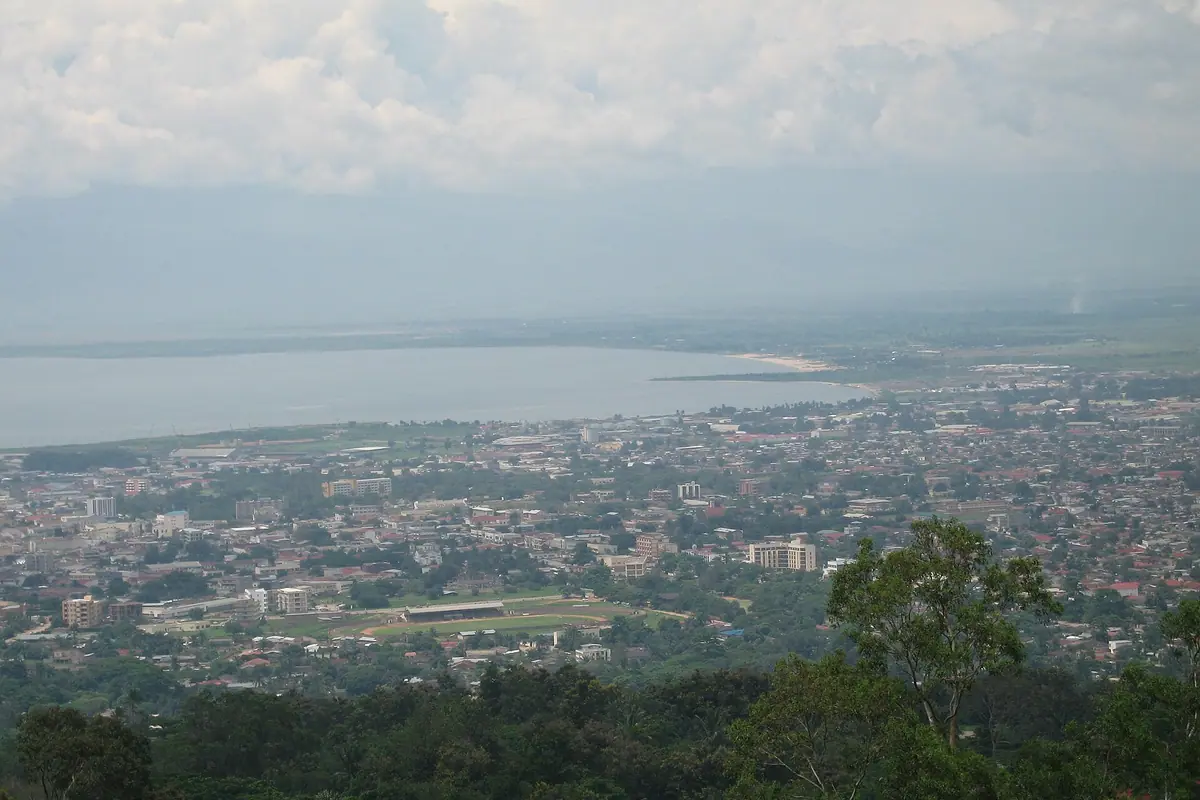
Climb to the Belvedere viewpoint on the Bugarama road in the late afternoon. The city unrolls below you, and beyond it Lake Tanganyika stretches out like beaten metal to a horizon that belongs to another country entirely. Come back down to the water for sunset at one of the lakeside beaches north or south of the centre, where families swim, fishermen push out in dugout canoes and the air smells of charcoal and mukeke, the slender lake fish that arrives grilled and whole on almost every evening table.
Eat what the city eats: mukeke with cassava, ndagala, boko boko, and skewers of beef sold from roadside braziers after dark. Wash it down with highland coffee, which is genuinely excellent and rarely exported in the quantities it deserves. If you have energy left, the cathedral and the older quarters around it give a sense of the city's layered history, part Swahili coast, part Belgian administrative town, entirely itself.
Day 3: Rusizi National Park and the Livingstone–Stanley Stone
Head north out of the city at first light for Rusizi National Park, where the river of the same name empties into Lake Tanganyika in a braided delta of channels, sandbanks and papyrus. This is the easiest and most rewarding wildlife stop in the country: pods of hippos surfacing and snorting in the shallows, crocodiles hauled out on the banks, sitatunga antelope picking their way through the reeds and a staggering tally of waterbirds. Early mornings are cool and the animals are active; a boat or a guided 4x4 through the reserve takes roughly two to three hours and can be arranged through local guides in Bujumbura. Bring binoculars and a hat, because there is almost no shade.
On the way back south, stop at the Livingstone–Stanley Stone at Mugere, about twelve kilometres from the city. The boulder, marked with an inscription, commemorates the stay of the two explorers on the lake's northern shore during their 1871 expedition, and it sits in a quiet, slightly overgrown clearing with the water just beyond. Whether or not you believe the plaque's claim, it is an evocative pause, and the stretch of shore around it is worth an hour of your time.
Finish the day at one of the beaches near the delta, or continue south through palm groves and rice fields toward Kigwena Forest, a remnant of lowland rainforest where you can walk beneath towering trees and listen for monkeys. If you are heading onwards to Gitega tomorrow, spend the night either back in Bujumbura or in Rumonge, a lake town with a sleepy charm and excellent grilled fish.
Day 4: Gitega, the National Museum and the Gishora Drummers
The road from Bujumbura to Gitega climbs through tea and coffee country, past the hot springs and viewpoints around Bugarama and Teza, and takes a comfortable two hours. Gitega, the country's political capital, is a modest, orderly highland town with a market, a cathedral and the National Museum, whose collection of royal regalia, woven cloth, baskets, tools and musical instruments gives a compact education in Burundian culture. Allow an hour and a half here; the labels are spare, so a guide pays for itself.
The main event, though, is Gishora, a drum sanctuary about seven kilometres outside town. This is where the great ingoma — hollowed from single tree trunks and hoisted onto the head — are kept and where drummers perform the thunderous, leaping, chanting dances that have been recognised as intangible cultural heritage. Performances are not casual tourist shows and usually need to be arranged a day or two ahead through the site or your guesthouse; the drummers are farmers and craftsmen who come together for ceremonies and visitors.
Afterwards, drive south toward Rutana, roughly ninety minutes on a road that unspools through banana groves and ridgelines. Settle in for the night in or near Rutana so that you are close to the waterfalls and the fault line at dawn, when the light is best and the heat has not yet arrived. Upcountry guesthouses are simple but clean, and the evenings are cool enough for a jumper.
Day 5: Karera Falls, the Nyakazu Fault and the Source of the Nile
Start at the Karera Falls, a chain of cascades tumbling through a wooded valley in Rutana province. A path drops from the visitor area down to the pools and viewpoints in about half an hour, passing mossy rock faces and stands of bamboo, and the water is loud enough to drown out conversation after rain. The falls are at their most photogenic in the green season, between roughly October and May, when the flow is heavy and the surrounding forest is vivid; by the end of the long dry season they can thin to a trickle.
Next, the Nyakazu Fault, known locally as the German Gorge, where the land simply falls away. You stand on the edge of an escarpment looking over a vast, hazy plain stretching toward the Tanzanian border, with the ruins of an old colonial military post nearby and eagles riding the updraughts above the cliff. It is a ten-minute walk from the parking area and one of the great unheralded views in East Africa.
In the afternoon, drive west into Bururi province to Rutovu, where a small stone pyramid marks the southernmost source of the Nile — a spring that begins here and, eventually, empties into the Mediterranean thousands of kilometres away. Combine it with a walk in the Bururi Forest Nature Reserve, an upland forest patch alive with birds and monkeys. Then either loop back toward Bujumbura or push north for the final stretch of the trip.
Days 6–7: Kibira Rainforest, the Northern Lakes and the Flight Home
Kibira National Park protects a swathe of montane rainforest along the Congo–Nile divide, a cool, dripping world of cloud, giant trees, chimpanzees, baboons and more than two hundred recorded bird species. Walks of two to four hours leave from trailheads above Kayanza and Rwegura and range from gentle forest tracks to steep, muddy climbs along the ridge. Wear boots with grip, carry rain gear whatever the forecast says, and hire a guide — the trails are not signposted and the forest closes in quickly.
If you would rather spend your last full day on water than on foot, the northern lakes around Kirundo are the alternative: Rwihinda, known as the lake of birds, along with Cohoha and Rweru, fringed with papyrus and busy with migratory species between roughly November and March. Small boats can be hired on the shore, and the birdlife at dawn is exceptional. Both options put you three to five hours from Bujumbura, so plan to return to the city the evening before your flight rather than on the day itself.
Then it is back to Melchior Ndadaye International Airport. Arrive with a generous margin, since check-in and immigration can be slow when several departures coincide, and keep some francs for the exit formalities. If your itinerary has room to spare, the eastern savanna of Ruvubu National Park or the chimpanzees of Vyanda Forest Reserve make fine substitutes for the northern leg — quieter, wilder and almost entirely without other visitors.
Frequently asked questions
How do you get to Burundi by air?
Nearly all flights land at Melchior Ndadaye International Airport, just north of Bujumbura. Regional carriers connect through East African and Middle Eastern hubs, and a small number of longer-haul services operate from Europe. There is no practical domestic flight network, so once you land you travel by road.
What is the best time of year to visit Burundi?
The long dry season from June to September is the most comfortable, with cooler temperatures, firmer roads and good conditions for hiking in Kibira and Bururi. December to February is a shorter dry window. The heaviest rains arrive from March to May, and October to November brings shorter showers — though this is when Karera Falls and the highland forests are at their most dramatic.
Is one week enough to see Burundi?
Yes, if you accept that you will move once a day rather than twice. Seven days comfortably covers Bujumbura, Rusizi National Park, the Livingstone–Stanley Stone, Gitega and the Gishora drummers, Karera Falls, the Nyakazu Fault and either Kibira forest or the northern lakes, with the final night back in the capital for your departure.
Do I need a visa and vaccinations for Burundi?
Many nationalities can obtain a visa on arrival, but requirements change and should be confirmed with an embassy or consulate before you book. A yellow fever vaccination certificate is routinely requested at the border, and antimalarial medication is strongly advised for the lake lowlands in particular.
What should I pack and how should I get around?
Burundi is largely a cash economy, so bring francs or clean US dollars and do not rely on cards outside Bujumbura. Pack grippy walking boots, rain gear, a hat, sunscreen and binoculars. A hired 4x4 with a driver is the most practical way to travel between regions, and local guides are essential for national parks and forest reserves.
Sort the rest of your trip
Everything for Burundi, in one place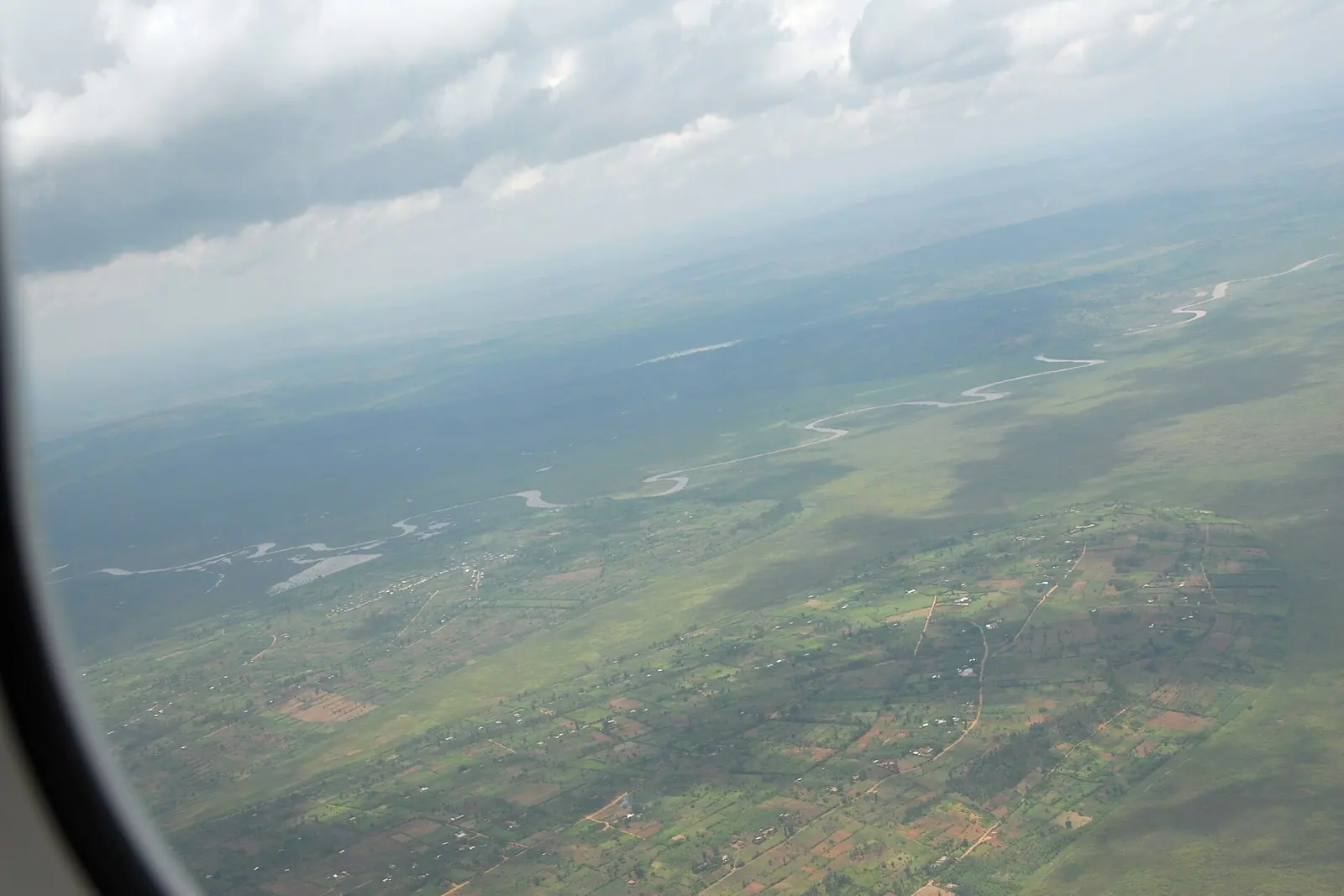
Stay in Burundi
Hotels, guesthouses and apartments — compared in one search.
Search hotels
Transfer in Burundi
Private driver waiting on arrival — no queues, no surprises.
Book a transfer
Travel insurance
Medical cover, delays and lost baggage — sorted before you go.
Get covered