Brazil is a continent wearing a country's name — granite peaks above Atlantic beaches, an opera house in the middle of the rainforest, waterfalls that shake the ground. This guide covers the landmarks and experiences a first-time visitor should build a trip around, plus the seasons and timings that make each one worth the journey.
Rio de Janeiro: Christ the Redeemer, Sugarloaf and the City Between Mountains and Sea
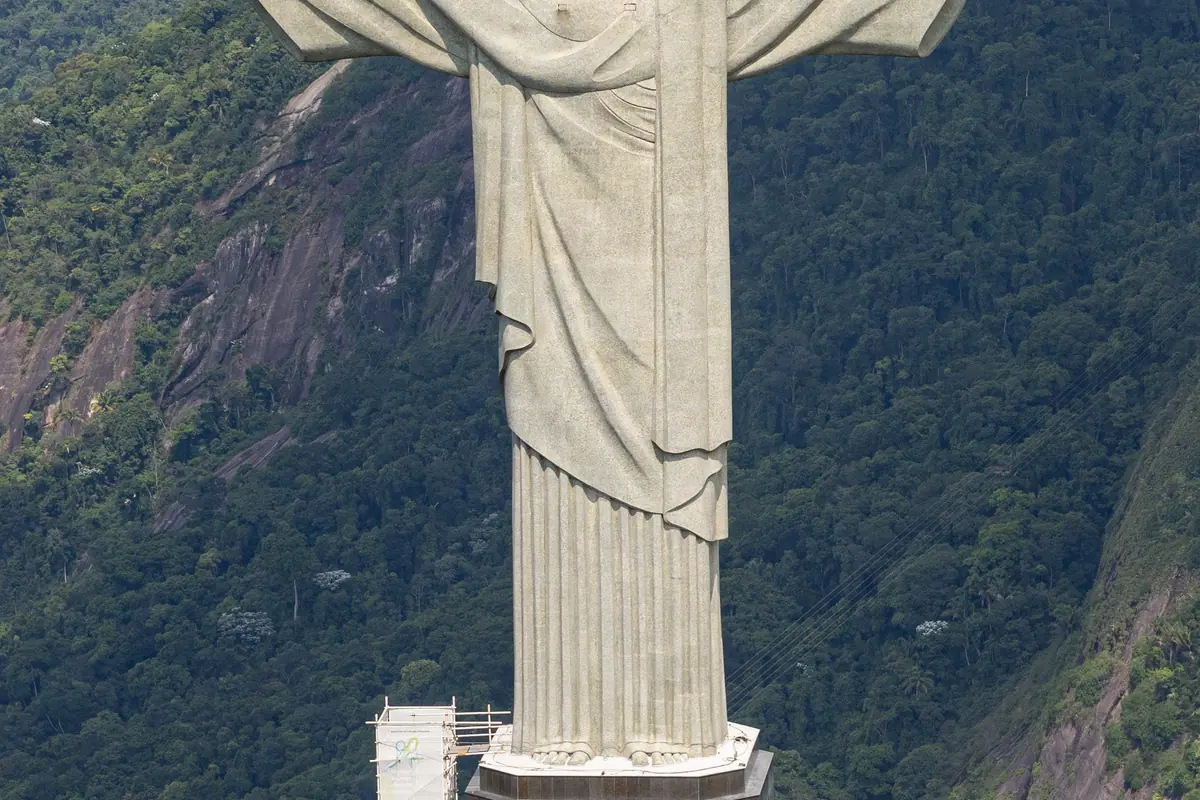
No image prepares you for Rio de Janeiro's geography. The city folds itself around granite domes that drop straight into the Atlantic, and two of its landmarks define the skyline. Christ the Redeemer stands on Corcovado at the top of Tijuca National Park, reached by a cog train that climbs through the largest urban rainforest on earth; go on the first departure of the morning, when clouds often still sit below the statue and the view opens over Guanabara Bay, Lagoa Rodrigo de Freitas and the beaches. Allow two to three hours including the ride, and keep a flexible day in your plan — afternoon haze or cloud can swallow the view entirely.
Sugarloaf Mountain, further east, is a two-stage cable car ride up from Urca, and the classic move is to arrive an hour before sunset, watch the light turn copper over Botafogo Bay, then ride down after dark when the city switches on its lights. Between the two peaks, Rio's daily life happens at street level: Copacabana's four-kilometre promenade, the surf crowds at Ipanema and Arpoador (where locals applaud the sunset), the tiled steps of Escadaria Selarón, the tram bells of Santa Teresa and the colonial lanes of the old port near the Museum of Tomorrow.
Sports fans can tour the Maracanã stadium, and anyone with a spare morning should walk the trails of Tijuca — waterfalls and lookouts, twenty minutes from the hotel zone. Rio rewards early starts: heat, crowds and afternoon storms all arrive together from December to March, while May to October brings cooler, clearer days.
Iguaçu Falls: The Devil's Throat and the Brazilian Side
Iguaçu Falls is not one waterfall but a horseshoe of roughly 275 cascades spread across nearly three kilometres of cliff, straddling the border with Argentina. The Brazilian side is the panorama: a walkway descends toward the river and ends on a platform jutting into the Devil's Throat, where the biggest volume of water drops away in a permanent cloud of spray. You will get soaked, and you will not mind. The Argentine side, reached by crossing the border, puts you on catwalks directly above and beside the falls, which takes a full day rather than half of one.
Most visitors base themselves in Foz do Iguaçu, where the national park also holds a walkway of canopy trails and a bird park with toucans, macaws and harpy eagles. The Itaipu Dam, one of the world's largest hydroelectric projects, runs guided visits nearby and is a genuine engineering spectacle. Helicopter flights over the falls operate from the Brazilian side and take about ten minutes.
Water levels shift through the year: December to March is the wettest and most thunderous, while the drier months from April to September bring clearer skies and easier photography. Two full days is the right allocation — one for the Brazilian park, one for Argentina — and passport checks at the border can add an hour each way, so do not book a tight onward flight.
The Amazon from Manaus: Meeting of the Waters and Rainforest Lodges
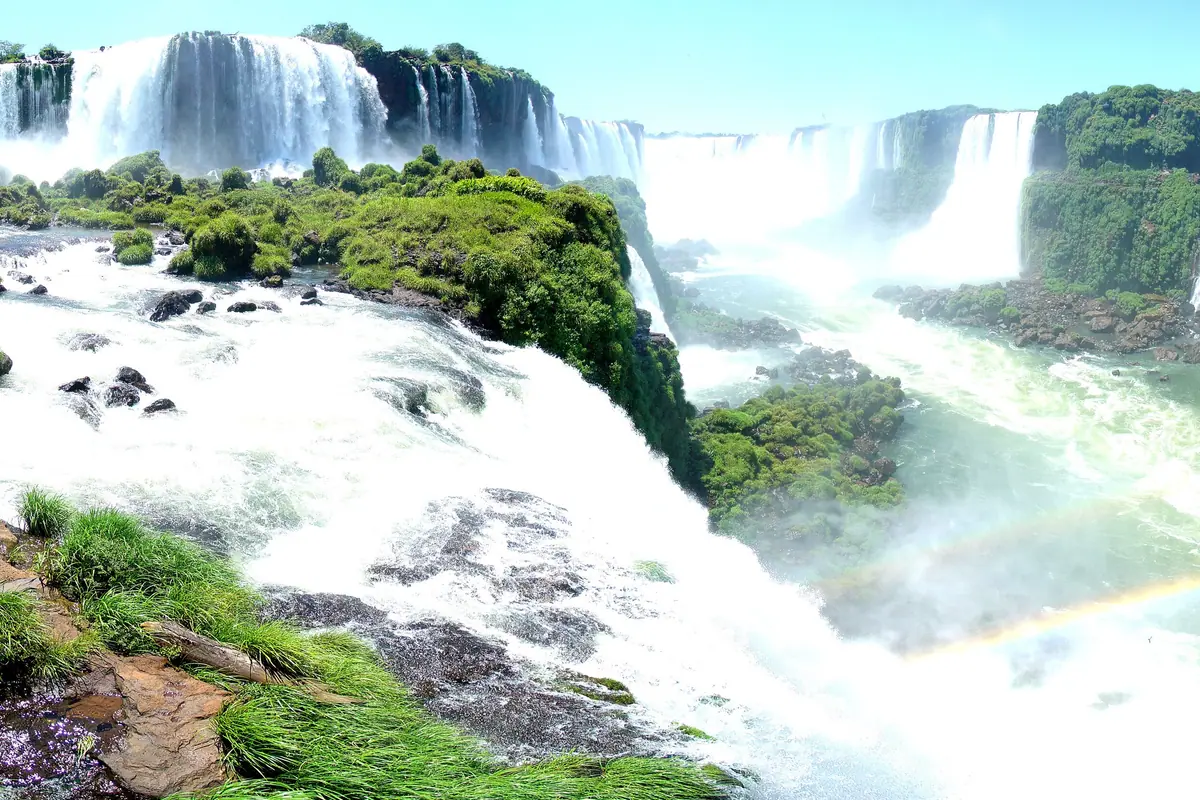
Manaus, a rubber-boom city a thousand kilometres upriver, is the gateway to the Amazon. Its landmark is the Teatro Amazonas, an opera house from 1896 with a dome of coloured tiles and a ceiling painted to look up through the Eiffel-era ironwork at the sky; guided tours run most days. Nearby, the Mercado Adolpho Lisboa sells river fish, medicinal plants and hammocks, and the waterfront gives onto the Meeting of the Waters, where the black Rio Negro and the sandy Solimões run side by side for several kilometres without mixing.
The real experience, though, is out of town. Jungle lodges in the surrounding reserves run three- to five-night packages with canoe trips, night walks to look for caimans and tree frogs, canopy towers and visits to riverine communities. On morning boat trips you can sometimes spot pink river dolphins, and fishing for piranha is a reliable thrill for children. Longer expeditions reach the Anavilhanas archipelago, a maze of islands that floods entirely in the high-water season.
The Amazon has two seasons and both are interesting. From roughly February to June the rivers rise and canoes glide through flooded forest at eye level with the treetops; from September to November the water drops, beaches appear and forest hiking becomes possible. Manaus is hot year-round, so pack light, long sleeves for mosquitoes, and expect rain at any time.
Salvador and Bahia: Pelourinho, Capoeira and Afro-Brazilian Culture
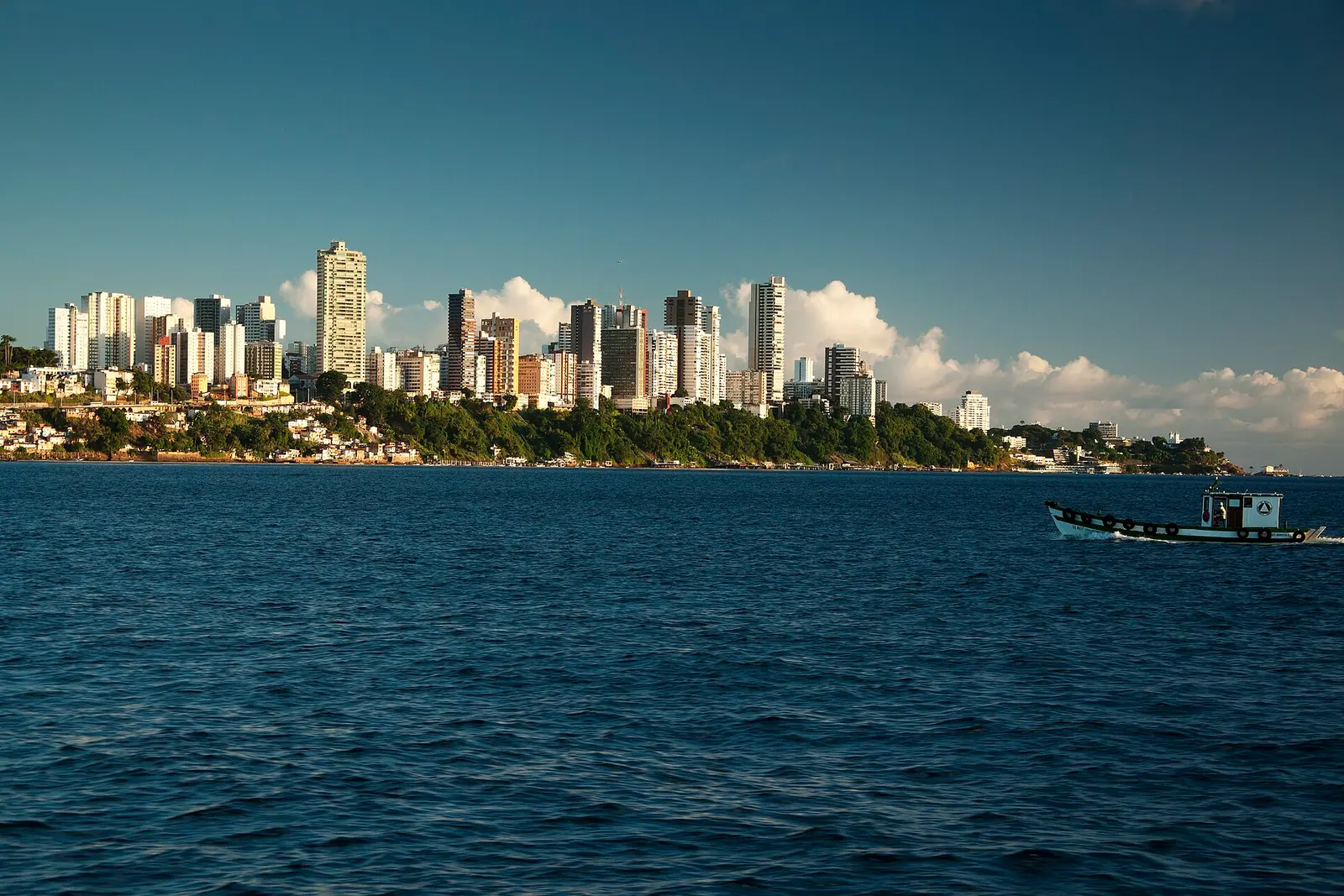
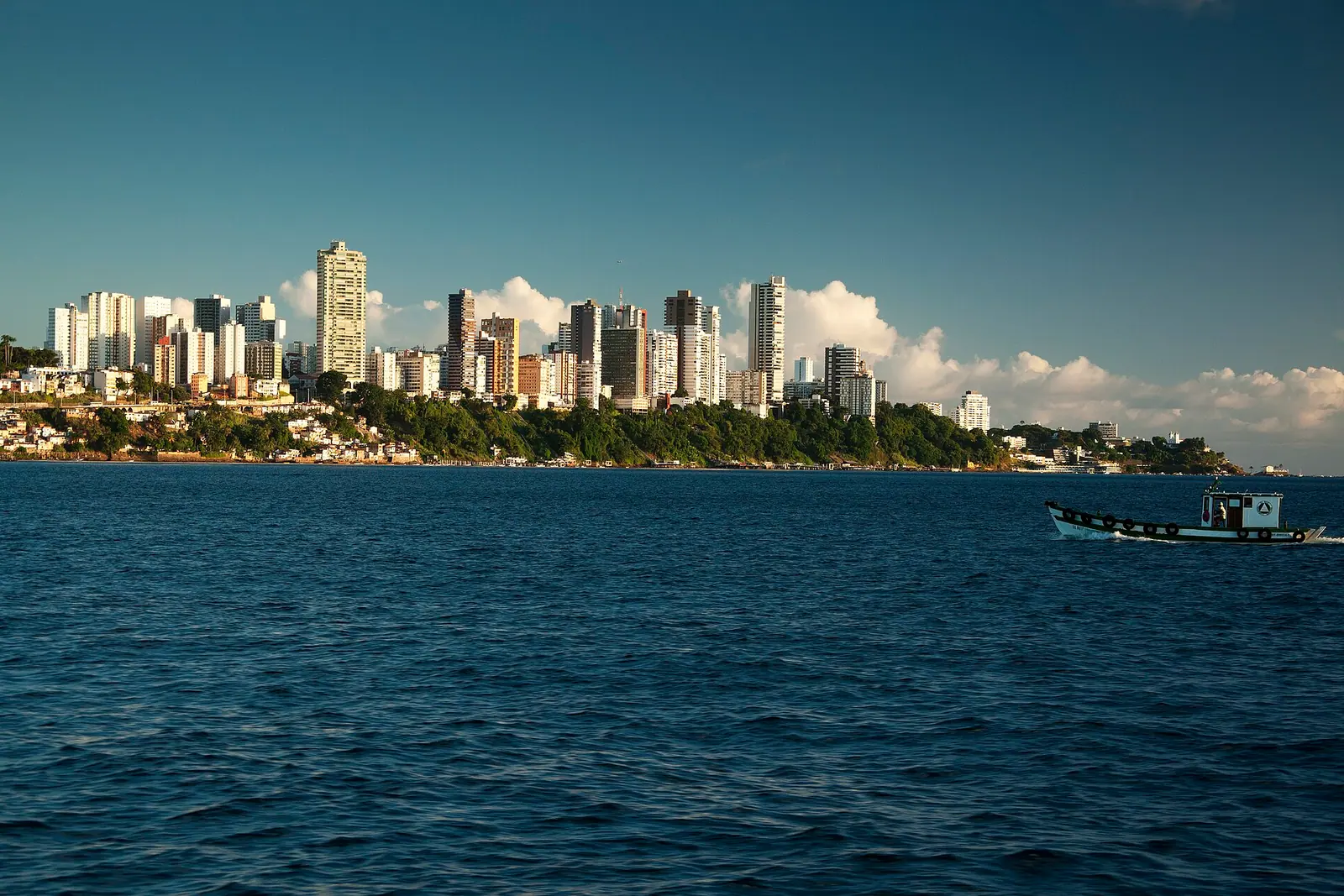
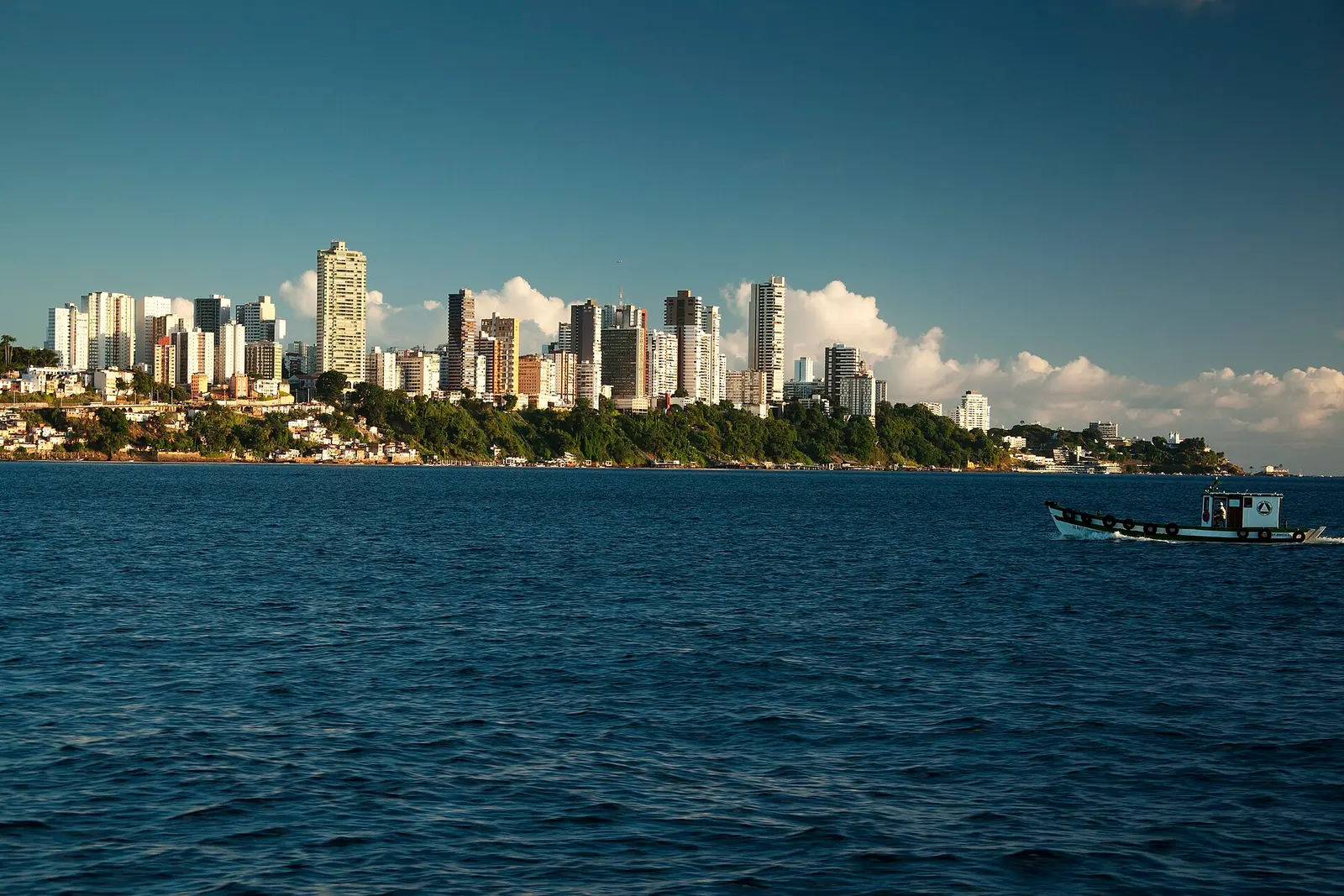
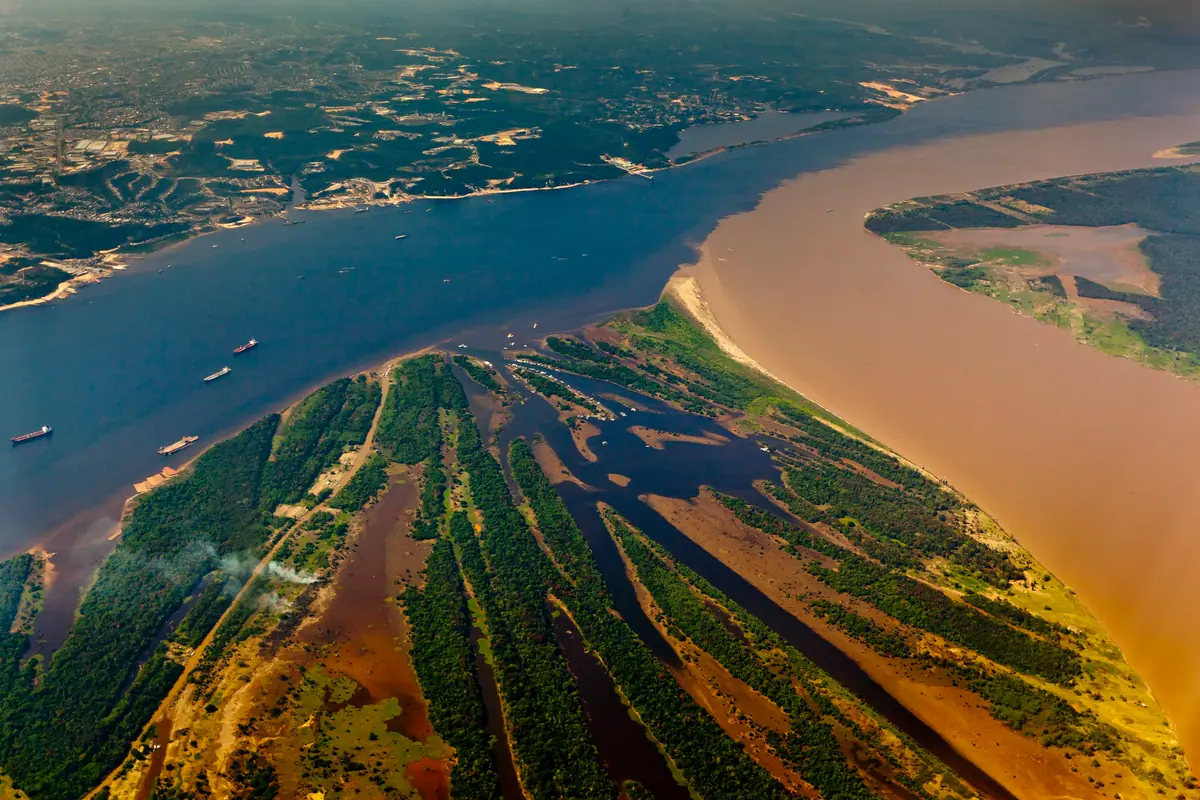
Salvador da Bahia was Brazil's first capital, and its UNESCO-listed historic centre, the Pelourinho, is the country's most atmospheric colonial quarter — steep cobbled streets of ochre, blue and pink mansions above the Bay of All Saints. The Church of São Francisco is the showpiece, its interior sheathed in gold leaf, and the Elevador Lacerda, a public lift running down the cliff to the lower city, offers a cheap and dizzying view. At the Mercado Modelo you can buy handicrafts; at the Igreja do Bonfim, visitors tie coloured ribbons to the church railings and make three wishes.
Culture here is lived rather than staged. Capoeira rodas spill onto the squares in the late afternoon, drumming groups rehearse in doorways, and the smell of acarajé — black-eyed pea fritters fried in dendê oil and stuffed with shrimp — follows you down every street. Salvador's Carnival is famously more street-level than Rio's, with giant sound trucks parading along the Barra–Ondina circuit and free parties in the old town.
Bahia also opens into other landscapes: the Chapada Diamantina, a highland region of table mountains, caves and waterfall pools, is an easy flight or overnight bus away, and the bays south of the city hide quiet beaches and mangrove channels. Bahia is hot and humid most of the year, with the driest stretch from September to February.
The Pantanal and Bonito: Wildlife Watching and Crystal Rivers
The Pantanal is the world's largest tropical wetland, and it is the best place in South America to see big animals. Unlike the Amazon's dense forest, the Pantanal is open — you travel along the Transpantaneira dirt road, by boat along the Cuiabá River and on horseback across flooded grassland, spotting capybara, caiman, jabiru storks, hyacinth macaws and howler monkeys without much effort. The headline encounter is the jaguar: the northern Pantanal, around Porto Jofre, has the highest density of jaguars anywhere, and boating excursions in the dry season often return with sightings of animals resting on riverbanks.
Timing is everything here. The dry season from July to October concentrates wildlife around shrinking water sources and makes overland access straightforward; the wet season from December to May floods the roads and turns the region into a vast nursery for birds and fish, beautiful but harder to navigate. Plan four to five days minimum — a three-day trip means two of them are spent travelling.
South of the Pantanal, the small town of Bonito adds a different kind of nature: transparent rivers where you snorkel downstream among schools of fish, and the Gruta do Lago Azul, a cave whose mineral-blue lake is one of Brazil's strangest sights. Visitor numbers at the main rivers are capped daily, so reserve your slot before you arrive.
Beyond the Classics: Lençóis Maranhenses, Ouro Preto and Brasília
Brazil's Northeast holds one of the country's most surreal landscapes. Lençóis Maranhenses is a national park of rolling white dunes that fill with rainwater between roughly June and September, creating thousands of freshwater lagoons where you swim in the middle of what looks like a desert. You explore on foot or in 4x4 vehicles from the town of Barreirinhas, and the classic finale is a sunset from the top of a dune. Note the season carefully: outside the rainy months, the lagoons are empty.
In the interior, the colonial gold towns of Minas Gerais reward anyone interested in architecture and history. Ouro Preto, a UNESCO site, is a steep baroque town of churches, museums and cobbles, with the church of São Francisco de Assis carved by Aleijadinho, Brazil's most celebrated colonial sculptor. Ouro Preto and nearby Tiradentes are lovely during Holy Week, when processions of candles and flowers fill the streets.
Modern Brazil has its own landmarks. Brasília, purpose-built as a capital in the 1950s, is a UNESCO-listed showcase of Oscar Niemeyer's curves — the Cathedral of Brasília, the National Congress and the Square of the Three Powers all sit along a monumental axis. São Paulo, meanwhile, delivers the urban side of the country: the São Paulo Museum of Art on Avenida Paulista, Ibirapuera Park and the street-art alleys of Vila Madalena. And far offshore, Fernando de Noronha's Baía do Sancho, regularly named among the world's best beaches, caps visitor numbers daily — book flights and permits well ahead.
Frequently asked questions
What is the best time of year to visit Brazil?
Brazil is huge, so there is no single answer. Rio and the south are most comfortable from May to October, when days are drier and cooler. The Amazon is best split by interest: February to June for flooded-forest canoeing, September to November for forest walks and river beaches. The Pantanal's wildlife season runs July to October, and the Lençóis Maranhenses lagoons are full from about June to September. Carnival falls in February or early March and drives prices up nationwide.
How many days do I need for a first trip to Brazil?
Two weeks is the realistic minimum for a satisfying first visit, given internal flight times. A common shape is four nights in Rio, two at Iguaçu Falls, three or four in the Amazon or the Pantanal, and three in Salvador or the Northeast. Trying to combine Rio, the Amazon, the Pantanal and Iguaçu in ten days means spending most of your trip in airports.
Is Brazil safe for travellers?
Most visits pass without incident, but street crime is a genuine issue in big cities. Keep phones out of sight, avoid empty streets after dark, use registered taxis or ride-hailing apps at night, and carry only what you need for the day. Petty theft is more common than violence, and tourist areas and national parks are generally well patrolled. Trust your instincts and ask your hotel which areas to avoid.
Do I need a visa or vaccinations for Brazil?
Entry rules depend on your nationality and change periodically, so confirm current requirements with official Brazilian consular channels before booking. Yellow fever vaccination is recommended for the Amazon and parts of the Pantanal and other inland regions, and some countries require proof of vaccination for entry — speak to a travel health clinic at least a month before departure. Dengue and mosquito-borne illness are present in much of the country, so repellent is essential.
Can I experience Carnival outside Rio de Janeiro?
Absolutely. Salvador's Carnival is a street party on an enormous scale, with sound trucks, drumming groups and free public revelry, while Recife and Olinda mix giant puppets, frevo dancing and a more family-friendly atmosphere. Smaller towns across Minas Gerais and the Northeast hold their own processions and block parties. Book accommodation months in advance wherever you go, and expect inflated prices for the whole Carnival week.
Plan it — experiences in Brazil
Live search, booked directly with trusted providers.
Sort the rest of your trip
Everything for Brazil, in one place
Stay in Brazil
Hotels, guesthouses and apartments — compared in one search.
Search hotels
Transfer in Brazil
Private driver waiting on arrival — no queues, no surprises.
Book a transfer
Stay online in Brazil
Travel eSIM — data the moment you land, no roaming bills.
Get an eSIM