Brazil is not one destination but a continent wearing a single passport: samba-soaked beaches in Rio, Afro-Brazilian drumming in Salvador, opera houses standing in the middle of the Amazon rainforest. Eat your way from a Salvador street corner to a Minas Gerais market stall, and you will understand the country far faster than any monument can teach you.
Brazil on a Plate: A Culinary Map of Five Regions
Brazilian food changes every few hundred kilometres, which is why a single week of eating here feels like five separate trips. In Rio de Janeiro and São Paulo, Saturday lunch means feijoada: a dark, slow-simmered stew of black beans and pork cuts, served with white rice, toasted farofa, shredded collard greens and orange slices to cut the richness. In Salvador, the same table turns Afro-Brazilian, with dendê palm oil and coconut milk showing up in moqueca fish stews and in the deep-orange vatapá spooned over street food.
The northeast has the country's most portable cuisine. In Salvador's historic centre, baianas in white lace sell acarajé from dedicated stalls — black-eyed pea fritters split open and stuffed with vatapá, caruru, salad and dried shrimp, fried in dendê oil and eaten standing up. Further north and inland you meet baião de dois (rice and beans cooked together with cheese and dried meat), grilled sweetcorn, cassava cakes and, in Recife, the rolled guava sweetness of bolo de rolo.
Head west into the Amazon and the flavours go riverine: tacacá, a hot, tingling broth of tucupi and jambu leaves served in a gourd; grilled tambaqui and pirarucu fish; and açaí in its original savoury form, thick and unsweetened beside fried fish. In the south, churrasco skewers arrive in endless waves alongside chimarrão, the shared gourd of yerba mate, while Minas Gerais built an entire culture around pão de queijo, aged canastra cheese and cafezinho. Finish any meal with a caipirinha made from cachaça — and remember the small, intense coffee that follows it is not optional.
Rio de Janeiro: Christ the Redeemer, Copacabana and Samba Nights
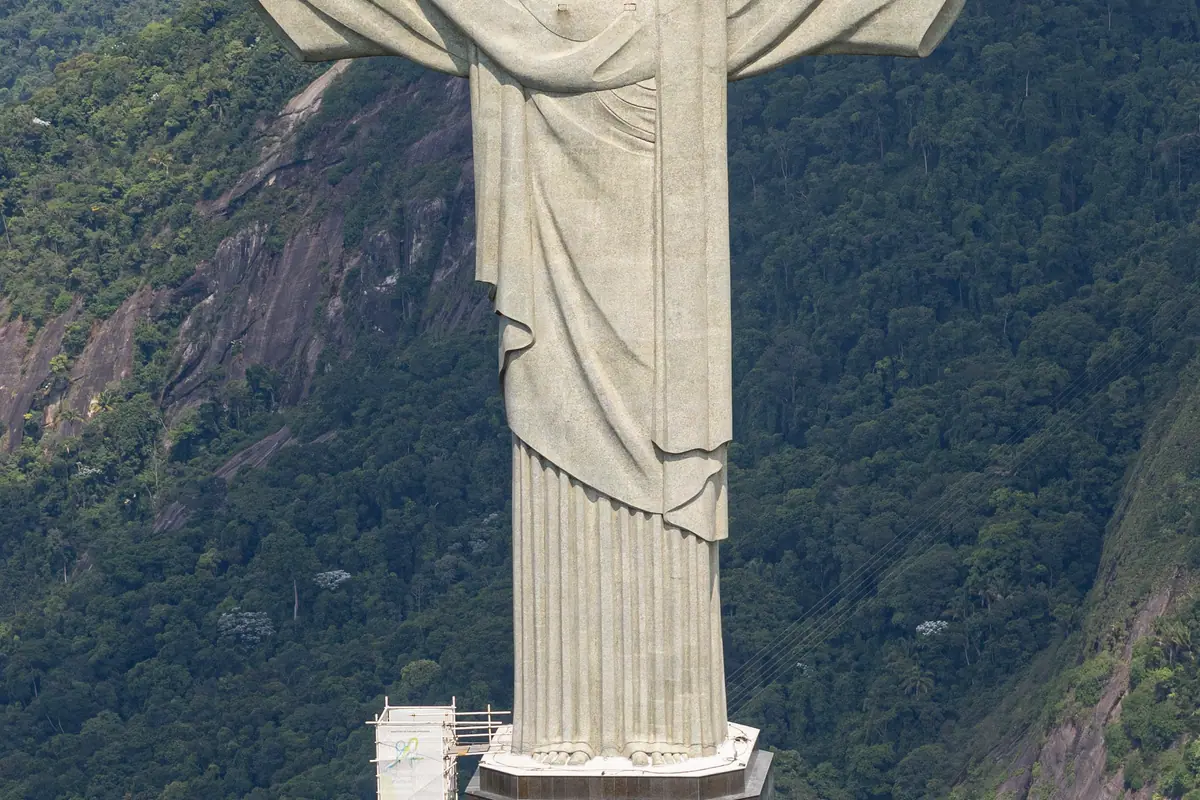
Rio is the obvious starting point for a first tour of Brazil, and it earns the hype. Christ the Redeemer stands on Corcovado mountain above the city, reachable by a cog train that climbs through Tijuca National Park — one of the world's largest urban forests — or by van from Cosme Velho. Arrive at opening time; by mid-morning the summit is often wrapped in cloud and the queues stretch down the stairs. Pair it with Sugarloaf Mountain, where a two-stage cable car lifts you over Guanabara Bay for the classic panorama back toward the beaches.
At ground level, Rio is a city of neighbourhoods. Copacabana's four-kilometre promenade with its wave-patterned mosaic is best walked at sunrise, when the beach belongs to joggers and footballers rather than sunbathers. Ipanema, just along the coast, has the livelier café scene and the famous sunset crowd at Arpoador rock. Between them, lace up for the Escadaria Selarón, the tiled staircase in Lapa covered in ceramics from dozens of countries, then ride the old tram up to Santa Teresa for cobbled streets and small art studios.
Come nightfall, the Arcos da Lapa aqueduct marks the heart of Rio's bohemian quarter, where samba spills out of botecos and live-music halls. During Carnival, the Sambadrome hosts the top samba schools' parades, but the free street parties, known as blocos, are where the city truly dances — some draw hundreds of thousands of revellers in costume. For football, nothing beats a match at the Maracanã, where the noise is a spectacle in itself.
Bahia and the Northeast: Afro-Brazilian Rhythm and Street Food
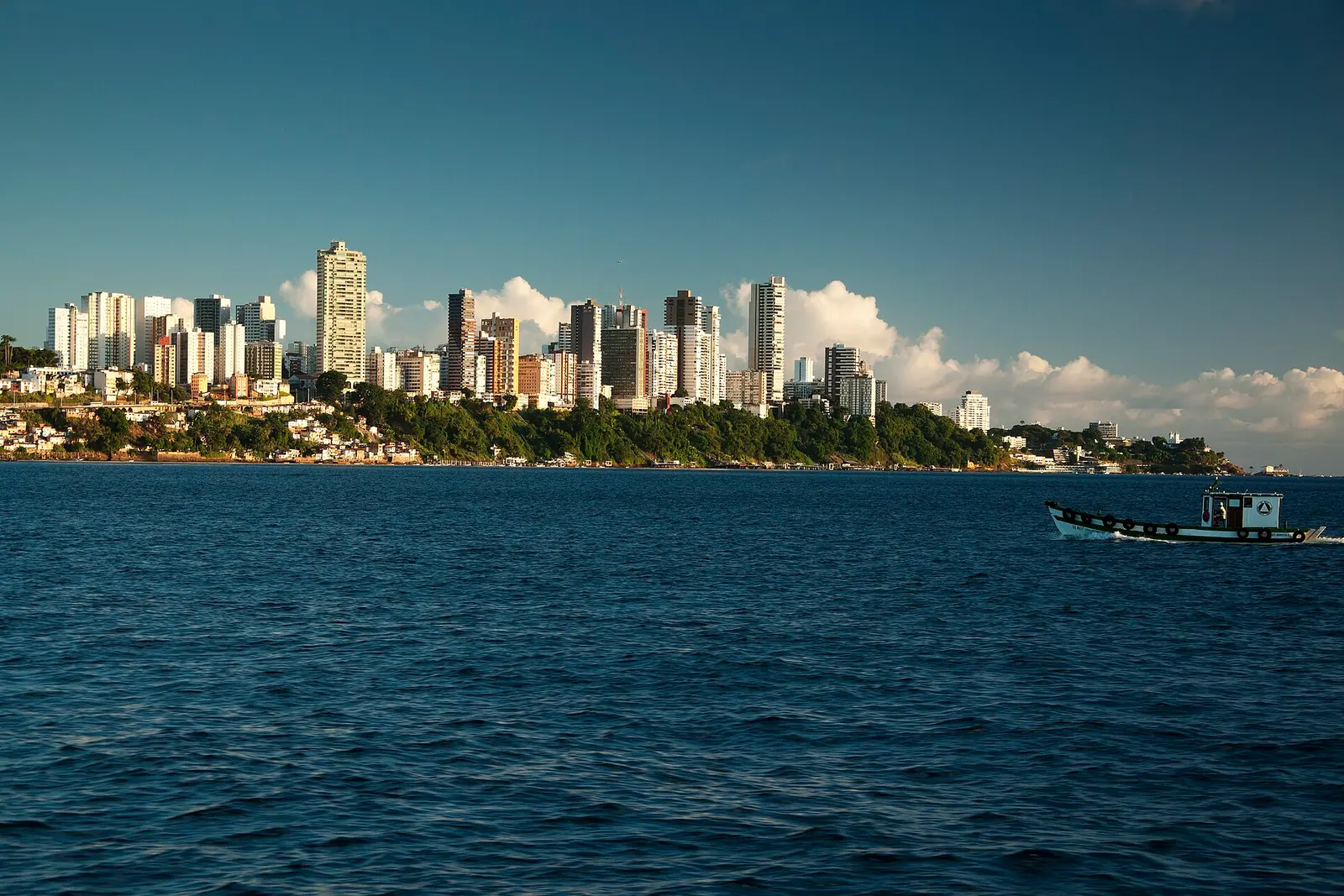
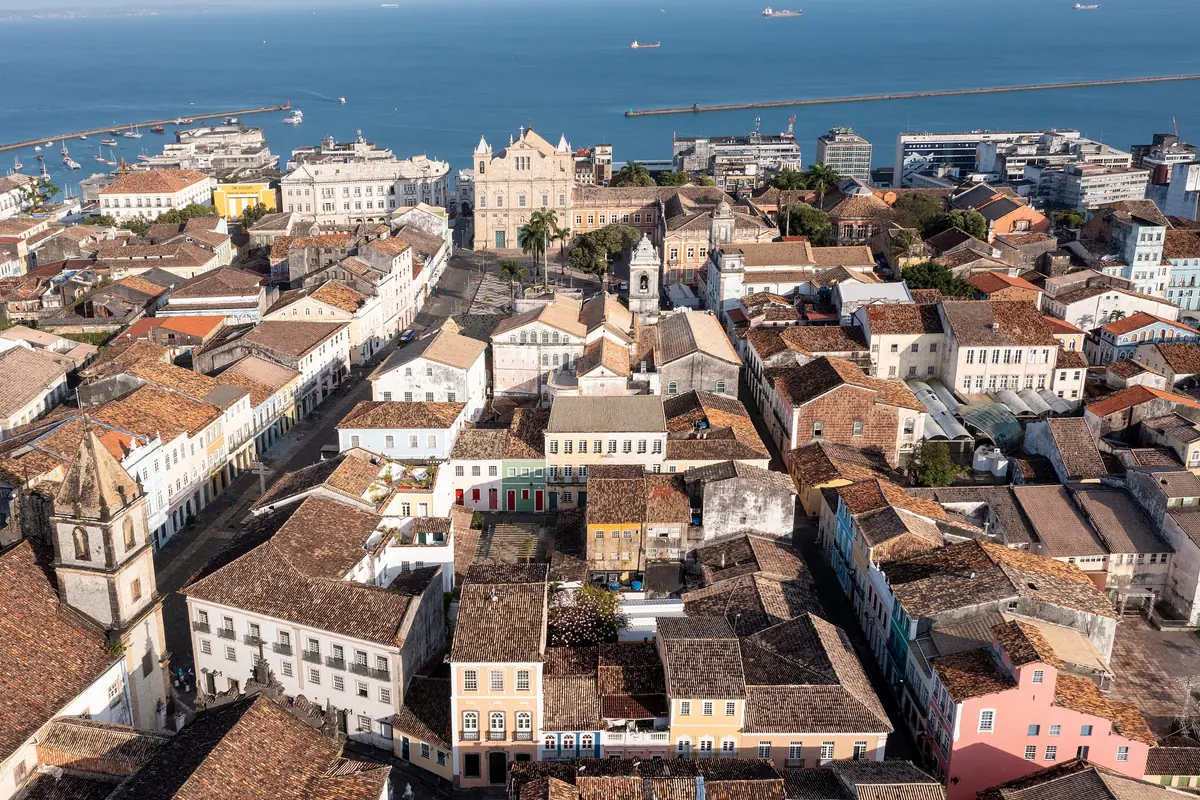
Salvador da Bahia is the cultural counterweight to Rio, and its historic centre, the Pelourinho, is a UNESCO-listed hill of pastel colonial houses, baroque churches and drumming that starts without warning on street corners. Walk down to the Elevador Lacerda, an Art Deco lift that drops visitors from the upper city to the waterfront Mercado Modelo in seconds, and visit the Church of Nosso Senhor do Bonfim, where the railings are knotted with coloured fitas ribbons tied on with three wishes.
This is where capoeira — part dance, part martial art — is practised in public rodas, and where Candomblé traditions shape music, food and festival calendars. Buy acarajé from the baianas, sip a cold coconut, and let yourself be pulled into a circle of drummers. Inland, the arid sertão produces carne de sol and grilled queijo coalho, while the coast south of Salvador serves some of the simplest and best seafood in the country.
Move north and the northeast keeps unfolding: Olinda's steep colonial streets above Recife, the sand dunes and rain-fed lagoons of Lençóis Maranhenses, which are at their most photogenic between roughly June and September when the pools fill, and the island city of São Luís with its azulejo-tiled old town. Time a visit for June and you land in Festa Junina season, when towns across the region — Caruaru and Campina Grande especially — fill with forró music, bonfires, quadrilha dancing and stalls selling corn cakes, peanuts and mulled cachaça.
The Amazon and Iguaçu: Wild Brazil
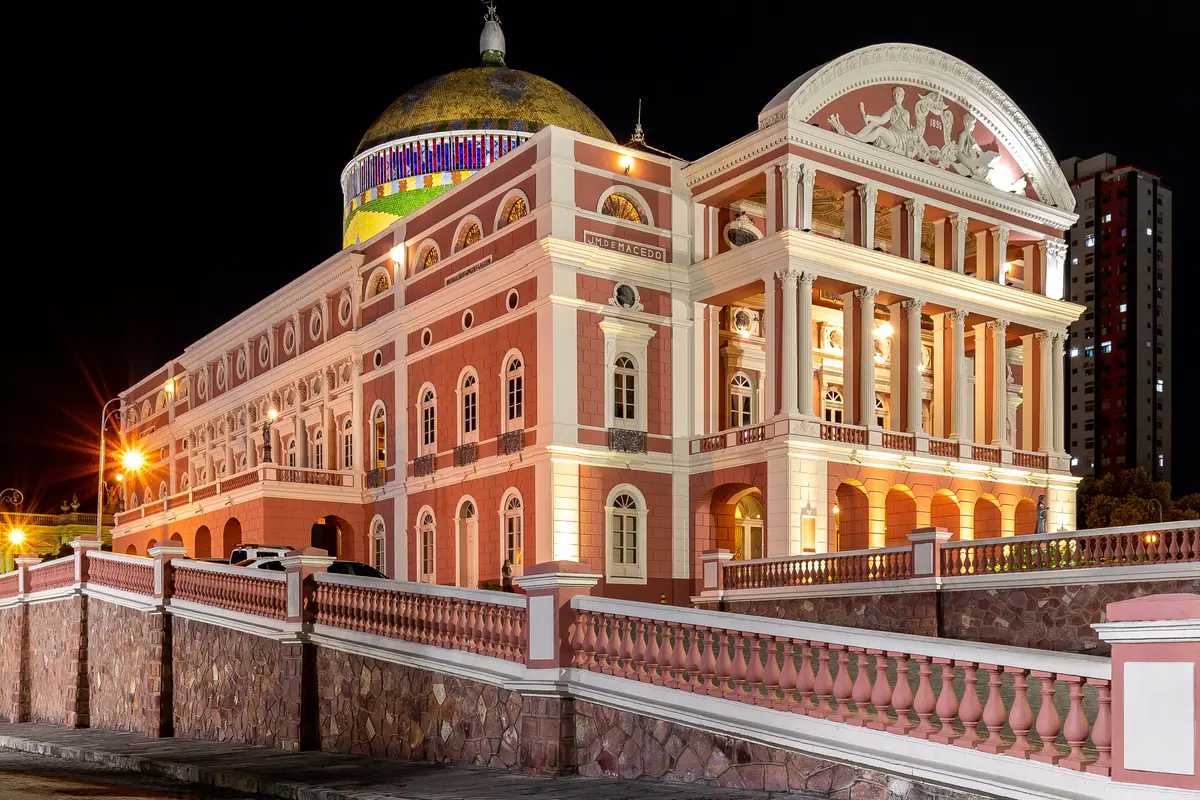
Manaus sits where the Rio Negro meets the Solimões, and the Meeting of the Waters is exactly as strange as it sounds: two rivers running side by side for kilometres, one black as tea, one coffee-brown, refusing to mix. The city itself holds the Teatro Amazonas, a 19th-century opera house built during the rubber boom with a dome of coloured tiles and a painted ceiling, plus the iron-and-glass Mercado Adolpho Lisboa market, where you can buy river fish, medicinal plants and bottles of tucupi.
From Manaus, jungle lodges along the Rio Negro and the Anavilhanas archipelago offer canoe trips through flooded forests, night caiman spotting, pink river dolphin encounters and visits to riverside communities. Water levels shape your experience: May and June bring high water and the best canoeing through the treetops, while the drier months from roughly July to December expose beaches and make hiking and fishing easier. Either way, bring long sleeves, repellent and patience for the heat.
Further south, Iguaçu Falls is Brazil's other unmissable natural wonder. The Brazilian side gives you the sweeping wide-angle view of the whole horseshoe, ending with a walkway that juts into the spray at Devil's Throat; the neighbouring Argentinian side puts you directly above and around the falls on long catwalks. Allow two full days to do both properly. If wildlife is your priority, add the Pantanal wetlands during the dry season from around July to October, when jaguars are most reliably spotted along the rivers.
Minas Gerais, São Paulo and the South: Markets, Art and Mountains
Minas Gerais is Brazil's food heartland, and Belo Horizonte's Mercado Central is the best single place to taste it — a cavernous hall of stalls selling pão de queijo hot from the oven, aged canastra cheese, goiabada sweets and cachaça by the barrel. From the city, day trips reach Ouro Preto and Mariana, gold-rush towns of steep cobbled lanes and baroque churches, including Aleijadinho's sculpted masterpiece at the Church of São Francisco de Assis. Art lovers should not miss Inhotim, an open-air contemporary art park set among botanical gardens near Brumadinho.
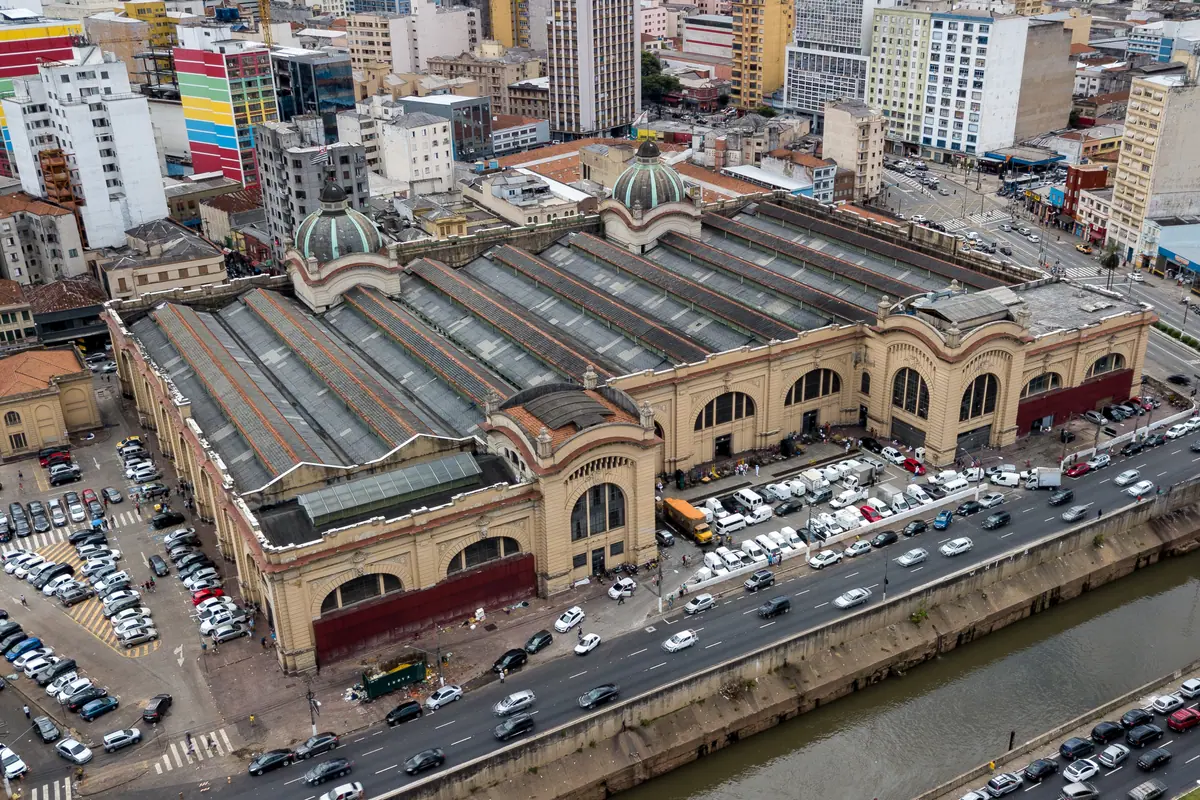
São Paulo rewards a completely different rhythm. The Museum of Art on Avenida Paulista, known simply as MASP, hangs paintings on glass easels in Latin America's most striking gallery building, while Ibirapuera Park offers breathing room in the middle of the concrete and hosts a major art museum of its own. Eat your way through the Mercado Municipal — the towering mortadella sandwich and salt-cod pastel are local rituals — then browse the Japanese neighbourhood of Liberdade and the street-art alleys of Vila Madalena, including the graffiti-covered Beco do Batman.
The south closes the loop with a Central European accent: German-style architecture and beer halls in Blumenau, which throws a famously large Oktoberfest each October, and mountain towns such as Gramado known for chocolate shops and cool-weather gardens. Along the way, churrasco restaurants serve skewer after skewer of beef, lamb and sausage, and the shared mate gourd passes around the table.
Practical Rhythm: When to Go and How to Eat Like a Local
Brazil is enormous, so plan by region rather than trying to see everything. Rio and the south are most comfortable from around May to September, when humidity drops and skies clear; December to March is hot, wet and fiercely festive, with New Year's Eve on Copacabana beach and Carnival usually falling in February or March. Festa Junina lights up the northeast in June, the Parintins festival brings elaborate folk pageantry to the Amazon around late June, and Belém's Círio de Nazaré procession fills the streets each October.
Adopt Brazilian eating hours early. Lunch is the main meal, and the buffet-style restaurants where you pay by weight offer excellent value and variety; dinner rarely starts before 8pm, and many locals head to a boteco for cold beer and small plates instead of a formal restaurant. Tipping is typically around ten per cent and often already included. Carry some cash in reais for street food and small vendors, though cards are widely accepted in cities. Vegetarians will find good options in bigger centres, but regional cooking leans heavily on meat and seafood.
Portuguese goes a long way — a simple bom dia, obrigado or obrigada, and por favor will change how people respond to you. Remember the distances: flying between Rio, Salvador, Manaus and Iguaçu saves days of travel. Use common sense with valuables, avoid empty streets after dark, and take official taxis or ride-hailing instead of unmarked cars. Give yourself at least two weeks for a first tour, and accept that the country's warmth, noise and generosity will be as memorable as any landmark.
Frequently asked questions
What is the best time of year to tour Brazil?
For Rio, Iguaçu and the southern states, the drier, milder months from around May to September are the most comfortable. The Amazon is best visited between roughly July and December for lower water and easier hiking, or May to June if you want to canoe through flooded forests. Carnival usually falls in February or March and Festa Junina in June, so plan well ahead if those are your priorities.
Which Brazilian dishes should I try first?
Start with feijoada on a Saturday lunch, acarajé from a street stall in Salvador, moqueca fish stew, pão de queijo fresh from a Minas Gerais oven, and tacacá or grilled tambaqui in the Amazon. Finish with a caipirinha made from cachaça and a brigadeiro, and drink plenty of the strong local coffee.
How many days do I need to see Brazil?
Two weeks is a realistic minimum for a first trip covering Rio and one or two other regions. If you want Rio, Iguaçu Falls, Salvador and the Amazon, allow three weeks, remembering that internal flights between these areas take two to four hours each.
Can I travel in Brazil without speaking Portuguese?
Yes, though English is limited outside major hotels and tourist areas. Learning a handful of phrases such as bom dia, por favor, obrigado or obrigada, and quanto custa helps enormously, as does using translation tools offline and being patient with menus that have no English version.
Is Brazil safe for visitors?
Most trips pass without incident if you take sensible precautions: use registered taxis or ride-hailing apps at night, keep phones and jewellery out of sight on beaches and in busy markets, carry only what you need for the day, and ask your guesthouse which areas to avoid after dark. The tourist districts of Rio, Salvador and São Paulo are well used to visitors.
Sort the rest of your trip
Everything for Brazil, in one place
Stay in Brazil
Hotels, guesthouses and apartments — compared in one search.
Search hotels
Transfer in Brazil
Private driver waiting on arrival — no queues, no surprises.
Book a transfer
Stay online in Brazil
Travel eSIM — data the moment you land, no roaming bills.
Get an eSIM