Brazil is a continent wearing a country's name, and a single week forces you to choose your wonders wisely. This route pairs Rio de Janeiro's granite peaks and beach culture with the roaring cataracts of Iguaçu, then hands you a final choice between the Amazon rainforest and the Afro-Brazilian heart of Bahia.
Shaping One Week in Brazil: Routes, Seasons and Flight Logic
Brazil is larger than the lower 48 US states, so a week is really a three-destination trip at most. The most rewarding short route runs Rio de Janeiro to Iguaçu Falls to one final region, either the Amazon out of Manaus or the colonial coast around Salvador. Resist the temptation to add São Paulo, the Pantanal and the northeast in the same week; you will spend your holiday in airport queues rather than on the ground. Domestic hops between these hubs generally run one to three hours, with a couple of longer connections routing through São Paulo or Brasília.
Timing matters enormously. Rio's summer, roughly December through March, brings 35°C heat, packed beaches and, around Carnival, some of the planet's most expensive hotel rates. April to June and September to October are the sweet spots: warm sea, thinner crowds and gentler prices. Iguaçu Falls flows powerfully all year, but the walking trails are driest and clearest between April and June, while January to March delivers maximum water volume and frequent soaking spray.
In the Amazon, the calendar works differently. The high-water season from December to May floods the igapó forests, letting small boats glide deep among the treetops, while the low-water months from June to November expose river beaches and concentrate wildlife along the banks. For a first visit, either period works well — just pack for humidity in the high nineties and rain that arrives without warning.
Days 1–3: Rio de Janeiro — Beaches, Granite Peaks and the Marvelous City
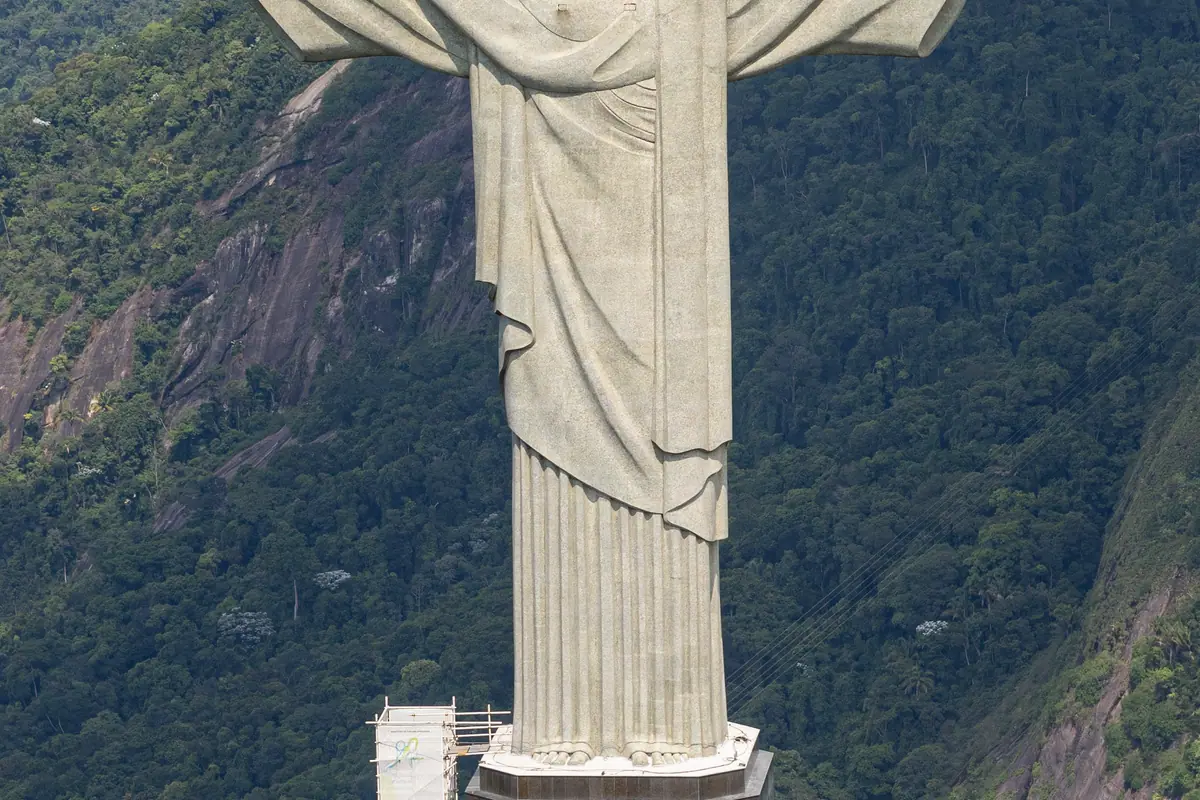
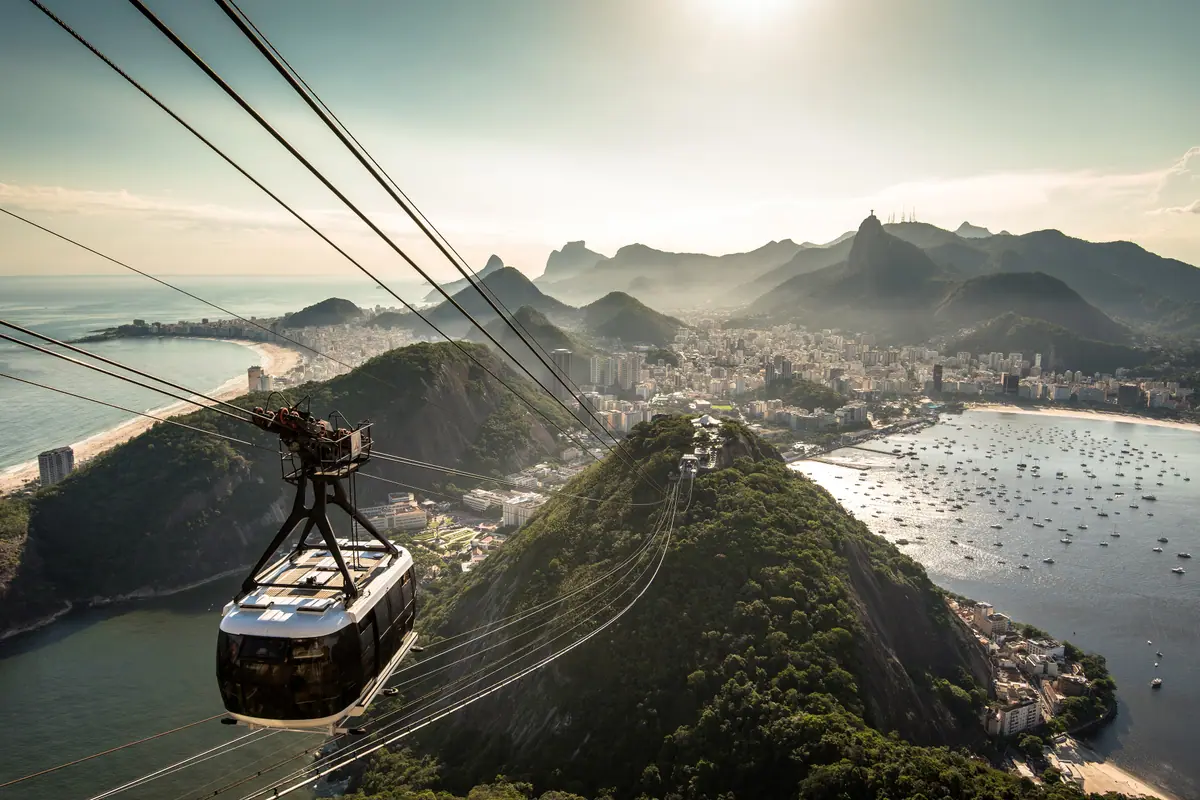
Start where the postcards do. Ride the cog train or a van up Corcovado to stand beneath Christ the Redeemer, the Art Deco colossus that watches over the city from 710 metres. Go early, ideally at opening, before the clouds roll in and the crowds thicken. Later the same day, take the cable car up Sugarloaf Mountain in two stages from Urca, timing your descent for sunset when the bay turns copper and the city lights flicker on below.
Devote your second day to the shoreline and the streets behind it. Walk Copacabana's wave-patterned promenade, swim off Ipanema's Posto 9, and linger at Arpoador rock, where locals applaud the sunset. Inland, climb the tiled staircase of Escadaria Selarón in Lapa, ride the yellow bondinho tram through Santa Teresa's cobbled lanes, and duck into the Arcos da Lapa aqueduct for a cold chopp beer as samba bands warm up.
Day three belongs to green space and culture. Tijuca National Park, one of the world's largest urban forests, hides waterfalls and viewpoints like Vista Chinesa within the city limits. Pair it with the Botanical Garden's imperial palms, the Museum of Tomorrow on the revitalised waterfront, and, if football means anything to you, a tour or match at the Maracanã. Finish with a casual dinner of pão de queijo, grilled picanha and a caipirinha made with cachaça, lime and just enough sugar.
Days 4–5: Iguaçu Falls — The Devil's Throat and Both Sides of the Border
A two-hour flight southwest lands you at Foz do Iguaçu, gateway to a horseshoe of 275 cascades straddling the Argentinian border. The Brazilian side delivers the grand panorama: a kilometre-long walkway that ends suspended directly over the Garganta do Diabo, the Devil's Throat, where a curtain of water plunges 80 metres with a roar you feel in your chest. Allow three to four hours, plus time for the Parque das Aves bird sanctuary next door, home to toucans and hyacinth macaws.
Cross into Argentina for day two, where catwalks thread above and between the falls, putting you almost inside the spray. The upper circuit is gentle and family-friendly; the lower circuit adds staircases, boat rides that drench you to the bone, and a ferry to San Martín Island when water levels permit. Bring a dry bag, quick-drying clothes and reef-safe sunscreen, and expect to be genuinely soaked by mid-morning.
With any spare hours, visit the colossal Itaipu Dam, one of the engineering marvels of the modern world, or stand at the Marco das Três Fronteiras where Brazil, Argentina and Paraguay meet at the confluence of two rivers. Stay in Foz do Iguaçu town rather than inside the park; it is cheaper, walkable in the evening and only twenty minutes from the falls' entrance.

Days 6–7 Option A: Into the Amazon from Manaus
If rainforest beats colonial baroque for you, fly to Manaus and trade beaches for black water. The city itself rewards half a day: the Teatro Amazonas opera house, built during the rubber boom with European marble and a painted dome, plus the iron-and-glass Mercado Adolpho Lisboa market on the riverfront, where you can buy freshwater fish, hammocks and Brazil nuts by the sack.
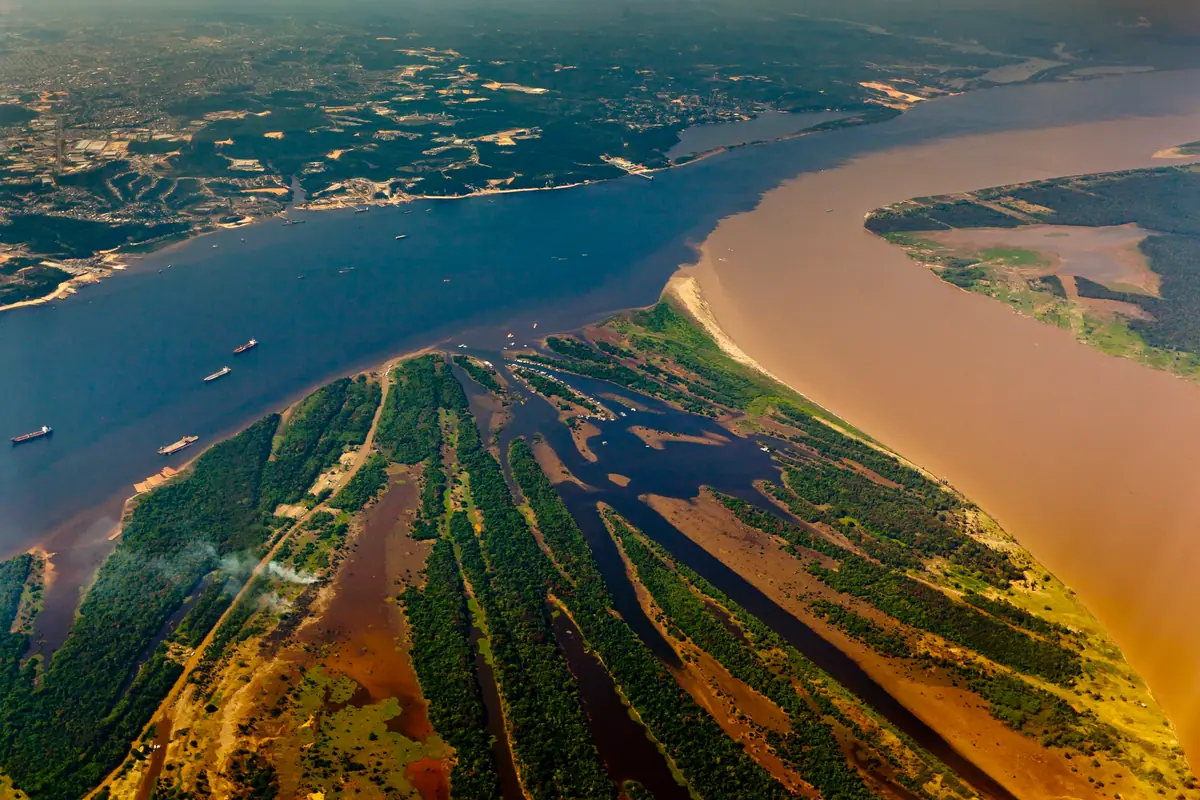
The headline act, though, is the Encontro das Águas, the Meeting of the Waters, where the dark Rio Negro and the sandy Rio Solimões run side by side for kilometres without mixing. From here, jungle lodges upriver offer canoe safaris at dawn, pink river dolphin sightings, night trips to spot caiman, and walks with local guides who can name every medicinal bark in the canopy. Two nights is the minimum that feels worthwhile; three lets you slow down.
Pack long sleeves, high-DEET repellent, a headlamp and a rain shell — afternoon downpours are a daily ritual. This add-on is the most logistically demanding of the options, usually requiring a connection through São Paulo or Brasília, so protect a buffer before any international departure.
Days 6–7 Option B: Salvador and the Bahian Coast
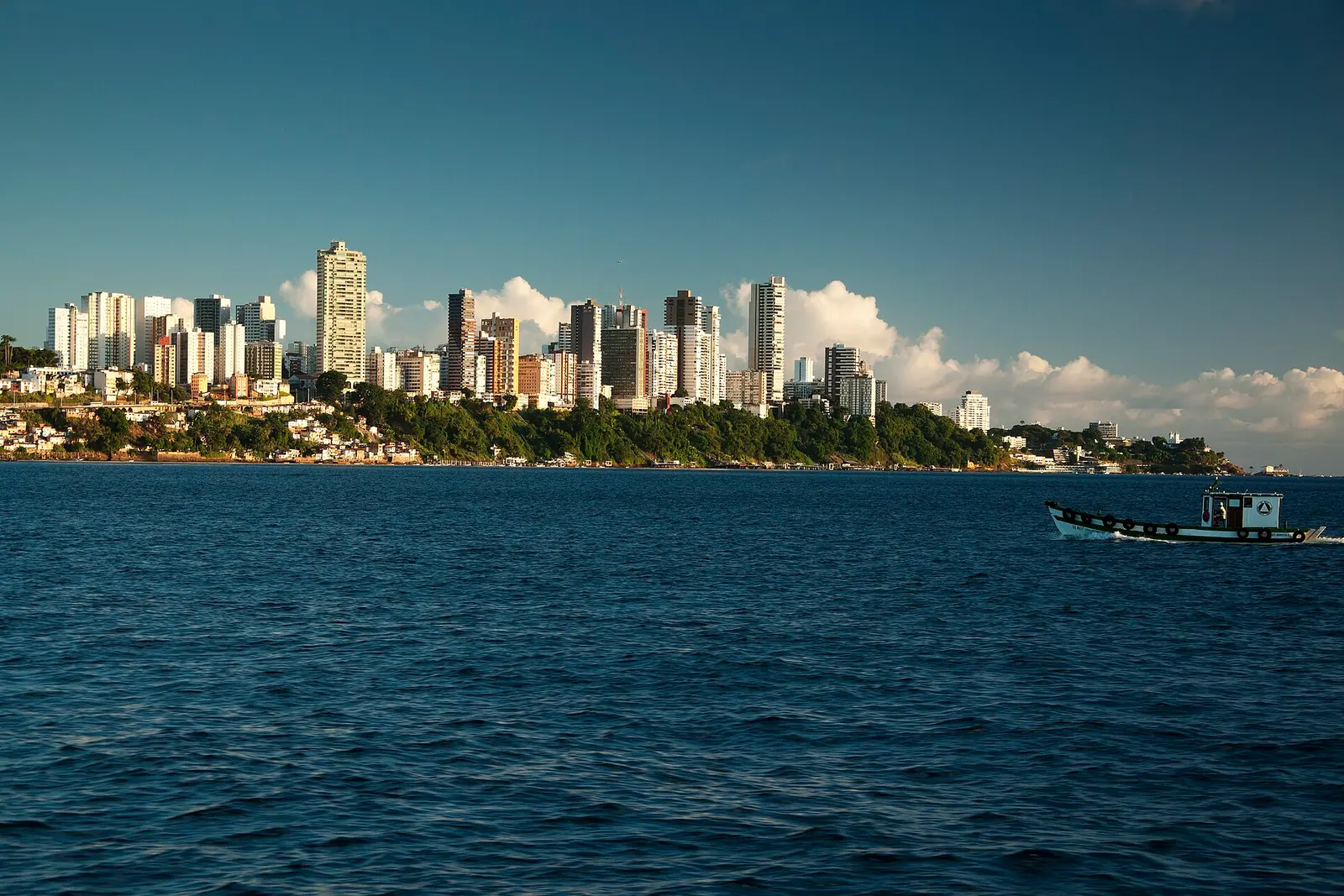
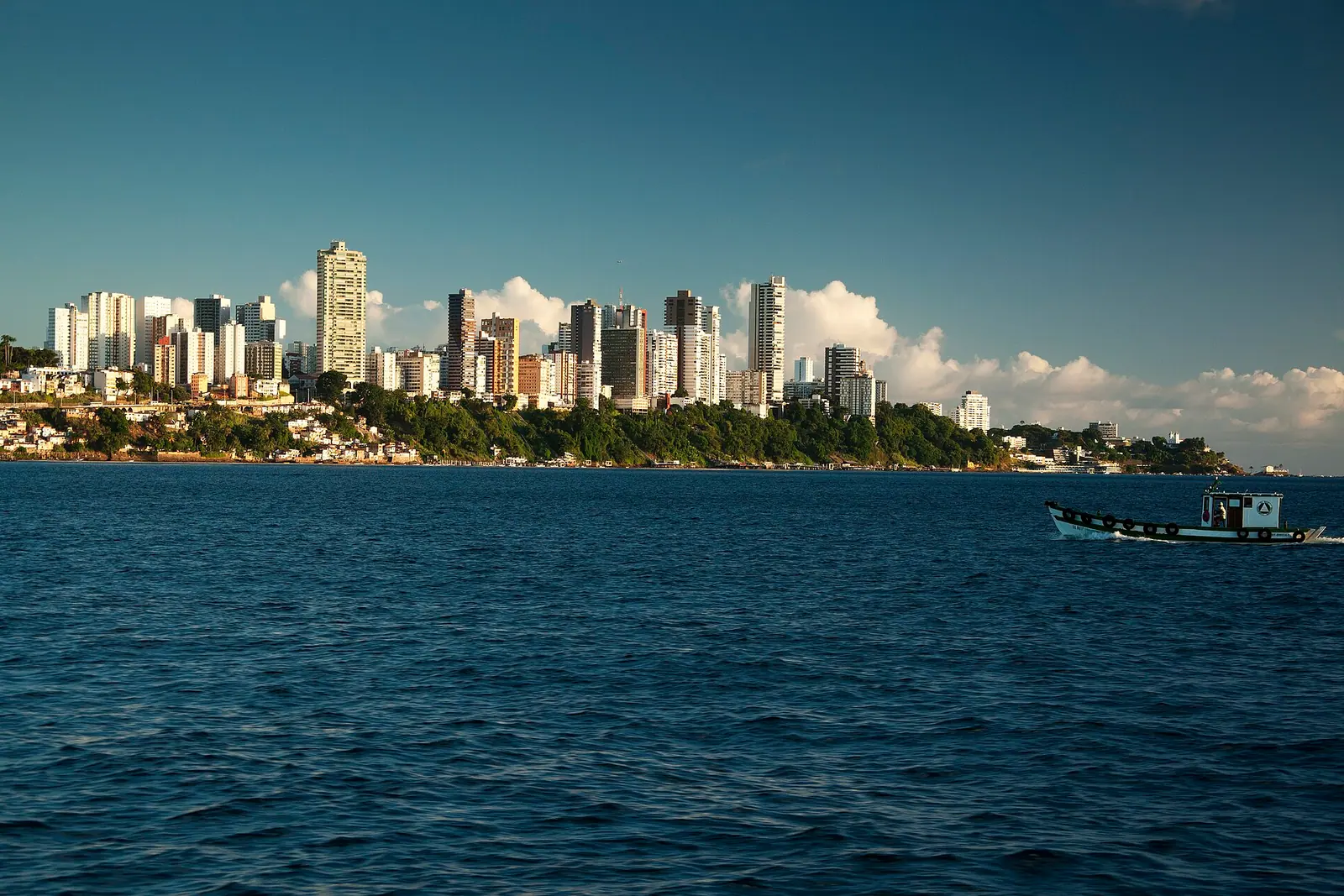
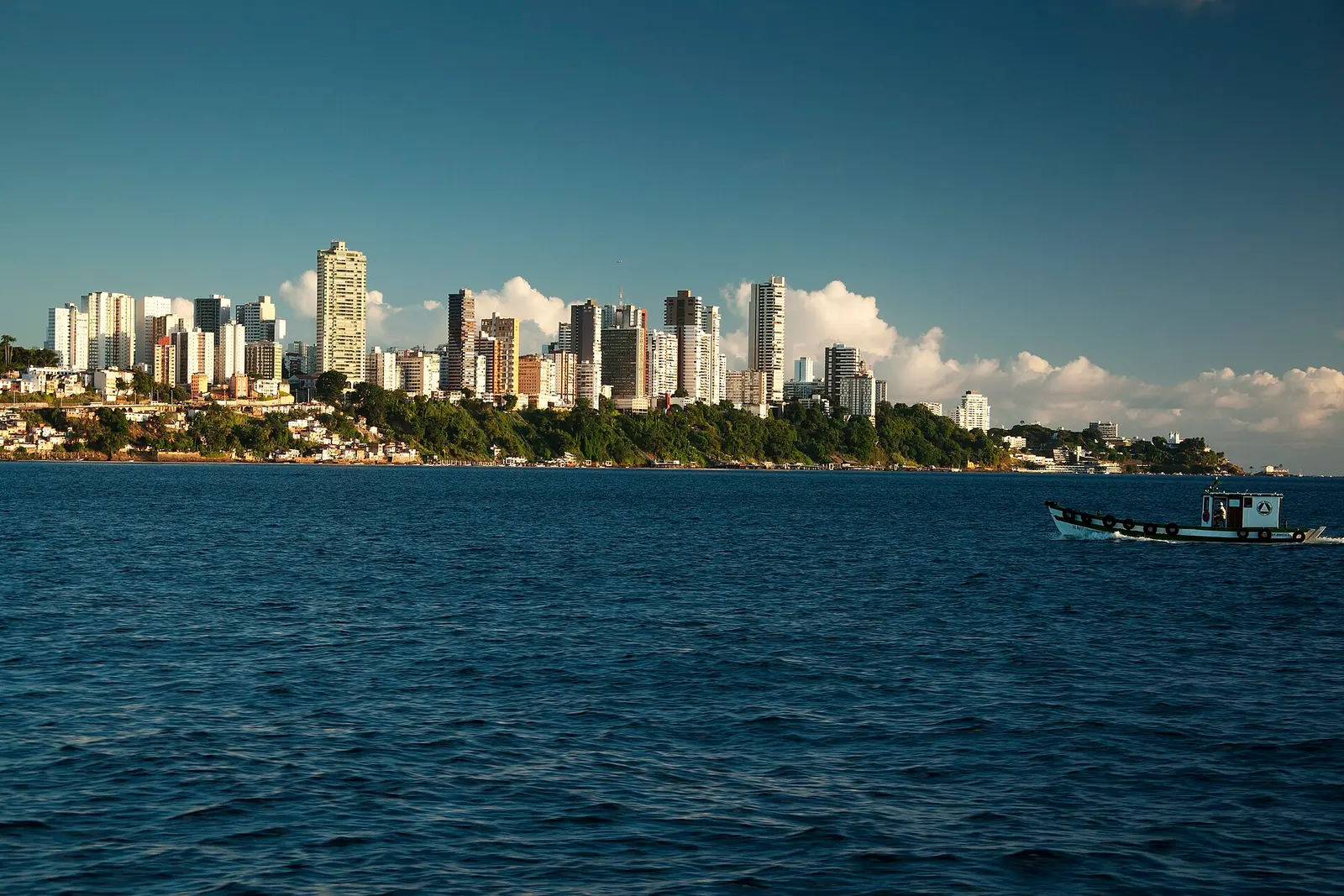
Choose Bahia instead and your final days are all Afro-Brazilian rhythm and pastel colonial facades. Salvador's Pelourinho, a UNESCO-listed old town, climbs steeply past São Francisco church, its interior sheathed in gold leaf, toward the Elevador Lacerda, a 72-metre public elevator linking the upper and lower cities. Drum circles spill onto the plazas at dusk, and vendors sell acarajé, a black-eyed pea fritter fried in dendê oil and stuffed with shrimp.
Ride the lift down to the Mercado Modelo for crafts, then follow the coast to the Barra lighthouse, the Igreja do Bonfim with its colourful wish ribbons, and the beaches of Itapuã and Stella Maris. If you have a third day, escape north to Praia do Forte for turtle nesting beaches or take a boat to Morro de São Paulo, a car-free island of palm-fringed sandbars.
Salvador is also the most affordable of the final-week options for food and lodging, though it pays to keep your bearings in the old town after dark and stick to well-lit streets. Flights back to Rio or São Paulo run frequently and take around two to two and a half hours.
Practicalities: Airports, Packing and Local Rhythm
Most travellers arrive in Rio via Galeão or in São Paulo via Guarulhos, with the smaller Santos Dumont and Congonhas airports serving quick domestic hops. Domestic security lines move reasonably fast, but check-in desks close firmly, so arrive 90 minutes before internal flights and three hours before intercontinental ones. Book internal flights early for lower fares, and travel with a soft bag if you plan to fly light aircraft or small regional routes.
The currency is the real, and cards are accepted almost everywhere, though carrying a little cash helps for beach vendors, taxis and market stalls. A handful of Portuguese phrases — obrigado or obrigada for thank you, por favor, quanto custa — will earn you warmer treatment than English alone. Brazilians eat late: lunch peaks around 1pm, dinner after 8pm, and a long Sunday lunch can roll pleasantly into evening.
On safety, take the same precautions you would in any large city: use apps or hotel-arranged cars at night, keep phones out of sight on busy beaches, carry a cheap backup, and avoid unlit streets and empty stretches of sand after dark. Pack light, breathable clothing, strong sun protection, mosquito repellent, a rain jacket and comfortable walking shoes. Above all, build slack into the schedule — Brazil rewards lingering, and the best moments are often the unplanned ones.
Frequently asked questions
How many destinations can I realistically cover in one week in Brazil?
Two comfortably, three if you fly. The classic pairing is Rio de Janeiro plus Iguaçu Falls, with a third stop in either Manaus for the Amazon or Salvador for Bahia. Adding more cities means losing a full day to airports and connections.
What is the best time of year for this itinerary?
April to June and September to October offer the best balance: warm but not overwhelming temperatures in Rio, decent visibility at Iguaçu Falls, and manageable crowds. Avoid Carnival week unless the festivities are your whole reason for travelling, as prices spike sharply.
Is it worth visiting both the Brazilian and Argentinian sides of Iguaçu Falls?
Yes, if time allows. The Brazilian side gives the sweeping panoramic view over the Devil's Throat, while the Argentinian side has catwalks that take you right up to and above the cascades. One day each is ideal; a single day on the Brazilian side works if you are rushed.
Should I choose the Amazon or Salvador for my final two days?
Pick the Amazon if you want wildlife, river journeys and jungle lodges, and are happy with humid heat and a longer flight connection. Pick Salvador if you prefer colonial architecture, live music, beaches and easier logistics at a lower cost.
How do I get around between these regions?
Domestic flights are the only practical option for these distances, typically one to three hours per leg, often connecting through São Paulo or Brasília. Within each destination, ride-hailing apps, taxis and organised transfers cover nearly everything a short visit requires.
Sort the rest of your trip
Everything for Brazil, in one place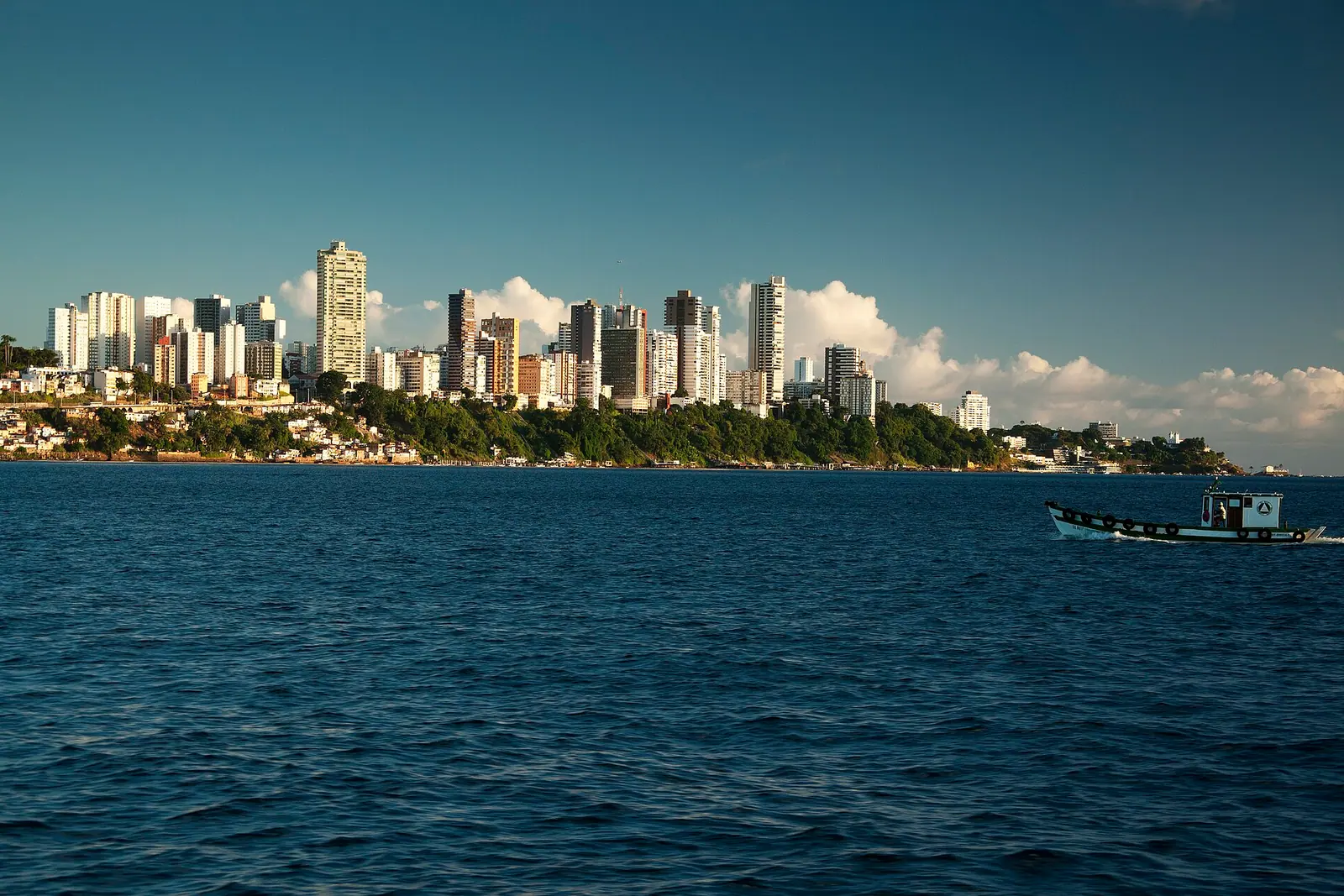
Stay in Brazil
Hotels, guesthouses and apartments — compared in one search.
Search hotels
Transfer in Brazil
Private driver waiting on arrival — no queues, no surprises.
Book a transfer
Travel insurance
Medical cover, delays and lost baggage — sorted before you go.
Get covered