Brazil is a continent wearing a country's name, and its weather refuses to behave as one thing. While Rio sweats through December and the Amazon floods its floodplain forests, the Pantanal is baking dry and southern hill towns are pulling on wool coats. Choosing your month is really choosing which Brazil you want — and how far ahead you need to reserve a bed.
Brazil's Seasons at a Glance: One Country, Several Climates
Almost all of Brazil sits south of the equator, so the calendar runs opposite to Europe and North America: summer stretches from December to March, winter from June to August. Yet the country spans roughly 4,000 kilometres from the temperate south to the equatorial north, which means there is no single "best" season — only the right season for the region you have in mind.
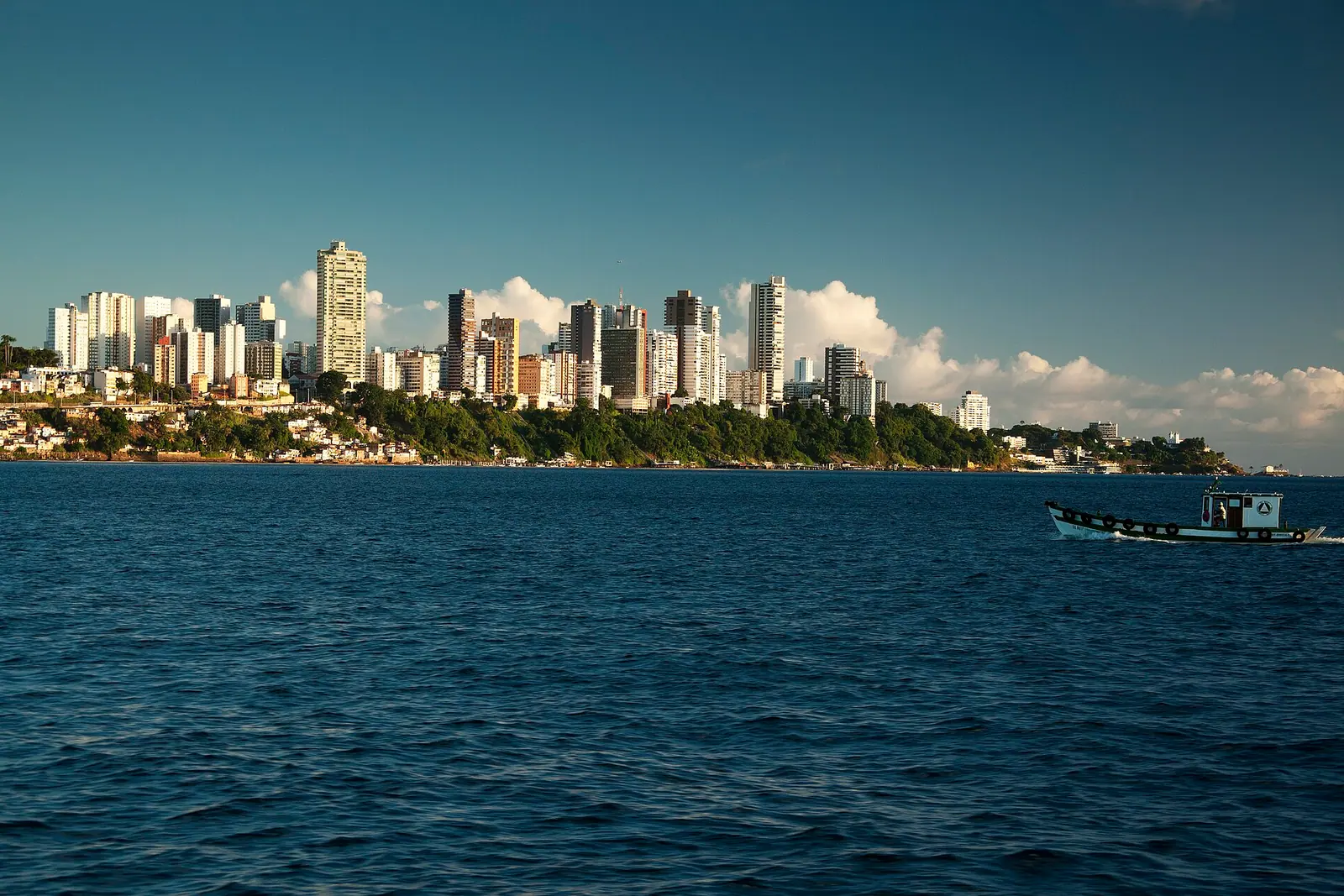
Broadly, the southeast around Rio de Janeiro is hot and humid from December to March, with heavy late-afternoon downpours, then mild and dry from May to September. The northeast coast from Salvador up to Fortaleza stays warm year-round but soaks up most of its rain between April and July. The Amazon has a wet season from roughly December to May and a drier, lower-water stretch from June to November. The Pantanal splits cleanly into a flooded summer and a wildlife-packed dry winter, and the far south around Gramado and Porto Alegre gets genuinely cold snaps in June and July.
The practical rule: choose your anchor sight first — the falls, the dunes, the wetlands, the carnival — and let its season dictate the month, not the other way around. Hotels follow the same logic, filling months ahead in Rio and emptying in the Amazon when the rain arrives.

December to March: Carnival, Copacabana and the Great Hotel Squeeze
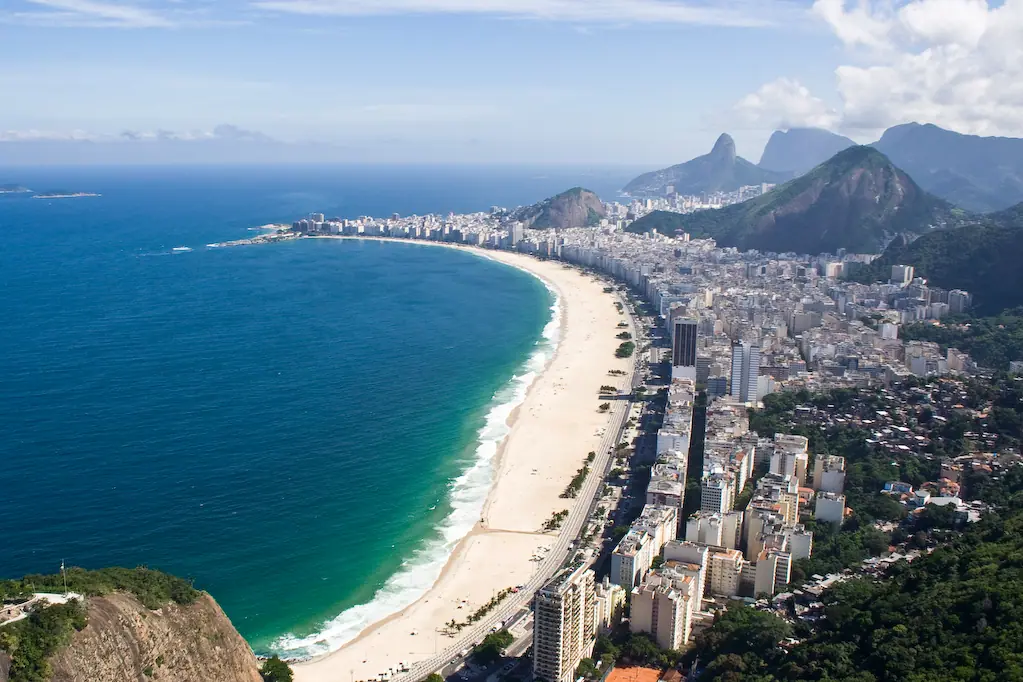
This is peak Brazil. Rio de Janeiro turns tropical and restless, with temperatures pushing past 30°C and crowds surging toward Christ the Redeemer on Corcovado, the cable car up Sugarloaf Mountain, the forest trails of Tijuca National Park and the sand of Copacabana and Ipanema. New Year's Eve on Copacabana is a spectacle in itself, when millions dress in white, throw flowers into the surf and watch fireworks burst over the bay. Hotels in Rio, Búzios and the beach towns of Santa Catarina sell out far in advance, often with multi-night minimum stays and their highest rates of the year.
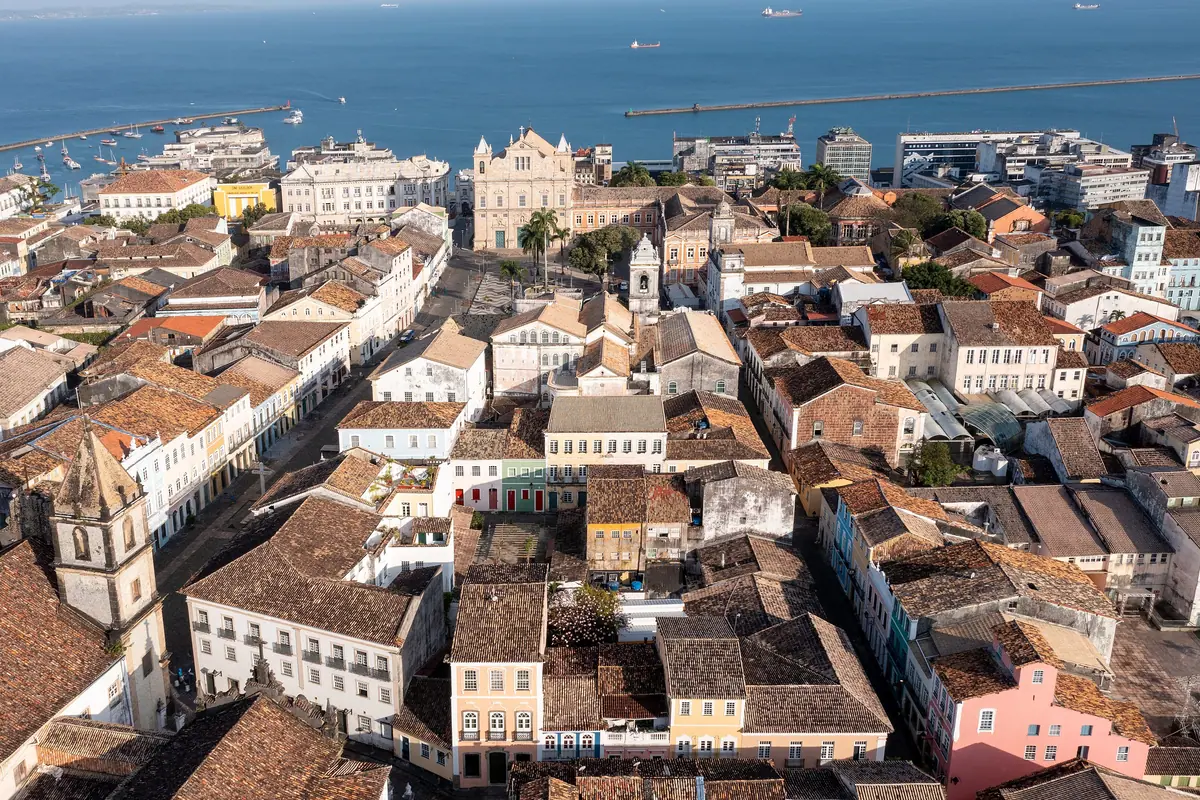
Carnival lands in February or early March, its dates shifting each year with the church calendar. In Rio, the parades at the Sambadrome run alongside hundreds of free street blocos that take over entire neighbourhoods. Salvador's Carnival plays out through the colonial streets of the Pelourinho and along the Barra-Ondina seafront circuit, while Recife and neighbouring Olinda favour frevo brass bands, giant puppets and a more family-friendly rhythm. Wherever you choose, accommodation is the bottleneck: the best pousadas and boutique hotels are usually gone six to nine months out.
If you want heat without the crush, aim for late March or early April, after Carnival but before the southern winter. Just note that the northeast is entering its rainy months, and the freshwater lagoons of Lençóis Maranhenses — which fill between the dunes from roughly May to September — are still dry and waiting.
April to June: Waterfalls, Festas Juninas and the Historic Northeast
April and May are arguably the most versatile weeks in the Brazilian calendar. Iguaçu Falls, on the border with Argentina, is still carrying the volume of the summer rains, so the 275 cascades roar at full force while the tour trails and boat approaches are noticeably quieter than in January. In Salvador, the Pelourinho's pastel mansions and baroque churches are pleasant to wander before the June rains settle in, and day trips to the palm-lined coast north of the city become far more comfortable.
June brings the festas juninas, a nationwide celebration of saints with bonfires, quadrilha dancing, corn dishes and paper bunting strung across town squares — nowhere more joyfully than in the interior of the northeast. In the Amazon, the Parintins Festival in late June fills the island town of Parintins with the theatrical rivalry of two boi-bumbá troupes, an event worth planning a whole trip around. This is also a smart window for hotels: rates in Rio and the southern cities dip into shoulder-season territory, and pousadas in Salvador, Olinda and São Luís, the gateway to Lençóis Maranhenses, have real availability.
July to September: Dry-Season Wildlife and Cooler City Breaks
For wildlife, nothing beats the Pantanal from July to September. As the floodwaters retreat, animals crowd around shrinking pools and rivers, and the odds of spotting jaguars along the Cuiabá and Rio Negro rivers, plus caimans, capybaras, giant anteaters and hyacinth macaws, climb sharply. Neighbouring Bonito, with its impossibly clear rivers, is at its snorkelling best in the same months. Lodges here are small and fill early, so book well ahead if jaguar tracking is the goal.
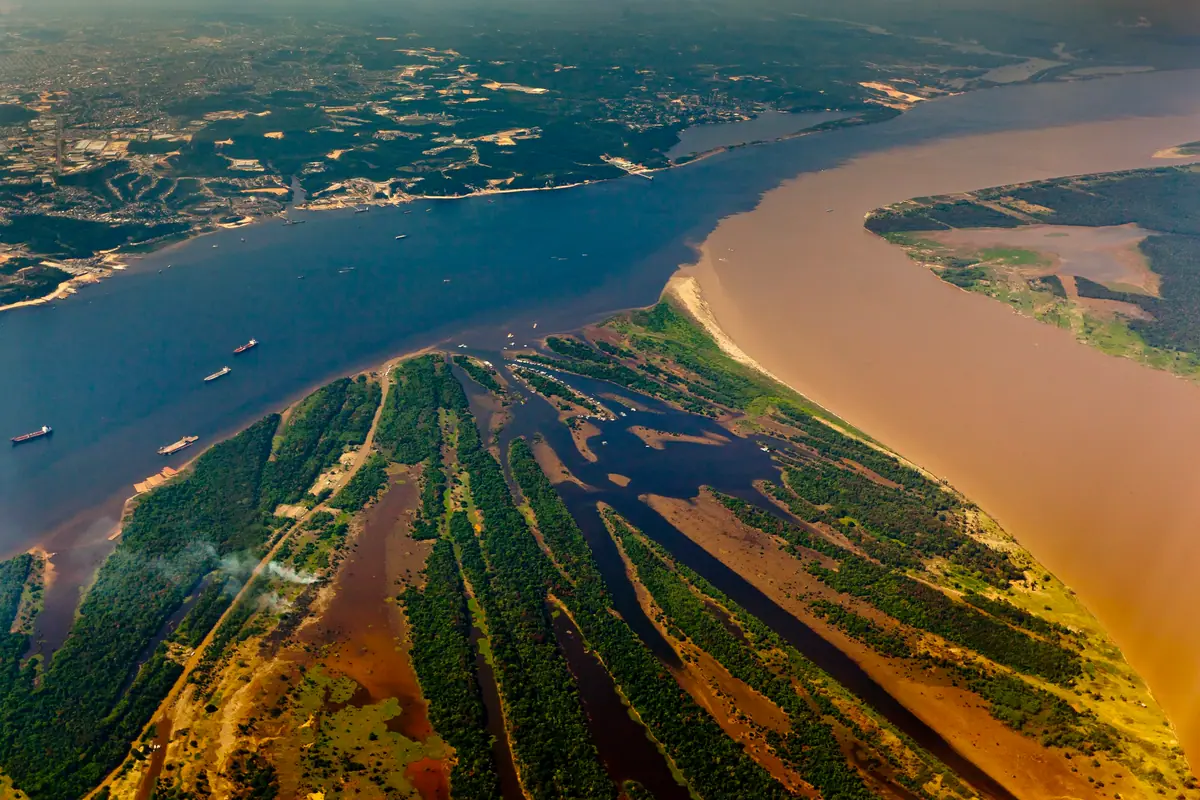
The Amazon around Manaus also dries out in this window: river levels drop, sandy beaches appear, and trips to the Meeting of the Waters, where the dark Rio Negro and the pale Solimões run side by side without mixing, become easier. Jungle lodges near Anavilhanas and along the Rio Negro are comfortable and mosquito-light compared with the wet months. Down south, June to August is genuine winter — Gramado and Canela can dip close to freezing, which locals embrace with fondue dinners and cosy inns, while São Paulo and Brasília stay dry, mild and excellent for museums and architecture.
Keep in mind that July is also Brazilian school holiday season, so coastal resorts from Florianópolis to Maceió hit their second-highest occupancy of the year. Inland and northern destinations stay calmer, and hotel prices there are often at their most reasonable.
October to November: Spring Value and Festival Time in the South
Spring is Brazil's quiet bargain. Rio warms up without the summer crush, the beaches of Ipanema and Copacabana are pleasant rather than packed, and hotel rates sit well below their December peak. It is a fine time for Fernando de Noronha, where diving visibility improves, for Jericoacoara's dunes and kite-surfing winds, and for hiking in Chapada Diamantina or Chapada dos Veadeiros, where the waterfalls are still running.
October is also Oktoberfest season in the south, and Blumenau throws one of the largest celebrations of its kind outside Europe, with German-Brazilian food, brass bands and beer halls. November sees the first rains return to the Amazon basin and the northeast coast begin to green up, while the Pantanal dries to its hottest, dustiest conditions. Hotels in the south book out for festival weekends, but everywhere else this shoulder period offers the best combination of good weather, open availability and flexible, last-minute planning.
Matching Your Trip to Where You Sleep
Brazil's accommodation is as regional as its climate. Rio and São Paulo favour full-service urban hotels and design-minded boutique stays, with rooftop pools earning their keep in the December-to-March heat. The northeast runs on pousadas — small, often family-run inns in colonial buildings — which are charming in the Pelourinho or Olinda but can be simple, so check for air conditioning before booking in the humid months. In the Pantanal and Amazon, you are choosing between rustic jungle lodges and comfortable eco-retreats, and the quality of the guiding matters far more than the thread count.
Timing your booking matters as much as timing your trip. For Carnival and New Year's Eve, reserve six to nine months ahead; for the July school holidays and the Christmas coast, two to four months is safer. Shoulder weeks in April, May, October and November are when you can book late and still find something excellent. Whatever the season, confirm three things: air conditioning, mosquito screens or nets in the Amazon, and cancellation terms, since tropical downpours can rearrange a day's plans at short notice.
Travel in the wet season and you trade guaranteed sunshine for dramatic skies, thundering waterfalls, lush green landscapes and noticeably lower rates — a fair bargain if your itinerary leans toward cities, food and culture rather than beach lounging.
Frequently asked questions
What is the cheapest time to visit Brazil?
The shoulder months of April, May, October and November generally offer the lowest hotel rates outside of festivals, with good weather across most regions. The deep rainy season in the northeast and Amazon (roughly March to May) brings further discounts, though you should expect frequent downpours.
How far in advance should I book a hotel for Carnival in Rio?
Six to nine months is realistic for the best properties, and many Rio hotels impose minimum-night stays and non-refundable deposits during Carnival week. If you are set on a specific neighbourhood such as Copacabana, Ipanema or Santa Teresa, start looking as soon as the parade dates are confirmed.
When is the best time to see Iguaçu Falls?
The falls carry the most water from December through March, after the summer rains, but that is also the hottest and busiest period. April to June strikes a good balance: strong flow, fewer crowds and comfortable walking temperatures along the trails.
Is the Amazon worth visiting during the rainy season?
Yes, if you accept the trade-offs. High water from December to May lets boats penetrate deep into flooded forests and igapó channels, which is spectacular for birdwatching, though trails are limited and rainfall is intense. The drier June-to-November window is better for hiking and river beaches.
What is the best month for wildlife in the Pantanal?
July to September, when the floodwaters recede and animals concentrate around remaining water. This is peak jaguar-spotting season along the rivers, so lodges and guides sell out early — book several months ahead and plan for cold nights and hot, dusty days.
Sort the rest of your trip
Everything for Brazil, in one place
Transfer in Brazil
Private driver waiting on arrival — no queues, no surprises.
Book a transfer
Things to do in Brazil
Skip-the-line tickets, guided tours and standout experiences.
See experiences
Stay online in Brazil
Travel eSIM — data the moment you land, no roaming bills.
Get an eSIM