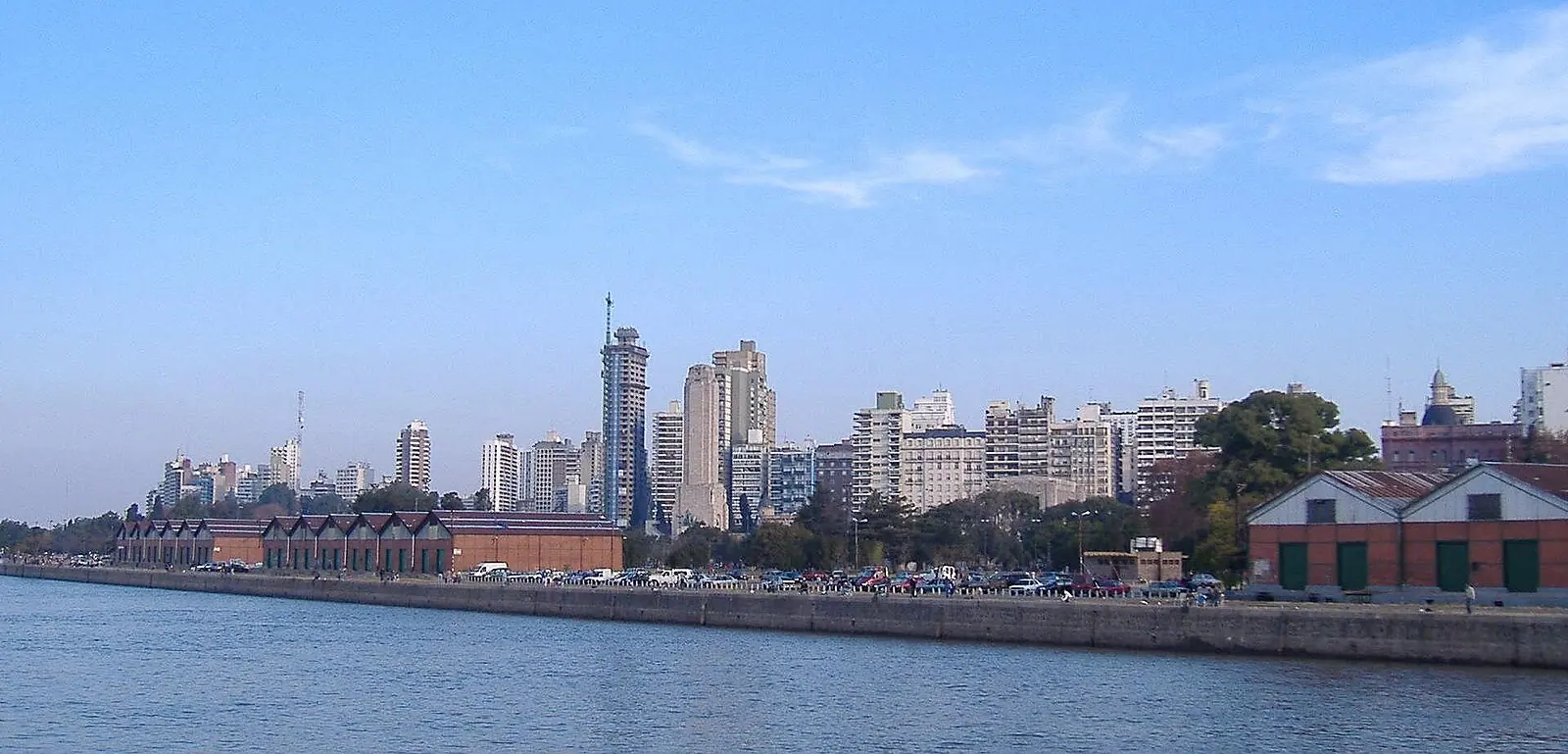
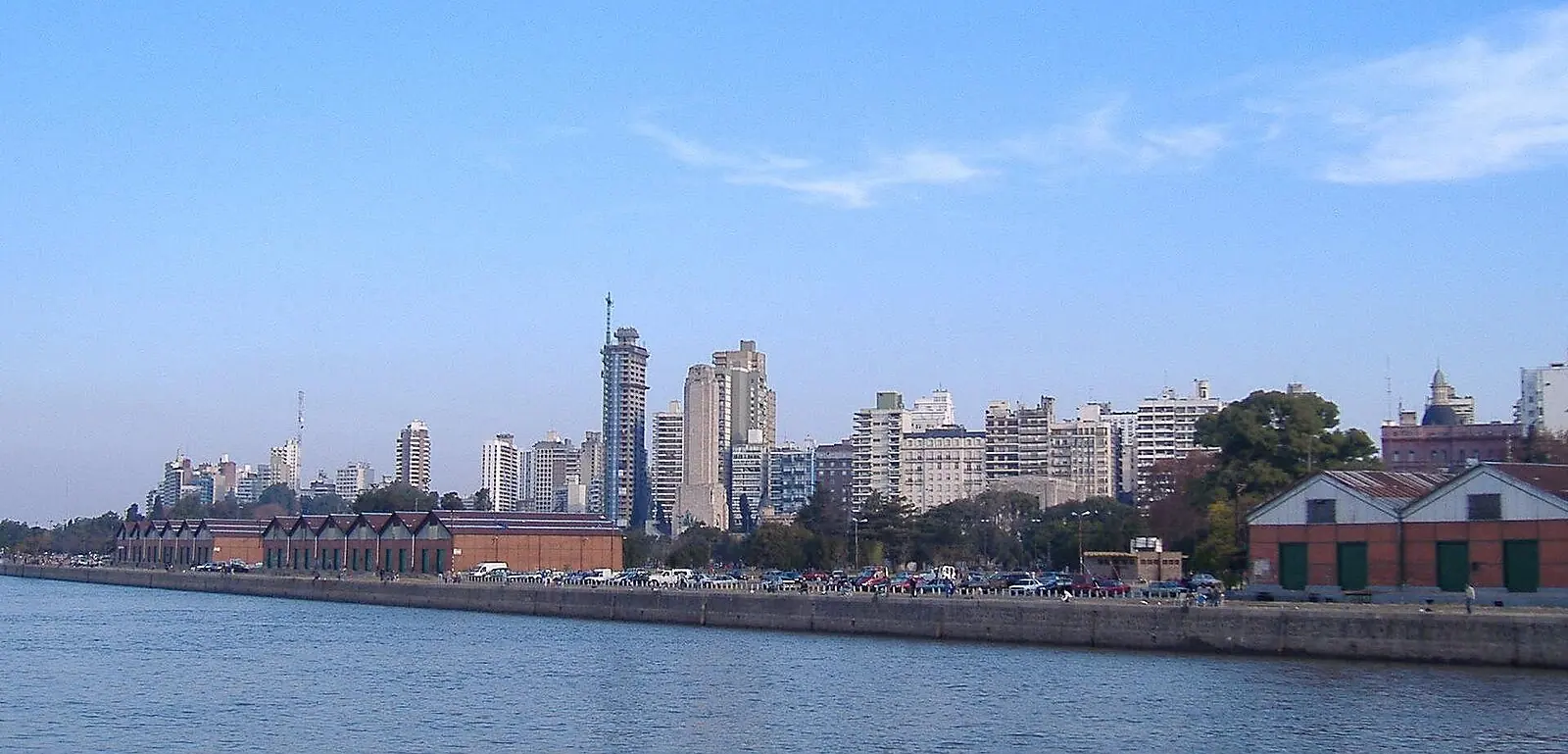
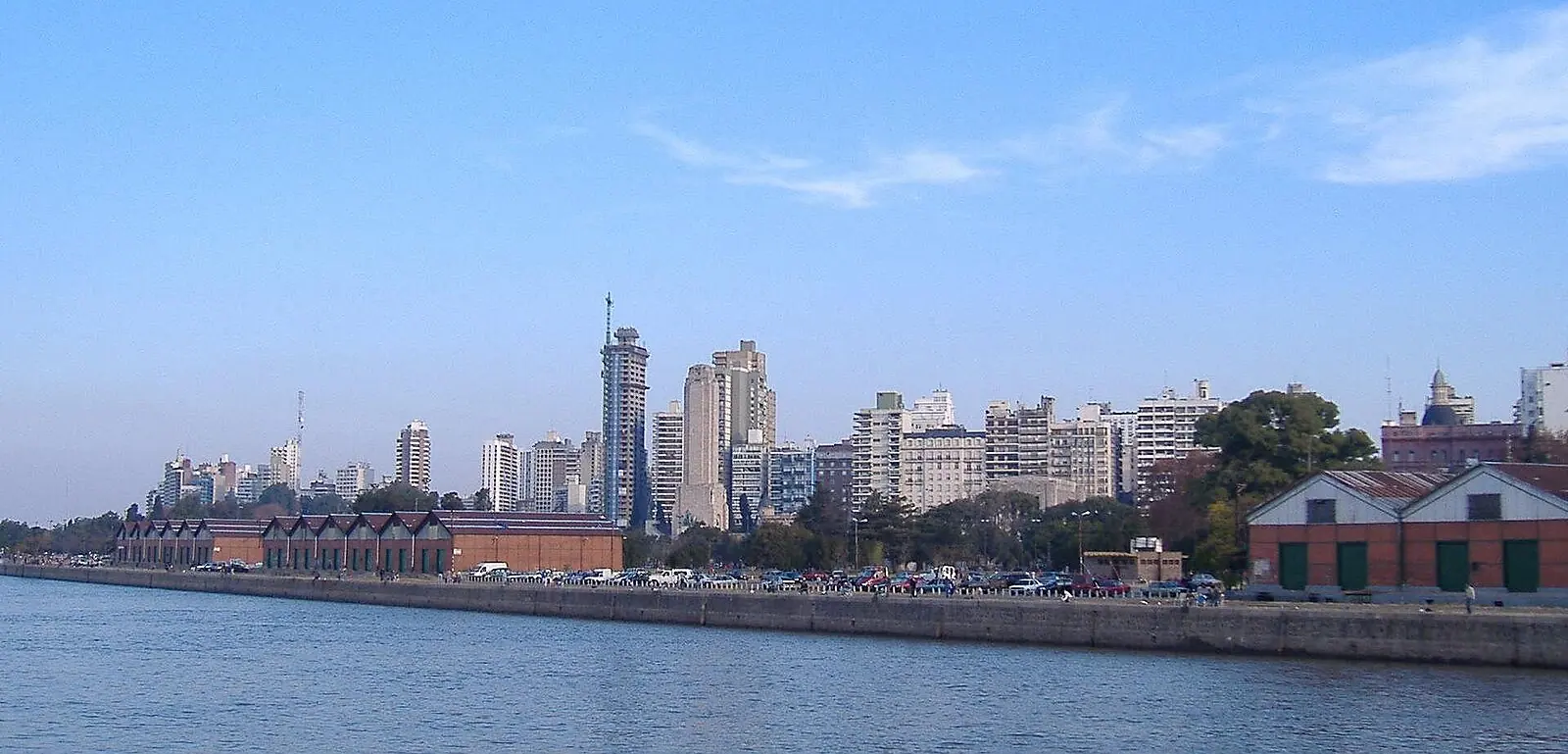
Argentina is a country that refuses to be seen quickly: it stretches from subtropical waterfalls to a glacier wall that groans and calves into a turquoise lake, and from vineyards planted at altitude to a capital that stays awake until dawn. These are the landmarks and experiences worth building a whole trip around.
Buenos Aires: Tango, Plazas and Grand Old Cafés
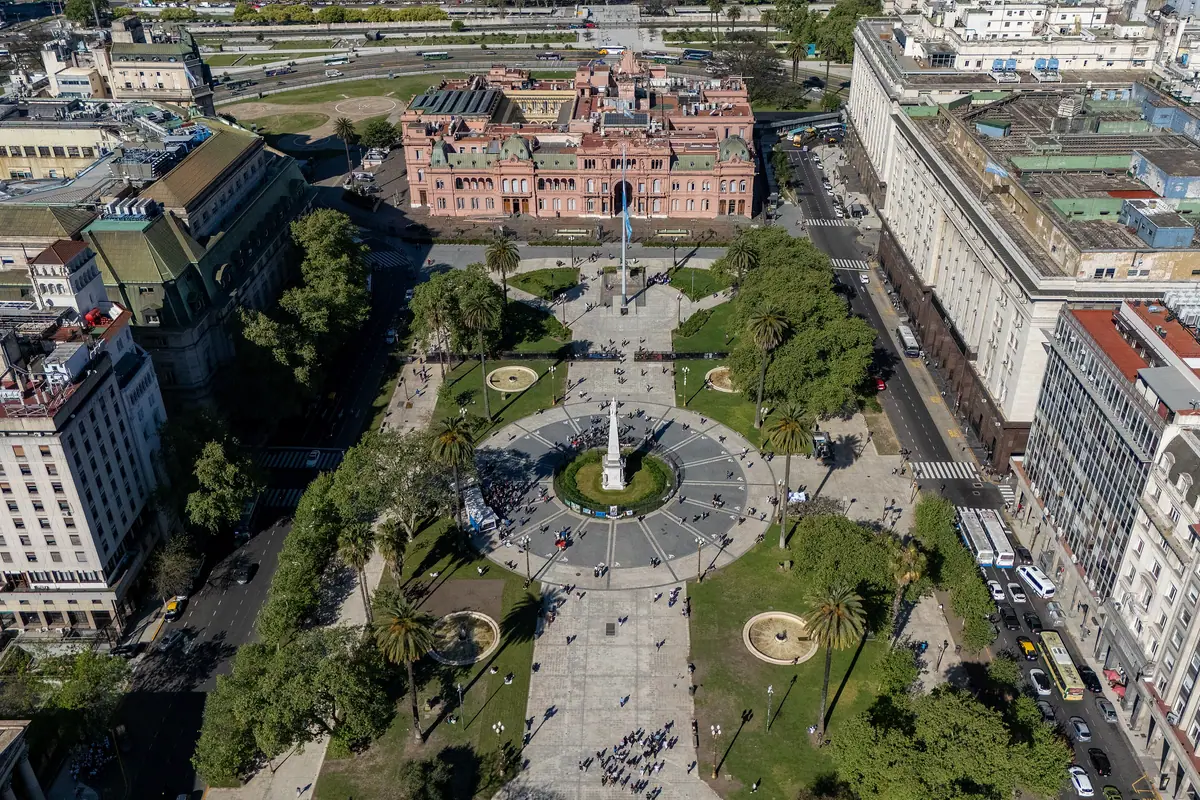
Most journeys begin in Buenos Aires, and the city rewards slow wandering. Start at Plaza de Mayo, the political heart of the nation, where the pink-washed Casa Rosada stands at the eastern edge and the Cabildo and Metropolitan Cathedral frame the square. From there, walk south along Defensa Street into San Telmo, where the Sunday antiques market spills across Plaza Dorrego with brass doorknobs, tango records and buskers who dance on the cobbles for tips.
Culture runs deep here. The Teatro Colón is one of the world's great opera houses, and you can tour its gilded horseshoe auditorium when nothing is on stage. In Recoleta, the cemetery is a city of marble mausoleums and narrow lanes — Eva Perón's grave draws the longest queues — while the nearby Museum of Latin American Art of Buenos Aires holds a serious modern collection. Book lovers should not miss the converted theatre that now houses El Ateneo Grand Splendid, a bookstore with frescoed ceilings and crimson stage curtains.
Iguazú Falls: The Water That Roars
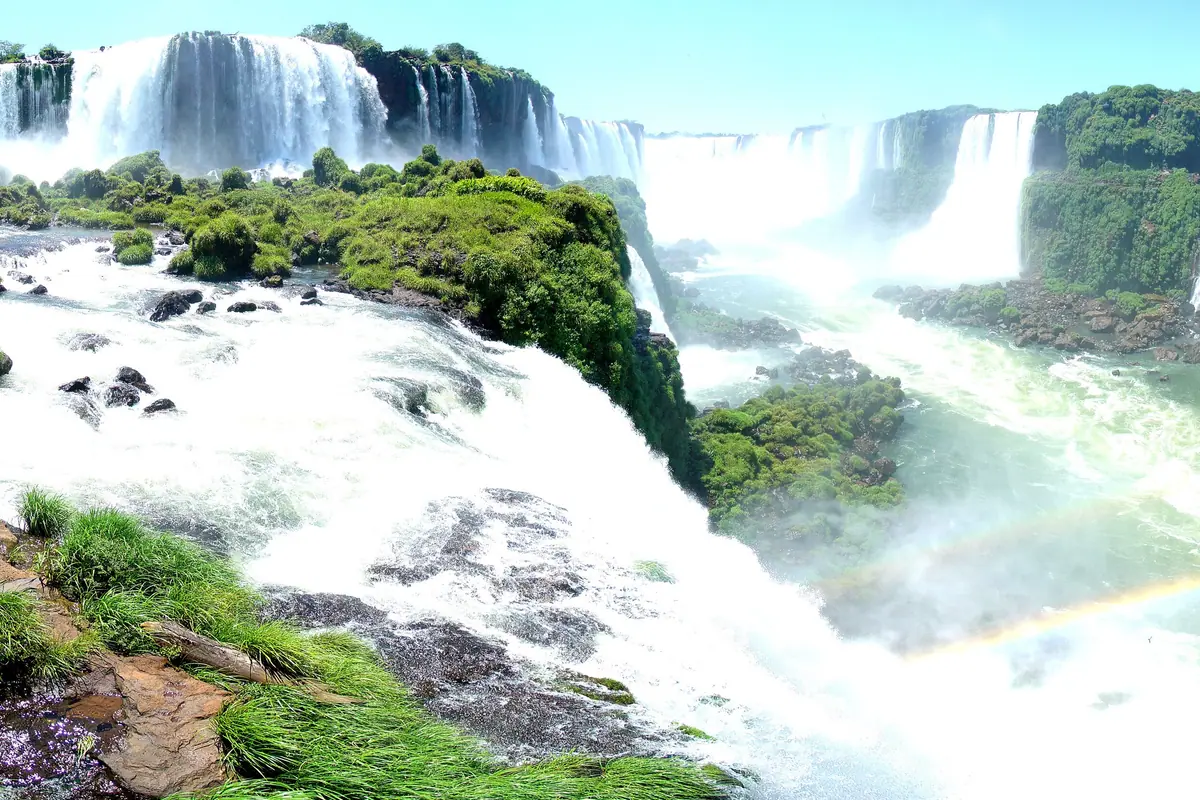
In the far northeast, on the border with Brazil, Iguazú Falls thunders through a subtropical rainforest in more than 270 separate cascades. The headline act is the Garganta del Diablo — the Devil's Throat — reached by a long walkway over calm brown water that suddenly funnels into a roaring, mist-shrouded chasm. Stand at the rail for five minutes and you will be soaked, deafened and completely won over.
Plan at least two days: one for the upper circuit, which looks down onto the lip of the falls, and one for the lower circuit, where trails weave close enough to the spray to produce rainbows. A boat trip takes you almost under the cascades, and San Martín Island, reached by a small train and trail, offers a quieter perspective when it is open. Coatis — raccoon-like and bold — will raid unattended bags, so keep snacks zipped away.
The gateway town of Puerto Iguazú is small and relaxed, with a trio of border markers where three countries meet. The climate is humid and warm year-round; the most comfortable months are roughly April to May and September to November, when the heat and crowds ease slightly. Expect a full, wet, unforgettable day on each side of the park.
Patagonia: Glaciers, Granite Peaks and the End of the World
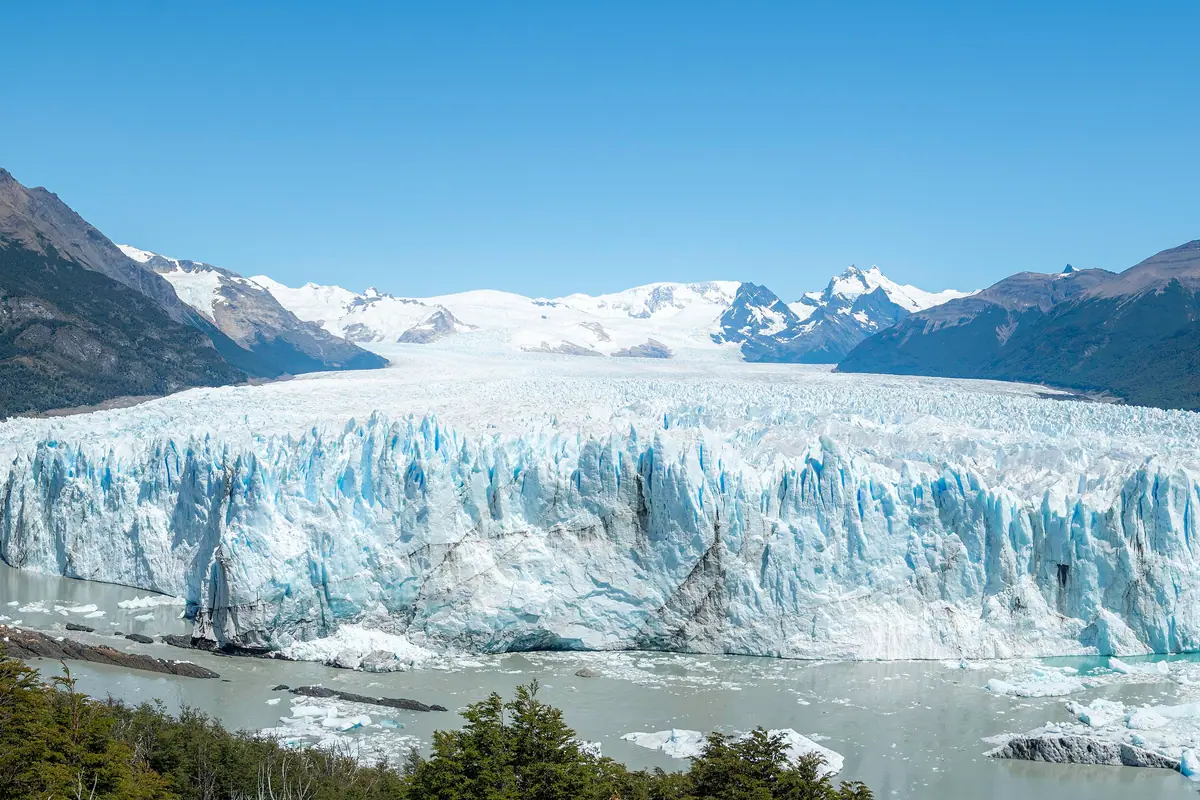
Patagonia is the reason many travellers come at all. Near El Calafate, the Perito Moreno Glacier in Los Glaciares National Park is one of the few ice fields on earth still advancing, and its five-kilometre face cracks and collapses into Lake Argentino in slabs the size of houses. Walkways let you watch from a safe distance, and ice-trekking excursions strap crampons to your boots for a crunch across the frozen surface.
Further north, the village of El Chaltén is the trekking capital, sitting beneath Mount Fitz Roy and Cerro Torre. The Laguna de los Tres hike is a demanding full day with a brutal final ascent, but the payoff — a glacial lagoon with Fitz Roy mirrored in it — is the image most people carry home. In the Lake District around Bariloche, the Seven Lakes Route threads through beech forest and cold blue water along a road made for slow driving, with Nahuel Huapi National Park offering easy day walks and cable-car views.
At the very bottom sits Ushuaia, the world's southernmost city, where you can sail the Beagle Channel past sea lion colonies, ride the narrow-gauge train into Tierra del Fuego National Park, and stamp your passport with an end-of-the-world flourish. Patagonian summer — November to March — brings long daylight and the best weather, but also wind that will test every jacket you own.
Mendoza and Aconcagua: Malbec Above the Clouds
West of Buenos Aires, Mendoza is a dry, sunlit province of irrigation ditches, poplar avenues and vineyards planted at altitudes that would make European winemakers flinch. The Valle de Uco is the star: high, stony and cool at night, producing Malbec with real structure. Many bodegas welcome visitors for tastings and long lunches, and the easiest way to string several together is by bicycle, hire car or a small guided group, since the estates are spread far apart.
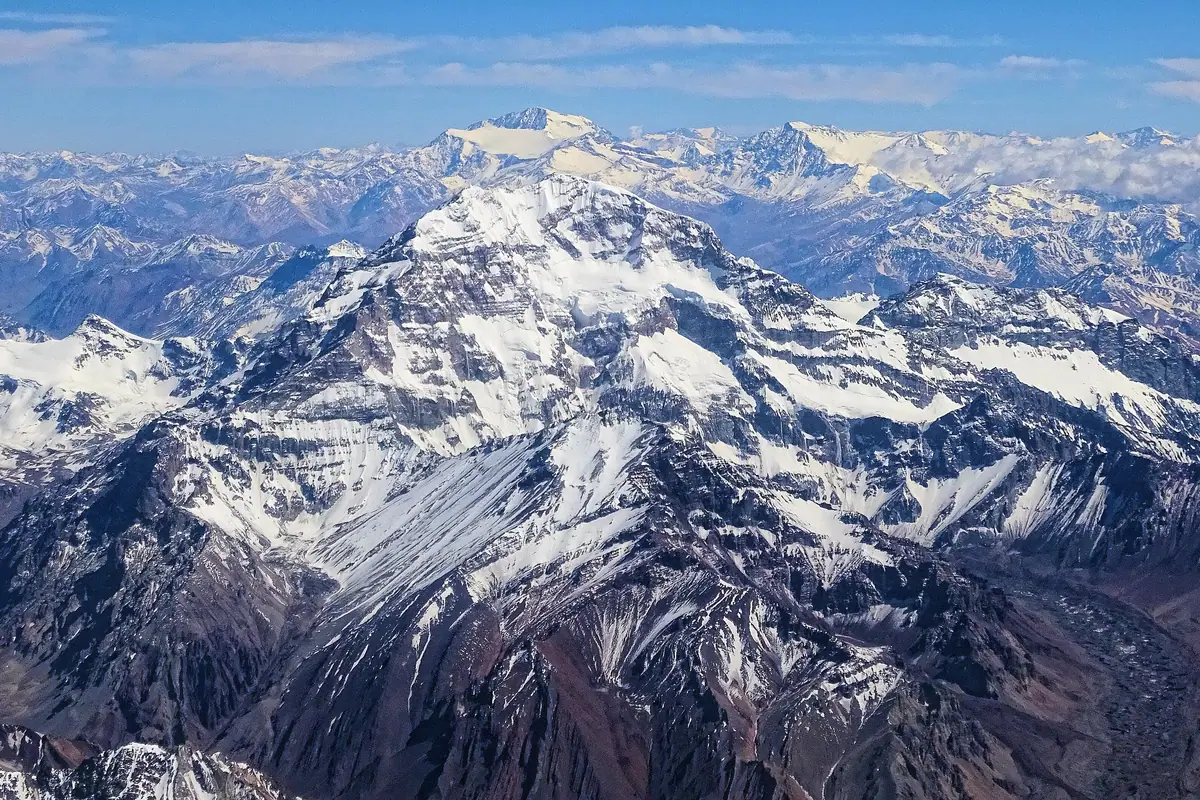
The province also holds Aconcagua, at nearly 7,000 metres the highest peak outside Asia, protected inside Aconcagua Provincial Park. Serious mountaineers come for the summit in the December-to-February climbing window; everyone else can drive up to the viewpoint at Puente del Inca, an ochre natural rock bridge stained with mineral springs, and walk short trails with condors overhead.
Time a visit for February or early March and you hit the harvest, when Mendoza throws its annual wine festival and the cellars are busy pressing. Mornings are for the mountains, afternoons for tastings, and evenings for slow dinners of grilled meat and empanadas — the provincial rhythm at its most pleasant.
The Northwest: Coloured Mountains and an Andean Train
The far northwest feels like another country: adobe villages, cactus-covered slopes and Quechua and Aymara traditions. The Quebrada de Humahuaca, a UNESCO-listed gorge stretching north from Jujuy, is the highlight. Purmamarca sits at its southern mouth beside the Cerro de los Siete Colores, a striped hillside of rust, cream, green and ochre that glows at sunrise and sunset. Continue north to Tilcara's hilltop fortress ruins and Humahuaca's cobbled lanes.
From Purmamarca it is a high, dusty drive to the Salinas Grandes, a blinding white salt flat where the horizon dissolves. The famous Tren a las Nubes leaves from Salta and climbs through viaducts and tunnels to a high Andean pass — a full-day outing that is as much about the engineering as the view. South of Salta, the Quebrada de las Conchas leads to Cafayate, where Torrontés grapes grow at 1,700 metres and the wine is crisp and floral.
The dry season, roughly April to November, brings clear skies and cold, star-filled nights. Mornings start chilly even in summer, so layers matter. Altitude is real here — take the first day in Salta gently before heading higher.
Wild Coasts and Wetlands: Whales, Penguins and Capybaras
On the Atlantic edge of Patagonia, the Península Valdés near Puerto Madryn is a wildlife theatre. Southern right whales arrive to calve between roughly June and December, often swimming close enough to the shore at Puerto Pirámides for you to hear them breathe. The same peninsula shelters elephant seals, sea lions and maras, and the nearby Punta Tombo reserve hosts one of the largest Magellanic penguin colonies in the world, occupied from around September to April.
For something entirely different, head to the Iberá wetlands in Corrientes, a vast mosaic of lagoons and floating islands where capybaras graze in family groups, caimans bask on the banks and hundreds of bird species — jabiru storks among them — stalk the shallows. Boat trips at dawn are the best way in, and community-run lodges let you stay close to the water.
Combine the two only if you have time to spare: the coast and the wetlands sit far apart, and internal flights or long overnight buses are the practical way to link them. Bring binoculars, a windproof layer for the coast and insect repellent for the marshes.
Frequently asked questions
How many days do you need to see Argentina properly?
Two weeks is a realistic minimum for Buenos Aires plus two other regions. A classic first trip is four nights in Buenos Aires, two or three at Iguazú Falls, and four to five in Patagonia around El Calafate and El Chaltén. Add Mendoza or the northwest if you can stretch to three weeks, since internal distances are enormous.
When is the best time of year to visit Argentina?
It depends on where you are going, because the country spans a huge range of latitudes. Patagonia is best from November to March, Mendoza from February to April and again in October, the northwest in the dry months from April to November, and Buenos Aires in spring and autumn. Iguazú is visitable year-round, with April to May and September to November offering the most comfortable heat and lighter crowds.
Do I need cash in Argentina?
Yes, keep a meaningful amount of local currency on you. Cards are widely accepted in Buenos Aires, Mendoza and larger Patagonian towns, but small shops, rural guesthouses, taxi drivers and market stalls often prefer cash, and ATMs can be scarce or unreliable outside cities. Changing money only at official outlets keeps you safe and legal.
Is Argentina expensive for travellers?
It varies with the exchange rate and season, but on the whole Argentina is good value compared with Western Europe or North America. Long-distance buses and local restaurants are affordable, while Patagonian glacier excursions, wildlife boat trips and internal flights are the main splurges. Booking Patagonian accommodation well ahead for the December-to-February high season matters more than penny-pinching.
How do you travel between Argentina's regions?
Flying is the practical answer for long hops such as Buenos Aires to Ushuaia or Iguazú. For overnight journeys, Argentina's long-distance buses are famously comfortable, with reclining seats that fold nearly flat, meals and blankets — a good option for routes like Buenos Aires to Mendoza or Bariloche. Rent a car for the Lake District, the wine routes and the northwest, where the best scenery lies between towns.
Plan it — experiences in Argentina
Live search, booked directly with trusted providers.
Sort the rest of your trip
Everything for Argentina, in one place
Stay in Argentina
Hotels, guesthouses and apartments — compared in one search.
Search hotels
Transfer in Argentina
Private driver waiting on arrival — no queues, no surprises.
Book a transfer
Stay online in Argentina
Travel eSIM — data the moment you land, no roaming bills.
Get an eSIM