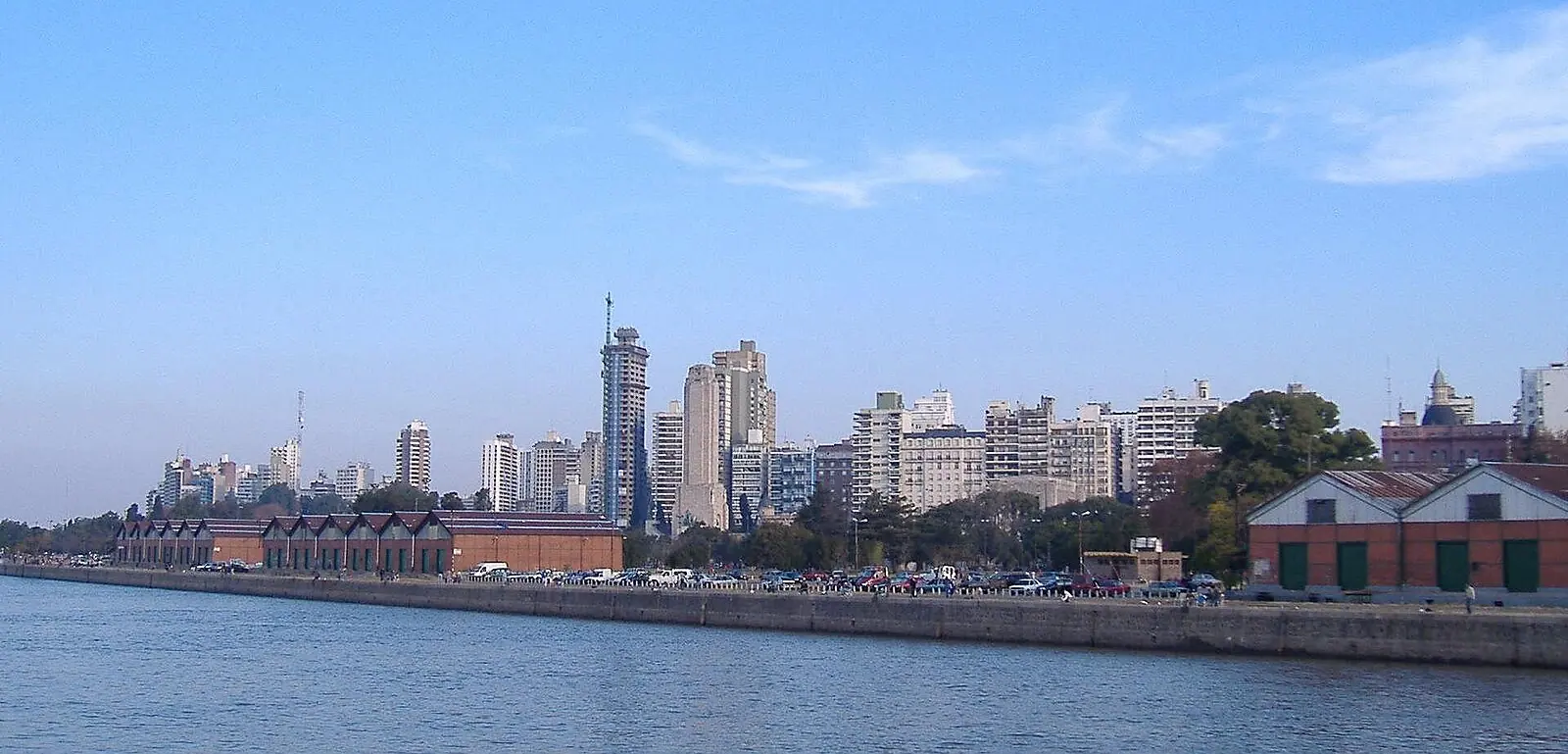
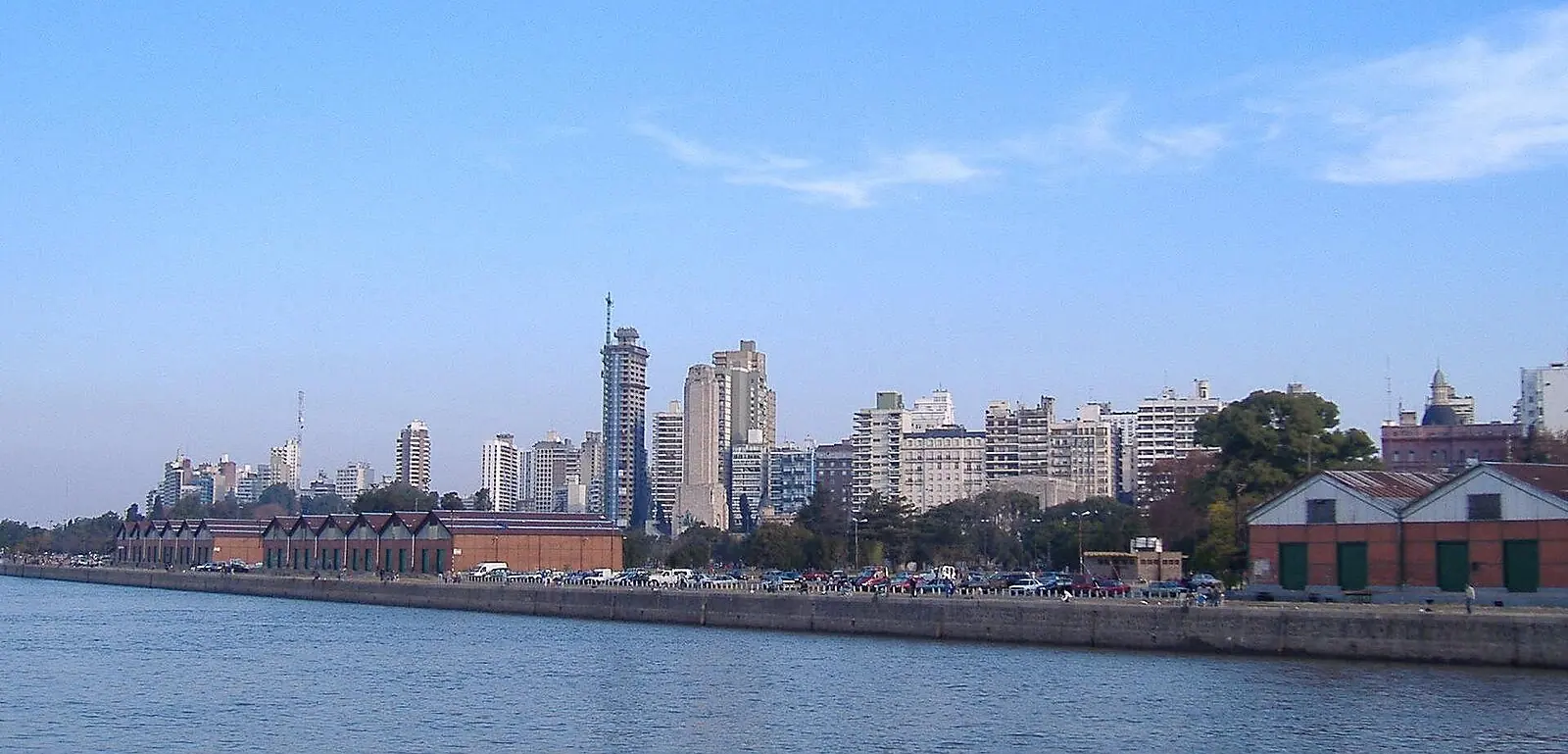
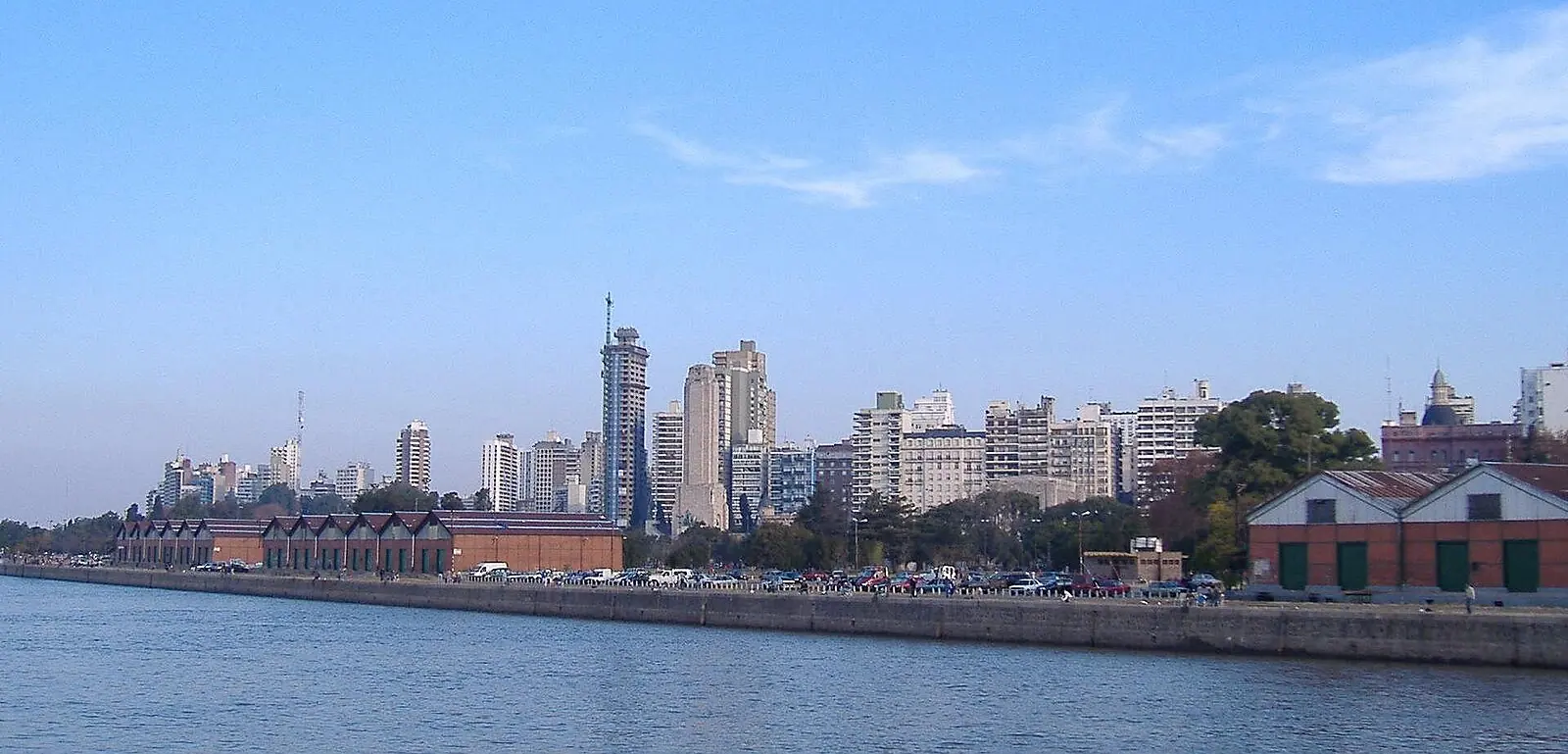
Argentina stretches nearly 3,700 kilometres from subtropical jungle to sub-Antarctic ice, so there is no single best month — only the best month for the Argentina you want. Get the season right for your region and your hotel choice becomes easy, cheaper and far more memorable.
Argentina's Seasons at a Glance: Why the Country Has Four Different Peak Times
Argentina sits in the Southern Hemisphere, which means the calendar runs upside down from Europe and North America: January is the height of summer, and July is the depth of winter. But that simple inversion hides a country of staggering climatic range. Buenos Aires and the Pampas are humid and temperate, Patagonia is cold, wind-scoured and dry, the northwest is a high-altitude desert of cactus and coloured rock, and the subtropical northeast around Iguazú is warm and wet almost year-round.
The practical consequence is that 'peak season' shifts as you move around the map. The Argentine summer holiday period — roughly mid-December through late February — is peak for Patagonia, the Atlantic coast and the lake district, when domestic families travel and coastal hotel rates climb steeply. Autumn and spring are peak for Buenos Aires and Mendoza wine country, when the weather is gentlest. Winter belongs to the ski resorts and to the northwest salt flats.
If you want one rule of thumb: travel in the shoulder months of April–May or September–November for the widest choice of rooms at reasonable rates. You will trade a little heat or a little chill for emptier landmarks, shorter queues at the Teatro Colón and Perito Moreno Glacier, and far more flexibility when booking boutique hotels in Buenos Aires' Palermo or Recoleta districts.
Spring in Buenos Aires and the Pampas: September to November
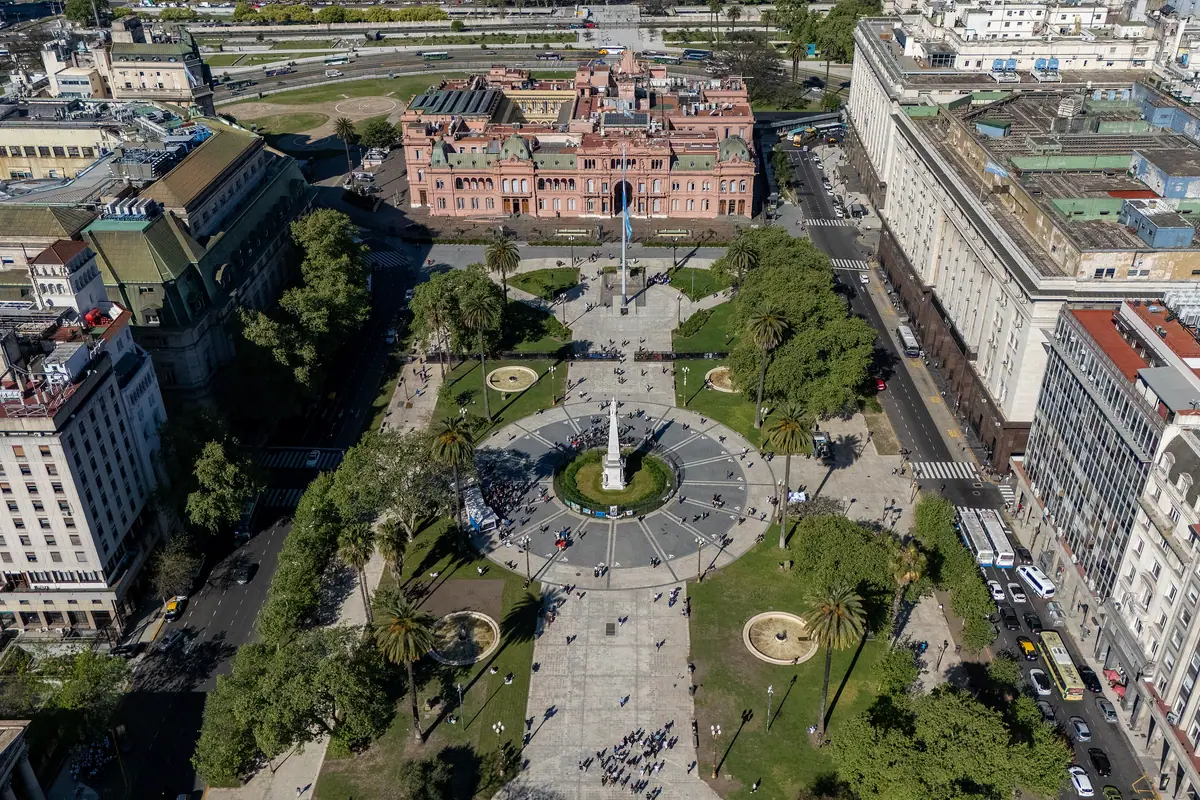
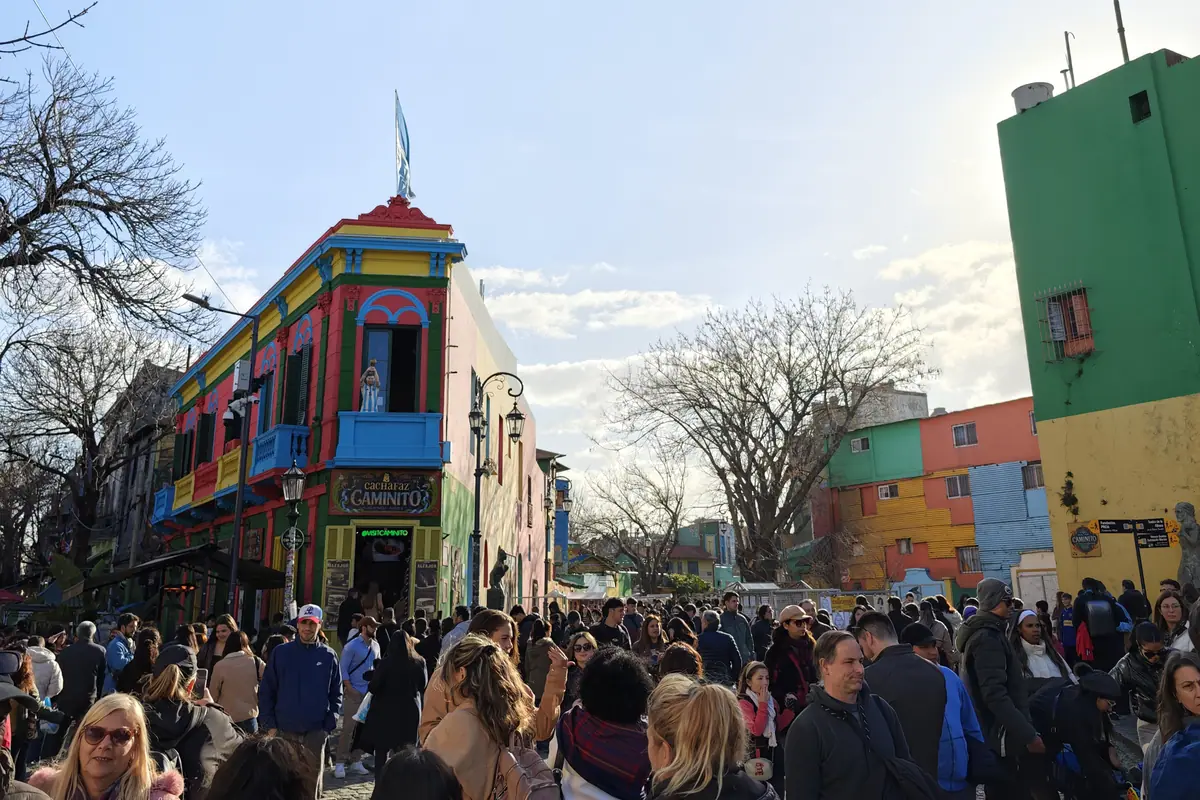
Spring is arguably the finest time to base yourself in Buenos Aires. Jacaranda trees erupt in violet along the Avenida 9 de Julio and through the parks of Palermo, temperatures settle into comfortable low twenties Celsius, and the city's café terraces fill up without the sticky intensity of high summer. This is the season to walk the historic core: the Casa Rosada and the Cabildo on Plaza de Mayo, the cobbled lanes and brightly painted facades of Caminito in La Boca, and the colonnaded avenues of Recoleta, where the Recoleta Cemetery — a miniature city of marble mausoleums, including Eva Perón's resting place — rewards a slow morning.
Book an evening performance at the Teatro Colón, one of the world's great opera houses, and consider a day trip by train to the Tigre Delta, where the Paraná River dissolves into a maze of islands and stilted houses reached only by boat. Spring is also when the Pampas grasslands green up, making it prime time for a night or two at a working estancia outside the city — riding, asado and enormous skies included.
For hotels, spring means you can still find good value in the boutique conversions of San Telmo and Palermo Soho, where nineteenth-century townhouses have been turned into small design properties. Rates begin to climb from late November as domestic holiday travel approaches, so aim for late September through early November if you want the sweet spot.
High Summer in Patagonia and on the Atlantic Coast: December to February
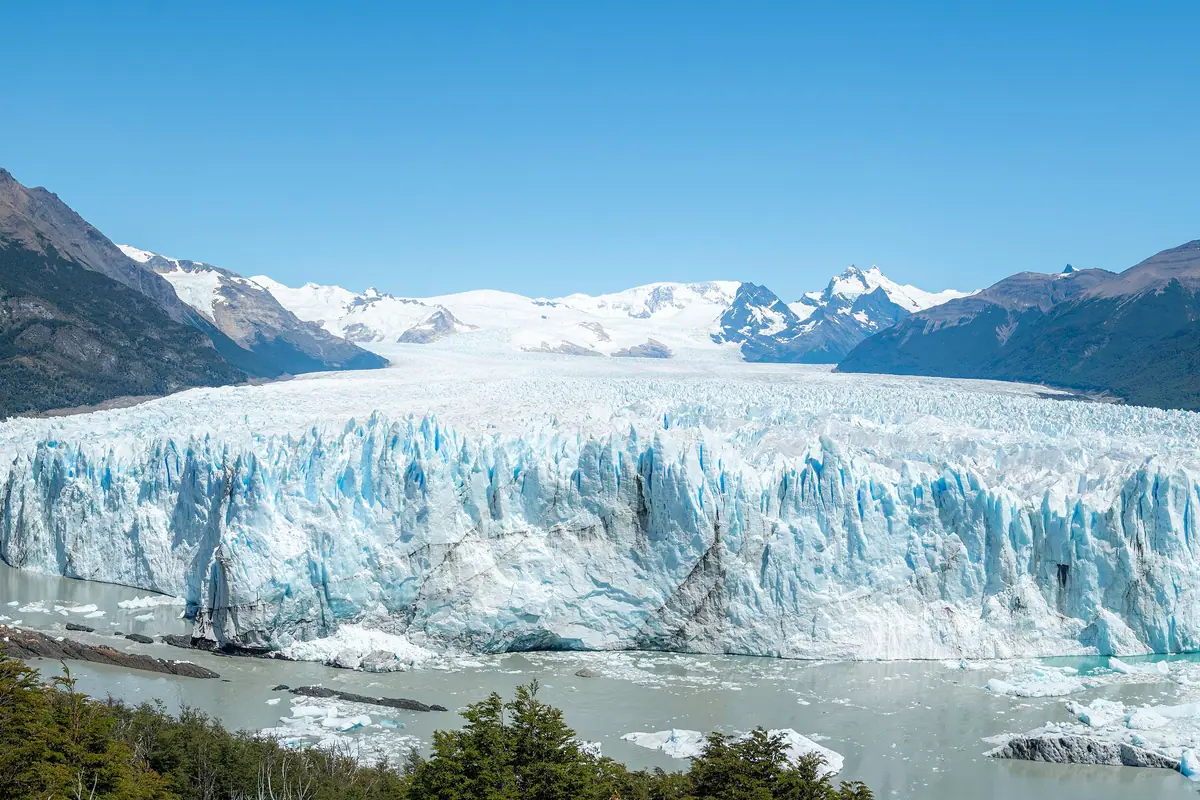
This is Patagonia's window. Days are long — in Ushuaia and El Calafate daylight can stretch past 10pm — and the trails, boat crossings and access roads to the region's showpieces are fully open. The star attraction is the Perito Moreno Glacier in Los Glaciares National Park near El Calafate, a wall of blue ice that calves thunderously into Lago Argentino and can be viewed from walkways, boats or a guided ice trek. Further south, Ushuaia serves as the gateway to Tierra del Fuego National Park and the Beagle Channel, with boat trips past sea lion colonies and the lighthouse at the end of the world.
The lake district around Bariloche, with the crystalline Nahuel Huapi Lake and the alpine-style Circuito Chico, is at its most inviting for hiking, kayaking and swimming in summer. Over on the Atlantic, the Valdés Peninsula near Puerto Madryn draws wildlife watchers, while Mar del Plata becomes the country's biggest beach resort, packed with Argentine families through January.
The catch is that this is also when Patagonian hotels are most expensive and most booked out — often a year ahead for the best lodges in El Chaltén and Torres-area estancias. Book early, expect wind regardless of the sunshine, and pack layers, because a 25°C afternoon in El Calafate can turn into a 5°C evening.
Autumn: Wine Harvest in Mendoza and the Desert Northwest: March to May
As the crowds drain out of Patagonia, autumn becomes the connoisseur's season. Mendoza, cupped against the Andes, is at its most beautiful during the March vendimia (harvest) period, when the vineyards along the Ruta del Vino turn gold and red and the region celebrates with festivals across its wineries. Days are warm, nights are cool, and hotel rates at vineyard lodges in Luján de Cuyo and the Uco Valley soften considerably after Easter.
The northwest deserves equal attention. Salta, with its colonial plaza and the high-altitude Tren a las Nubes railway climbing to more than 4,000 metres over viaducts and salt pans, is best visited in autumn when the summer rains have passed. The Quebrada de Humahuaca, a UNESCO-listed canyon of ochre and crimson hills dotted with pre-Hispanic villages, and the wine town of Cafayate with its torrontés vineyards, are all at their clearest and most comfortable now.
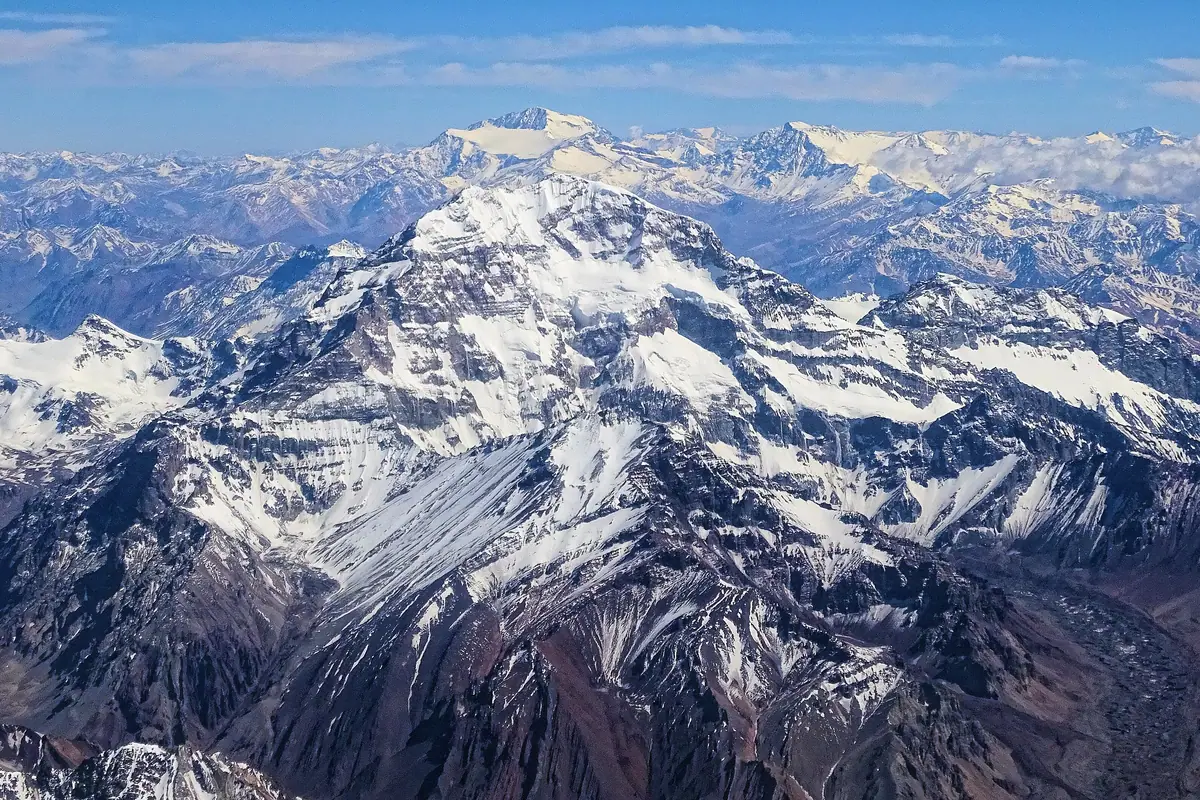
If you want to combine landscapes, autumn is also the moment for Aconcagua, the highest peak outside Asia, whose provincial park near Mendoza is accessible for day hikes to viewpoints before the snows close in. Reserve mountain-lodge stays well ahead for the harvest weeks, which are the single busiest hotel period in Argentine wine country.
Winter: Ski Resorts, Salt Flats and Iguazú's Driest Window: June to August
Argentina's winter is not a reason to stay home — it is a reason to choose differently. The Andes around Bariloche and Las Leñas become the country's ski heartland, with Cerro Catedral offering the largest lift-served terrain in South America and a genuinely alpine village scene at its base. Hotels in Bariloche fill fast during the July school holidays, so shoulder weeks in June or August are better value and quieter on the slopes.
Winter is also the classic time for the high-altitude northwest salt flats, including the vast Salinas Grandes, where the dry season brings clear roads and mirror-like reflections after rain. Meanwhile, the Valdés Peninsula's whale-watching season runs through the winter months, with southern right whales calving close to the shore near Puerto Pirámides — a spectacle best paired with a stay in Puerto Madryn.
In the subtropics, June to August is the least rainy stretch at Iguazú Falls, the thundering horseshoe of water on the border with Brazil. Lower humidity means leeches and mosquitoes are less troublesome, walking trails along the Garganta del Diablo are more manageable, and hotel prices in Puerto Iguazú dip outside Argentine holiday weeks. Bring a warm layer: even the jungle can surprise you with a cold snap in July.
How to Time Your Hotel Booking in Argentina
Argentine hotel pricing is unusually seasonal, and the swing is regional rather than national. Expect the sharpest spikes in Patagonian gateway towns — El Calafate, El Chaltén, Ushuaia and Bariloche — from late December to February, and again during the two-week July winter break. In Buenos Aires, demand peaks around Easter, the wine harvest in Mendoza, and long weekends tied to national holidays, when porteños themselves take to the road.
Look beyond conventional hotels for the most characterful stays. Argentina excels at estancias on the Pampas, boutique townhouse hotels in Palermo and San Telmo, vineyard posadas in Mendoza, and family-run hosterías in the lake district. These small properties often have fewer than a dozen rooms, which is precisely why booking two to four months ahead — or six to twelve months for the top Patagonian lodges in high summer — makes the difference between a great trip and a compromise.
Finally, remember domestic logistics. Distances are enormous: Buenos Aires to El Calafate is a three-and-a-half-hour flight, and Mendoza to Salta involves a long hop or a very long drive. Build buffer nights at each end of a Patagonian or northwestern leg, keep one flexible day for weather delays, and you will find that the best time to visit Argentina is simply the season that matches the landscape you came for.
Frequently asked questions
What is the single best month to visit Argentina overall?
April and October are the two sweet spots for most travellers: mild weather in Buenos Aires and Mendoza, manageable crowds, and hotel rates well below the summer and ski peaks. Patagonia, however, is genuinely at its best in January and February, so a country-wide trip rarely has one perfect month.
When should I book hotels for Patagonia in high season?
For El Calafate, El Chaltén, Ushuaia and Bariloche between late December and February, aim to reserve six to twelve months ahead. Small lodges and estancias often have fewer than a dozen rooms and sell out for the peak weeks well before the season begins.
Is winter a good time to visit Iguazú Falls?
Yes. June to August brings the driest, least humid conditions of the year, making the walking trails around the Garganta del Diablo far more comfortable. Expect cooler evenings than the latitude suggests, and check dates around Argentine school holidays when domestic demand rises.
When is whale watching on the Valdés Peninsula?
Southern right whales gather off Puerto Pirámides and the Valdés Peninsula from roughly June through December, with the highest concentrations in the mid-winter months. Pair a stay in Puerto Madryn with a boat excursion for the closest encounters.
Does Argentina have a ski season in July?
It does. The Andean resorts around Bariloche, including Cerro Catedral, and Las Leñas near Mendoza operate from roughly June to early October, with July and August the most reliable snow and the busiest hotel demand during the winter school break.
Sort the rest of your trip
Everything for Argentina, in one place
Transfer in Argentina
Private driver waiting on arrival — no queues, no surprises.
Book a transfer
Things to do in Argentina
Skip-the-line tickets, guided tours and standout experiences.
See experiences
Stay online in Argentina
Travel eSIM — data the moment you land, no roaming bills.
Get an eSIM