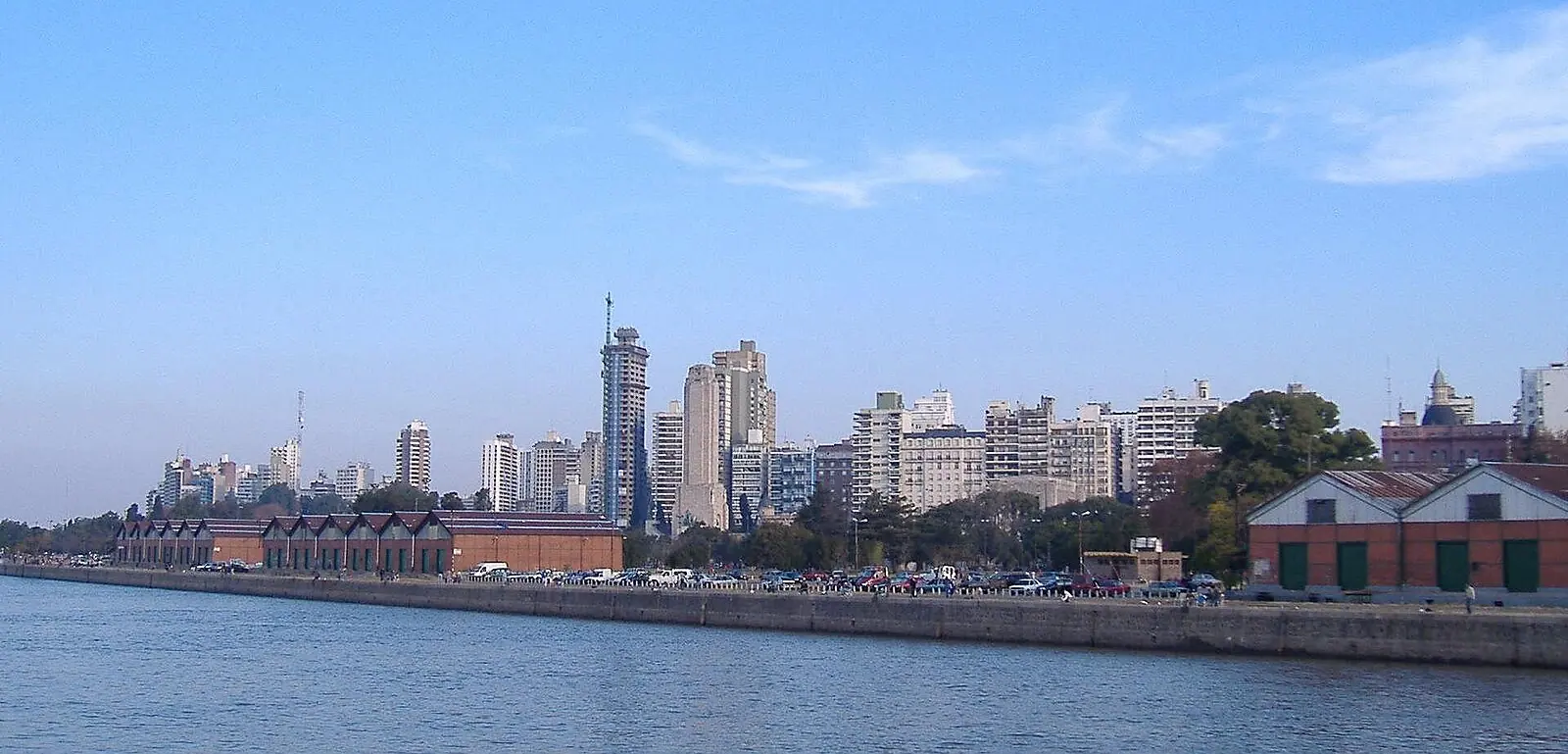
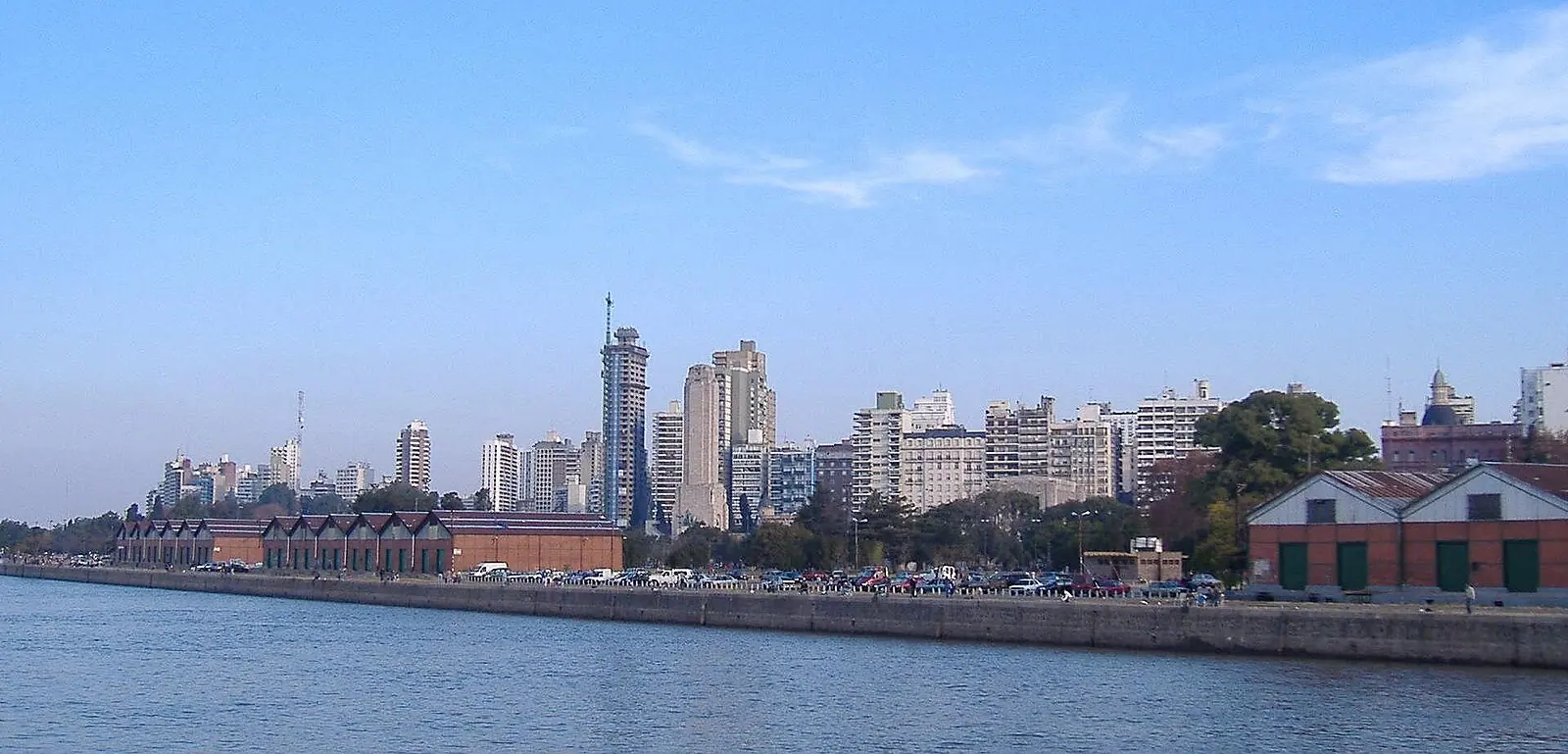
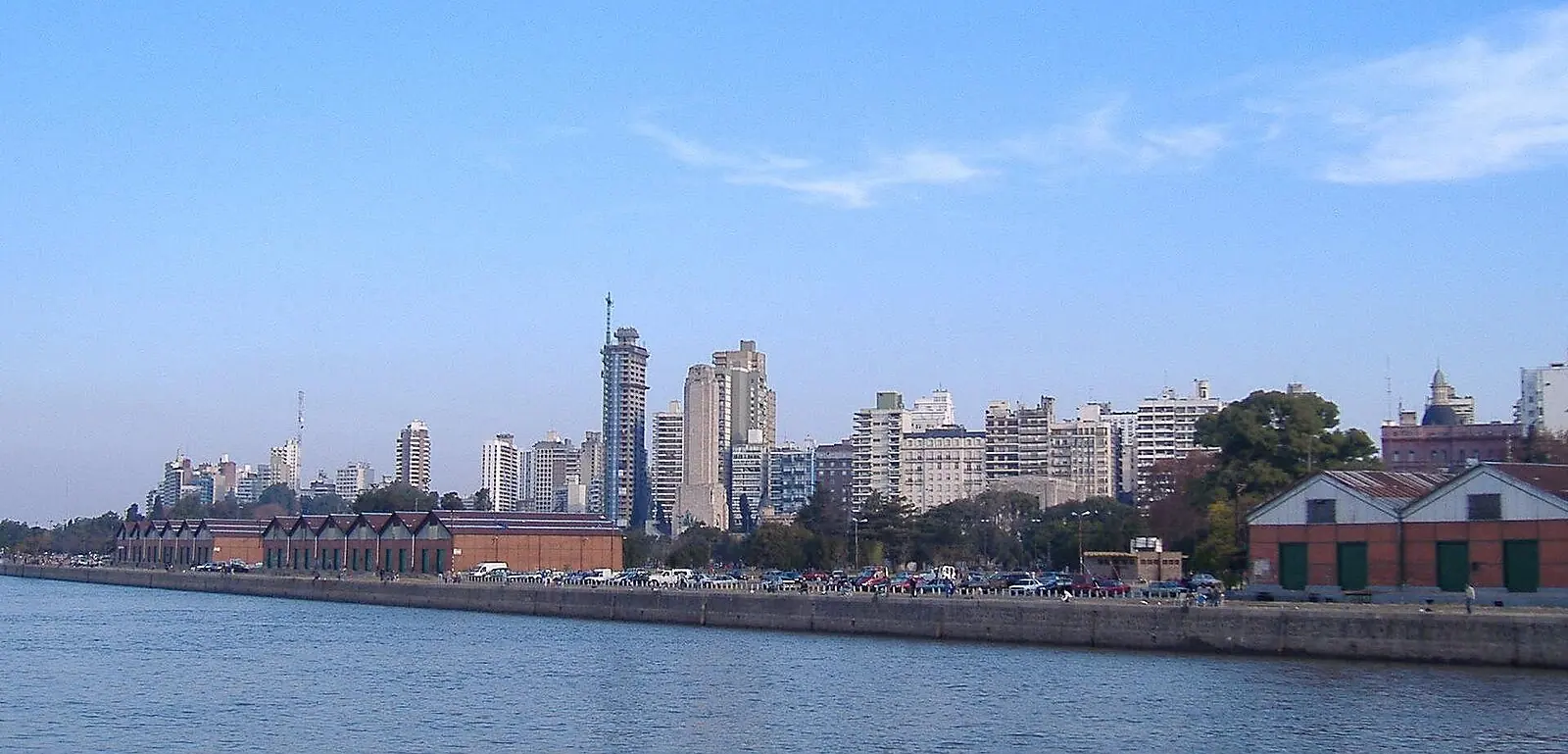
Argentina is a country you don't visit once — you visit it in chapters, and each chapter needs a different bed. A grand old hotel facing a Buenos Aires plaza, a jungle lodge within earshot of Iguazú's roar, a stone-and-timber refuge under the Andes: choosing where to sleep is half of how this country shapes your trip.
Argentina Hotels 101: Regions, Styles and How to Choose
Argentina stretches roughly 3,700 kilometres from the Bolivian border to the tip of Tierra del Fuego, so the single most useful decision you can make is to pick two or three regions rather than trying to see everything. Domestic flights connect Buenos Aires with Puerto Iguazú, Mendoza, Bariloche, El Calafate, Salta and Ushuaia in two to three-and-a-half hours, which makes a multi-city itinerary realistic in two weeks — but only if you accept long travel days and book early.
The accommodation itself is unusually varied. Buenos Aires has restored belle-époque properties in Recoleta and the Centro, design boutiques in Palermo, and apartment-style stays in San Telmo. Outside the capital you'll find working cattle and wine estancias where dinner is served at a communal table, alpine lodges around Bariloche, glacier-view hotels near El Calafate, and simple family guesthouses in the northwest. Hostels are widespread and often excellent, especially in backpacker hubs like El Chaltén.
Timing decides both comfort and availability. Buenos Aires is a year-round city, though January and February are hot and humid and many locals leave. Patagonia's walking and glacier season runs from November to March, while Bariloche's ski crowd arrives from June to August. Iguazú is visitable all year, with the heaviest rain and heat from December to February. In Mendoza, the vineyards are loveliest — and the rooms hardest to find — during the February-to-March harvest.
Buenos Aires: Sleeping Among Plazas, Cafés and Cemeteries
Most first-time visitors should base themselves in Recoleta, Palermo or San Telmo. Recoleta puts you within walking distance of the Recoleta Cemetery — the extraordinary city of mausoleums where Eva Perón is buried — plus the National Museum of Fine Arts, the Floralis Genérica sculpture and elegant cafés along Avenida Alvear. Palermo, split into Soho, Hollywood and the leafy parks of the Bosques de Palermo, is where boutique hotels, cocktail bars and weekend design markets cluster; it's the best choice if you want to walk out of your door into dinner.
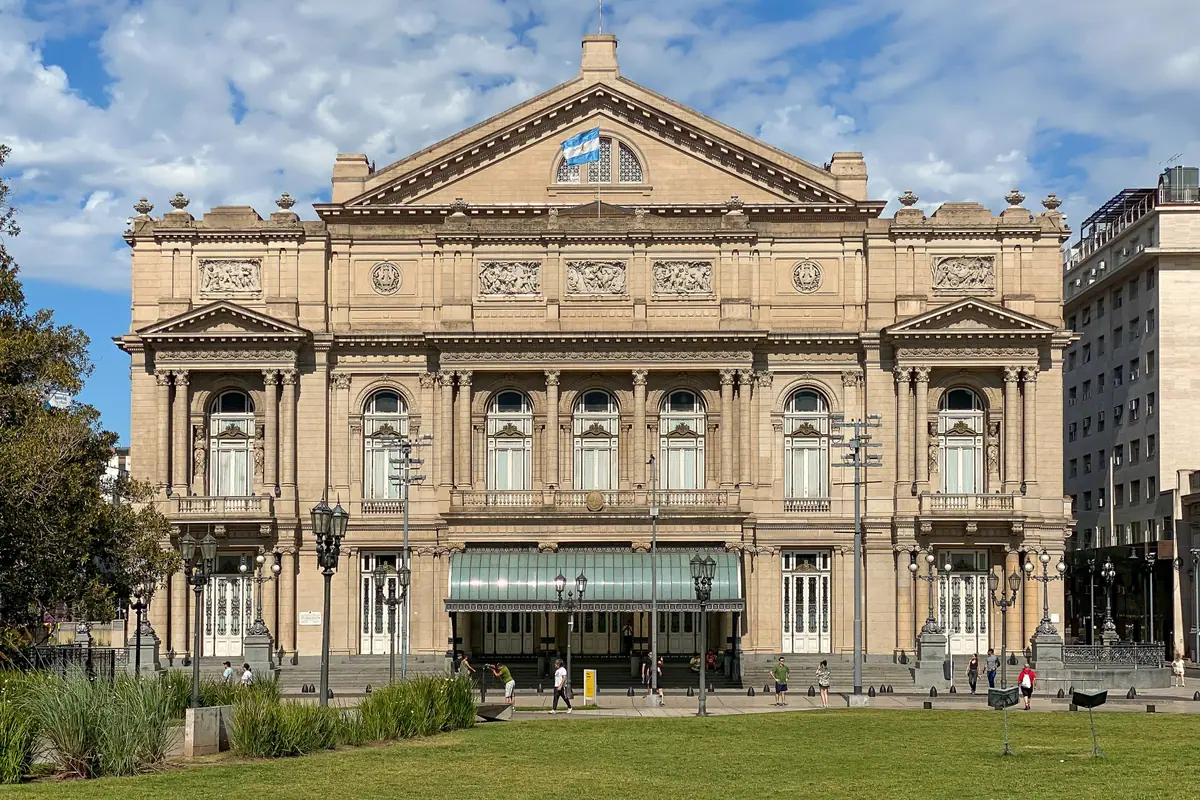
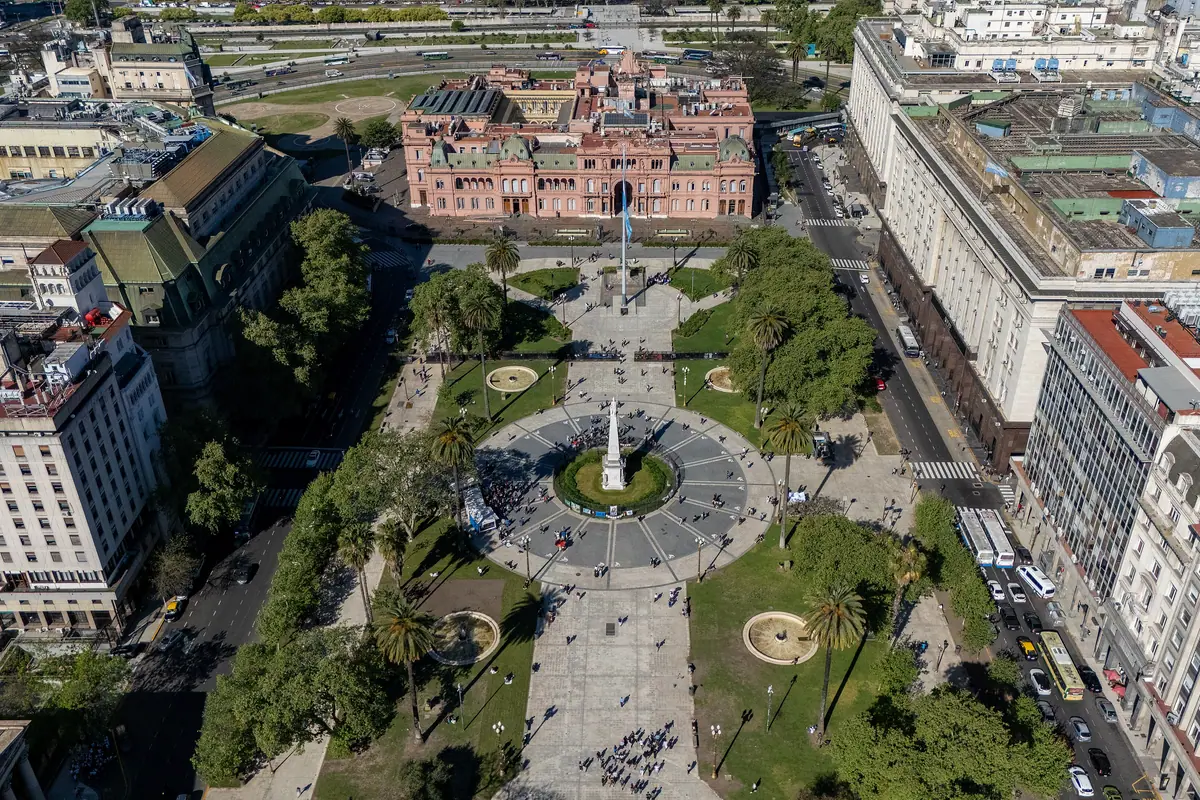
The historic core rewards a night or two as well. Plaza de Mayo is the political heart of the country, framed by the Casa Rosada with its famous balcony, the Cabildo and the Metropolitan Cathedral. A few blocks away stands the Teatro Colón, one of the world's great opera houses and worth a guided tour even if you skip a performance. From the plaza, the cobbled streets of San Telmo lead south to the Sunday antiques market in Plaza Dorrego, and further on to La Boca, where the painted walls of the Caminito draw crowds by day — an area best visited in daylight and with a taxi back.
Give Buenos Aires at least four nights. Mornings suit the cemetery and museums, afternoons the riverside walkways of Puerto Madero and the art collections of the Palermo parks, evenings the steakhouses and tango halls of San Telmo and Abasto. Hotels in the centre tend to be traditional and grand; those in Palermo are smaller, quirkier and often arranged around a courtyard or rooftop pool.
Iguazú Falls: Lodges in the Subtropical Rainforest
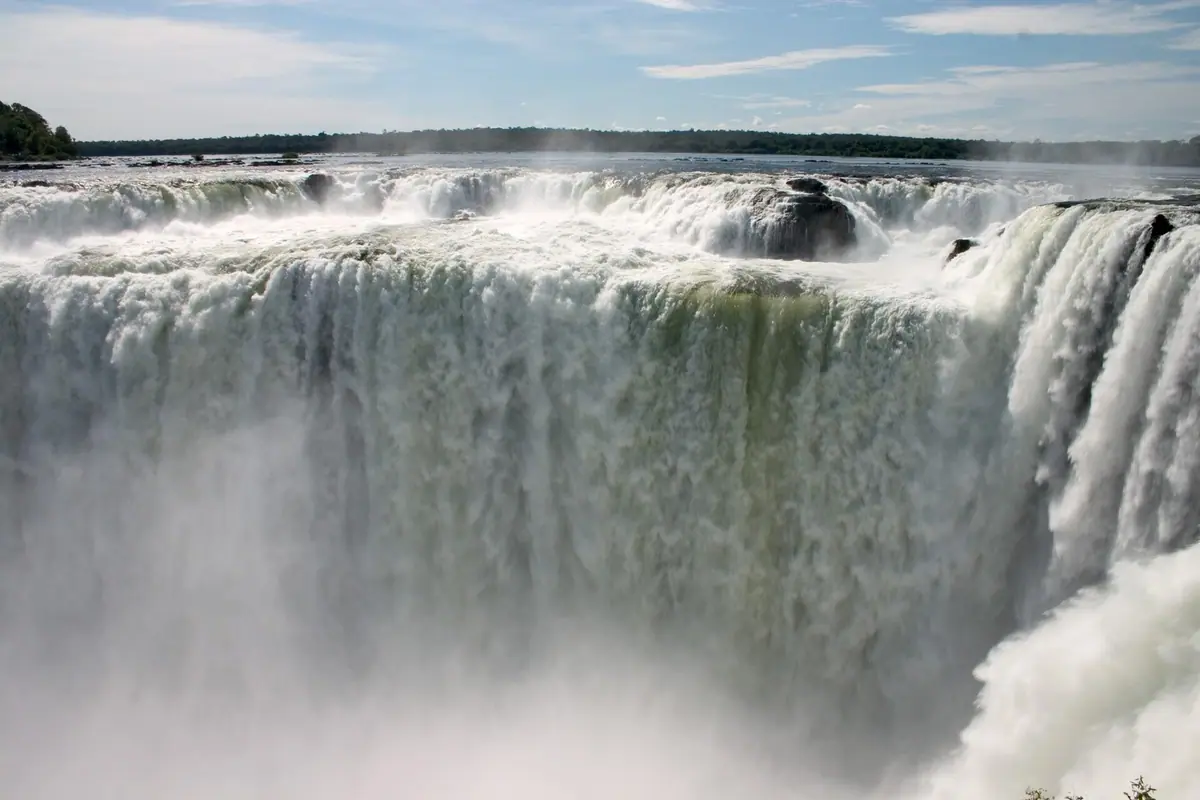
Iguazú Falls is the sight most travellers rank as the highlight of Argentina. The falls thunder across a horseshoe of basalt roughly 2.7 kilometres wide, with the Garganta del Diablo — the Devil's Throat — throwing up a permanent curtain of spray. Two full days let you walk the Upper and Lower Circuits, take the train through the national park and reach San Martín Island, which opens only when the river is calm.
Where you sleep changes the rhythm of the visit. A handful of lodges sit inside Iguazú National Park itself, which means you can be at the walkways before the first coaches arrive and hear the jungle at night. The alternative is Puerto Iguazú, a small, friendly town about 20 to 30 minutes from the park gates, packed with mid-range hotels, guesthouses and hostels, plus restaurants serving river fish and a pleasant three-frontier viewpoint where Argentina, Brazil and Paraguay meet.
Plan for heat, humidity and rain whatever the season, and pack insect repellent, quick-drying clothes and a light rain jacket — the spray soaks everyone on the Devil's Throat walkway. Book park-side lodges two to four months ahead for the July school holidays and the southern summer, and remember that the Brazilian side of the falls offers a different, wider panorama if your visa or itinerary allows a day across the border.
Mendoza and the Andean Wine Roads
Mendoza is Argentina's wine capital, a low-rise city of tree-lined avenues, irrigated plazas and a vast green lung in Parque General San Martín. Its heart is Plaza Independencia, surrounded by cafés and the pedestrianised shopping streets of Avenida San Martín. Most visitors come for the vineyards, which begin just outside town in Maipú and Luján de Cuyo and continue south into the high, dramatic Valle de Uco, where snowmelt and altitude produce some of the country's finest Malbec.
Wineries range from grand historic estates with formal tastings and restaurants to small family bodegas where you'll taste straight from the barrel. Because the wine districts are spread out and rural, the smartest bases are boutique wine hotels in Luján de Cuyo or the Valle de Uco, where a day of tasting ends with dinner and a short walk to your room. Staying in Mendoza city instead suits travellers without a car, who can join organised tasting tours and still enjoy the city's plazas, markets and evening promenade.
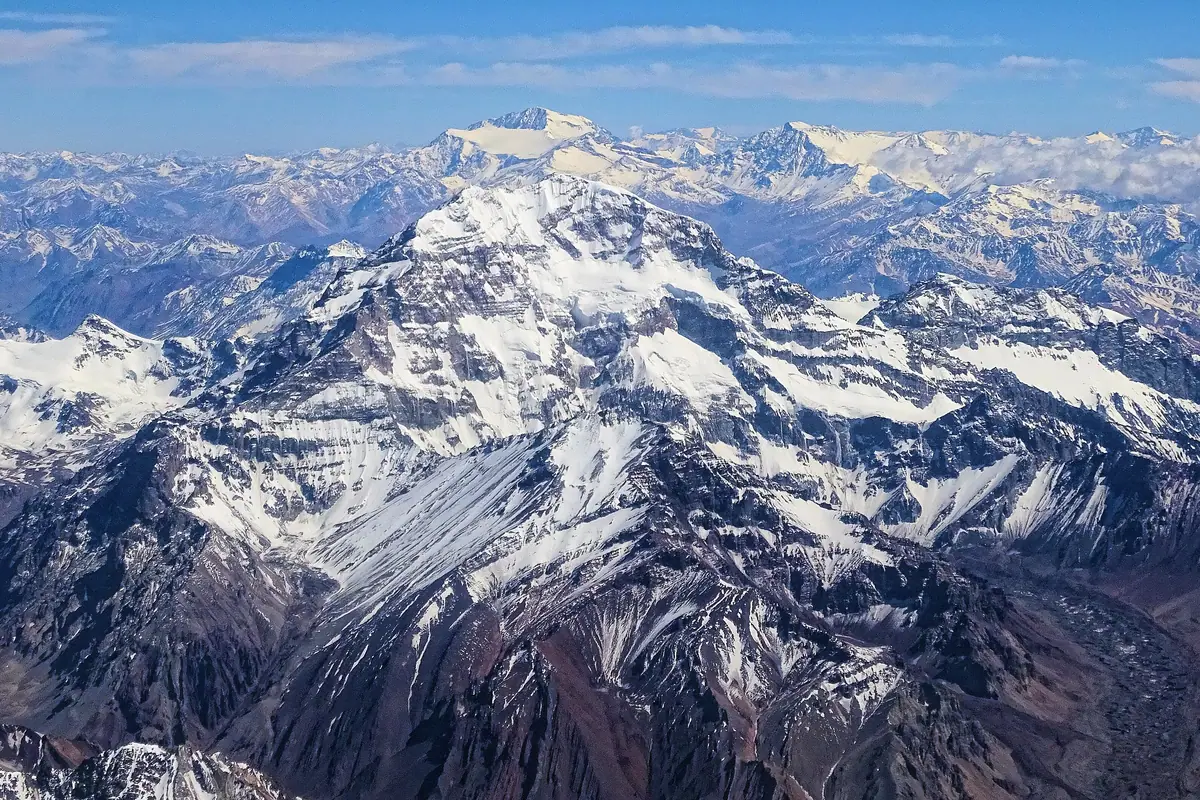
Add a mountain day: the road west climbs past the Cacheuta hot springs and the ochre mineral bridge at Puente del Inca to Aconcagua Provincial Park, base of the highest peak in the Americas outside the Himalayas. Mendoza's harvest festival in early March fills the city with parades and, predictably, every good hotel.
Patagonia: Glacier Hotels, Lake Lodges and Ski Towns
Patagonia is where Argentina gets cinematic, and each hub has its own character. Bariloche is the lake district's capital, set on the shore of Nahuel Huapi and overlooked by the ski slopes of Cerro Catedral — a resort town of chocolate shops and chalet-style hotels best explored along the Circuito Chico scenic drive. El Calafate is the gateway to Los Glaciares National Park and the Perito Moreno Glacier, a wall of ice that regularly calves into the water in front of viewing balconies; hotels here range from functional town properties to remote lodges with glacier or steppe views.
Further south, Ushuaia bills itself as the end of the world, with hotels clustered between the Beagle Channel and the peaks of the Martial range. Days here are spent in Tierra del Fuego National Park, on boat trips to sea-lion islands, and riding the narrow-gauge train that follows the old convict route into the forest. For hikers, El Chaltén — a two-to-three-hour drive from El Calafate — has trails to Laguna de los Tres and Laguna Torre leaving straight from the village, and simple, comfortable lodges where you sleep and eat between walks.
Patagonian weather is its own character: four seasons in a day, strong wind almost always, and long daylight from November to March, when bookings peak. Reserve mountain lodges and glacier-view rooms three to six months ahead for the southern summer, and keep a flexible day in your itinerary for wind-delayed flights.
Salta, the Northwest and Practical Booking Notes
The northwest is Argentina's most culturally distinct corner, closer in feel to the Andes than to Buenos Aires. Salta's handsome colonial centre revolves around Plaza 9 de Julio, the Cabildo and the ornate Church of San Francisco, all walkable from a cluster of small, well-run city hotels. From here the Tren a las Nubes climbs terrifyingly high viaducts into the puna, and the Quebrada de Humahuaca unfolds north through adobe villages toward the multi-coloured slopes of Cerro de los Siete Colores at Purmamarca and the white expanse of the Salinas Grandes.
Base yourself two nights in Salta, then a night or two in Purmamarca or Tilcara, where guesthouses are simple but atmospheric and the altitude sits around 2,300 to 2,600 metres. Give yourself a day to acclimatise before pushing higher, drink plenty of water and take the first day gently.
A few booking rules serve you everywhere in Argentina. Reserve long-distance domestic flights and peak-season lodges as early as your plans allow, because internal routes sell out before international ones. Ask whether your hotel is in the neighbourhood you actually want to walk at night. And build in slack: this is a country of vast distances, and the best hotel is the one that fits the day you've just had.
Frequently asked questions
What is the best time of year to visit Argentina?
It depends on the region rather than the country. Buenos Aires and the northwest are pleasant in spring (September to November) and autumn (March to May). Patagonia, including El Calafate, El Chaltén and Ushuaia, is best from November to March for hiking and glacier viewing, while Bariloche's ski season runs from June to August. Iguazú can be visited year-round, though December to February is hot, humid and wet.
How many days do I need in Buenos Aires?
Four nights is a good minimum. That allows time for Plaza de Mayo, the Recoleta Cemetery, the Teatro Colón, San Telmo's Sunday market, La Boca's Caminito in daylight, and an evening of tango or steak in Palermo — with enough slack left over to enjoy the city's café culture rather than sprinting between sights.
Should I stay inside Iguazú National Park or in Puerto Iguazú town?
Park lodges put you on the walkways early, before day-trippers arrive, and let you experience the rainforest at dawn and dusk. Puerto Iguazú, 20 to 30 minutes from the gates, offers far more choice of restaurants and accommodation at every budget. Either works well for a two-day visit; book park-side properties two to four months ahead in peak season.
Where should first-time visitors stay for a two-week trip?
A classic first itinerary is four nights in Buenos Aires, two or three around Iguazú Falls, two or three in Mendoza or the northwest, and three or four in Patagonia around Bariloche or El Calafate. Domestic flights make this feasible, but keep travel days light and avoid scheduling more than three internal hops in a fortnight.
Do I need to worry about altitude in northwest Argentina?
Salta city sits at around 1,200 metres, which most people barely notice, but Purmamarca, Tilcara and the salt flats climb to 2,300 to 3,400 metres and higher. Spend your first night lower, hydrate well, avoid heavy meals and alcohol on arrival, and consider a slower itinerary if you have heart or respiratory conditions.
Sort the rest of your trip
Everything for Argentina, in one place
Transfer in Argentina
Private driver waiting on arrival — no queues, no surprises.
Book a transfer
Things to do in Argentina
Skip-the-line tickets, guided tours and standout experiences.
See experiences
Stay online in Argentina
Travel eSIM — data the moment you land, no roaming bills.
Get an eSIM