Argentina is a country you taste before you understand — smoky asado drifting over a pavement at midnight, a thermos of mate passed hand to hand on a long bus ride, a bandoneón sighing through a San Telmo courtyard. This guide stitches together the food, the rituals and the landmarks that make a tour here feel less like sightseeing and more like being let in on something.
Buenos Aires: Where Argentina Sets the Table
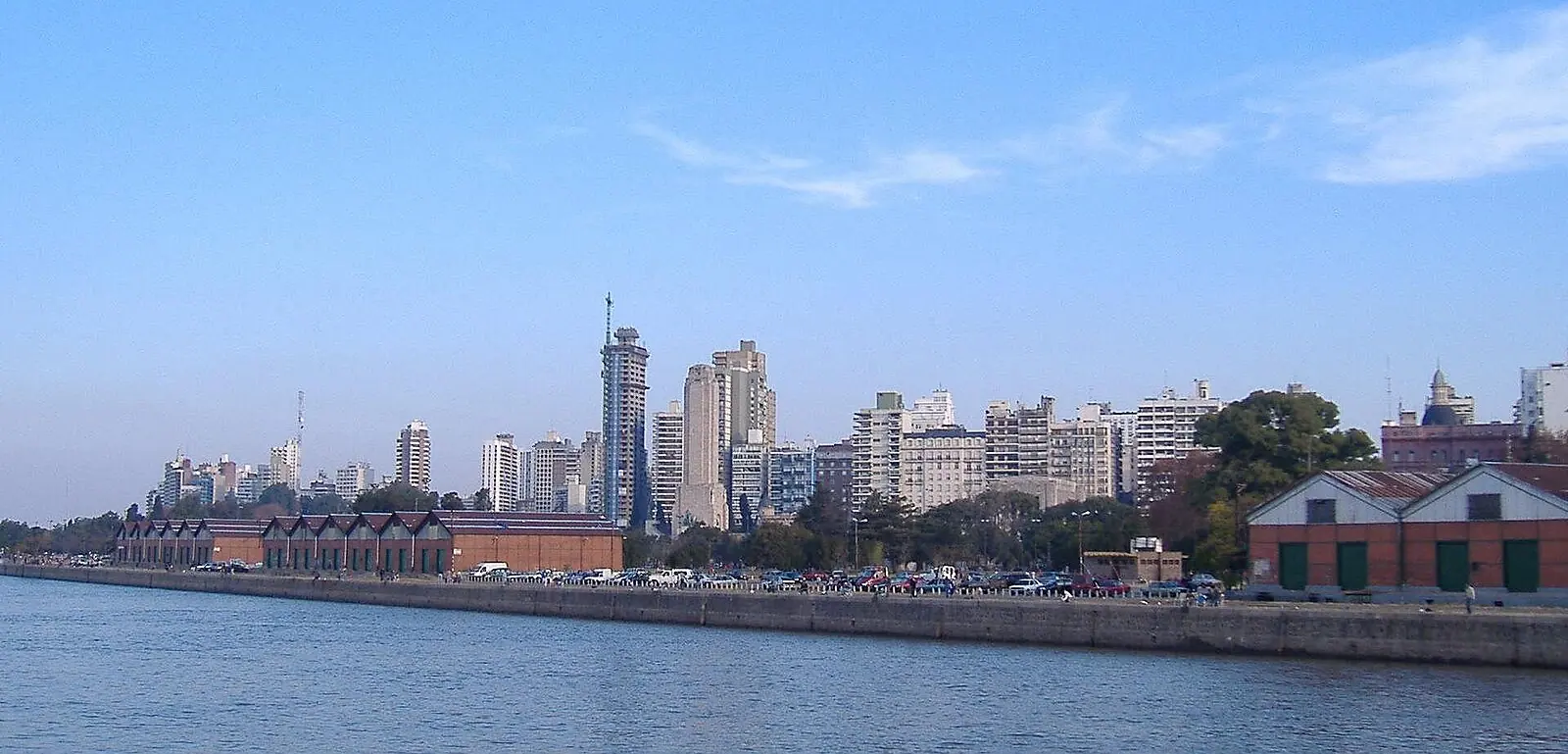
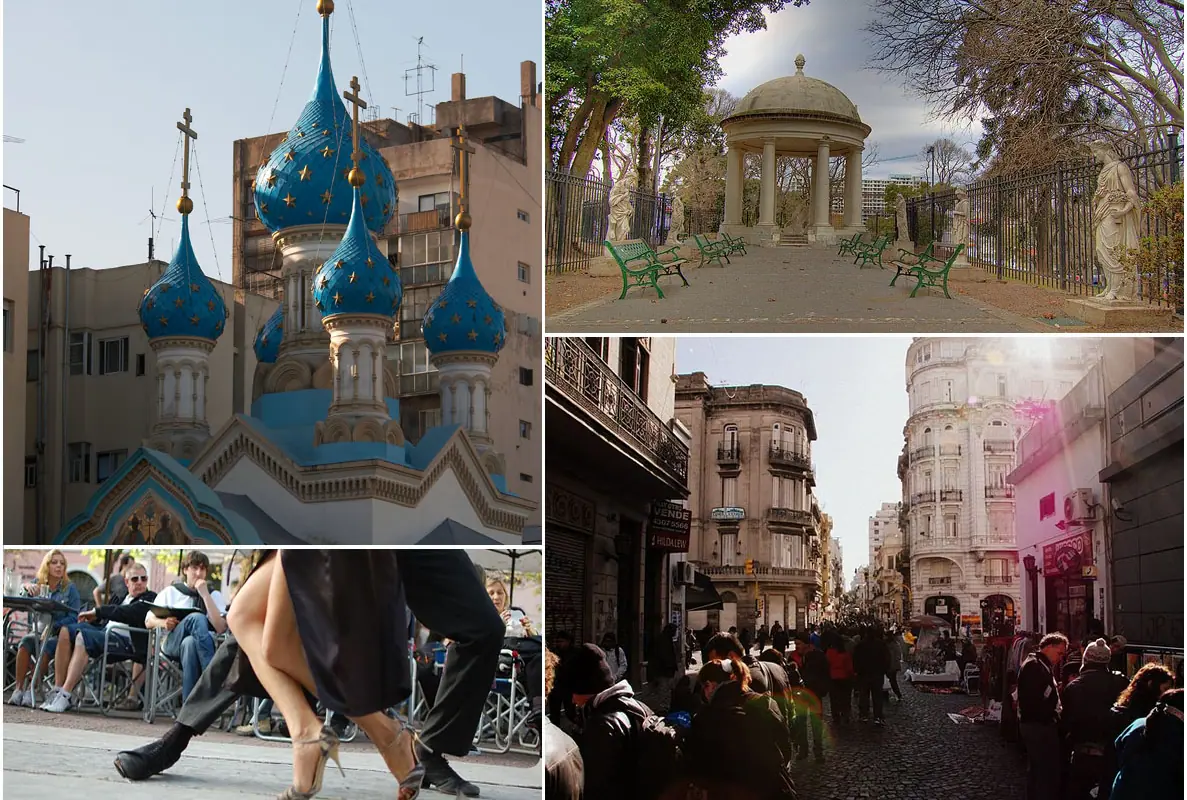
Almost every journey starts in the capital, and the city rewards slow wandering rather than checklist tourism. Begin at Plaza de Mayo, flanked by the pink facade of the Casa Rosada and the colonial cabildo, then walk north through the leafy streets of Recoleta to the startling marble city of the Recoleta Cemetery, where Evita's tomb draws a steady, quiet crowd. An evening tour of the Teatro Colón, one of the world's great opera houses, is worth the ticket even if you never attend a performance — the acoustics tour ends with a note sung from the stage that seems to arrive from nowhere.
Eating is the real itinerary. The classic Buenos Aires meal is a bodegón dinner: a slab of milanesa, a bubbling provoleta, a bottle of house Malbec, and waiters who have worked the same room for thirty years. For something faster, join the lunchtime queue for a choripán — chorizo split into crusty bread and doused in chimichurri — or a bondiola pork sandwich along the Costanera. Finish with helado, ordered by weight, in flavours like dulce de leche granizado or sambayón.
Give the city three or four days minimum. Neighbourhoods are walkable but sprawling, and the subway makes hopping from Palermo's boutiques to the antique stalls of San Telmo painless. Mornings start late, lunches run long, and dinner before 9pm marks you instantly as a visitor.
Tango, Milongas and the Art of Staying Up Late
Tango is not a show here; it is a social habit. On Sundays, Plaza Dorrego in San Telmo fills with dancers on cobblestones slick with age, surrounded by the antique market that has run there for decades. For something more serious, book a table at a traditional milonga, where locals signal a dance with a glance — the cabeceo — and the floor moves in strict, elegant counter-clockwise currents. A beginner class earlier in the evening is a friendly way in, and no one minds if you sit out half the songs.
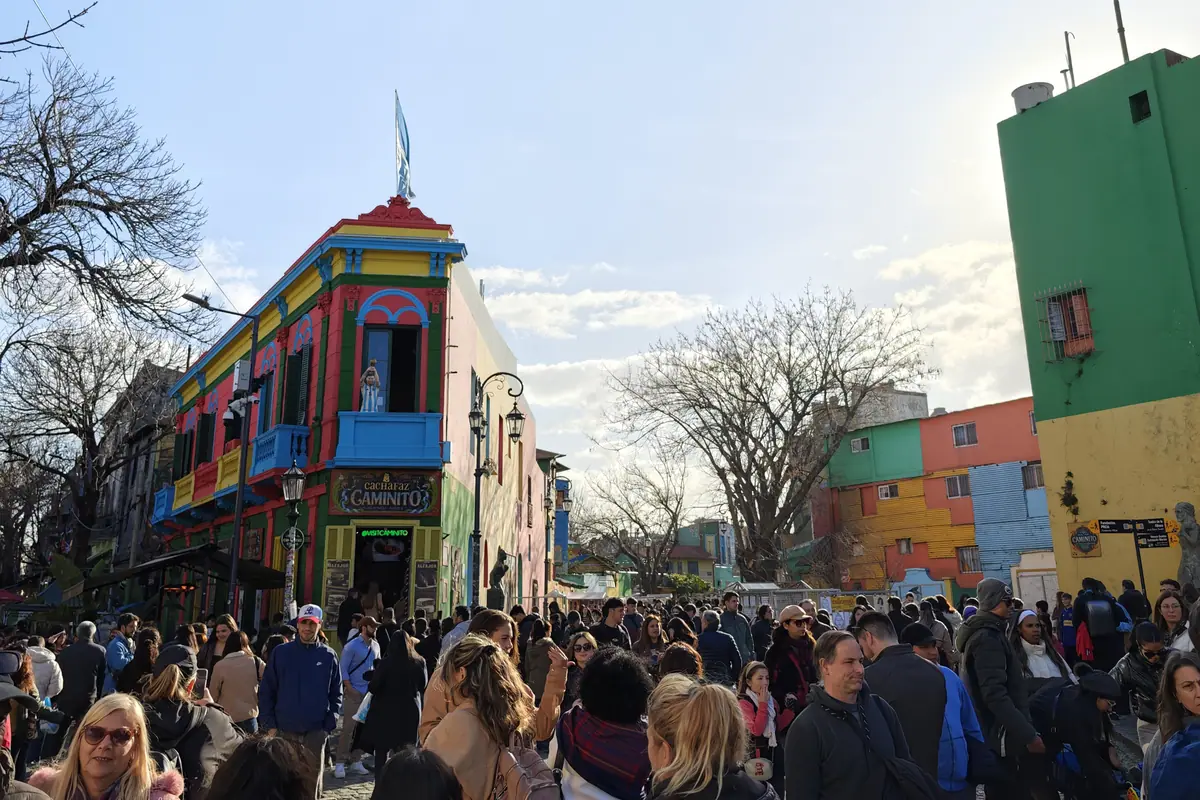
The city's cultural backbone shows up in unexpected places: the grand cafes of the Avenida de Mayo, the tango history embedded in the painted walls of La Boca's Caminito, the tiny clubs of Palermo where young orchestras rework old arrangements for a crowd that dances until four in the morning. Dress neatly rather than formally, bring cash, and expect the night to end with a taxi home as the sky turns grey.
Drinking culture follows the same rhythm. Fernet with cola is the national nightcap, poured generously and drunk slowly. A proper evening unfolds in stages — a late dinner, then a bar, then dancing — so plan a lazy morning after any serious milonga night.
Asado, Mate and the Regional Kitchens
The centrepiece of Argentine cooking is fire. An asado is a slow, social ritual: ribs, vacío flank, bife de chorizo, blood sausage and sweetbreads laid over embers for hours while the cook — always the asador — watches rather than hurries. Chimichurri, a sharp green sauce of parsley, garlic, vinegar and oil, is the only condiment most cuts need. Look for parrillas in every city, but the best asados happen at family tables and country estancias, where the grill is an afternoon's project rather than a menu item.
Mate is the other daily ritual. A gourd packed with yerba leaves, a metal straw, and a thermos of hot water travel everywhere; the gourd is passed around a circle and refilled by one person. Accepting a mate is a small act of friendship, and refusing repeatedly is quietly noted. Meanwhile, dulce de leche runs through everything — alfajores sandwiched with it, toast spread with it, ice cream swirled with it.
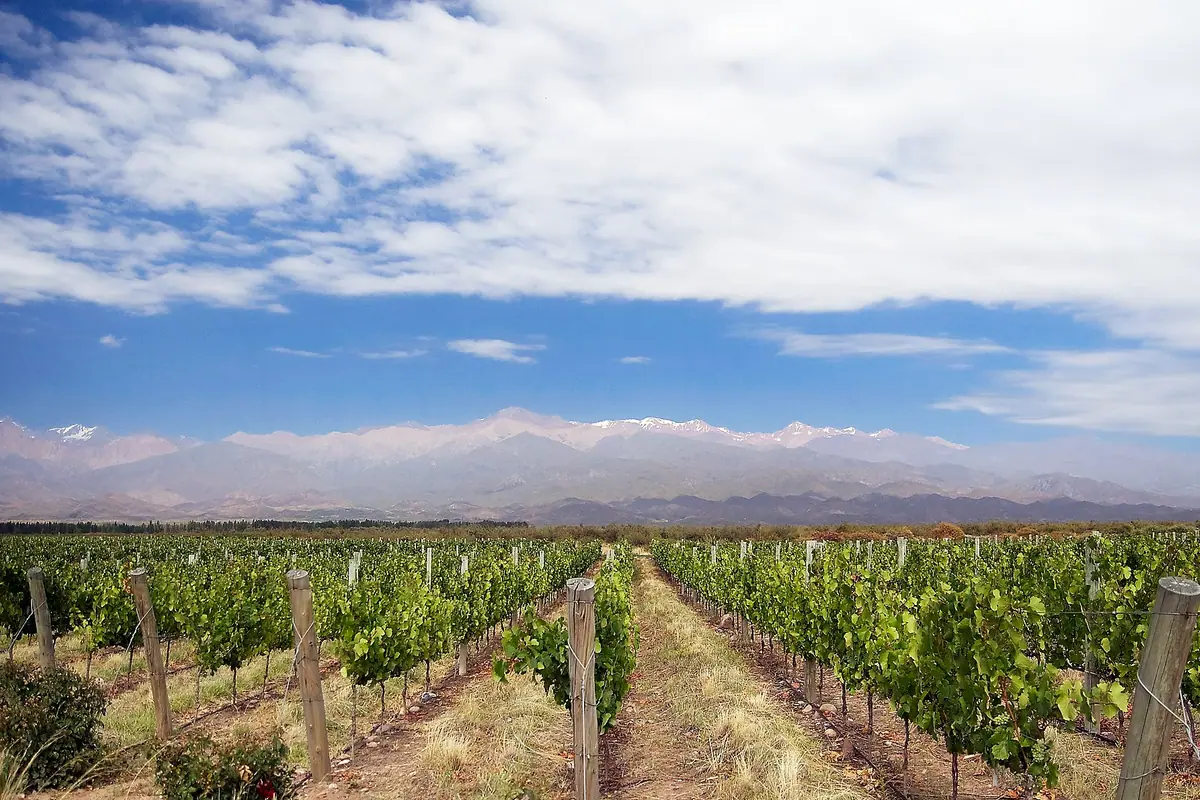
Regional cooking is where Argentina splits into distinct personalities. The northwest, around Salta and Jujuy, gives you empanadas with potato and spring onion, slow-cooked locro stew, and humita made from fresh corn. Mendoza and Cafayate pour Malbec and the aromatic white Torrontés beside vineyards backed by the Andes. Patagonia serves lamb roasted on a cross and, in Ushuaia, rich king crab. Buenos Aires, true to form, borrows from all of them.
Must-See Landmarks Beyond the Capital
No tour of Argentina is complete without Iguazú Falls, on the northeastern border, where a network of walkways threads through subtropical jungle to the roar of the Garganta del Diablo — the Devil's Throat. Two full days lets you see both the Argentine and Brazilian sides, with toucans, coatis and butterflies along the way. Bring rain protection; the spray soaks everyone within fifty metres.
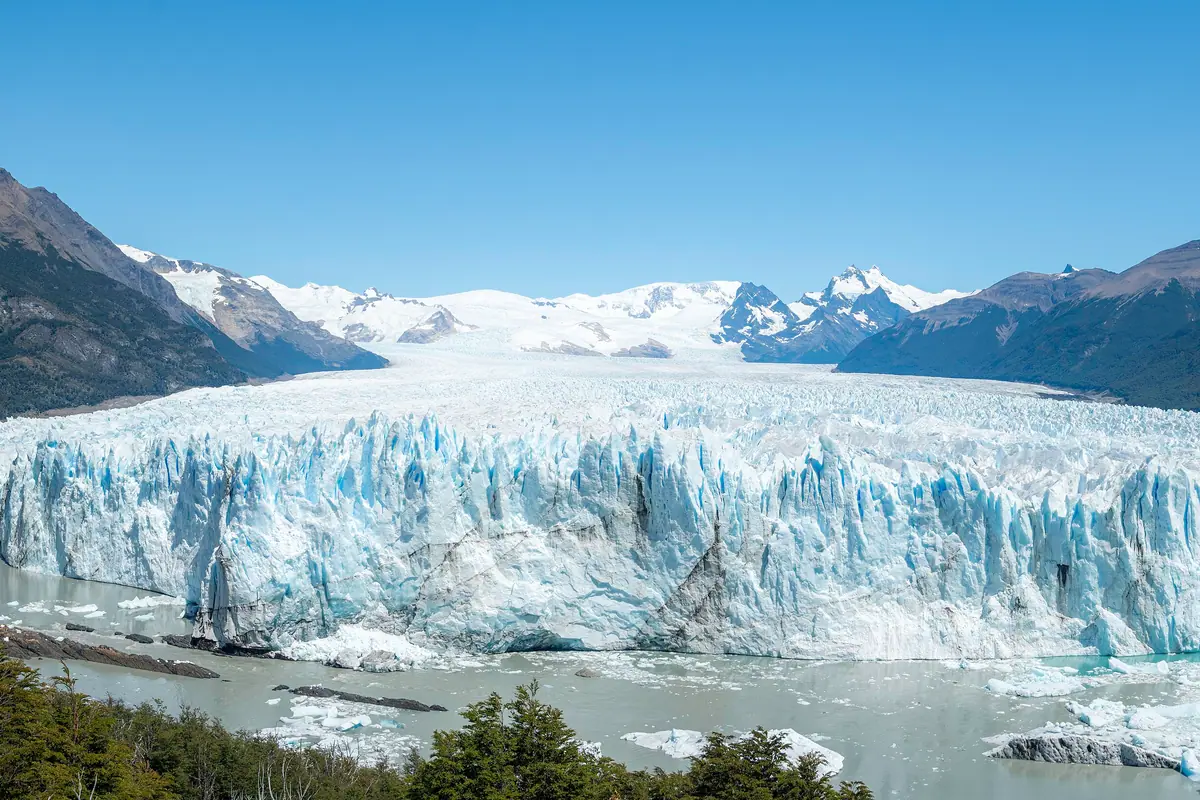
Far south, the Perito Moreno Glacier near El Calafate is one of the few ice fields on earth that visitors can watch calve from a safe distance, with slabs the size of buildings collapsing into milky water every few minutes. Continue to El Chaltén for treks to the granite spires of Mount Fitz Roy, and to Ushuaia, the world's southernmost city, for boat trips on the Beagle Channel and the forests of Tierra del Fuego.
In the north, the Quebrada de Humahuaca is a UNESCO-listed canyon of ochre and violet rock, with the striped Cerro de los Siete Colores rising above the village of Purmamarca. From Salta, the Tren a las Nubes climbs to a high-altitude viaduct on one of the world's great railway journeys; on the Atlantic coast, Península Valdés offers whale watching from June to December. Distances are enormous, so build routes around short domestic flights rather than trying to drive everything.
Gauchos, Estancias and Pampas Life
The gaucho legend is still lived, not just staged. In San Antonio de Areco, a low colonial town a couple of hours from Buenos Aires, silversmiths work traditional knives and belts while horse handlers train on the edge of town. Nearby estancias welcome day visitors for horseback rides, a long asado lunch and demonstrations of ring racing; many also offer overnight stays where the evening ends around a fire with guitar and mate.
In the capital, the Sunday Feria de Mataderos brings folk dancers, horse parades and regional food stalls to a working barrio — a far more local scene than any staged gaucho dinner show. Each November, towns across the pampas mark Tradition Day with parades and asado, and in the subtropical northeast, the riverside carnival of Gualeguaychú fills January and February with drumming, costumes and crowds.
For a slower natural experience, the Esteros del Iberá wetlands in Corrientes are a maze of lagoons and floating islands populated by capybaras, caimans and marsh deer. Access is by boat and 4x4 with local guides; two or three nights in a small lodge is the usual rhythm, and the wildlife is most visible in the cooler months from May to September.
When to Go and How to Shape the Route
Argentina spans everything from subtropical jungle to sub-Antarctic islands, so timing depends on where you are heading. Buenos Aires is at its best in spring (September to November) and autumn (March to May), when the jacarandas bloom or the plane trees turn gold. Patagonia's trekking and glacier season runs from November to March; winter, from June to August, belongs to skiers around Bariloche and Las Leñas, though coastal whale watching peaks in September and October.
The northwest is most comfortable in the shoulder seasons of April to June and September to November, when the high-altitude sun is gentler and the queues thinner. Iguazú is open year-round and steamy in summer; January and February bring heavy rain and crowds along with the fullest waterfalls. Mendoza celebrates its grape harvest with festivals in late February and March, which is also the prettiest time to cycle between wineries.
Two weeks is a reasonable minimum for a first tour: four nights in Buenos Aires, two or three at Iguazú, and the rest split between Mendoza or Patagonia. Long-distance buses are comfortable and overnight-friendly, but flights save days. Carry some cash for markets and milongas, eat lunch late, and leave room for the meal you did not plan — in Argentina, that is usually the one you remember.
Frequently asked questions
What food should I try first in Argentina?
Start with an asado of bife de chorizo, vacío and chorizo with chimichurri, then work through empanadas (Salta and Tucumán styles differ), provoleta, milanesa, locro in winter, and dulce de leche alfajores. Save room for regional specialities like Patagonian lamb or Ushuaian king crab if you travel south.
How much time do I need to tour Argentina properly?
Two weeks covers Buenos Aires, Iguazú Falls and either Mendoza or Patagonia without rushing. To add the northwest around Salta and Jujuy or the far south of Tierra del Fuego, allow three weeks and use domestic flights — overland distances between regions are vast.
What is the best time of year to visit?
Spring and autumn (September to November, March to May) suit Buenos Aires and the northwest. Visit Patagonia and the glaciers between November and March, book Iguazú any time but expect heat and rain in January and February, and target late February to March for the Mendoza grape harvest.
Do I need to speak Spanish to travel around?
Basic Spanish transforms the experience, especially outside Buenos Aires, where English is patchier in markets, estancias and small towns. Learn greetings, numbers and food vocabulary; locals are patient and warm when you make the effort, and a translation app covers the rest.
Is Argentina safe and easy to get around?
Major tourist routes are well travelled and generally safe, though use normal big-city caution in Buenos Aires and keep an eye on belongings in crowded markets and bus terminals. Long-distance overnight buses are comfortable and reliable, domestic flights link the far-flung regions, and in cities the subway and app-based taxis make getting around simple.
Sort the rest of your trip
Everything for Argentina, in one place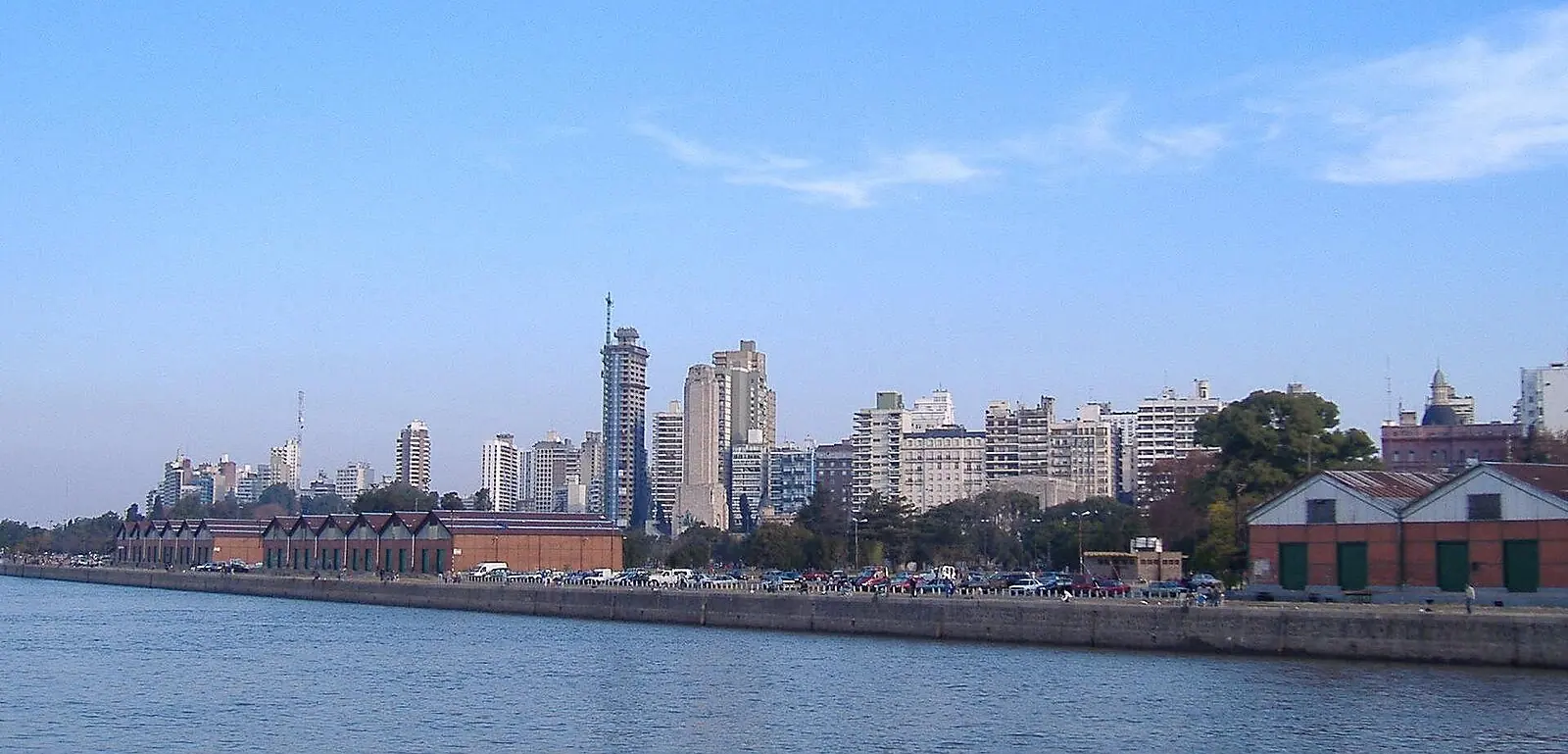
Stay in Argentina
Hotels, guesthouses and apartments — compared in one search.
Search hotels
Transfer in Argentina
Private driver waiting on arrival — no queues, no surprises.
Book a transfer
Stay online in Argentina
Travel eSIM — data the moment you land, no roaming bills.
Get an eSIM