Taiwan compresses an entire continent's worth of scenery into an island you can cross by high-speed train in ninety minutes — misty mountain railways, sulphur-steaming valleys, night markets that run past midnight and a coastline of marble cliffs. Where you sleep shapes the trip: a Taipei tower with a skyline view, a hillside minsu above a lantern-lit gold-mining town, or a lakeside balcony where the sun rises over Sun Moon Lake.
Taipei: Picking the Right Neighbourhood for Your First Nights
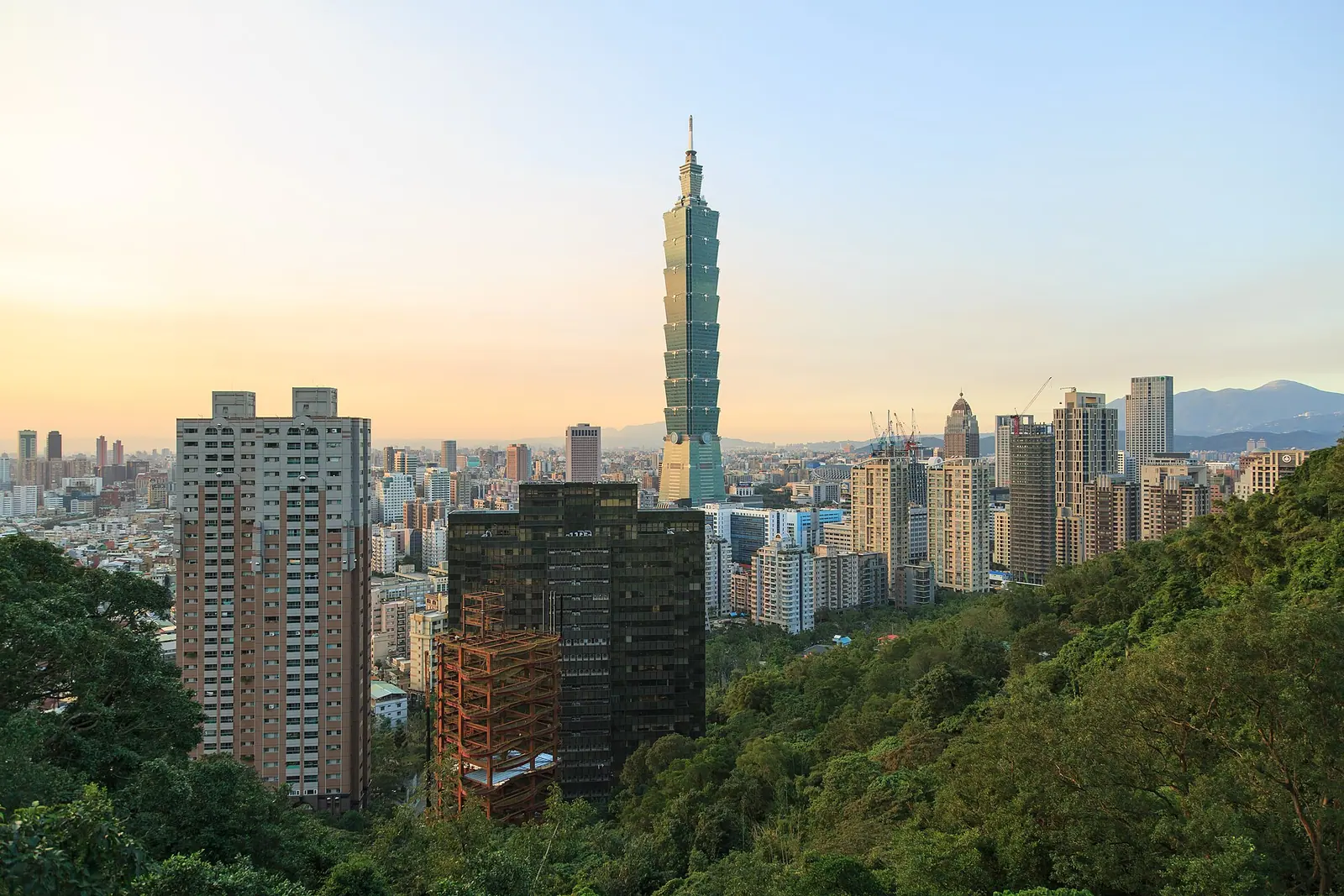
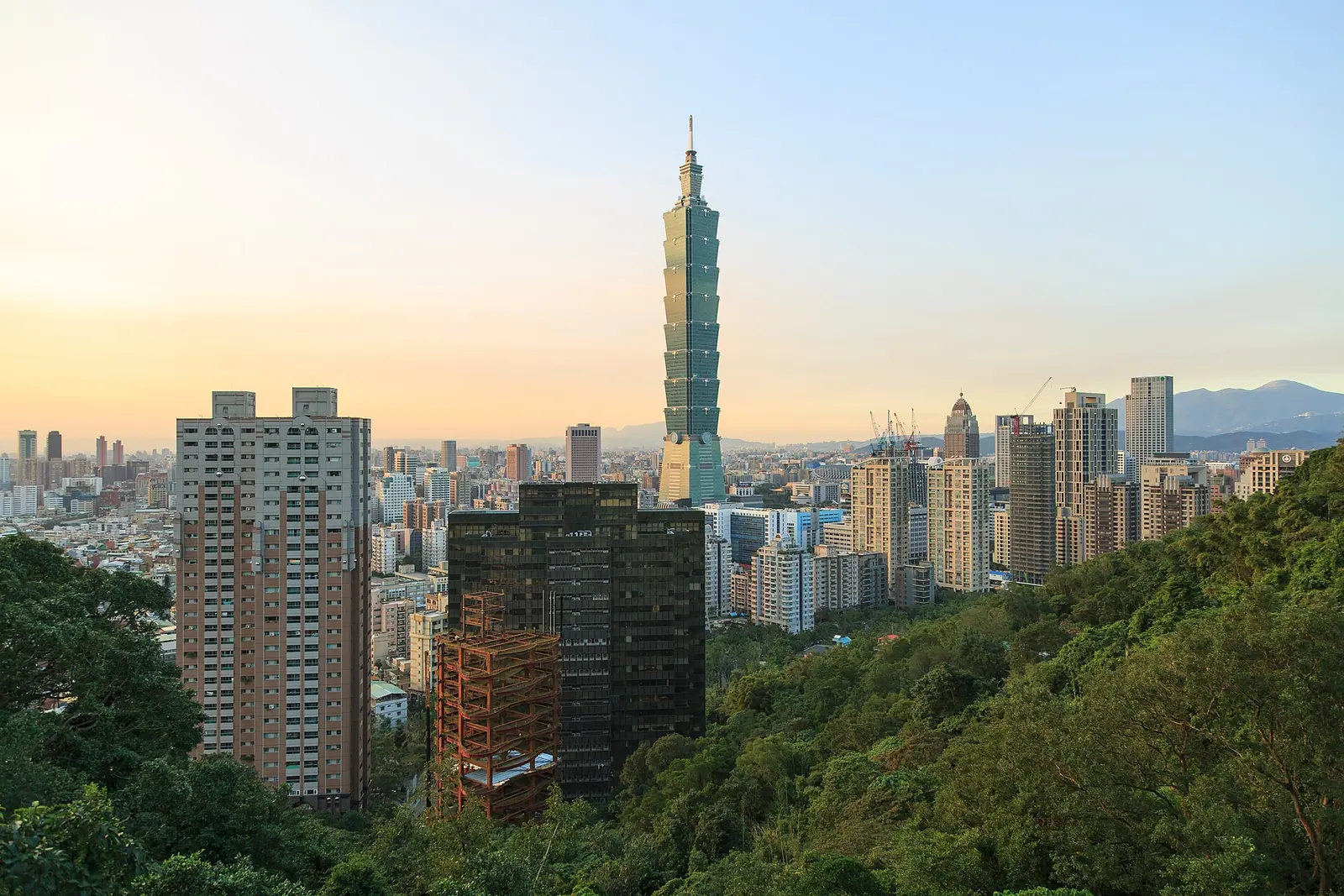
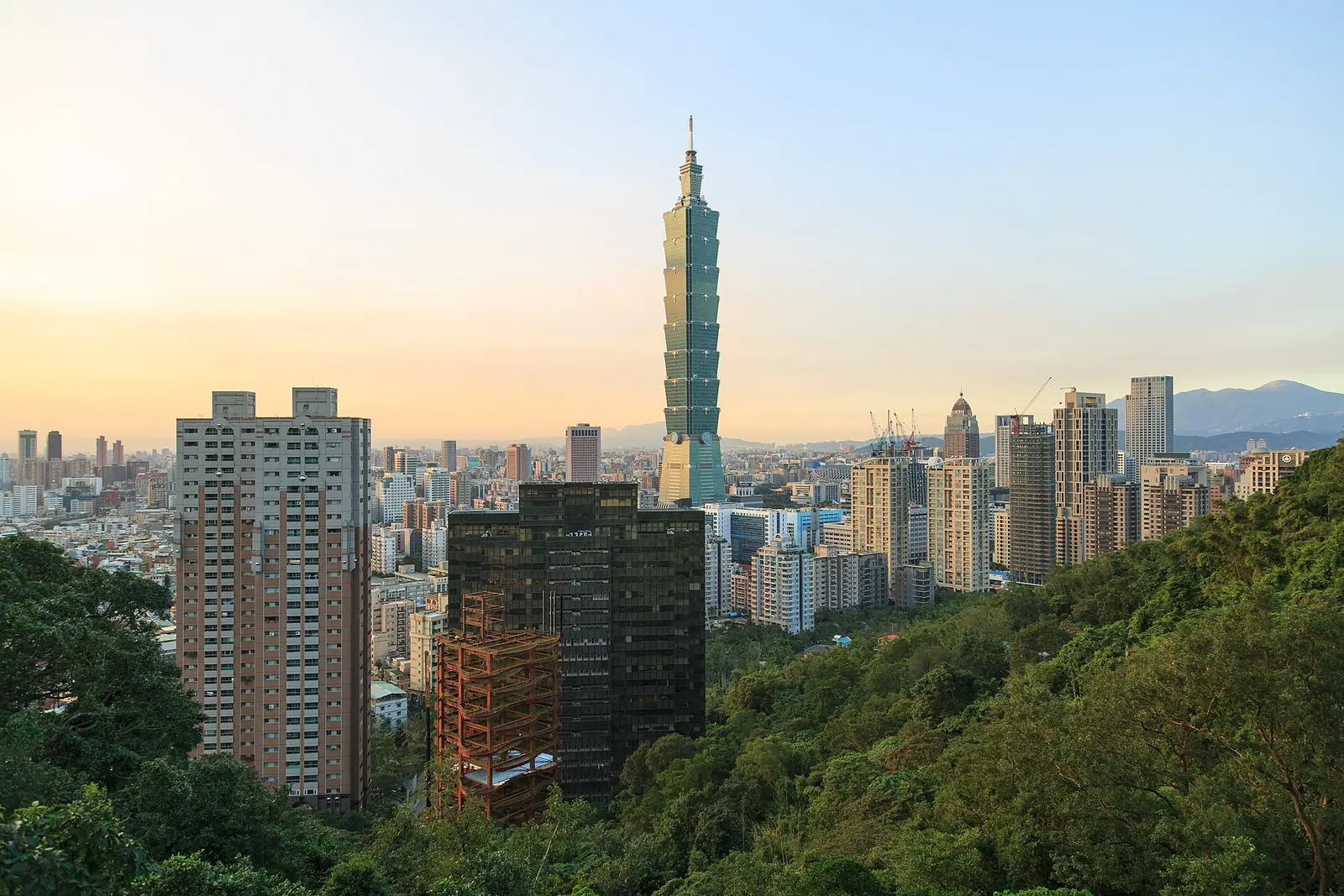
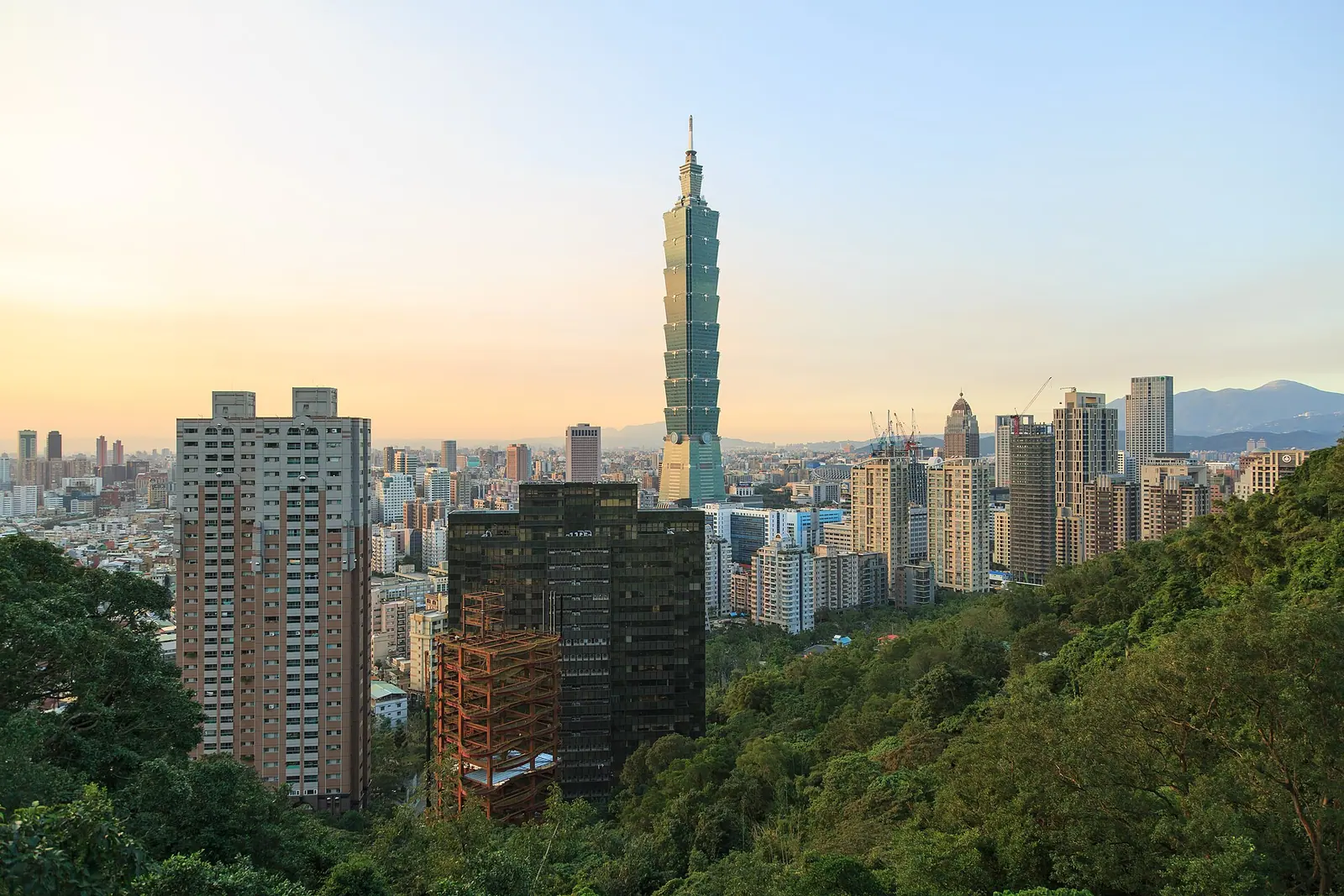
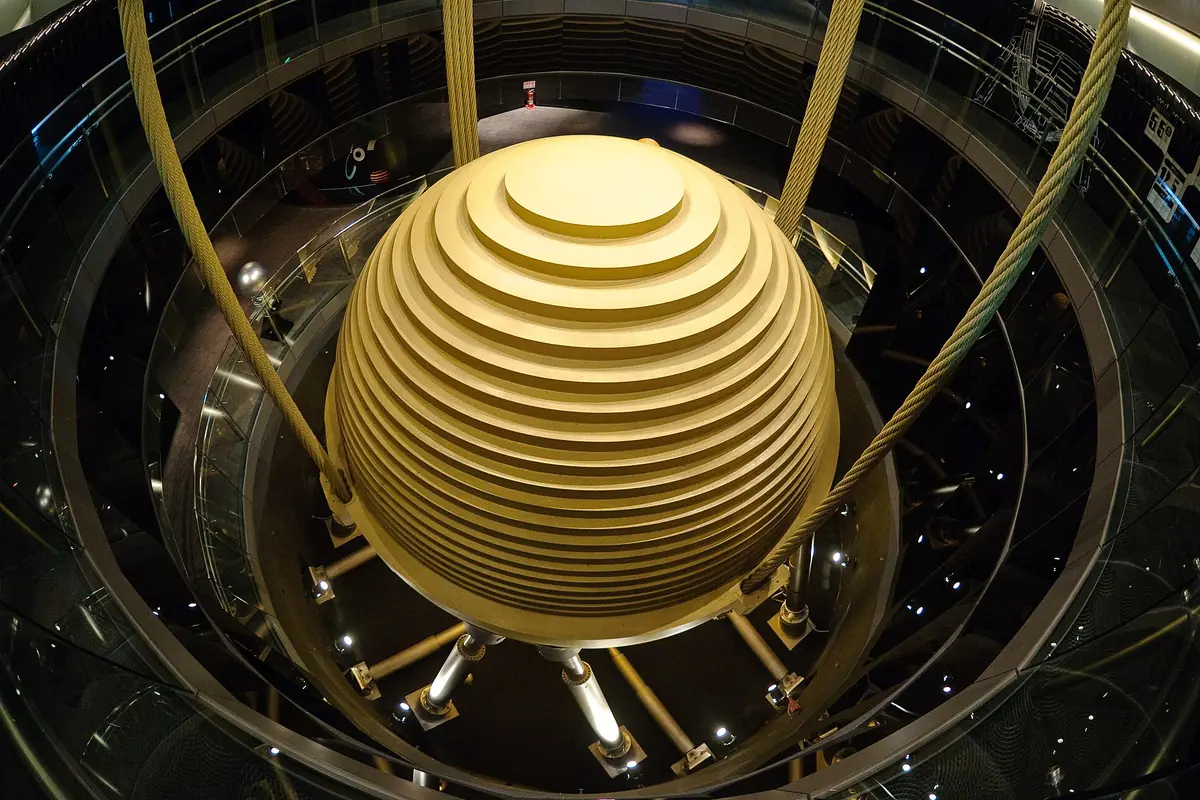
Most journeys start in Taipei, and the city's hotel map splits into a few clear personalities. Xinyi, the modern financial district, is where glass towers and polished international hotels cluster within a few minutes' walk of Taipei 101, whose observatory deck gives you the whole basin at once. From there you can hike the Xiangshan (Elephant Mountain) trail for the classic skyline-at-sunset shot, then eat your way through Linjiang or Raohe Night Market, both an easy walk from the district's mid-range and luxury rooms.
For a more human scale, look at Zhongshan and the blocks around Taipei Main Station, where design boutiques and comfortable mid-range hotels sit close to Ningxia Night Market, the restored riverside lanes of Dadaocheng and Dihua Street's tea shops and dried-goods stalls. Ximending, just west of the station, is the budget heart of the city — hostels, capsule beds and small family-run hotels — and a convenient base for the Red House, the incense haze of Longshan Temple and the broad white plaza of Chiang Kai-shek Memorial Hall.
Set aside at least one night for Beitou, the hot spring valley at the end of the MRT red line, where lodgings run from simple bath houses to refined retreats with private sulphur pools. The steaming Thermal Valley and the wooden Hot Spring Museum are a short stroll away. Farther north, the National Palace Museum in Shilin holds the island's greatest collection of Chinese art, and the Maokong Gondola climbs to terraced tea farms above the city.
The North Coast and Mountain Minsu: Jiufen, Yehliu and Wulai
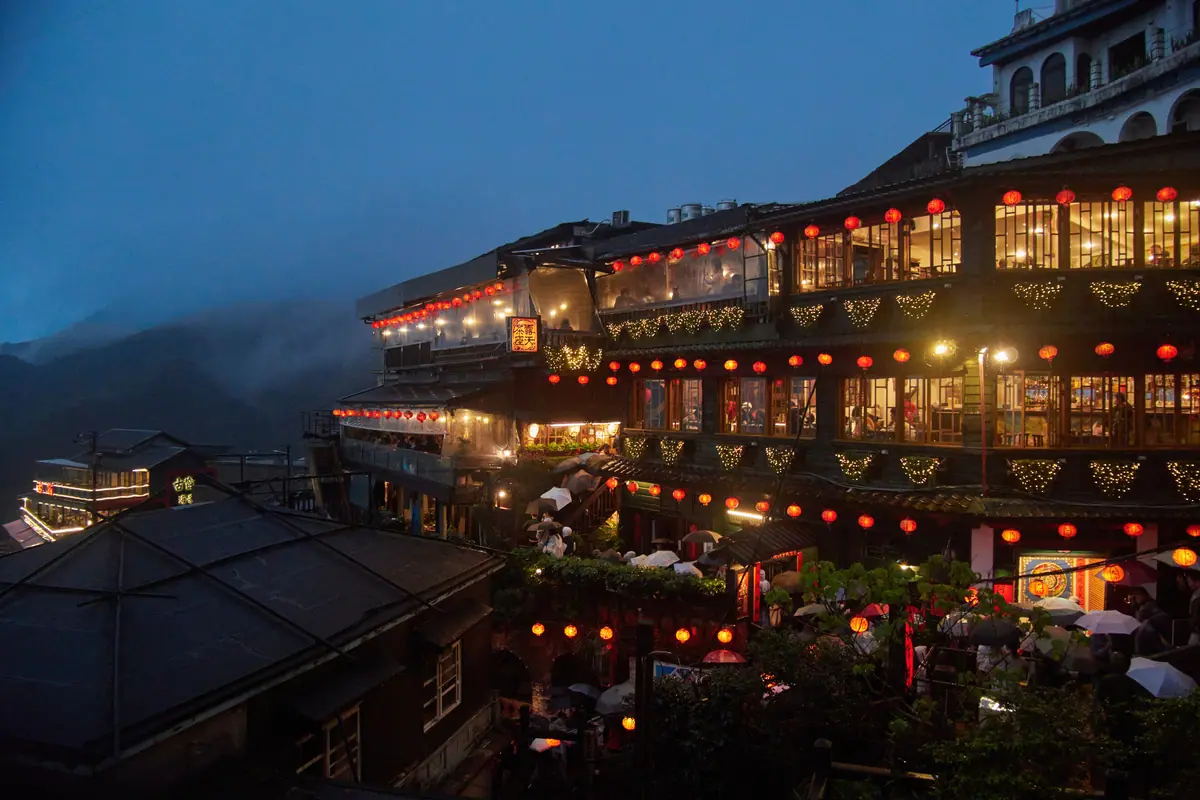
An hour or so from Taipei, Jiufen rewards anyone who stays the night. This former gold-mining town tumbles down a hillside in stairways of teahouses and snack stalls, and the crowds that fill its Old Street at midday melt away by dinner — leaving lantern-lit alleys, the famous terraced teahouse views over the Pacific and a handful of small minsu guesthouses where you can wake to mist on the ridges. Combine it with the Gold Museum in neighbouring Jinguashi and the ruined smelter perched above the sea.
Along the coast, Yehliu Geopark's honeycomb-weathered sandstone and the mushroom-shaped Queen's Head are best visited early, before tour buses arrive; Keelung's Miaokou Night Market makes a good dinner stop on the way back. To the northwest, Tamsui offers sunset river views, a ferry to Fisherman's Wharf and Lover's Bridge, plus riverside hotels that suit a relaxed first or last night near the airport side of town.
Inland, Wulai is the north's other hot spring escape, an Atayal indigenous village where steaming pools sit beside the Nanshi River and a cable car rises to a forested hilltop. Family-run hot spring inns here are simple but wonderfully atmospheric, and the town pairs easily with a day of river tracing or a walk to the Wulai Waterfall.
Central Taiwan: Taichung, Sun Moon Lake and Alishan
Taichung is Taiwan's creative, food-obsessed middle city, with the National Taiwan Museum of Fine Arts, the painted lanes of Rainbow Village and the sprawling Fengjia Night Market. Sunset at the Gaomei Wetlands, where wind turbines stand in shallow tidal flats, is one of the island's great free spectacles. Hotels range from business towers near the station to stylish boutiques in the art district, and the city is an easy base for day trips into the mountains.
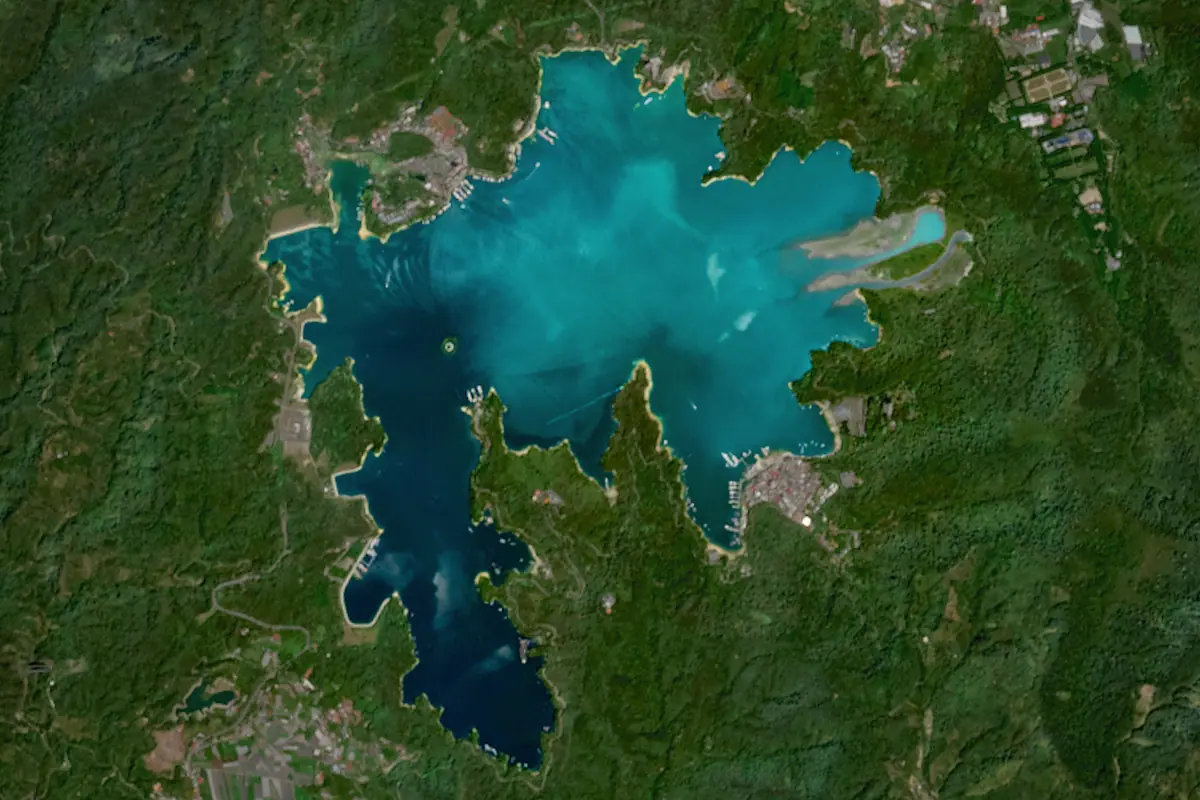
Sun Moon Lake, an hour and a half further into the central ranges, deserves an overnight rather than a rushed day tour. Stay in Shuishe or Ita Thao for lake-facing balconies, then visit Wenwu Temple, climb to Ci'en Pagoda for the panorama, ride the cable car toward the aboriginal culture village and take a sunrise boat. Cycling the roughly 30-kilometre ring road, past temples and floating piers, is one of the finest rides in Asia. Weekends fill quickly, so book well ahead.
Higher still, Alishan is reached by a narrow-gauge forest railway from Chiayi and known for its sea of clouds, ancient cypress groves and the dawn train to Chushan for sunrise. Lodging inside the recreation area is limited to modest lodges and a handful of hotels, and they sell out months in advance; mornings here can drop to single digits even in summer, so pack layers.
Tainan and Kaohsiung: Southern History and Harbour Style
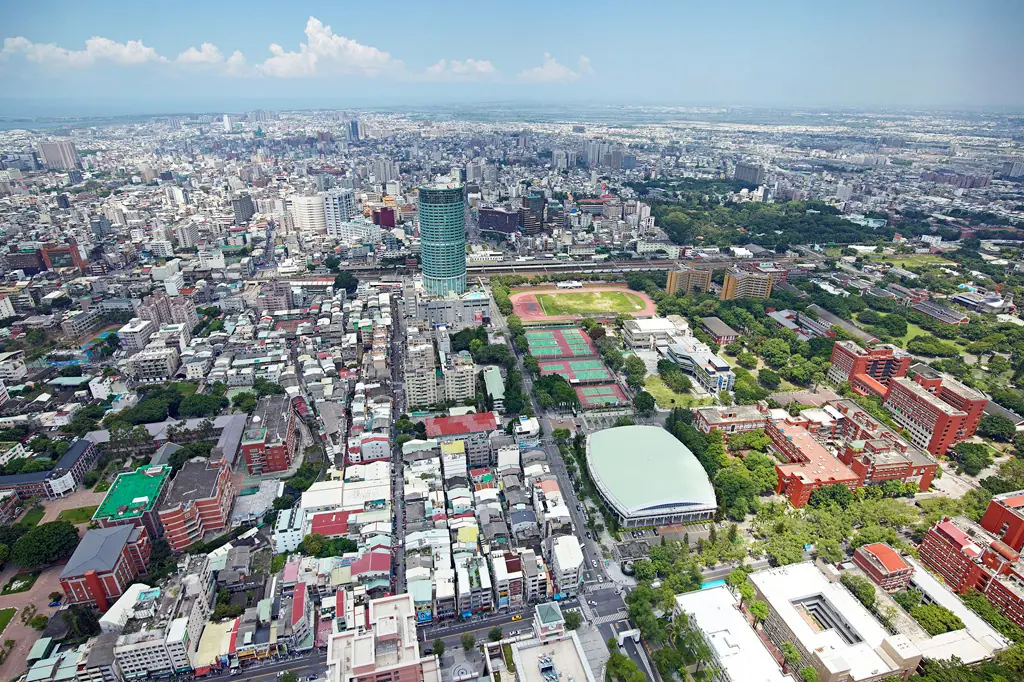
Tainan, Taiwan's oldest city, is where the island's layered past is most tangible. Chihkan Tower, the Dutch-built Anping Fort, the Confucius Temple and the narrow, shuttered lanes of Shennong Street are all within a lazy cycling radius, and temple processions, coffin bread and danzai noodles fill the gaps between sights. The best stays are boutique hotels carved out of restored shophouses in the West Central District — small, atmospheric and often with courtyard breakfasts of milkfish soup and warm soy milk.
Kaohsiung, an hour south by high-speed rail, trades history for harbour energy. The Dragon and Tiger Pagodas on Lotus Pond, the vast Fo Guang Shan Buddha Museum, the warehouses-turned-galleries of Pier-2 Art Center and the illuminated Dome of Light at Formosa Boulevard station anchor a city that rewards slow wandering. Hotels near Kaohsiung Main Station give the best transport links, while the harbourfront towers suit travellers who want views and easy access to Cijin Island's ferry, seafood stalls and black-sand beach.
Hualien, Taroko Gorge and the East Coast
The east coast moves at a different pace, and Hualien is the gateway to its headline act: Taroko Gorge, where the Liwu River has cut marble walls hundreds of metres deep. Swallow Grotto, the Tunnel of Nine Turns and the red-and-green Eternal Spring Shrine are the essential stops, and a night in Hualien lets you enter the gorge early, before the day vans. Homestays and small hotels near Qixingtan Beach add a pebble shoreline and Pacific sunrises to the itinerary.
Gorge access changes with the weather — rockfall and typhoon damage can close trails and shuttles, so check conditions locally and keep plans flexible. South of Hualien, the East Rift Valley rolls through rice paddies and hot spring villages toward Taitung, a fine route for a slow train-and-bicycle loop, while the far south around Kenting National Park offers beaches, surf hostels and resort-style hotels for a warm-weather finish.
Practical Tips for Booking a Hotel in Taiwan
October to April brings the most reliable weather, with crisp, clear days in the north and warm sunshine in the south. May and June are the plum-rain months, July to September is typhoon season, and Lunar New Year is the single busiest travel period of the year — expect peak rates and book two to three months ahead for that window. Rooms are generally compact, which is normal rather than a red flag; what you pay for is location and service.
Breakfast is often included, and in hot spring hotels in Beitou or Wulai a multi-course dinner usually comes with the room. Tipping isn't expected, though many hotels and restaurants add a service charge. Homestays and minsu commonly ask guests to remove shoes at the door and provide slippers; public hot springs are typically sex-segregated and nude, with swimwear only where signs say so.
Intercity travel is simple: the high-speed rail links Taipei and Kaohsiung in about ninety minutes, conventional trains serve the east coast and mountain towns, and a stored-value transit card covers metros, buses and many ferries. Book rail seats in advance for weekends and holidays, and choose a hotel within a short walk of a station or MRT stop — it will shape your trip more than any room upgrade.
Frequently asked questions
Where should a first-time visitor stay in Taiwan?
Start with two or three nights in Taipei, either around Zhongshan and Taipei Main Station for convenience or in Xinyi for skyline views and Taipei 101. Then split the rest of the trip between one mountain or lake stay (Sun Moon Lake or Alishan), one historic city (Tainan), and either the east coast at Hualien for Taroko Gorge or the northern hills at Jiufen.
When is the best time to visit Taiwan?
October through April offers the most comfortable conditions, with cooler, drier weather in the north and pleasant beach temperatures in the south. Avoid late July to September if you can, as that is peak typhoon season, and note that May and June bring heavy plum rains. Lunar New Year is the most expensive and crowded period, so book months ahead.
Do hotels in Taiwan include breakfast?
Many mid-range and upper-range hotels include a breakfast buffet that mixes Taiwanese and Western dishes — congee, pickles, eggs and fresh fruit. Hot spring hotels in Beitou, Wulai and Guanziling often include a multi-course dinner as part of the rate, which is worth factoring in when comparing prices.
How do I get between cities and attractions in Taiwan?
The high-speed rail covers the west coast from Taipei to Kaohsiung in roughly ninety minutes, while conventional trains reach Hualien, Taitung and the Alishan gateway at Chiayi. A stored-value transit card works on metros, city buses and ferries, and public bike share is ideal for flat cities like Tainan and Kaohsiung. Reserve rail seats early for weekends and holidays.
Is tipping expected at hotels and restaurants in Taiwan?
No — tipping is not customary, and staff will often politely refuse it. Hotels and sit-down restaurants frequently add a service charge to the bill instead, and hot spring inns may include dinner and breakfast in the room rate. A small gesture of thanks is appreciated but never required.
Sort the rest of your trip
Everything for Taiwan, in one place
Transfer in Taiwan
Private driver waiting on arrival — no queues, no surprises.
Book a transfer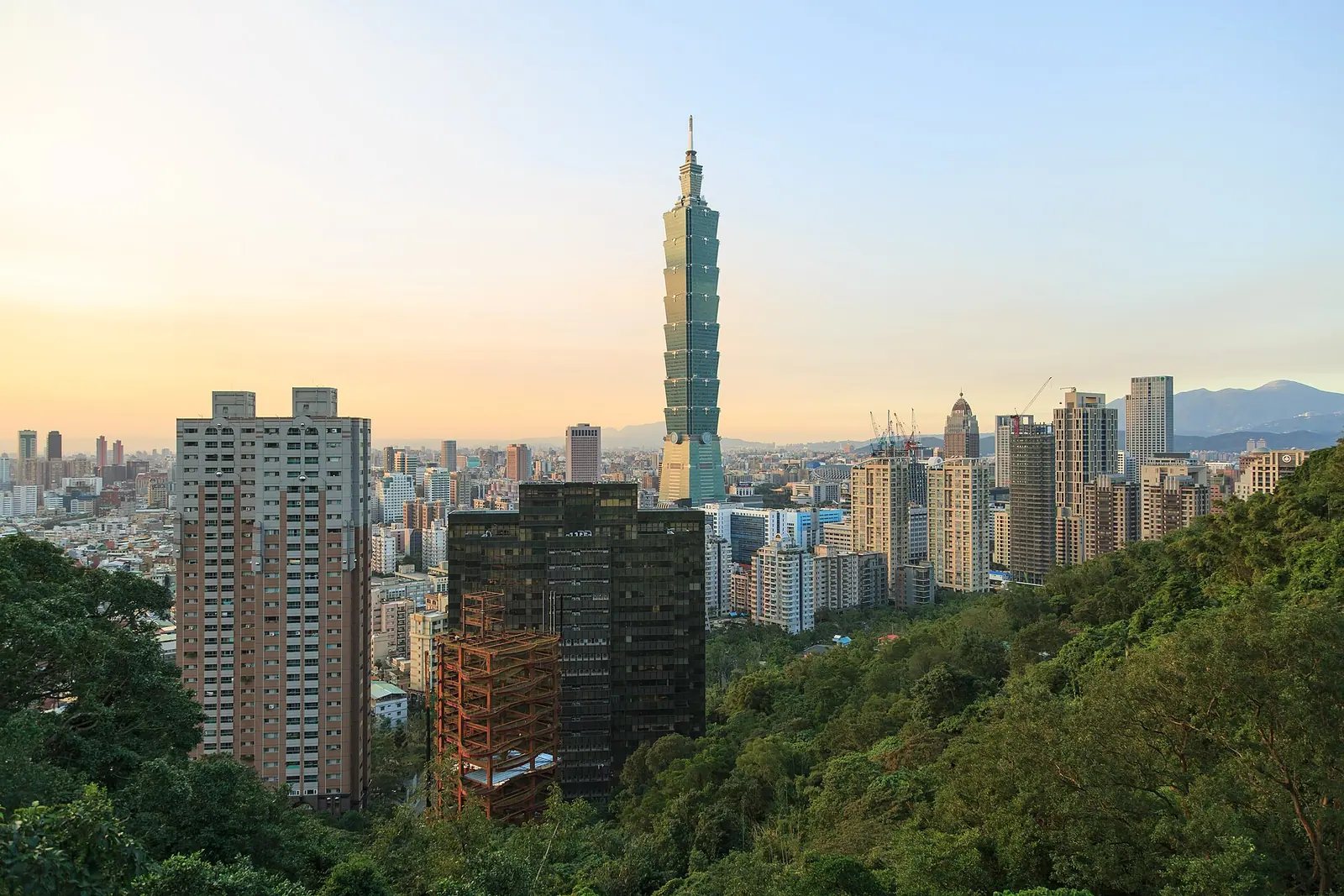
Things to do in Taiwan
Skip-the-line tickets, guided tours and standout experiences.
See experiences
Stay online in Taiwan
Travel eSIM — data the moment you land, no roaming bills.
Get an eSIM