Taiwan packs snow-dusted peaks, tropical beaches, lantern-lit old streets and steaming volcanic springs into an island you can cross by high-speed train in under two hours. The trick is matching your trip to the right window — because a Taipei January and a Kenting July feel like different countries. Here's how the seasons really behave, and how they shape where you sleep.
How Taiwan's Seasons Decide Where You Sleep
Taiwan runs on a subtropical-to-tropical rhythm, with a monsoon-style summer and a mild, drier winter. The north around Taipei is damp and changeable year-round, the central and southern plains bake in summer but stay pleasant in winter, and the high mountains — Alishan at roughly 2,200 metres, Hehuanshan higher still — sit in a completely different climate where frost and occasional snow arrive between December and February. That range is why the island is a genuine four-season destination rather than a single-season beach trip.
Timing matters most for accommodation. Room rates in Taipei, Jiufen and Sun Moon Lake climb sharply during Lunar New Year, the February lantern festivals and long weekends, while hotel supply near Alishan and Taroko Gorge is small enough that the best mountain lodges and family-run guesthouses sell out weeks ahead. Conversely, the sticky low season from late June through August brings cheaper city rooms, but you'll want to weigh that against afternoon thunderstorms and typhoon risk if your plan revolves around hiking or the coast.
Think of the calendar in three buckets: a fresh, flower-filled spring; a hot, storm-prone summer best spent at altitude or on the water; and a long, luminous autumn that most travellers rate as the single best window of the year.
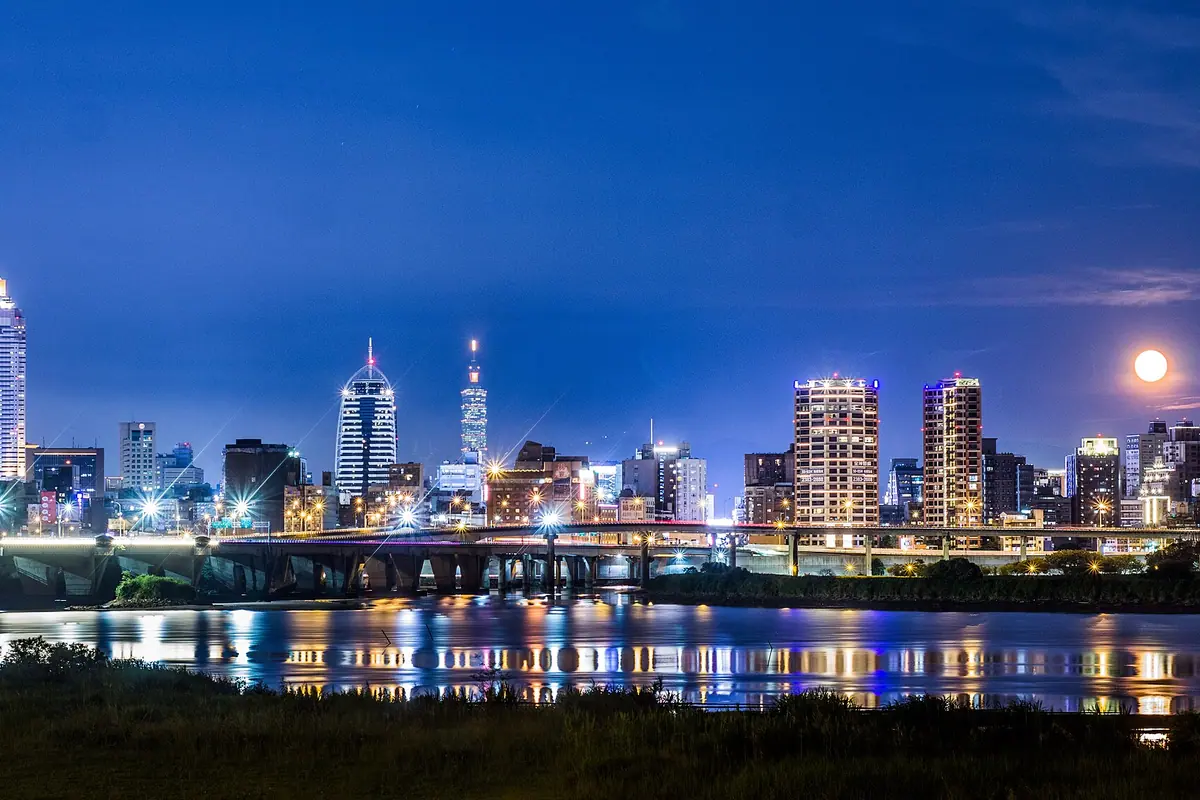
Spring (March to May): Blossoms, Plum Rain and Perfect City Weather
Spring is Taiwan's most photogenic season and its most competitive for hotels. Cherry and plum blossoms open in waves: Yangmingshan National Park above Taipei fills with pink in February and March, while the famous Alishan cherry blossoms peak through March and into early April, drawing crowds to the mountain railway and pushing Alishan-area lodging to its highest prices of the year. Book two to three months out for those dates, and consider staying in Chiayi or Fenqihu and day-tripping up if the mountain is full.
March and April are also the sweet spot for city sightseeing. You can wander the National Palace Museum, the Chiang Kai-shek Memorial Hall plaza, Longshan Temple and the lanes of Ximending without the ferocious humidity of summer, and evening food crawls at Shilin Night Market are comfortable rather than sticky. Day hikes in the Yangmingshan volcanic basin and a ride on the Maokong Gondola for tea-terrace views are at their best now.
From mid-May the plum rain front settles in, bringing stretches of warm drizzle, especially in the north. It rarely ruins a trip — museums, hot-spring hotels and night markets are rain-proof by design — but it's a good reason to choose a hotel with easy access to an MRT station rather than somewhere you'll be walking 15 minutes to the nearest bus.
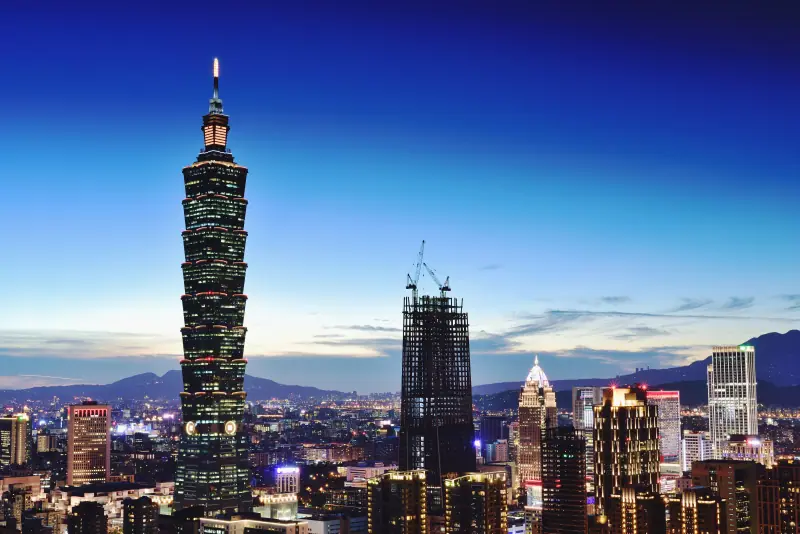
Summer (June to August): Typhoon Season and the Island's Edges
Summer is hot — Taipei regularly hits the mid-30s with punishing humidity — and it overlaps with typhoon season, which typically runs from July into September and occasionally October. That doesn't mean constant storms, but it does mean you should book flexible or refundable rates and keep an eye on forecasts, since a single typhoon can shut down coastal roads, suspend mountain trails and cancel domestic flights for a day or two.
The smart summer strategy is to move to the edges and the heights. Kenting National Park at the island's southern tip has warm seas and a breezy, beachy pace; Penghu's archipelago, Green Island and Xiaoliuqiu offer snorkelling and diving in clear turquoise water; and the highlands around Alishan, Wuling and Hehuanshan are 10 to 15 degrees cooler than the cities. Taroko Gorge in Hualien is spectacular but requires extra caution in summer, when rockfall and trail closures are more common after heavy rain.
Because summer is low season for business travel, city hotels in Taipei and Kaohsiung are at their cheapest, and hot-spring resorts in Beitou and Wulai discount heavily. If you're chasing waterfalls, rafting and night markets at full throttle, this is your window — just build slack into your itinerary and don't pre-pay for anything you can't move.
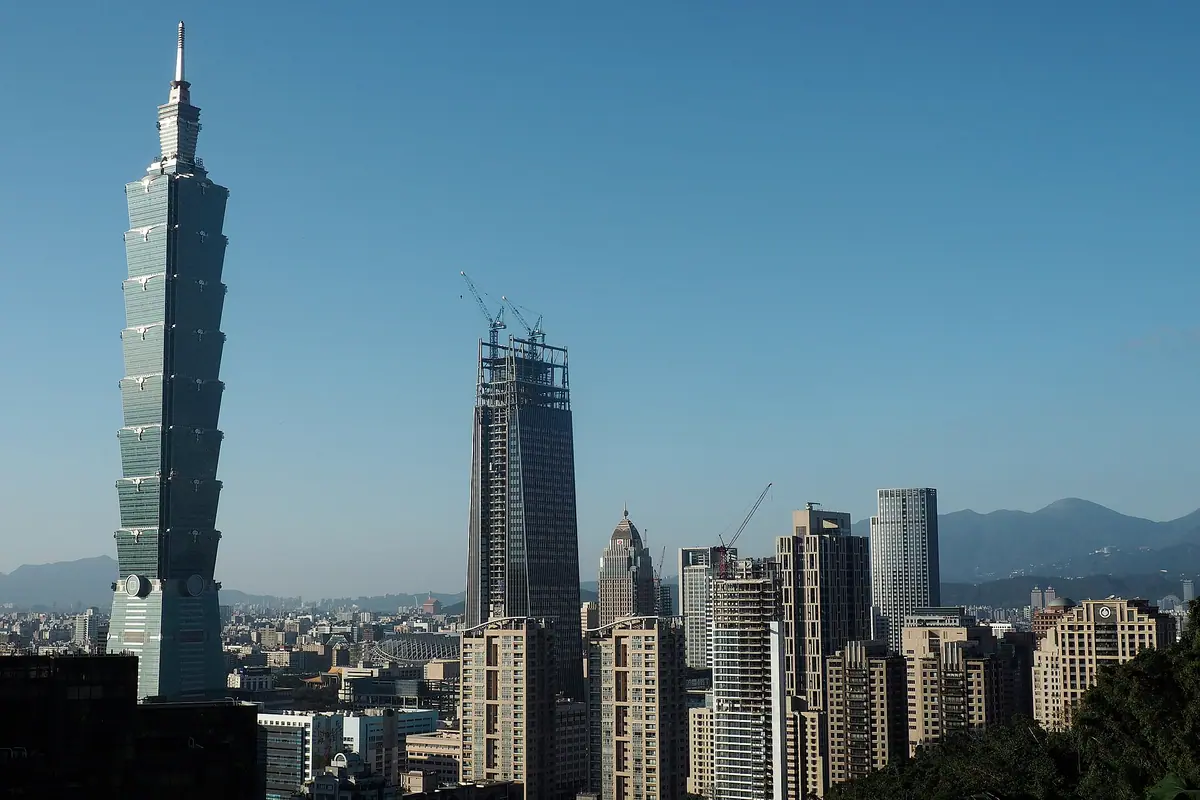
Autumn (September to November): Taiwan's Golden Window
If you can choose only one season, choose autumn. From late September the humidity breaks, skies clear and daytime temperatures settle into a comfortable low-to-mid 20s across the north, with the south staying warm enough for swimming into November. It's the best time for the island's headline natural attractions: sunrise over the sea of clouds from Alishan's viewing platforms, the marble cliffs and turquoise water of Taroko Gorge, the cable-car-and-boat circuit around Sun Moon Lake, and the wind-carved honeycomb rocks of Yehliu Geopark on the north coast.
October brings Double Ten National Day, with celebrations and fireworks in Taipei, followed by cooler, drier weeks that many locals consider the year's finest. This is peak trekking and cycling season — the Sun Moon Lake loop, the east coast and the mountain roads are at their most cooperative — so mountain lodges, boutique stays around Sun Moon Lake and the small guesthouses of Jiufen fill quickly on weekends. Book at least three to four weeks ahead, and considerably earlier for Alishan sunrise dates.
Autumn is also ideal for the cultural south. Tainan, the old capital, is at its most walkable, with Chihkan Tower, Anping Fort and the incense-heavy lanes around the Grand Matsu Temple best explored on foot in mild weather. Add Kaohsiung's Lotus Pond, with its Dragon and Tiger Pagodas, and the monumental Fo Guang Shan Buddha Museum, and you have a southern loop that suits October and November perfectly.
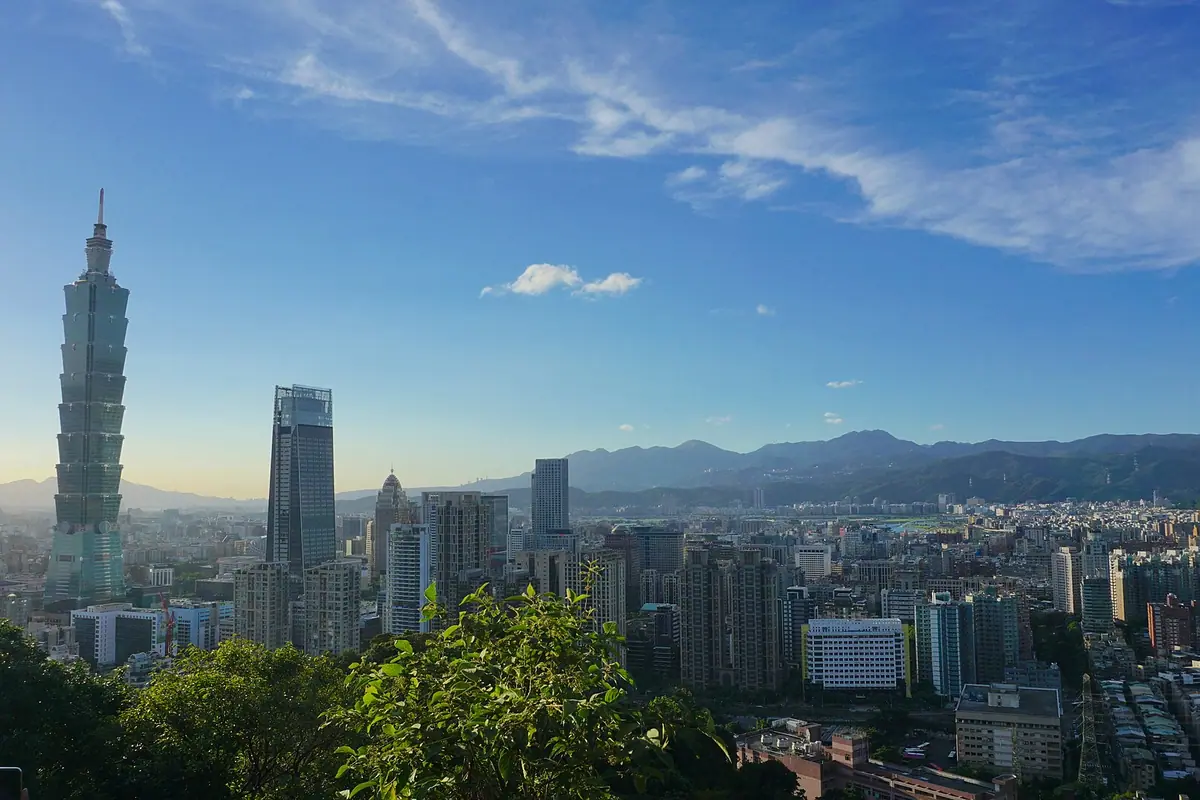
Winter (December to February): Hot Springs, Lanterns and Lunar New Year Peak
Winter in Taiwan is mild, not harsh — Taipei hovers around 15°C with frequent drizzle, the south stays dry and pleasant, and the mountains get genuinely cold. It's the season for hot springs: Beitou, an easy MRT ride from central Taipei, and Wulai, further into the hills, are at their most atmospheric, with steaming valleys and traditional bathhouses. Guanziling in the south offers the rare treat of mud springs. Hot-spring resorts here charge their highest rates on winter weekends, so midweek stays are both cheaper and quieter.
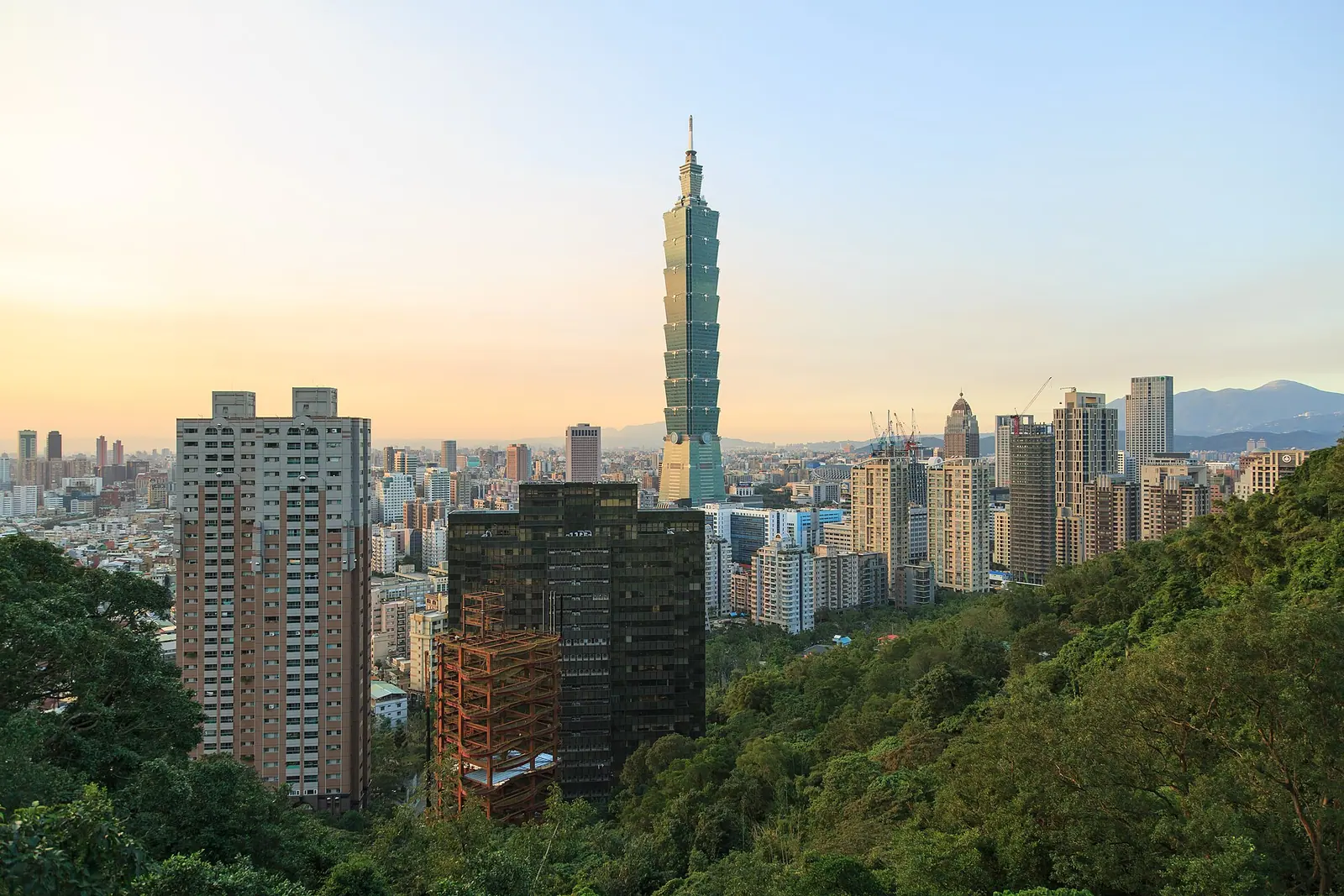
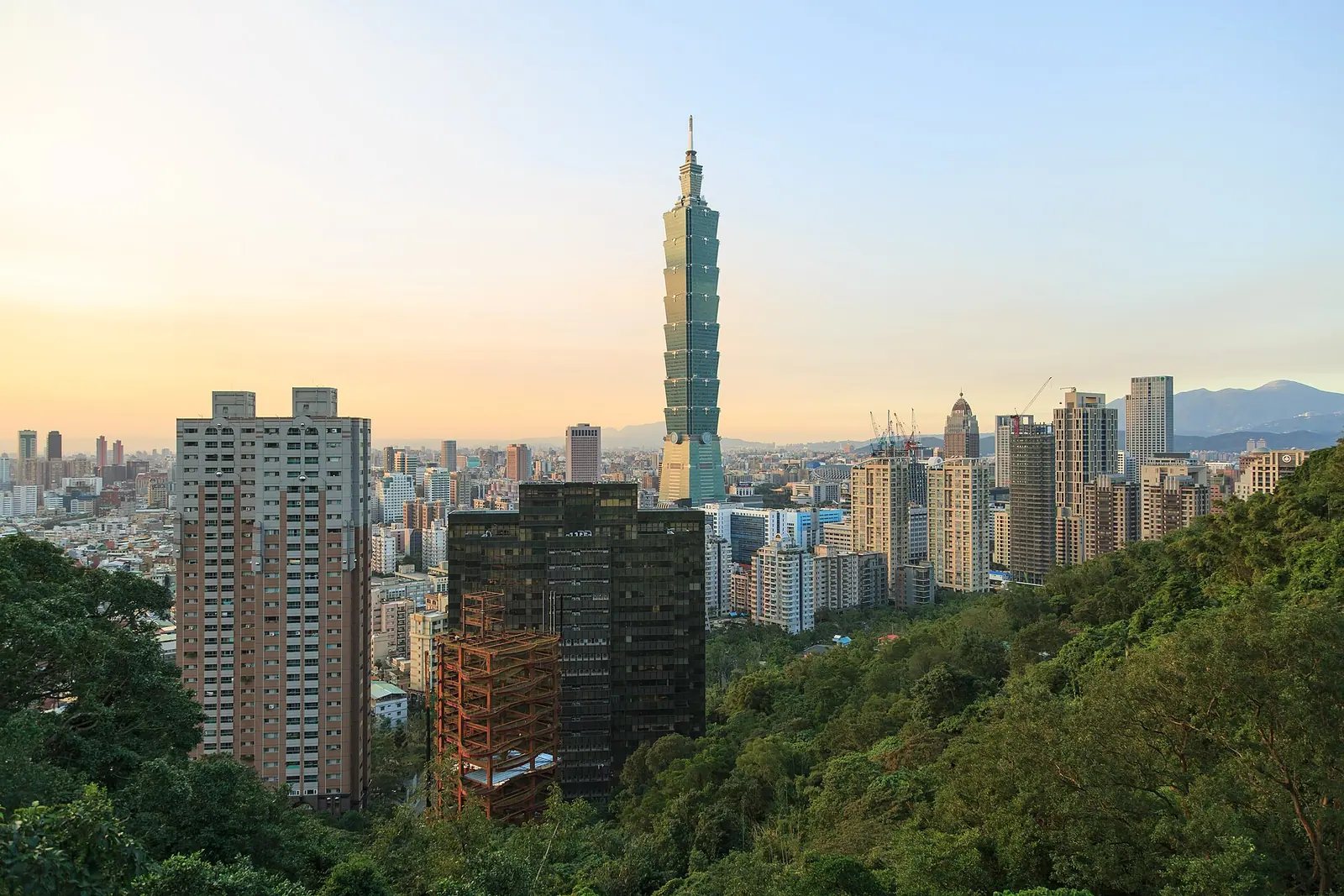
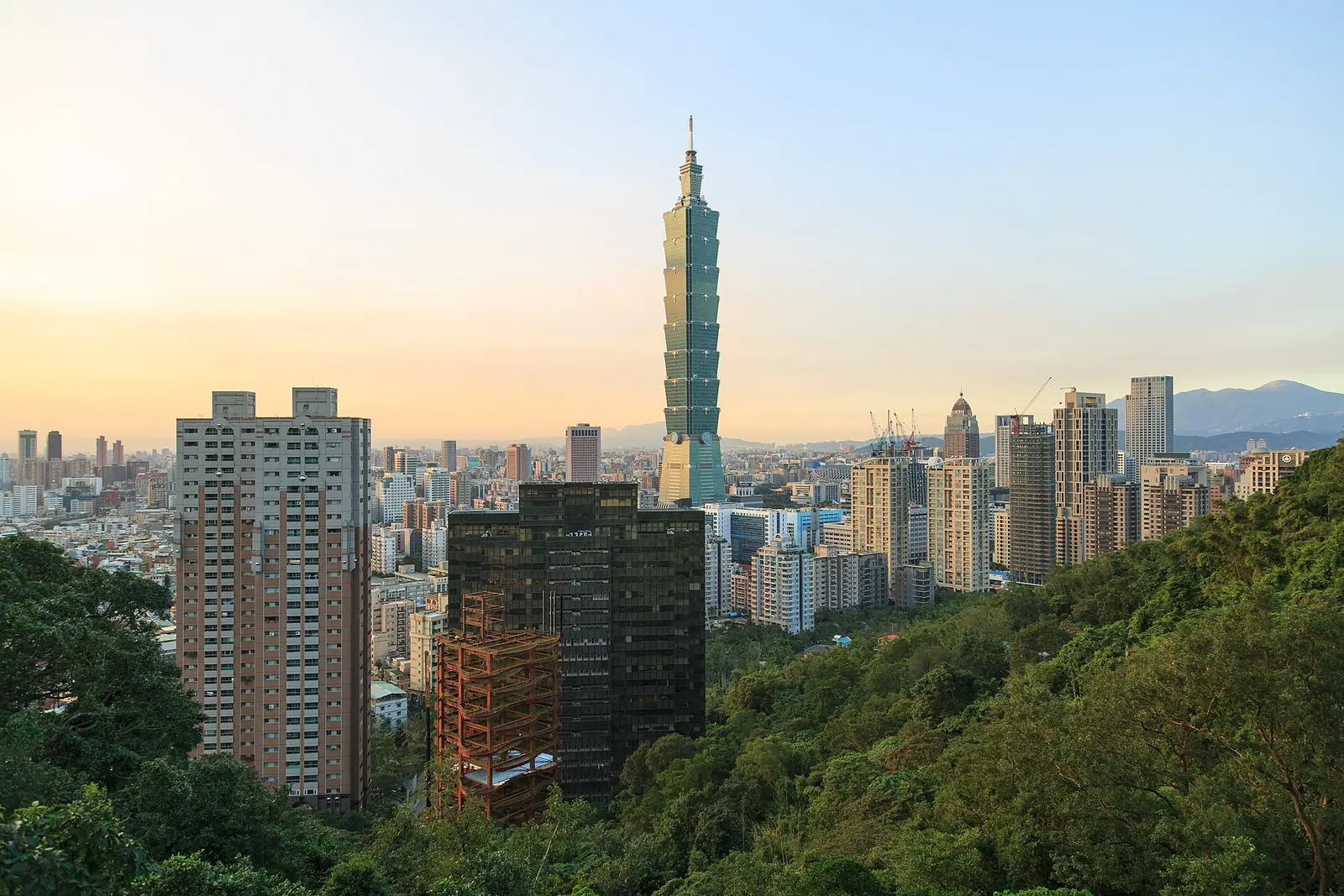
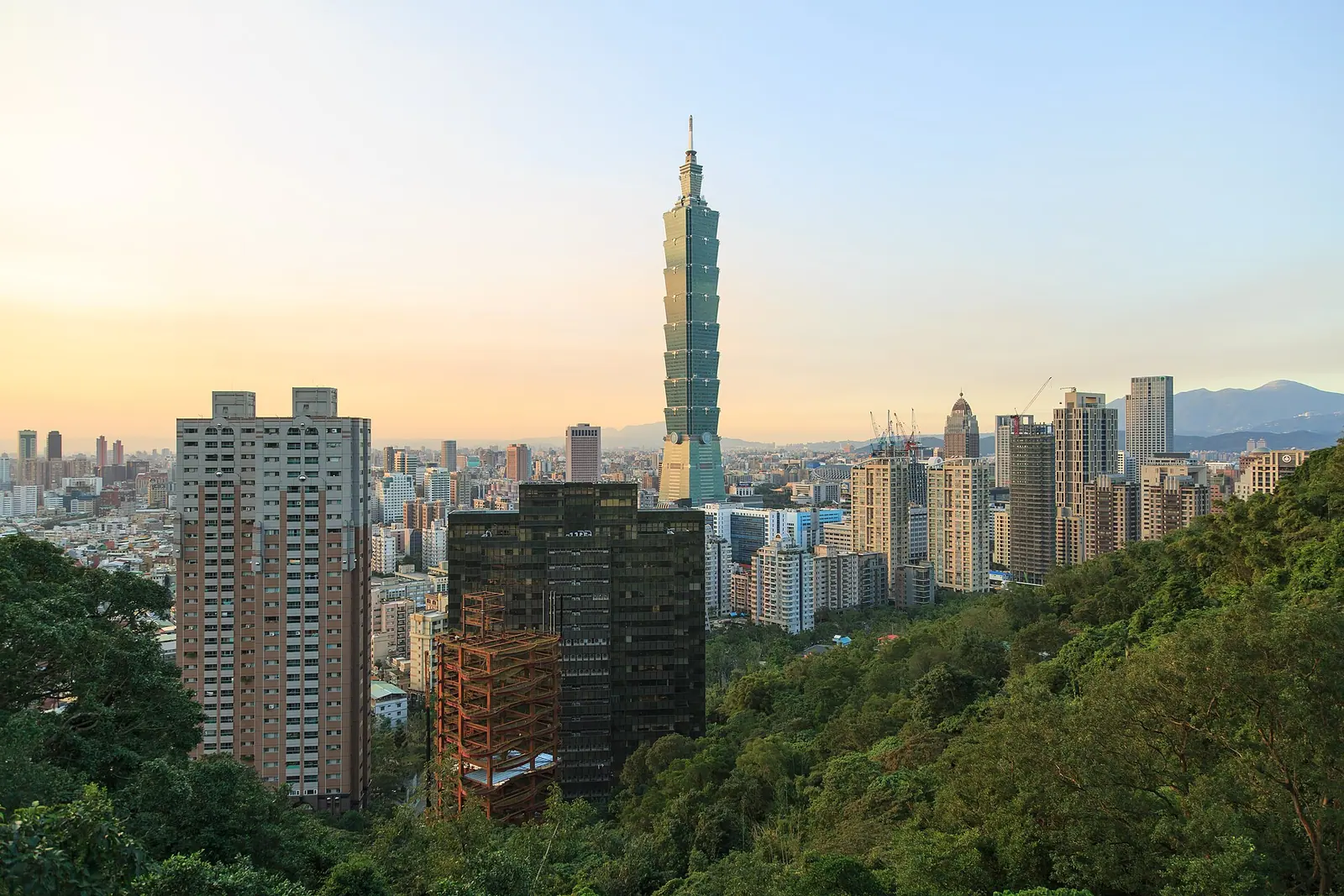
This is also festival season. The Pingxi Sky Lantern Festival, tied to the Lunar New Year period, sends hundreds of glowing lanterns over the hills of the northeast, and the Taiwan Lantern Festival rotates between cities each year with enormous light installations. Taipei's New Year's Eve countdown around Taipei 101 draws huge crowds, making late December one of the hardest times to find a city room at short notice.
Lunar New Year itself, usually falling in late January or February, is the single busiest travel period on the island. Trains, buses and hotels book out months in advance, many small restaurants and shops close for several days, and prices spike. If you want to experience it, reserve accommodation three to six months ahead. If you'd rather avoid the crush, travel in the first half of December or the second half of February instead — you'll get the hot springs, the lanterns and the misty tea hills of Maokong with far more breathing room.
Matching Your Hotel to the Season — and Booking Smart
Taiwan's accommodation splits neatly into a few styles, and the right one changes with the calendar. In summer, prioritise city hotels with strong air conditioning and MRT access in Taipei or Kaohsiung, plus beach resorts in Kenting and Penghu. In winter, aim for hot-spring properties in Beitou, Wulai or Guanziling, or a cosy minsu — the island's beloved family-run bed-and-breakfasts — in the mountain villages near Alishan, Cingjing and Jiufen. Autumn and spring suit almost anything, so let your itinerary decide: base in Taipei for the north, Tainan or Kaohsiung for the south, and Hualien for Taroko.
Booking windows are seasonal. For Lunar New Year, cherry blossom season at Alishan, Sky Lantern dates and New Year's Eve, plan three to six months ahead. For autumn weekends at Sun Moon Lake or Jiufen, three to four weeks is usually enough. For summer city stays, you can often book a week or two out and still find good value — but always check the typhoon and cancellation policy before you commit.
A few practical habits make everything smoother: buy a stored-value transport card for MRT and bus fares, keep one rainy-day plan per city (the National Palace Museum, Fo Guang Shan or a night market always works), and remember that Taiwan's high-speed rail connects Taipei to Kaohsiung in about 90 minutes — which means you can chase good weather by simply changing your base, not your whole trip.
Frequently asked questions
What is the single best time to visit Taiwan?
October and November are the standout months: dry, mild, clear-skied and ideal for Taroko Gorge, Alishan, Sun Moon Lake and the streets of Tainan. March and April are a close second for blossoms and comfortable city sightseeing, with the caveat of occasional plum-rain drizzle from mid-May.
How bad is Taiwan's typhoon season for travellers?
Typhoon season runs roughly July to September, sometimes into October. Most days are simply hot and humid rather than stormy, but a direct hit can close mountain trails, coastal roads and domestic flights for a day or two. Book flexible or refundable hotel rates in summer, avoid committing to tight multi-city schedules, and keep one indoor backup plan per destination.
How far in advance should I book hotels in Taiwan?
For Lunar New Year, Taipei 101 New Year's Eve, Alishan cherry blossom season and the Pingxi Sky Lantern Festival, reserve three to six months ahead — these are the island's true peak periods. Autumn weekends at Sun Moon Lake or Jiufen need about three to four weeks. Summer city hotels in Taipei and Kaohsiung can often be booked a week or two out at good rates.
Is Taipei or southern Taiwan better in winter?
They behave very differently. Taipei in winter is mild but frequently damp, around 15°C, which makes it perfect hot-spring weather in Beitou and Wulai. The south — Tainan, Kaohsiung and Kenting — stays noticeably drier and sunnier, so if you want beach time or long walking days in December or January, head south.
Where should I base myself depending on the season?
Spring and autumn: Taipei for northern sights like Yangmingshan, Yehliu and Jiufen, plus Tainan or Kaohsiung for the south. Summer: Kenting, Penghu or the cool highlands around Alishan and Cingjing. Winter: a hot-spring town such as Beitou, Wulai or Guanziling, or a mountain minsu with a fireplace. The high-speed rail makes switching bases mid-trip easy.
Sort the rest of your trip
Everything for Taiwan, in one place
Transfer in Taiwan
Private driver waiting on arrival — no queues, no surprises.
Book a transfer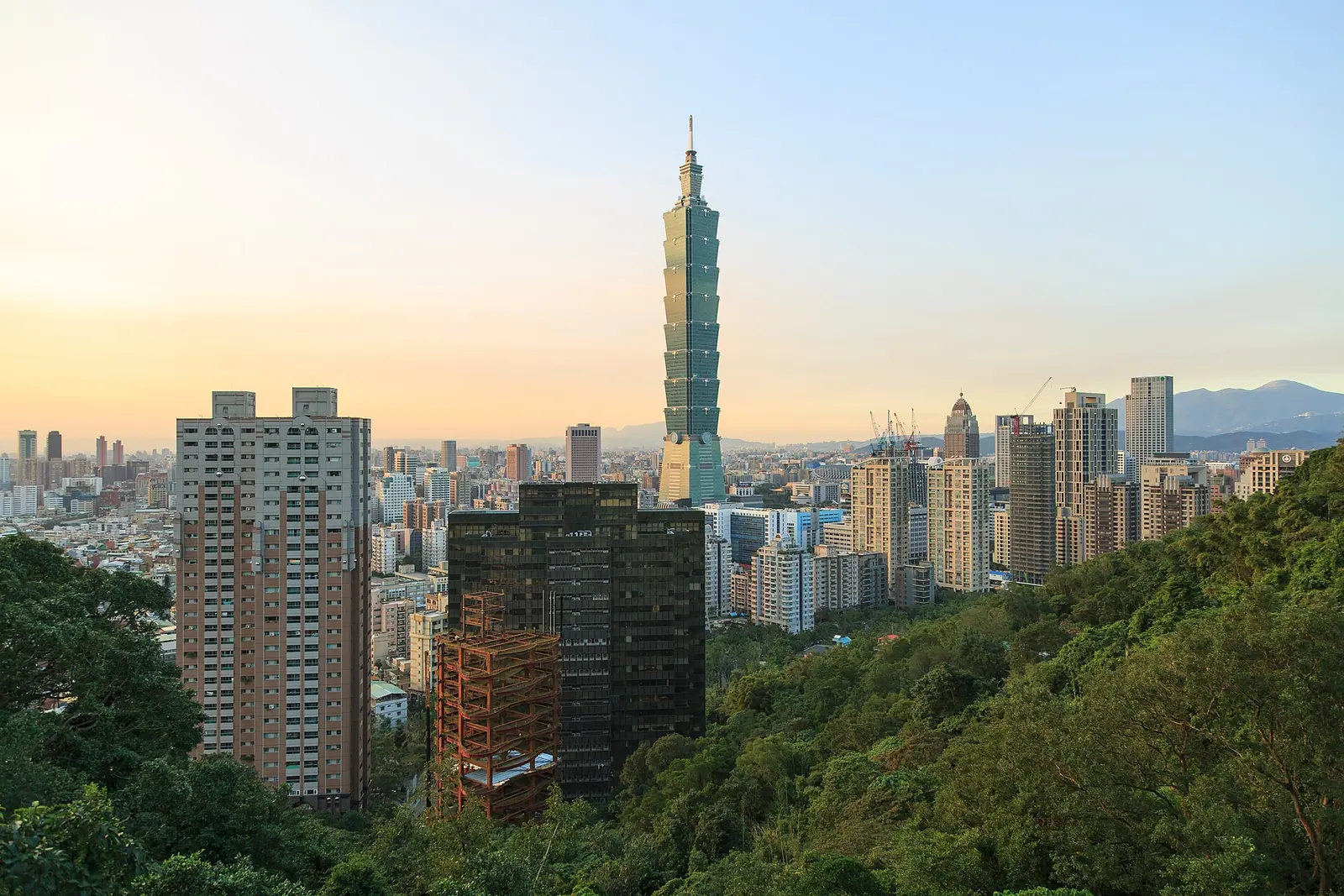
Things to do in Taiwan
Skip-the-line tickets, guided tours and standout experiences.
See experiences
Stay online in Taiwan
Travel eSIM — data the moment you land, no roaming bills.
Get an eSIM