Taiwan compresses an entire continent's worth of contrasts into an island you can cross by high-speed rail in ninety minutes, from marble gorges and mountain tea terraces to colonial lanes and night markets that ignite after dark. The magic of a tour here is not the checklist but the rhythm: temple incense at dawn, a bowl of beef noodles at midnight, a teahouse perched above a foggy harbour.
Taipei First: The Landmarks That Anchor Any Taiwan Tour
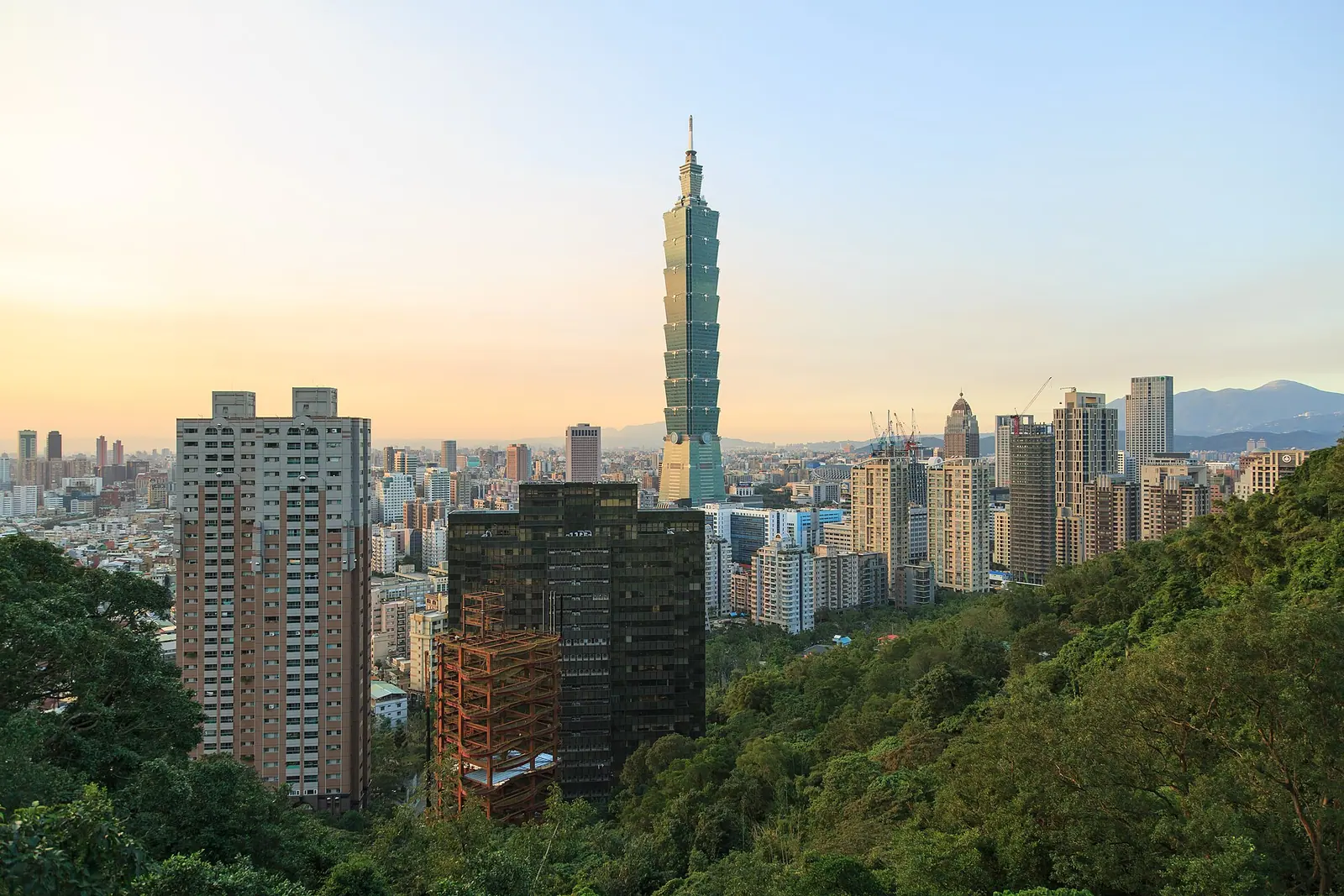
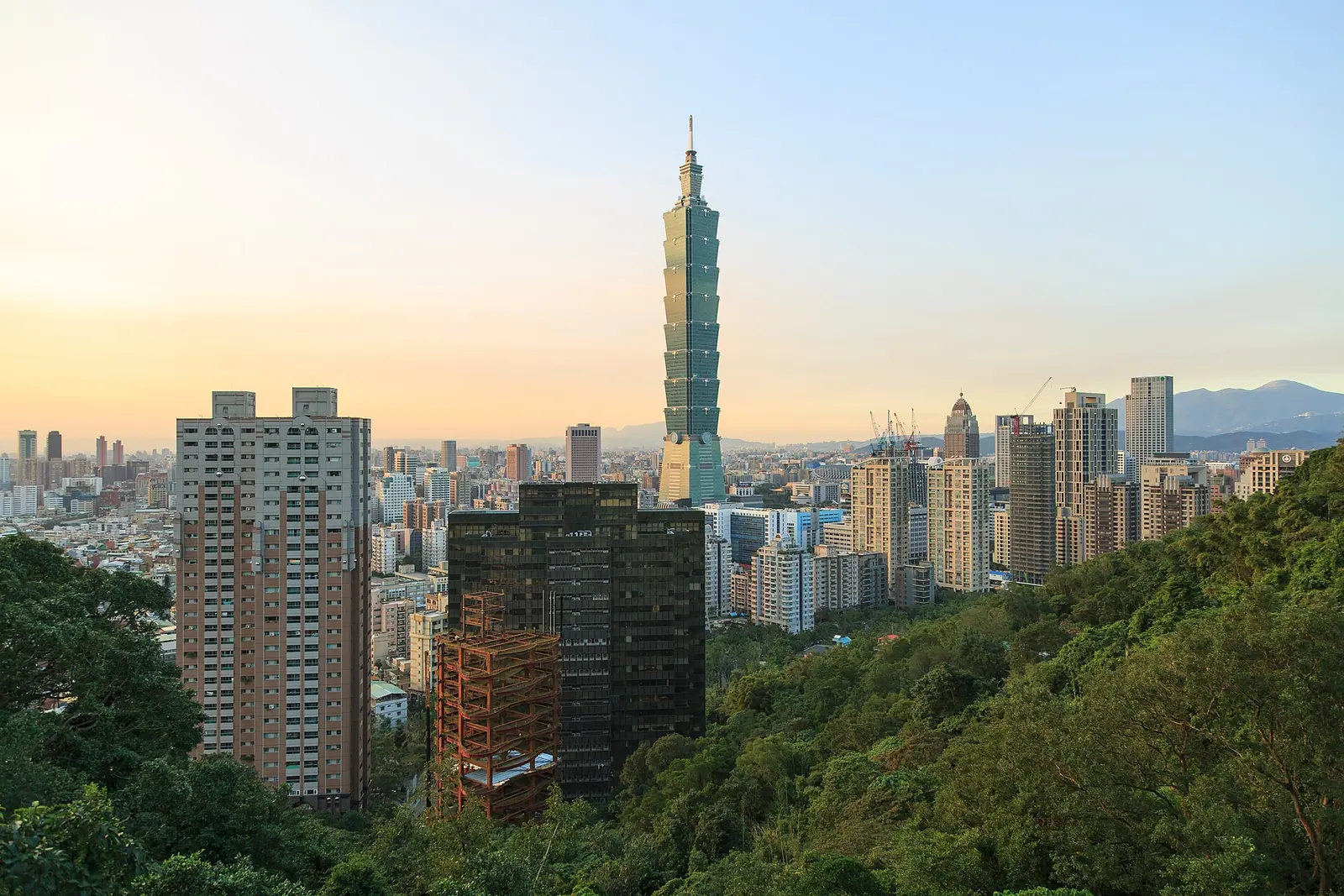
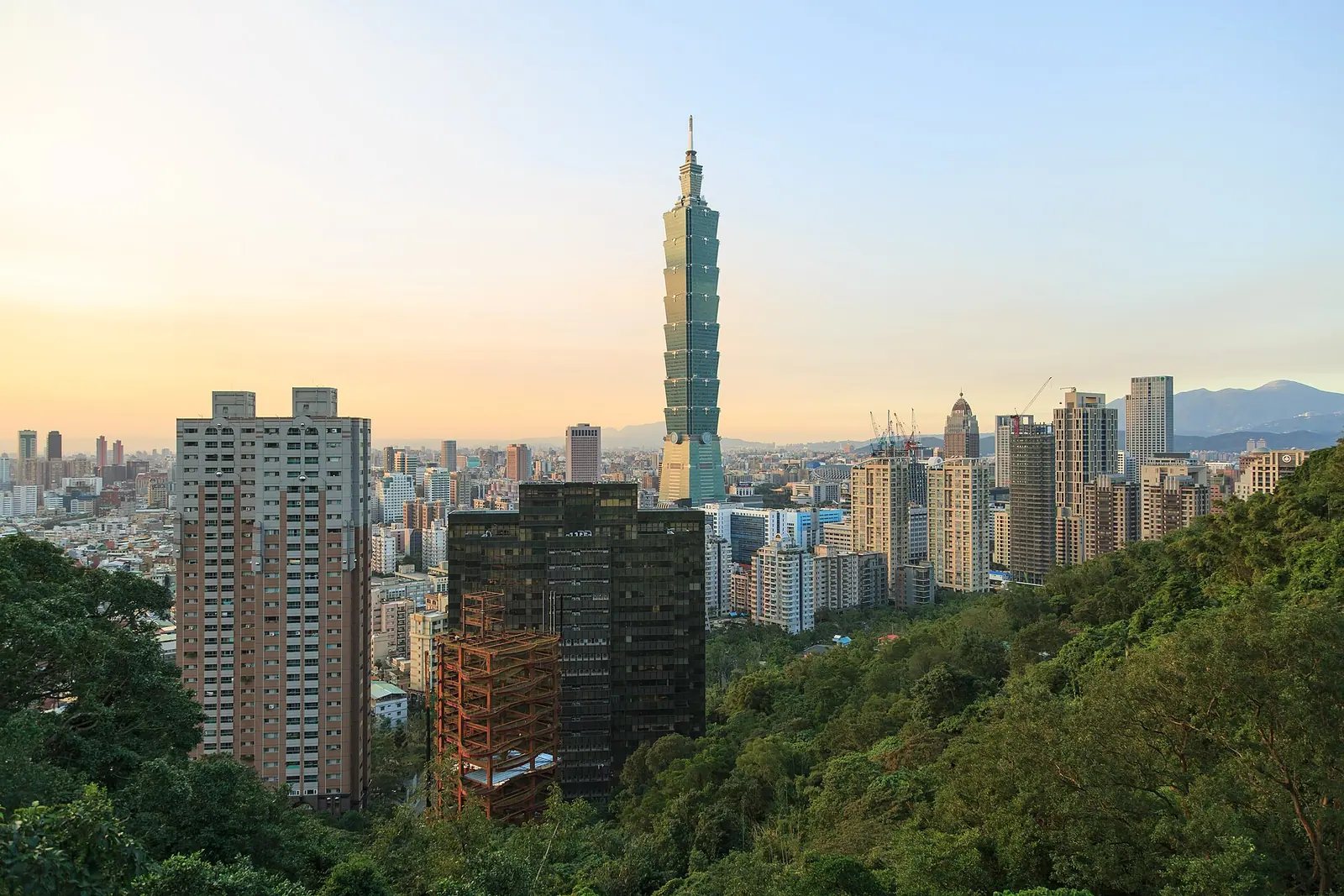
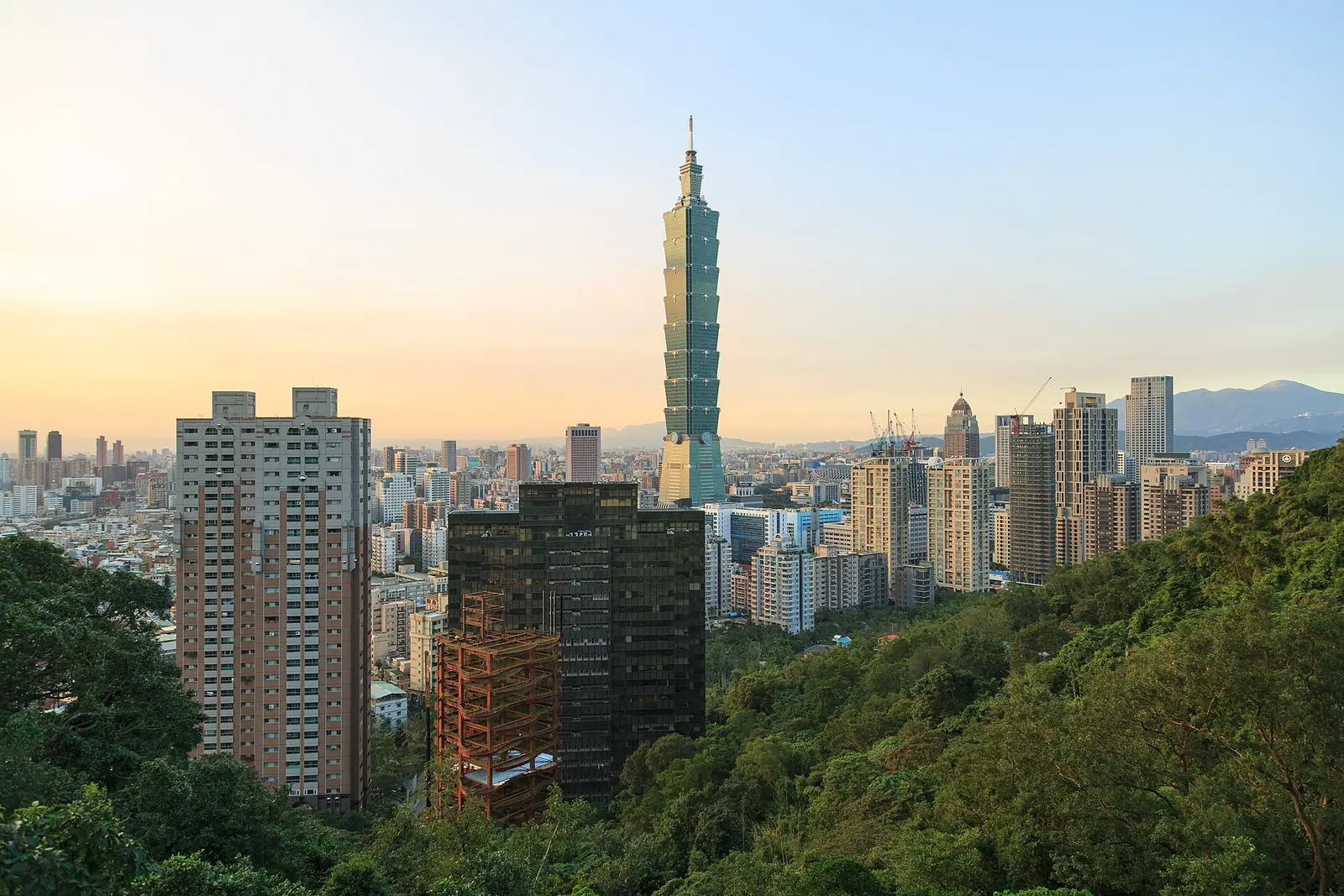
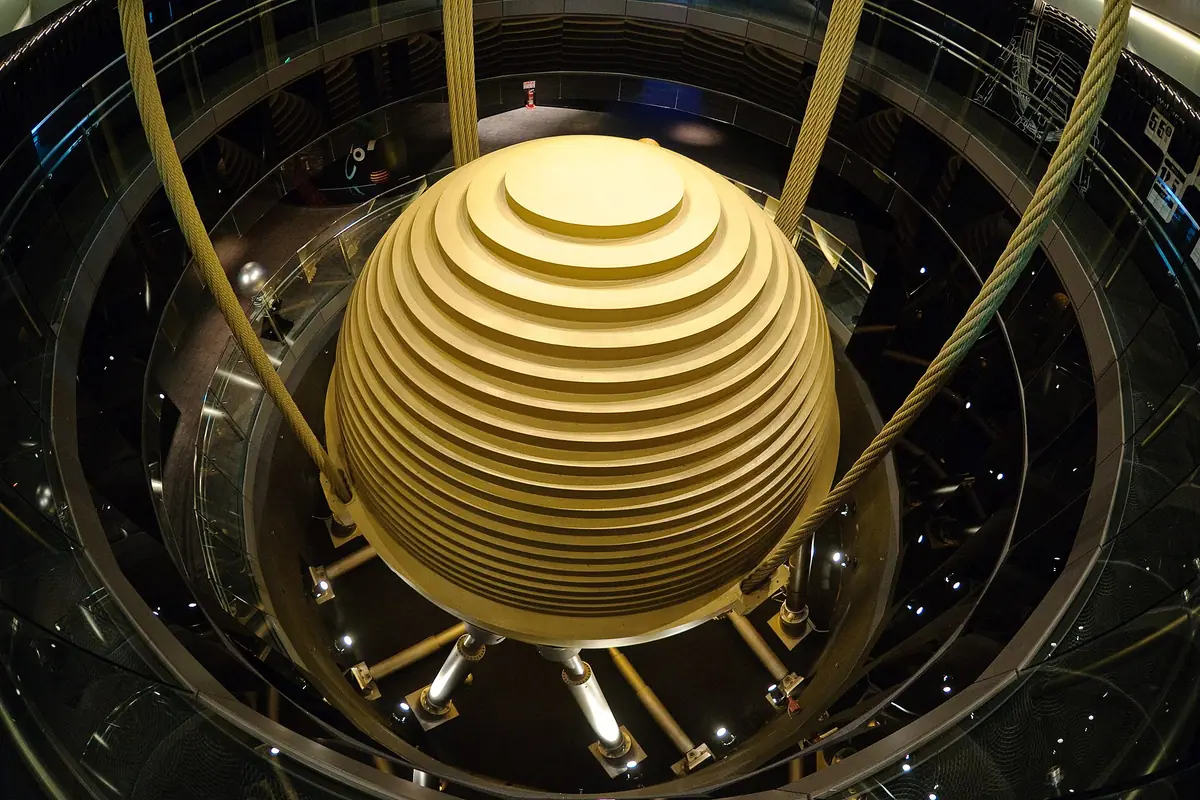
Almost every itinerary begins in the capital, and Taipei 101 is the obvious place to get your bearings. The bamboo-shaped tower has observation decks on the upper floors and a colossal tuned mass damper hanging inside like a golden pendulum; go about an hour before sunset and stay for the lights coming on across the basin. For a free alternative with better photographs, hike the Elephant Mountain trail behind it, a 20 to 30 minute stair climb that puts the whole skyline at eye level.
The National Palace Museum holds one of the deepest collections of imperial Chinese art anywhere, with roughly 700,000 objects rotated through its galleries, so allow at least half a day and check what is currently on display. Nearby, the Chiang Kai-shek Memorial Hall sits in a vast plaza flanked by the National Theater and Concert Hall, with a guard-changing ceremony that draws a crowd on the hour.
Then slow down in the older city. Longshan Temple in Wanhua has been burning incense since the 18th century and is at its most atmospheric during evening chanting, when worshippers crowd the main hall. Pair it with a soak in the hot springs of Beitou, reachable by metro, or ride the Maokong Gondola up into the tea hills for a pot of oolong with a view over the city. Three to four days is a fair minimum for Taipei alone.
Eating Taiwan: Night Markets and the Art of Constant Snacking
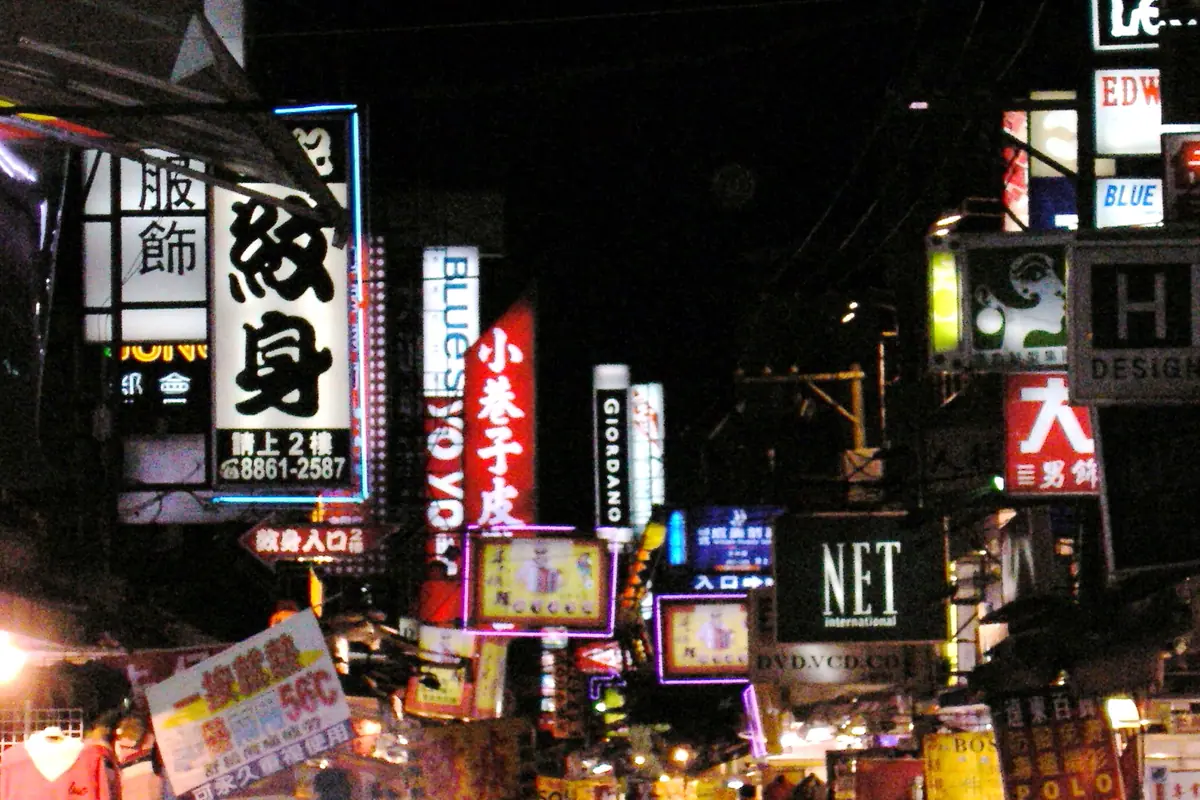
Taiwanese food culture is built around grazing rather than sitting down to long meals, and the night markets are its theatre. Shilin Night Market is the biggest and most famous, a warren of stalls near Jiantan station where you can eat your way through grilled squid, giant fried chicken cutlets and shaved ice piled with mango. Raohe Street Night Market is smaller and arguably better, a single lane that begins beneath the ornate Songshan Ciyou Temple and is famous for its peppery pork buns. Ningxia and Tonghua serve old-Taipei flavours to a mostly local crowd, while Taichung's Fengjia Night Market is the largest in central Taiwan.
Certain dishes define the island. Beef noodle soup is close to a national obsession, with braised shank, dark broth and hand-pulled noodles; braised pork rice, oyster omelette, gua bao and stinky tofu are the everyday staples. In Tainan, order danzai noodles and milkfish congee, both born in that city. Bubble tea was invented on this island in the 1980s and remains a daily ritual, and pineapple cakes or Taichung's sun cakes make the best edible souvenirs.
Do not skip breakfast, which in Taiwan means soy milk, fried dough sticks, egg crepes and sesame flatbreads eaten standing up before 9am. Vegetarian and vegan travellers eat exceptionally well, particularly around temples and in Buddhist buffet restaurants. Bring small notes for street stalls, expect queues at anything good, and note that many vendors no longer hand out free plastic bags.
Day Trips From Taipei: Jiufen, Shifen and the Northeast Coast
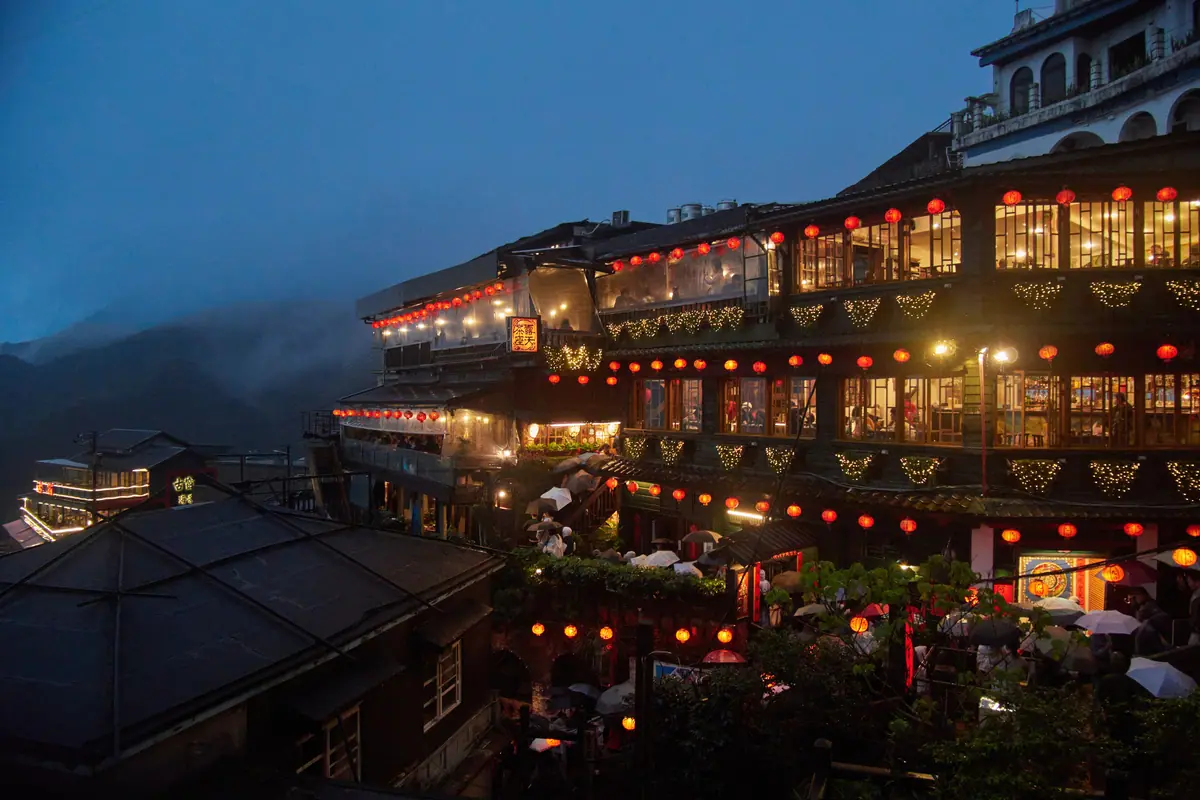
Jiufen is the hillside gold-mining town that everyone photographs, and it earns the fuss. Stone staircases thread between teahouses that cling to the cliff, with the sea glittering below and Jishan Street packed with taro ball desserts and souvenir shops. It is also mobbed from mid-morning, so arrive before 11am or stay after 6pm when the day-trippers leave and the lanterns come on.
The Pingxi Line, an old coal railway, strings together the region's other highlights. At Shifen you can write a wish on a paper lantern and release it over the tracks, then walk 20 minutes to Shifen Waterfall, a wide curtain of water nicknamed the little Niagara of Taiwan. Pingxi itself hosts the island's famous sky lantern festival on the 15th day of the first lunar month, usually in February or March, and HouTong's cat village is on the same line.
On the coast, Yehliu Geopark is a strange moonscape of mushroom rocks, honeycomb weathering and the much-photographed Queen's Head, worth an hour or two before you continue to Keelung for its packed temple-side night market. Further north, Tamsui offers riverside sunsets and a ferry to Fisherman's Wharf, while Wulai combines Atayal indigenous culture with riverside hot springs about an hour from the city.
Taroko Gorge and the Wild East Coast
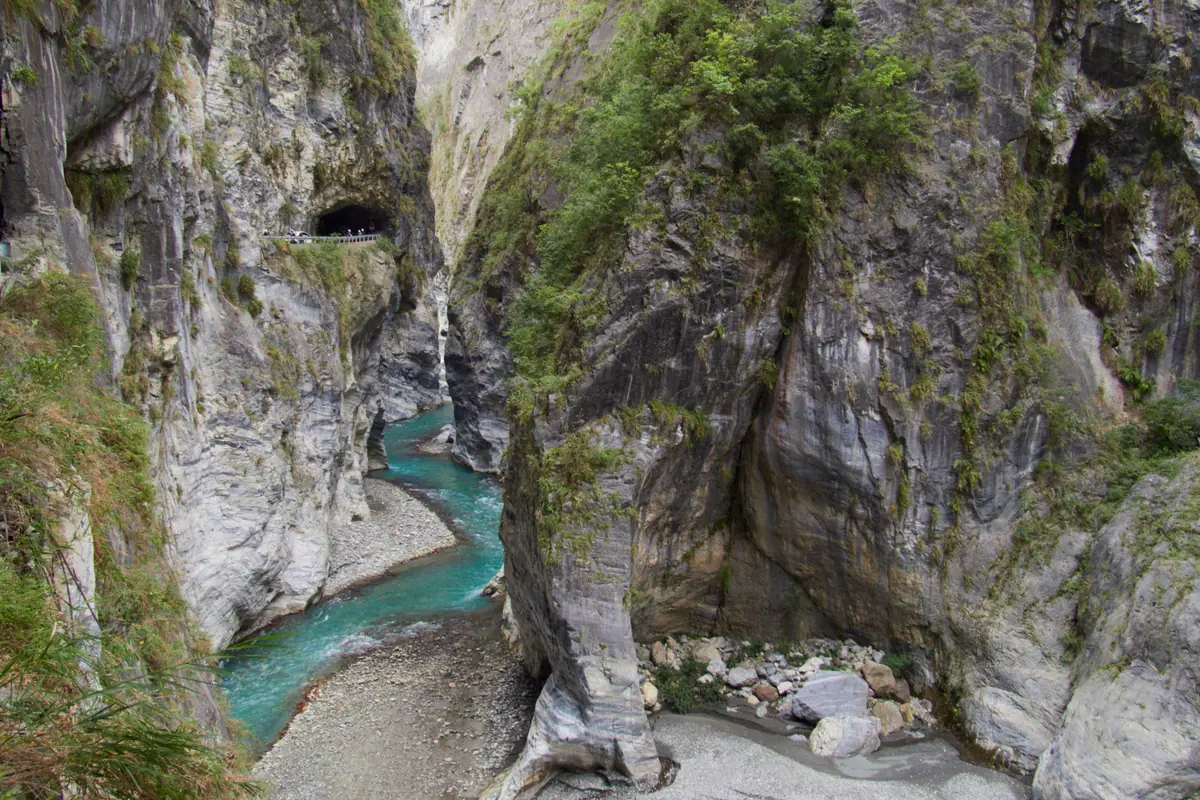
Taroko Gorge is Taiwan's single most spectacular natural sight, a marble canyon carved by the Liwu River on the east coast near Hualien. Walk the Swallow Grotto trail for sheer cliff walls, cross the Tunnel of Nine Turns, and stop at the Eternal Spring Shrine, a temple built above a waterfall in memory of the workers who cut the highway through the rock. Some paths require helmets and sections close after typhoons, so check conditions locally before setting out.
The train from Taipei to Hualien takes roughly two hours, and the coastal road north of the gorge, past the 1,000-metre cliffs of Qingshui, is one of the most dramatic drives in Asia. Base yourself in Hualien or Xincheng, add an afternoon at Qixingtan's pebble beach, and eat at Dongdamen Night Market, where the original indigenous-style barbecue stalls sit alongside the standard vendors.
Continue south and the island opens into rice paddies and hot springs. The East Rift Valley runs between two mountain ranges, dotted with Ruisui's spring-fed baths and the flat, flooded fields around Chishang, where a cycling lane through the paddies has become an unlikely pilgrimage. Further on, Taitung's Sanxiantai arch bridge reaches out to sea, and offshore islands such as Green Island and Xiao Liuqiu offer diving and sea turtles. Give the east at least three days; two is rushing it.
Sun Moon Lake, Alishan and the Historic South
In central Taiwan, Sun Moon Lake sits in a basin ringed by mountains, with Wenwu Temple looking down on the water and the Ci'en Pagoda rising through the forest above. Take a boat to the Ita Thao village for indigenous snacks, then cycle a stretch of the lakeside path, widely considered one of the most beautiful bike routes in the world. A night or two is enough, and spring and autumn give the clearest skies.
Higher up, Alishan is all about sunrise. The narrow-gauge forest railway climbs through giant cypress groves to Chushan, where crowds gather before dawn to watch the sun break over a sea of clouds. The trails around Sister Ponds and the Sacred Tree are easy and misty and gorgeous, and the surrounding slopes produce some of the island's finest high-mountain oolong. Cherry blossoms turn the area pink in March and April.
The south deserves its own chapter. Tainan is the oldest city on the island, with Chihkan Tower, Anping Fort and its tree-strangled warehouse, the incense-dark Grand Mazu Temple, and Shennong Street's restored shophouses, plus the best traditional cooking anywhere in Taiwan. Kaohsiung adds the Dragon and Tiger Pagodas at Lotus Pond, the vast Buddha museum at Fo Guang Shan, and the Pier-2 art warehouses, while Kenting National Park at the southern tip delivers beaches and sunshine from November through April.
Temples, Festivals and the Rituals of Local Life
Temple culture is not a sightseeing stop in Taiwan; it is a living calendar. Longshan Temple and the ornate Bao'an Temple in Taipei hum with daily worship, and in Taichung the Dajia Jenn Lann Temple launches a nine-day pilgrimage for the goddess Mazu in the third lunar month, usually March or April, when hundreds of thousands of devotees walk more than 300 kilometres across the island. Join the crowd for an hour and you will understand more about Taiwan than any museum can teach you.
The festival year is worth planning around. Lunar New Year brings temple fairs and lantern displays, the Pingxi sky lantern release lights up the hills in the first lunar month, dragon boat races take over Taipei's Keelung River in June, and Ghost Month in the seventh lunar month fills pavements with offerings and paper money. Autumn brings Mid-Autumn mooncakes and doorstep barbecues, while April and May turn Miaoli's hillsides white with Hakka tung blossom and indigenous communities hold harvest festivals through the summer.
A few etiquette notes go a long way: remove your shoes where indicated, step in through the right-hand door and out through the left, and never point at a statue with your finger. In a teahouse, accept a cup with both hands and sip before setting it down. Weather matters too. October to April offers the driest, coolest conditions and is the best window for a first tour; May and June bring the plum rains, and July to September is typhoon season, when mountain roads and gorge trails can close with little warning.
Frequently asked questions
What is the best time of year to take a tour of Taiwan?
October to April is the sweet spot, with cooler temperatures, clearer skies and far less rain. May and June bring the humid plum rains, and July to September is typhoon season, when hiking trails, gorge paths and coastal roads can be closed at short notice. For cherry blossoms, aim for late March to early April in the mountains.
How many days do you need to see Taiwan properly?
Ten days to two weeks lets you cover Taipei, a northeastern day trip, Taroko Gorge and the east coast, plus either Sun Moon Lake and Alishan or the historic south around Tainan and Kaohsiung. A rushed week is possible using the high-speed rail, but you would be spending most of it in transit.
Is English widely spoken in Taiwan, and is it easy to travel independently?
English is common among younger people in Taipei but patchier elsewhere, especially in smaller towns and night markets. Signage on trains and metro systems is bilingual, which makes independent travel straightforward. Learning a few Mandarin phrases and pointing at dishes works perfectly well, and locals are famously helpful.
How do you get around Taiwan without a car?
The high-speed rail links Taipei, Taichung, Tainan and Kaohsiung in under two hours, while the slower regular trains serve Hualien, Taitung and the coast. Metro systems cover Taipei and Kaohsiung, and a stored-value transit card works on trains, buses, bikes and many small shops. Shared bikes and buses fill the last stretches.
Is Taiwan expensive for food and accommodation?
Street food and night market meals are genuinely cheap, and mid-range hotels and guesthouses in Taipei cost far less than equivalents in Tokyo or Singapore. Mountain lodges, hot spring resorts and Alishan sunrise trains are the pricier extras. Tipping is not expected anywhere, and temple stays and hostels keep budgets low.
Sort the rest of your trip
Everything for Taiwan, in one place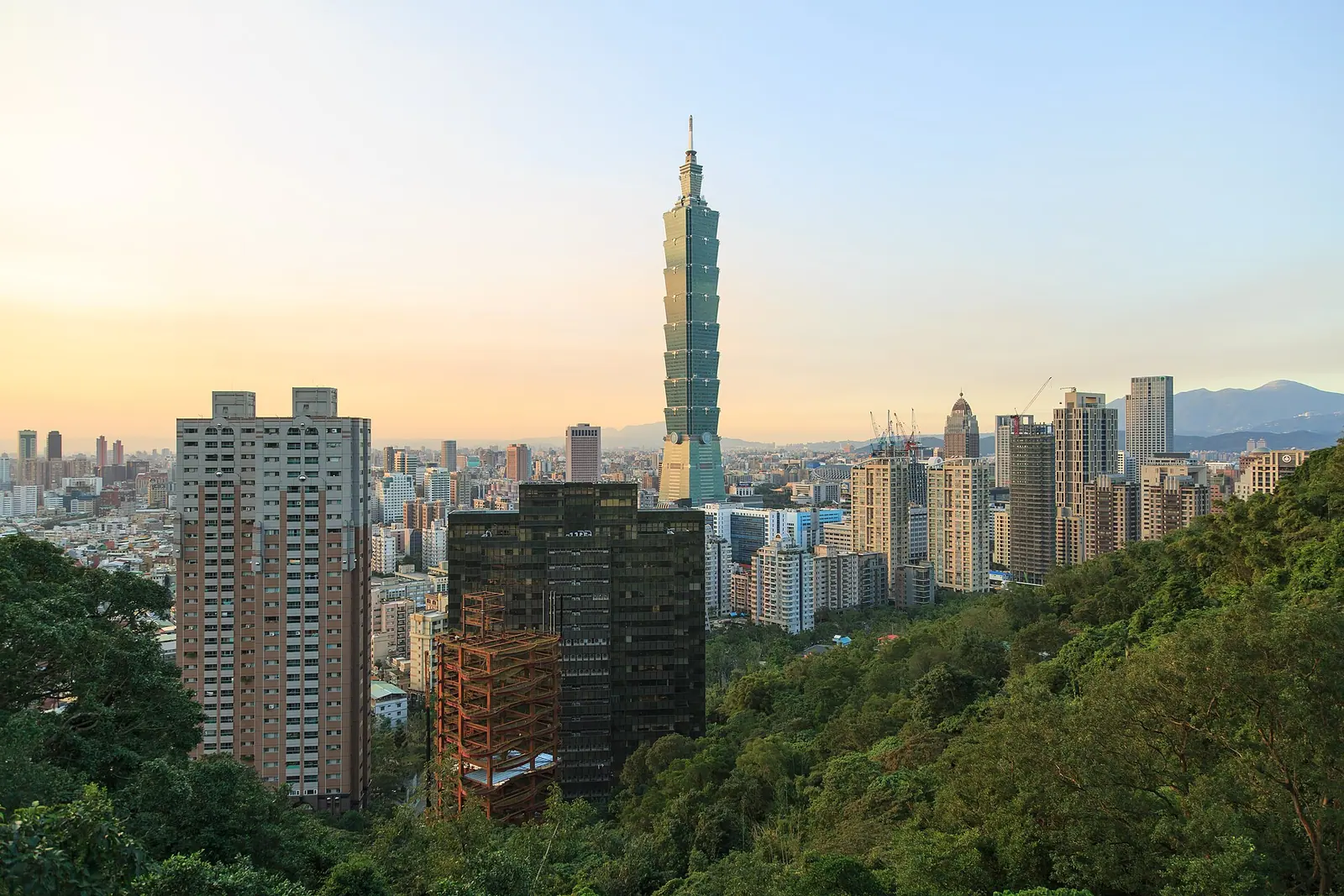
Stay in Taiwan
Hotels, guesthouses and apartments — compared in one search.
Search hotels
Transfer in Taiwan
Private driver waiting on arrival — no queues, no surprises.
Book a transfer
Stay online in Taiwan
Travel eSIM — data the moment you land, no roaming bills.
Get an eSIM