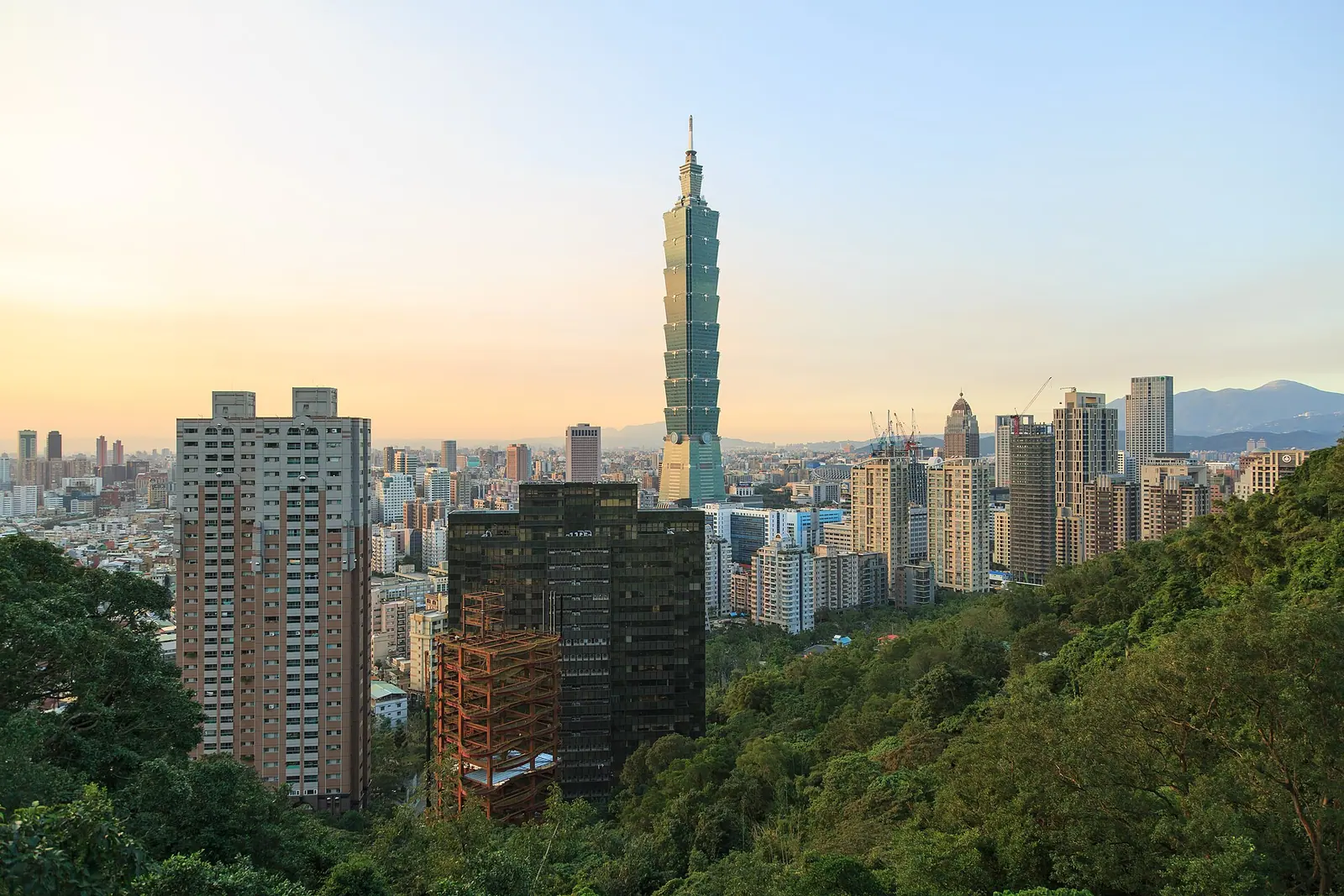
Taiwan packs an entire continent's worth of scenery into an island you can cross by air in under an hour. In seven days you can watch the sun set behind Taipei 101, walk through a marble gorge on the east coast, and eat your way down the old streets of Tainan. This is how to stitch it together without wasting a single day.
Days 1–2: Landing in Taipei and Meeting the Skyline
Most international flights land at Taoyuan International Airport, roughly 40 kilometres southwest of the city centre. The Airport MRT runs straight into Taipei Main Station in about 35 to 40 minutes, and from there the city's metro network reaches almost everywhere you'll want to sleep. Pick up a rechargeable stored-value transit card at the station — it works on the metro, local buses and most convenience stores, and it will save you a small fortune in loose change over the week. Fight the jet lag on your first evening with a slow wander through Ximending, the neon-drenched pedestrian quarter, or a plate of oyster omelette at Ningxia Night Market.
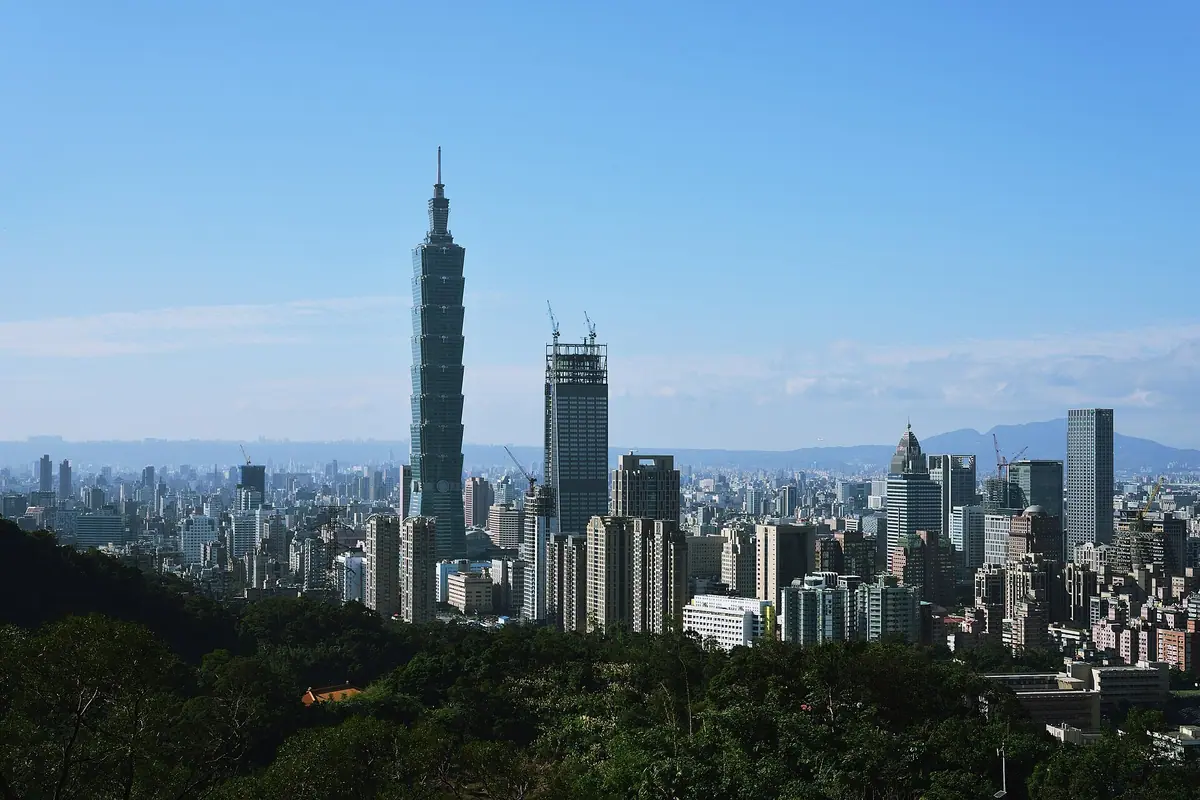
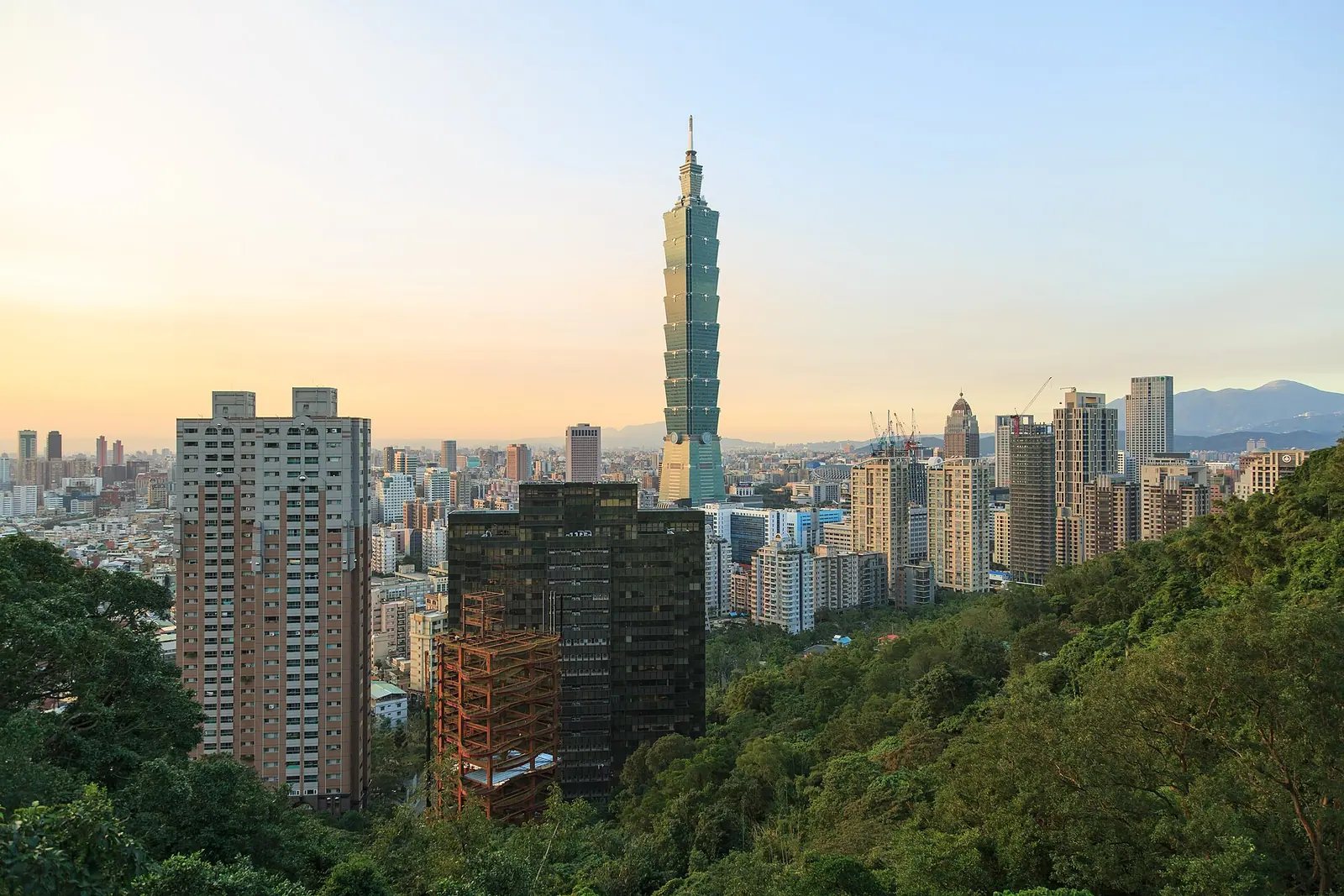
Day two belongs to the landmarks. Taipei 101 once stood as the tallest building on earth, and its bamboo-inspired tower still dominates the skyline; ride the high-speed lift to the observatory floors for a glass-walled view over the basin, or push on to the open-air deck when weather allows. Nearby, Sun Yat-sen Memorial Hall offers a quieter, framed view of the tower across its plaza. For the postcard photograph, hike the 20-minute trail up Elephant Mountain (Xiangshan) in the late afternoon and watch the city switch on its lights below you.
Spend the late morning at the Chiang Kai-shek Memorial Hall, an enormous blue-and-white monument set in Liberty Square between the National Theater and the National Concert Hall — the hourly changing of the honour guard draws a crowd, so arrive a few minutes early. Then head west to Longshan Temple, the city's most atmospheric place of worship, where incense smoke drifts through carved stone dragons and evening chanting fills the courtyards. Finish in Dadaocheng along Dihua Street, where restored shophouses sell dried mushrooms, tea and Chinese medicine in the same lanes their great-grandparents traded in.
Day 3: Palaces, Tea Hills and Steam
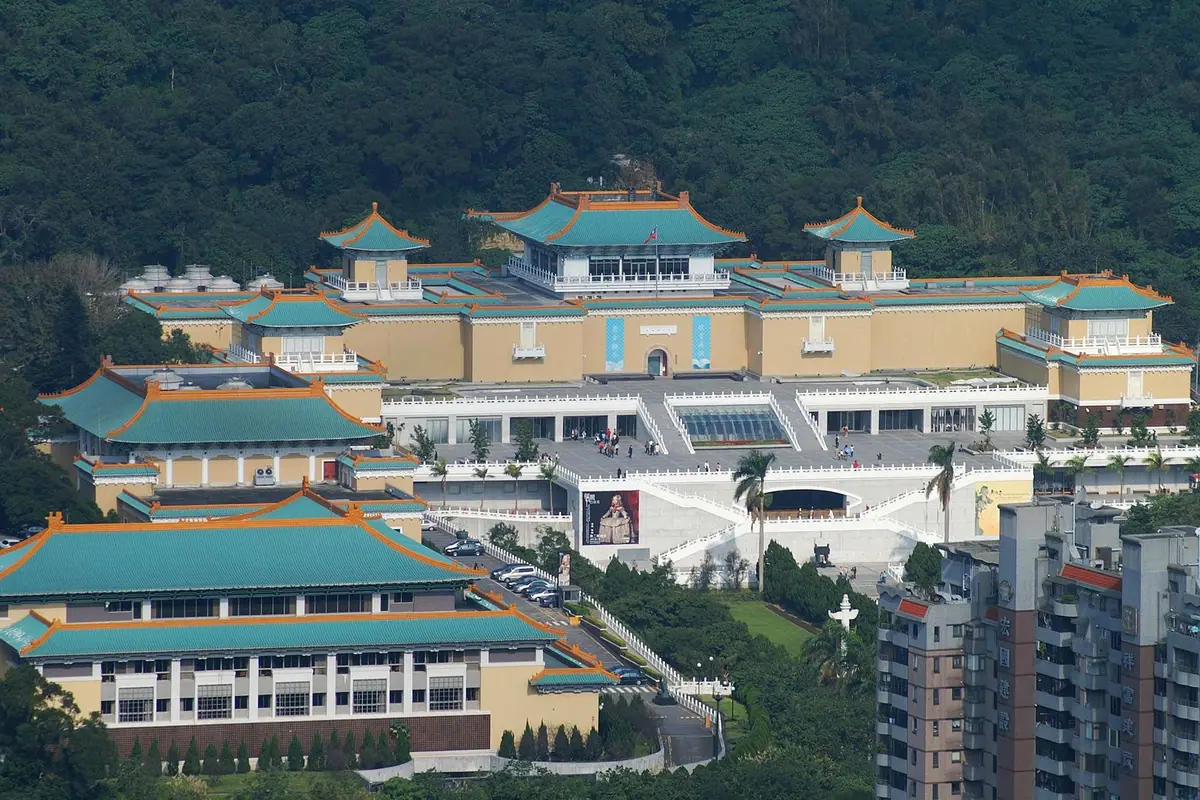
Give your third day to the north of the city. The National Palace Museum holds one of the great collections of Chinese imperial art, hundreds of thousands of objects ranging from bronze ritual vessels to calligraphy scrolls, with the jade cabbage and the meat-shaped stone as the crowd-pleasers. Go at opening time, because tour groups arrive mid-morning. Shilin Night Market, a short metro ride away, is the natural dinner stop afterwards — the basement food court alone is worth an hour of grazing.
In the afternoon, either soak in Beitou's hot springs — the steaming Thermal Valley, the Japanese-era public bathhouses and the little sulphur-scented lanes around Xinbeitou station make an easy half-day — or ride the Maokong Gondola up into the tea hills above the city. Maokong's teahouses sit on terraces overlooking the valley, and a pot of lightly oxidised oolong served the traditional way is one of the most peaceful experiences in Taipei. If you have energy left, Tamsui at sunset is a fine finale: the riverside old street, Fisherman's Wharf and the white arc of Lover's Bridge all sit within a bus ride of the metro terminus.
Day 4: Waterfalls, Lanterns and a Gold-Rush Town
The northeast coast deserves a full day, ideally with a driver or a hired car because the buses between the sights are slow. Start at Yehliu Geopark, where wind and sea have sculpted honeycomb-patterned mushroom rocks from the sandstone, the most photographed being the Queen's Head. Come early, both for cooler air and to avoid the queues that form around the famous formations by mid-morning.
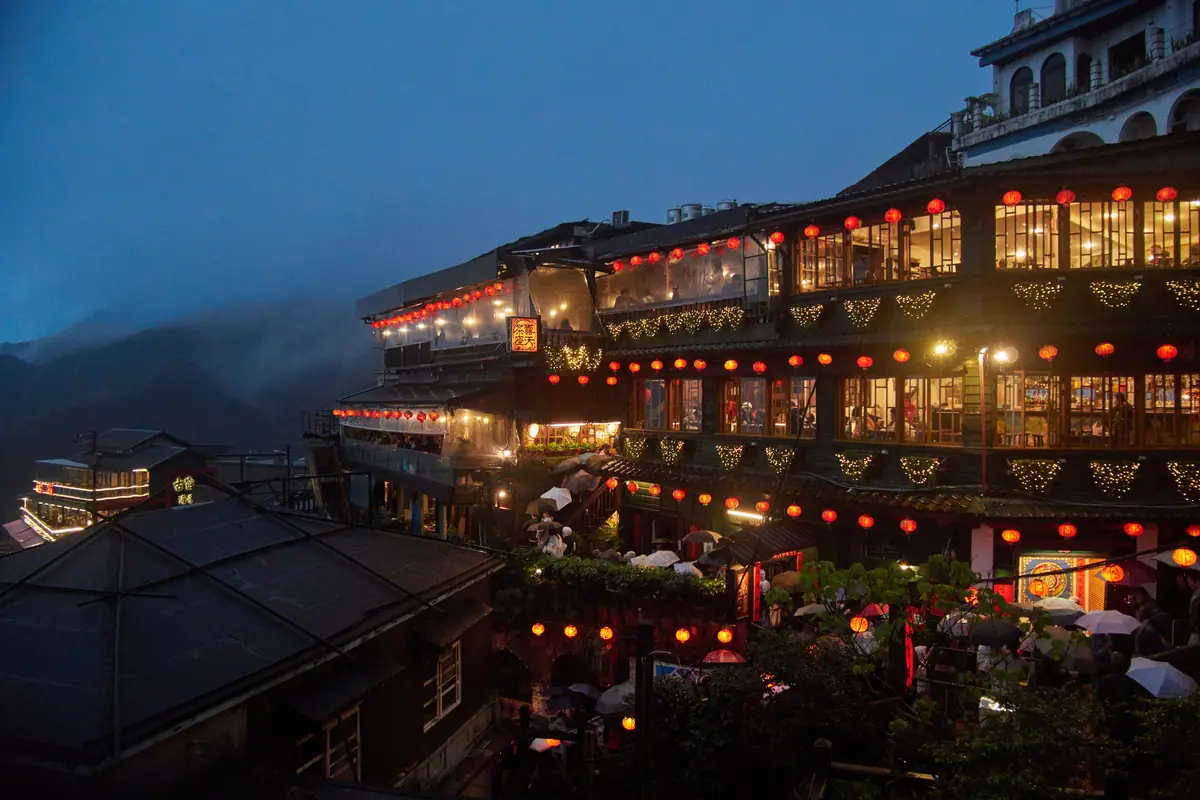
Then climb into the hills to Jiufen, a former gold-mining settlement whose stacked teahouses and lantern-lit staircases are said to have inspired the look of a certain famous animated film. The narrow lanes of Jishan Street are packed by early afternoon, so aim to arrive before noon or linger after the day-trippers leave; the small Shengping Theater and the old mining tunnels above town tell the story of the boom years. A bowl of taro balls in sweet soup is obligatory.
Finish at Shifen, where the railway runs straight through the old street and visitors release paper sky lanterns from the tracks between trains. A short walk away, Shifen Waterfall drops about 20 metres over a wide, curved lip — it's an easy, well-paved path and one of the most accessible waterfalls in the country. On the way back, detour into Keelung's Miaokou Night Market for seafood and crab soup before returning to Taipei.
Days 5–6: Fly to Hualien and Walk Into Taroko Gorge
This is where the flight pays off. A domestic hop from Taipei's downtown Songshan Airport to Hualien takes roughly 45 minutes, against two to three hours on the winding coastal railway, and it drops you minutes from the gorge's entrance. Domestic flights are short and luggage allowances are modest, so pack light or expect to pay for extra weight. Bring your passport or ID, since it's required for check-in on internal routes.
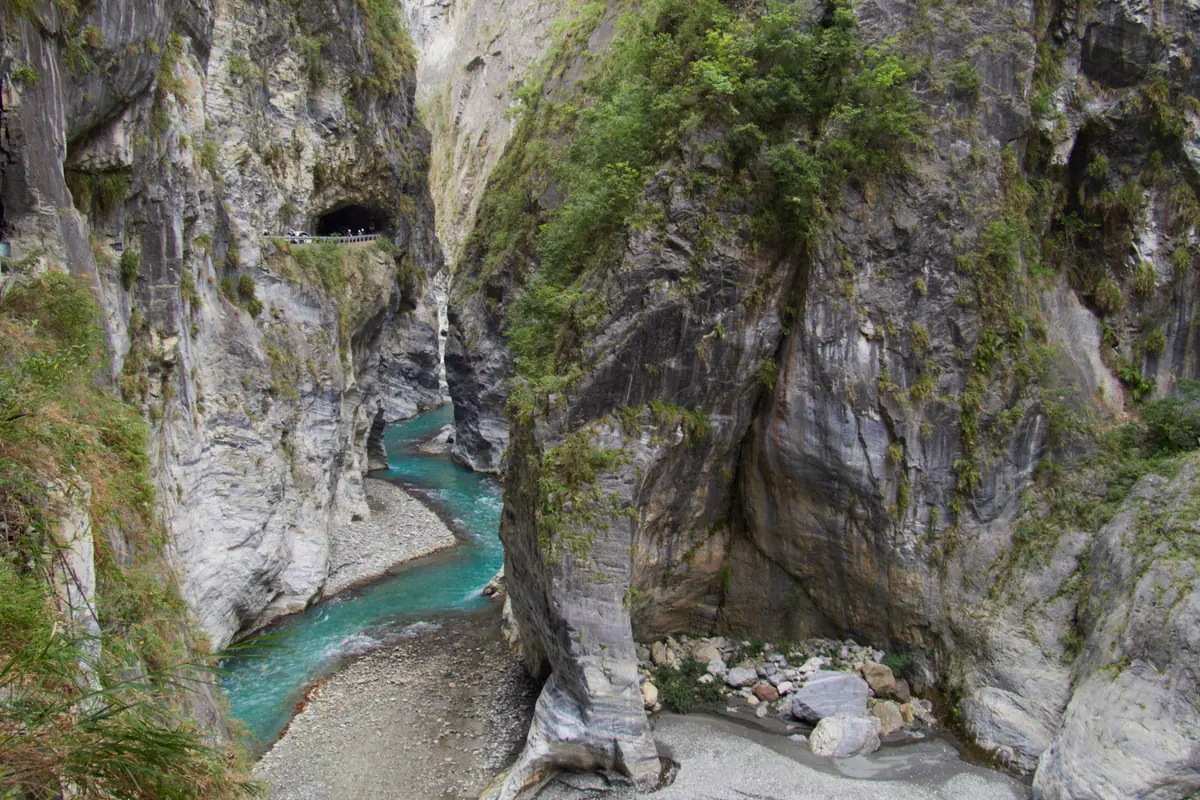
Taroko Gorge is the reason most travellers come east: a marble canyon carved by the Liwu River, with cliffs that rise hundreds of metres almost vertically from the water. The classic stops are the Eternal Spring Shrine, perched above a waterfall on a cliff ledge; Swallow Grotto, where the road tunnels through the rock and you walk beneath overhanging marble walls; and the Tunnel of Nine Turns, a serpentine section of old highway with the best views of the gorge's bends. Qingshui Cliff, a sheer wall of stone dropping straight into the Pacific, is worth a detour on the drive back towards town.
Note that the gorge sits in an active earthquake and typhoon zone, and sections of trail and road are periodically closed for repairs or rockfall risk. Check the current conditions with the local visitor information centre in Hualien before you commit to a route, and never ignore a closure sign. Back in the city, the night market and the pebble beach at Qixingtan, about 20 minutes north, make a relaxed evening.
Day 7: High-Speed Rail South to Tainan and Kaohsiung
If you have a full seventh day, the high-speed rail turns the island into a day trip. From Taipei, Tainan is about an hour and forty-five minutes and Kaohsiung around an hour and a half — a completely different Taiwan of laid-back southern streets and harbour industry. In Tainan, the oldest city on the island, start at Chihkan Tower, a Dutch-built fortress later rebuilt as a Chinese pavilion, then walk the lanes of Shennong Street and the Confucian Temple district. Anping, on the coast, holds Fort Zeelandia and the surreal Anping Tree House, where banyan roots have swallowed an old warehouse whole.
Push on to Kaohsiung for the final afternoon. The Dragon and Tiger Pagodas at Lotus Pond — you enter through the dragon's throat and exit the tiger's mouth — sit beside the Spring and Autumn Pavilions on a lily-covered lake, and the nearby Pier-2 Art Center has converted old warehouses into galleries and cafés. The glowing Dome of Light inside Formosa Boulevard metro station is a five-minute stop that's worth the detour, and a short ferry to Cijin Island buys you a beach, a lighthouse and excellent seafood before you fly home from Kaohsiung International Airport.
Timing, Seasons and Practical Flight Notes
October through April is the sweet spot: cooler, drier and clearer, with plum blossom in the north around February and cherry blossom in the central mountains. May and June bring the plum rains, weeks of humid drizzle that can wash out mountain views. July to September is typhoon season — flights and gorge roads can be cancelled at short notice, so build a spare day into any plan that includes the east coast or the offshore islands, and buy travel insurance that covers weather disruption.
Domestic flying is genuinely useful here, but you don't need it for everything. Songshan Airport connects central Taipei with Hualien, Taitung, Magong in Penghu, and Kinmen, while Kaohsiung has its own links to Penghu and Kinmen. Think of flights as the fast option for crossing the central mountain range and the high-speed rail as the fast option for the populated west coast. The two combine neatly: fly east, ride back.
Finally, leave the last night near your departure airport. Taipei's two airports are far apart — Songshan sits in the city, Taoyuan is an hour out — and Kaohsiung's airport is central but small, with fewer long-haul connections. Allow two hours before an international departure and an hour for domestic hops, and keep your stored-value transit card topped up for the last metro ride.
Frequently asked questions
Is one week enough time in Taiwan?
Yes, if you move once or twice rather than constantly. A week comfortably covers Taipei, a northeast day trip, two nights on the east coast for Taroko Gorge, and a fast run south to Tainan or Kaohsiung. Adding Penghu, Kinmen or Alishan means cutting something else, or extending to ten days.
Should I fly domestically in Taiwan or take the train?
Fly for the east coast — Taipei's Songshan Airport to Hualien takes about 45 minutes against a two-to-three-hour winding rail trip. Use the high-speed rail for the west coast, where Taipei to Tainan is roughly an hour and forty-five minutes. Domestic flights have tighter luggage allowances, so pack light.
What is the best month to visit Taiwan?
October to April offers the most reliable weather, with cooler temperatures and clearer mountain views. Avoid July to September if you can, as typhoons regularly disrupt flights, gorge roads and island ferries. May and June are humid and wet with the plum rains.
Which airport should I fly into and out of?
Most long-haul arrivals land at Taoyuan International Airport near Taipei, while Kaohsiung International Airport in the south is a convenient departure point if your route ends there. Taipei's Songshan Airport handles most domestic routes. Open-jaw tickets — in through Taipei, out through Kaohsiung — save a wasted backtrack.
Is Taroko Gorge always open to visitors?
Not always. The gorge lies in an active seismic and typhoon zone, and trails, tunnels and sections of road close periodically for repairs or rockfall risk. Always check current conditions with the visitor information centre in Hualien before setting out, and respect every closure sign — they exist for good reason.
Sort the rest of your trip
Everything for Taiwan, in one place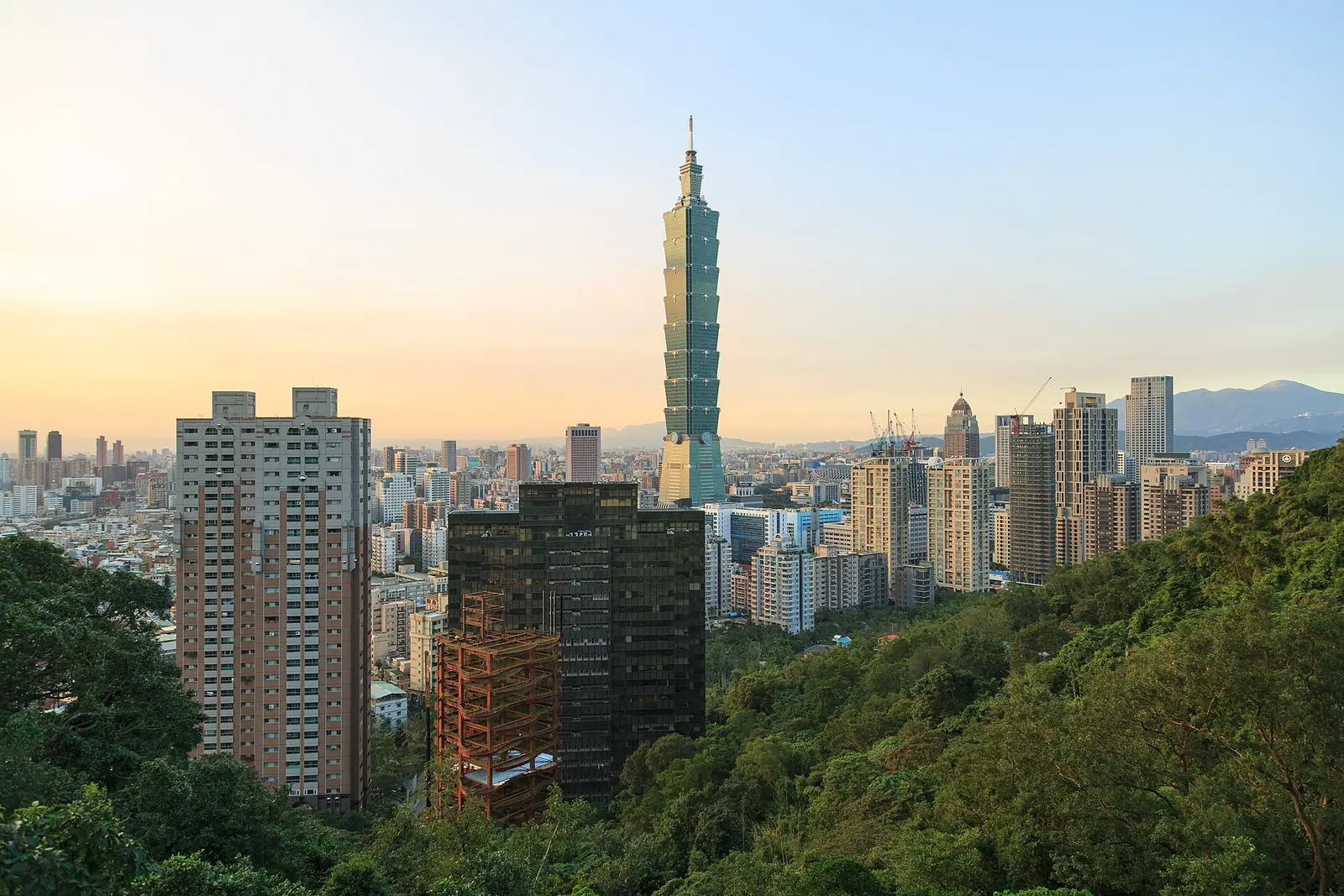
Stay in Taiwan
Hotels, guesthouses and apartments — compared in one search.
Search hotels
Transfer in Taiwan
Private driver waiting on arrival — no queues, no surprises.
Book a transfer
Travel insurance
Medical cover, delays and lost baggage — sorted before you go.
Get coveredMore guides in Taiwan
Best Time to Visit Taiwan: A Season-by-Season Guide to Weather and Hotels
Best Time to Visit Taiwan: A Season-by-Season Guide to Weather, Sights and Hotel Timing
Where to Stay in Taiwan: Top Cities and Must-See Attractions