South Africa packs a continent's worth of landscapes into one country, so where you sleep shapes what you actually see — a sea-facing balcony beneath Table Mountain is a very different holiday from a thatched lodge with a waterhole in front of it. This guide breaks the country into the areas worth basing yourself in, names the landmarks you should not miss in each, and explains the seasons, driving times and practical quirks that decide whether a trip feels effortless or frantic.
Cape Town: Basing Yourself Between Mountain and Sea
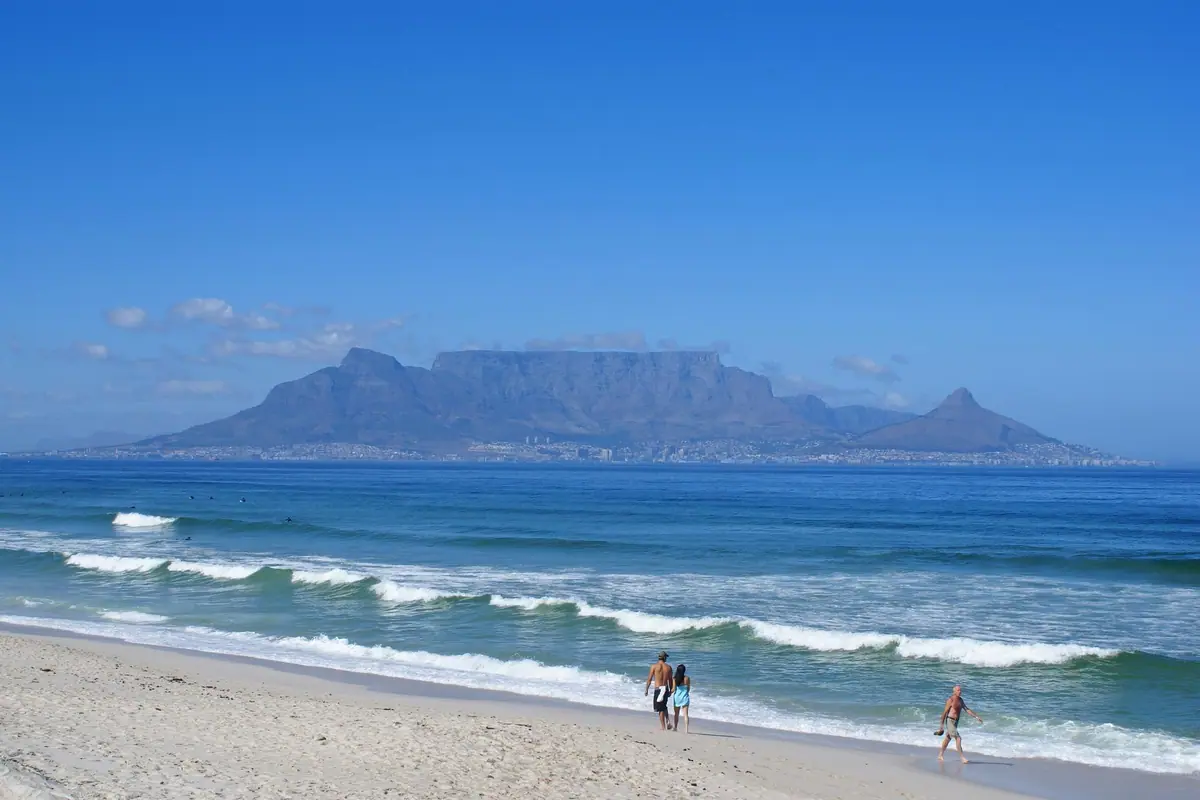
Cape Town rewards a longer stay than most first-timers allow. Three or four nights is the minimum to climb or ride the cableway up Table Mountain, wander the cobbled, brightly painted lanes of Bo-Kaap, and take the ferry to Robben Island, where Nelson Mandela was imprisoned and where former political prisoners still lead the tours. The City Bowl and De Waterkant put you within walking distance of Company's Garden and the Iziko museums, while the Victoria & Alfred Waterfront is the easiest base for families and for anyone wanting restaurants, an aquarium and harbour views on the doorstep.
If you would rather wake to the sound of surf, look at Camps Bay, Clifton or Sea Point along the Atlantic seaboard — prettier, pricier, and about twenty minutes from the city centre. From there the Cape Peninsula opens up: the dramatic Chapman's Peak drive, the funicular at Cape Point, and the colony of African penguins at Boulders Beach near Simon's Town. It is an easy full-day loop by car, and public transport is patchy, so a rental car or a driver makes the difference between seeing the peninsula and merely hearing about it.
Weather matters more here than almost anywhere in Africa. December to March brings hot, dry, windy days — the southeaster known locally as the Cape Doctor can close the cableway — while June to August is cool and wet, with the bonus of far lower hotel rates. September to November and April to May are the sweet spots: mild, quieter and often several hundred rand a night cheaper than peak season.
The Winelands and the Garden Route: Guesthouses and Farm Stays
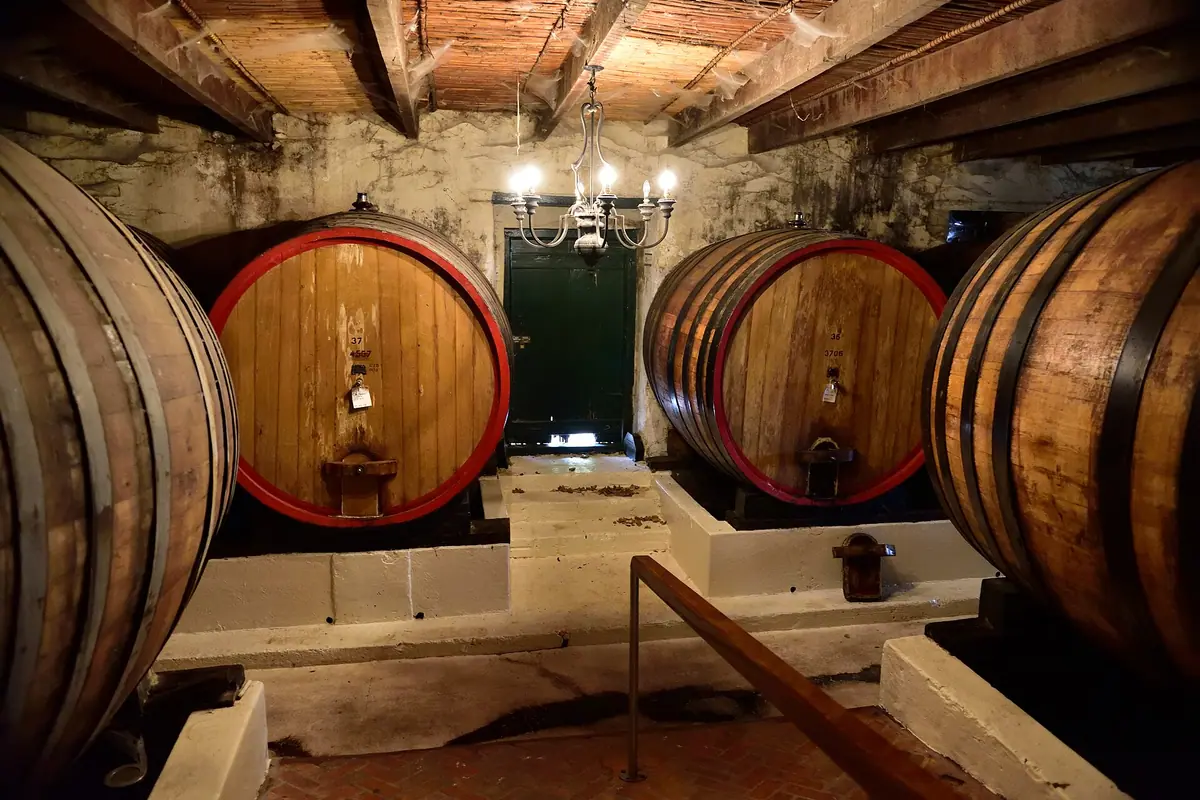
An hour inland, Stellenbosch and Franschhoek sit among some of the oldest wine estates in the Southern Hemisphere, where Cape Dutch gables, oak-lined streets and mountain backdrops make a night or two feel compulsory. Franschhoek is small enough to explore on foot, with a hop-on tasting route linking estates across the valley, while Stellenbosch offers more of a working town feel — university energy, excellent restaurants, and easy access to the Helshoogte Pass and Jonkershoek Nature Reserve for hikers. Small guesthouses and converted manor houses generally deliver more character than large hotels here.
South of the Winelands, the Garden Route stretches from Mossel Bay through Knysna and Plettenberg Bay to the Tsitsikamma forest, and it is best treated as a slow drive with two or three overnight stops rather than a day trip. Highlights include the Knysna Heads, the caverns at Cango Caves near Oudtshoorn, and the suspension bridges and storms-river gorge at Tsitsikamma. Accommodation leans heavily toward owner-run guesthouses, forest cabins and coastal cottages; book early for the December school holidays, when the whole route sells out.
Add Hermanus from roughly June to November if you want to watch southern right whales from the cliff path — it is one of the best land-based whale-watching spots on earth, and the town makes a pleasant overnight stop between Cape Town and the Garden Route.
Johannesburg and Pretoria: City Hotels With History on the Doorstep
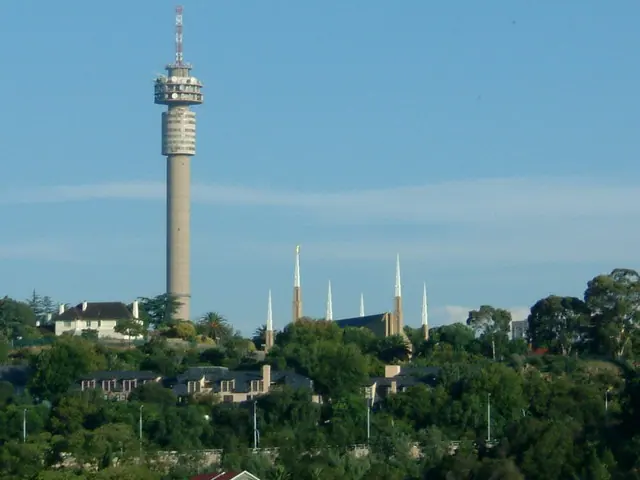
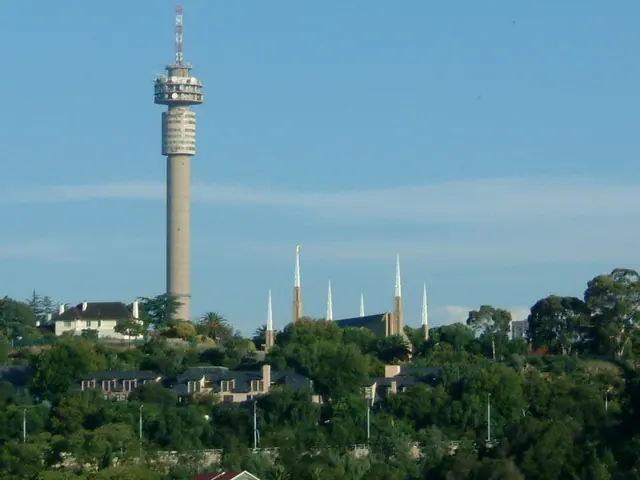
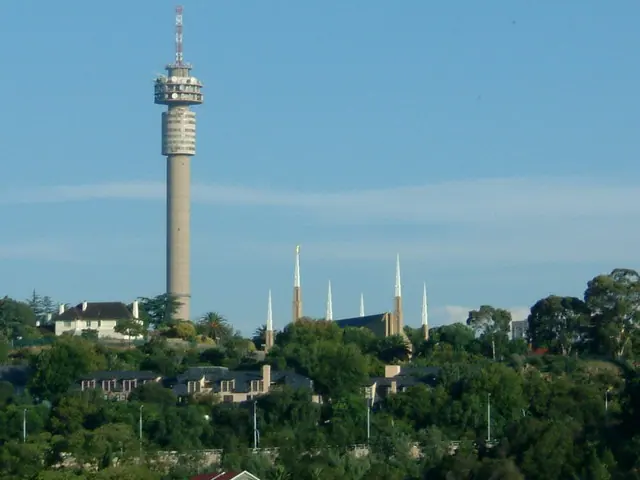
Johannesburg is not a pretty city, but it is one of the most historically charged places you will ever visit, and its hotel geography splits neatly into a few zones. Sandton is the business and shopping hub, safest for nervous first-timers and connected to the airport by a fast commuter rail link. Rosebank and Melrose Arch offer a similar feel with better restaurants, while Maboneng and Melville suit travellers who want galleries, coffee culture and a more street-level experience within walking distance of their bed.
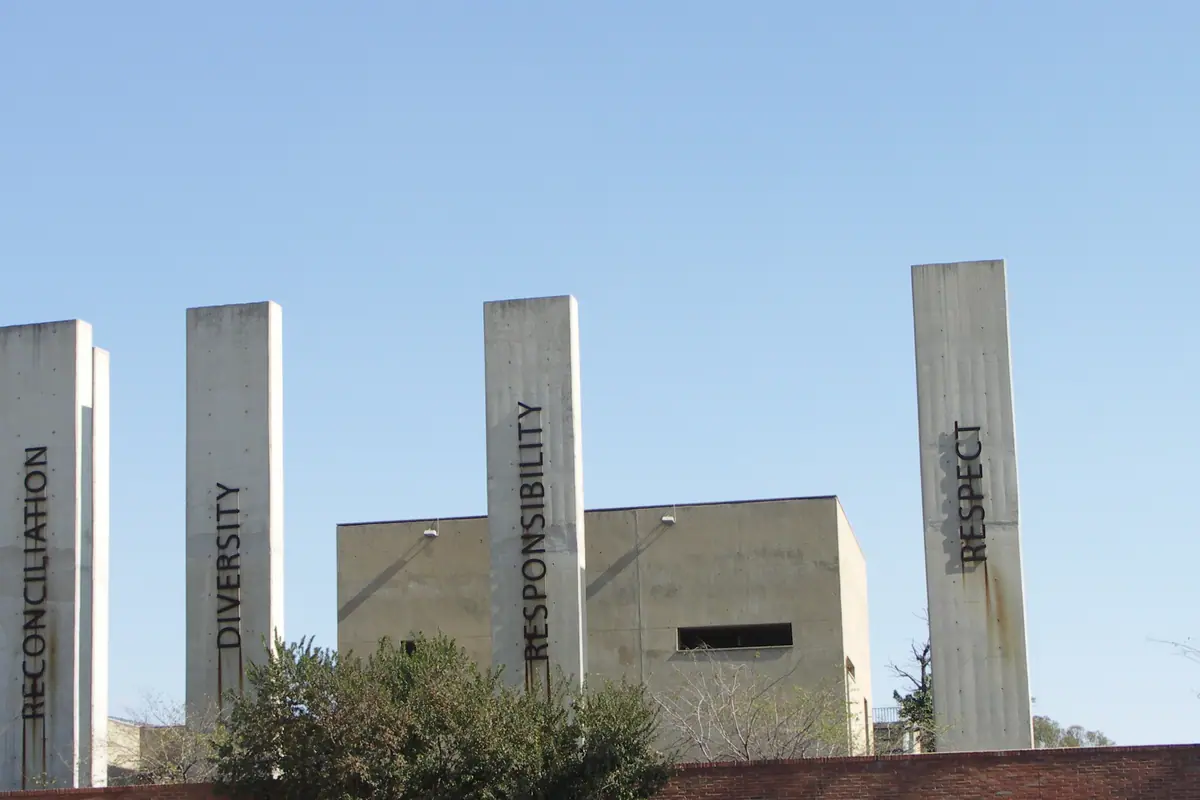
Do not leave without the Apartheid Museum, which is genuinely world-class and needs at least three hours, or Constitution Hill, built around the old Fort and its notorious Number Four prison. In Soweto, Vilakazi Street is the only street in the world to have housed two Nobel laureates — Mandela House and the Hector Pieterson Museum sit within a few blocks of each other. An hour northwest, the Cradle of Humankind and the Sterkfontein Caves display some of the oldest hominin fossils ever found.
Pretoria, forty-five minutes away, is gentler and greener, with the Union Buildings, the Voortrekker Monument and Freedom Park all worth a half-day each. Two nights in Johannesburg is enough for the main sights; three lets you add a Soweto tour and the Cradle without rushing.
Safari Lodges: Kruger, Sabi Sand and the Malaria-Free Reserves
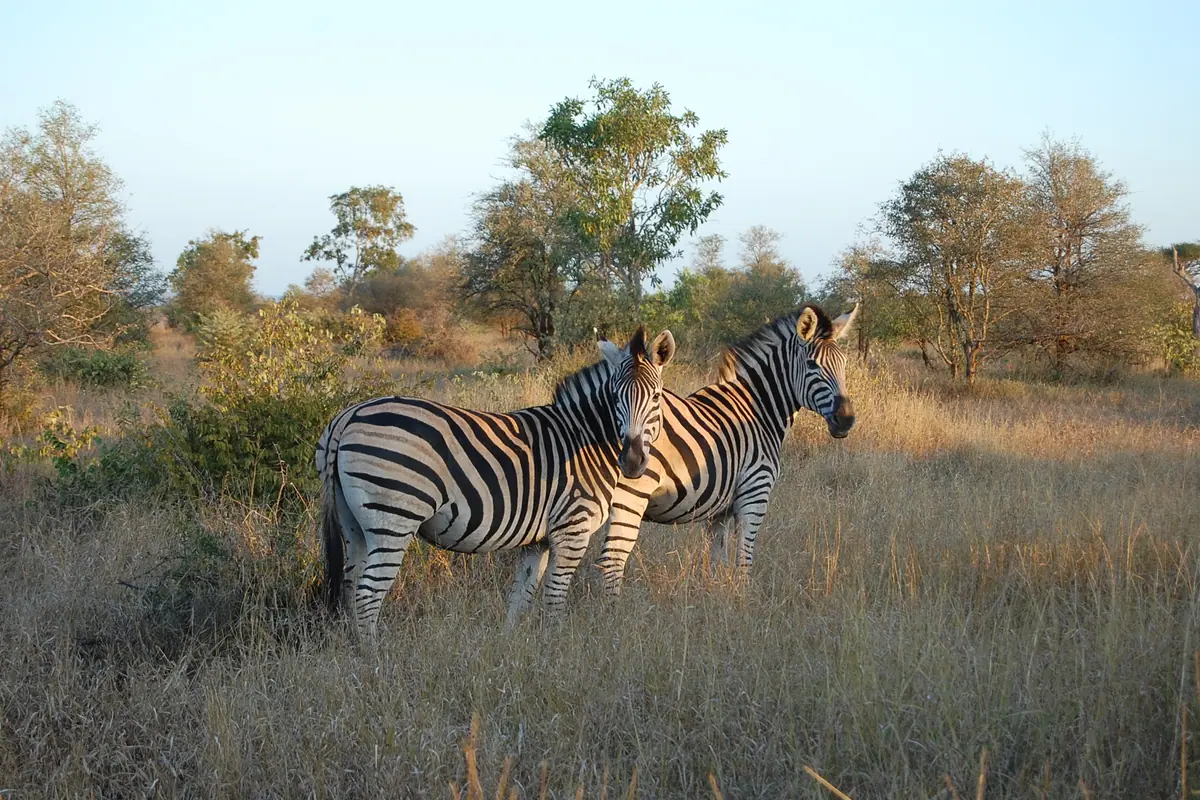
The classic South African safari is in and around Kruger National Park, which runs for roughly 350 kilometres along the Mozambique border and holds the country's densest concentrations of lion, leopard, elephant, rhino and buffalo. Inside the park, rest camps range from simple to comfortable and let you self-drive; in the private concessions bordering it — Sabi Sand, Timbavati and Klaserie — lodges include guided game drives, night drives and walking safaris, and often sightings of the big five within a day or two.
Winter, from May to September, is the best time for game viewing: vegetation thins, water is scarce so animals congregate at dams, and the lack of leaves makes spotting far easier. Days are warm and nights genuinely cold, so pack layers. The Kruger lowveld does carry a malaria risk, highest in the wet summer months from November to April; if that is a concern, consider Madikwe on the Botswana border, Pilanesberg, or Addo Elephant National Park near Port Elizabeth, all of which are malaria-free and within a few hours of a major airport.
Lodge stays usually run on a full-board or all-inclusive basis with two game drives a day — one at dawn, one in the late afternoon — which means a two-night stay gives you roughly four drives. Three nights is the point at which most people stop counting sightings and start simply enjoying the bush.
KwaZulu-Natal and the Drakensberg: Beach, Bush and Big Mountains
Durban is South Africa's seaside city, and its Golden Mile — a long promenade of beaches, piers and surf breaks — is the reason to stay near the waterfront rather than inland. The city's marine park and aquarium complex anchors the beachfront, Moses Mabhida Stadium arches over the skyline, and Florida Road is the address for restaurants and bars. Durban also works as a gateway to the Battlefields of the Anglo-Zulu and Anglo-Boer wars, and to the Midlands Meander, a craft-and-food route through the hills.
Further north, iSimangaliso Wetland Park and the St Lucia estuary are UNESCO-listed, with boat trips past hippos and crocodiles, while Sodwana Bay offers some of the best diving and snorkelling on the continent. Inland, the Drakensberg range forms a 200-kilometre wall of basalt cliffs; the Amphitheatre and Sentinel Peak near Bergville, and the Cathedral Peak area, are the classic bases for day hikes and overnight mountain treks.
Accommodation here splits between beachfront hotels in Durban, safari-style lodges near St Lucia, and self-catering chalets and mountain lodges in the Berg. Summer (December to February) is humid and stormy on the coast, but the mountains are green and dramatic; winter brings crisp, clear days ideal for hiking.
Practical Pointers: Seasons, Driving and What to Book When
South Africa's seasons are inverted from Europe and North America. Peak travel runs from mid-December to early January, when locals holiday en masse and coastal hotels can double in price, and again during the July school break. For a mix of good weather and reasonable rates, aim for late February to April or September to November. Cape Town is a summer-rainfall-free Mediterranean climate; Johannesburg and the interior get afternoon thunderstorms in summer; Durban is subtropical and humid year-round.
Distances are deceptive. Cape Town to Knysna is roughly five hours of solid driving; Johannesburg to Kruger is four to six hours depending on the gate; Durban to the Drakensberg is three. Domestic budget airlines link the main cities cheaply, which is often smarter than a long one-way drive. If you are renting a car, note that fuel stations are plentiful on major routes but scarce in remote reserves, and that many gravel roads in national parks require a higher-clearance vehicle.
Two quirks are worth planning around. First, scheduled power cuts still occur in some areas, so check whether a property has backup power or an inverter — it affects everything from air conditioning to recharging cameras. Second, safety varies enormously by neighbourhood: ask your accommodation which streets are fine to walk after dark and use ride-hailing rather than walking long distances at night. Tipping of ten to fifteen percent is standard, and booking safari lodges and Cape Town beach hotels two to four months ahead is wise for anything between October and March.
Frequently asked questions
What is the best time of year to visit South Africa?
For Cape Town, aim for September to November or February to April, when days are mild and rates are lower than the December peak. For safaris in Kruger, the dry winter months from May to September give the best game viewing. December and early January are the busiest and most expensive weeks nationwide because of local school holidays.
Which areas should a first-time visitor base themselves in?
Most two-week itineraries combine three to four nights in Cape Town, two or three in the Winelands or along the Garden Route, three nights on safari in or near Kruger, and two nights in Johannesburg for the Apartheid Museum, Constitution Hill and Soweto. Add Durban or the Drakensberg if you have more time.
Do I need to worry about malaria on a South African safari?
Only in certain areas. The Kruger lowveld and parts of northern KwaZulu-Natal carry a malaria risk, highest during the wet summer months from November to April. Madikwe, Pilanesberg, Addo Elephant National Park and the Eastern Cape reserves are malaria-free, which makes them a good choice for families or anyone who would rather avoid antimalarials.
Is it safe to stay in Johannesburg and Cape Town?
Central tourist areas are generally fine if you take normal city precautions. Choose accommodation in Sandton, Rosebank, Maboneng or Melville in Johannesburg, and the City Bowl, Waterfront, Sea Point or Camps Bay in Cape Town. Use ride-hailing after dark, keep valuables out of sight, and ask your hotel which streets are comfortable to walk.
How far in advance should I book hotels and safari lodges?
For travel between October and March, book Cape Town beach hotels and Kruger-area lodges two to four months ahead; for the December holidays, four to six months is safer, as many lodges sell out entirely. Off-peak winter travel in the Cape and last-minute midweek city stays can often be booked a few weeks out.
Plan it — hotels in South Africa
Live search, booked directly with trusted providers.
Sort the rest of your trip
Everything for South Africa, in one place
Transfer in South Africa
Private driver waiting on arrival — no queues, no surprises.
Book a transfer
Things to do in South Africa
Skip-the-line tickets, guided tours and standout experiences.
See experiences
Stay online in South Africa
Travel eSIM — data the moment you land, no roaming bills.
Get an eSIM